Europe is home to some of the most breathtaking waterways in the world, from dramatic fjords and winding rivers to sparkling lakes and ancient coastal routes. Traveling by boat gives you a front-row seat to stunning scenery that you simply cannot experience any other way.
Whether you are planning a relaxing getaway or an adventure packed with history and culture, these 15 boat journeys across Europe are worth adding to your bucket list.
1. Hurtigruten Coastal Express, Bergen to Kirkenes, Norway
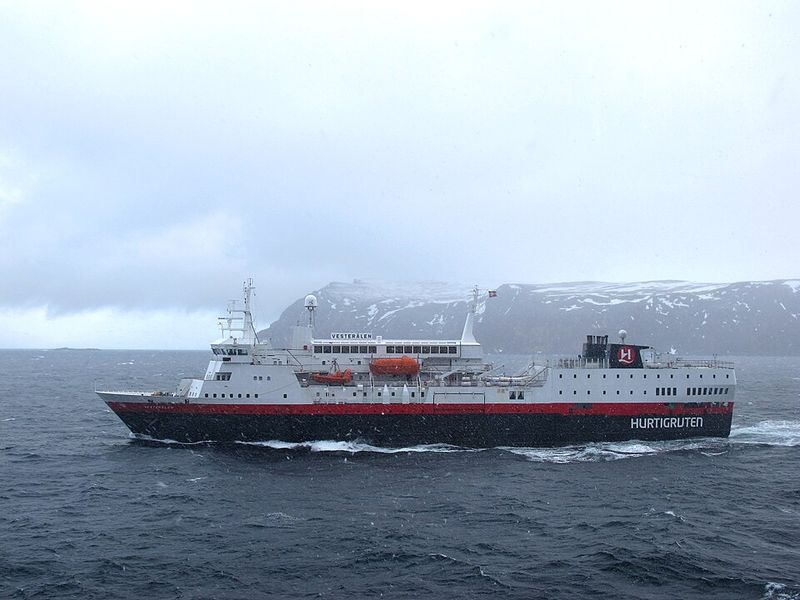
Few journeys on Earth match the raw, untamed beauty of Norway’s Hurtigruten Coastal Express. Stretching over 2,500 kilometers from Bergen to Kirkenes, this legendary route has been running since 1893, originally serving as a lifeline for remote coastal communities.
Today, it is one of the most celebrated scenic voyages in the world. The ship passes through 34 ports, offering passengers a front-row view of dramatic fjords, fishing villages, and snow-dusted mountain peaks.
In winter, lucky travelers may even spot the northern lights dancing overhead.
The journey takes about 12 days round trip, giving you plenty of time to soak in every detail. Onboard amenities are comfortable, with good food and warm common areas.
Whether you travel in the golden summer midnight sun or the icy blue of winter, this voyage is unforgettable and genuinely unlike anything else in Europe.
2. Naeroyfjord Cruise, Flam to Gudvangen, Norway
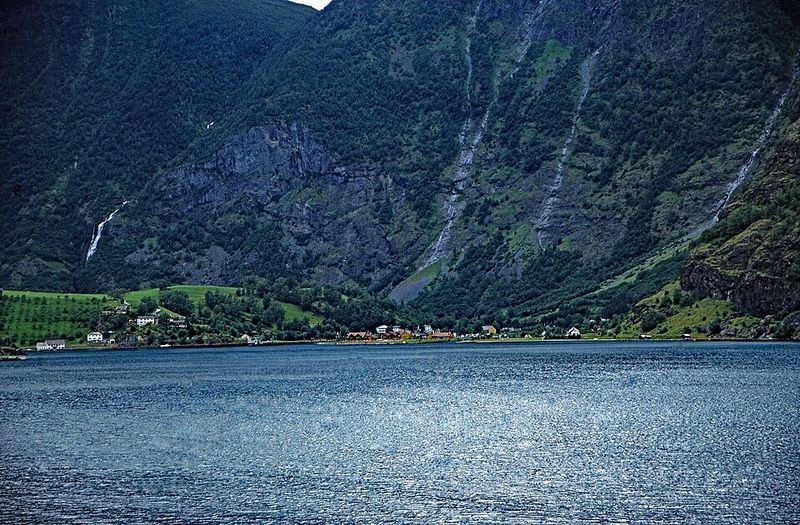
Recognized as a UNESCO World Heritage Site, the Naeroyfjord is one of the narrowest and most dramatic fjords in all of Norway. The boat journey from Flam to Gudvangen winds through towering cliffs that rise nearly 1,800 meters above the water, creating a landscape that feels almost otherworldly.
The cruise takes roughly two hours and is widely considered one of the most scenic short boat trips in Europe. Waterfalls tumble down the cliffsides, and small farms cling to impossibly steep hillsides along the way.
Wildlife sightings, including porpoises and eagles, are not uncommon.
This trip pairs perfectly with the famous Flam Railway, making it a popular day excursion for visitors to western Norway. Ferries run from spring through autumn, with summer offering the best weather and longest daylight hours.
Booking ahead is strongly recommended during peak season.
3. Rhine Gorge Cruise, Bingen to Koblenz, Germany
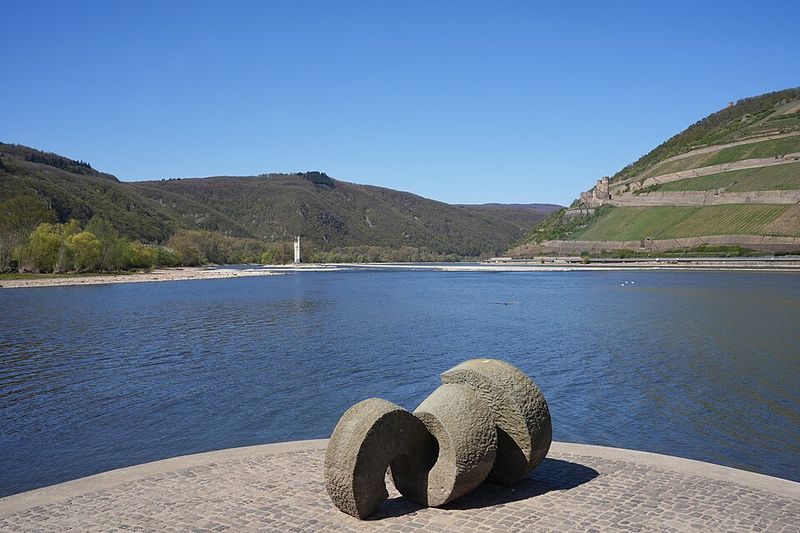
The stretch of the Rhine River between Bingen and Koblenz is often called the Romantic Rhine, and once you see it, you will understand why. This 65-kilometer section of river is packed with medieval castles, steep vineyard terraces, and charming riverside towns that look like they belong in a fairytale.
The cruise takes about three to four hours one way, and every bend in the river reveals something new. Lorelei Rock, one of Germany’s most famous landmarks, rises dramatically from the water along this route.
The area is also a UNESCO World Heritage Site, recognized for its outstanding cultural and natural significance.
Boat services run regularly between April and October, operated by companies like KD River Cruises. Many travelers combine the boat trip with a stop in one of the riverside villages for local wine and food.
Spring and early autumn offer particularly pleasant conditions for the journey.
4. Danube Cruise, Vienna to Budapest, Austria, Slovakia and Hungary
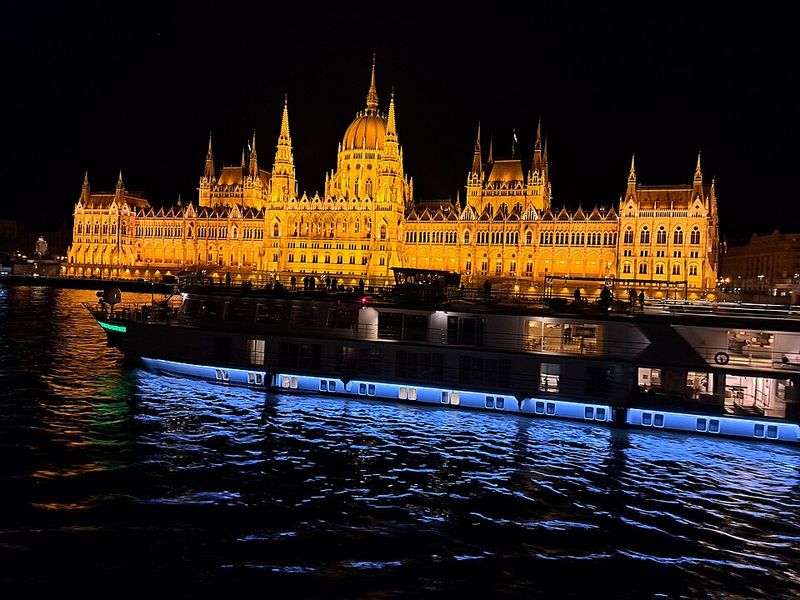
Cruising the Danube from Vienna to Budapest is one of the classic European river journeys, passing through three countries and centuries of history in just a few days. The route takes you through Austria, a brief stretch of Slovakia near Bratislava, and finally into Hungary, where Budapest greets you with one of the most dramatic city skylines on any European river.
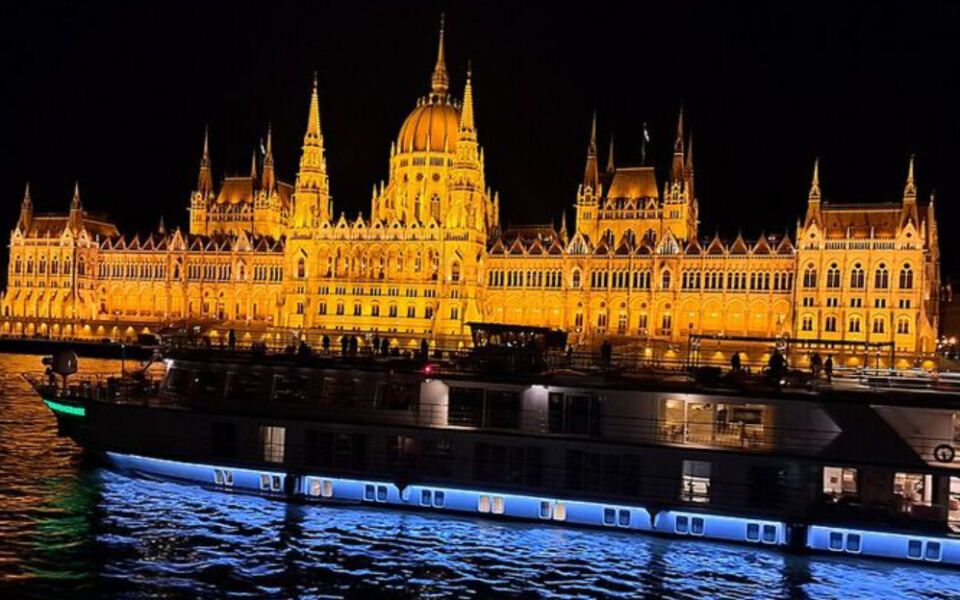
Highlights along the way include the spires of Vienna, the hilltop Bratislava Castle, and the iconic Hungarian Parliament building glowing at night. Many cruise lines offer multi-day packages with guided shore excursions included in the price.
For a quicker experience, high-speed hydrofoil services connect Vienna and Budapest in about five to six hours. The Danube is also one of the most accessible river cruise destinations, with options ranging from budget-friendly to luxury.
Late spring and early autumn are generally the best times to travel this route.
5. Douro Valley Cruise, Porto to the Douro Wine Region, Portugal
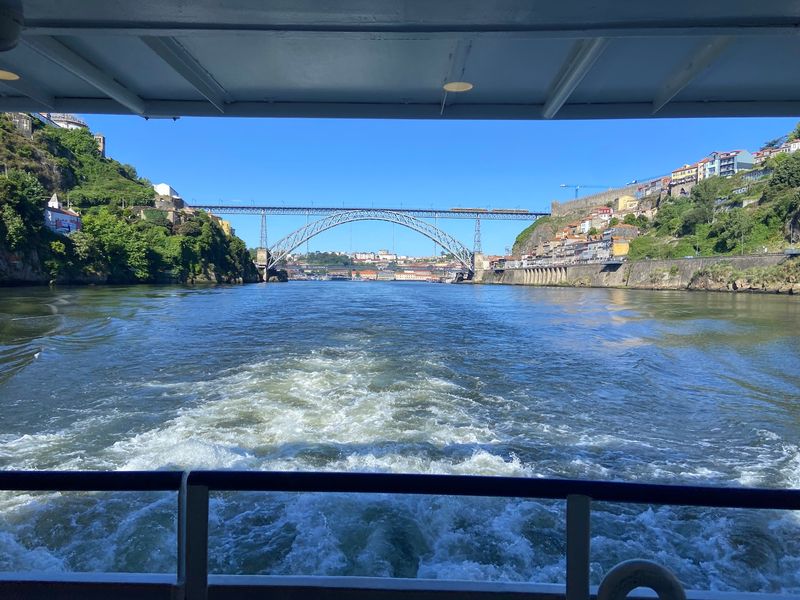
Portugal’s Douro Valley is one of the oldest wine regions in the world, and exploring it by boat is a truly special experience. The cruise departs from Porto, a vibrant city famous for its port wine cellars and colorful tiled buildings, and heads east into the heart of the valley.
As the river winds deeper into the landscape, the terraced vineyards rise dramatically on either side, creating a patchwork of greens and golds that changes with the seasons. The valley is a UNESCO World Heritage Site, and the scenery along the water is consistently stunning.
Multi-day cruises typically stop at wine estates for tastings, village visits, and local meals. September and October are particularly magical, as the grape harvest brings the valley to life with activity and color.
Shorter day cruises from Porto are also available for travelers with limited time but big appetites for beauty.
6. Caledonian Canal and Loch Ness Cruise, Scotland
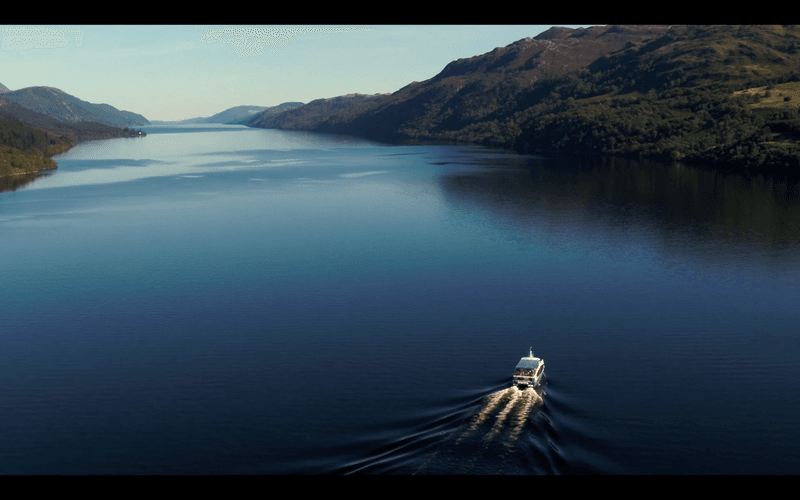
Scotland’s Caledonian Canal stretches 96 kilometers across the Scottish Highlands, connecting the North Sea to the Atlantic Ocean. Along the way, it passes through a chain of stunning lochs, including the legendary Loch Ness, famous worldwide for its mysterious resident, the Loch Ness Monster.
Cruises along this route offer a mix of natural beauty and Scottish history that is hard to beat. The canal passes through rugged Highland scenery, ancient forests, and small villages where life feels refreshingly unhurried.
Birdwatchers and wildlife lovers will appreciate the red kites, otters, and red squirrels that call this area home.
Boat trips on Loch Ness itself are widely available from the town of Inverness or from the village of Fort Augustus. Sonar equipment is sometimes used on tours, adding a fun and mysterious element to the experience.
The Scottish Highlands are best visited between May and September for the most reliable weather.
7. Stockholm Archipelago Cruise, Sweden
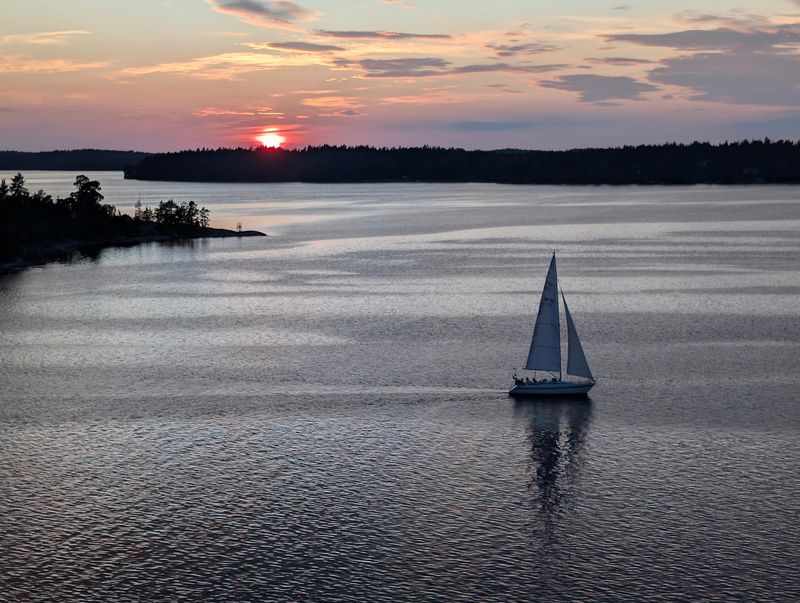
Stockholm’s archipelago is made up of roughly 30,000 islands, islets, and rocks spread across the Baltic Sea, and exploring it by boat is one of Sweden’s greatest pleasures. The islands range from busy resort communities with cafes and shops to completely uninhabited rocky outcrops where seabirds rule the shoreline.
Regular ferry services operated by Waxholmsbolaget connect the city to dozens of islands throughout the year. In summer, the archipelago buzzes with Swedish families heading to their traditional red-painted cottages for a few weeks of island life.
The light in summer is extraordinary, with long evenings bathed in golden sunshine.
Day trips from Stockholm can include stops on islands like Vaxholm, Grinda, or Sandhamn, each with its own distinct character. Bringing a picnic and spending the day exploring on foot between ferry connections is a popular and affordable way to enjoy the archipelago.
Pack layers, as sea breezes can be cool.
8. Lake Como Ferry, Como to Bellagio and Varenna, Italy
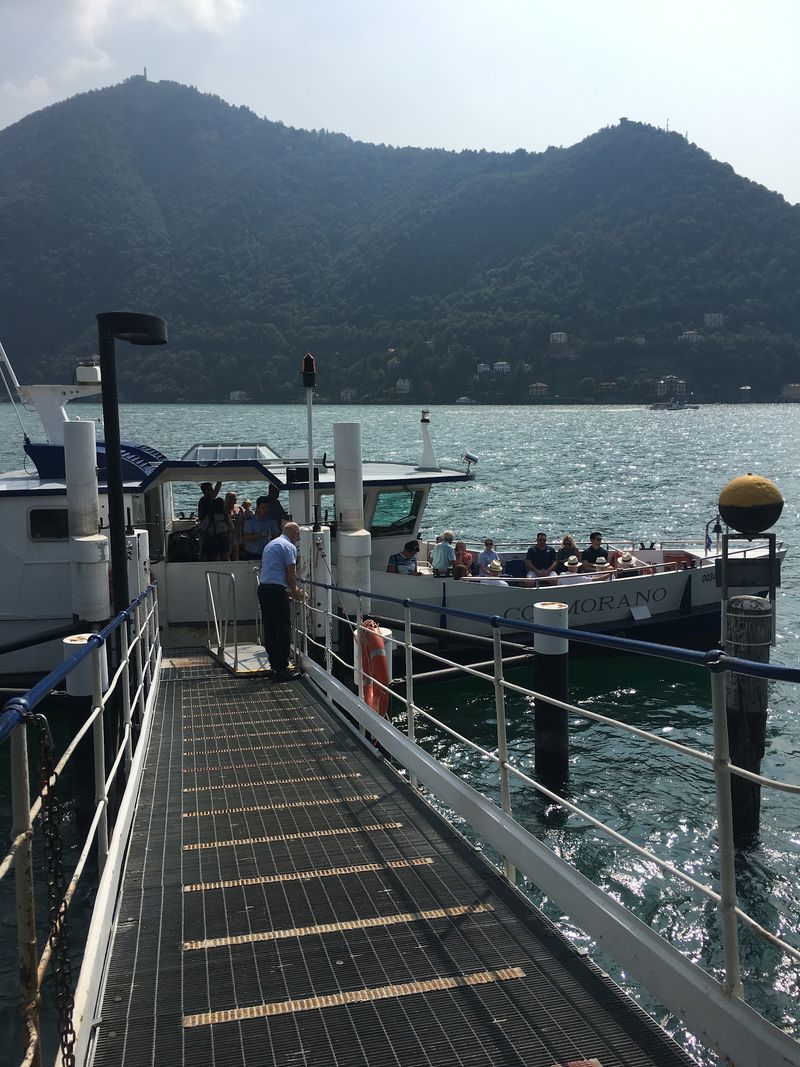
Lake Como has been a retreat for the wealthy and creative for centuries, and arriving by ferry is still the most elegant way to experience it. The public ferry system connects dozens of lakeside towns, but the route from Como to Bellagio and Varenna is the most celebrated stretch of the journey.
Bellagio sits on a scenic promontory where the two southern branches of the lake meet, earning it the nickname the Pearl of the Lake. Varenna, on the opposite shore, is quieter and arguably even more charming, with narrow cobblestone streets and waterfront restaurants perfect for a long lunch.
Ferries run frequently and are affordable, making this an excellent option for independent travelers. The hydrofoil service is faster, while the car ferries move at a slower pace that allows for better photo opportunities.
Morning light on the lake is particularly beautiful and ideal for photography enthusiasts.
9. Dubrovnik to the Elafiti Islands, Croatia
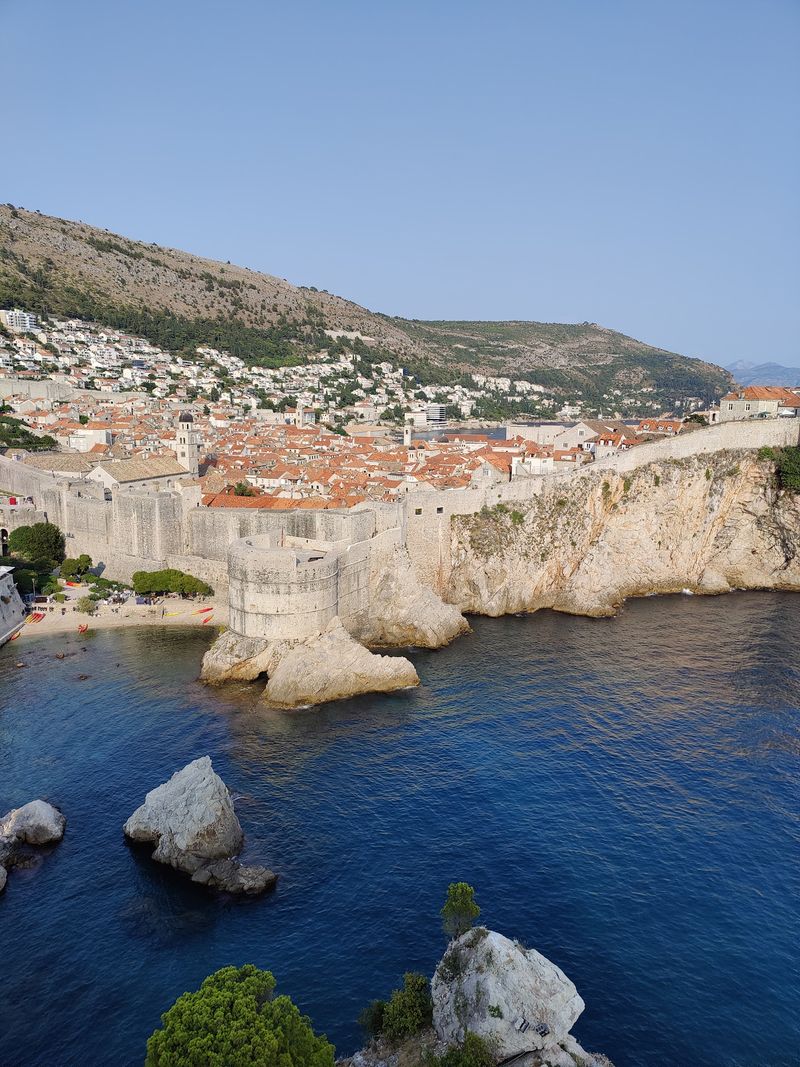
Just a short boat ride from the famous walled city of Dubrovnik lies a cluster of peaceful islands known as the Elafiti Islands. The group includes Kolocep, Lopud, and Sipan, each offering a slower pace of life, crystal-clear Adriatic water, and landscapes that feel far removed from the tourist crowds of the mainland.
Day trip boats depart from Dubrovnik’s Old Harbour regularly during the summer months, and many tours stop at all three islands. Lopud is particularly beloved for its sandy beach, Sunj Bay, which is rare in this rocky part of the Adriatic.
Sipan, the largest of the three, has olive groves, vineyards, and a handful of excellent seafood restaurants.
The islands are largely car-free, which adds to their tranquil appeal. Visitors can rent bicycles or simply walk between the small villages.
Traveling in June or September helps you avoid the peak July and August crowds while still enjoying warm, sunny weather.
10. Santorini Caldera Cruise, Greece
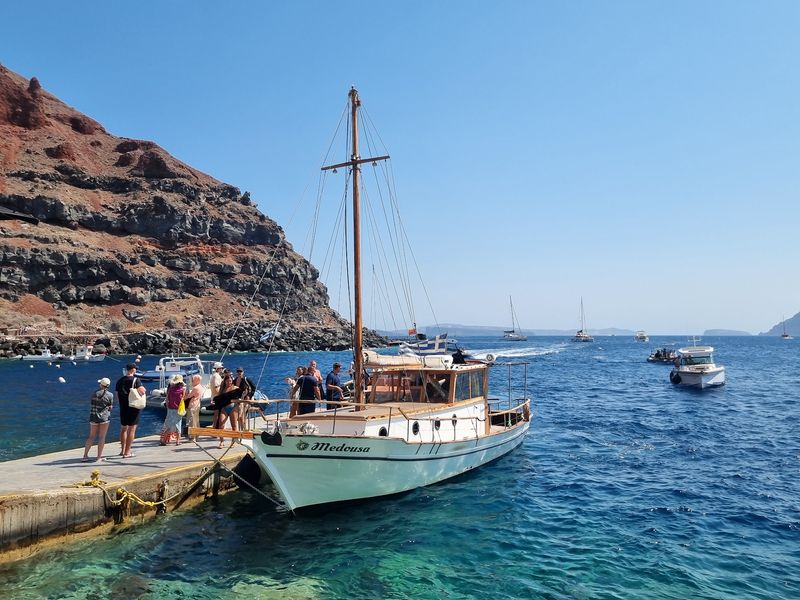
Santorini’s caldera is one of the most dramatic natural features in all of Europe, formed thousands of years ago by one of the largest volcanic eruptions in recorded history. Sailing inside this ancient volcanic crater, surrounded by towering black and red cliffs topped with the island’s iconic white buildings, is a genuinely jaw-dropping experience.
Caldera cruises typically depart from the port of Fira or from the village of Oia and often include stops at the active volcanic islet of Nea Kameni, hot springs, and the quieter island of Thirassia. Sunset cruises are especially popular, offering views of Santorini’s legendary sunsets from the water.
Options range from large catamaran group tours to private sailboat charters, depending on your budget and preference. Most tours include snorkeling stops in the warm Aegean waters.
Booking a few days in advance is wise during the busy summer months of July and August.
11. Lake Geneva Cruise, Geneva to Montreux, Switzerland
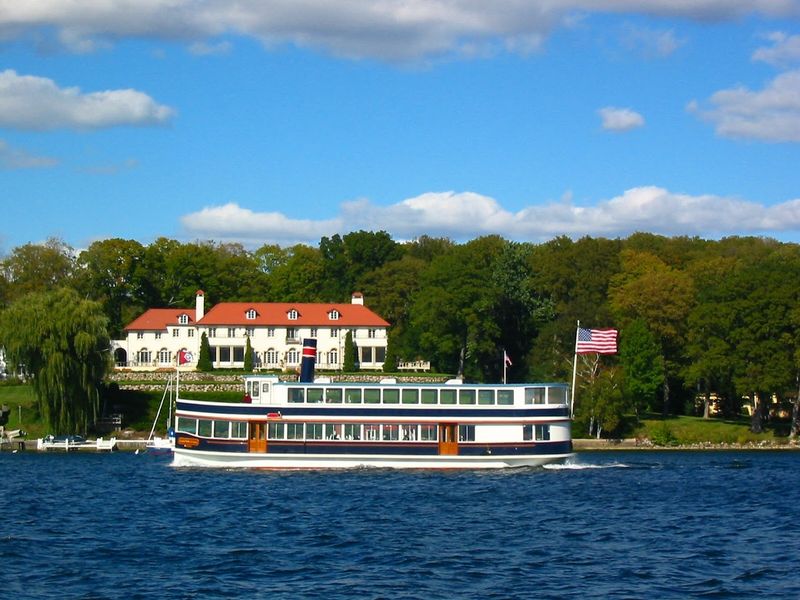
Lake Geneva is the largest freshwater lake in Western Europe, and cruising its length from Geneva to Montreux is a journey through some of Switzerland’s most celebrated scenery. The Swiss side of the lake is lined with the UNESCO-listed Lavaux vineyard terraces, medieval castles, and elegant Belle Epoque resort towns.
The Compagnie Generale de Navigation operates beautiful historic paddle steamers on the lake, some dating back over a century. Stepping aboard one of these restored vessels feels like traveling back to the golden age of European leisure travel.
The journey from Geneva to Montreux takes about four hours by regular ferry or longer on a scenic steamer cruise.
Montreux itself is worth the trip, famous for its jazz festival and the nearby Chillon Castle, which sits directly on the lakeshore. Spring and early autumn offer the clearest views of the Alps.
The lake can be enjoyed year-round, though summer brings the most activity and the warmest swimming conditions.
12. Moselle River Cruise, Koblenz to Cochem, Germany
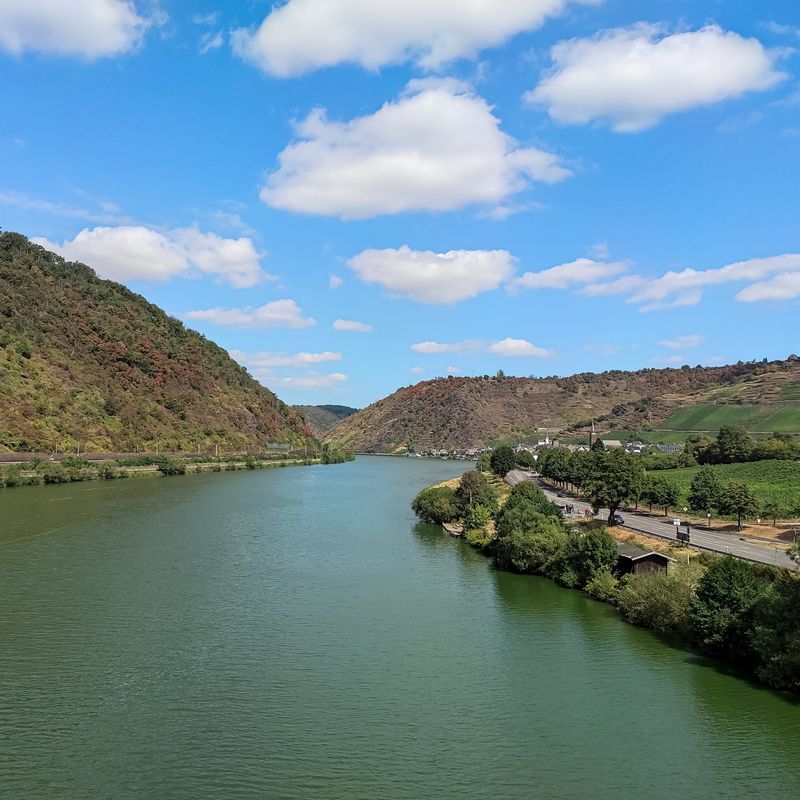
The Moselle River winds through one of Germany’s most beautiful and underrated wine regions, and the cruise between Koblenz and Cochem is a highlight for anyone who loves scenery, history, and good wine. The river makes dramatic sweeping bends through a steep valley lined with Riesling vineyards that cling to nearly vertical slopes.
Medieval castles appear around almost every curve, many of them remarkably well-preserved. The town of Cochem itself is a postcard-perfect destination, dominated by the imposing Reichsburg Castle perched high above the rooftops.
The journey by boat takes a few hours and is far more relaxing than driving the winding riverside road.
Boat services along the Moselle run primarily from spring through autumn. The region is especially beautiful in October when the vineyards turn golden and the harvest season fills the villages with activity.
Combining the cruise with a wine tasting at a local estate is a very popular choice among visitors.
13. Venice to Murano, Burano and Torcello, Italy
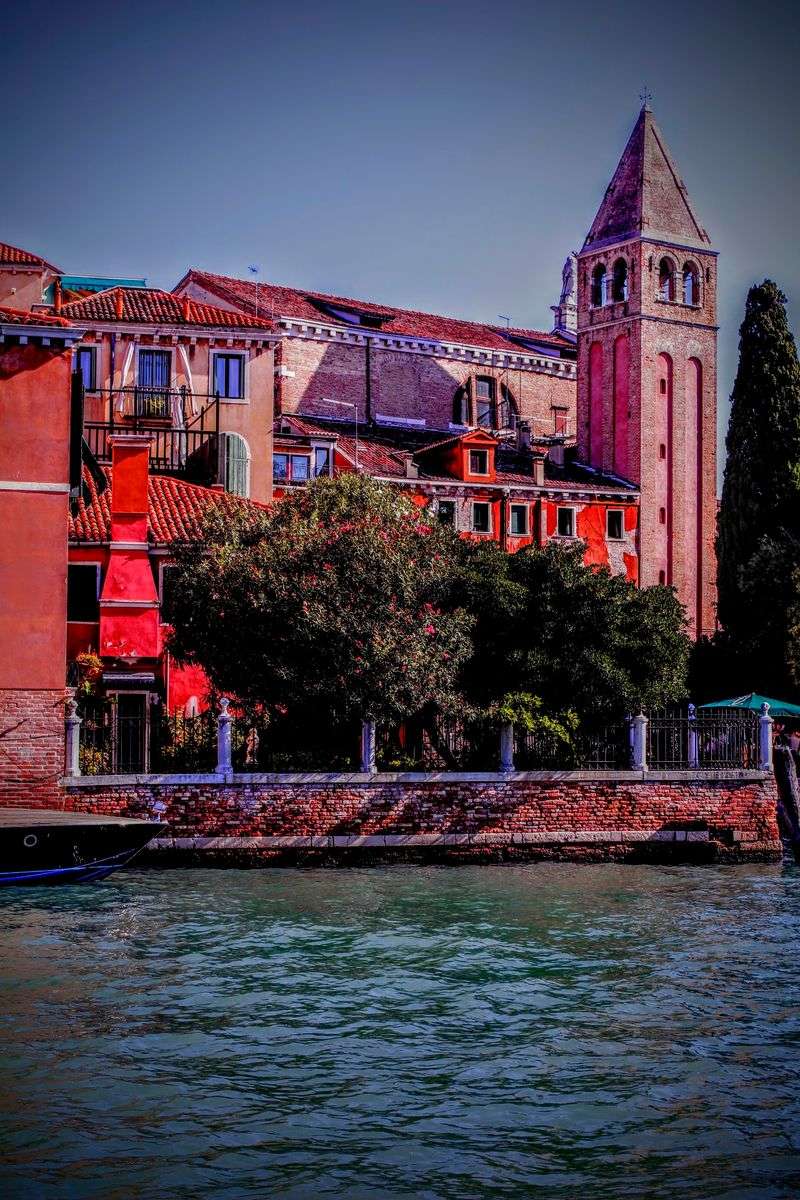
Venice itself is extraordinary, but the islands of its lagoon offer a completely different side of this remarkable city. A short vaporetto ride from the main island takes you to Murano, Burano, and Torcello, each with its own distinct identity and history that rewards curious travelers willing to venture a little further.
Murano has been the center of Venetian glassmaking for over 700 years, and watching master craftsmen at work is a fascinating experience. Burano is instantly recognizable for its rows of brightly painted fishermen’s houses in every color imaginable, making it one of the most photographed places in Italy.
Torcello, the most remote of the three, is hauntingly quiet and home to a cathedral that predates Venice itself.
The ACTV vaporetto system connects all three islands from Venice’s Fondamente Nove stop. A travel card covering 24 or 48 hours makes island hopping affordable and convenient.
Visiting on a weekday morning helps avoid the busiest crowds, especially in summer.
14. Seine River Cruise, Paris to Normandy, France
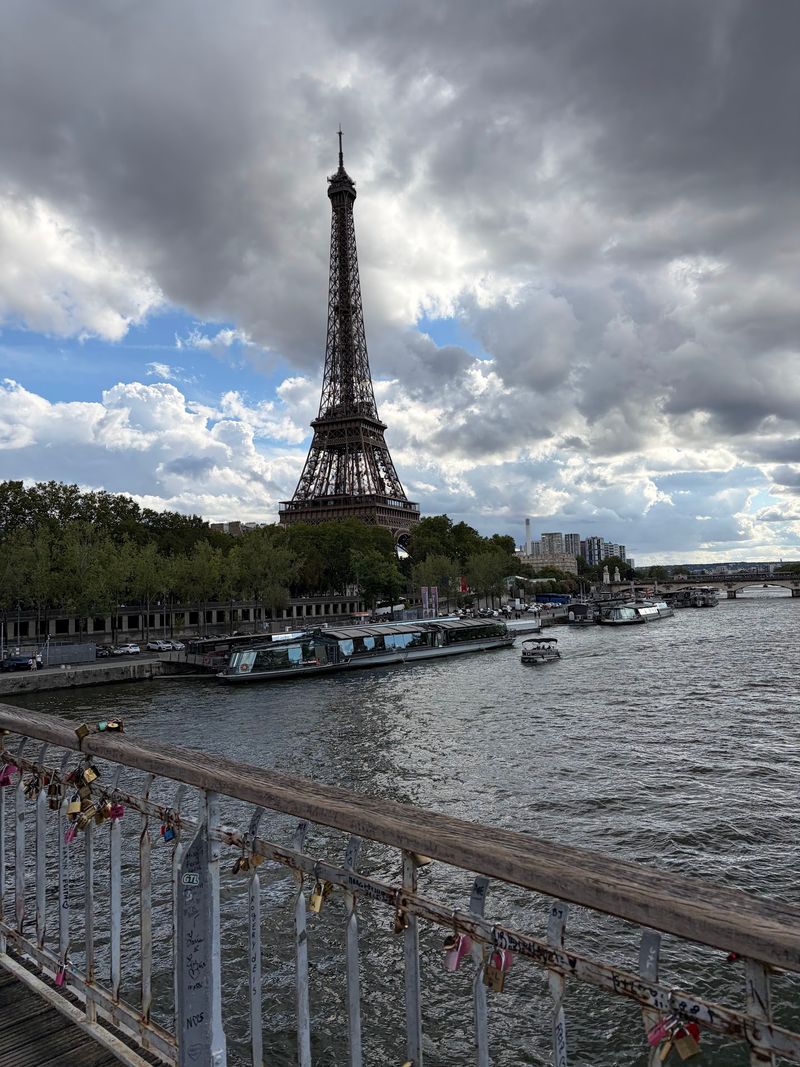
Most visitors know the Seine for its iconic Parisian views, but the river stretches far beyond the city into the heart of Normandy, passing through a landscape of chalk cliffs, apple orchards, and villages steeped in history. A multi-day cruise from Paris to Normandy is one of France’s most rewarding river journeys.
Along the way, the ship passes through the Seine Valley, stopping at places like Giverny, where Claude Monet painted his famous water lilies, and the medieval town of Rouen, known for its stunning Gothic cathedral and its connection to Joan of Arc. Further downstream, the route approaches the D-Day beaches and the moving American Cemetery at Colleville-sur-Mer.
Most Seine river cruises between Paris and Normandy last between seven and ten days. Luxury cruise lines dominate this route, with Viking River Cruises and Avalon Waterways among the most popular operators.
Spring is a particularly beautiful time to travel, when the orchards are in full blossom.
15. Galway to the Aran Islands Ferry, Ireland
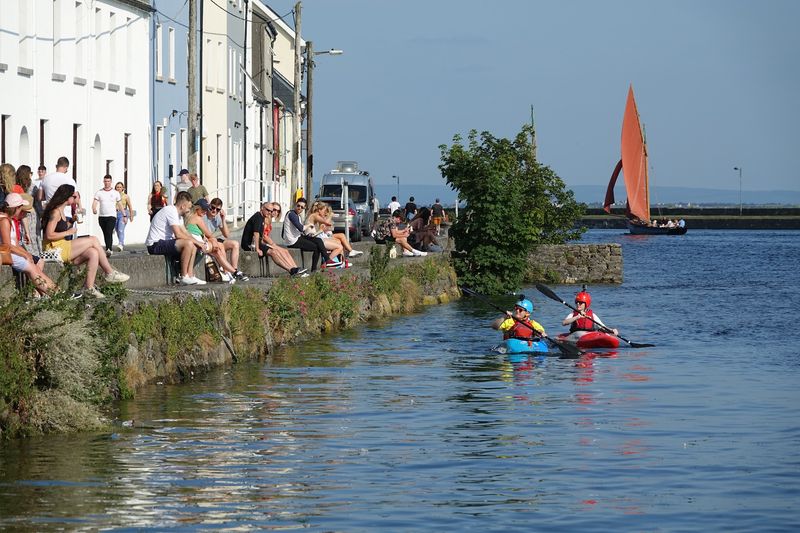
Out in the wild waters of Galway Bay, three ancient limestone islands sit at the edge of the Atlantic, and reaching them by ferry is an adventure in itself. The Aran Islands, Inis Mor, Inis Meain, and Inis Oirr, have preserved a traditional Irish way of life that has largely disappeared from the mainland, including the Irish language, stone-walled fields, and centuries-old fortresses.
The ferry from Rossaveal, about 40 minutes west of Galway city, takes roughly 45 minutes to reach Inis Mor, the largest and most visited of the three islands. The crossing can be choppy, so seasickness tablets are worth packing if you are sensitive to rough water.
Once on the island, hiring a bicycle or a pony trap to reach Dun Aonghasa, the dramatic Iron Age fort perched on sheer 90-meter cliffs, is an absolute must.
Ferries run year-round, though services are more frequent from April through October. The islands feel most authentic and uncrowded outside of peak summer season.
Share this story