America’s historic plantations and grand estates hold centuries of stories, from the founding fathers who shaped a new nation to the enslaved men and women whose labor built these sprawling properties. Visiting these sites offers more than a glimpse at beautiful architecture or sweeping landscapes.
Each one presents a fuller, more complicated picture of American history that textbooks rarely capture in full. Whether you are planning a family road trip through Virginia’s countryside, a cultural weekend in Charleston, or a solo adventure along Louisiana’s River Road, this list covers 15 remarkable places where history feels genuinely close.
Some of these sites are famous landmarks you have probably heard of, and others may surprise you. All of them are worth your time.
Thomas Jefferson’s Monticello, Charlottesville, Virginia
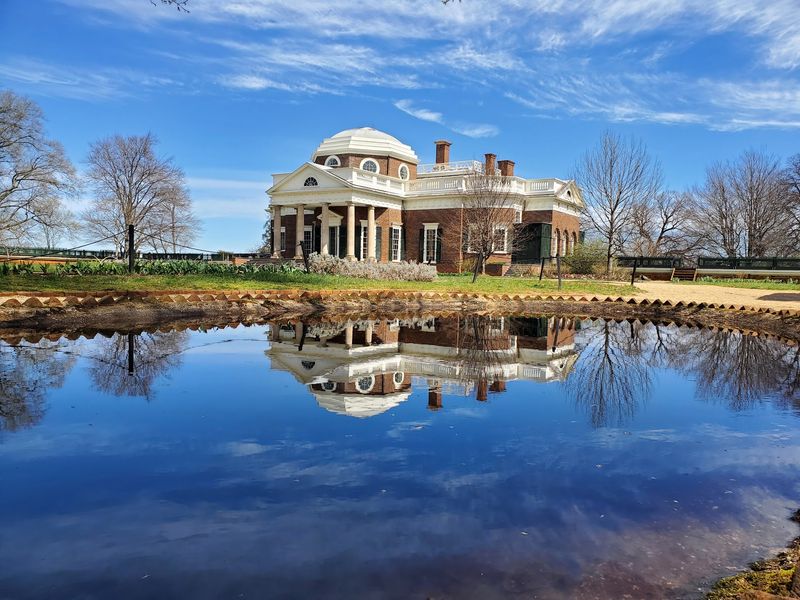
Few American homes carry as much historical weight as Monticello, the mountaintop estate Thomas Jefferson spent much of his life designing, redesigning, and refining. Perched above Charlottesville, the property reflects Jefferson’s deep interest in European classical architecture, particularly the Palladian style he admired during his time in France.
Visitors can tour the house itself, walk through restored gardens, and explore the surrounding grounds where Jefferson conducted agricultural experiments for decades. What sets Monticello apart from many other founding-era sites is its honest and detailed interpretation of slavery.
Exhibits and guided programs specifically address the lives of the hundreds of enslaved people who lived and worked here, including well-documented individuals like Sally Hemings.
Multiple tours and family programs are available throughout the year, covering topics from architecture to food history to freedom. Checking the seasonal calendar before you visit is smart because tour availability shifts throughout the year.
George Washington’s Mount Vernon, Mount Vernon, Virginia
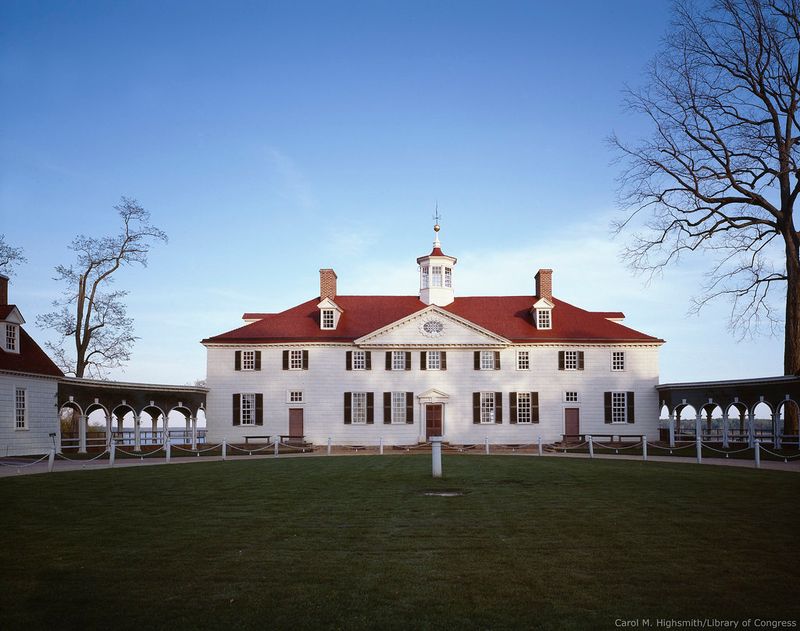
Sitting along a broad stretch of the Potomac River just south of Washington, D.C., Mount Vernon is far more than a preserved house. The estate covers hundreds of acres and includes the mansion, Washington’s tomb, working farm areas, reconstructed outbuildings, and formal gardens that reflect 18th-century landscape design.
Museum galleries hold thousands of objects connected to Washington’s life as a general, president, and farmer. Interpretation here also covers the enslaved community at Mount Vernon honestly, including the stories of specific individuals and the complex conditions they endured under one of America’s most celebrated founders.
One practical advantage Mount Vernon offers over many other historic sites is its year-round schedule. The estate is open every single day of the year, with hours that shift seasonally.
Plan for a full half-day at minimum if you want to see the house, grounds, and museum galleries without feeling rushed.
James Madison’s Montpelier, Montpelier Station, Virginia
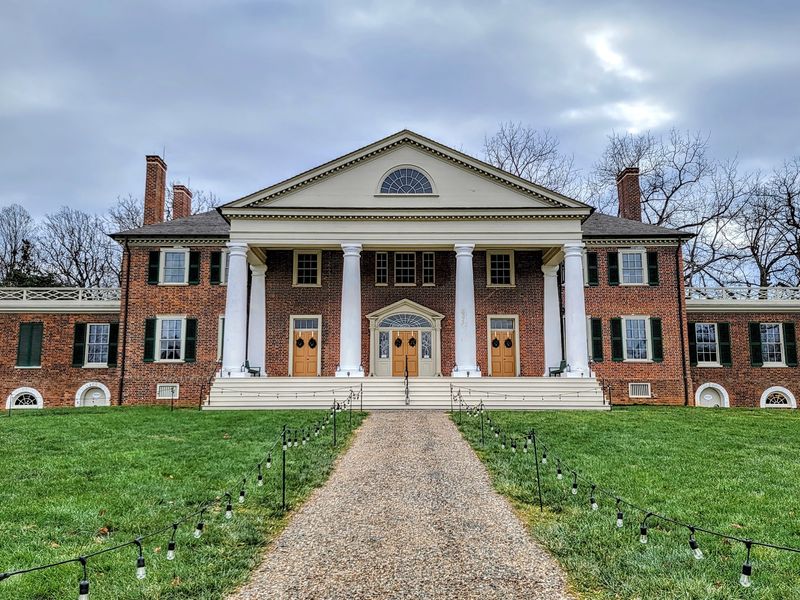
James Madison may be best known as the Father of the Constitution, but Montpelier tells a much broader story than the political biography most visitors expect. The estate in Orange County, Virginia, was the Madison family home for generations and today operates as a serious historic site committed to layered, honest interpretation.
Guided mansion tours cover Madison’s role in drafting the Constitution and the Bill of Rights while also examining plantation life in full. Montpelier has invested heavily in archaeological research and descendant community engagement to document the enslaved families who lived on the property, and that work shapes how tours are presented.
Beyond the house, visitors can explore walking trails, exhibition spaces, and the wide open grounds surrounding the main building. The property generally operates Tuesday through Sunday on a seasonal schedule, so confirming hours before your trip is a good idea.
It is a thoughtful, substantive stop.
Berkeley Plantation, Charles City, Virginia
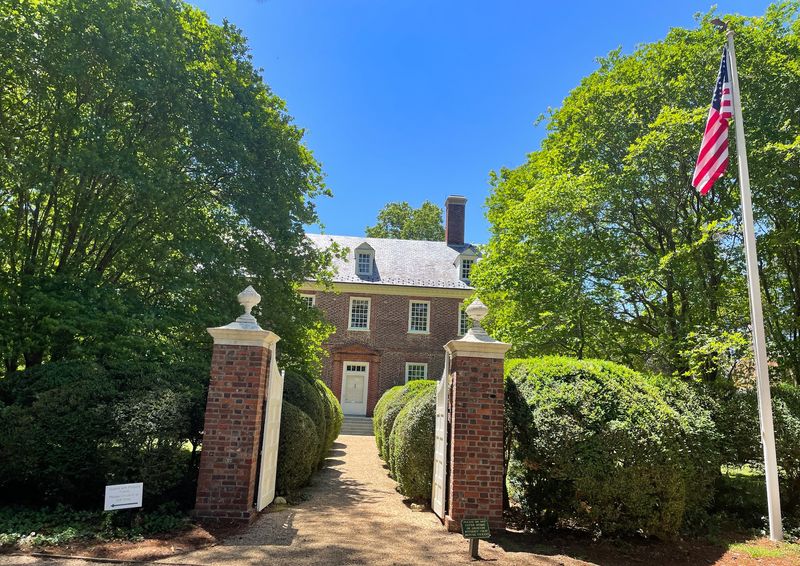
Berkeley Plantation sits quietly along the James River in Charles City County, but its historical resume is anything but quiet. The Georgian brick mansion was the birthplace of Benjamin Harrison V, a signer of the Declaration of Independence, and later the birthplace of President William Henry Harrison.
That alone puts it on a short list of uniquely significant American properties.
Guided tours take visitors through the house before the grounds open up for independent exploration. The terraced gardens leading down toward the river are a highlight, as are the museum displays, outbuildings, and the James River shoreline itself.
The property also has documented connections to early colonial Virginia and Civil War history, giving it multiple layers of context.
Berkeley generally closes for part of the winter season but reopens for its main tourist season with guided house tours offered throughout the day. The combination of riverfront setting and layered American history makes this one of Virginia’s most underappreciated stops.
Boone Hall Plantation & Gardens, Mount Pleasant, South Carolina
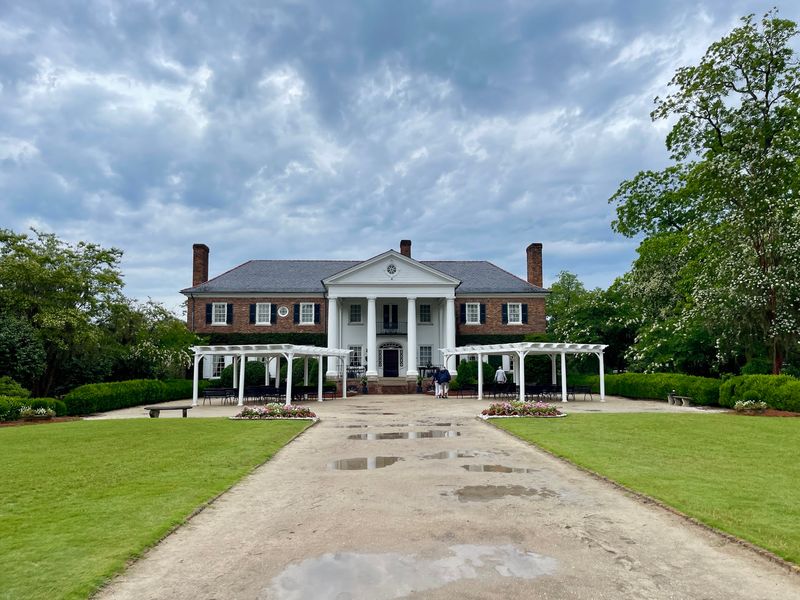
The Avenue of Oaks at Boone Hall is genuinely one of the most striking natural corridors in the American South. Roughly three quarters of a mile of enormous live oak trees lines the approach to the property, creating a canopy that has appeared in films and television productions for decades.
But the visual drama of the entrance is not the main reason to spend time here.
Nine original brick slave cabins survive on the property and now house a Black History in America exhibit that documents the experiences of enslaved people across multiple generations. Live Gullah culture presentations add another layer of interpretation that most plantation sites do not offer.
General admission covers the gardens, the first floor of the plantation house, history talks, and seasonal wagon tours of the agricultural fields. Boone Hall remains an active farm and grows strawberries, pumpkins, and other crops depending on the season.
Current hours are Monday through Saturday from 9 a.m. to 5 p.m. and Sundays from noon to 5 p.m.
Magnolia Plantation & Gardens, Charleston, South Carolina
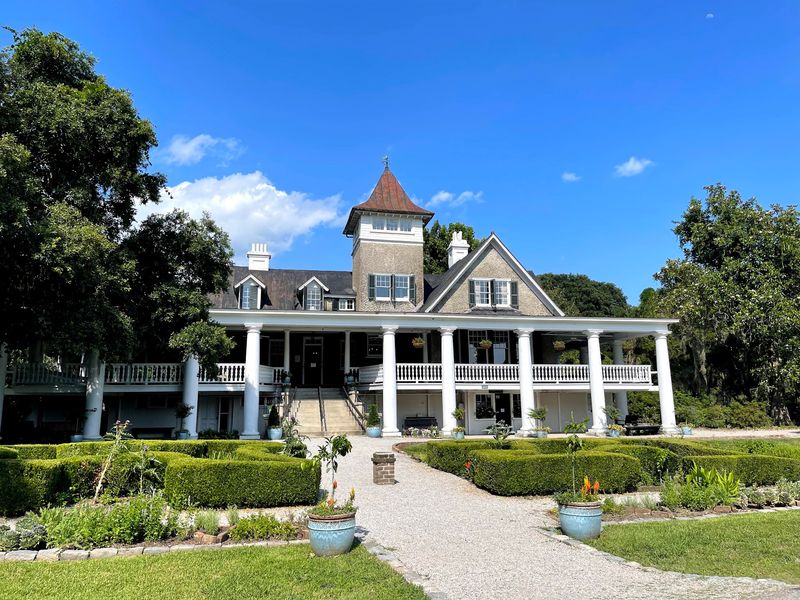
Magnolia Plantation and Gardens has been welcoming visitors since 1870, making it one of the oldest public gardens in the country. The property covers more than 500 acres outside Charleston and offers a range of experiences that go well beyond the historic house itself.
Walking trails wind through wetlands, wildlife habitats, and gardens that bloom through multiple seasons. The Audubon Swamp Garden provides access to a genuine blackwater swamp environment where herons, turtles, and alligators are commonly spotted.
Admission includes the Magnolia House, the historic gardens and slave cabin exhibits, and a tour focused on slavery and freedom. The Nature Train and seasonal Wildlife Boat tours are available as additional paid experiences.
The combination of natural environment and historical interpretation makes Magnolia work well for visitors with different interests traveling together. Magnolia is open seven days a week from 9 a.m. to 4 p.m., with closures only on Thanksgiving, Christmas, and New Year’s Day.
Middleton Place, Charleston, South Carolina
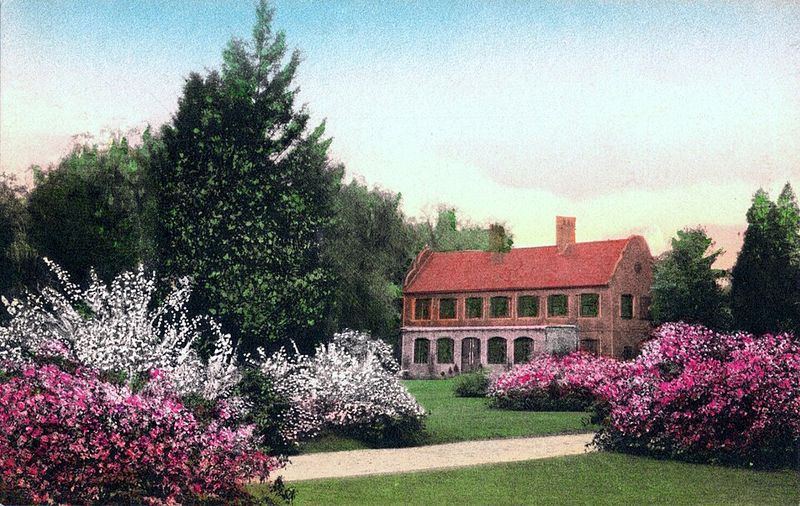
Middleton Place holds the distinction of preserving the oldest formal landscaped gardens in the United States. The grounds along the Ashley River were designed in the 1740s and cover 65 acres of geometric plantings, terraced lawns, reflecting pools, and natural woodland edges that have been maintained across more than three centuries.
The National Historic Landmark includes the Stableyards, where artisans demonstrate historic crafts and heritage breed animals are kept. Museum spaces, guided programs, and surviving structures connected to the Middleton family provide historical context for the property across the Revolutionary era and beyond.
Interpretation of slavery and the enslaved community is woven into guided tours and exhibition content throughout the site.
Visitors interested in landscape history, architecture, or African American history each find something substantive here. Middleton Place is open daily from 9 a.m. to 5 p.m., closing only on Christmas Day.
Allowing a full morning or afternoon gives you enough time to cover the gardens and Stableyards comfortably.
Drayton Hall, Charleston, South Carolina
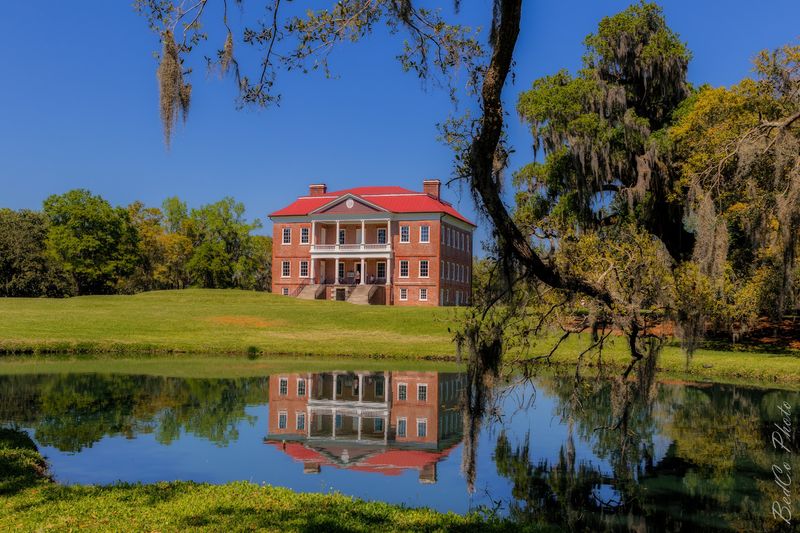
Drayton Hall approaches historic preservation differently from nearly every other plantation house open to the public. Rather than restoring the mansion to look as it did in any specific era, preservationists have maintained the building largely as found, allowing layers of time and physical change to remain visible in the walls, floors, and ceilings.
The result is a genuinely rare experience.
Built in the 1730s, the house is considered one of the finest surviving examples of Palladian-inspired architecture in North America. Tours examine the Drayton family’s long history with the property while giving equal weight to the generations of enslaved people who built, maintained, and worked within it.
Archaeology, landscape history, and preservation science are all part of the interpretive program.
Museum galleries add context before or after touring the house. Drayton Hall is currently open Wednesday through Monday from 9 a.m. to 4:30 p.m. and closed on Tuesdays.
The unhurried, preservation-focused approach here is something you rarely encounter at other historic sites.
Whitney Plantation, Edgard, Louisiana
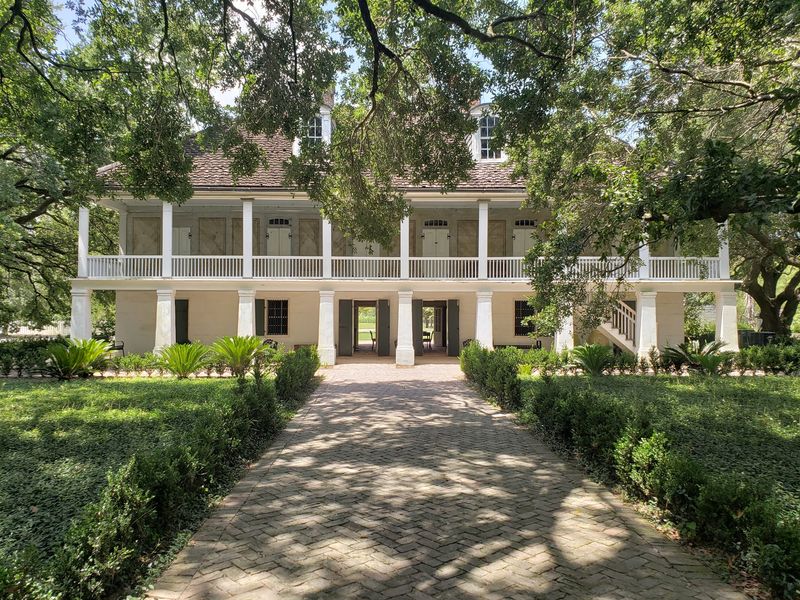
Whitney Plantation is unlike any other historic site on this list. Its entire interpretive mission centers on the experiences of enslaved people rather than on the families who owned the property.
That intentional focus makes a visit here unlike anything else in American heritage tourism.
Exhibits, outdoor memorials, historic structures, and preserved landscapes work together to document individual lives and the broader system of slavery that defined Louisiana’s sugar industry. The Field of Angels memorial, the Wall of Honor, and the Antioch Baptist Church on the grounds each carry specific historical meaning.
Visitors use a self-guided audio experience that connects documented individual stories to the places where those people actually lived and worked.
The site recommends allowing at least two hours, and the experience can be emotionally weighty in a way that feels appropriate given the subject. Whitney is open from 9:30 a.m. to 4:30 p.m., with last entry at 3 p.m., and closes on Tuesdays and selected holidays.
Oak Alley Plantation, Vacherie, Louisiana
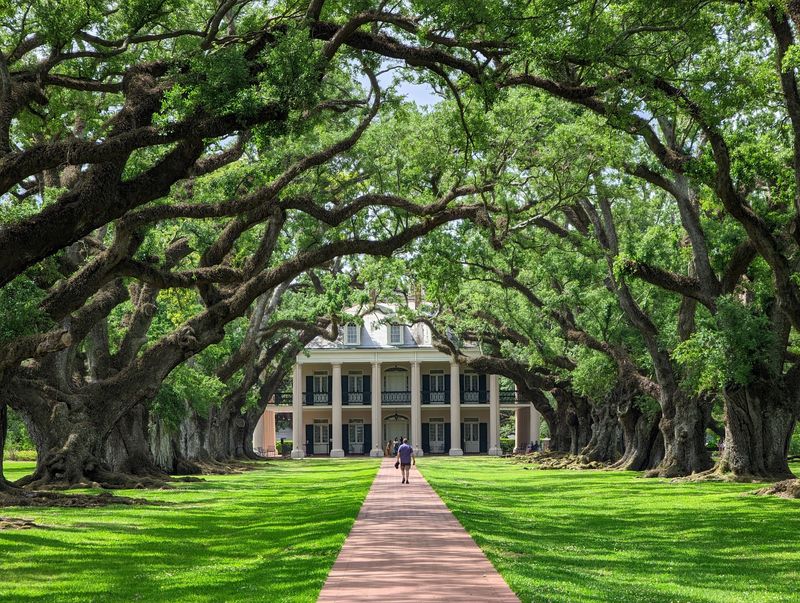
The double row of 28 massive live oak trees at Oak Alley has been photographed so many times that many visitors feel they already know the place before they arrive. The trees are roughly 300 years old and create a corridor that frames the Greek Revival mansion at the end with an almost theatrical effect.
But the property’s interpretation goes well beyond the scenery.
Guided tours of the Big House cover the families who owned the estate alongside detailed exhibits on slavery, sugar cultivation, and the daily lives of enslaved men, women, and children. Separate exhibit spaces provide additional historical depth.
Reservations for the guided house experience are encouraged because capacity is limited and tours fill up, especially on weekends.
Oak Alley is open daily, with the historic site opening at 8:30 a.m. and guided house tours generally running from 9 a.m. through the afternoon. Plan for roughly two hours to see everything properly without feeling rushed.
Laura Plantation, Vacherie, Louisiana
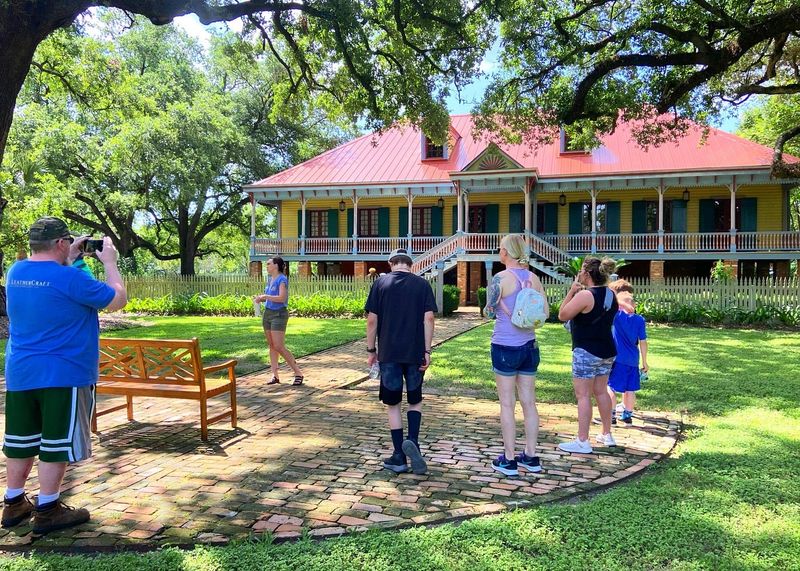
Laura Plantation takes a distinctly different approach from the Greek Revival grandeur of its neighbor Oak Alley just down River Road. The property preserves a Creole sugar plantation and builds its entire interpretive program around primary documents, including diaries, letters, legal records, and census data that bring specific people to life in unusual detail.
Guided tours cover the Duparc and Locoul families across multiple generations while also presenting the lives of the enslaved community with documented specificity. Creole culture, sugar production, and the social structure of Louisiana plantation society are all part of the discussion.
The property includes the main house, historic outbuildings, gardens, and agricultural areas that help visitors understand how the plantation actually functioned day to day.
Tours run in English daily, with French-language tours available on selected days. Laura closes on several major holidays, and reservations are recommended because specific tour times can fill.
The research-driven approach here rewards curious visitors who want real history rather than surface-level storytelling.
Destrehan Plantation, Destrehan, Louisiana
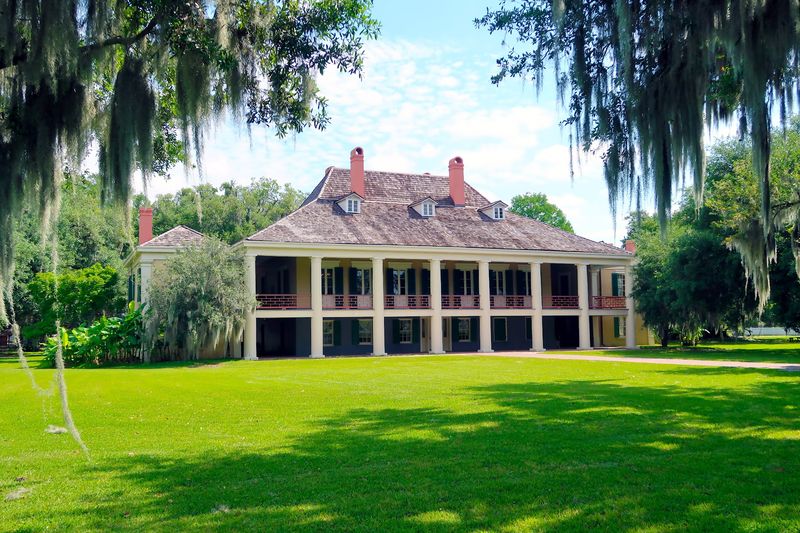
Destrehan Plantation is one of the oldest documented plantation houses in the lower Mississippi Valley, with a history that stretches back to Louisiana’s colonial period in the late 18th century. Its location close to New Orleans makes it an accessible day trip for anyone already visiting the city.
Guided tours cover the property’s owners across multiple eras while also addressing the enslaved community who lived and worked there. Visitors can see a surviving enslaved cabin, dependency buildings, artifacts, and museum exhibitions that cover a wide range of topics including local agriculture, textiles, and the post-emancipation community that formed on and around the property.
One exhibit stands out for its historical significance. Destrehan documents the 1811 German Coast Uprising, one of the largest revolts by enslaved people in United States history, which took place in this very area.
Guided tours begin in the morning and continue through the afternoon, with the grounds and gift shop remaining open until 5:30 p.m.
Biltmore Estate, Asheville, North Carolina
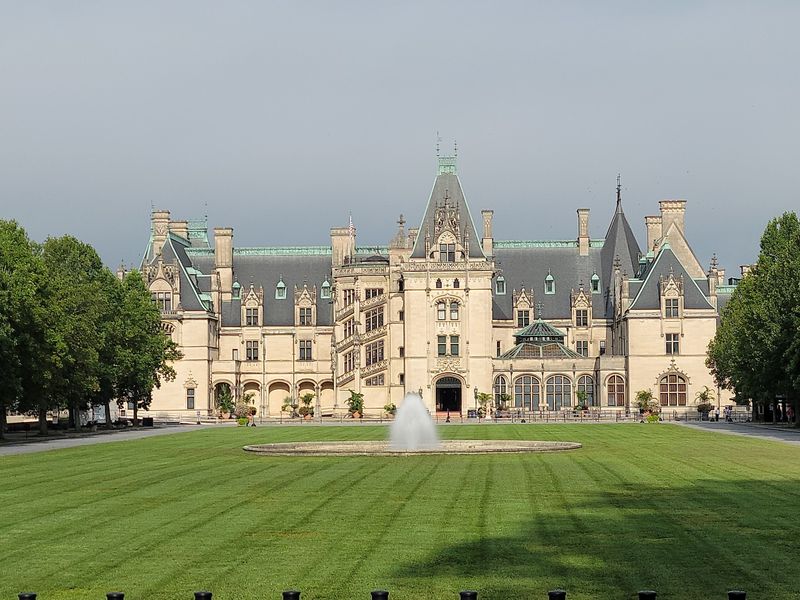
Biltmore Estate shifts the timeline on this list from the plantation era into the Gilded Age of the late 19th century. George Vanderbilt commissioned the 8,000-acre estate in the mountains outside Asheville, and the centerpiece, Biltmore House, remains the largest privately owned home in the United States at 178,926 square feet across four floors and a basement.
A standard house visit covers rooms filled with original furnishings, artwork, books, clothing, and decorative objects that reflect how the Vanderbilt family and their guests actually lived. The estate also includes formal gardens designed by Frederick Law Olmsted, walking and biking trails, Antler Hill Village, a winery, restaurants, shops, and multiple overnight accommodation options.
Biltmore welcomes visitors year-round, though individual attraction hours vary by date and season. Advance reservations for house entry are strongly recommended, especially during spring bloom season and the popular holiday lighting displays that run through the winter months.
Vizcaya Museum and Gardens, Miami, Florida
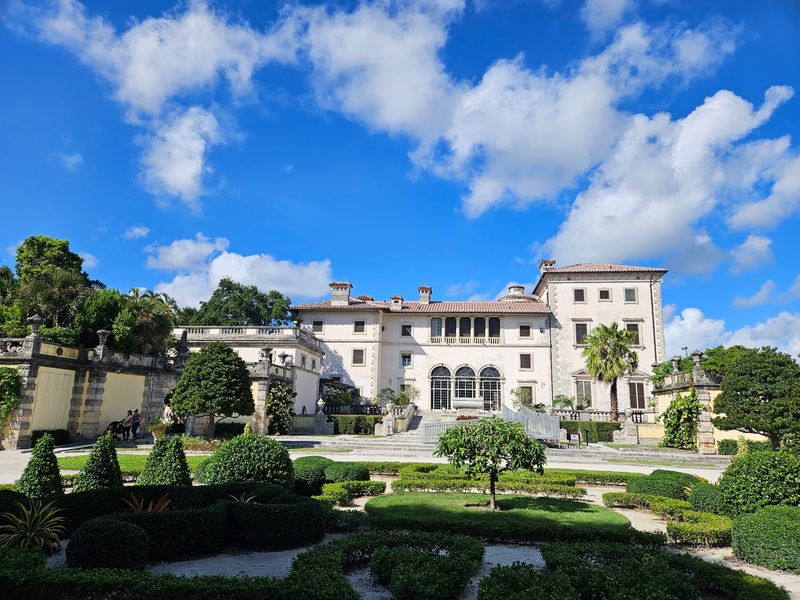
Vizcaya is one of the most unexpected historic properties in the American South. Industrialist James Deering built the estate on the shores of Biscayne Bay between 1914 and 1922 as an elaborate winter residence, drawing on centuries of European design for both the architecture and the interior decoration.
The result is a 34-room Italian Renaissance-style villa sitting in the middle of subtropical Miami.
Inside, visitors move through rooms filled with imported European furnishings, tapestries, decorative art, and architectural elements spanning multiple centuries and styles. Outside, formal gardens, stone fountains, terraces, and waterfront spaces offer a completely different kind of beauty against the backdrop of Biscayne Bay.
The contrast between the ornate European interiors and the lush South Florida vegetation surrounding the property makes Vizcaya genuinely unlike anything else on this list. Vizcaya Museum and Gardens is open from 9:30 a.m. to 4:30 p.m. every day except Tuesday, with occasional extended evening programming available on selected dates.
Hearst Castle, San Simeon, California
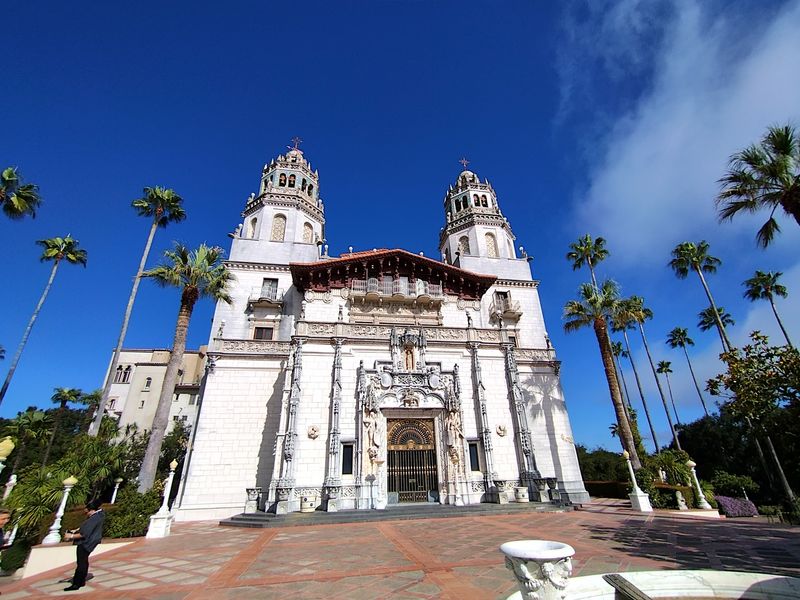
Perched on a hilltop above California’s Central Coast with views stretching toward the Pacific, Hearst Castle is the kind of place that requires a few minutes to absorb before a tour even begins. Newspaper publisher William Randolph Hearst worked with architect Julia Morgan over nearly three decades to create a complex that includes a main house, guest cottages, terraces, gardens, two swimming pools, and room after room filled with European artwork and antiques.
Because the property is so large and varied, California State Parks offers several distinct tour options. The Grand Rooms Tour is the most popular starting point, but specialized tours cover the upstairs suites, guest cottages, kitchen spaces, and the architectural work of Julia Morgan specifically.
Each tour covers different areas and tells a different part of the story.
Tour schedules vary by season, with most departing from around 9 a.m. The castle is open year-round except Thanksgiving, Christmas Day, and New Year’s Day.
Booking tickets in advance is highly recommended.
Share this story