Many people picture royals spending their days at fancy events and royal ceremonies, but a surprising number of them have earned serious academic degrees from top universities around the world. From law and political science to psychology and history of art, these royals hit the books just like everyone else.
Their educational backgrounds show that hard work and learning matter, even when you are born into a palace. Get ready to meet 15 royals whose diplomas are just as impressive as their titles.
1. King Felipe VI of Spain
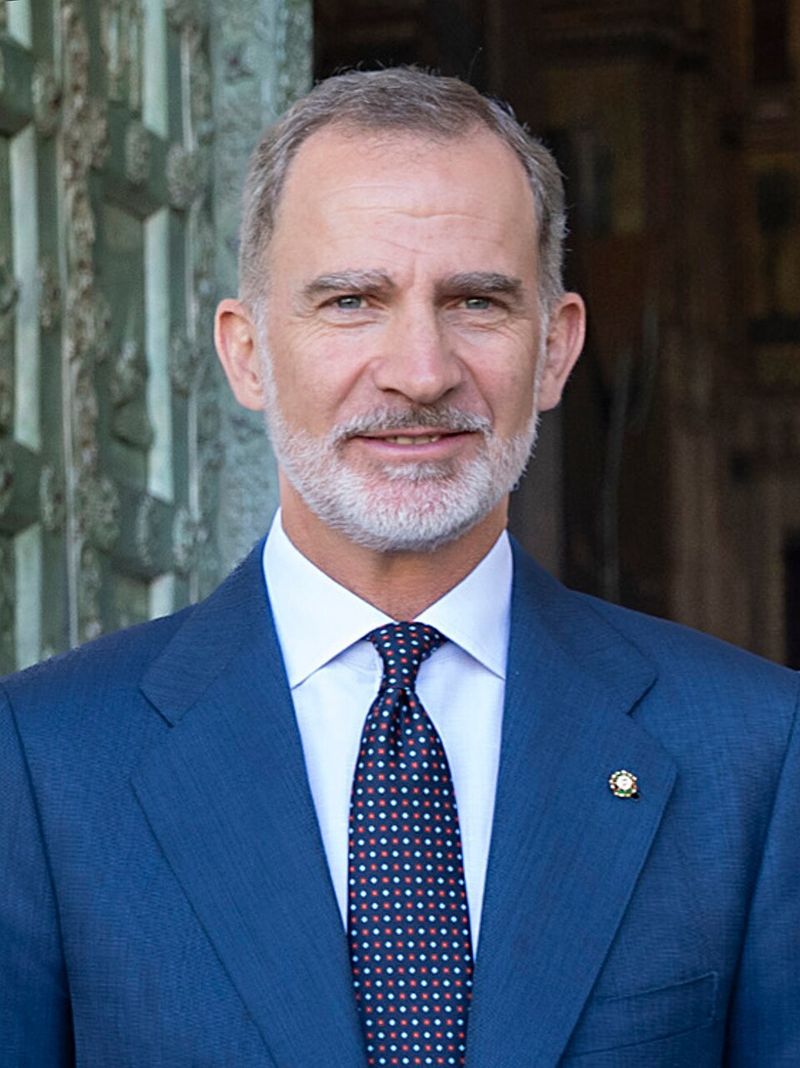
Before wearing the Spanish crown, Felipe VI spent years hitting the books at some of the world’s most respected institutions. He earned his law degree in Spain and then crossed the Atlantic to earn a Master’s in International Relations from Georgetown University in Washington, D.C.
Georgetown is well known for producing world leaders and diplomats, making it a fitting choice for a future king.
His academic background gave him a strong understanding of global politics, trade, and diplomacy. These skills became especially useful when Spain faced economic challenges and needed strong international partnerships.
Felipe was not just studying to check a box; he genuinely prepared himself to lead a modern European nation with confidence.
His combination of legal training and international studies makes him one of the most academically well-rounded monarchs in Europe today.
2. Crown Prince Haakon of Norway
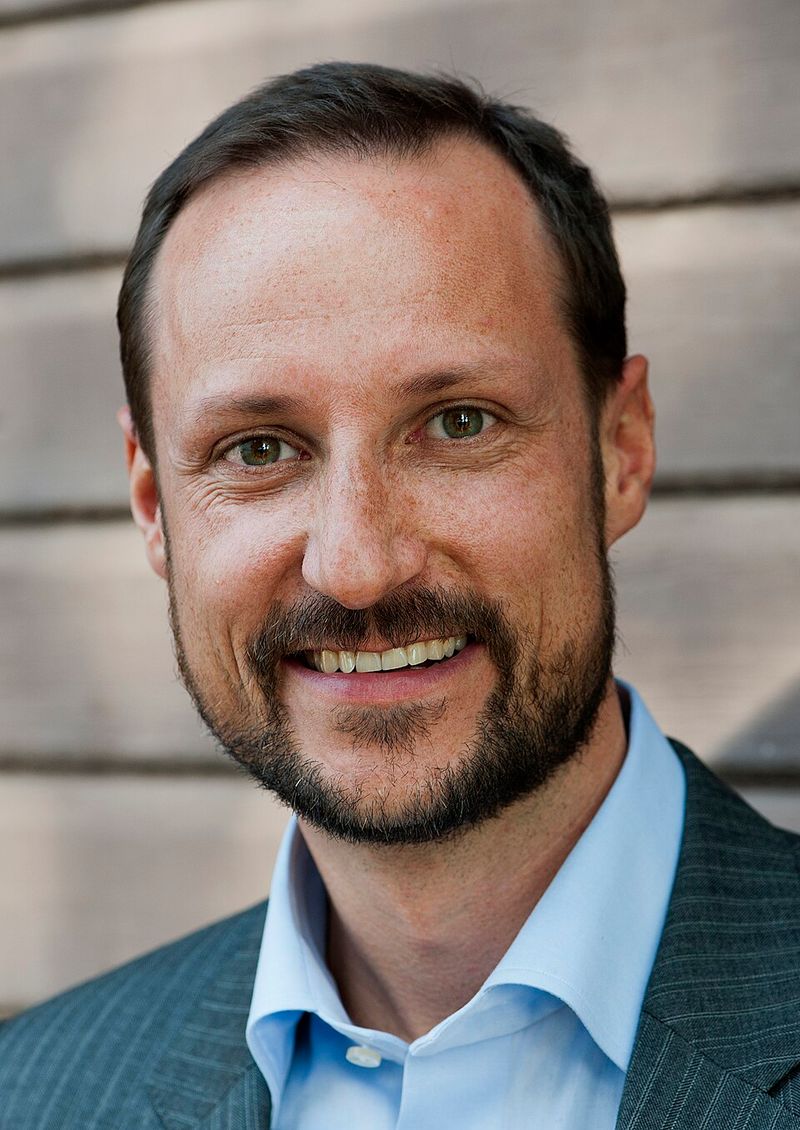
Crown Prince Haakon of Norway took a path that few royals dare to follow: he studied at two of the most competitive universities in the world on two different continents. He earned his degree in Political Science from UC Berkeley in California, which is consistently ranked among the top public universities globally.
That alone would impress most people, but Haakon did not stop there.
He went on to earn a Master’s in Development Studies from the London School of Economics, a school famous for shaping economists, politicians, and policy makers. His studies focused on global inequality, poverty, and how countries can grow in healthy, sustainable ways.
This background has made him a thoughtful and credible voice on humanitarian issues. He actively supports causes related to youth mental health and global development, putting his education to meaningful use.
3. Crown Prince Hussein of Jordan
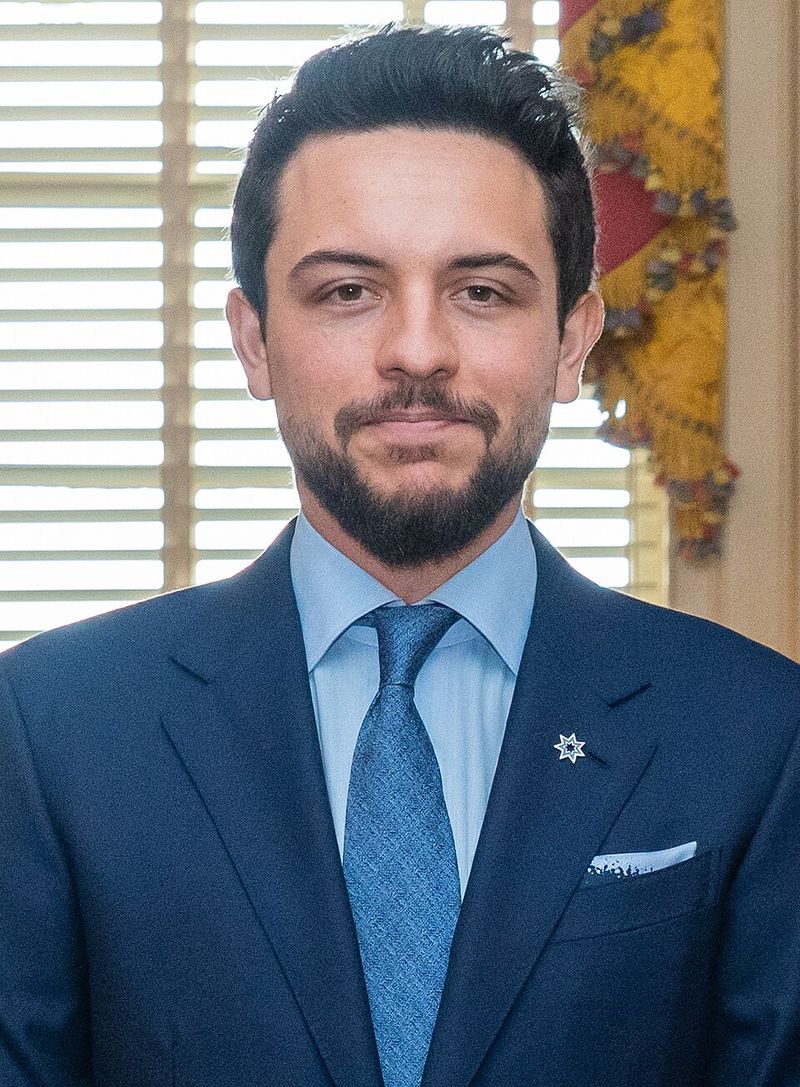
Crown Prince Hussein of Jordan is one of the younger royals on this list, but his academic record is already turning heads. He studied International History at Georgetown University, the same prestigious Washington, D.C. institution attended by his father, King Abdullah II.
Choosing Georgetown was no accident; the university has deep ties to global diplomacy and Middle Eastern affairs.
Studying international history gave Hussein a strong foundation for understanding the forces that have shaped the modern world, including wars, treaties, and political movements. For a future king of a country located in one of the world’s most complex regions, that knowledge is genuinely valuable and not just ceremonial.
Hussein has already started representing Jordan at international forums and meetings, showing that his education is actively informing his early work as a royal leader and future head of state.
4. Queen Rania of Jordan
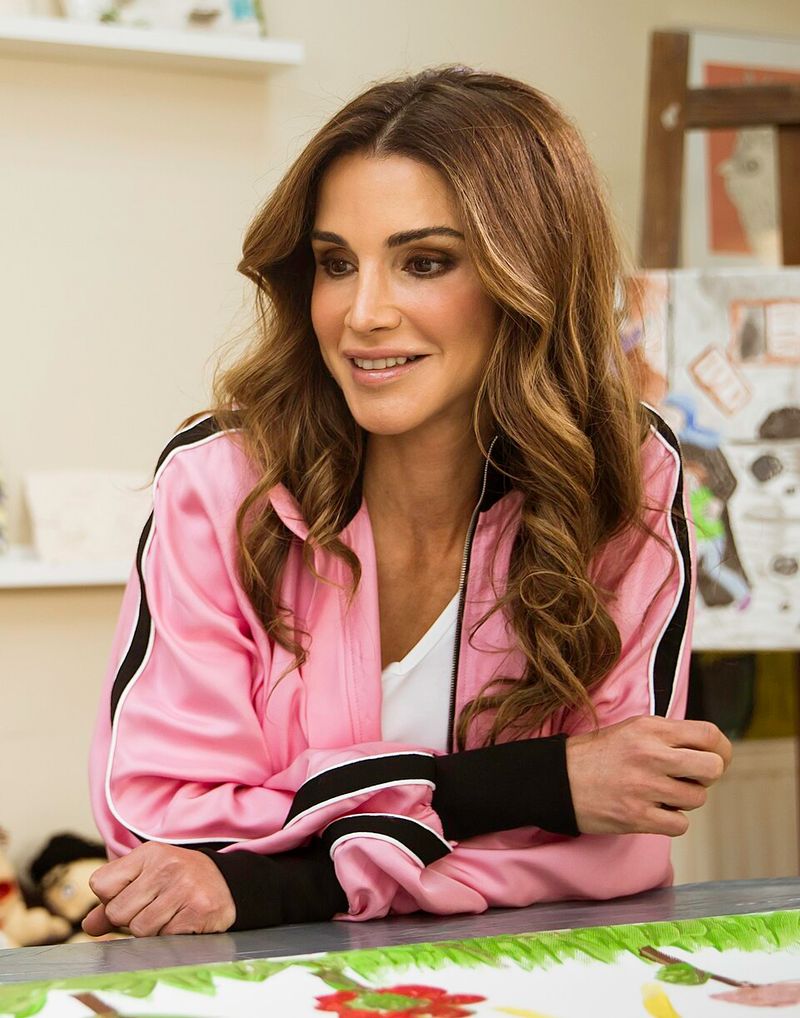
Queen Rania of Jordan is widely admired for her advocacy work in education, women’s rights, and poverty reduction, and her own academic background helps explain why. She earned a degree in Business Administration from the American University in Cairo, one of the most respected universities in the Arab world.
Studying business gave her a practical, results-driven way of thinking about social problems.
Rather than approaching charity as a feel-good gesture, Rania applies a business mindset to humanitarian work. She has co-founded organizations, launched digital education platforms, and spoken at global conferences including the World Economic Forum.
Her degree taught her how systems work and how to build things that last.
Queen Rania is proof that a solid education can amplify a person’s impact far beyond the classroom. Her work has reached millions of children and families across Jordan and beyond.
5. Prince Albert II of Monaco

Monaco is often associated with luxury yachts, casino glamour, and Formula One racing, so it might come as a surprise that its ruler holds a Political Science degree from Amherst College in Massachusetts. Amherst is a highly selective liberal arts college known for producing critical thinkers and civic leaders.
Prince Albert II graduated in 1981 with a degree that gave him a solid grounding in government, policy, and public affairs.
His education proved useful as he took on the serious responsibilities of running a small but economically powerful principality. Monaco may be tiny, but it plays an outsized role in European finance and diplomacy.
Albert needed to understand how political systems work to navigate those waters effectively.
Beyond politics, he has become a strong advocate for environmental protection and ocean conservation, channeling his academic training into causes that matter on a global scale.
6. Prince William, Prince of Wales
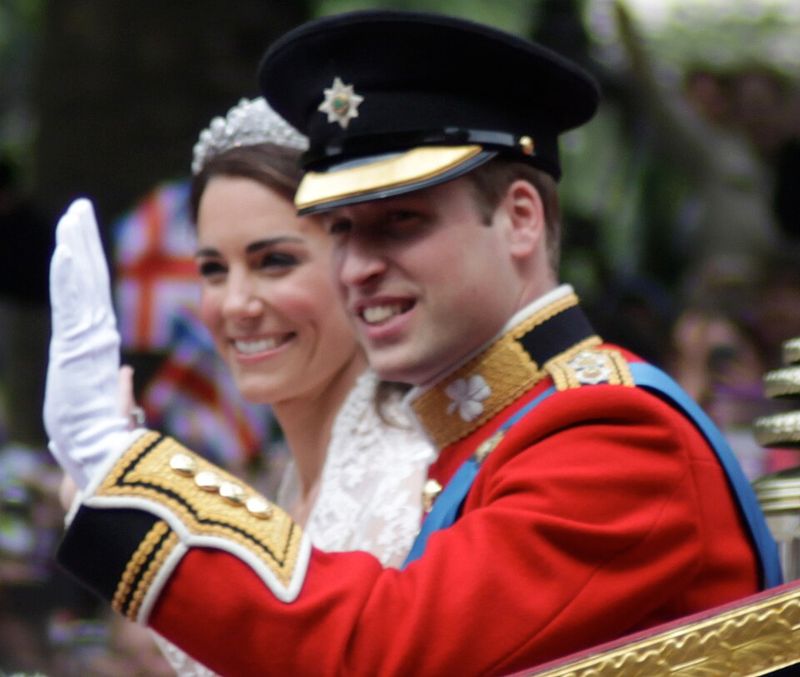
When Prince William enrolled at the University of St Andrews in Scotland, it made global headlines, partly because that is also where he met Catherine Middleton. But beyond the romance, William earned a genuine Master’s degree in Geography, a subject that covers everything from climate change and urban planning to environmental policy and human migration.
His final grade was a 2:1, which is the equivalent of a high B average in the British grading system.
Geography might not sound glamorous, but it is one of the most relevant subjects for a future king concerned with environmental issues. William has gone on to found the Earthshot Prize, a major global initiative to fund environmental solutions.
His academic background clearly shaped his passion for the planet.
Studying at St Andrews also gave William a relatively normal university experience, living in dorms and attending lectures alongside regular students.
7. Catherine, Princess of Wales
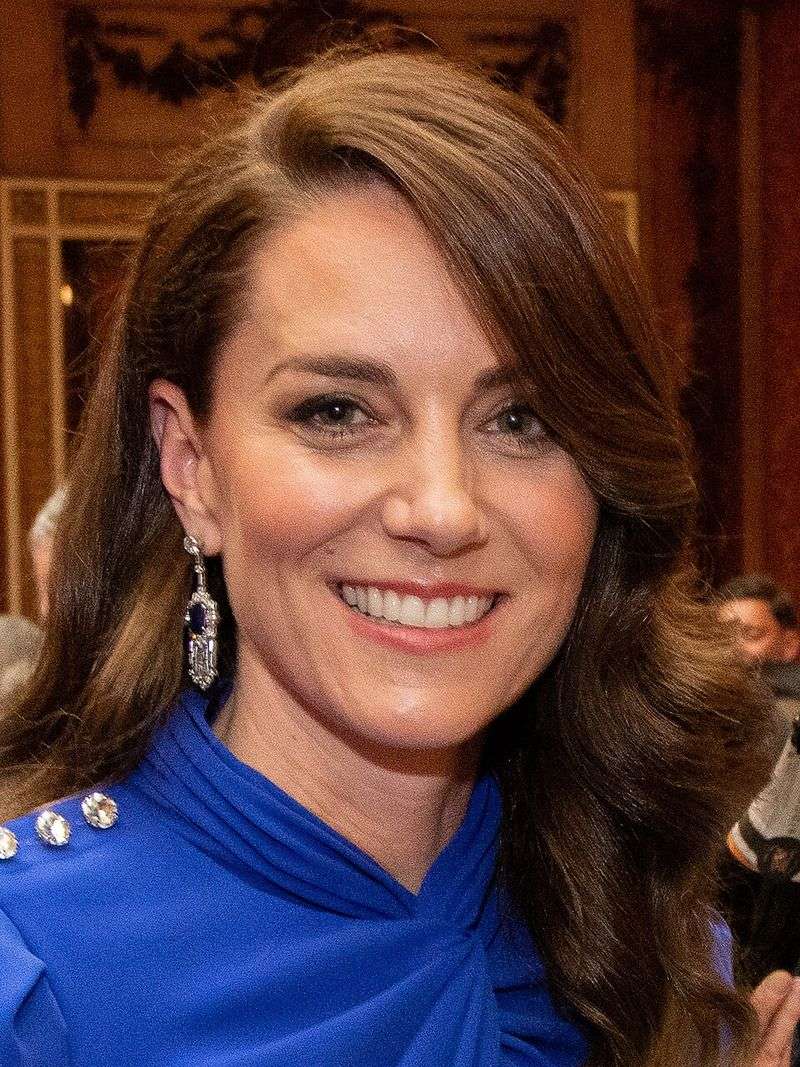
Catherine, Princess of Wales, earned her degree in History of Art from the University of St Andrews in Scotland, graduating in 2005 with a 2:1 classification. History of Art is a discipline that combines visual analysis, cultural history, and critical thinking, and it turns out to be quite fitting for someone who would go on to represent the British monarchy at countless cultural events and museum openings.
Her studies gave her a trained eye for aesthetics and an appreciation for how art reflects society and history. Those skills show up in her public work, from supporting arts organizations to her own growing interest in photography.
Catherine has become a respected amateur photographer whose work has been exhibited publicly.
Her academic years at St Andrews were formative in more ways than one. Studying alongside Prince William, the two built a friendship that eventually became one of the world’s most watched royal relationships.
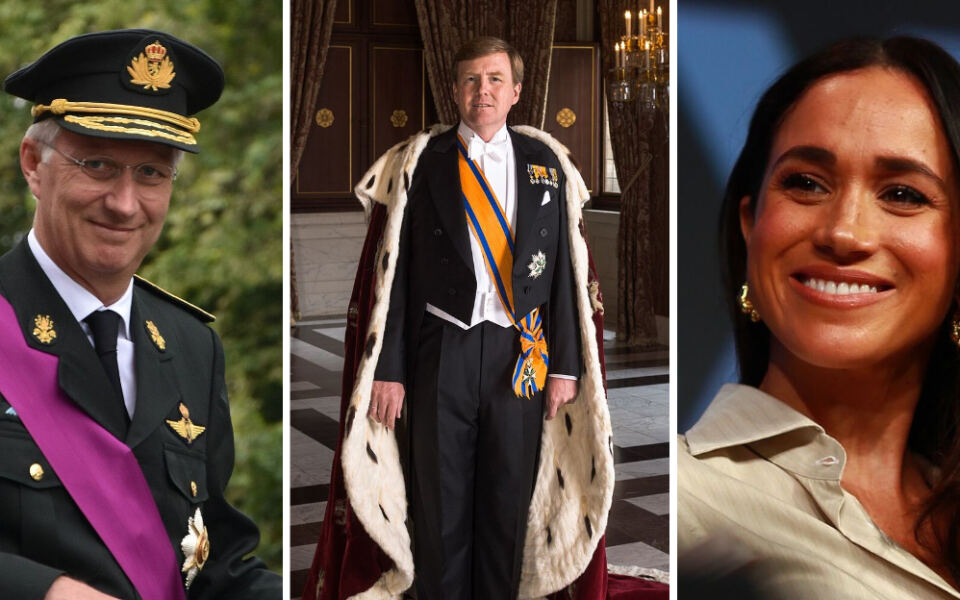
8. King Willem-Alexander of the Netherlands
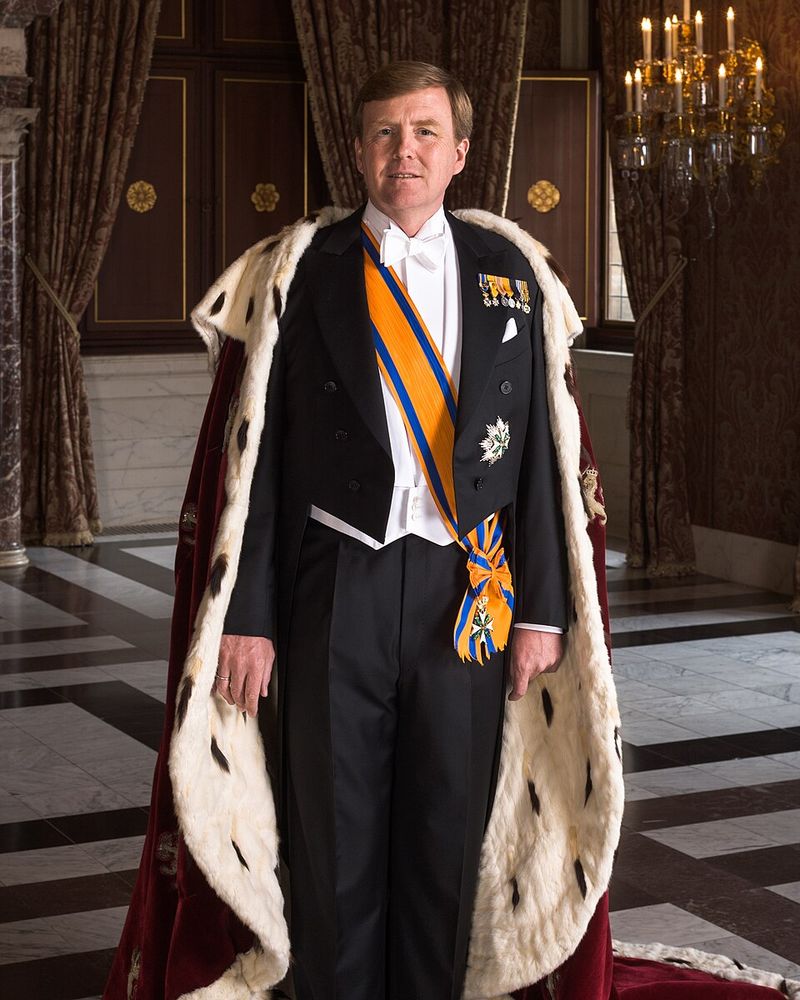
King Willem-Alexander of the Netherlands brings a historian’s perspective to the Dutch throne. He studied History at Leiden University, one of the oldest and most prestigious universities in Europe, founded all the way back in 1575.
Leiden has produced some of the world’s great thinkers, and Willem-Alexander fits right into that tradition.
His degree gave him a deep understanding of how nations rise, fall, and transform over time. For a country like the Netherlands, which has a rich and complicated history involving trade empires, colonial legacy, and European integration, that kind of knowledge is genuinely relevant for a head of state.
Willem-Alexander is also a licensed pilot, which adds an interesting dimension to his character. He reportedly still flies commercial aircraft on occasion.
His combination of academic curiosity and hands-on skills makes him one of Europe’s most versatile and well-rounded monarchs.
9. King Charles III
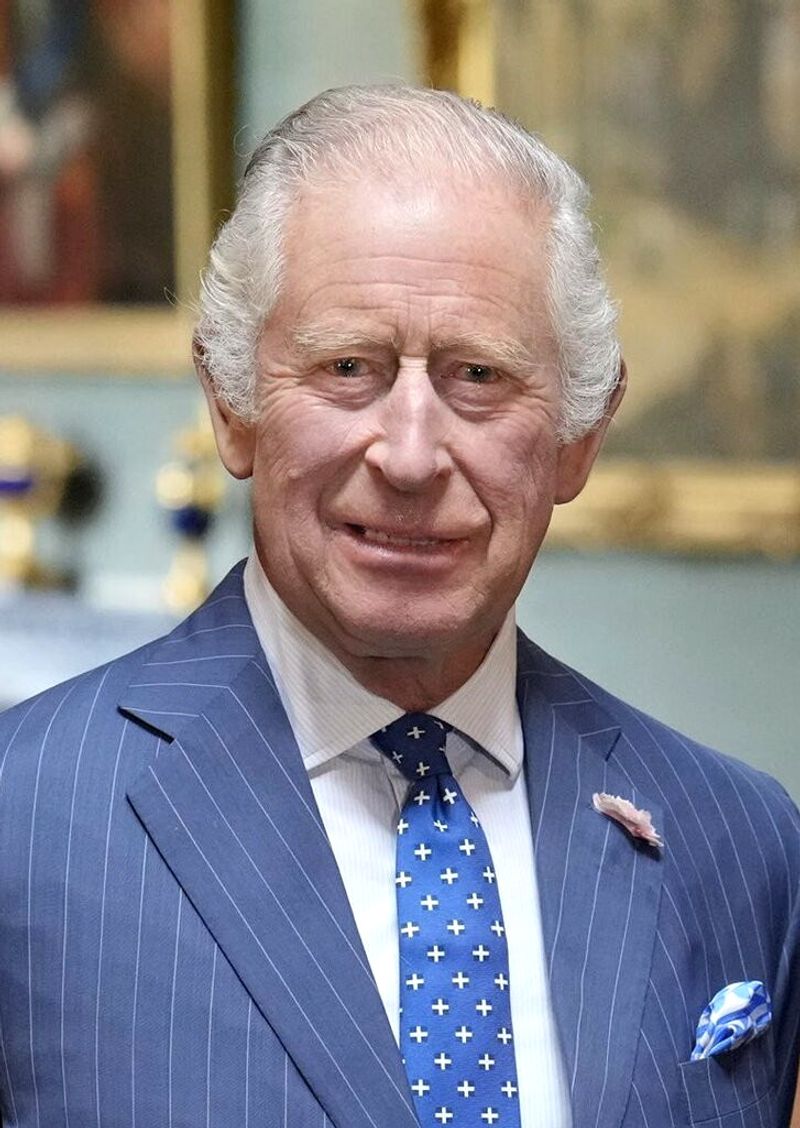
King Charles III made history in 1970 when he became the first British monarch to earn a university degree. He studied History at Trinity College, Cambridge, one of the most academically celebrated colleges in the world.
His degree covered archaeology and physical anthropology as well, giving him a broad and layered understanding of human civilization across time.
Charles graduated with a 2:2, a respectable result for someone managing royal duties alongside coursework. His time at Cambridge shaped a lifelong love of learning, architecture, philosophy, and the natural world.
He has written books, given lectures, and founded educational programs that reflect his deep intellectual curiosity.
Long before he became king, Charles was already championing organic farming, sustainable architecture, and traditional craftsmanship, ideas that were considered eccentric at the time but are now mainstream. His Cambridge education clearly lit a flame that never went out.
10. Prince Edward, Duke of Edinburgh
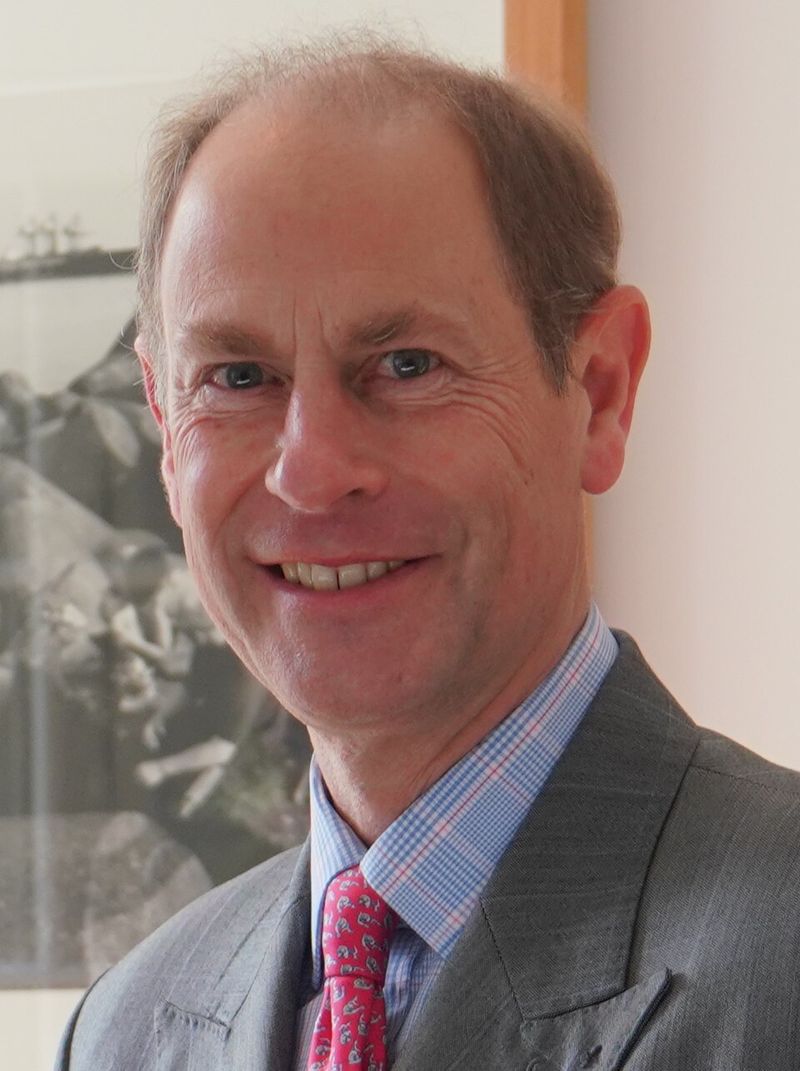
Prince Edward, the youngest child of Queen Elizabeth II and now Duke of Edinburgh, followed his father Prince Philip and brother King Charles III to the University of Cambridge. He studied History at Jesus College and graduated in 1986.
Following in such academic footsteps was no small feat, especially under the public spotlight that comes with being a British royal.
After university, Edward pursued a career in theatre and television production, which was considered quite unconventional for a royal at the time. His History degree gave him a broad cultural context that proved useful in creative work.
He co-founded a TV production company and worked behind the scenes in the entertainment industry for many years.
Edward has since taken on a more traditional royal role focused on the Duke of Edinburgh’s Award program, continuing the legacy his father built for young people around the world.
11. Princess Beatrice
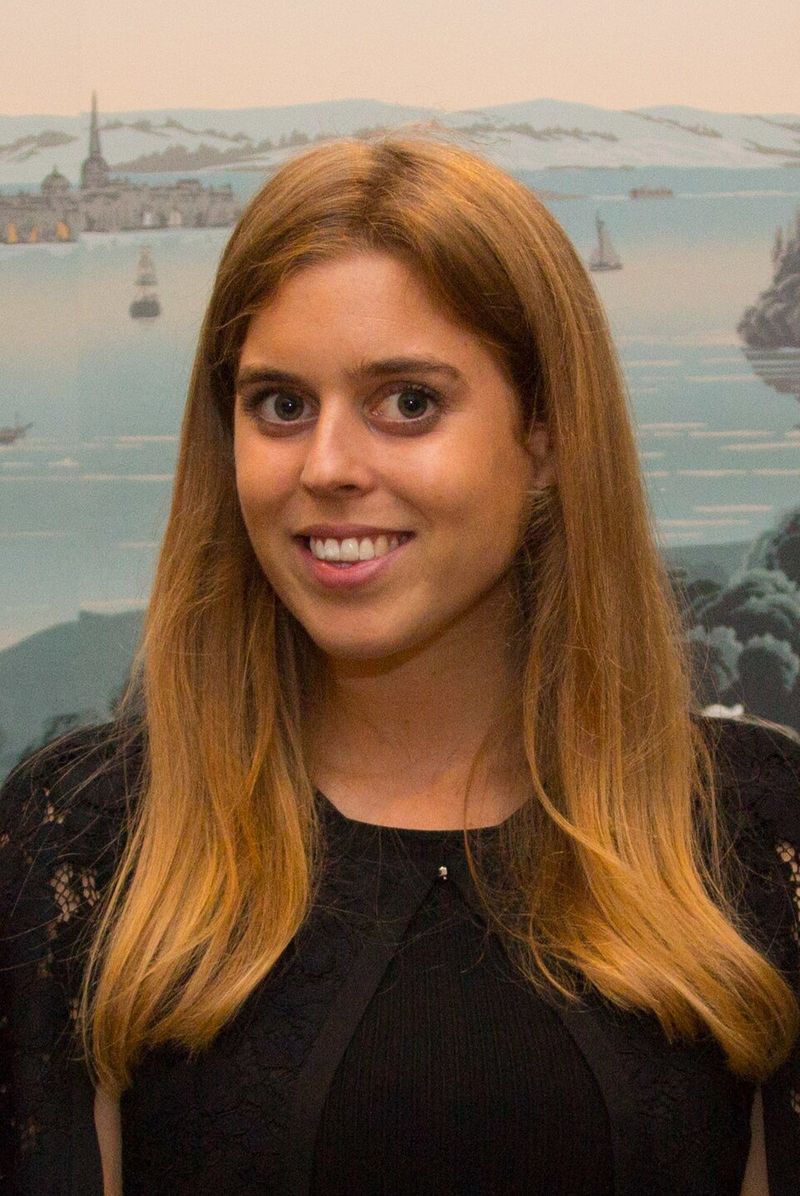
Princess Beatrice took a genuinely unconventional academic path for a royal. She earned her degree in History and History of Ideas from Goldsmiths, University of London, a school famous for its creative, free-thinking atmosphere.
Goldsmiths has produced artists, writers, and cultural critics, making it a very different environment from the traditional elite universities most royals attend.
Studying History of Ideas meant exploring how major philosophical, political, and scientific concepts developed over time. It is the kind of degree that teaches you to question assumptions and think across disciplines.
For Beatrice, that training seems to have stuck; she has built a career in business and technology, working in the private sector and serving on company boards.
She has spoken openly about living with dyslexia, and her academic success is a meaningful achievement. Beatrice is an advocate for others with learning differences, using her platform to encourage and support them.
12. Princess Eugenie
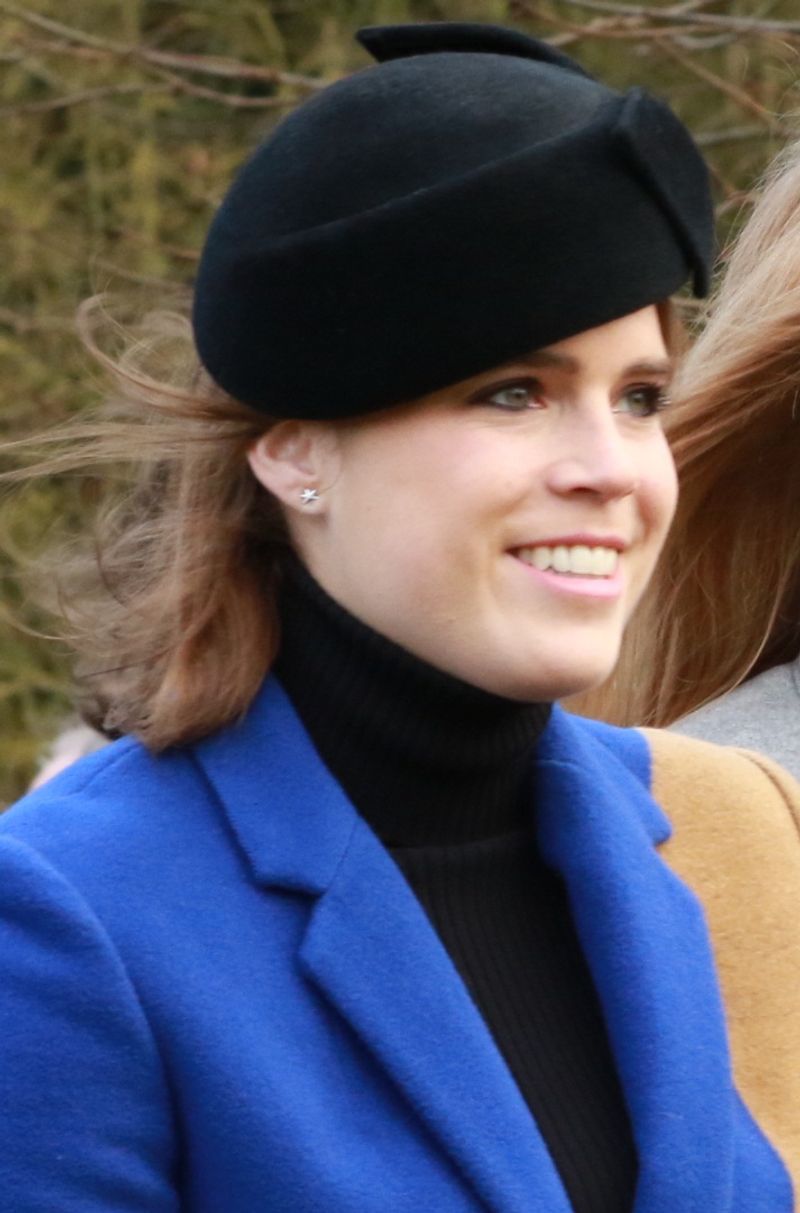
Princess Eugenie has always had a reputation for being one of the more free-spirited and artistically inclined members of the British royal family, and her degree reflects that perfectly. She studied English Literature and History of Art at Newcastle University, graduating in 2012 with a 2:1.
Newcastle is a well-regarded university with a strong humanities program and a vibrant student culture.
Combining English Literature with History of Art gave Eugenie a rich, interdisciplinary education rooted in storytelling, visual culture, and critical analysis. Those skills translate naturally into her career; she went on to work at an art gallery in London and later as a director at an art and technology company.
Eugenie is also a passionate advocate for scoliosis awareness, having undergone major spinal surgery as a teenager. She uses her public presence to speak openly about health challenges, bringing both compassion and candor to her royal platform.
13. Meghan, Duchess of Sussex
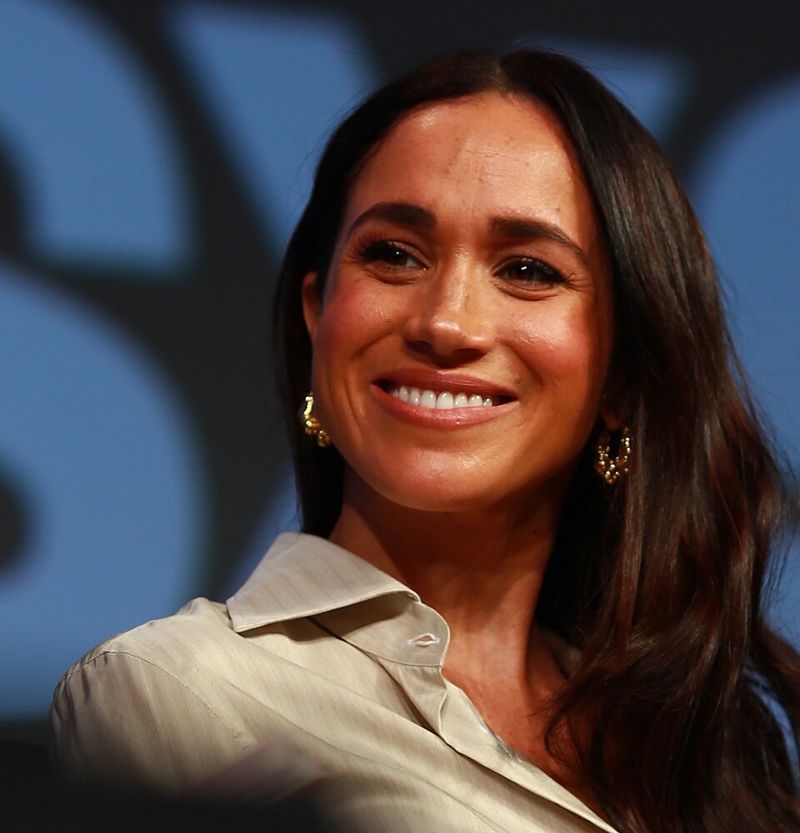
Long before Meghan Markle became the Duchess of Sussex, she was a Northwestern University student with a double major in Theatre and International Studies. Northwestern, located just outside Chicago in Evanston, Illinois, is one of the top-ranked universities in the United States and is especially renowned for its theatre and journalism programs.
Graduating with a double major is no small task.
Her combination of performing arts and international studies turned out to be an unusually practical pairing. The theatrical training helped her build a successful acting career, while the international studies background gave her a framework for thinking about global issues, something she has pursued actively through humanitarian work.
Meghan has spoken at the United Nations, advocated for gender equality, and co-founded a lifestyle and media company. Her Northwestern education gave her tools that went far beyond the stage, shaping her into a communicator and advocate with a global reach.
14. King Philippe of Belgium
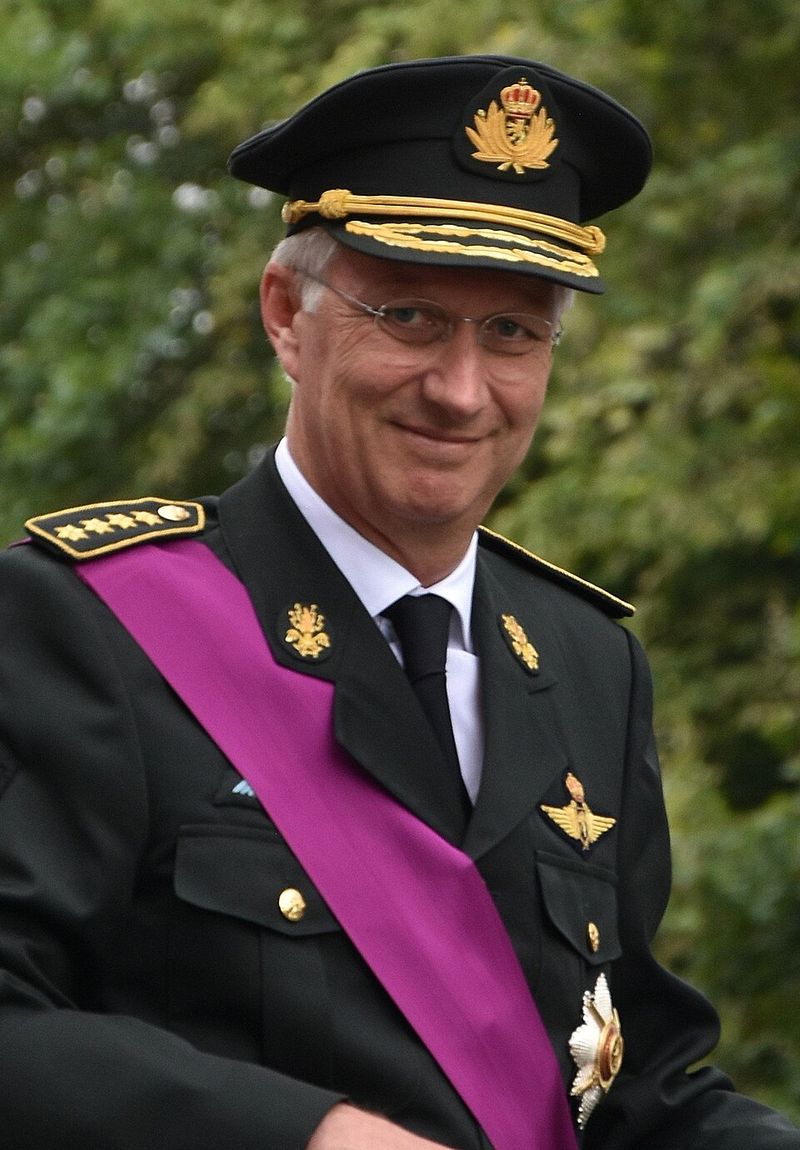
King Philippe of Belgium holds one of the most impressive academic resumes among currently reigning monarchs. He earned a Master’s degree in Political Science from Stanford University in California, widely regarded as one of the top universities in the world.
Stanford’s political science program is particularly strong in international relations and policy analysis, both highly relevant for a future head of state.
Philippe also trained as a military pilot and parachutist, adding a disciplined, hands-on dimension to his intellectual credentials. His academic and military background combined to shape a leader who is both thoughtful and decisive.
Belgium is a complex country with multiple linguistic communities and a central role in European Union politics, so having a well-educated king genuinely matters.
Since becoming king in 2013, Philippe has worked hard to unite a divided nation. His Stanford education likely gave him useful tools for navigating the political and cultural tensions Belgium regularly faces.
15. Queen Mathilde of Belgium
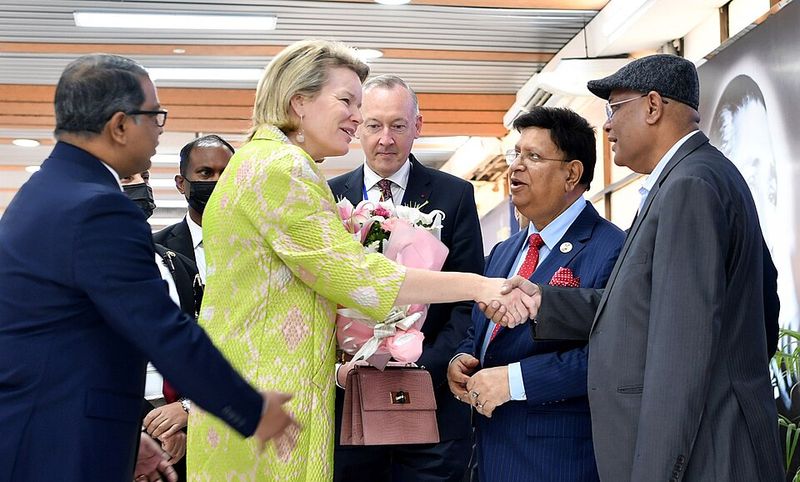
Queen Mathilde of Belgium brings a truly unique academic background to the royal stage. She studied Psychology at the Universite catholique de Louvain, one of Belgium’s oldest and most respected universities.
Psychology is not a common choice for royals, and it gives Mathilde a distinctive lens through which she views her public work.
Her training in human behavior and mental health has directly shaped her advocacy priorities. Mathilde is a leading royal voice on mental health awareness, child wellbeing, and social inclusion.
She understands the science behind emotional resilience and uses that knowledge when engaging with vulnerable communities, healthcare professionals, and policymakers.
She also trained as a speech therapist before becoming queen, which adds another layer to her expertise in communication and child development. Mathilde is widely regarded as one of the most intellectually grounded queens in Europe, and her psychology degree is a big part of why she connects so naturally with people from all walks of life.
Share this story