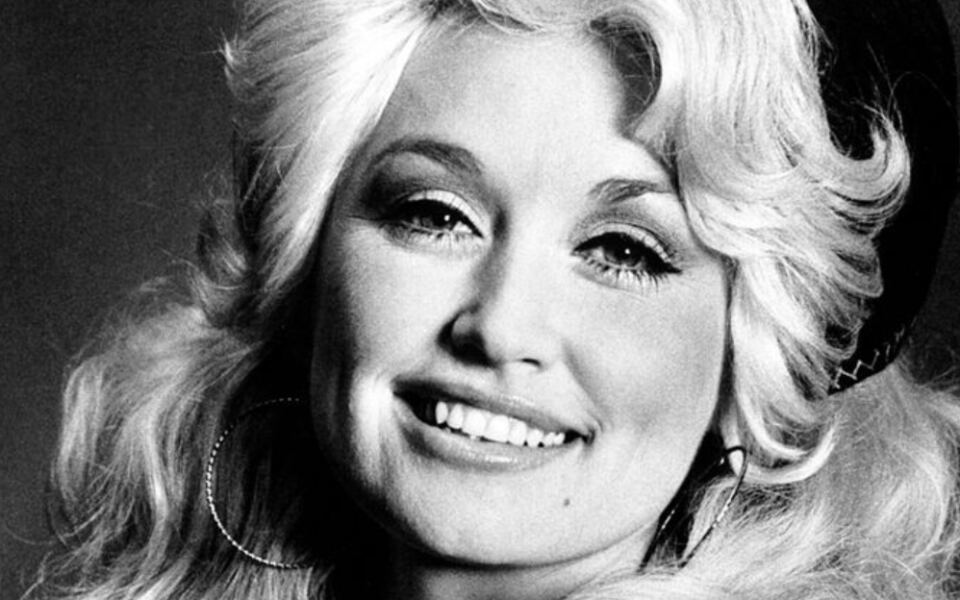
Dolly Parton is one of the most beloved singers in country music history, and her songs have touched millions of hearts around the world. From heartbreak to humor, her music covers just about every emotion you can imagine.
Over the decades, she has written and recorded songs that went far beyond country radio, becoming part of American culture itself. Here is a look at 15 of her most iconic songs and what makes each one so special.
1. Jolene
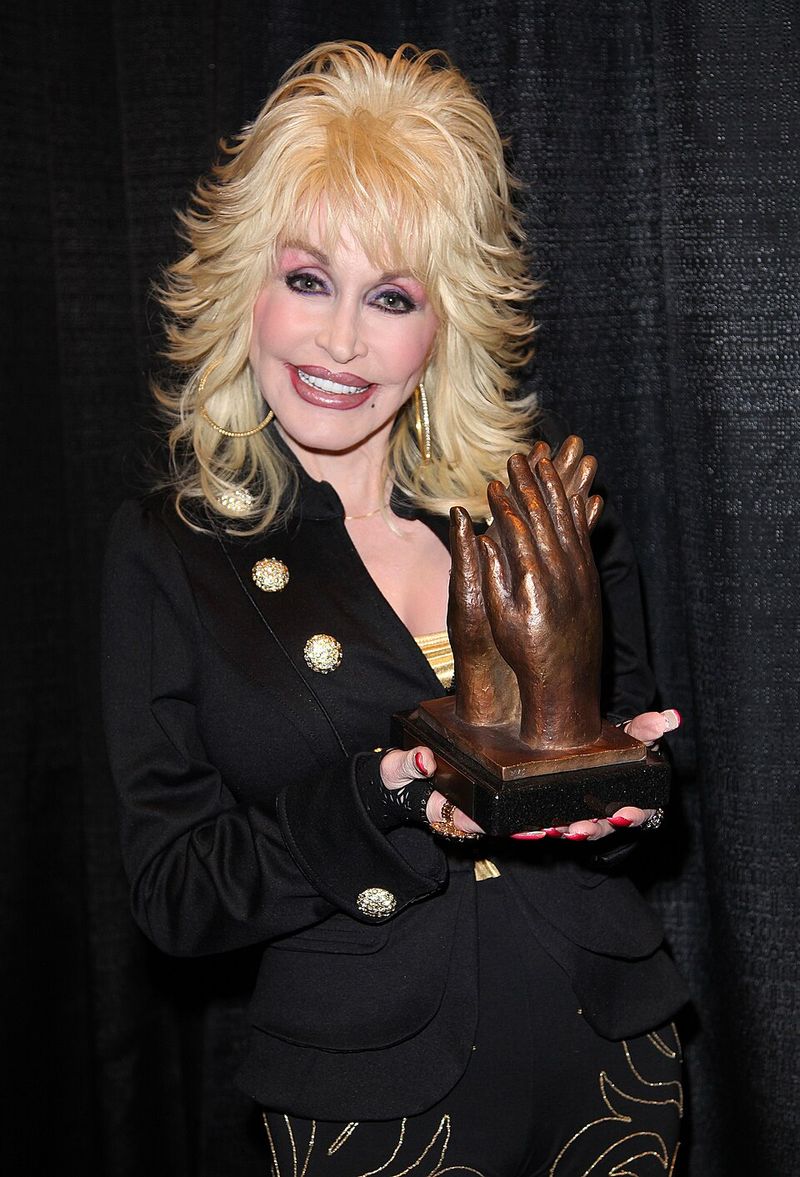
Few songs in country music history carry as much raw emotional power as “Jolene.” Released in 1973, this track features Dolly pleading with a beautiful woman not to steal her man. The desperation in her voice is so real that listeners feel every word.
What makes “Jolene” stand out is its simple but haunting melody. The name itself is repeated so many times that it gets stuck in your head almost instantly.
Dolly wrote it after a red-haired bank teller flirted with her husband, Carl Dean.
The song reached number one on the country charts and has been covered by artists from nearly every music genre. It appeared on her album of the same name and remains one of the most recognized opening lines in music. “Jolene” is proof that honesty and simplicity make the greatest songs.
2. I Will Always Love You
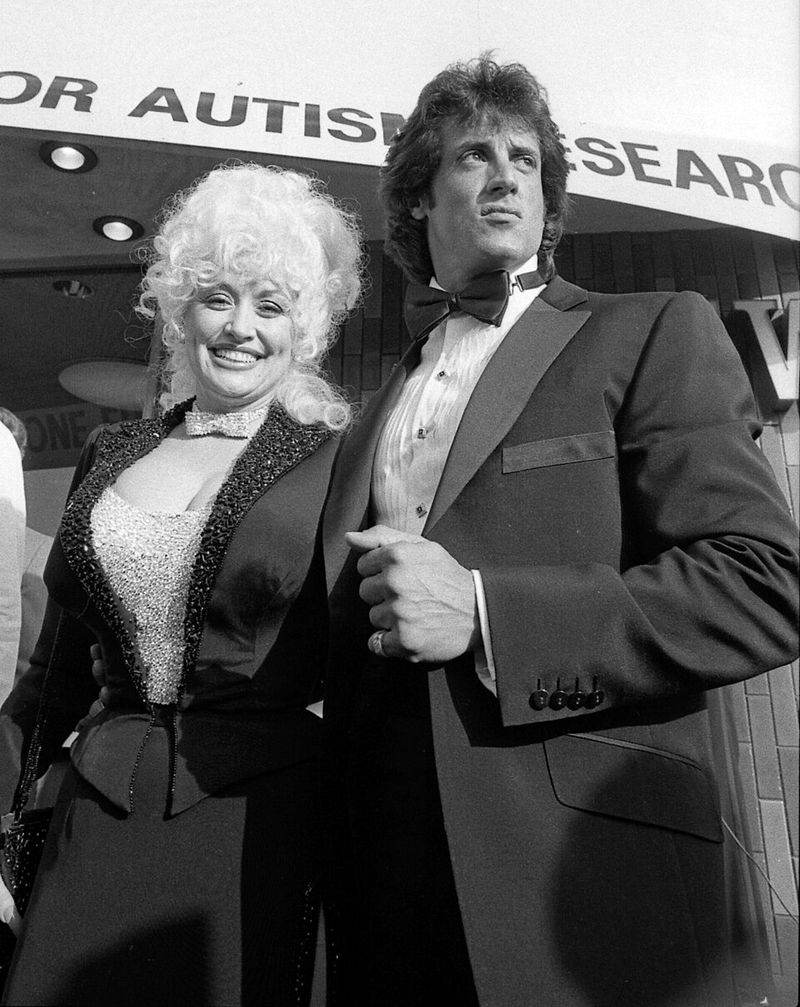
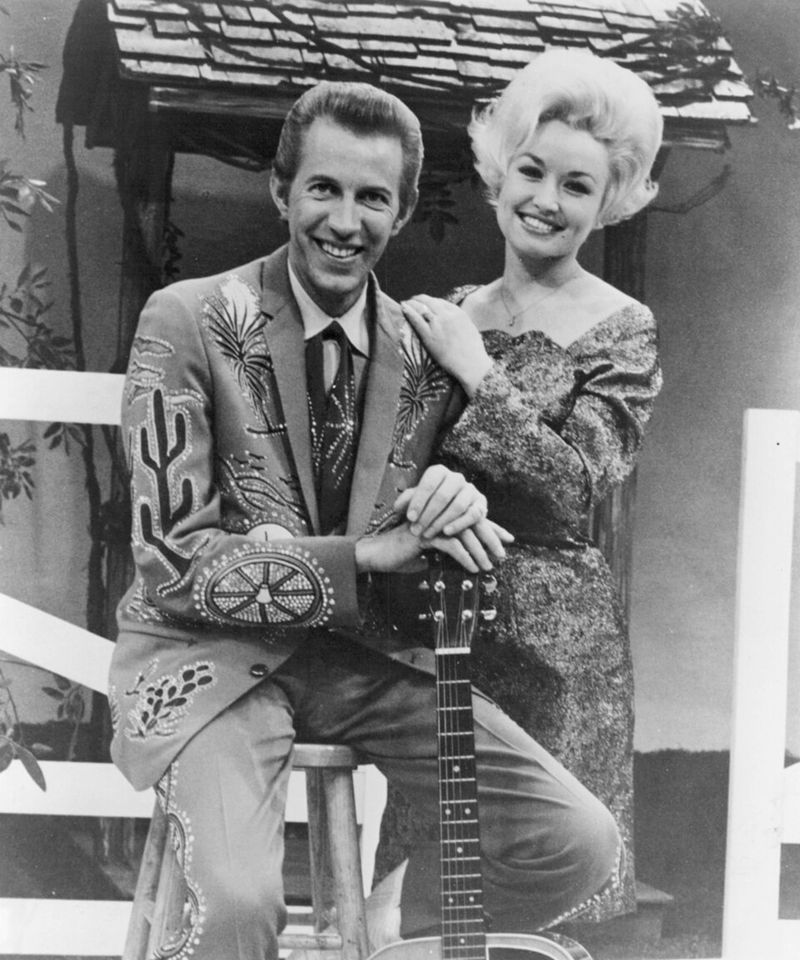
Written as a heartfelt goodbye to her business partner Porter Wagoner, “I Will Always Love You” is one of the most personal songs Dolly has ever recorded. She released it in 1974, and it went straight to number one.
The song is tender, graceful, and completely sincere.
Dolly actually recorded and charted with this song twice, first in 1974 and again in 1982. Both versions hit the top of the country charts.
That kind of chart success with the same song is nearly unheard of in country music.
Most people today know the Whitney Houston pop version from the 1992 film “The Bodyguard,” but the original belongs to Dolly. She famously turned down Elvis Presley’s request to record it because his manager wanted half the publishing rights.
That decision earned her millions over the years.
3. 9 to 5
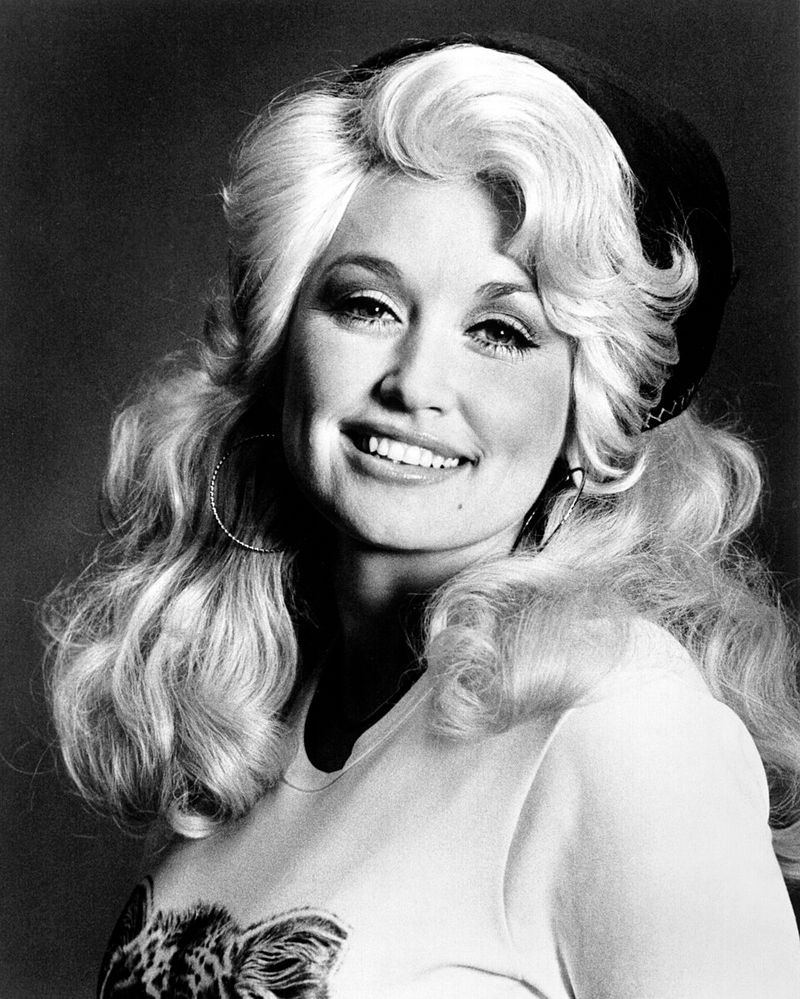
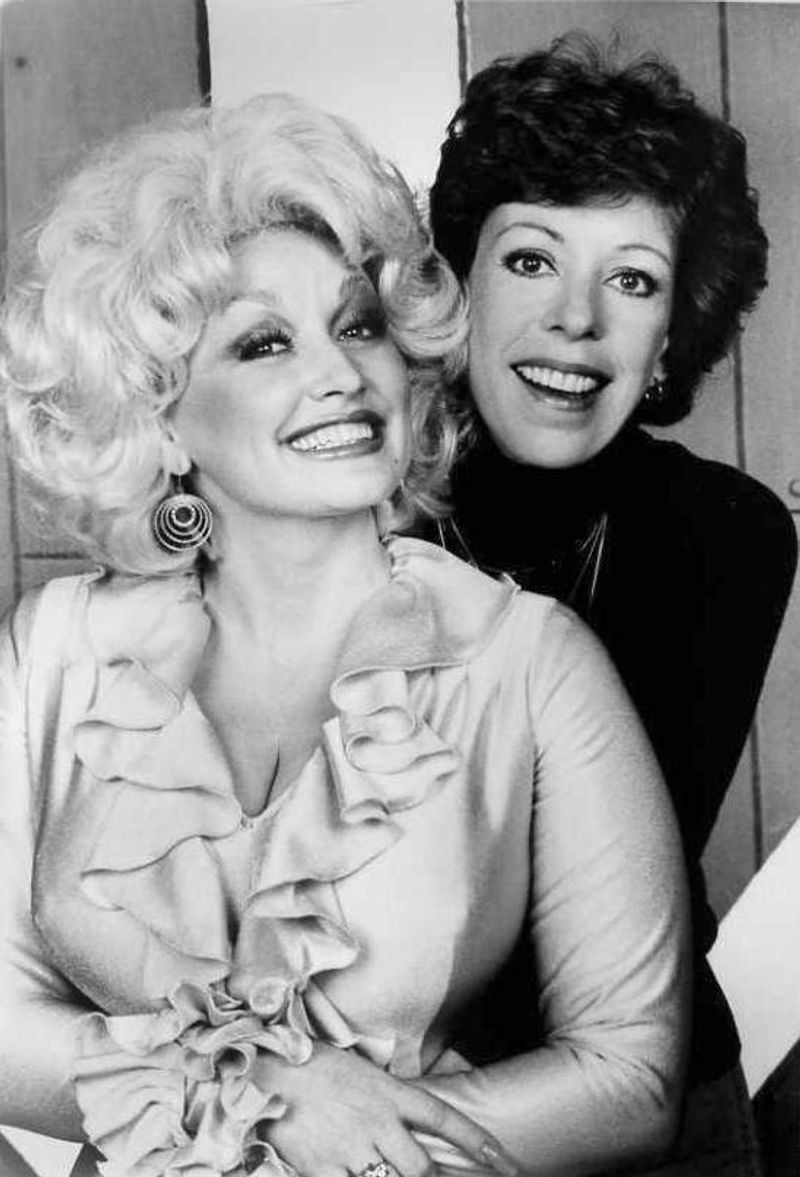
“9 to 5” is one of those rare songs that works as both a fun pop tune and a serious statement about workplace fairness. Dolly wrote it for the 1980 film of the same name, in which she also starred alongside Jane Fonda and Lily Tomlin.
She famously tapped out the rhythm on her acrylic fingernails while on set.
The song won the Grammy Award for Best Female Country Vocal Performance and also won the Country Music Association Award for Song of the Year. It crossed over to pop radio and became one of the biggest hits of 1981.
Workers everywhere connected with its message about being undervalued on the job.
The film and the song both became cultural touchstones for working women. “9 to 5” remains one of the most played Dolly Parton songs at workplaces and parties around the world even today.
4. Coat of Many Colors
Of all the songs Dolly has written, “Coat of Many Colors” holds the most personal meaning for her. She based it on a true story from her childhood in the mountains of Tennessee.
Her mother sewed her a coat from rags and scraps, telling young Dolly the biblical story of Joseph and his coat of many colors.
When Dolly wore the coat to school, the other kids made fun of her for it. But her mother had sewn it with love, and that made it more valuable than any store-bought coat.
The song captures that lesson with beautiful simplicity and warmth.
Released in 1971, it became one of her signature songs and the title of a 2015 NBC television film about her early life. Dolly has said this is the song she is most proud of writing.
It reminds listeners that love and dignity cannot be measured by material things.
5. Here You Come Again
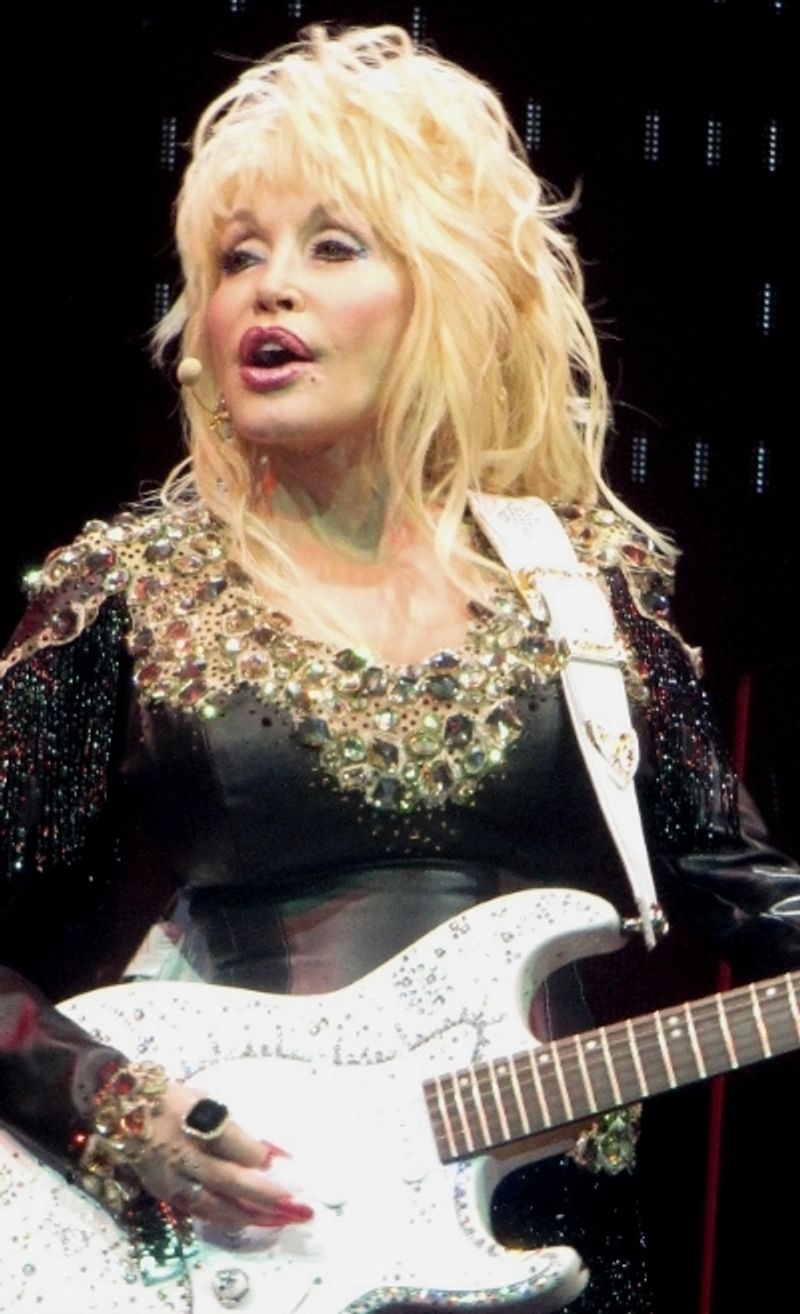
“Here You Come Again” marked a major turning point in Dolly Parton’s career. Released in 1977, it was her first song to cross over from country radio to the mainstream pop charts in a big way.
Written by Barry Mann and Cynthia Weil, the song fit Dolly’s voice perfectly.
The track reached number one on the country charts and climbed to number three on the Billboard Hot 100 pop chart. It proved that Dolly could appeal to audiences well beyond traditional country music fans.
Her warm, clear voice gave the song a charm that was impossible to ignore.
The album of the same name earned her the Grammy Award for Best Female Country Vocal Performance. “Here You Come Again” opened the door to a broader audience and helped establish Dolly as a true crossover superstar. It still sounds fresh and relatable today, which says a lot about its timeless quality.
6. Islands in the Stream
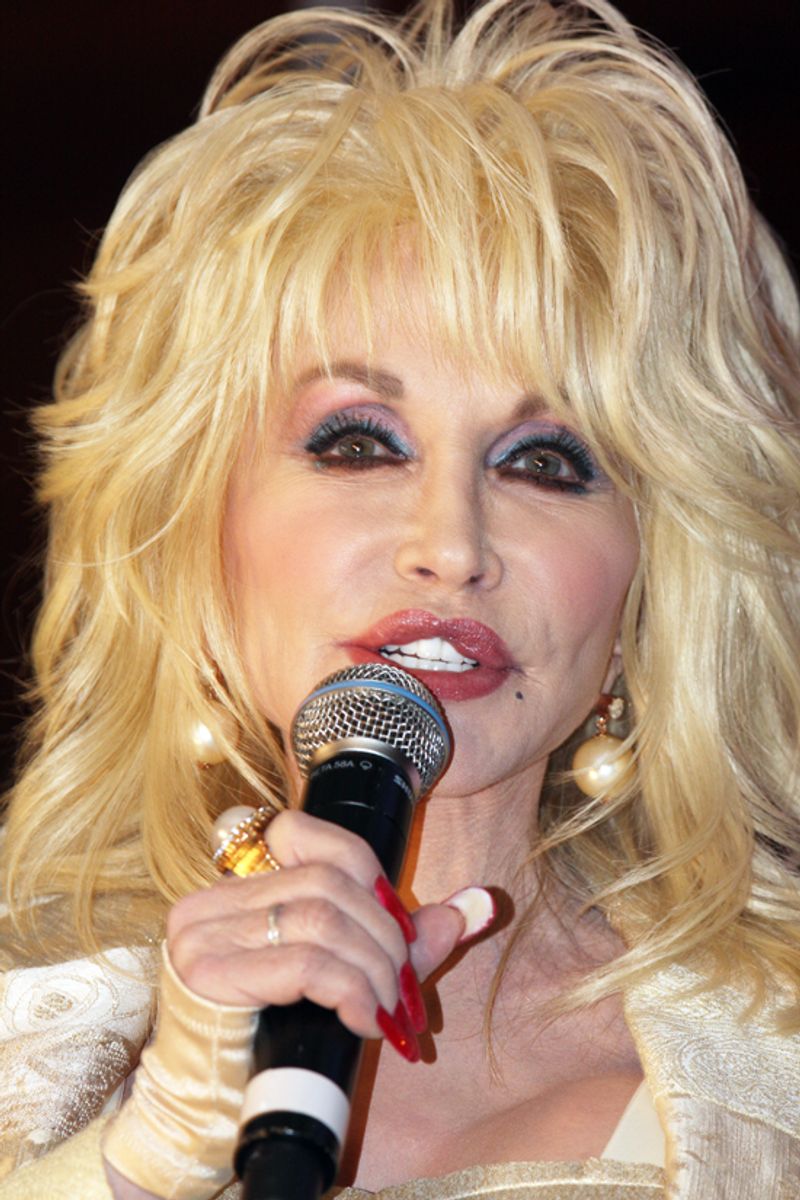
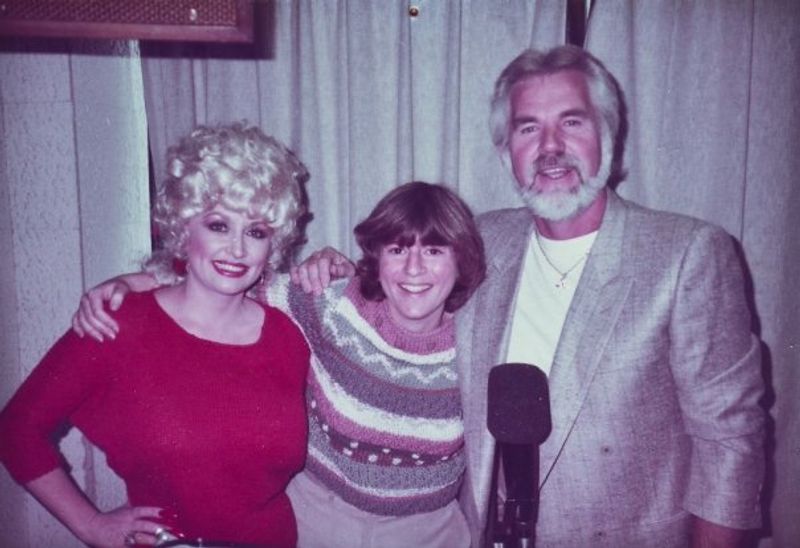
When Dolly Parton and Kenny Rogers joined forces on “Islands in the Stream,” the result was one of the most successful duets in country music history. Written by the Bee Gees, the song was originally intended for Marvin Gaye, but the chemistry between Dolly and Kenny made it something entirely different and magical.
Released in 1983, the song reached number one on both the country and pop charts. It became one of the best-selling singles of that year across all genres.
The playful, flirty energy between the two singers came through clearly in every note.
Kenny Rogers once said that Dolly saved the song during the recording session by bringing her signature warmth and personality to it. The two went on to record and perform together many more times.
Their friendship and musical partnership became one of the most celebrated in country music history.
7. Two Doors Down
“Two Doors Down” has a joyful, carefree energy that feels like a party the moment it starts. Released in 1978, the song tells the story of a woman who hears music from a nearby apartment and decides to shake off her sadness and join the fun.
It is an upbeat change of pace from Dolly’s more emotional ballads.
The song reached number one on the Billboard country charts and showed off Dolly’s playful, lighthearted side. It appeared on her “Here You Come Again” album, which was already a massive commercial success.
The timing could not have been better, and the song fit perfectly into the era’s pop-country sound.
There is something genuinely fun about this track that makes it hard to sit still while listening. It captures the simple idea that sometimes the best cure for a bad mood is good music and good company.
That message feels just as true today as it did in 1978.
8. Joshua
“Joshua” was Dolly Parton’s very first number one hit on the country charts. Released in 1970, the song tells the story of a young woman who falls in love with a mysterious man named Joshua who lives alone in the woods.
It has the feel of a folk tale set to music.
The storytelling in “Joshua” is classic Dolly, full of vivid characters and a clear sense of place. She paints a picture of rural life with just a few well-chosen words.
The melody is simple but memorable, making the song easy to follow and enjoy.
Reaching the top of the country charts was a huge milestone for a young singer still building her reputation. “Joshua” proved that Dolly had a natural gift for narrative songwriting. It set the stage for the string of hits that would follow throughout the 1970s and beyond, cementing her place in country music.
9. Love Is Like a Butterfly
Soft, sweet, and genuinely charming, “Love Is Like a Butterfly” is one of Dolly Parton’s most delightful songs. Released in 1974, it compares the feeling of falling in love to the fluttering sensation of a butterfly in flight.
The comparison is simple but surprisingly effective.
The song reached number one on the country charts and became one of her most recognizable tunes from that era. Dolly wrote it herself, which speaks to her talent for finding fresh and poetic ways to describe everyday emotions.
The melody feels light and airy, perfectly matching the song’s theme.
Dolly liked the song so much that she used a butterfly as a personal symbol for many years afterward. It appeared on merchandise, album artwork, and promotional materials. “Love Is Like a Butterfly” captures the innocent, giddy side of romance that most people can relate to, no matter their age or background.
10. The Bargain Store
“The Bargain Store” uses a clever extended metaphor to tell a deeply personal story. Released in 1975, the song compares the singer herself to a secondhand shop, offering a heart that has been through hard times but still has love to give.
It is a creative and self-aware piece of writing.
The song hit number one on the country charts and showed that Dolly could tackle complex emotional themes with wit and grace. The metaphor of a bargain store works surprisingly well, giving the song a unique identity that stands apart from other heartbreak songs of the era.
There is a quiet vulnerability in this track that feels completely genuine. Dolly sings it with just enough sadness to make the listener feel the weight of the words without making the song feel heavy. “The Bargain Store” is a reminder that even imperfect things, including people, are worth a second look.
11. Heartbreaker
“Heartbreaker” came out in 1978 and showed a bolder, more assertive side of Dolly Parton. The album of the same name had a slightly harder rock edge than her earlier work, and this title track leaned into that energy with confidence.
It was a deliberate step toward a broader audience.
The song featured backing vocals from none other than Linda Ronstadt and Emmylou Harris, two of the biggest names in music at the time. That collaboration gave the track an extra layer of credibility and star power.
Having those two voices alongside Dolly made for a genuinely impressive sound.
While “Heartbreaker” did not climb as high on the charts as some of her other singles, the album it came from was a major commercial success. It reinforced the idea that Dolly was not afraid to experiment and grow as an artist.
That willingness to take risks has always been one of her greatest strengths.
12. Old Flames Can’t Hold a Candle to You
Written by Hugh Moffatt and Pebe Sebert, “Old Flames Can’t Hold a Candle to You” was recorded by Dolly Parton in 1980 and became one of her biggest hits of that era. The song is a confident declaration that no past relationship can compare to the one the singer has now.
It has a warm, assured tone that suits Dolly perfectly.
The track reached number one on the country charts and stayed there for two weeks. It appeared on her “Dolly Dolly Dolly” album, which was a strong commercial release during a very busy period in her career.
Her vocal performance on this song is relaxed and completely in control.
The candle metaphor in the title is catchy and memorable, making the song easy to recall long after hearing it. “Old Flames Can’t Hold a Candle to You” is the kind of song that makes you feel good and confident, which is exactly what a great country song should do.
13. Why’d You Come in Here Lookin’ Like That
Upbeat, bold, and a little bit cheeky, “Why’d You Come in Here Lookin’ Like That” was a smash hit when it was released in 1989. The song is about a woman who is trying to move on from a relationship but keeps getting distracted by how attractive her ex still looks.
It has a great sense of humor and energy.
The track reached number one on the Billboard country charts and became one of the defining country hits of the late 1980s. Its punchy production style fit perfectly with the era’s sound.
Dolly delivered the lyrics with a wink and a smile that made the whole thing feel genuinely fun.
The music video was equally memorable, featuring Dolly in a series of eye-catching outfits. “Why’d You Come in Here Lookin’ Like That” proved that Dolly could keep up with younger artists and still dominate the charts. It remains a crowd favorite at her live shows.
14. Tennessee Homesick Blues
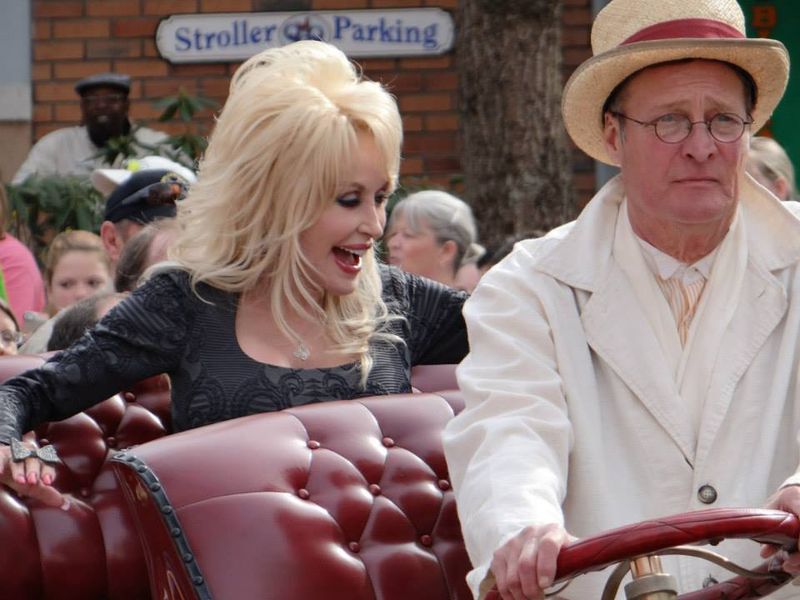
“Tennessee Homesick Blues” captures the very specific ache of missing home when you are far away. Released in 1984 as part of the soundtrack for the film “Rhinestone,” the song resonated with anyone who has ever left a small town behind and found themselves longing for familiar faces and places.
Dolly wrote the song herself, and her genuine connection to her Tennessee roots makes every word feel authentic. She grew up in the Smoky Mountains, so the homesickness she describes is not just a theme but a real part of her personal history.
That honesty comes through in every line.
The song reached the top five on the country charts and introduced a new audience to Dolly through the film’s wide release. “Tennessee Homesick Blues” is the kind of song that hits differently depending on where you are in life. For anyone who has ever been homesick, it feels like a warm hug from an old friend.
15. Yellow Roses
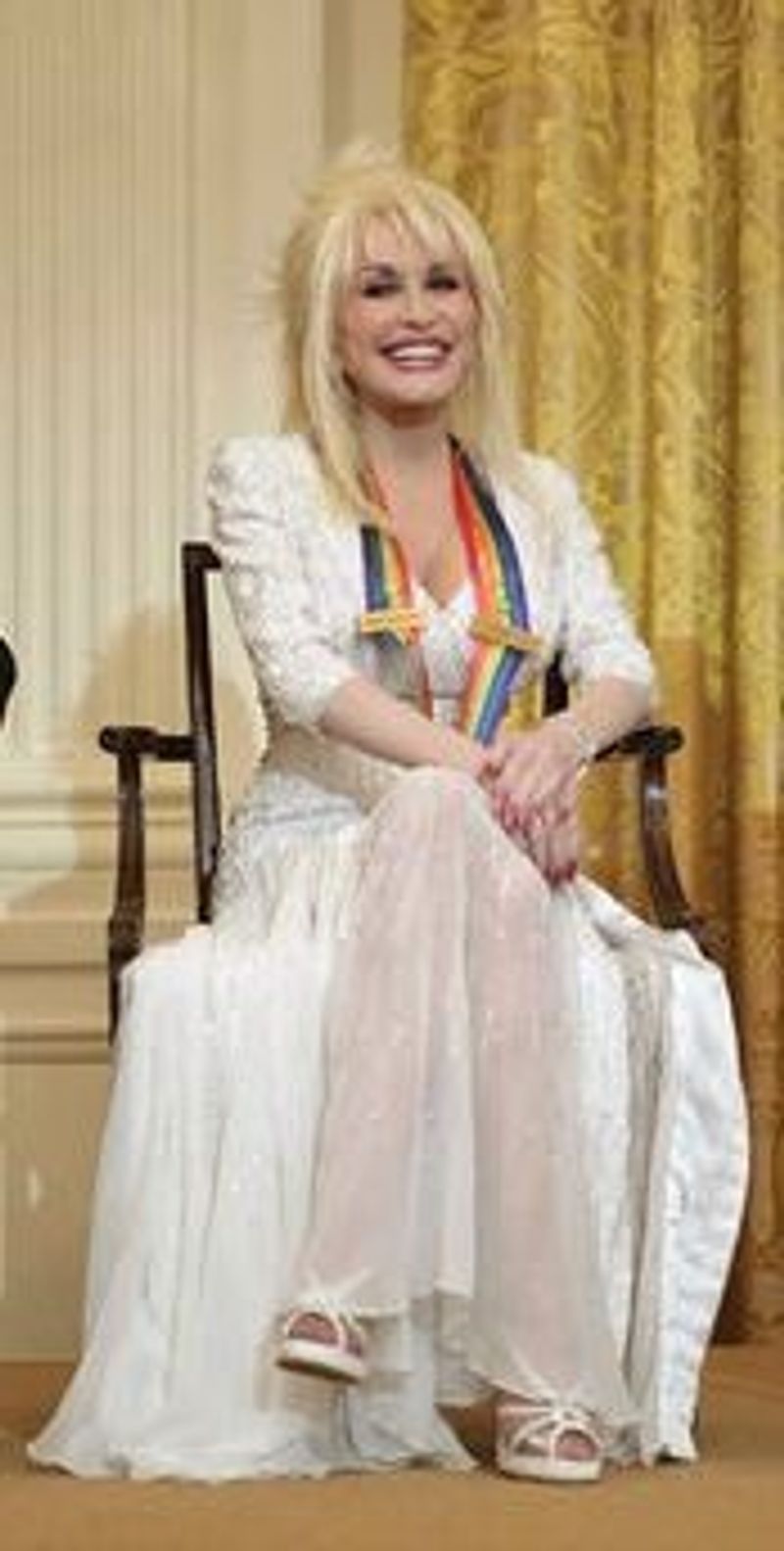
“Yellow Roses” is a gentle, bittersweet ballad that Dolly released in 1989. The song uses yellow roses as a symbol of friendship rather than romantic love, exploring the complicated feelings that come when a relationship shifts from romance to something more platonic.
It is a thoughtful and emotionally layered piece of writing.
The track reached number one on the Billboard country charts, making it one of her biggest hits of that year. Dolly’s vocal performance is restrained and elegant, letting the emotion of the lyrics speak for itself without overdoing it.
The production is clean and polished, typical of late 1980s country.
Yellow roses traditionally symbolize friendship and caring, which gives the song an extra layer of meaning for anyone who knows that tradition. “Yellow Roses” is one of those quiet country classics that does not announce itself loudly but stays with you long after the song ends. It is Dolly at her most reflective and sincere.
Share this story