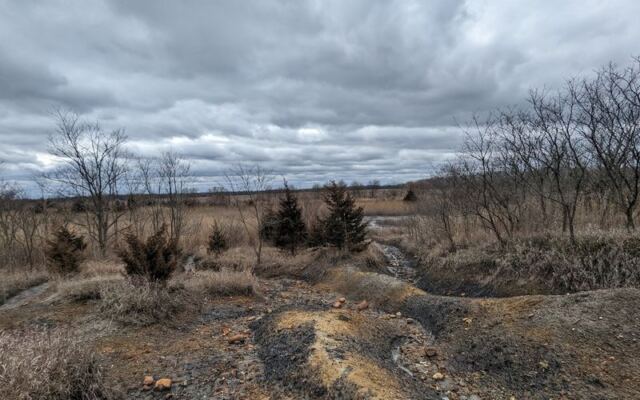
Somewhere in Illinois, a landscape that was once torn apart by coal mining has quietly transformed into one of the most surprising outdoor destinations in the entire state. What used to be scarred industrial ground is now a sprawling preserve where ordinary people show up on weekends and walk away holding rocks that are older than the dinosaurs.
The idea that you can legally dig up 300-million-year-old fossils on a day trip from Chicago feels almost too good to be true, but it is completely real. Pack a bag, bring the kids, and get ready for a place that will genuinely catch you off guard.
What Mazonia-Braidwood Actually Is
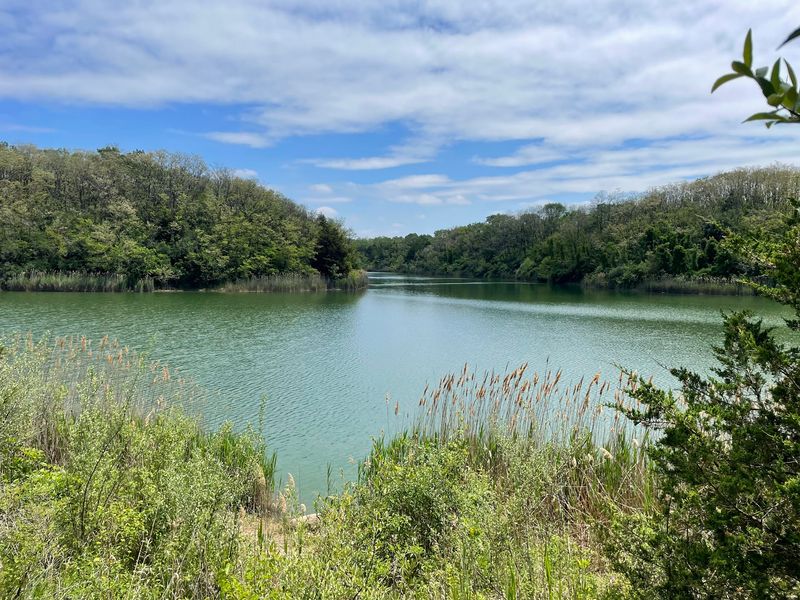
Back in the mid-twentieth century, the land around Braceville, Illinois was actively mined for coal, leaving behind a patchwork of pits, displaced rock, and disturbed earth. Over time, those pits filled with water, the grasslands recovered, and the Illinois Department of Natural Resources stepped in to manage what had become a genuinely remarkable natural area.
Today, Mazonia-Braidwood State Fish and Wildlife Area covers roughly 1,017 acres of lakes, grasslands, and trails along IL-53 and East Huston Road in Braceville. Technically classified as a fish and wildlife area, it functions more like a multi-use preserve, welcoming fossil hunters, anglers, kayakers, hikers, and birdwatchers all at once.
The mining history is not just a footnote here. It is the reason the fossil beds are accessible.
When machines stripped away the overburden to reach the coal seams, they exposed ancient rock layers containing plant and animal fossils from the Pennsylvanian Period, roughly 300 million years ago. Without the mining, those fossils would still be buried far underground, completely out of reach.
The Pennsylvanian Period Fossil Record Hiding Here
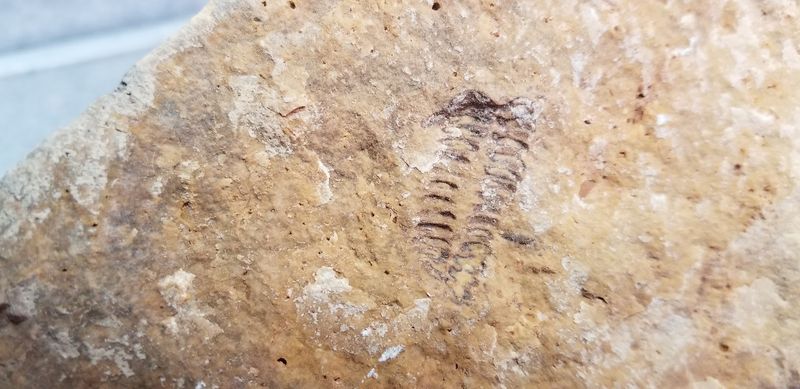
Around 300 million years ago, Illinois sat near the equator, covered by shallow tropical seas and dense coal swamps. The creatures and plants that lived and perished in those environments settled into the sediment and were eventually compressed into the rock layers now found at Mazonia-Braidwood.
Fossils recovered from this site include ancient fern fronds, seed plants, and invertebrate marine animals from the Pennsylvanian Period. The Mazon Creek fossil beds, of which Mazonia-Braidwood is a part, are internationally recognized among paleontologists for their exceptional preservation quality.
Specimens from this region appear in museum collections around the world.
What makes the site especially exciting for amateur hunters is the type of rock formation involved. Many fossils here are preserved inside iron carbonate nodules called concretions, which look like plain oval or rounded rocks on the outside.
Cracking one open can reveal a perfectly preserved impression of a plant, a shrimp-like creature, or a jellyfish from a world that existed long before any recognizable life walked the land.
The Fossil Permit System and How It Works
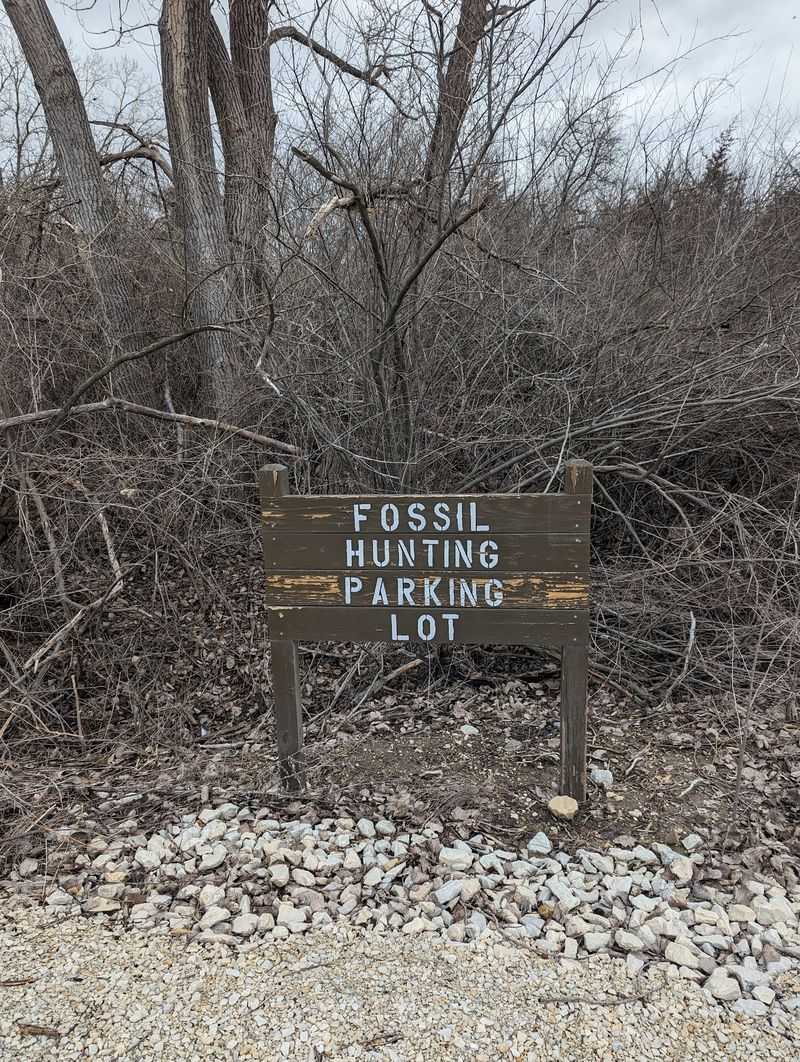
Fossil collecting at Mazonia-Braidwood is legal and encouraged, but it does require a permit. Visitors can pick up a fossil hunting permit at the park office, where the forms are kept in a mailbox for easy self-service access even when staff are not present on-site.
The permit comes with a map that points toward designated fossil hunting locations within the preserve. A fair warning from regular visitors: the printed information in the permit packet has not been updated in quite some time, and some of the described landmarks or access points may no longer match current conditions on the ground.
Construction, vegetation overgrowth, and trail changes have shifted things around over the years.
A smart move before visiting is to supplement the official permit map with current online resources, forums, or community guides from other fossil hunters who have visited recently. The permit itself is still worth grabbing, as it establishes where you are legally allowed to search and collect.
Free access to a world-class fossil site is a genuinely rare thing, and the permit system keeps it sustainable for everyone who visits after you.
Concretions and How to Find Them
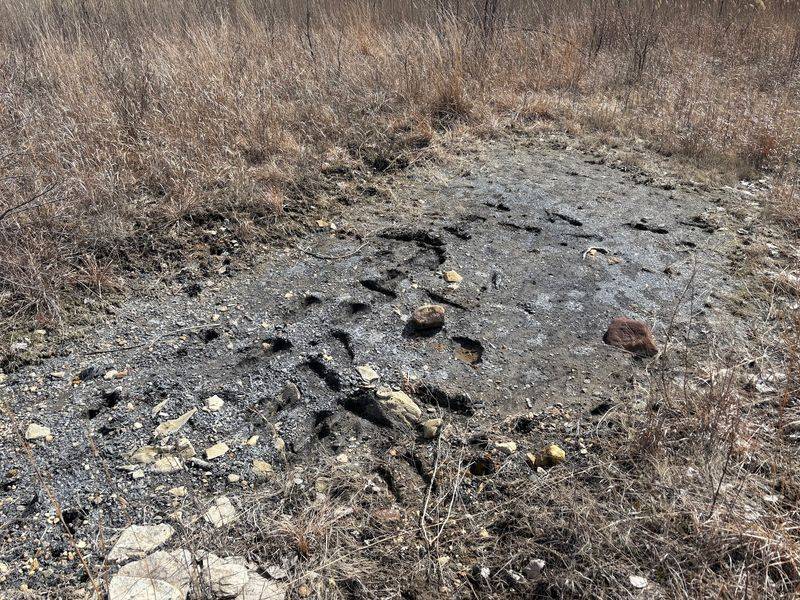
Knowing what to look for completely changes the fossil hunting experience here. Concretions are the key.
These rounded, flattened, or oval-shaped nodules range from the size of a golf ball to the size of a grapefruit, and they tend to be darker and heavier than the surrounding rock. They form when minerals slowly crystallize around an organic object, protecting it from decay over millions of years.
Along the shorelines and in exposed rock outcrops, concretions can often be spotted sitting on the surface or partially embedded in the bank. Visitors who search near the waterline, especially after rain or when water levels shift, tend to have the best luck.
Spring visits are particularly productive because the lack of leaf cover makes it easier to scan the ground without vegetation blocking the view.
One tip that experienced hunters pass along: do not crack the concretions open on-site. Bring them home first.
The freeze-thaw method, which involves wetting the nodule, freezing it, and then tapping it along the cracks that appear, tends to produce cleaner splits and better-preserved fossil surfaces. Cracking them in the field with too much force can damage whatever is inside.
The Fishing Scene Across Multiple Lakes
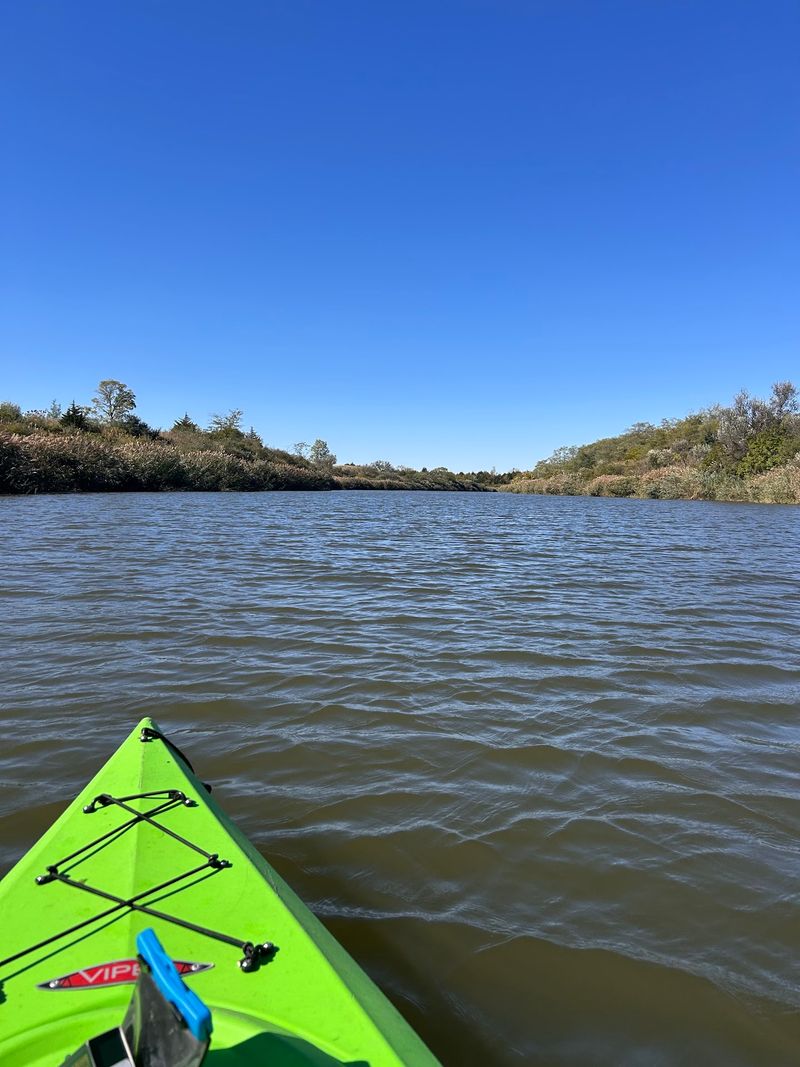
Fossil hunting gets most of the headlines, but fishing at Mazonia-Braidwood has its own passionate following. The preserve contains multiple lakes formed by old mining pits, each offering different shoreline access and water conditions.
Anglers show up throughout the season chasing catfish, bass, and other species that have taken up residence in these reclaimed waters.
Shoreline fishing is easy to access along paved paths and gravel edges near many of the lakes, making it approachable even for casual visitors who just want to drop a line for a few hours. Visitors have reported watching other anglers pull in impressive catfish right from the bank, which tends to draw a small crowd of spontaneous cheerleaders.
The variety of water bodies spread across the preserve means there is almost always a quiet spot available, even on busier weekend days. Multiple boat ramps throughout the area accommodate those who prefer to fish from the water rather than the shore.
The combination of accessible shoreline and launch options makes Mazonia-Braidwood one of the more versatile fishing destinations in the greater Chicagoland region.
Kayaking the Reclaimed Mining Pits
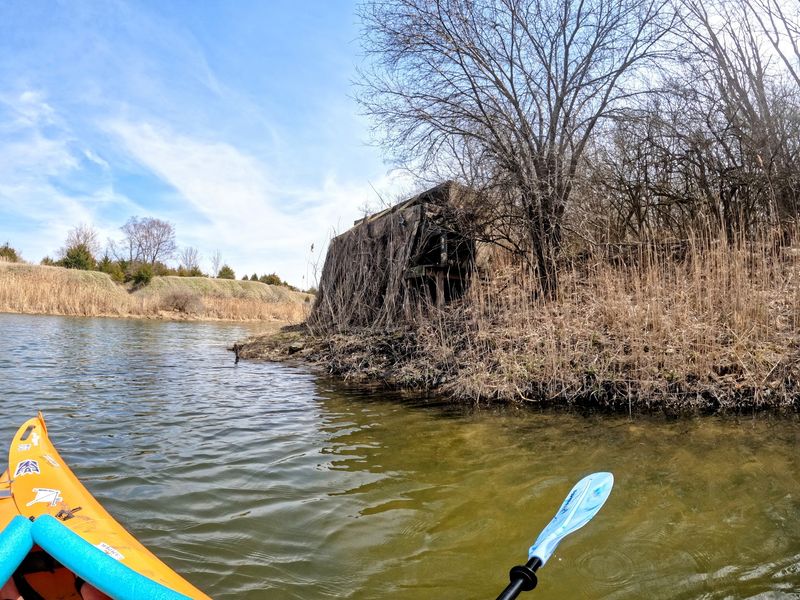
Paddling through a former strip mine sounds industrial, but the reality is surprisingly serene. The lakes at Mazonia-Braidwood are calm, open, and wide enough to feel genuinely spacious without being intimidating for recreational paddlers.
Several boat ramps are scattered throughout the preserve, giving kayakers multiple entry points depending on which section of the area they want to explore.
Visitors who have brought kayaks describe the experience as peaceful and unhurried, with open skies overhead and grassy banks on either side. The lack of heavy boat traffic on most days keeps the water quiet and the atmosphere relaxed.
A few visitors have even reported spotting fossils along the shoreline while paddling close to the banks, combining two activities into one outing.
For kayak fishing specifically, the preserve offers plenty of variety. Different lakes hold different fish populations, and the ability to move between them by car and relaunch at another ramp keeps the day interesting.
Bug spray is a genuine necessity during warmer months, as the open water and surrounding grassland can generate some aggressive insect activity, especially in summer.
Hiking and Trail Conditions Worth Knowing
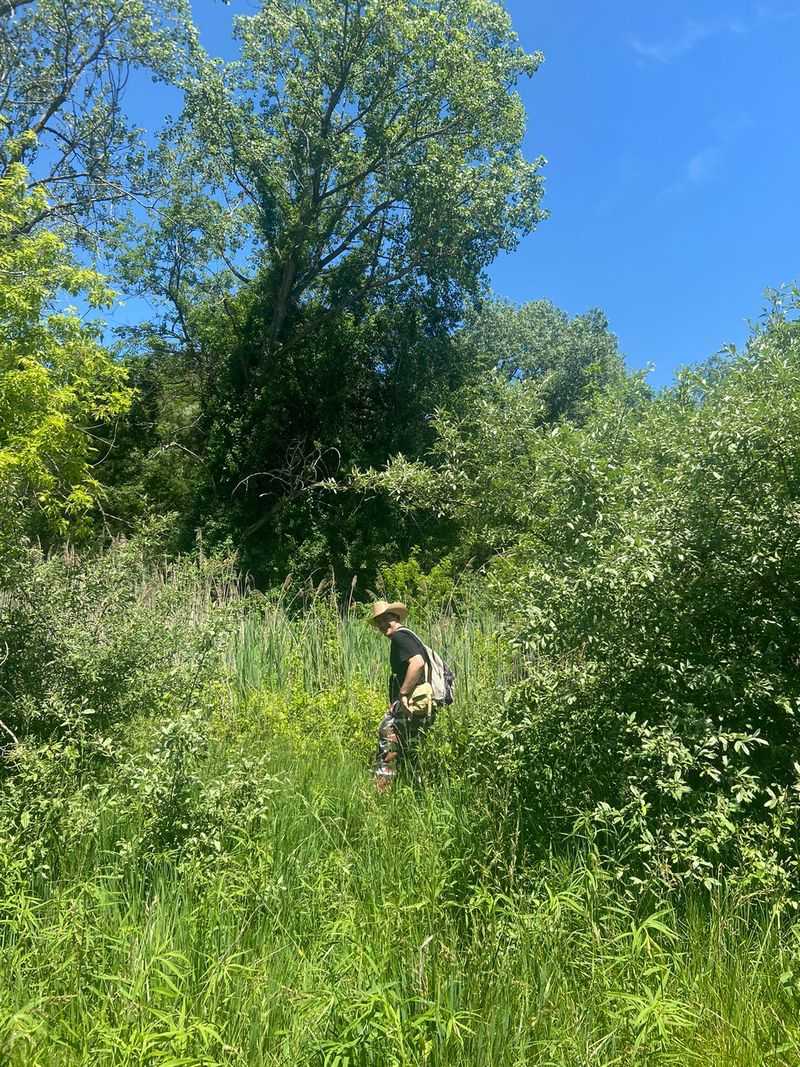
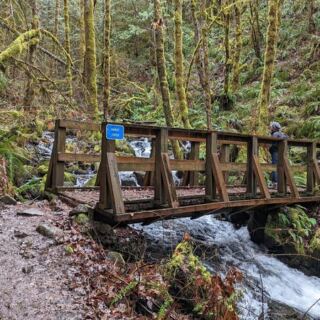
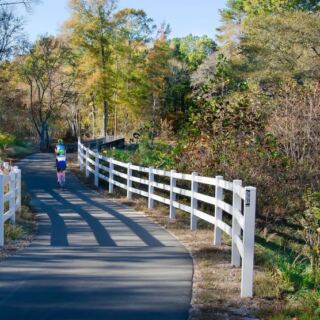
Hiking at Mazonia-Braidwood is best described as adventurous rather than manicured. Some sections feature paved paths that are easy on the feet and accessible for most visitors, while other areas involve overgrown trails where distinguishing a footpath from a deer run requires some patience and attention.
Trail signage is one of the preserve’s acknowledged weak points. Multiple visitors have noted that signs are sparse, hard to spot, or simply absent in certain sections, particularly around the designated fossil hunting areas.
Going in with a downloaded map, a charged phone with GPS, and a clear sense of which lake or site number you are heading toward will save a lot of frustration.
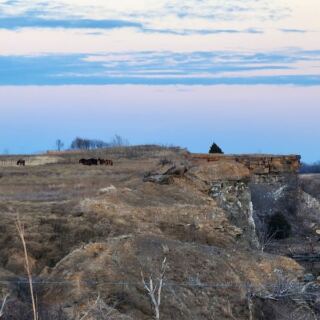
The landscape itself rewards those who put in the effort. Open grassland sections offer long views across the preserve, and the shorelines of the various lakes provide pleasant walking even when the trails themselves are rough.
Early spring, before the vegetation fully leafs out, is the most forgiving time to hike here, both for trail visibility and for spotting fossils along the way. Wear sturdy shoes and expect some off-trail scrambling if you are serious about reaching the best fossil spots.
Birdwatching and the Wildlife That Lives Here
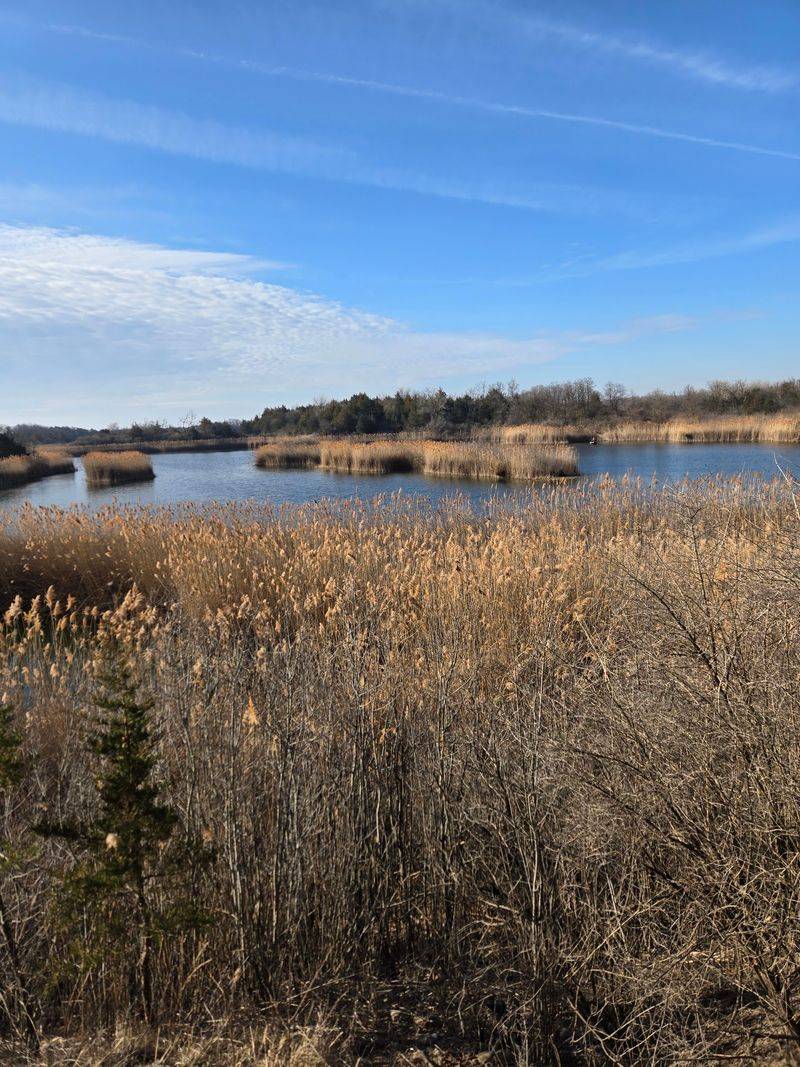
Grassland preserves in Illinois have become increasingly rare, making places like Mazonia-Braidwood surprisingly valuable for bird populations that need open country to survive. The mix of open water, grassy fields, and shrubby edges creates a layered habitat that attracts a wide range of species throughout the year.
Visitors who have come specifically for birdwatching describe the preserve as quiet and uncrowded, which is exactly what birders tend to prefer. Waterfowl are a natural draw given the number of lakes, and the grassland sections can hold species that are hard to find in more developed corners of the Chicago metro area.
Driving slowly through the preserve with windows down, as several visitors suggest, is a low-effort way to cover ground and catch movement along the road edges.
The lack of crowds at Mazonia-Braidwood is arguably its biggest asset for wildlife observation in general. Animals are less disturbed, behavior is more natural, and the overall sense of being in a genuinely wild space is stronger than at more heavily visited parks.
For anyone who enjoys simply sitting near water and watching what shows up, this place delivers that experience without any competition for the best spot on the bank.
Stargazing and the Night Sky Over Open Water
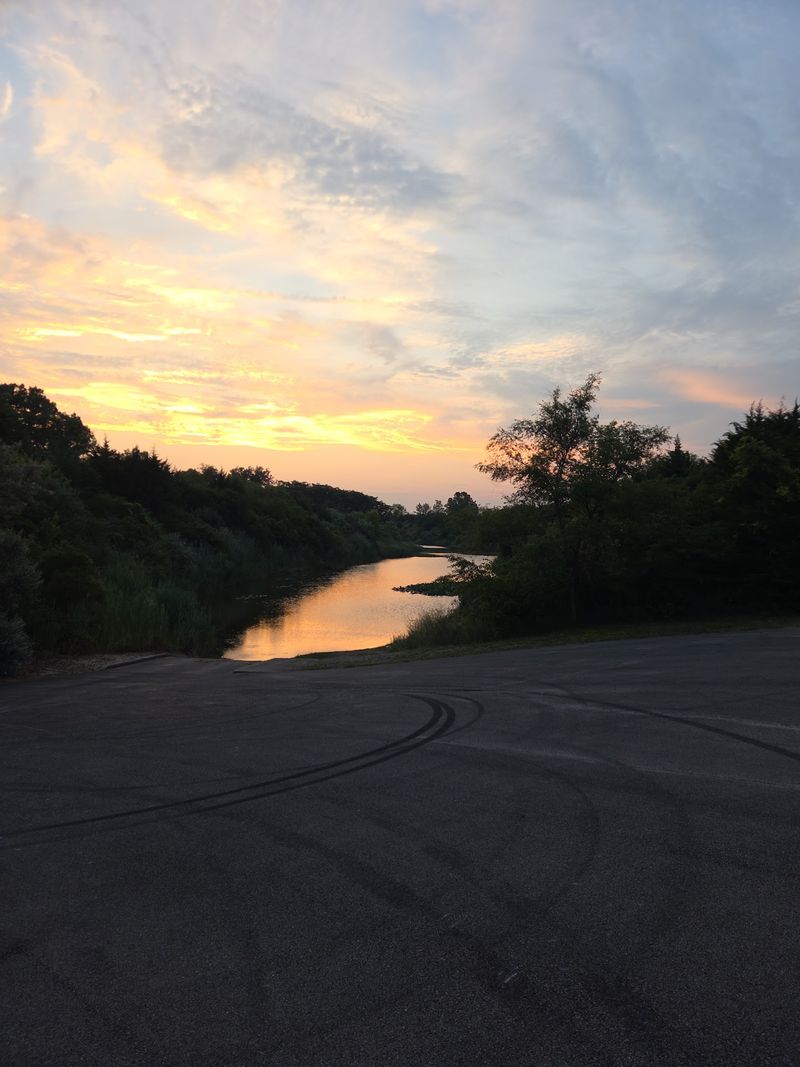
Not many people associate a former strip mine with stargazing, but Mazonia-Braidwood has picked up a quiet reputation for exactly that. The preserve sits far enough from the densest suburban light pollution that the night sky opens up considerably, especially over the open water where there are no trees or structures blocking the view.
The preserve stays open until 10 PM every night of the week, which gives visitors a genuine window to experience the sky after dark during most seasons. Arriving around sunset and staying through the early evening hours, when the stars become visible, turns a standard day trip into something a bit more memorable.
The calm lake surfaces add a reflective quality that makes the whole scene feel almost cinematic.
A blanket, a thermos of something warm, and a star map app on a phone are about all the preparation needed. The preserve does not offer formal stargazing programs or infrastructure for it, but the open skies and quiet atmosphere do the work on their own.
For anyone who lives in or near Chicago and has forgotten what a genuinely dark sky looks like, the drive to Braceville for an evening visit is worth serious consideration.
The Atmosphere and Who Will Love It Most
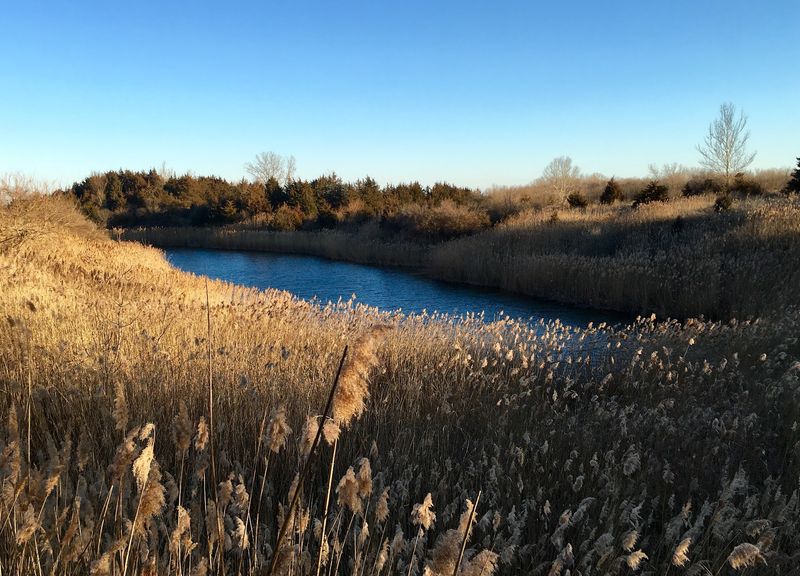
Mazonia-Braidwood is not a place that tries to impress you with facilities or programming. There are no concession stands, no guided tours, and no crowds jostling for position at the good spots.
What it offers instead is space, quiet, and the genuine feeling of having found something most people have not heard of.
Families with curious kids tend to get the most out of a visit here. The fossil hunting aspect gives children a concrete goal and a tangible reward, and even a single concretion brought home creates a lasting memory.
Older kids who are into science or natural history will find the Pennsylvanian Period backstory genuinely fascinating once they understand what they are actually holding.
Solo visitors, couples, and small groups also fit naturally into the preserve’s rhythm. The multiple parking areas scattered throughout the site mean it is easy to find a corner of the preserve that feels entirely your own, even on a busy weekend.
One visitor described it as a slice of heaven that they could not believe was so empty. That sense of discovery, of stumbling onto something real and unhurried, is exactly what keeps people coming back.
Spring Visits and the Best Seasons to Go
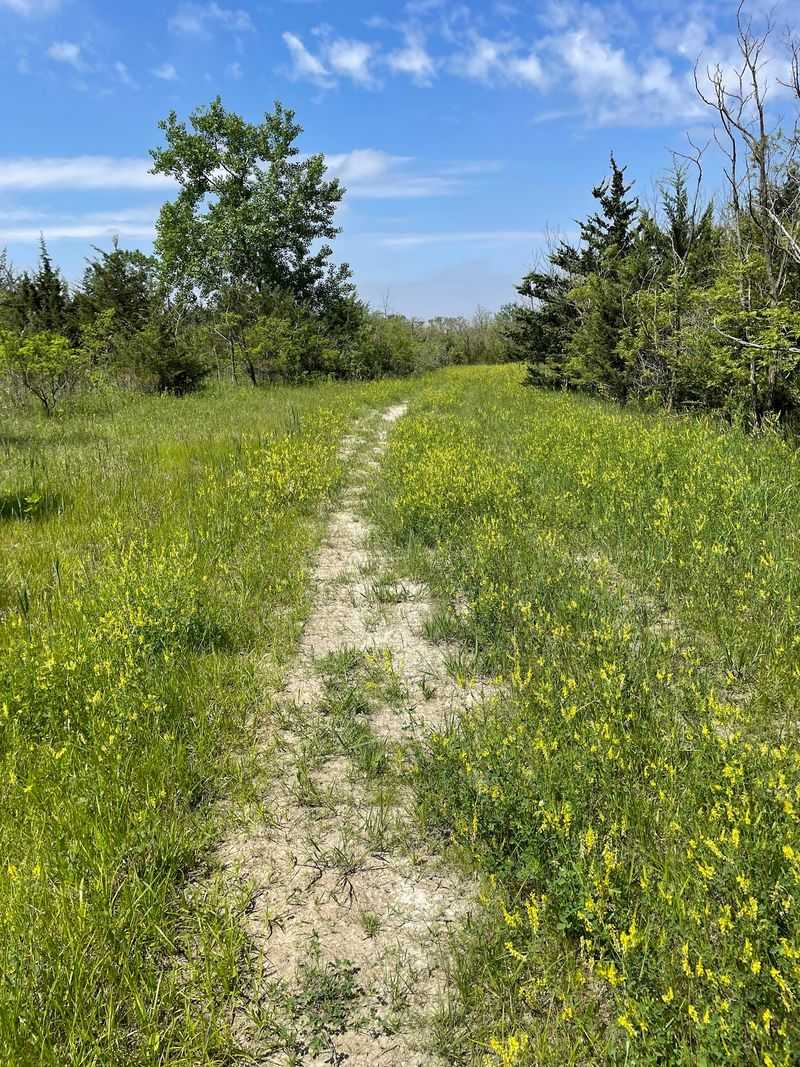
Timing matters more at Mazonia-Braidwood than at most outdoor destinations, and the consensus among experienced visitors points strongly toward spring as the prime window for fossil hunting. Before the trees leaf out and ground cover fills in, the terrain is far easier to navigate and the exposed rock surfaces are much more visible.
Concretions that are hidden under vegetation in July can be spotted easily in March or April.
Rain events also work in favor of fossil hunters, as water washing over exposed banks and shorelines can reveal freshly uncovered nodules. Visiting shortly after a rainstorm, when the ground is still damp and the water level has shifted slightly, is a strategy that pays off for those willing to plan around the weather.
Summer visits are still worthwhile for fishing and kayaking, but bug spray becomes non-negotiable. The open water and surrounding grassland create ideal conditions for insects during the warmer months, and visitors who have skipped the bug spray have regretted it.
Fall offers pleasant hiking conditions and nice light for photography. Winter visits are possible given the 6 AM to 10 PM operating hours year-round, though the fossil hunting sites can be muddy and difficult to navigate after heavy freeze-thaw cycles.
Practical Details for Planning Your Visit
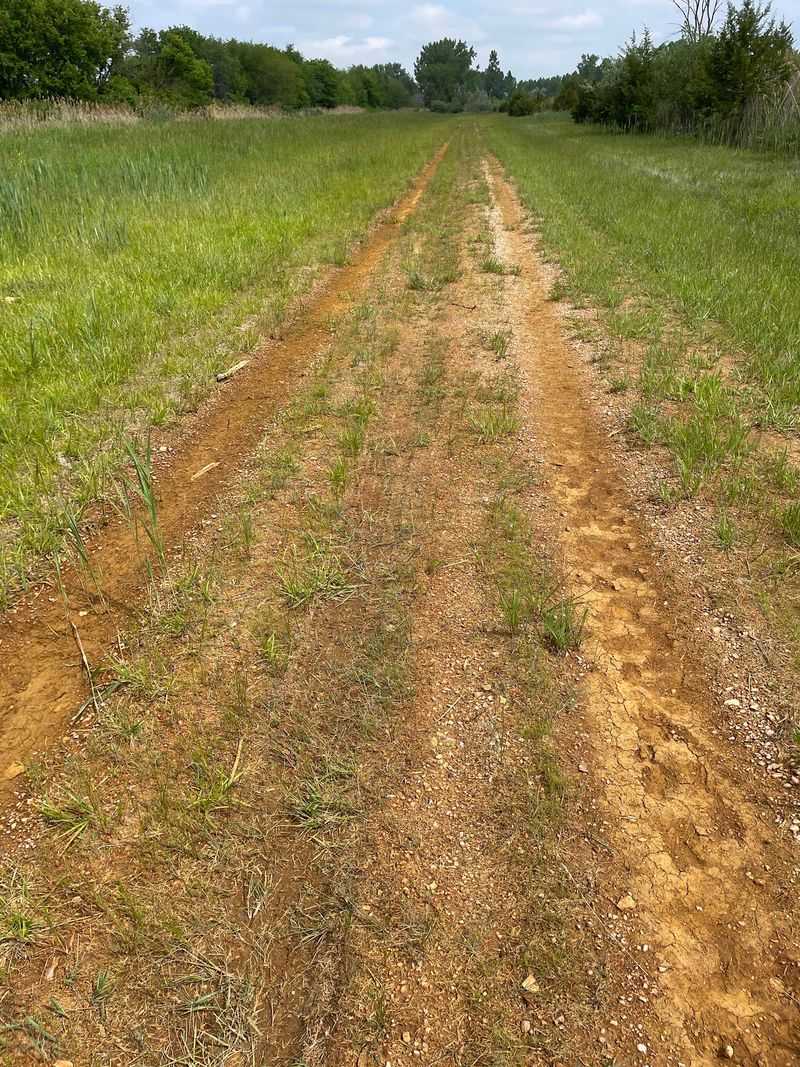
Mazonia-Braidwood State Fish and Wildlife Area is located at the intersection of IL-53 and East Huston Road in Braceville, Illinois, roughly an hour southwest of downtown Chicago. The preserve is open seven days a week from 6 AM to 10 PM, which makes it workable for both early morning outings and evening visits during the longer days of late spring and summer.
There is no admission fee to enter the preserve. The fossil hunting permit is free and available at the park office in a self-serve mailbox, so you do not need to coordinate with staff to get started.
The main park office number is 815-237-0063 if you want to call ahead with specific questions, and the Illinois DNR website at dnr.illinois.gov has additional information about the site.
Parking is spread across multiple areas throughout the preserve, which helps distribute visitors and keeps any single spot from feeling crowded. Paved paths connect some sections, while others require walking on gravel or natural ground.
Pack water, wear layers appropriate to the season, bring bug spray from late spring through early fall, and consider sturdy boots if you plan to do any serious fossil hunting off the maintained paths. A small backpack for carrying concretions home is a practical addition that most first-time visitors wish they had thought to bring.
Why This Place Deserves More Attention
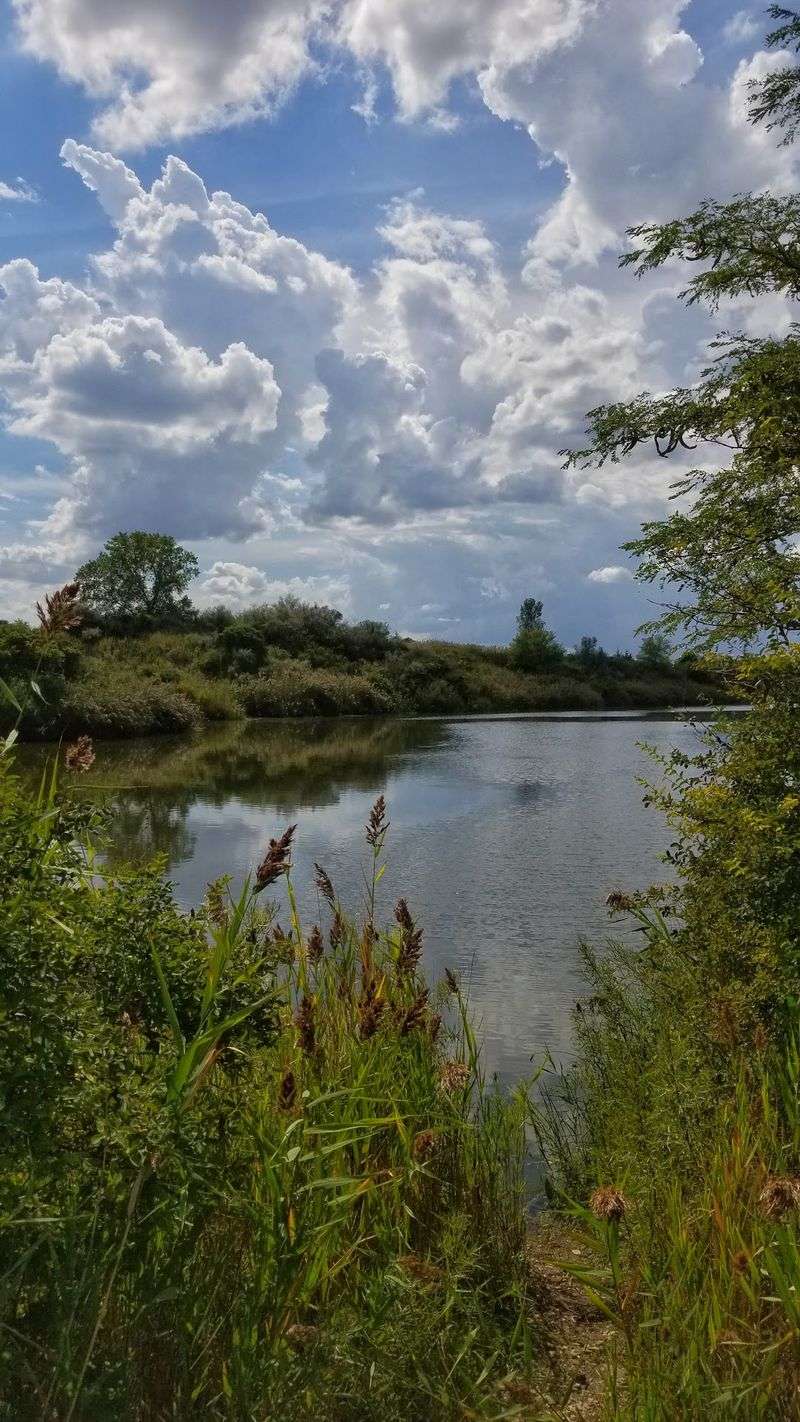
Places like Mazonia-Braidwood rarely get the attention they deserve because they do not fit neatly into any single category. It is not purely a nature park, not a museum, not a fishing destination, and not an archaeological site.
It is all of those things at once, layered onto land that most people would have written off as permanently damaged by industrial use.
The reclamation story here is quietly remarkable. What was once a coal operation is now a functioning ecosystem with self-sustaining fish populations, nesting birds, accessible fossil beds, and enough open water to keep kayakers busy for a full season.
That kind of transformation does not happen quickly or easily, and the result is a place that carries genuine ecological and historical weight.
For Illinois day-trippers who feel like they have already seen everything worth seeing within a reasonable drive of Chicago, Mazonia-Braidwood is a direct challenge to that assumption. Bring a permit, bring a bag for rocks, and plan to stay longer than you think you will need.
Most people who show up expecting a quick look around end up wandering the shorelines for hours, and more than a few leave already planning their next trip back.
Share this story