There is a place in Kansas City, Kansas, where 1,500 acres of woodland wrap around a shimmering 400-acre lake, and most people driving past on the highway have absolutely no idea it exists. I stumbled onto it while looking for somewhere quiet to think, and what I found instead was a full-blown outdoor adventure waiting to happen.
Bald eagles patrol the winter skies overhead, swans glide through hidden coves, and trails disappear into dense forest that feels nothing like the urban grid just a few miles away. The history behind this park is just as surprising as its scenery, born from a New Deal construction project that nearly collapsed before it was finished.
Read on, and I will walk you through every corner of this remarkable place, from its dramatic origin story to the practical tips that will make your visit genuinely unforgettable.
Where Green Spaces Meet Cityscapes
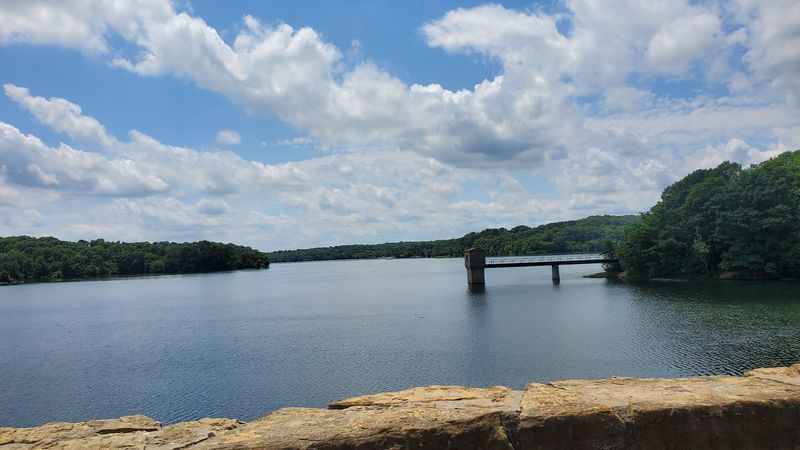
Most people picture a city park as a few benches and a patch of grass, but Wyandotte County Lake Park rewrites that assumption entirely. Found at 91st and Leavenworth Road in Kansas City, Kansas 66109, this sprawling natural area covers 1,500 acres of wooded terrain wrapped around a 400-acre lake.
The scale hits you the moment you turn off the main road. Trees close in on both sides, the noise of the city fades, and suddenly you are somewhere that feels genuinely wild.
Yet the park sits just a short drive from the busier parts of Kansas City, making it an easy escape for a weekday afternoon or a full weekend outing.
Parking is free, the main roads through the park are well-maintained, and the lake views appear around corners when you least expect them. This is not a small neighborhood green space; it is a legitimate natural retreat tucked inside a major metropolitan area.
A Story Born from Hardship and Determination
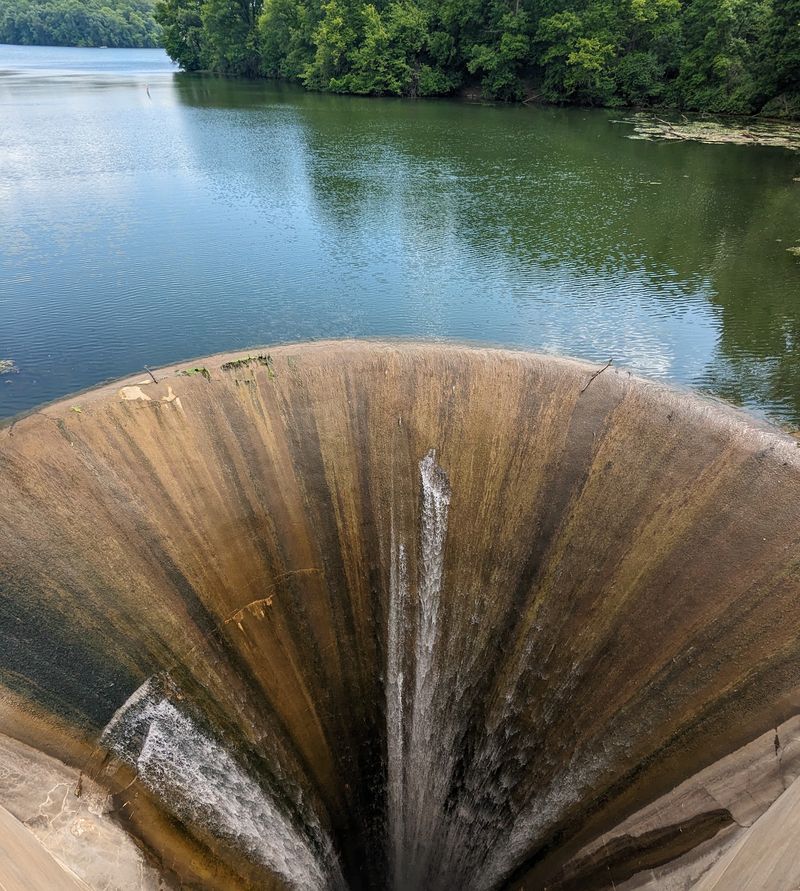
The park’s origin reads more like a survival story than a planning document. In the early 1930s, Wyandotte County faced two crises at once: the economic collapse of the Great Depression and a severe drought that threatened the local water supply.
Local leaders, including banker Willard Breidenthal, pushed for an ambitious solution that would address both problems by constructing a large lake and surrounding park.
A resolution passed on September 24, 1935, to acquire roughly 1,400 acres near Marshall Creek, and construction began in 1936 with backing from President Roosevelt’s Works Progress Administration. The project hit serious trouble in September 1937 when a dam collapse, caused by a massive landslide of approximately 300,000 pounds of earth, set the whole effort back to nearly nothing.
Officials paused, regrouped, and restarted construction in July 1938, completing the new dam in 1942. Those WPA-built structures, including the charming James P.
Davis Hall, still stand today in their original Rustic style, quietly telling the story of the people who refused to quit.
The Lake That Changes Everything
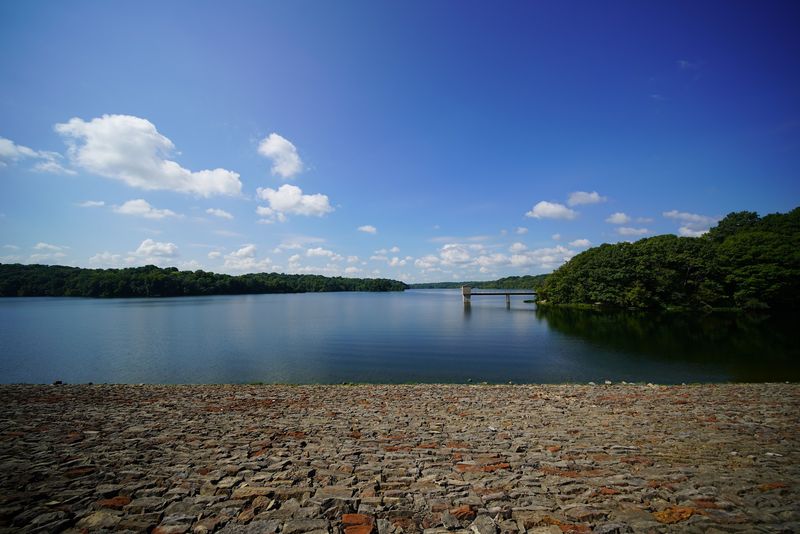
A 400-acre lake is a serious body of water, and the moment you catch your first clear view of it through the trees, the whole mood of the visit shifts. The surface reflects the sky in a way that makes even a cloudy afternoon look painterly, and the wooded shoreline keeps the scene feeling natural rather than manicured.
Boating season runs from the first Saturday in March through November 30th, with hours from 6:00 AM to 11:30 PM. You can bring your own vessel or rent one from the marina, and the calm water suits everything from kayaks to pontoons.
A 20 mph speed limit is enforced on the lake, with no-wake zones protecting the quieter coves.
Personal watercraft, tubing, and water-skiing are not permitted, which keeps the atmosphere relaxed and the water safe for everyone sharing it. The result is a lake that feels genuinely peaceful rather than chaotic, even on a busy summer weekend when families pack the shoreline.
Casting a Line in Surprisingly Rich Waters
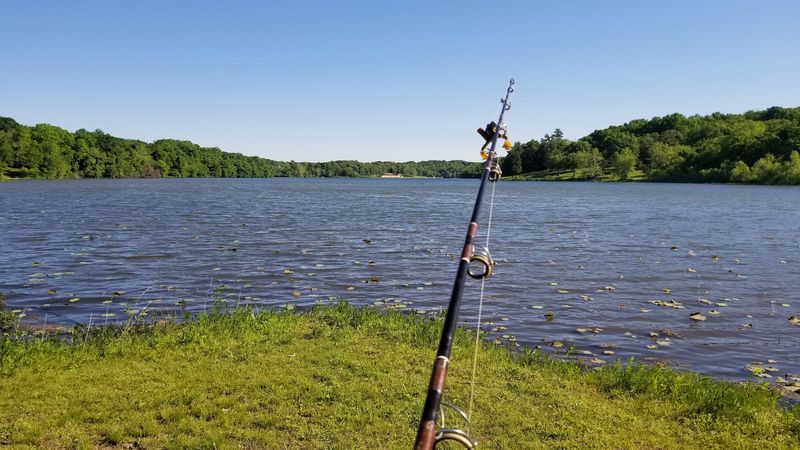
Anglers who write off urban lakes as played-out fishing holes have clearly never tried their luck here. The lake holds a genuinely impressive mix of species, including largemouth and smallmouth bass, catfish, crappie, rainbow trout, walleye, and wiper, giving both casual casters and serious fishermen plenty of reasons to show up early.
Bank fishing is possible at various spots around the perimeter, though boat fishing opens up considerably more of the lake’s productive areas. The fish are reportedly bold enough to strip bait with confidence, which is either frustrating or entertaining depending on your patience level.
One important detail before you cast: a local county fishing permit is required in addition to a standard Kansas state fishing license. Both are easy to obtain, and the requirement helps ensure the lake stays healthy and well-stocked for future visitors.
Turtles are a known presence along the banks and have a reputation for investigating bait with considerable curiosity, so consider yourself warned.
Trails That Disappear into the Forest
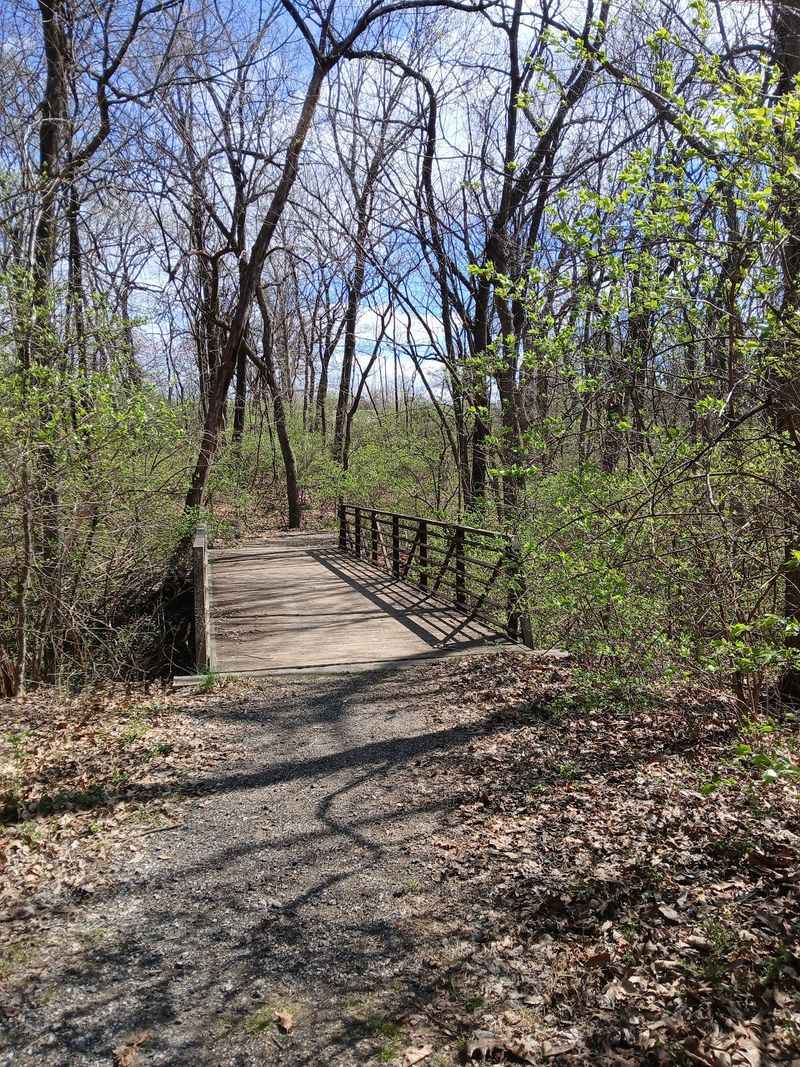
The trail system here rewards curiosity. With somewhere between 8 and 19 miles of pathways cutting through wooded hills and along the lake’s edge, there is a route for every energy level and interest.
The White Tail Loop stretches 3.5 miles and delivers solid lake views along the way, while the WyCo Lake Bridle Trail covers more than 8 miles and draws both hikers and horseback riders.
Mountain bikers also use many of these routes, and the rolling terrain gives two-wheeled visitors a genuinely satisfying ride through varied landscape. A shorter half-mile bird trail near the Schlagle Library offers a gentler option for families with young children or visitors who simply want a quiet walk without committing to a long outing.
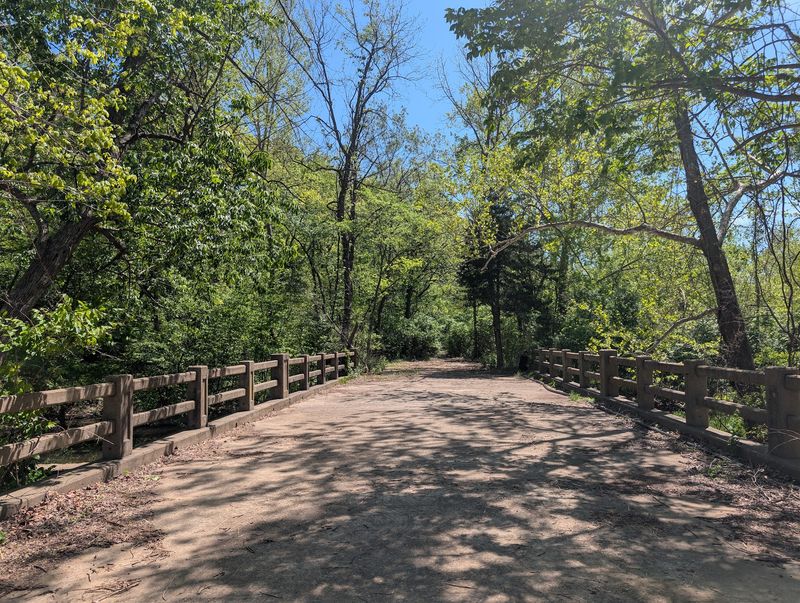
Trail markings are generally reliable on the more popular routes, though a few sections can feel ambiguous, so downloading a trail map before you go is a practical move. Rocky patches add a bit of character to certain stretches, keeping the experience feeling like real outdoor exploration rather than a paved loop.
Wildlife That Earns a Second Look
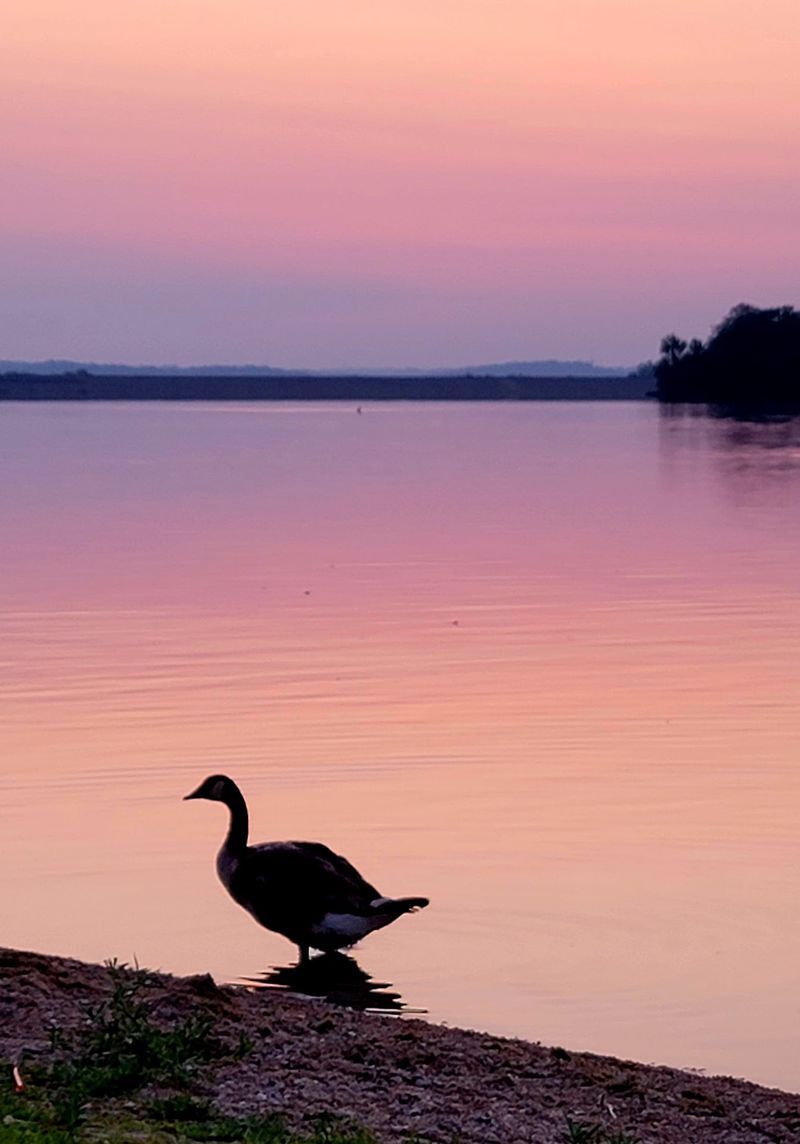
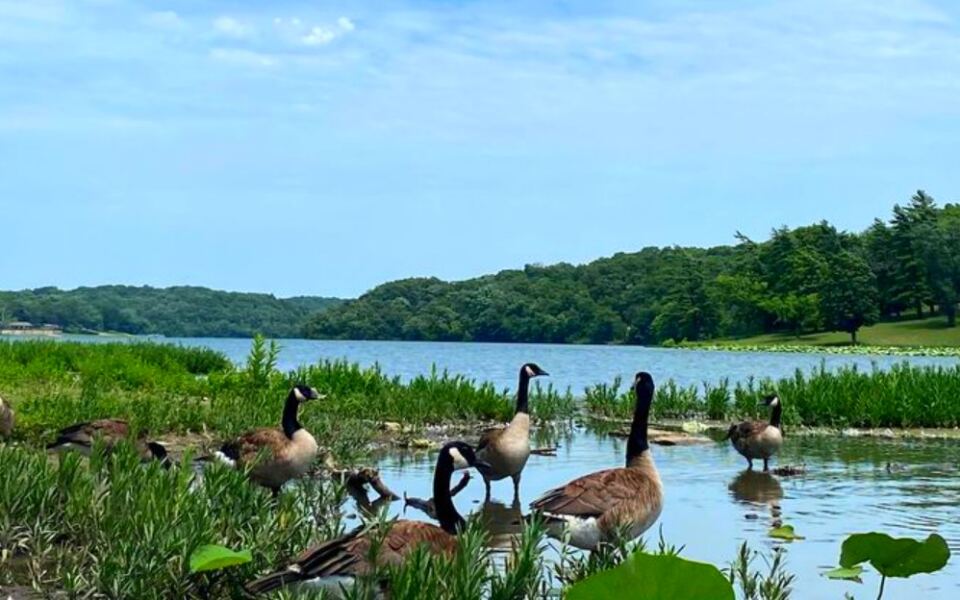
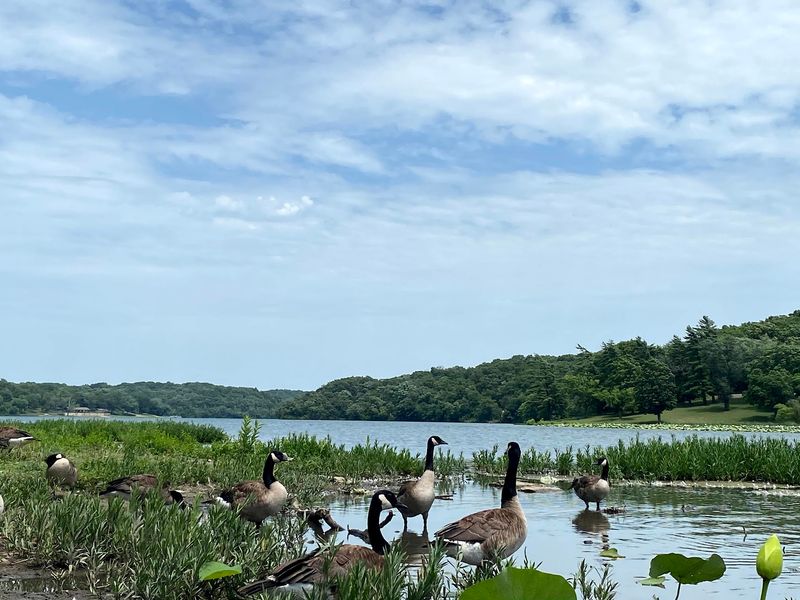
The park sits directly within the Central Flyway, one of North America’s most significant migratory corridors for birds, which means the skies above the lake are never boring. Bald eagles arrive each winter and use the lake as a reliable food source, and spotting one gliding low over the water is the kind of moment that stops you mid-step.
Swans have also been seen in the coves, surprising even longtime locals who had never encountered them at the park before. Spring and fall bring migrating songbirds through in impressive numbers, while summer supports nesting species that fill the woodland with sound from early morning onward.
Deer move through the forested areas with enough regularity that a quiet walk almost always produces at least one sighting.
The park’s mix of open water, wetland edges, dense woodland, and open meadow creates the kind of habitat variety that supports real biodiversity rather than just a handful of common backyard species. Bring binoculars, and you will leave with a longer list than you expected.
Picnic Culture Done Right
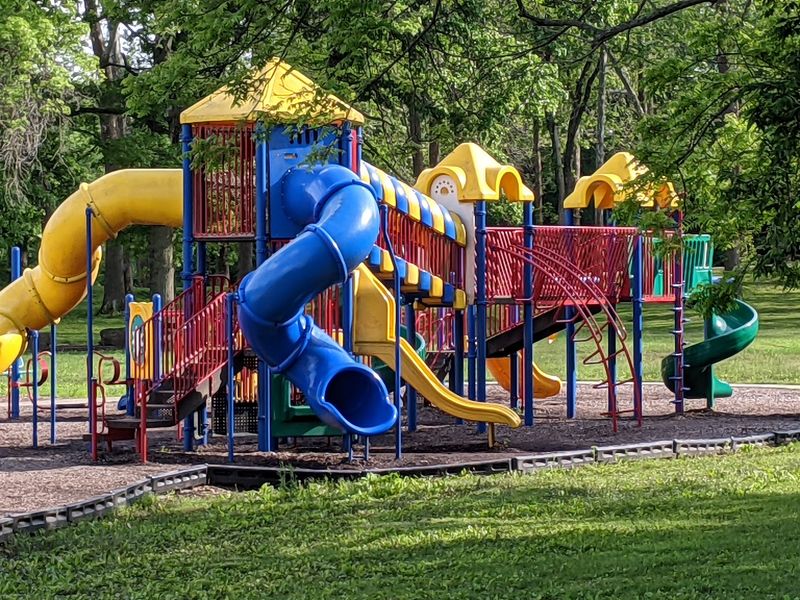
Sixteen picnic shelters spread across the park give families and large groups serious options for a comfortable day out. Most shelters come equipped with picnic tables, grills, and access to restrooms, and many include electrical hookups, which makes setting up for a longer gathering considerably easier than hauling a portable generator.
Playgrounds sit near several of the shelter areas, so younger visitors have somewhere to burn energy while adults manage the grill. The open green spaces between shelters provide plenty of room for a casual game or an afternoon of doing absolutely nothing productive, which is sometimes exactly what a weekend calls for.
The community atmosphere on busy days feels genuinely warm. Large family groups, multi-generational gatherings, and neighborhood cookouts all share the space without much friction, partly because the park is large enough that crowding rarely becomes an issue.
Shelters can be reserved in advance, which is a smart move for groups planning a reunion or celebration during the busier summer months.
The Memorial That Stops You in Your Tracks
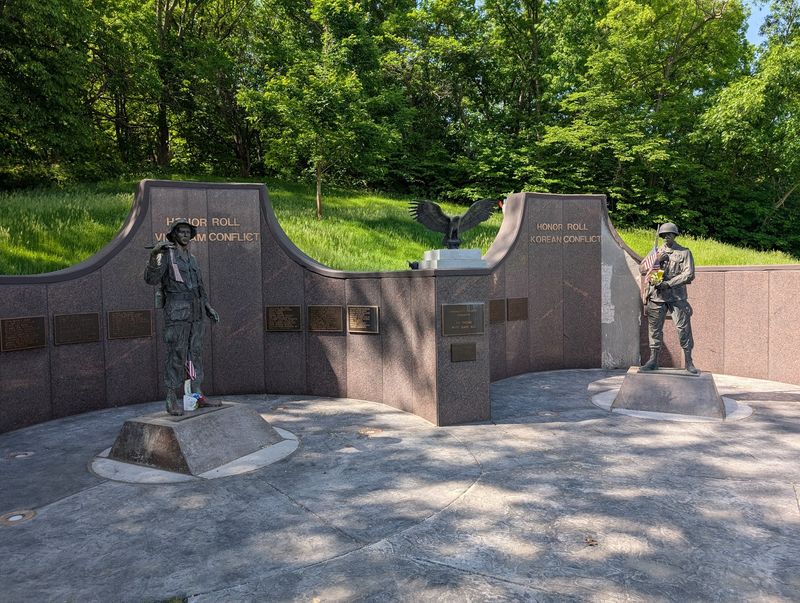
Near the park’s entrance stands a memorial that most first-time visitors do not expect to find inside a recreational area. Dedicated in 1988, the Korean-Vietnam War Memorial holds the distinction of being the nation’s first dual war memorial, honoring veterans who served in both conflicts through two life-size bronze statues and a series of commemorative plaques.
The setting gives the memorial a quiet gravity that a more formal monument might not achieve. Trees frame the site on multiple sides, and the relative calm of the park surroundings makes it a genuinely reflective place to spend a few minutes.
It is not a large installation, but it carries weight that stays with you after you walk away.
James P. Davis Hall, the WPA-built structure nearby, adds another layer of historical texture to this corner of the park.
Available for community gatherings and events, the hall’s Rustic-style architecture is a tangible reminder that the park was built by hand, by people working through one of the country’s most difficult economic periods.
Learning While You Explore
The Mr. and Mrs. F.L. Schlagle Library and Environmental Center adds a dimension to the park that most outdoor recreation areas simply do not offer.
Beyond functioning as a library, the facility houses educational exhibits focused on local wildlife and conservation, making it a genuinely useful stop for visitors who want context for what they are seeing outside on the trails.
A self-guided nature trail starts near the center, and a butterfly garden provides a compact but rewarding spot for close-up observation of pollinators during the warmer months. A dedicated bird feeding area attracts species throughout the year and gives birdwatchers a reliable spot to observe without having to cover miles of trail.
The center is particularly well-suited for school-age visitors, but adults who enjoy understanding the ecology of a place will find it equally worthwhile. Knowing which bird species migrate through the Central Flyway or which tree types dominate the woodland canopy makes every subsequent walk through the park feel more intentional and connected to the larger natural system around you.
Seasons That Completely Reinvent the Park
Few parks transform as dramatically across the calendar as this one does. Spring brings wildflowers along the trail edges and a surge of migrating birds moving through the woodland canopy, making early morning walks particularly rewarding.
Summer fills the lake with boaters and anglers, and the shelter areas hum with the sound of family gatherings and grills working overtime.
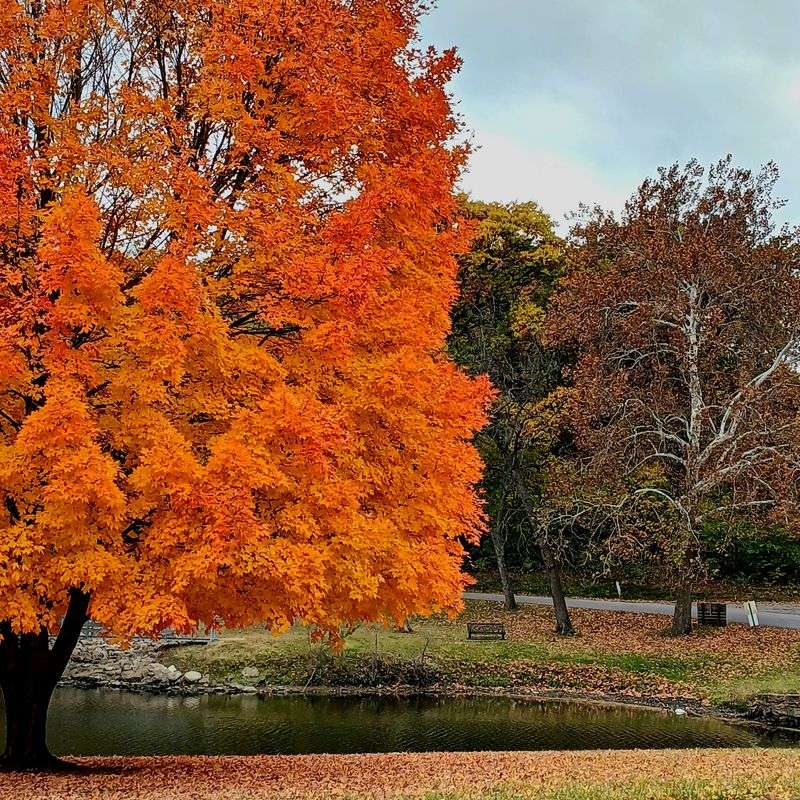
Fall is arguably the park’s most visually striking season. The 1,500 acres of woodland ignite in red, orange, and gold, and the lake’s surface doubles the spectacle by reflecting the color back from below.
Photographers and casual leaf-peepers alike find the park nearly irresistible during peak color weeks, usually arriving in mid to late October.
Winter strips the trees bare but reveals a different kind of reward: bald eagles hunting over the open water, and a stillness across the landscape that the busier seasons never quite allow. Each season genuinely offers a different park, which means a visit in January and a visit in July feel like entirely separate experiences at the same address.
Practical Tips for a Smooth Visit
General park entry, parking, and boat launching are all free, which makes Wyandotte County Lake Park an unusually accessible option for a full day out. Paddlers planning to bring a kayak, canoe, or paddleboard will need a separate permit, available from Wyandotte Boat Rental or the Parks and Recreation Administration Office in both daily and seasonal formats.
On the water, children 12 and under are required to wear Coast Guard-approved life preservers, and vessels operating between sunset and sunrise must carry proper lighting. The 20 mph speed limit and no-wake zones in the coves are actively enforced, so factor those rules into any boating plans.
Dogs are welcome on the trails but must stay on a leash throughout the park.
Bug spray is a practical necessity during the warmer months, particularly on the wooded trails where mosquitoes and ticks are present. The park operates daily from 6 AM to midnight, and the phone number for the parks department is 913-573-8327 if you need to confirm shelter reservations or event details before making the drive out.
Share this story