Popular music changed faster in 1967 than in almost any other year of the twentieth century. Bands that had been playing straightforward pop suddenly started treating the recording studio like a workshop, while soul singers were commanding national attention and guitarists were discovering sounds that nobody had charted before.
The civil rights movement, the counterculture, and a generation of young listeners hungry for something new all pushed musicians toward bigger ideas and bolder choices. From a 40-piece orchestra on a Beatles album closer to a teenager delivering a gritty vocal on a two-minute single, the range of what counted as a hit record in 1967 was genuinely staggering.
These 13 songs capture the full width of that moment, showing how different musicians arrived at the same conclusion from completely different directions: that the rules of popular music were ready to be rewritten.
1. Purple Haze by The Jimi Hendrix Experience
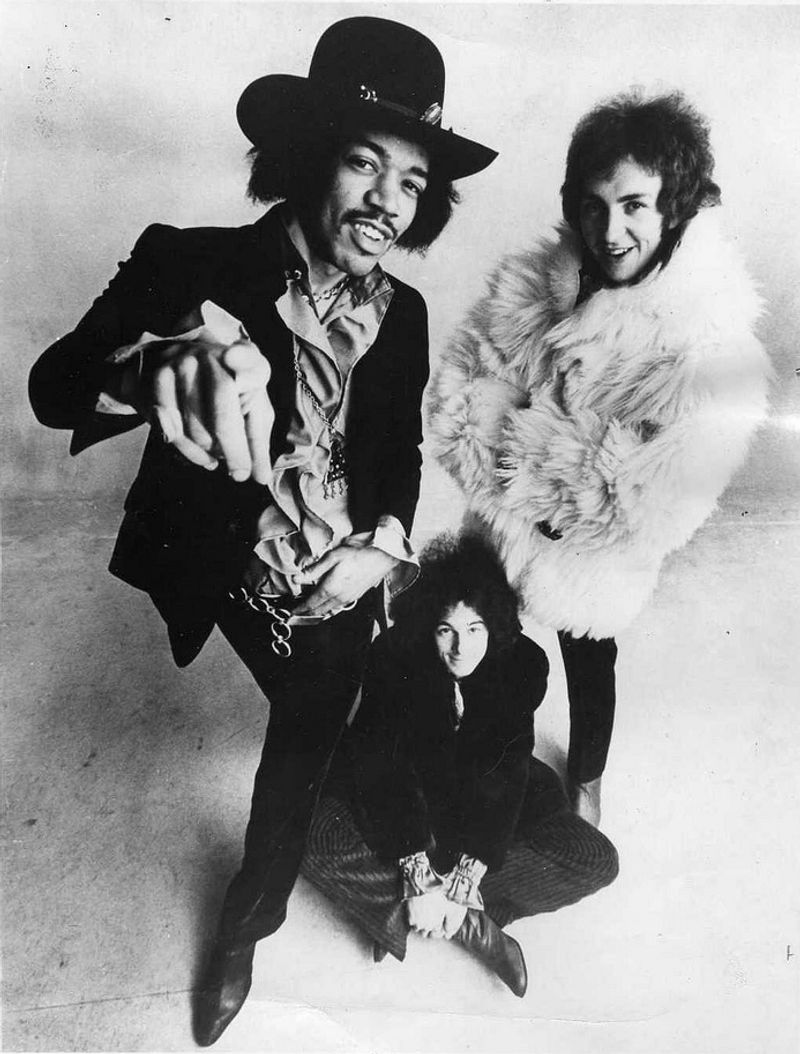
When the UK single dropped on March 17, 1967, many listeners had no existing category for what Jimi Hendrix was doing with an electric guitar. His signature chord, a combination of blues vocabulary and Eastern modalities shaped by distortion and novel effects processing, sounded genuinely new.
The US release followed on June 19, 1967, the day after Hendrix performed at the Monterey International Pop Festival, an appearance that accelerated his American breakthrough considerably. Despite widespread interpretation of the lyrics as a psychedelic reference, Hendrix described the song as a love song.
It spent eight weeks on the Billboard Hot 100, peaking at number 65, modest by chart standards but historically enormous in terms of influence. Rock guitarists would spend the next decade chasing the sounds Hendrix had introduced, and the instrument itself would never quite return to where it had been before.
2. Respect by Aretha Franklin
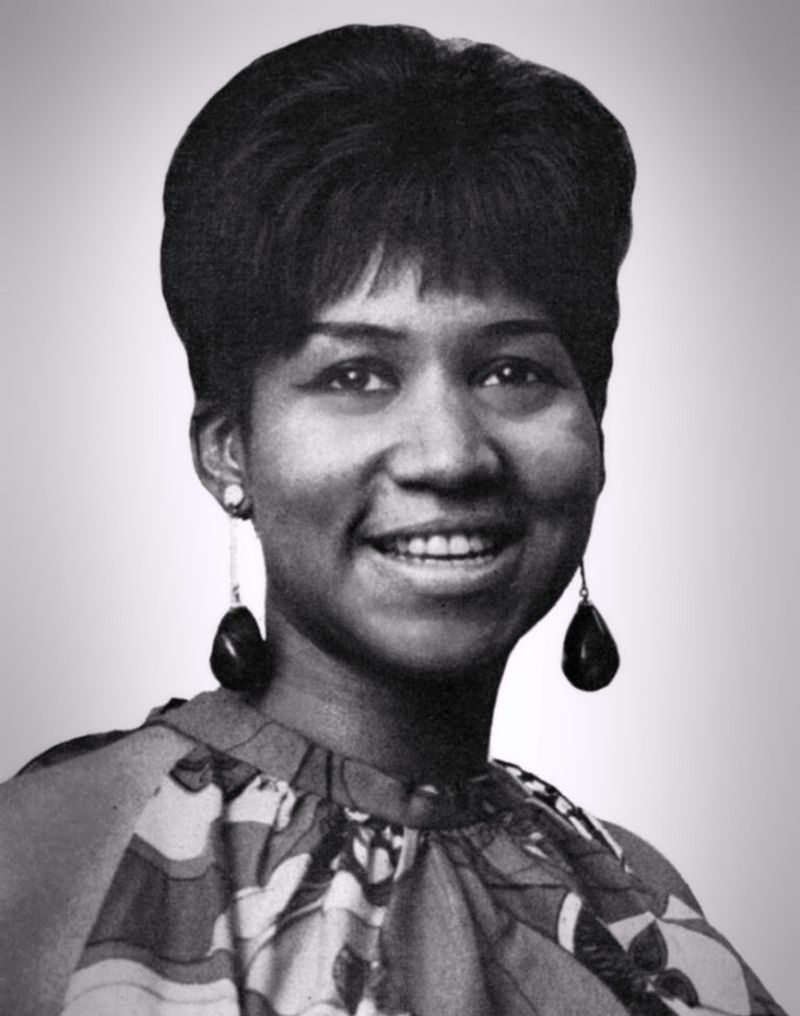
Otis Redding wrote and recorded Respect first, but Aretha Franklin’s 1967 version made the original feel like a rough draft. Her vocal performance was so commanding that the song became permanently associated with her name rather than its author.
The backing vocals spelling out R-E-S-P-E-C-T became one of the most recognizable refrains in popular music history. Franklin’s record climbed to No. 1 on the Billboard Hot 100 at a moment when the civil rights movement was reshaping American society and expectations for women were changing rapidly.
Listeners heard broader meanings in the song’s insistence on dignity and recognition, meanings that Franklin’s delivery made impossible to dismiss. In a year crowded with psychedelic experimentation, one of 1967’s most revolutionary sounds turned out to be a soul singer standing at a microphone and refusing to be ignored.
3. Light My Fire by The Doors
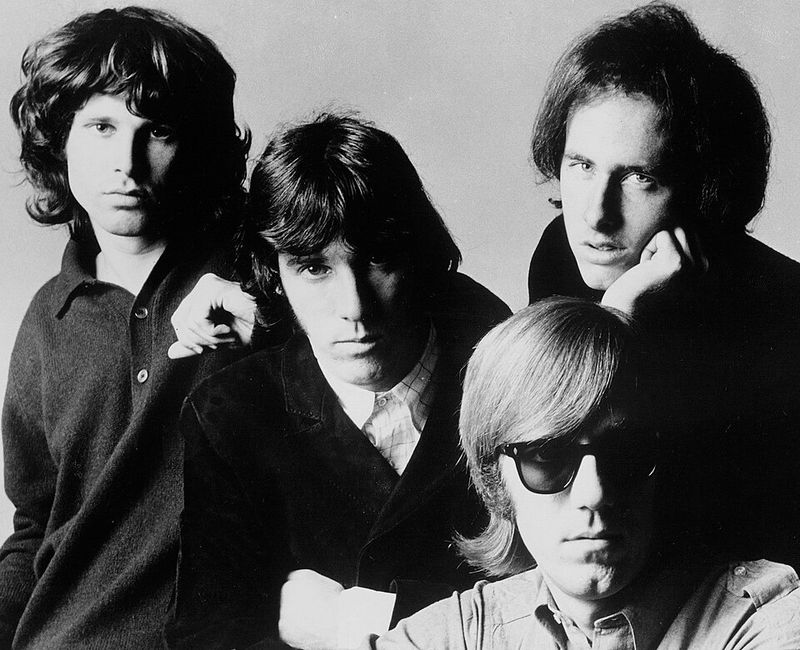
Robby Krieger wrote the bulk of Light My Fire, with Jim Morrison contributing the second verse and the full band sharing the songwriting credit. Released on the Doors’ debut album in January 1967, an edited single version followed on April 24 and spent three weeks at No. 1 on the Billboard Hot 100.
Ray Manzarek’s organ intro borrowed a chord progression influenced by Johann Sebastian Bach’s Two and Three Part Inventions, while the extended instrumental solo was modeled after John Coltrane’s My Favorite Things. The album version stretched past seven minutes, which was almost unheard of for mainstream radio.
Morrison’s persona added something the sunny counterculture rarely offered: a sense of menace and theatrical mystery. Light My Fire proved that psychedelic rock wasn’t developing one uniform sound but could be simultaneously hypnotic, dark, and commercially dominant on American radio.
4. Somebody to Love by Jefferson Airplane
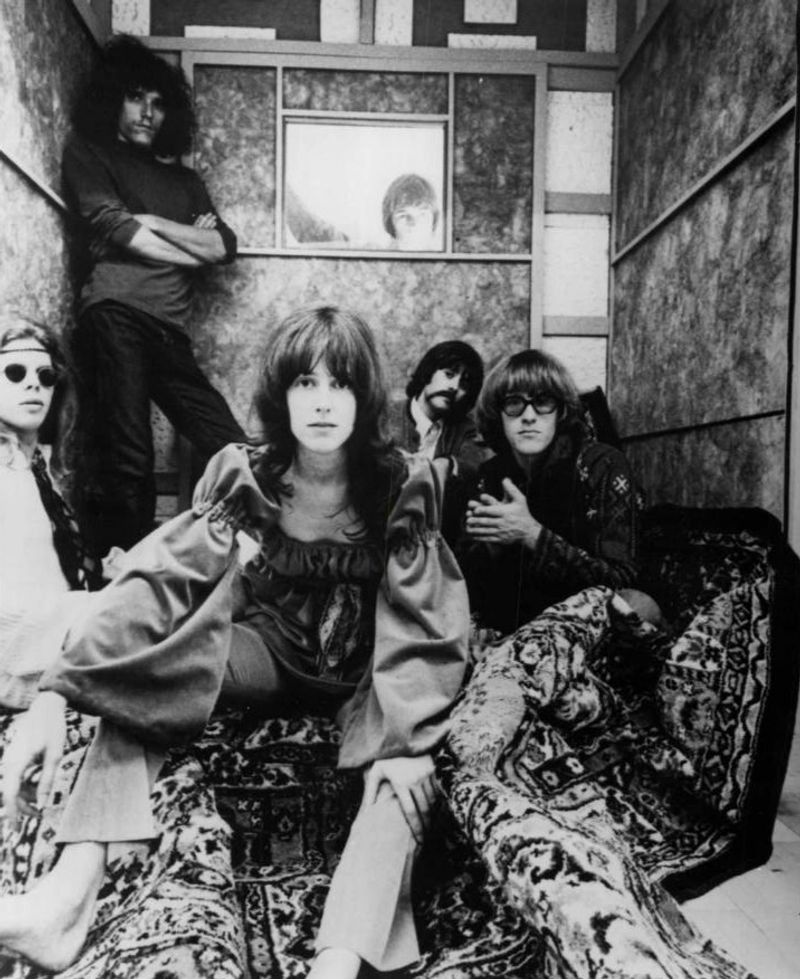
Grace Slick joined Jefferson Airplane and immediately changed what the band was capable of. Somebody to Love had already existed: Darby Slick, her brother-in-law, wrote it, and Grace had recorded it with her earlier group the Great Society before bringing it to her new band.
Jefferson Airplane’s version reached the Top 5 in the United States, carrying the Haight-Ashbury scene from San Francisco ballrooms into living rooms across the country. Slick’s vocal was urgent and forceful, far removed from the dreamy passivity sometimes associated with psychedelic music.
The song’s success demonstrated that the San Francisco counterculture was no longer a local phenomenon. Suddenly a musical community that had been developing in neighborhood venues was appearing on national television and dominating radio.
Somebody to Love didn’t just represent that shift; it helped cause it.
5. Strawberry Fields Forever by The Beatles
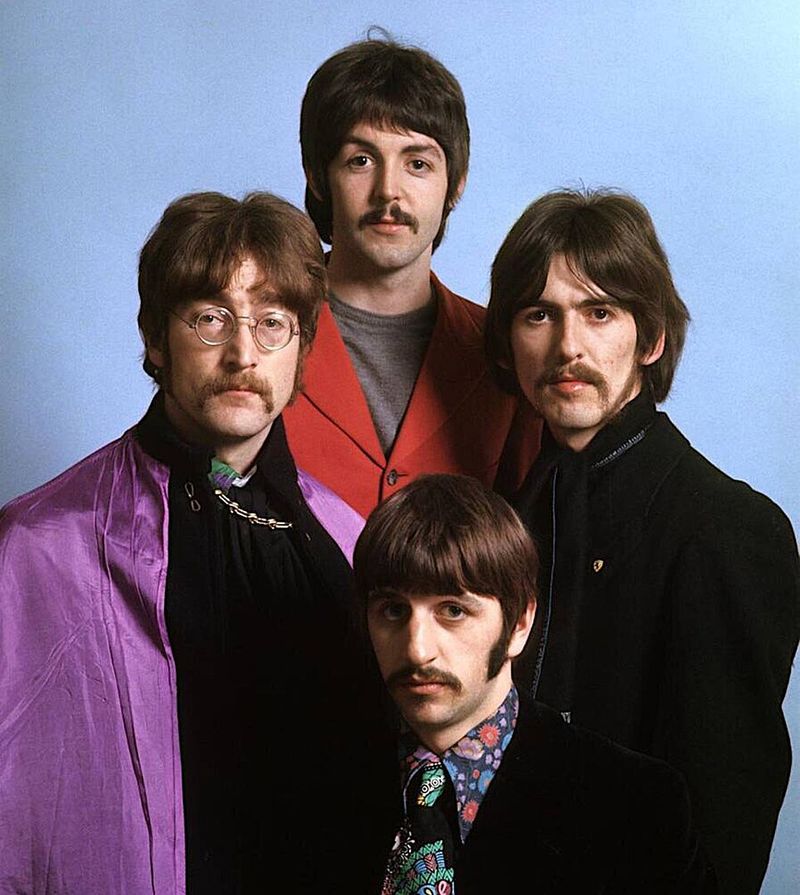
John Lennon drew the title from Strawberry Field, a Salvation Army children’s home near his childhood house in Liverpool. What he built around that memory in the studio was something far stranger than nostalgia.
The Beatles spent 45 hours across five weeks creating three distinct versions of the track. Producer George Martin and engineer Geoff Emerick combined two of those versions, which differed in tempo and pitch, using tape speed manipulation to make them match.
The result peaked at number 8 on the Billboard Hot 100 and number 2 in the UK.
Released on February 13, 1967, as a double A-side with Penny Lane, it arrived months before Sgt. Pepper and served as a clear announcement that the Beatles had entered a phase where the recording studio itself was a creative instrument.
Its accompanying promotional film is now recognized as a pioneering work in music video history.
6. Cold Sweat by James Brown
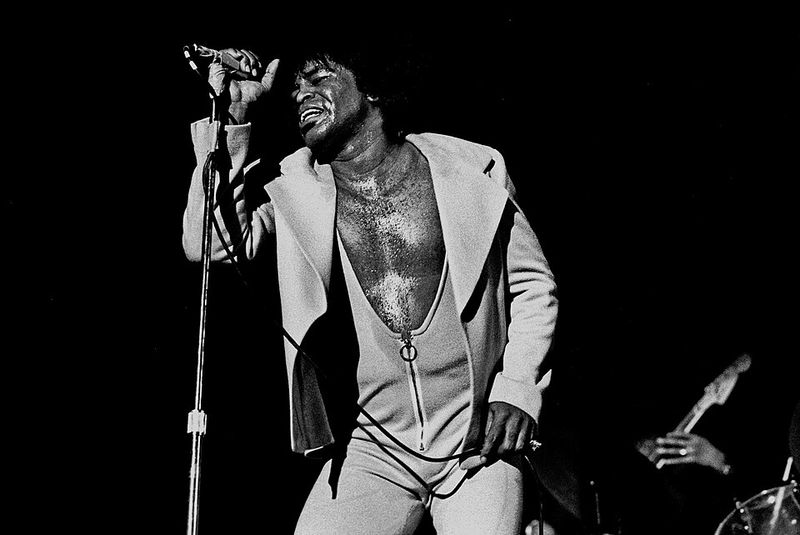
While psychedelic bands were rethinking rock in London and San Francisco, James Brown and his bandleader Alfred “Pee Wee” Ellis were quietly constructing something equally transformative in a completely different direction. Released as a single in May 1967, Cold Sweat became a number 1 R&B hit and is frequently cited as the first true funk recording.
The song used only one main chord change, a radical departure from the twelve-bar blues progressions common in popular music at the time. Every instrument functioned rhythmically, and the track featured a drum solo that helped establish the tradition of the drum break, which would later become foundational to sampling culture.
Brown had already spent years reshaping R&B and soul, but Cold Sweat represented a specific turning point. The groove was the message, and the message would influence popular music for the next five decades without pause.
7. A Day in the Life by The Beatles
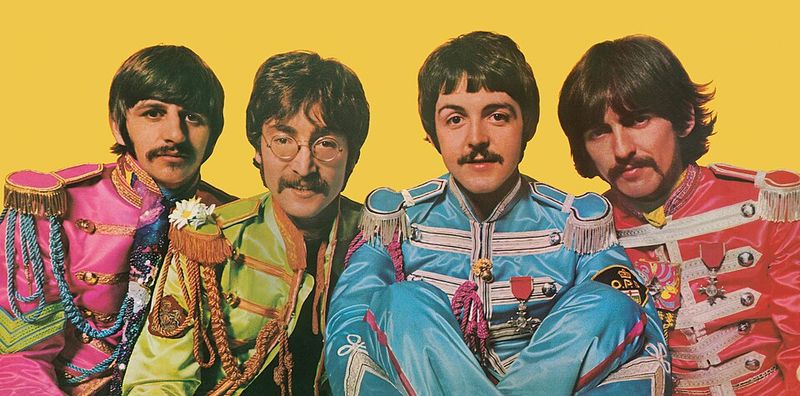
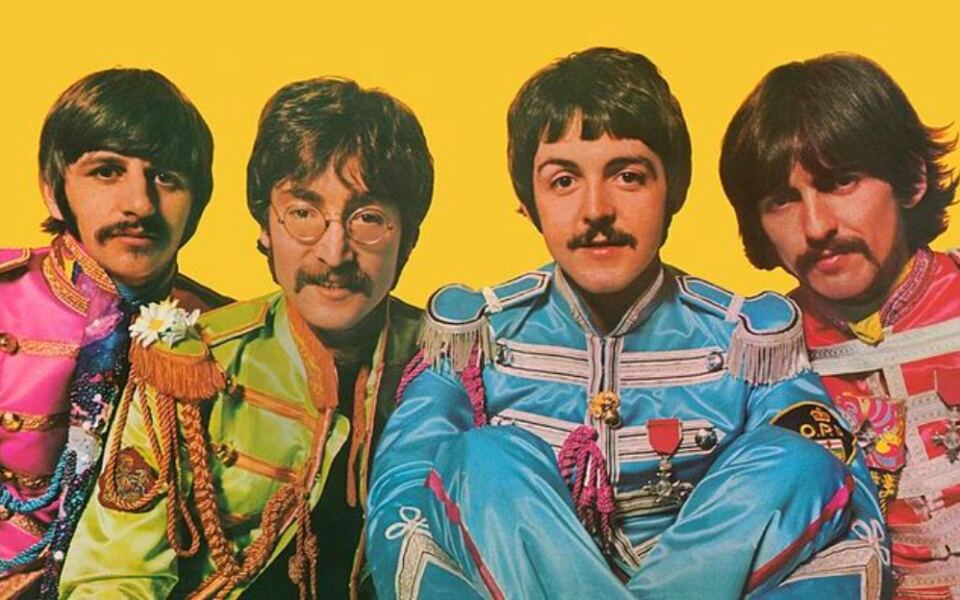
Closing an album is a responsibility. Closing Sgt.
Pepper’s Lonely Hearts Club Band required something extraordinary, and the Beatles delivered exactly that with a recording built from two separate song fragments by John Lennon and Paul McCartney.
Lennon’s sections drew from newspaper stories, including a report on Guinness heir Tara Browne and a piece about potholes in Blackburn, Lancashire. McCartney’s brisk middle section described waking up and rushing off to class before the song returned to Lennon’s dreamlike verses.
A 40-piece orchestra contributed improvised glissandos in an avant-garde style, and the song ends with a single E-major chord played on three pianos, a Wurlitzer electric piano, and a harmonium, sustained for over forty seconds. The BBC banned it for a supposed drug reference.
Pop music had officially become something that required a ban to take seriously.
8. White Rabbit by Jefferson Airplane
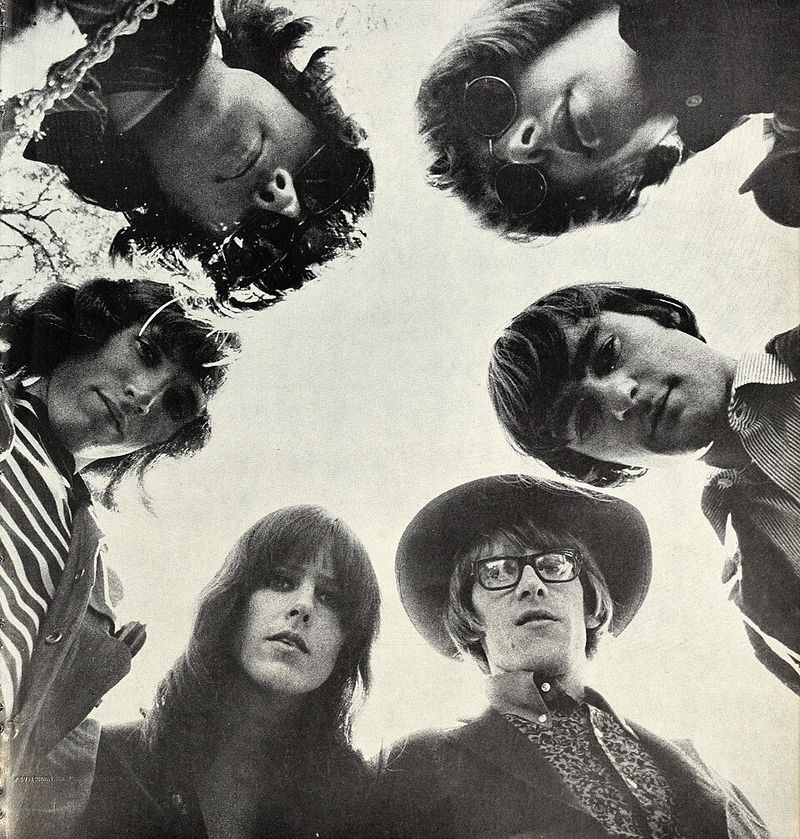
Grace Slick wrote White Rabbit before joining Jefferson Airplane, drawing imagery from Lewis Carroll’s Alice’s Adventures in Wonderland and shaping it into one of the defining psychedelic recordings of the year. The song never cycles through a conventional verse-chorus structure.
Instead it builds steadily in intensity, a technique Slick partly modeled on Maurice Ravel’s Bolero.
References to Alice, the White Knight, mushrooms, and shifting sizes carried obvious additional meanings for listeners living through the psychedelic era, but the song never needed to explain itself. It became a Top 10 American hit, which was a remarkable achievement for something so structurally unusual and lyrically surreal.
White Rabbit demonstrated that mainstream pop audiences in 1967 were genuinely willing to accept strange. A record built on ominous momentum and literary imagery from a nineteenth-century children’s book had moved directly to the center of popular culture.
That says as much about the audience as it does about the song.
9. I Can See for Miles by The Who
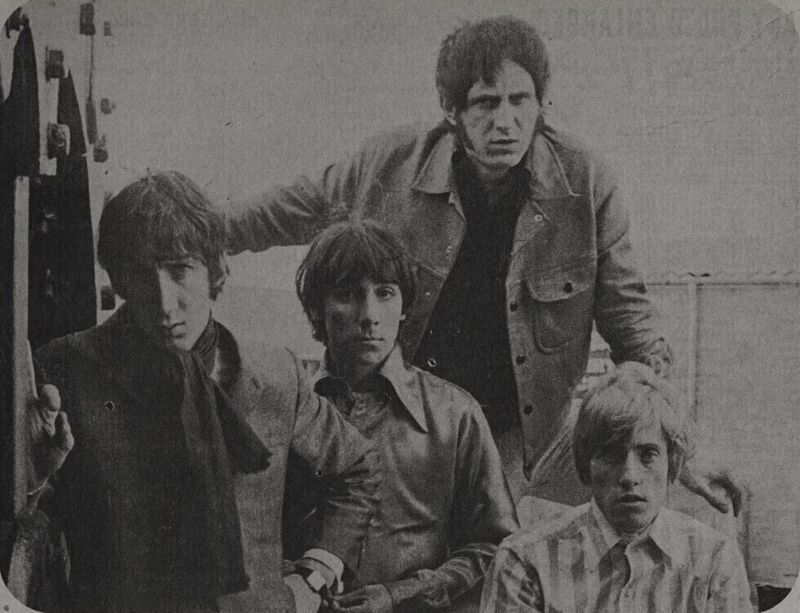
Pete Townshend expected I Can See for Miles to be a massive chart hit, and while it didn’t dominate quite as completely as he hoped, it became the Who’s highest-charting single in the United States and demonstrated something important about where rock was heading.
The recording layered guitars, vocal harmonies, and Keith Moon’s relentless drumming into a sound that felt physically large. Heaviness and melody coexisted without either element sacrificing the other, which wasn’t a given in 1967 rock production.
The Who had already built their reputation on explosive live performances and theatrical instrument destruction. I Can See for Miles showed that same aggression could be channeled into a studio recording without losing any of its force.
Rock production was becoming increasingly ambitious, and the harder, more aggressive path the Who were helping establish would grow considerably louder as the decade turned.
10. A Whiter Shade of Pale by Procol Harum
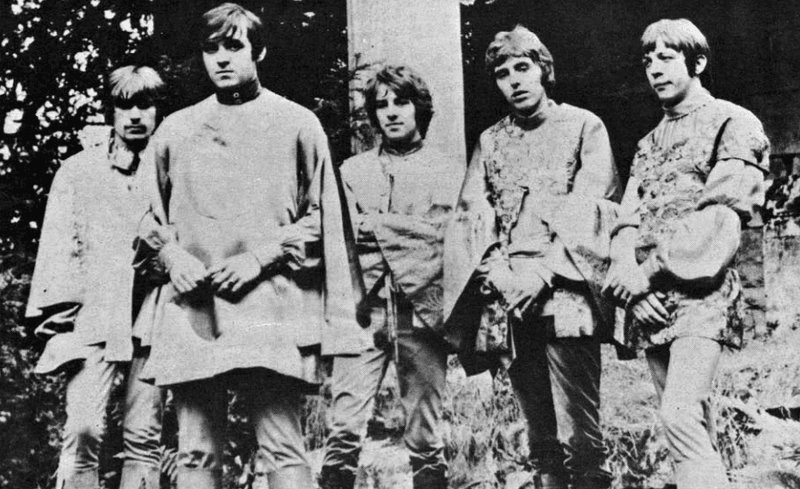
Procol Harum’s debut single arrived in 1967 combining Gary Brooker’s soulful vocal with Matthew Fisher’s Hammond organ part, which drew heavily on the atmosphere of Johann Sebastian Bach. The result was stately, cryptic, and unlike almost anything else on contemporary pop radio.
The song reached No. 1 in the United Kingdom and became a major American hit, proving that audiences weren’t only chasing the loud and experimental. Its lyrics were surreal and deliberately impressionistic, telling no clear story and offering no obvious interpretation.
Listeners found that appealing rather than frustrating.
A Whiter Shade of Pale helped establish that a pop record could borrow from classical music, carry abstract lyrics, and still connect with millions of people. It demonstrated how dramatically listener expectations had shifted by mid-1967.
Pop lyrics no longer needed to follow a linear narrative to earn a place at the top of the charts.
11. Chain of Fools by Aretha Franklin
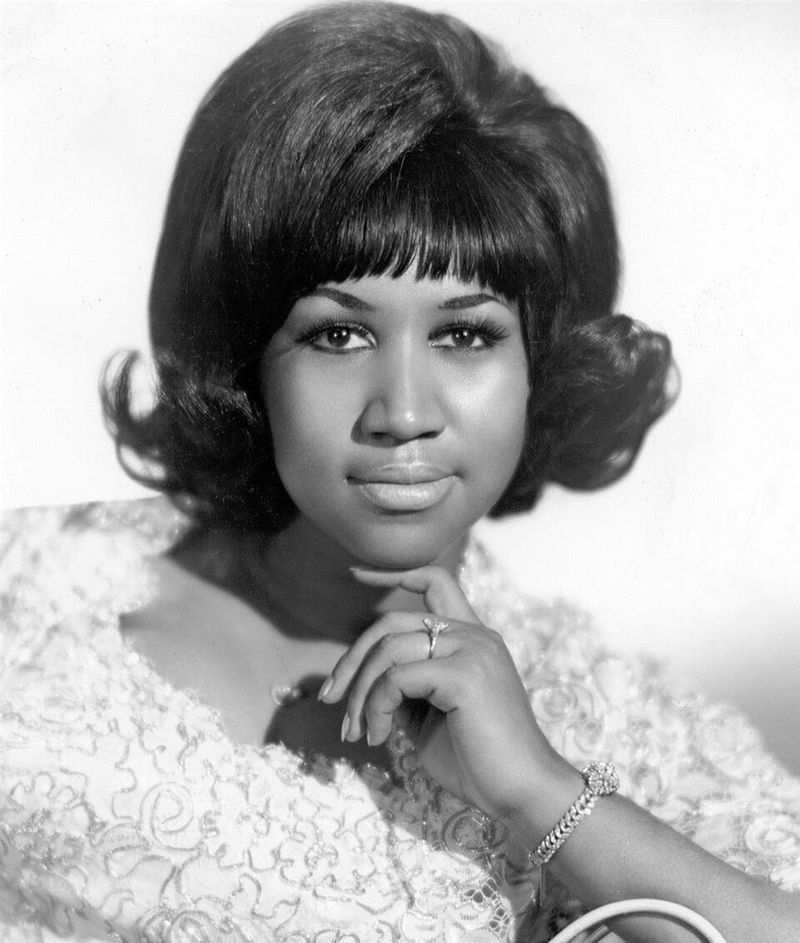
Don Covay wrote Chain of Fools, originally intending it for Otis Redding. What Aretha Franklin did with it instead earned her a Grammy Award for Best Female R&B Vocal Performance and another major hit to close out an already extraordinary year.
Released late in 1967, the song reached number one on the Billboard Hot Rhythm and Blues chart, where it stayed for four consecutive weeks, and peaked at number two on the Billboard Hot 100. The hypnotic guitar figure, played by Joe South, gave the track a circular, insistent quality that matched Franklin’s delivery perfectly.
Franklin’s sister Carolyn noted that Aretha’s interpretation made the song feel like her own personal story. That kind of emotional directness was central to what made Franklin’s 1967 so historically significant.
She wasn’t experimenting with studio technology or psychedelic imagery. She was transforming songs through the sheer authority of her voice.
12. Sunshine of Your Love by Cream
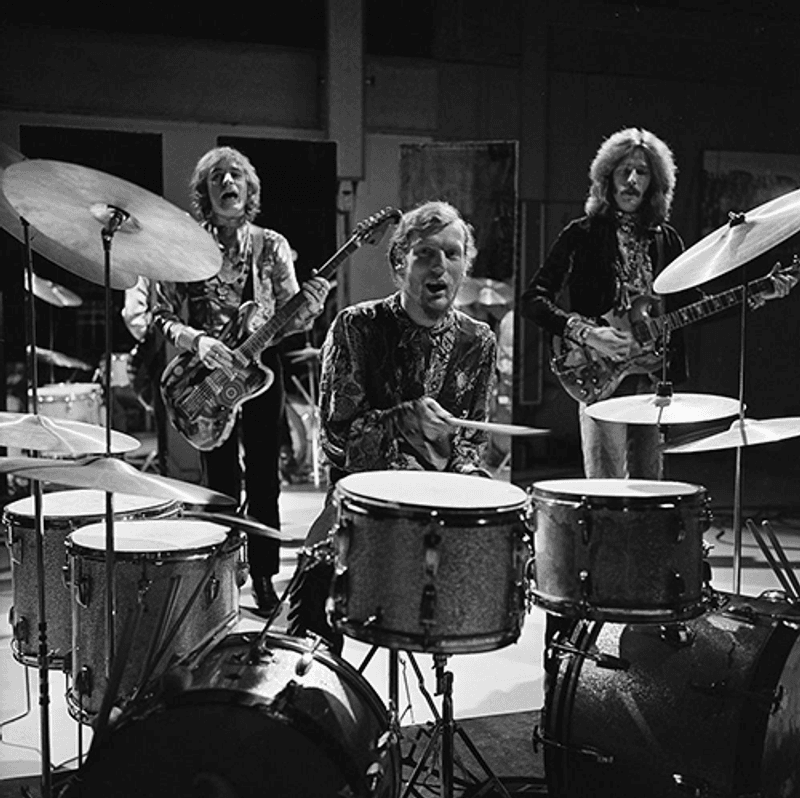
Jack Bruce reportedly created the famous bass riff for Sunshine of Your Love after attending a Jimi Hendrix concert, which is a fitting origin story for a song that helped define how heavy rock could be. Eric Clapton contributed to the composition, Pete Brown wrote the lyrics, and Ginger Baker played a distinctive tom-tom rhythm throughout.
The song appeared on Cream’s second album, Disraeli Gears, released in November 1967, and was released as a US single in December of that year, eventually reaching number 5 in 1968. The riff is slow, grinding, and immediately recognizable, pointing directly toward the hard rock decade that was approaching.
Cream brought together backgrounds in blues, jazz, and British rock in a way that made the boundaries between genres feel genuinely fluid. Sunshine of Your Love captured that moment of possibility, when three musicians were still discovering exactly how massive their combined sound could become.
13. For What Its Worth by Buffalo Springfield
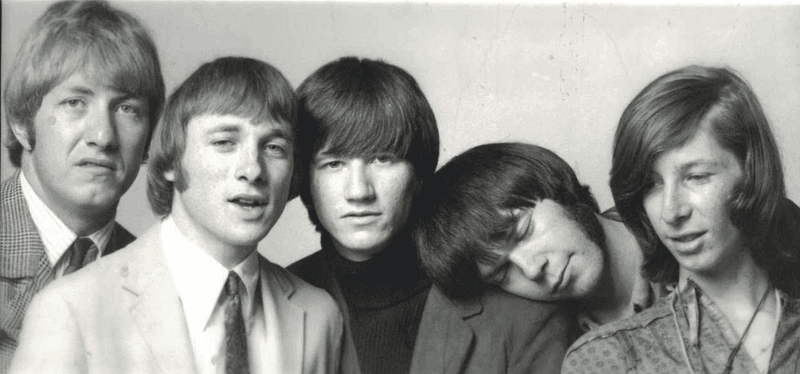
Stephen Stills reportedly wrote For What Its Worth in about fifteen minutes after witnessing the Sunset Strip curfew riots in November 1966, specifically a protest against the closing of the Pandora’s Box nightclub in Los Angeles. The song was first recorded on December 5, 1966, and released as a single shortly after.
It became a major hit in the spring of 1967, peaking at No. 7 on the Billboard Hot 100. Its lyrics never mention Vietnam specifically, which helped the song acquire a much broader cultural meaning over time.
Lines like “Young people speaking their minds are getting so much resistance from behind” captured a generational divide that extended far beyond one nightclub closure.
The recording is remarkably restrained. It observes rather than shouts, and that restraint gave it staying power.
By 1967, the sense that something significant was shifting in American life was impossible to ignore, and this song put that unease into words without overstating a single syllable.
Share this story