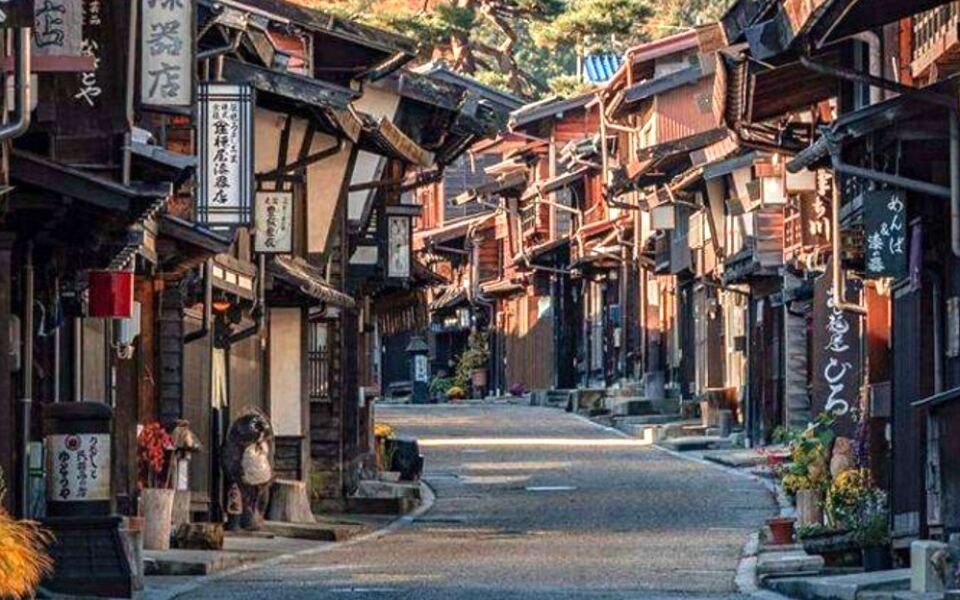
Japan’s famous for bullet trains, packed schedules, and endless bucket-list sights. But some of the country’s most memorable experiences happen in smaller, quieter places where the pace drops and the details actually have time to sink in.
These 13 towns are built for travelers who want to wander without a timer running. From preserved post towns in the mountains to fishing villages along the sea, each one offers a genuine reason to stay longer and move slower.
Narai-juku, Nagano Prefecture
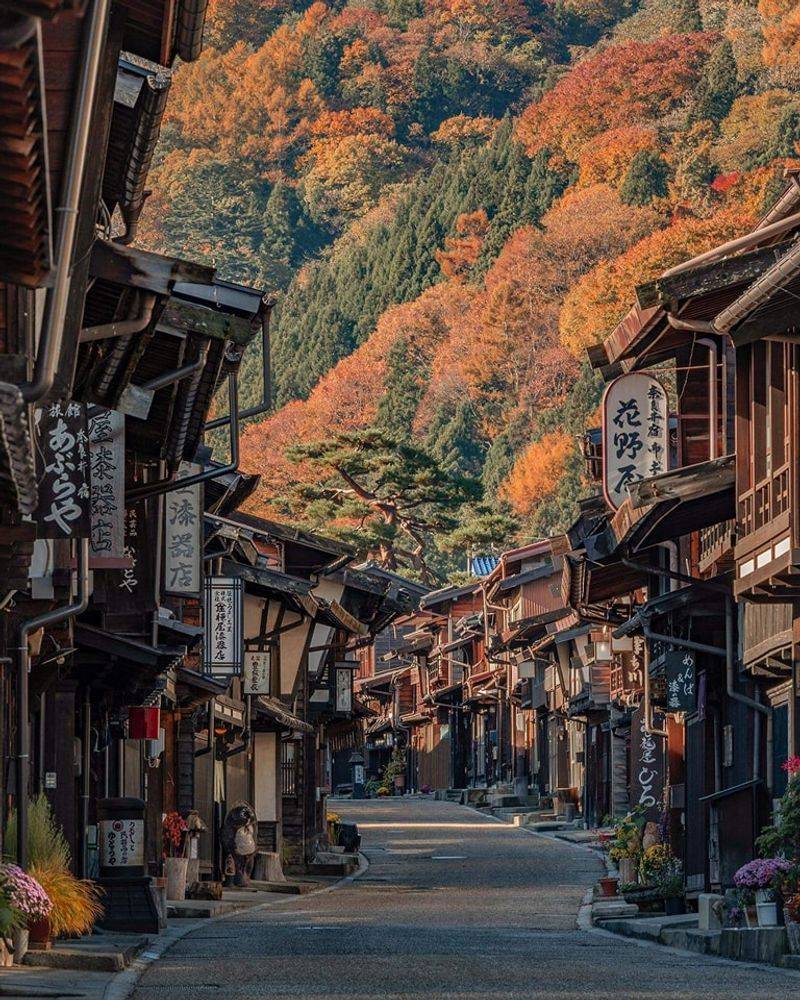
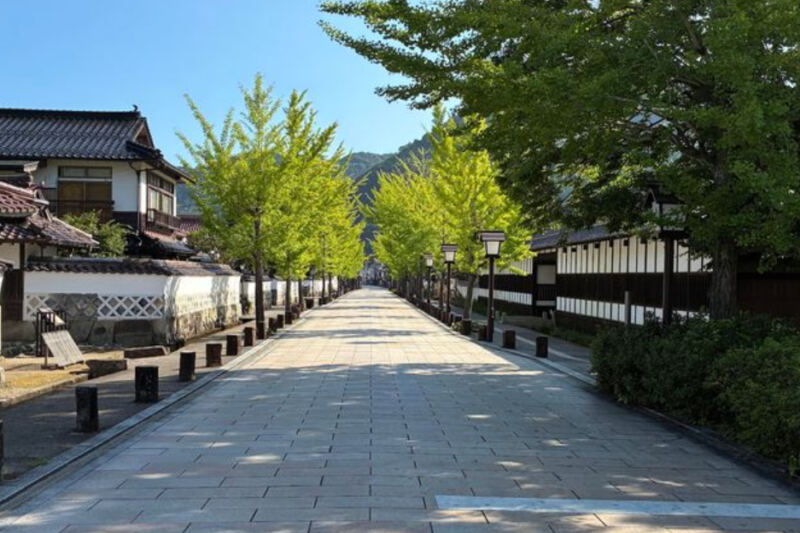
Once one of the wealthiest stops along the old Nakasendo highway, Narai-juku has held onto its character in a way that most historic towns can only attempt. Its main street stretches for more than a kilometer and remains lined with traditional wooden buildings that have housed merchants, travelers, and craftspeople for centuries.
Many of those buildings now contain small restaurants, lacquerware workshops, sake shops, and craft stores worth browsing without any agenda. The Nakamura Residence gives visitors a closer look at how prosperous families lived during the Edo period, and temples and shrines are easy to find along the old road.
For those who want to keep moving on foot, part of the original Nakasendo Trail continues beyond town. Narai-juku is also reachable by train, which removes one common logistical hurdle and makes it one of the more practical historic escapes in central Japan.
Ine, Kyoto Prefecture
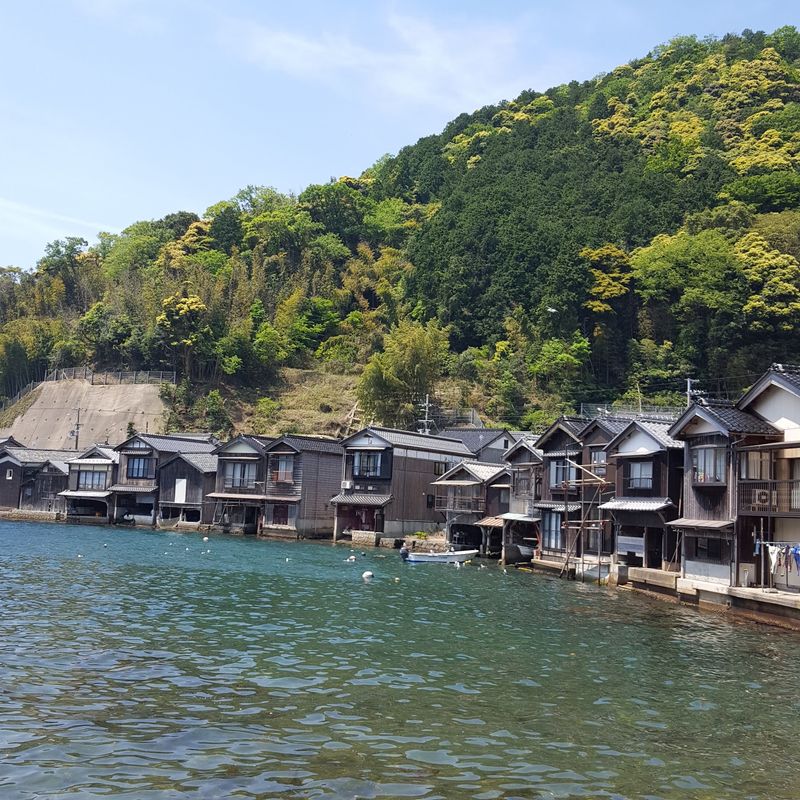
Most people think Kyoto Prefecture begins and ends in the city, but Ine sits at the northern tip of the prefecture and offers something completely different. This small fishing community wraps around Ine Bay and is known for its funaya, traditional wooden boathouses built so close to the water that boats park directly beneath the living quarters.
The waterfront is the main draw, and that is exactly what makes Ine a good fit for slower travel. There is no long checklist of landmarks pushing visitors from one site to the next.
A stroll beside the bay, a short ride on a sightseeing boat, or an overnight stay in a local guesthouse is enough to fill a genuinely relaxing visit.
Getting here from the Amanohashidate area by road or bus also adds to the sense of distance from the usual tourist trail. Ine rewards the effort of reaching it.
Tsumago, Nagano Prefecture
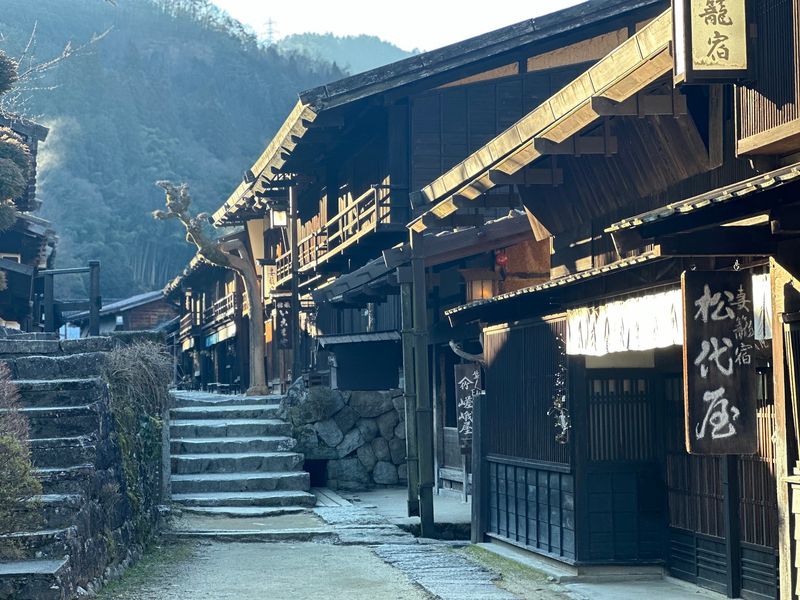
Tsumago takes preservation seriously enough to remove modern visual clutter from the equation entirely. Power lines are concealed underground, and cars are kept off the main street during daytime hours, which means walking through town actually feels like stepping into a different era rather than just looking at old buildings beside parked vehicles.
Historic structures and small museums fill the main street, but the most rewarding way to experience the area goes beyond the town itself. A walking route connects Tsumago with the neighboring post town of Magome through forests and countryside along the old Nakasendo highway, turning what could be a quick stop into a proper half-day or full-day journey.
Tsumago is accessible by bus from Nagiso Station, though services run infrequently, so checking schedules in advance is worthwhile. That slight inconvenience keeps the crowds manageable and reinforces the feeling that arriving here takes a little intention.
Kinosaki Onsen, Hyogo Prefecture
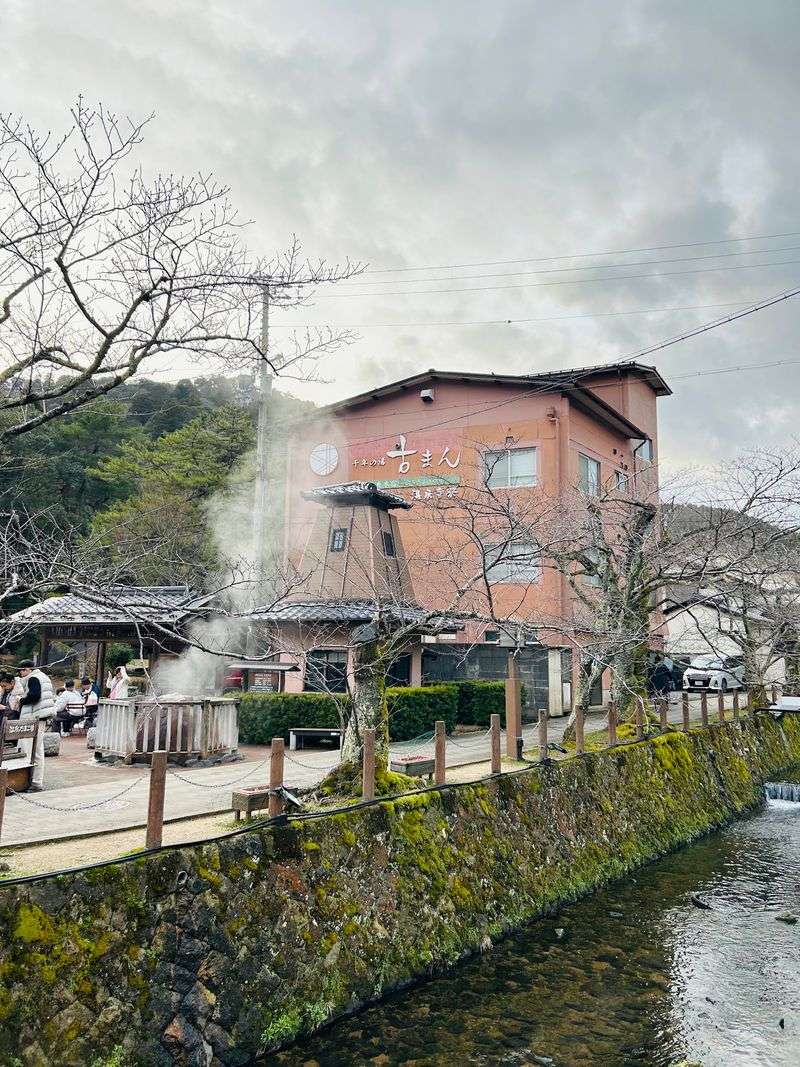
Kinosaki Onsen has essentially built slow travel into its daily structure. The historic hot spring town organizes itself around public bathhouses, ryokan stays, a willow-lined canal, and narrow streets that connect them all.
Guests typically change into yukata at their inn and then walk the compact center, moving between baths, shops, and small restaurants at whatever pace feels right.
The town’s hot spring tradition stretches back around 1,300 years according to its official tourism organization, and the layout remains easy to navigate on foot. However, travelers planning a visit in 2025 or 2026 should check the current status of the public baths before arriving.
Kono-yu is temporarily closed for renovation through October 30, 2026, and Satono-yu is also listed as closed for renovation, so not all seven bathhouses are currently in operation.
Confirming which baths are open before booking helps avoid any surprises and lets visitors plan their stay around what is actually available.
Kakunodate, Akita Prefecture
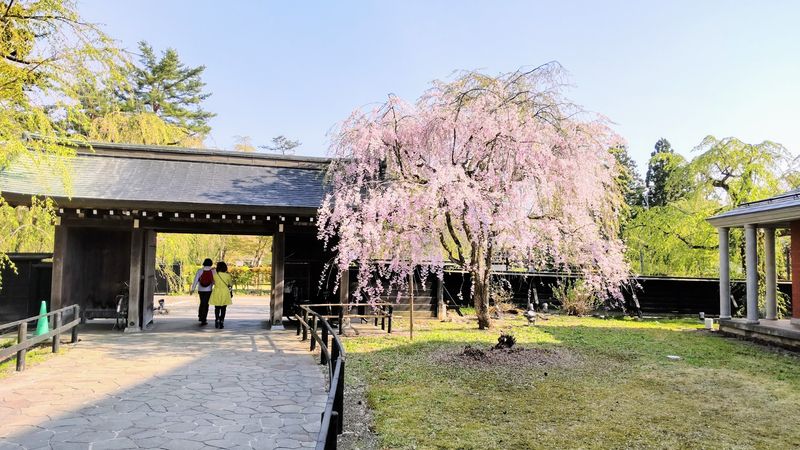
Founded in the early 17th century, Kakunodate still has a samurai district that feels genuinely intact rather than reconstructed for tourism. Traditional gates, wooden fences, broad streets, and old residences remain in place, and several historic properties including the Aoyagi and Ishiguro homes are open for visitors to explore.
Cherry blossom season draws significant attention to the Hinokinai River area, but Kakunodate holds up well beyond spring. The town is also known for its cherry-bark craft tradition, called kabazaiku, which gives travelers a reason to visit workshops and browse shops with more purpose than a generic souvenir stop.
Bicycles can be rented near the station, which suits the town’s layout nicely. Direct access via the Akita Shinkansen makes Kakunodate easier to reach than its relatively remote northern location might suggest, and that combination of accessibility and preserved character makes it one of the stronger slow-travel options in the Tohoku region.
Gujo Hachiman, Gifu Prefecture
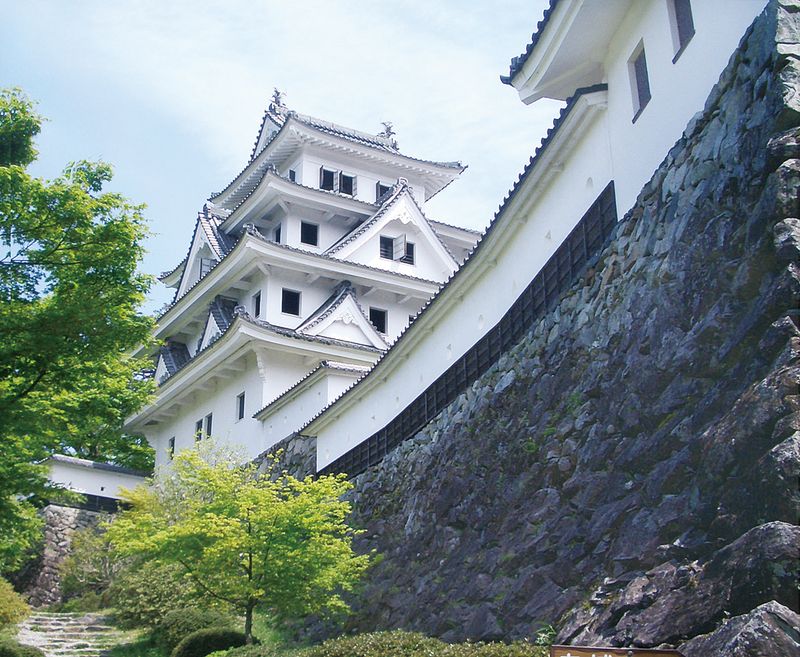
Surrounded by forested mountains at the meeting point of two rivers, Gujo Hachiman developed as a castle town and still carries that layered, compact character. The reconstructed Gujo Hachiman Castle sits on the hillside above town and is considered one of Japan’s oldest wooden castle reconstructions, offering a straightforward reason to climb up and look back at the streets below.
Down at street level, the town offers something genuinely unexpected for a place this size. Gujo is one of Japan’s primary centers for producing the hyper-realistic plastic food replicas displayed outside restaurants across the country.
Some workshops allow visitors to make their own sample, which turns out to be far more entertaining than it sounds.
The famous Gujo Odori dance festival draws large summer crowds, so travelers who prefer a quieter version of town will find spring or autumn a more comfortable time to visit. The streets feel different without the festival energy.
Ouchi-juku, Fukushima Prefecture
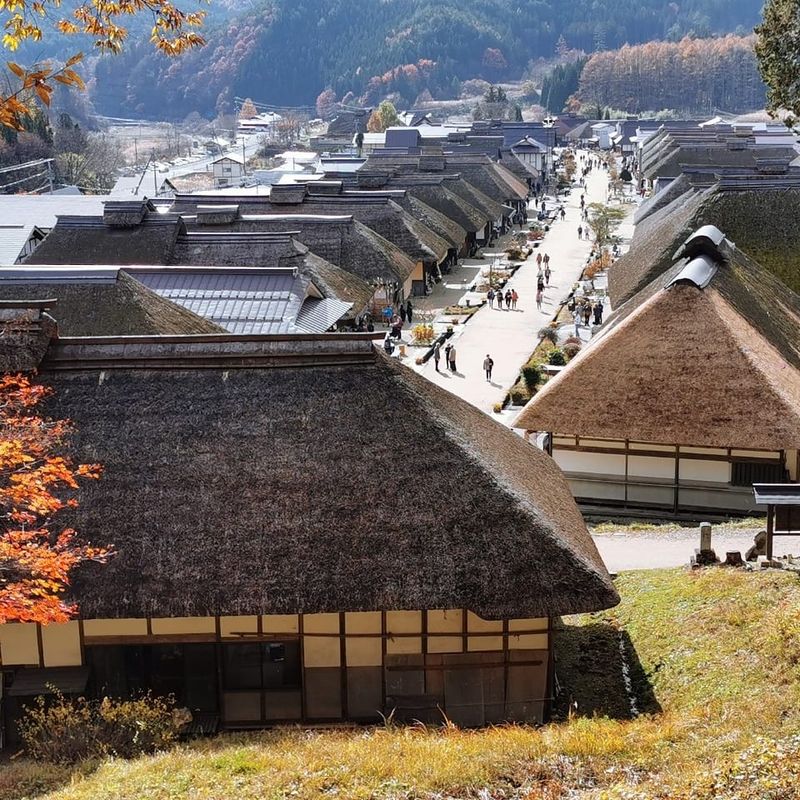
Thick thatched roofs line both sides of Ouchi-juku’s single main street, and the overall effect is striking enough that the settlement reads almost like a photograph rather than a living place. It developed during the Edo period as a post town on a mountain route, and a substantial section of that original streetscape has survived in recognizable form.
Many of the traditional houses now operate as restaurants, souvenir shops, or small accommodations, while the Townscape Exhibition Hall provides useful context about daily life in the former post town. A viewpoint above the settlement delivers the panoramic rooftop view that appears in most photographs of the area, and the walk up to it is short enough to fit into any visit.
Reaching Ouchi-juku requires a bus or taxi from Yunokami Onsen Station, which adds a small logistical step. That relative effort keeps the crowds lighter than they might otherwise be and contributes to the settlement’s sense of genuine remove from modern Japan.
Tomonoura, Hiroshima Prefecture
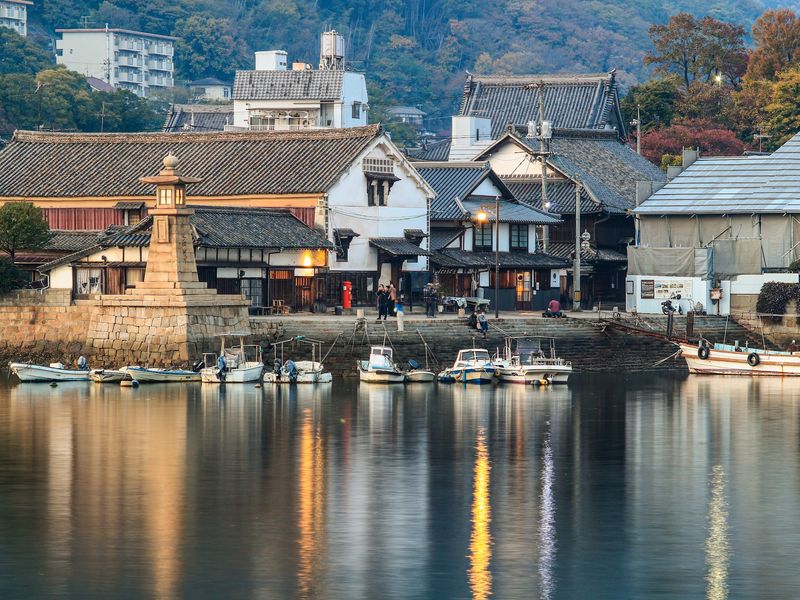
Tomonoura has been a working port for centuries, and the waterfront still carries that lived-in, practical character that purpose-built tourist destinations rarely achieve. Historically, ships stopped here while waiting for favorable tides while crossing the Seto Inland Sea, and the town built up around that maritime rhythm over a very long time.
Wandering the old port area turns up temples, traditional buildings, and the stone Joyato Lighthouse, which stands as one of the town’s more photographed landmarks. The Ota family residence provides another point of interest beyond the harbor itself, and the preserved coastal scenery has attracted filmmakers looking for a setting that does not require much digital cleanup.
Regular buses connect Tomonoura with Fukuyama, making the journey straightforward without requiring a car. For travelers moving through western Honshu, it offers a genuine contrast to larger, more visited destinations in Hiroshima Prefecture without demanding a long detour from the main route.
Hagi, Yamaguchi Prefecture
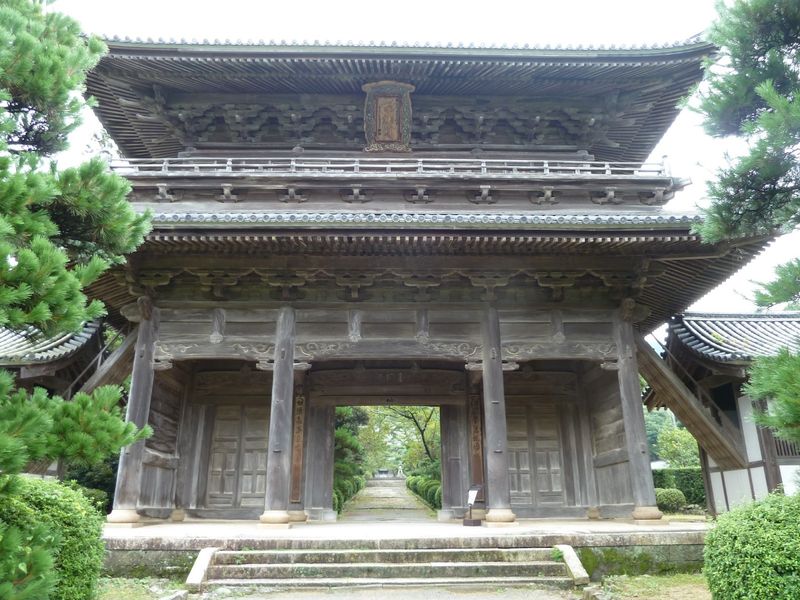
Hagi is larger than most destinations on this list, but its former castle-town neighborhoods still operate at a pace that rewards wandering over scheduling. White plaster walls line narrow lanes that weave past historic residences, small shops, and atmospheric alleys that have changed little in outward appearance since the Edo period.
Kikuya Yokocho and Edoya Yokocho are among the walking areas worth seeking out, and historic residences throughout the preserved district offer closer looks at life during that era. Hagi is also the home of Hagi-yaki, a pottery tradition with a long and respected history in Japanese ceramics.
Browsing the workshops and stores that carry this work gives a visit genuine texture beyond the usual sightseeing routine.
The historic core is compact enough to explore on foot, and bicycle rentals are available for those who want to cover more ground at a relaxed pace. Either way, Hagi is a town that benefits from unhurried attention.
Omihachiman, Shiga Prefecture
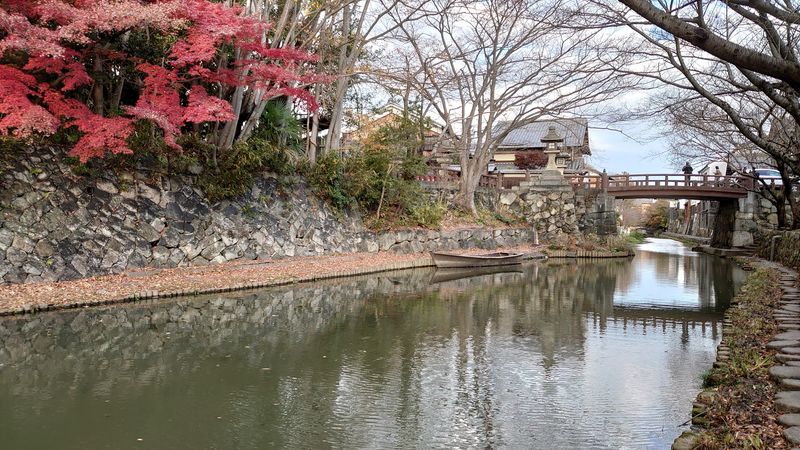
Omihachiman’s identity is tied closely to the Omi merchant culture that shaped much of the region’s commercial history, and that history is still visible in the town’s architecture and canal district. The Hachiman-bori Canal once served as a practical artery for moving goods through a prosperous trading center, and walking its banks today offers a calm and genuinely scenic way to spend an afternoon.
The traditional merchant buildings that line parts of town give the area a distinct historic character that feels less curated than some more famous destinations. There is enough to explore without the visit becoming a race between attractions.
Omihachiman’s location on the JR Biwako Line puts it around 30 minutes from Kyoto by train according to JNTO, which makes it an easy and practical addition to a Japan itinerary. Travelers looking to step away from a busy Kyoto schedule without committing to a long journey will find the timing works well.
Takayama, Gifu Prefecture
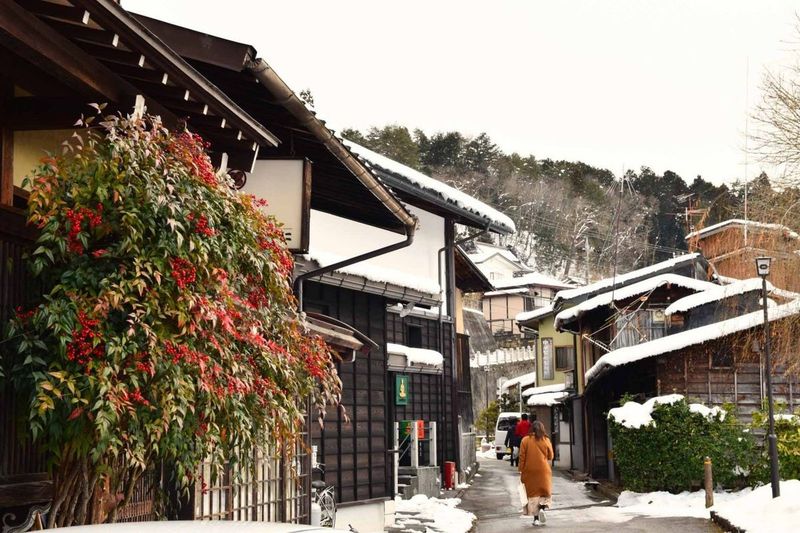
Takayama appears on enough travel lists that it might not feel like a slow-travel discovery, but the way most people visit it actually leaves a lot on the table. Many travelers pass through on a day trip, check the Sanmachi district, and move on.
Staying for a full day or two changes the experience considerably.
The Sanmachi historic district preserves the streetscapes of Takayama’s Edo-period merchant and craftsman community, with traditional wooden buildings housing sake producers, craft shops, and small restaurants. The area is worth exploring early in the morning or in the late afternoon when the crowds thin and the pace of the streets shifts noticeably.
Takayama is well connected by rail and highway buses from Nagoya, Toyama, and Matsumoto, so building a slower stay here does not create complicated travel logistics. It is one of those places where the experience improves directly in proportion to the amount of time given to it.
Kurashiki, Okayama Prefecture
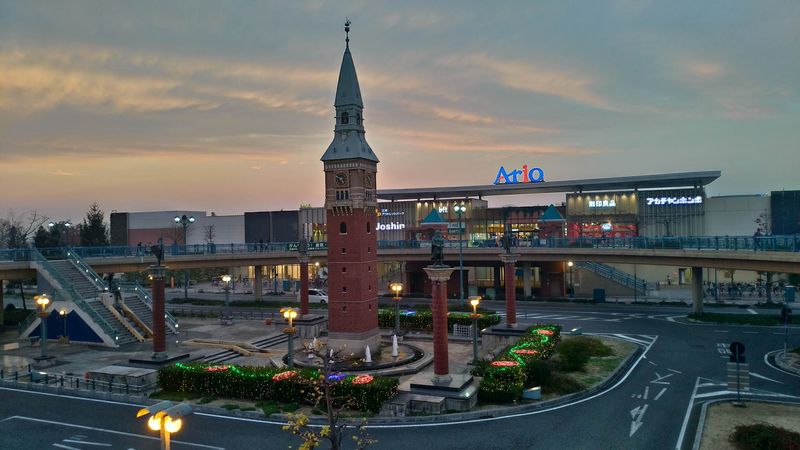
Kurashiki’s Bikan Historical Quarter grew out of a merchant past centered on the canal that still runs through the heart of the district. White-walled kura storehouses, preserved buildings, and willow trees along the water give the area a character that holds up well even on an ordinary weekday afternoon.
Visitors can wander the historic streets, browse shops and museums at their own pace, or take a short canal boat ride to see the district from a different angle. The area does not demand an aggressive itinerary, which is part of what makes it genuinely useful for slow travel rather than just slow in appearance.
Kurashiki sits around 30 minutes west of Okayama City by train, which makes it easy to slot into a journey through western Honshu. Staying overnight lets travelers experience the historic quarter after the daytime visitors have cleared out, and that quieter version of Kurashiki is worth planning for.
Yufuin, Oita Prefecture
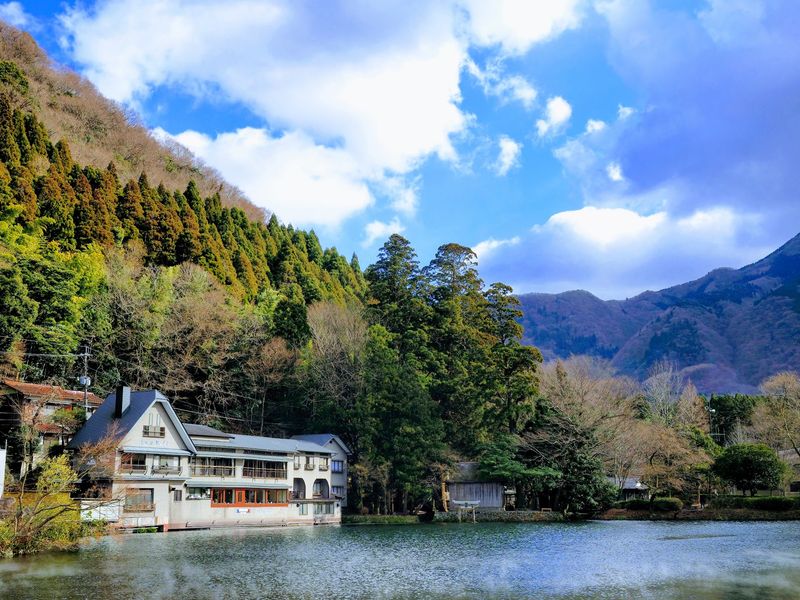
Yufuin works best when treated as a place to stay rather than a place to pass through. The onsen town sits beneath Mount Yufu in Oita Prefecture and combines hot springs, traditional ryokan, small museums, cafes, and open countryside in a mix that genuinely rewards an overnight visit over a rushed day trip.
Lake Kinrin is one of the town’s familiar sights, but travelers who push beyond the busiest central streets find rice fields and quieter rural scenery that represent a different side of Yufuin entirely. JNTO specifically highlights exploring outside the main area as a way to experience the town’s slower character, and that advice holds up.
Yufuin is one of the more popular destinations on this list, so crowd-free moments are not guaranteed. An early morning walk or a ryokan stay that begins before the day-trip buses arrive tends to produce a noticeably calmer and more personal experience of the town.
Share this story