Indonesia is a country of more than 17,000 islands, and each region offers its own landscapes, culture, and history. From coral reefs and volcanoes to ancient temples and green rice fields, there is something for every type of traveler.
This list covers 15 places that stand out for their natural beauty and cultural value. Read on to find ideas for your next trip.
1. Raja Ampat Islands, Southwest Papua
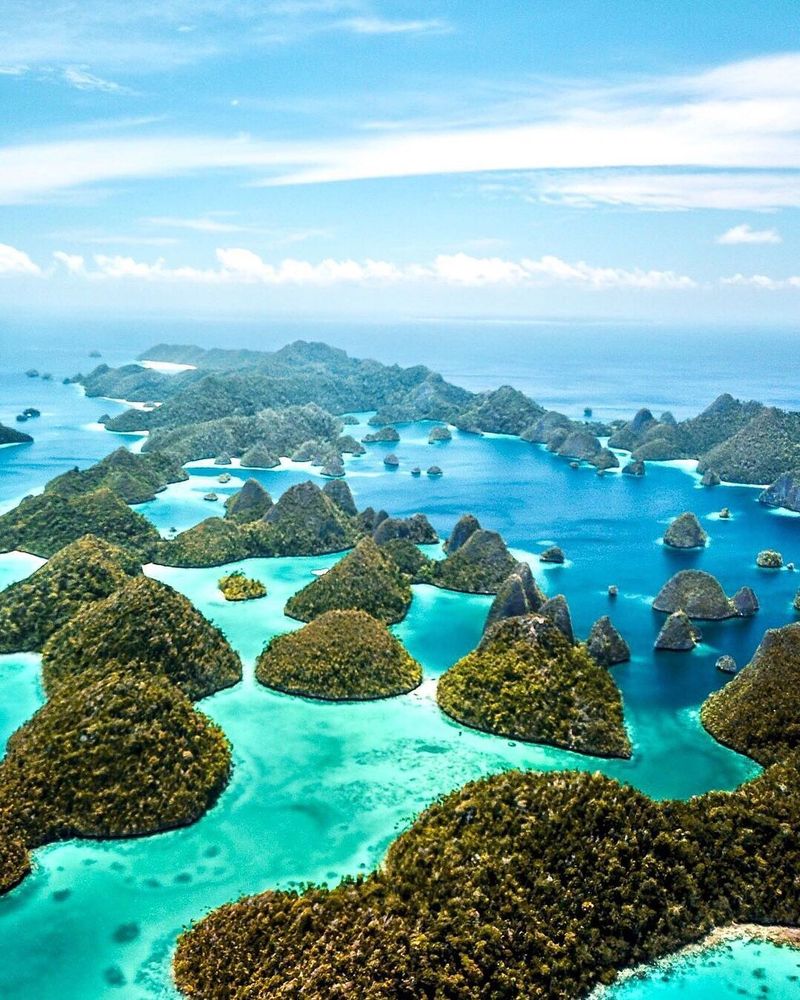
Scientists often call this island group the center of marine life on Earth. Raja Ampat has more than 1,500 small islands, and its reefs hold around 75 percent of all known coral species.
Divers and snorkelers come to see manta rays, reef sharks, colorful fish, and gardens of soft coral. Above the water, the limestone islets around Wayag and Piaynemo make a striking view from the hilltop lookouts.
Getting there takes some planning. Most visitors fly to Sorong, then take a ferry to Waisai or a boat to a homestay.
Staying in a local homestay is a budget-friendly choice and supports island families.
The best time to visit is usually between October and April, when seas are calmer. Pack reef-safe sunscreen, and bring cash, since ATMs are rare on the islands.
2. Ubud, Bali
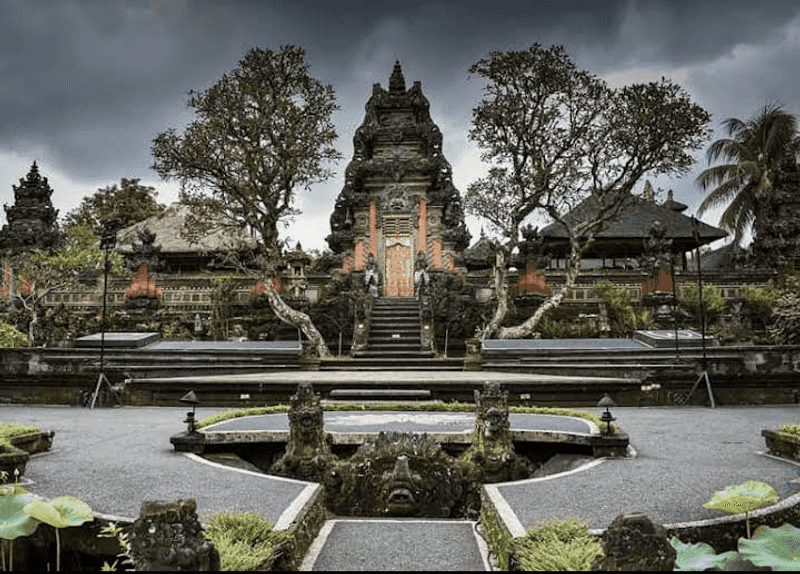
Tucked among rice fields and river gorges, Ubud feels like the cultural heart of Bali. Streets are lined with galleries, wood carving shops, and small cafes where you can try fresh local dishes.
Nightly dance shows, such as the Legong and Kecak, take place in temple courtyards and palace grounds. The Sacred Monkey Forest Sanctuary is another popular stop, but keep food and sunglasses out of sight, because the macaques are quick.
Morning walks along the Campuhan Ridge give soft light and cooler air. Many visitors also join cooking classes or batik workshops to learn a local craft.
Traffic can be heavy, so walking or hiring a driver for the day often works best. Visit between April and October for drier weather.
3. Komodo National Park, East Nusa Tenggara
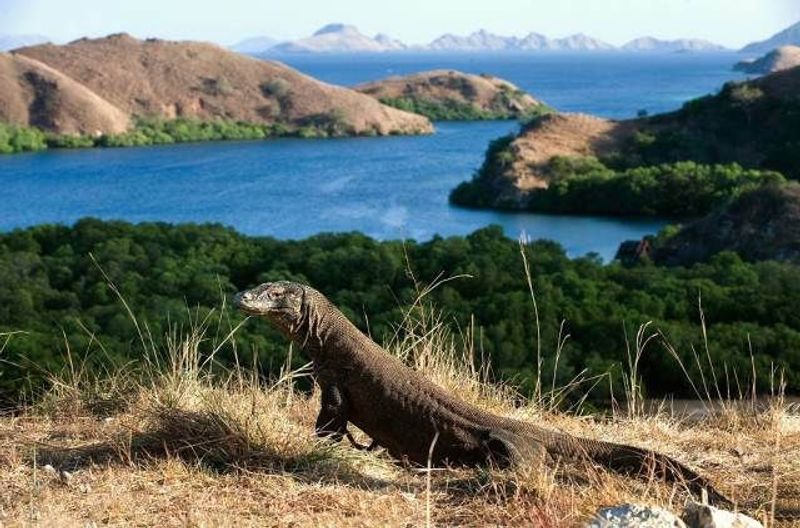
Here is a fact that surprises many people: the Komodo dragon can grow longer than three meters and is the largest living lizard on the planet. It lives in the wild only on a handful of Indonesian islands.
Komodo National Park is a UNESCO World Heritage Site. Rangers guide visitors along set trails on Komodo and Rinca islands, which keeps both people and animals safe.
The scenery is just as memorable as the wildlife. Dry golden hills drop into bays with pink sand at Pink Beach, and the waters offer excellent snorkeling.
Most trips start from Labuan Bajo on day tours or multi-day boat cruises. Dry season, from April to December, brings clearer skies and calmer water.
4. Mount Bromo, East Java
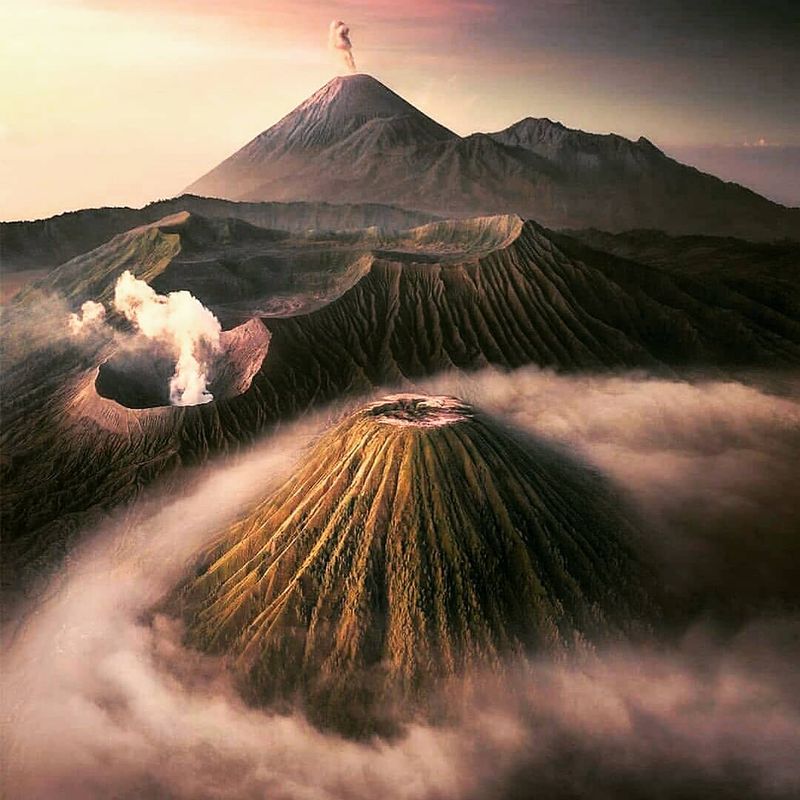
Picture standing on a dark ridge before dawn, with cool wind on your face, as a smoking volcano slowly appears from the mist. That is the classic Mount Bromo experience.
Bromo sits inside Bromo Tengger Semeru National Park, in the middle of a vast sandy plain called the Sea of Sand. Most visitors reach Mount Penanjakan by jeep to watch the sunrise, then drive down to walk to the crater rim.
You can climb a set of stairs to peek into the active crater, or ride a horse across the sand for part of the way. The Tengger people, who live nearby, hold the mountain sacred.
Bring warm layers, since early mornings are cold. The dry season, from April to October, usually offers the clearest views.
5. Nusa Penida, Bali
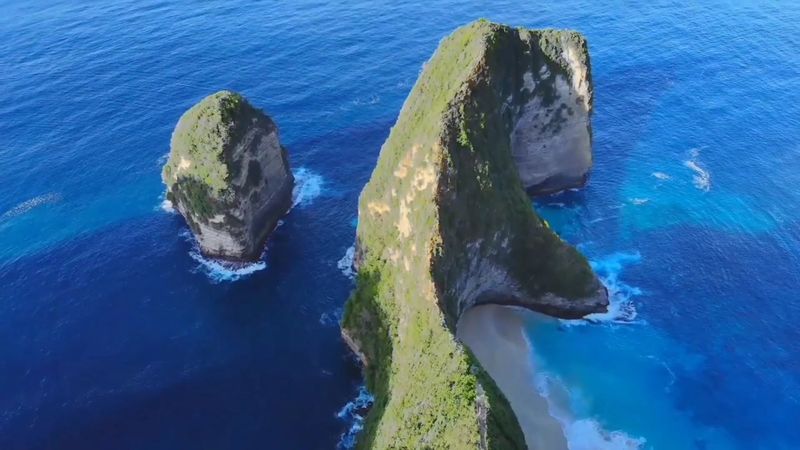
Just a short boat ride from mainland Bali, Nusa Penida offers some of the most dramatic coastline in Indonesia. Tall limestone cliffs rise straight out of bright blue water.
Kelingking Beach is the best known spot, with a cliff shaped like a dinosaur. The path down to the sand is steep and rough, so wear sturdy shoes and go slowly.
Other favorites include Angel’s Billabong, Broken Beach, and Crystal Bay.
Snorkelers can often spot manta rays near Manta Point, and the sunfish season runs from July to October.
Roads on the island can be bumpy, so many travelers hire a local driver for the day. Start early to avoid crowds and midday heat, and bring plenty of water.
6. Borobudur Temple, Central Java
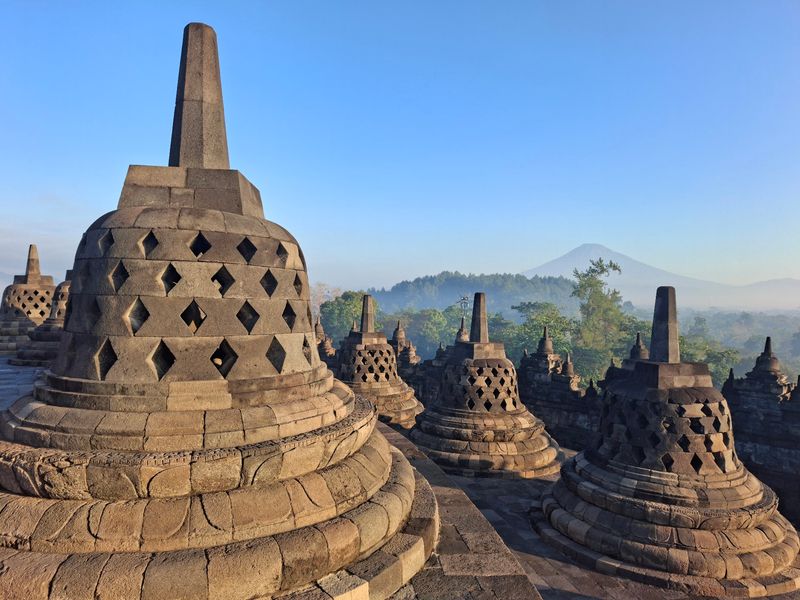
Built in the ninth century, Borobudur is the largest Buddhist temple in the world. It was hidden under volcanic ash and jungle for hundreds of years before being rediscovered in 1814.
The monument has nine stacked levels, topped by a central dome and 72 stupas that each hold a statue of Buddha. Along the walls, more than 2,600 carved panels tell stories of Buddhist teachings and daily life from long ago.
Sunrise visits are popular, as mist often hangs over the hills around the temple. To protect the stone, visitor numbers on the upper levels are limited and special shoes are required, so book tickets ahead of time.
Dress modestly, and bring a hat and water, because the stone gets hot by midday.
7. Gili Islands, West Nusa Tenggara
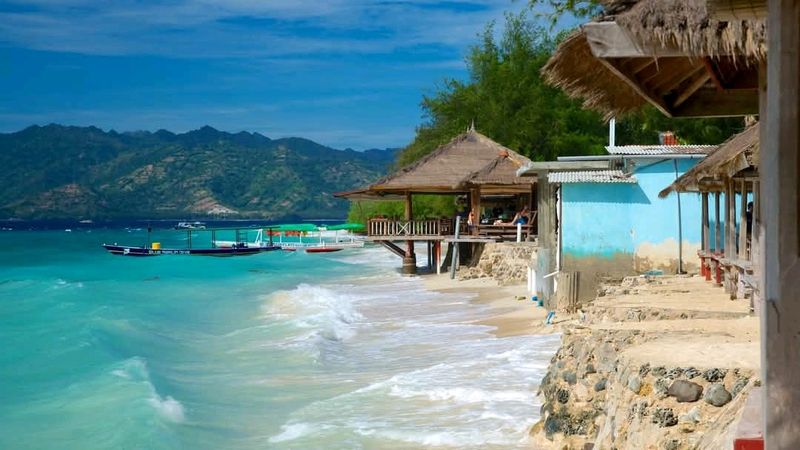
No cars, no motorbikes, and plenty of slow afternoons: that is the charm of the three Gili Islands off the coast of Lombok. People get around on foot, by bicycle, or in horse-drawn carts.
Gili Trawangan is the liveliest and has the most restaurants and nightlife. Gili Meno is quiet and popular with couples, while Gili Air sits in between with a relaxed village feel.
The waters around all three are home to green sea turtles, which snorkelers can often see just offshore. Diving courses are also easy to find and reasonably priced.
Fast boats run from Bali and Lombok, though seas can be rough at times, so check schedules in advance. The dry season, from May to September, is the most comfortable time to go.
8. Lake Toba, North Sumatra
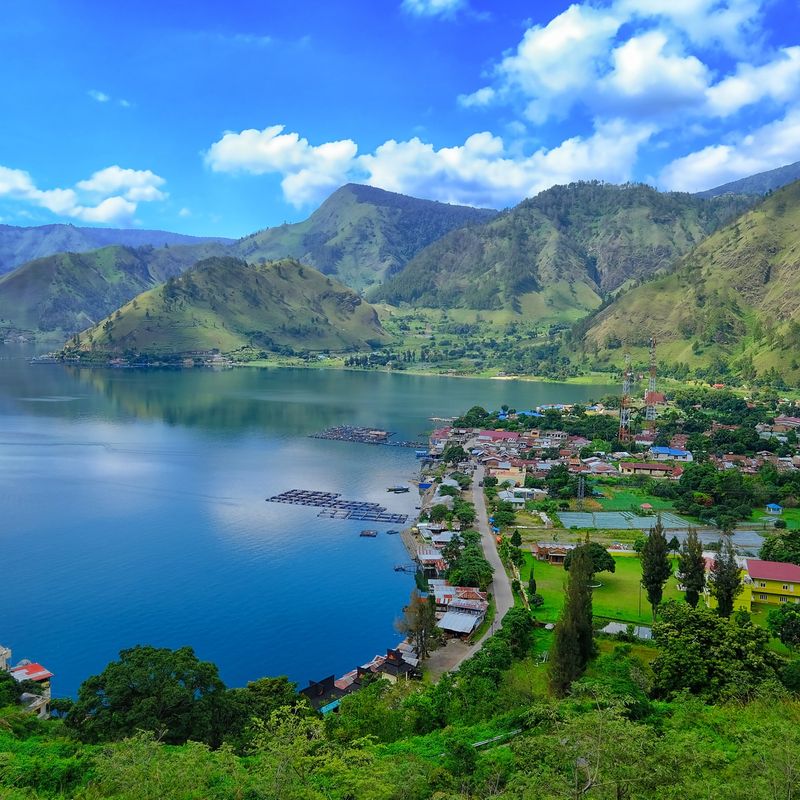
Lake Toba fills the crater of a massive volcano that erupted about 74,000 years ago. Today it is the largest volcanic lake in the world, stretching about 100 kilometers in length.
In the middle sits Samosir Island, the cultural home of the Batak Toba people. Visitors can see traditional houses with curved roofs, stone tombs, and carved figures, and can enjoy local music and dance.
The air here is cooler than on the coast, which makes cycling and hiking pleasant. Many travelers stay in Tuktuk, a small town with guesthouses right on the water.
You can swim in the lake, rent a kayak, or simply watch the sunset from a lakeside cafe. Reach the area by flying to Medan, then taking a car or bus for several hours to Parapat.
9. Tegalalang Rice Terraces, Bali
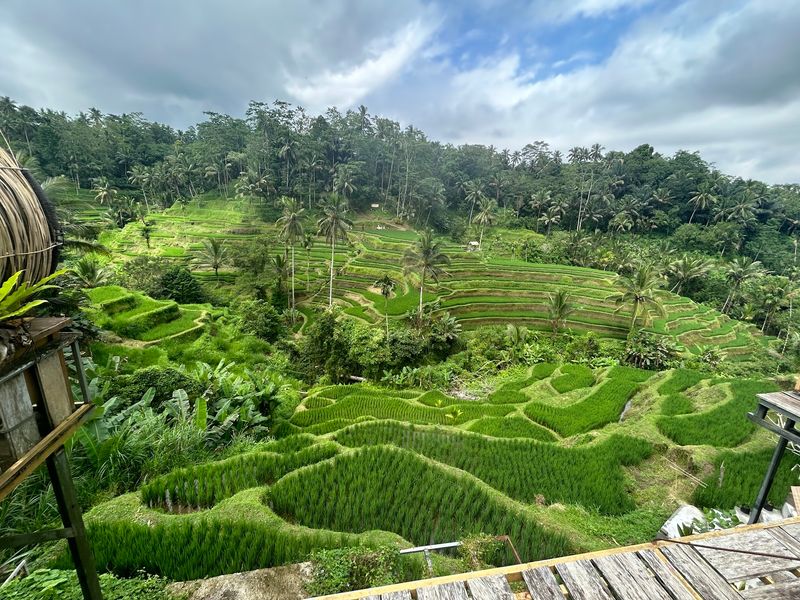
Row after row of bright green steps climb the hillside north of Ubud, shaped by farmers over generations. The Tegalalang Rice Terraces follow the Balinese subak system, a traditional method of sharing water that is recognized by UNESCO.
Walking paths wind between the fields, and small cafes along the ridge offer views over the valley. Some spots have swings and photo platforms, which may charge a small fee.
Arrive early in the morning to enjoy cooler air and fewer people. Light is soft then, and farmers are often at work in the fields.
Wear shoes with good grip, since steps can be muddy and uneven. Rice is greenest during the growing season, often from around March to June, while harvest time brings a golden color.
10. Kelimutu National Park, East Nusa Tenggara
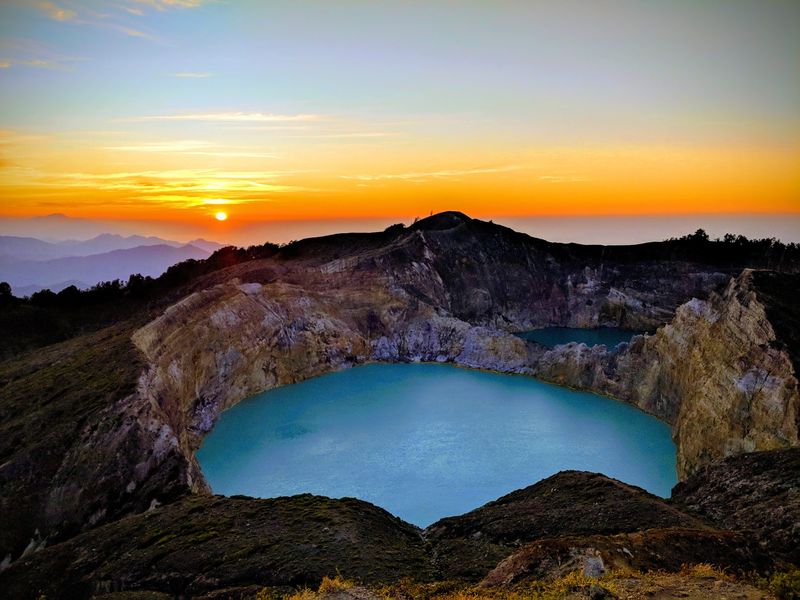
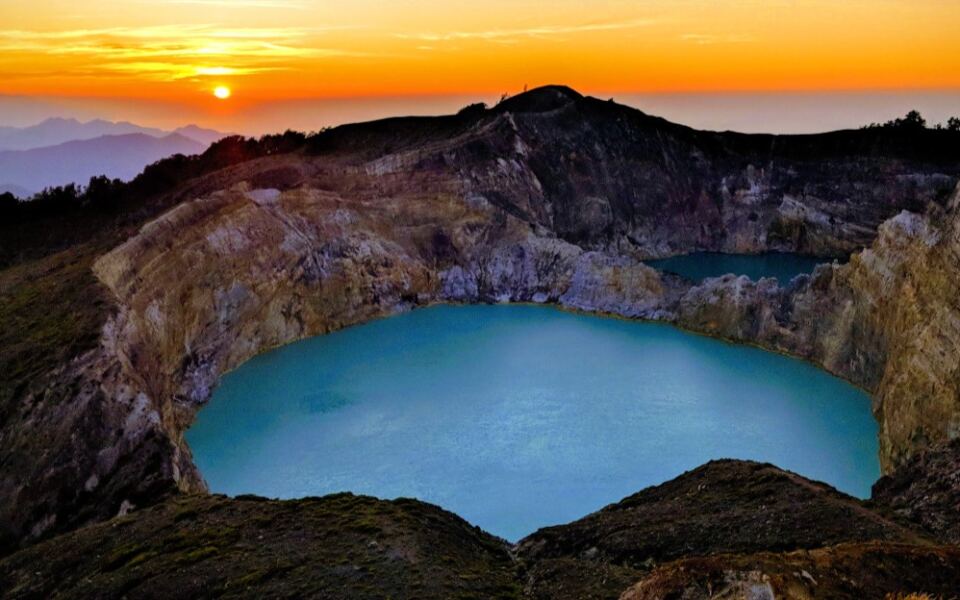
On the island of Flores, three crater lakes sit side by side, and each can turn a different color. Shades of turquoise, green, red, brown, and black have all been recorded, caused by changes in volcanic gases and minerals.
Local people believe the lakes hold the spirits of the departed, so the site is treated with respect. Visitors are asked to stay on marked paths and keep voices low near the rim.
The hike to the viewpoint is short and easy from the parking area, but most people go before sunrise for the best light. Moni, a small village at the foot of the mountain, has simple guesthouses and nearby hot springs.
Bring a jacket, since mornings are chilly. Dry months from June to September usually give clear views.
11. Tumpak Sewu Waterfall, East Java
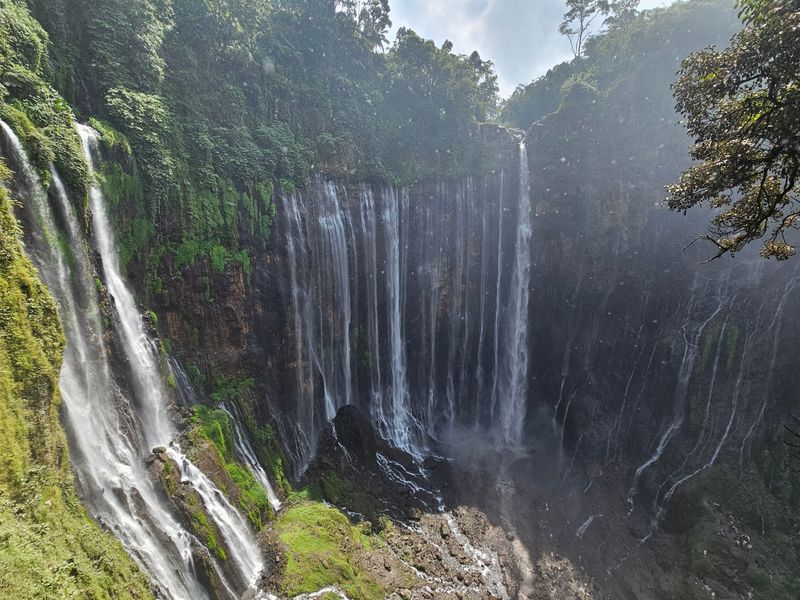
Its name means “a thousand waterfalls,” and the sight fits the description. Tumpak Sewu spreads across a wide cliff, with many thin streams falling like a curtain into a deep green canyon.
Reaching the base takes effort. A steep trail with stairs and a few slippery sections leads down, and the final stretch often involves crossing a shallow river.
Wear shoes that can get wet and bring a waterproof bag for your phone or camera.
For an easier view, stop at the Goa Tetes lookout, which gives a wide look at the falls from above. The nearby Kapas Biru waterfall is also worth a visit.
The falls are fullest after the rainy season, but trails are riskier then. Go in the morning, and consider a local guide for safety.
12. Wakatobi National Park, Southeast Sulawesi
The name Wakatobi comes from the first letters of its four main islands: Wangi-wangi, Kaledupa, Tomia, and Binongko. Together they form a national park covering over 1.3 million hectares, much of it ocean.
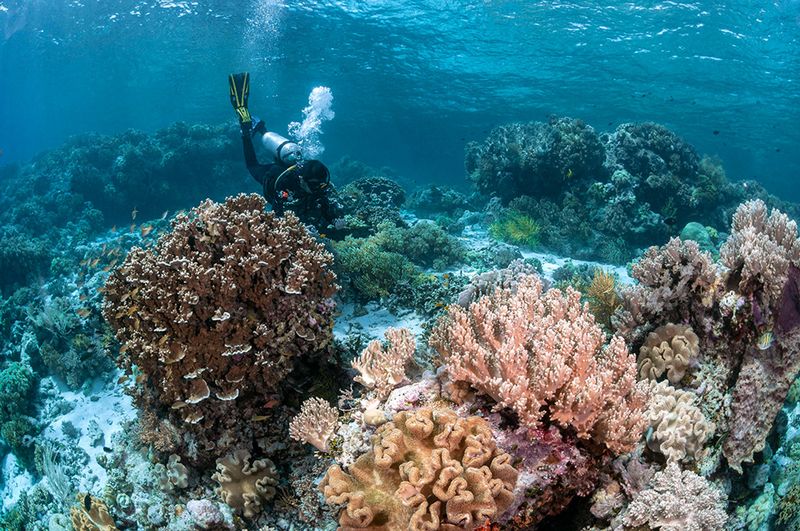
Coral reefs here are among the healthiest in the world, with hundreds of coral species and thousands of fish. Even beginners can see plenty by snorkeling in shallow water just off the beach.
The area is also home to the Bajau people, known for their traditional life at sea. Some villages sit on stilts above the water, and visitors can learn about their fishing customs respectfully with local guides.
Travel takes time, with flights to Kendari or Wangi-wangi and then boat transfers. The best conditions for diving are usually from April to December.
13. Prambanan Temple, Special Region of Yogyakarta
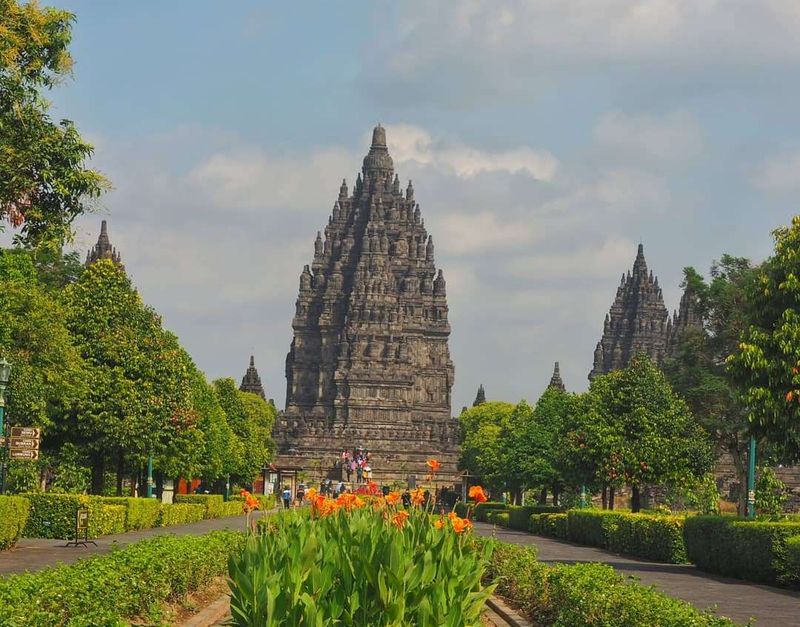
Sharp, tall towers rise above the plains near Yogyakarta, forming the largest Hindu temple site in Indonesia. Prambanan dates back to the ninth century and is dedicated to the gods Shiva, Vishnu, and Brahma.
The tallest tower reaches about 47 meters. Stone reliefs along the walls show scenes from the Ramayana, an ancient Indian epic that is still performed in Java through dance.
An earthquake in 2006 damaged parts of the complex, and restoration work continues today. Some areas may be closed for safety, so check what is open before you go.
Late afternoon is a good time to visit, since the stone glows warmly at sunset. On certain evenings, the Ramayana Ballet is performed on an open-air stage with the temples as a backdrop.
14. Labuan Bajo, East Nusa Tenggara
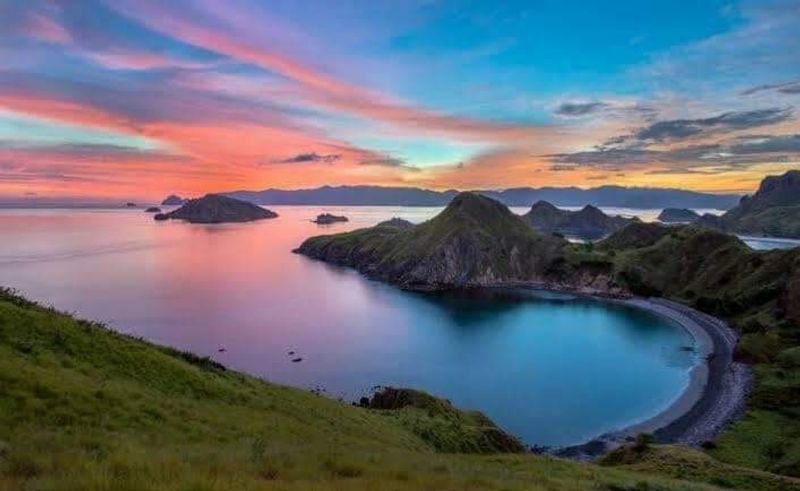
This small fishing town on the western tip of Flores has grown into the main gateway to Komodo National Park. Even so, it keeps a laid-back feel, with a harbor full of wooden boats and seafood grilled along the waterfront.
Day trips from here reach nearby islands such as Kanawa, Padar, and Kelor. The hike up Padar Island rewards climbers with a view of three bays in different colors.
Back in town, sunsets are best watched from a hilltop cafe overlooking the bay. Local markets sell woven cloth, coffee from Flores, and handmade crafts.
Choose boat operators with safety gear and good reviews. Phinisi cruises range from simple to luxurious, so there are options for many budgets.
The dry season from April to November is most popular.
15. Derawan Islands, East Kalimantan
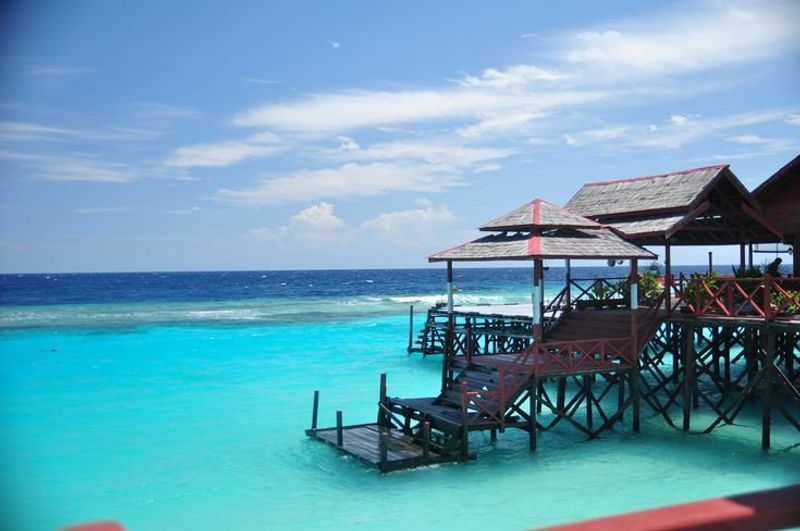
Far off the coast of Borneo, the Derawan Islands remain a quiet corner of Indonesia that many travelers have yet to find. The archipelago includes about 31 islands, each with its own personality.
On Derawan Island, green sea turtles often swim beneath the wooden piers, so you may see them without leaving the shore. Sangalaki is known for manta rays, and Kakaban holds a rare lake filled with stingless jellyfish, where visitors can swim in a protected area.
Maratua Atoll offers sandy beaches, deep blue channels, and excellent diving.
Getting there involves a flight to Berau, a drive to the coast, and a boat ride to the islands. Accommodation is mostly simple, and the best weather generally falls between March and October.
Share this story