Europe has a reputation for being hard on the wallet, and honestly, some of that reputation is earned. But a surprising number of European cities look like they belong on a luxury travel channel while actually being quite manageable on a careful budget.
The secret is knowing which cities give you a lot for free, from riverfront walks and hilltop views to historic squares and public parks that cost nothing to enjoy. This list covers 14 cities across the continent that deliver the wow factor without demanding that you spend like a high roller to get it.
Whether you are planning your first European trip or looking for a smarter way to revisit the continent, these destinations prove that looking expensive and being expensive are two very different things.
Ljubljana, Slovenia
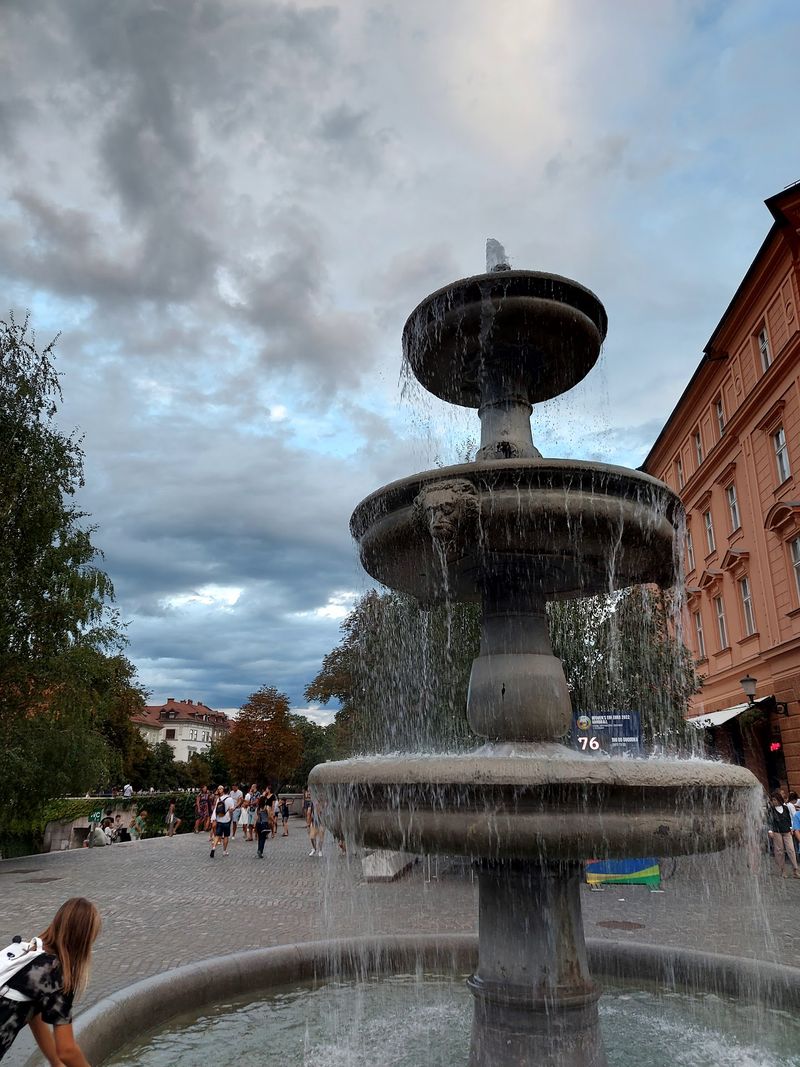
Ljubljana pulls off a convincing impression of a pricier European capital. Pastel buildings line the Ljubljanica River, cafe terraces fill the pedestrian center, and Ljubljana Castle keeps watch from its hillside perch above the Old Town.
The good news is that much of what makes the city so appealing starts with simply walking through it.
Prešeren Square, the Triple Bridge, riverside promenades, neighborhood markets, and green city parks can fill a full day without a single admission fee. Ljubljana’s compact size also means travelers rarely need to spend on taxis or transport.
For visitors who do want to enter several paid attractions, the Ljubljana Card currently bundles more than 30 attractions with unlimited city bus travel, a guided city tour, a river cruise, and the castle funicular. That combination turns Ljubljana into a destination that looks boutique and sophisticated while remaining genuinely manageable for a well-planned budget traveler.
Porto, Portugal
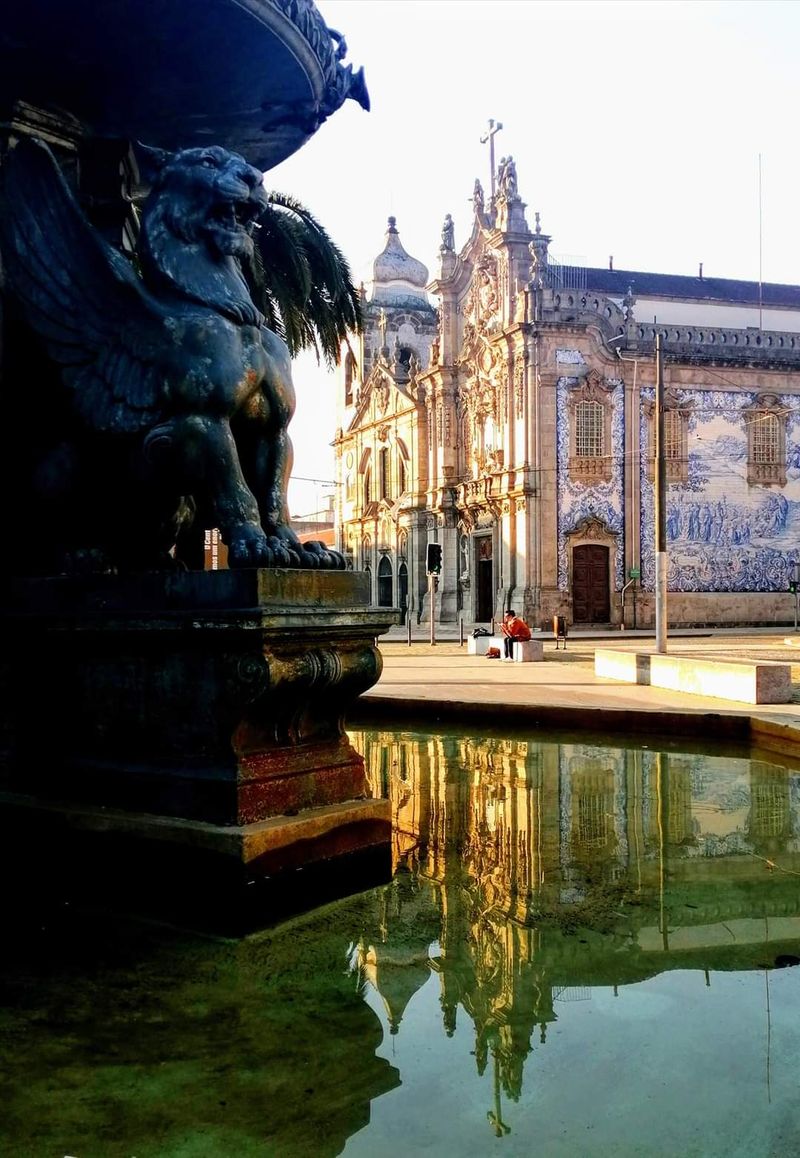
Porto’s riverfront has a way of making visitors feel like they have stumbled into something expensive. Colorful buildings tumble toward the Douro, historic churches appear around nearly every turn, and the city’s famous tiled facades give even a simple afternoon walk a distinctly cinematic quality.
Fortunately, some of Porto’s strongest attractions require no entrance fee at all. Walking along the river, crossing the Dom Luís I Bridge, exploring hillside neighborhoods, and watching the sunset over the Douro can easily fill a day.
Porto’s official tourism information also highlights the 83-hectare City Park, which stretches toward the Atlantic, along with gardens such as Passeio Alegre and Virtudes.
Saving money becomes considerably easier once travelers step away from the most prominent riverfront restaurant tables and start exploring neighborhood bakeries, local cafés, and quieter streets beyond Ribeira’s busiest corners. Porto rewards the curious traveler who is willing to wander just a few blocks off the main tourist path.
Valencia, Spain
Valencia has all the visual ingredients of a high-end Mediterranean getaway. Futuristic architecture at the City of Arts and Sciences, palm-lined streets, long sandy beaches, and stylish neighborhoods packed with restaurants give the city a polished, well-funded look that can initially feel intimidating for budget travelers.
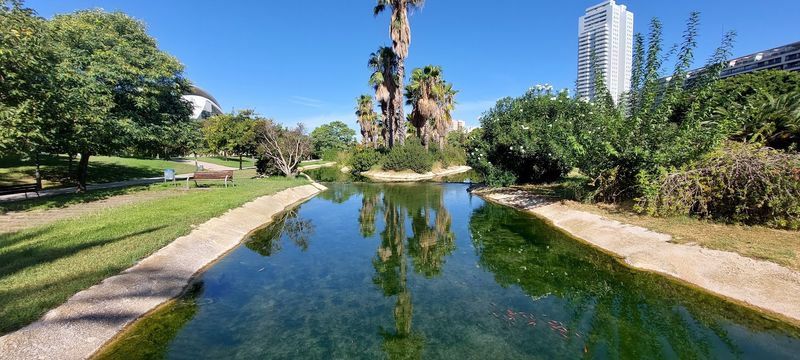
The reality is far more welcoming. The Turia Garden, one of Valencia’s defining attractions, runs through the city along the former riverbed and is completely free to enter.
Visit Valencia describes the park as roughly nine kilometers of gardens, paths, sports areas, and open recreation spaces running right through the heart of the city.
The beaches add another major advantage. Cabanyal and Malvarrosa are easily reached from the city center and stretch along Valencia’s generous coastline.
Combining sightseeing, park walks, architecture, and an afternoon by the Mediterranean is entirely possible without paying admission at every stop. Valencia is genuinely one of Spain’s best-value big cities.
Seville, Spain
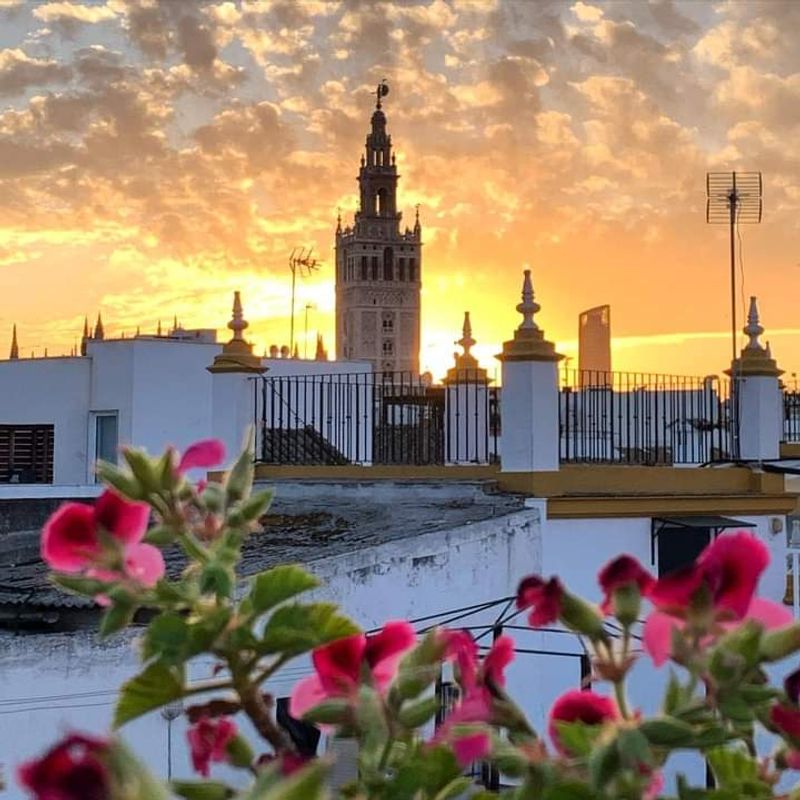
Few cities on the continent put on a grander visual show than Seville. Horse-drawn carriages roll past ornate buildings, tiled courtyards hide behind heavy wooden doors, orange trees line historic streets, and monumental architecture turns up around nearly every corner.
The city looks expensive because it is genuinely beautiful, not because it is trying too hard.
Some major attractions do charge admission, but a visit to Seville does not have to revolve entirely around ticketed landmarks. Plaza de España stands as one of the city’s most recognizable sights, featuring an enormous semicircular complex, elaborate ceramic decoration, a canal, and surrounding architecture that would look at home in any travel magazine.
The plaza sits directly beside María Luisa Park, another of Seville’s signature public green spaces.
Travelers can walk through the Santa Cruz neighborhood, follow the Guadalquivir River, and explore historic plazas without spending much. Selecting just one or two paid priorities keeps Seville well within reach of a careful budget.
Split, Croatia
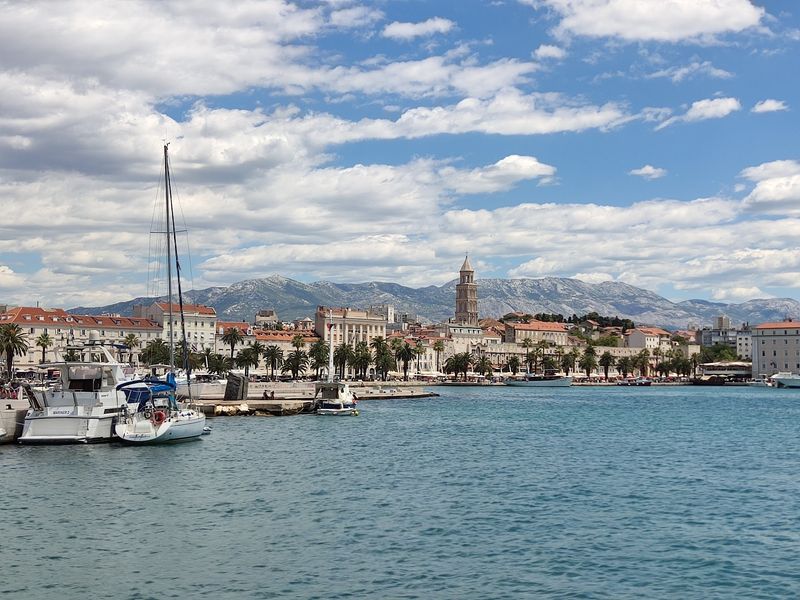
Roman ruins sitting directly beside a working harbor, limestone streets running through a 1,700-year-old palace, and the Adriatic glittering just steps from the historic center. Split has an undeniable visual drama that makes it look like a destination built exclusively for summer splurge vacations.
Accommodation during peak season can certainly push costs upward, but the city itself offers plenty without requiring constant spending. Split’s tourism board highlights Marjan, the forested hill directly beside the city, where visitors find natural walking paths, recreational areas, historic churches, and viewpoints overlooking Split and the surrounding islands.
Beaches provide another major free activity. The tourism authority lists numerous beaches stretching from Bačvice to quieter spots around Marjan.
Staying a few streets back from the most expensive waterfront addresses and leaning into Split’s beaches, promenades, viewpoints, and public spaces can turn what looks like a luxury Adriatic trip into something considerably more affordable and still genuinely memorable.
Kraków, Poland
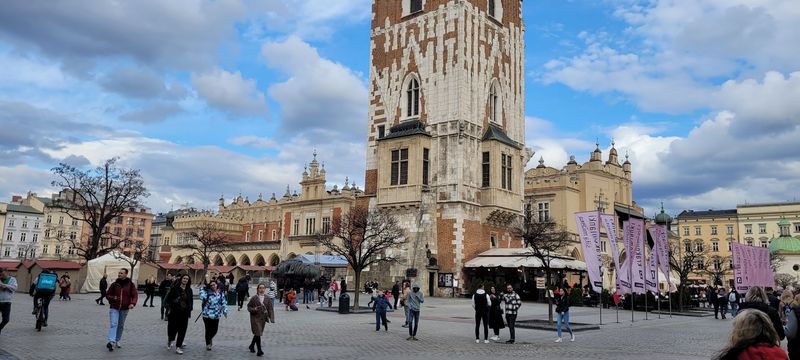
Kraków’s enormous medieval market square, horse-drawn carriages, Gothic church towers, historic hotels, and Wawel Castle create an atmosphere that feels far more expensive than the city’s actual price tag. First-time visitors often arrive expecting to pay heavily for the atmosphere, then realize the atmosphere itself is mostly free.
Travelers can walk around the Main Market Square, explore the Kazimierz neighborhood, wander the Vistula riverbanks, visit the grounds around Wawel Castle, and follow the Planty, the green belt of parks encircling the historic center. A current Kraków guide lists the Main Market Square, Planty, Wawel grounds, Kazimierz streets, Vistula boulevards, Błonia Meadow, and Krakus Mound among attractions that can be enjoyed without paying admission.
Several museums also offer free-entry periods on selected days, though schedules should be confirmed before visiting. Kraków works particularly well for travelers who prefer exploring on foot rather than collecting expensive attraction tickets at every stop.
Wrocław, Poland
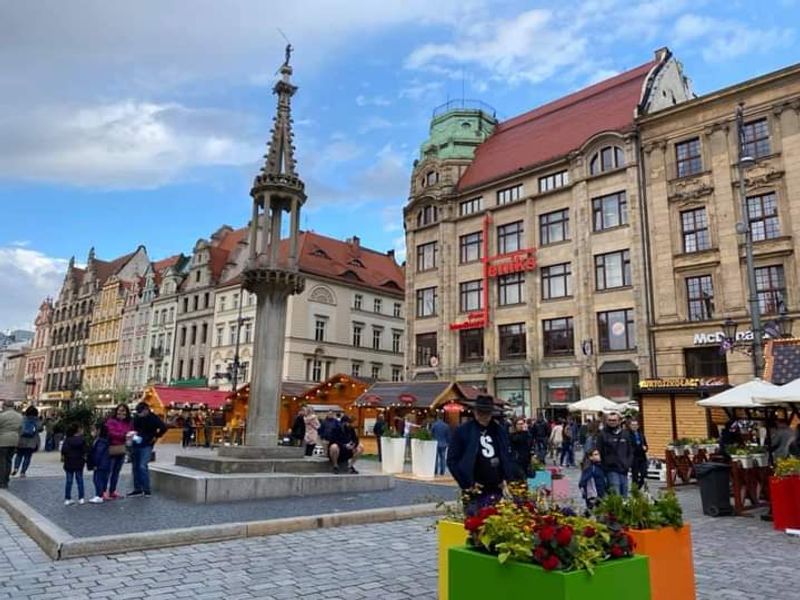
Wrocław looks like someone designed it specifically with travel photography in mind. The Market Square is framed by colorful facades in Renaissance and Baroque styles, bridges cross the various branches of the Oder River, church towers rise above the rooftops, and small bronze dwarf statues are hidden throughout the streets, turning a simple city walk into something of a lighthearted scavenger hunt.
The historic center provides hours of genuinely low-cost entertainment. Wrocław’s official tourism portal describes the Market Square as one of Poland’s largest and identifies it as the city’s central historic gathering place.
The tourism office is also running a program of free guided walking tours, city games, and cycling tours in 2026.
Walking between the Market Square, river islands, bridges, the cathedral district, parks, and the scattered dwarf statues can occupy most of a day. Travelers who limit paid entries to one or two carefully chosen museums experience a surprisingly large portion of Wrocław for very little money.
Gdańsk, Poland
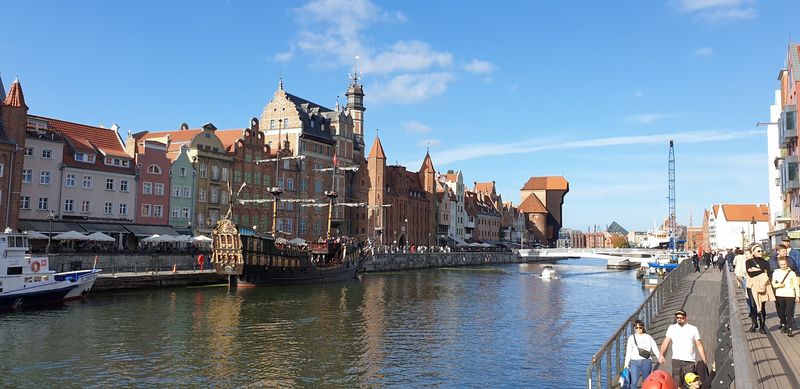
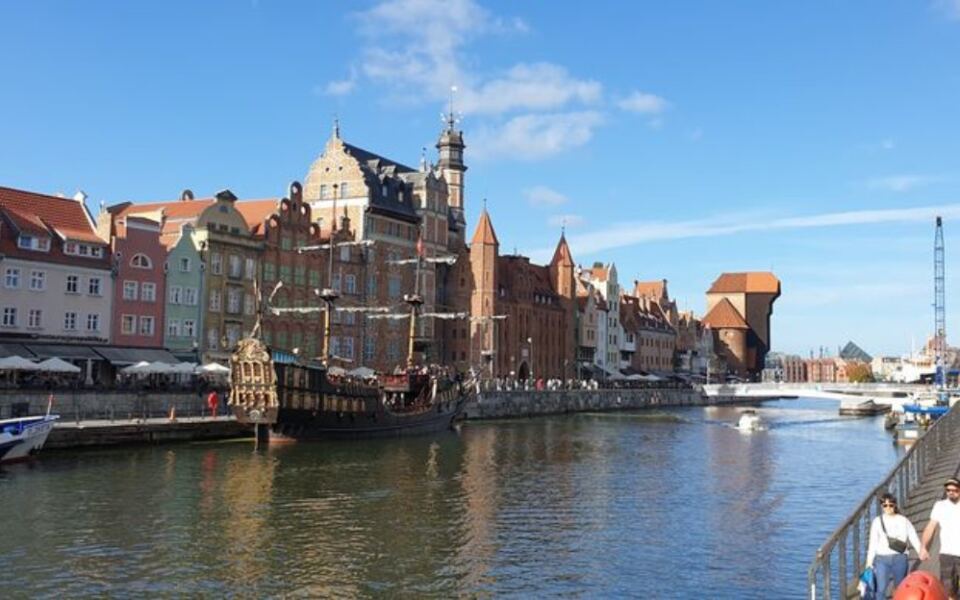
Gdańsk is an interesting case because it combines two things travelers do not always expect in the same city: the visual drama of a historic northern European port and a genuine beach vacation. The reconstructed historic streets and waterfront buildings can make it look like an upscale Baltic getaway, but the sightseeing experience does not need to revolve around paid admissions.
Walking along the Motława River and through the historic center is an attraction entirely on its own terms. Gdańsk’s official tourism site also actively promotes its coastline and outdoor spaces.
Beaches such as Stogi and Brzeźno add an essentially free activity to any visit, with Brzeźno featuring a 140-meter pier stretching out into the Baltic.
For travelers visiting outside the busiest summer weekends, Gdańsk delivers ornate architecture, waterfront scenery, and time by the sea without requiring a luxury-level sightseeing budget. The combination of history and coast makes it one of Poland’s most versatile affordable cities.
Bratislava, Slovakia
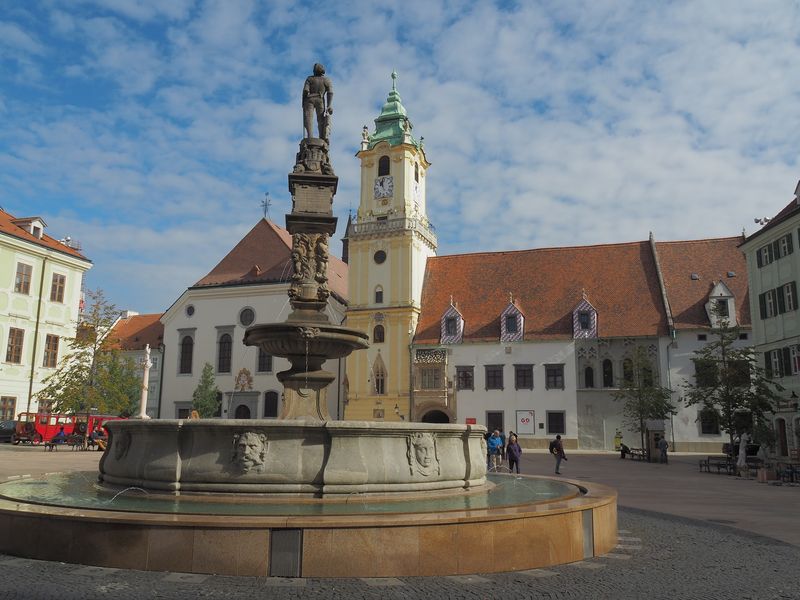
Bratislava has many of the ingredients people associate with expensive Central European city breaks: a hilltop castle, Danube views, baroque streets, historic squares, café culture, and ornate pastel buildings that photograph beautifully. What surprises many visitors is just how manageable the city actually is to explore.
Its small scale works heavily in favor of anyone watching their budget. Bratislava’s official tourism organization recommends exploring much of the Old Town on foot, including Michael’s Gate, the Main Square, the Blue Church, and the historic streets surrounding the center.
The castle grounds are open daily at no charge, while the Historical Museum inside the castle does require admission.
The Danube promenade adds another easy free activity. Because major sights sit close together, visitors spend very little on transportation.
Bratislava works particularly well for travelers who want the atmosphere of Vienna-style Central Europe without filling every day with expensive organized experiences and formal attraction tickets.
Tallinn, Estonia
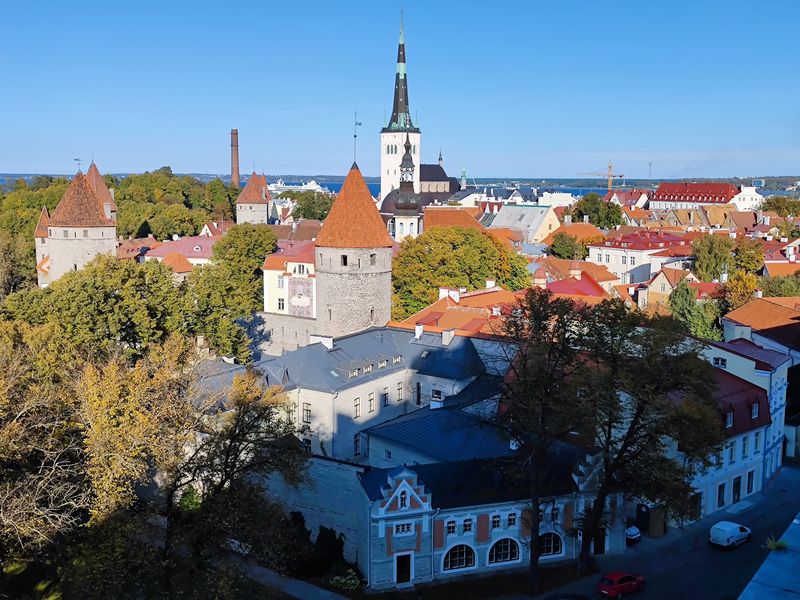
Tallinn’s medieval towers and cobblestone streets look almost too perfectly preserved to belong to a budget-friendly itinerary. The Old Town resembles a film set, complete with merchant houses, church spires, defensive walls, and hilltop viewpoints that look out over the Baltic.
The entire historic center carries UNESCO World Heritage status, and simply walking through it provides much of the city’s appeal.
Beyond the Old Town, neighborhoods such as Kalamaja and seaside areas add more places to explore without constantly purchasing tickets. Tallinn also has a compact public transportation network connecting its districts, making it easy to move between areas without expensive taxis.
For travelers planning to enter multiple attractions, the Tallinn Card remains a practical option. The tourism office notes that it currently includes public transport along with admission to more than 50 museums and attractions.
That makes Tallinn easy to approach either as a mostly free walking destination or as a tightly structured sightseeing city using a single card.
Riga, Latvia
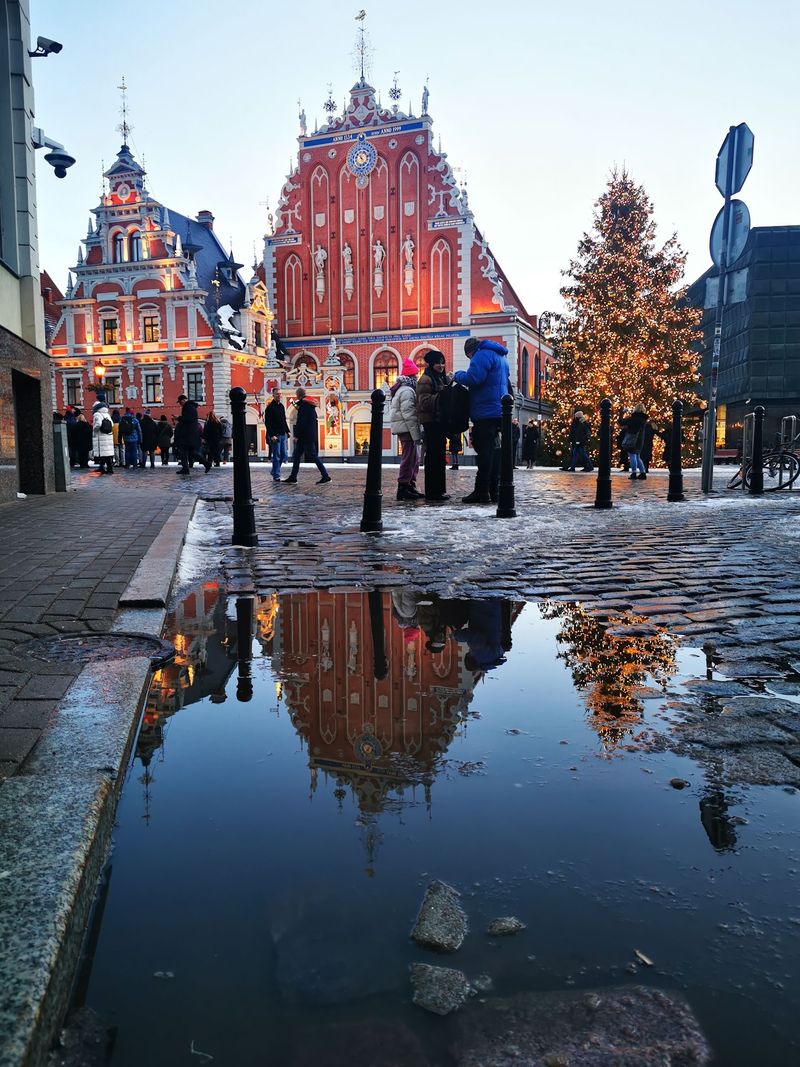
Riga delivers one of Europe’s most unexpected architectural surprises. Medieval streets sit directly beside ornate Art Nouveau facades, elaborate merchant houses, parks, canals, and broad boulevards that can make the Latvian capital appear considerably more expensive than it actually is to visit.
The city holds UNESCO World Heritage status for its historic center.
Architecture is one of Riga’s biggest draws, and looking at it costs nothing. The official tourism organization describes the UNESCO-listed historic area as including the medieval Old Town as well as the grand 19th and early 20th-century boulevards surrounding it.
A ring of parks and canals frames much of the historic district, providing natural walking routes between neighborhoods.
Travelers can move between Old Town squares, the canal, parks, Art Nouveau streets, and the Daugava waterfront without regularly opening their wallets. One practical note: eating and drinking directly on the busiest squares can increase costs quickly, so exploring a few streets beyond the main tourist zone makes a real difference.
Vilnius, Lithuania
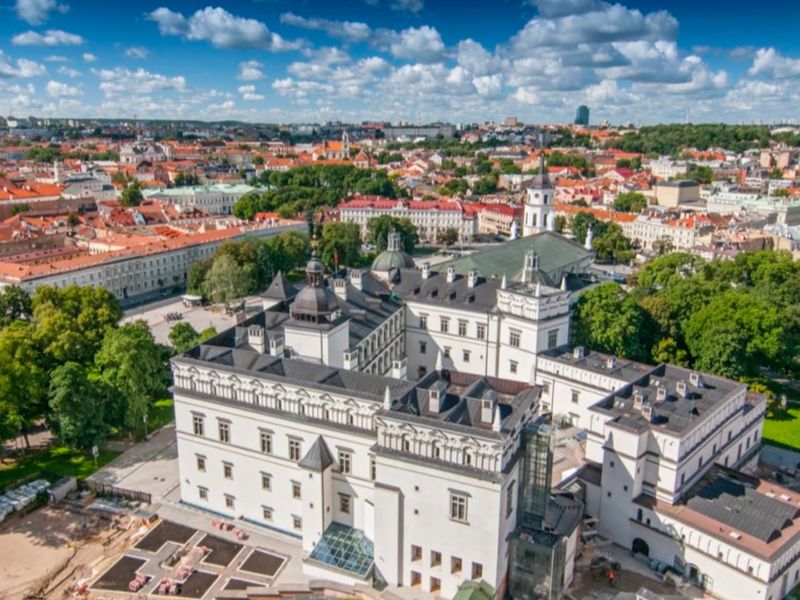
Vilnius may be the strongest argument on this entire list that a European city can look genuinely grand without requiring a grand travel budget. Baroque churches, hillside views, elegant courtyards, and one of Europe’s most atmospheric historic centers give the Lithuanian capital a remarkably polished appearance that regularly catches first-time visitors off guard.
The city’s tourism office has published a dedicated list of 25 free things to do in Vilnius for 2026. Free options include walking through the UNESCO-listed Old Town, climbing Gediminas Hill on foot, exploring the independent Užupis neighborhood, visiting Bernardine Garden, walking along the Neris River, and using several publicly accessible viewpoints.
The city’s current budget guidance also notes that travelers can spend an entire sightseeing day focused primarily on free attractions without feeling like they are missing the best parts. Vilnius works especially well for visitors who care about architecture, neighborhoods, historic churches, parks, and hilltop views over organized ticketed experiences.
Sofia, Bulgaria
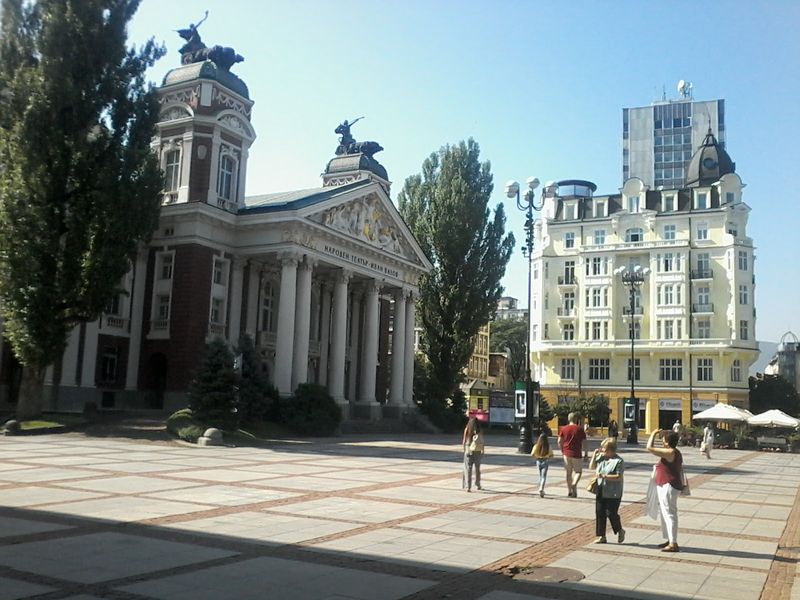
Sofia does not always make the top of European travel lists, but it probably should. Enormous churches, a striking mountain backdrop, grand government buildings, and café-lined pedestrian boulevards give parts of the Bulgarian capital a stately quality that surprises visitors who arrive without high expectations.
A considerable amount of sightseeing can be done simply by moving through the center on foot. St. Alexander Nevsky Cathedral, one of the city’s most iconic landmarks, remains active and is currently listed by Sofia’s official tourism service as open daily with published visiting hours.
From there, visitors can continue toward government buildings, parks, archaeological remains, and pedestrian streets without spending much.
Borisova Garden provides a large green space within the city for anyone who needs a break from the urban sightseeing pace. Sofia is particularly useful for travelers who enjoy mixing history with everyday city life, combining churches, public squares, local bakeries, and neighborhood restaurants into a relaxed and affordable day.
Budapest, Hungary
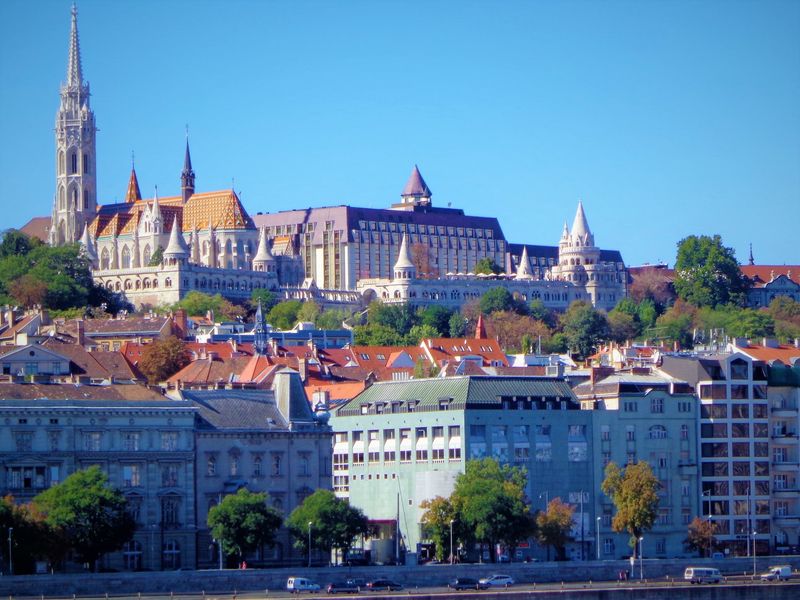
Budapest might be the most convincing luxury illusion on this entire list. Parliament rises beside the Danube, elaborately decorated cafés occupy palatial buildings, historic bridges cross the river, and thermal baths make the city synonymous with a kind of old-world indulgence that sounds expensive before you even start planning.
Plenty of opportunities to spend heavily do exist, but they are entirely optional. Some of Budapest’s most memorable experiences involve walking along the Danube, crossing its historic bridges, exploring the Castle District streets, visiting parks, and seeing the city after dark when the bridges and Parliament glow against the river.
Markets can also replace more expensive restaurant meals when travelers shop thoughtfully. Budapest’s Great Market Hall remains active in 2026, with produce, Hungarian specialties, groceries, and food stalls operating inside its historic 1897 building.
Treating the city’s grand architecture as the main event and selecting just one or two paid experiences, such as a thermal bath or a major museum, keeps Budapest genuinely within reach.
Share this story