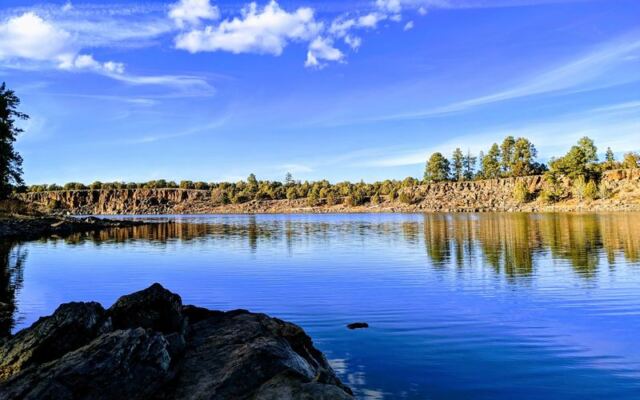
Some places surprise you not for what they hold, but for what quietly slips away. A high-country reservoir in eastern Arizona was built for anglers and paddlers, yet its water can shrink until wide stretches of the lakebed sit exposed under the pines.
That shifting shoreline has become the talk of everyone who camps there, sparking debate about whether the spot still lives up to its promise. What stays constant is the tall pine forest, the spotless campgrounds, and the friendly staff who keep the place humming through every season.
There is a real story here about nature setting the terms and people showing up anyway. Ahead you will find the location, the standout features, the camping details, honest notes on the low water, and the practical tips worth knowing before you pack the car and point it north.
Where the Pines Meet the Shrinking Shore
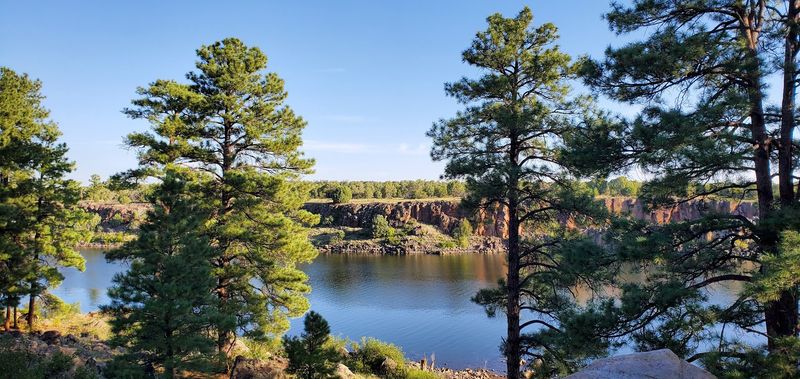
Tucked into the White Mountains of eastern Arizona, this state park sits at 1500 Fools Hollow Rd in Show Low, roughly 6,300 feet above sea level. The cool pine country keeps summer temperatures far more comfortable than the desert floor below.
The centerpiece is a lake designed to cover about 150 acres, ringed by ponderosa pines and rocky slopes. Boating, fishing, kayaking, and paddle boarding are the main draws when water levels cooperate.
Show Low itself has grown into a lively little town, with shops, dining, and a Walmart just minutes from the entrance. A casino near Pinetop sits about twenty minutes away.
Managed as part of the Arizona State Parks system, the recreation area blends easy access with genuine mountain scenery. It holds a strong 4.6-star reputation across more than 1,500 ratings, which says plenty about its steady appeal.
A Lake That Plays by Nature’s Rules
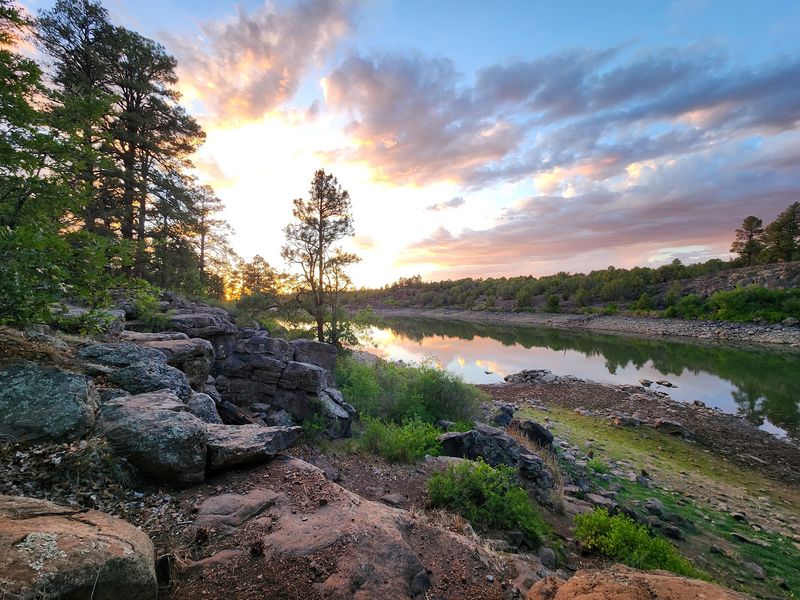
Talk to anyone who has camped here recently and the water level comes up fast. On some visits the lake has shrunk to a fraction of its full size, with exposed dirt where boats once floated.
Regulars are quick to point out that this is Mother Nature at work, not a failing of the park staff. Drought and dry seasons pull the shoreline back, and by late summer the middle can look nearly bare.
Even so, plenty of people still launch kayaks and cast lines when conditions allow. A low lake does not mean an empty park.
The honest takeaway is to check current conditions before booking a waterfront-style site. When full, the lake earns glowing praise, and folks who have seen both versions often dream about returning when the water rises again.
Casting a Line in the High Country
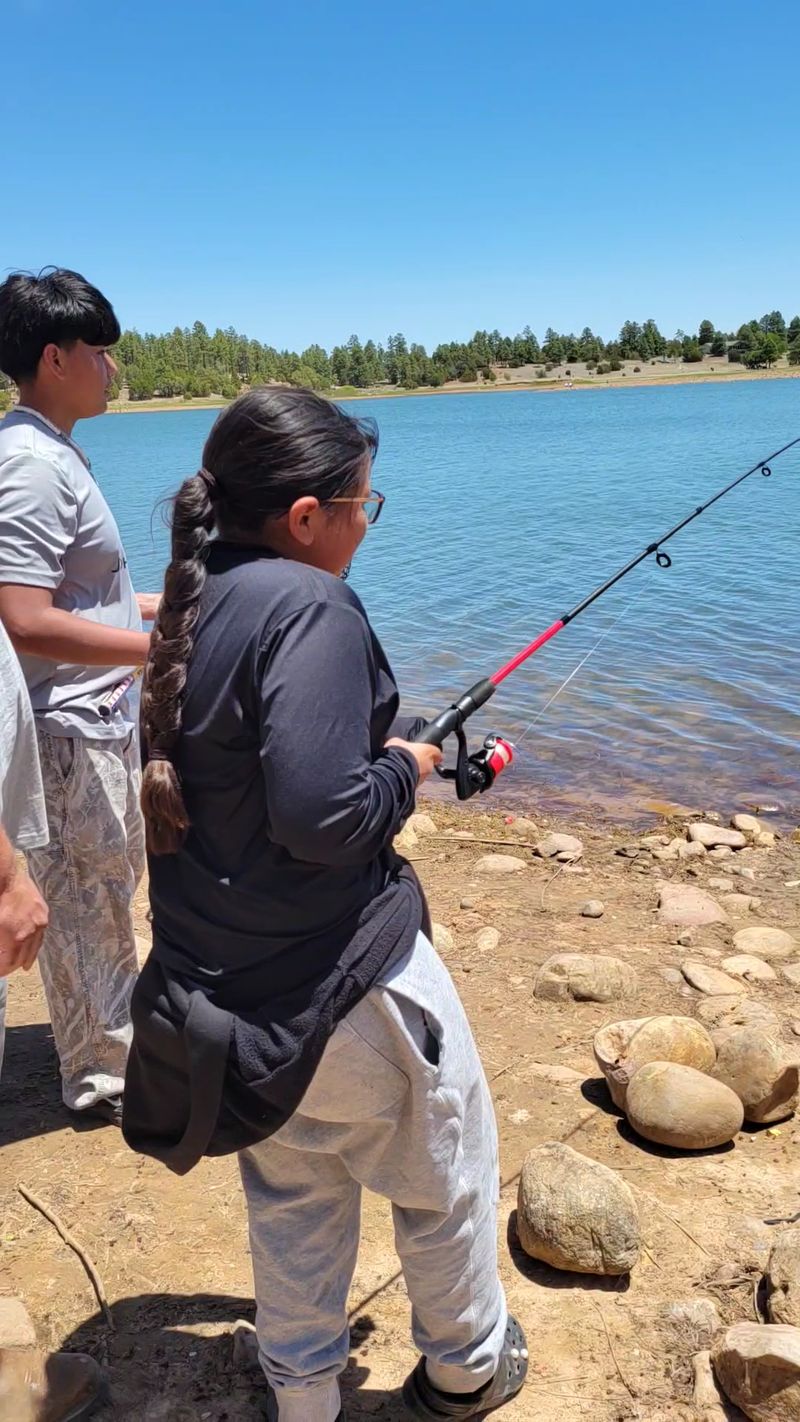
Fishing put this reservoir on the map, and it remains one of the most talked-about activities with well over a hundred mentions. Trout and smallmouth bass are among the species that draw anglers up into the mountains.
Luck varies day to day. Some arrive after a slow tip from the information booth and hook a bass on the first cast from shore, while others come specifically for trout and go home empty-handed.
The shoreline is rocky with little shade at water’s edge, so patience and a good hat help. When the lake sits low, catches can thin out and expectations should follow suit.
Still, many say a quiet day near the water beats a busy day almost anywhere else. Even without a bite, the surroundings turn a slow outing into a satisfying one.
Paddling, Boating, and Small-Motor Fun
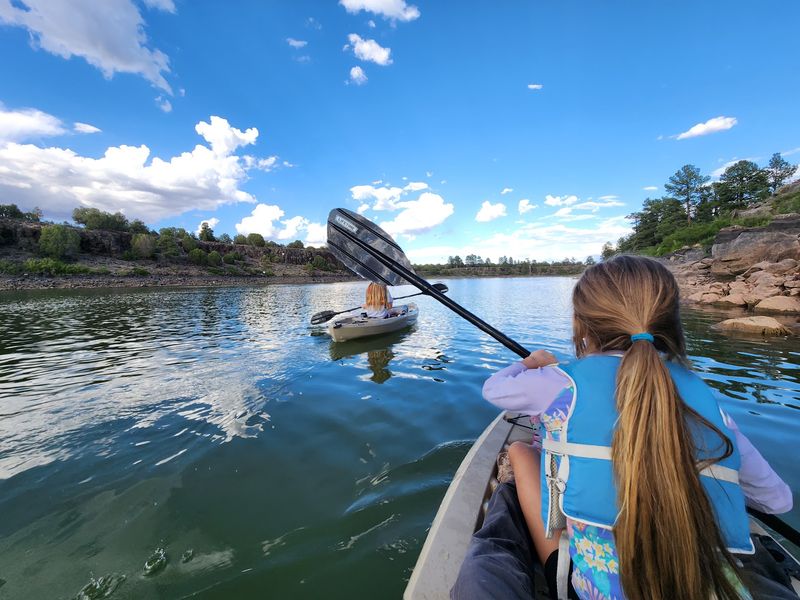
Water sports are woven into the park’s identity, with kayaking, paddle boarding, and boating all popular when the lake fills out. Motors are capped at 10 horsepower, which keeps the water calm and quiet rather than roaring.
That low-power rule makes the lake friendly for beginners and families who want a relaxed float instead of a wake-churning race. Swimming is also allowed, adding another way to cool off in the mountain air.
An on-site rental business handles watercraft, so you can show up without hauling your own gear. Kayak rentals earn frequent mentions from people who appreciate the convenience.
Even during lower water stretches, a few determined paddlers still find enough surface to enjoy. When the reservoir runs full, it becomes one of the more inviting spots in the region for an unhurried day on the water.
Campgrounds That Earn Their Reputation
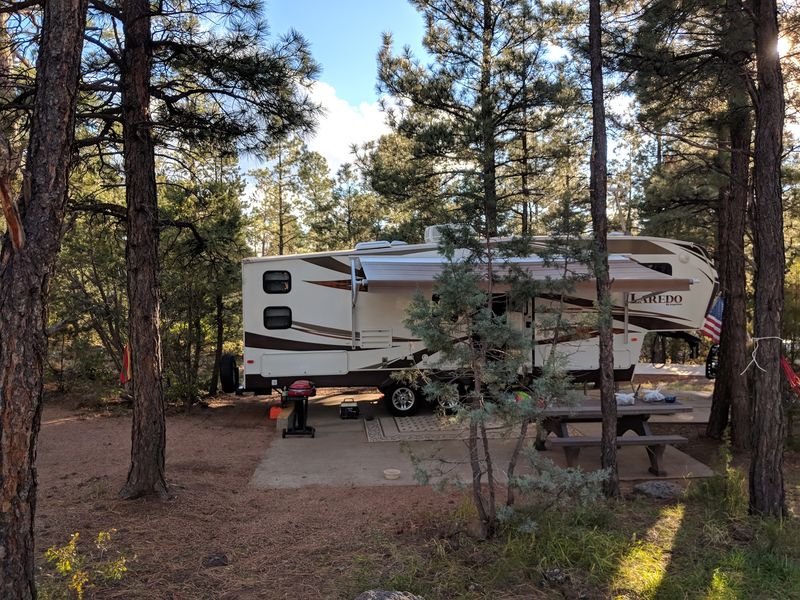
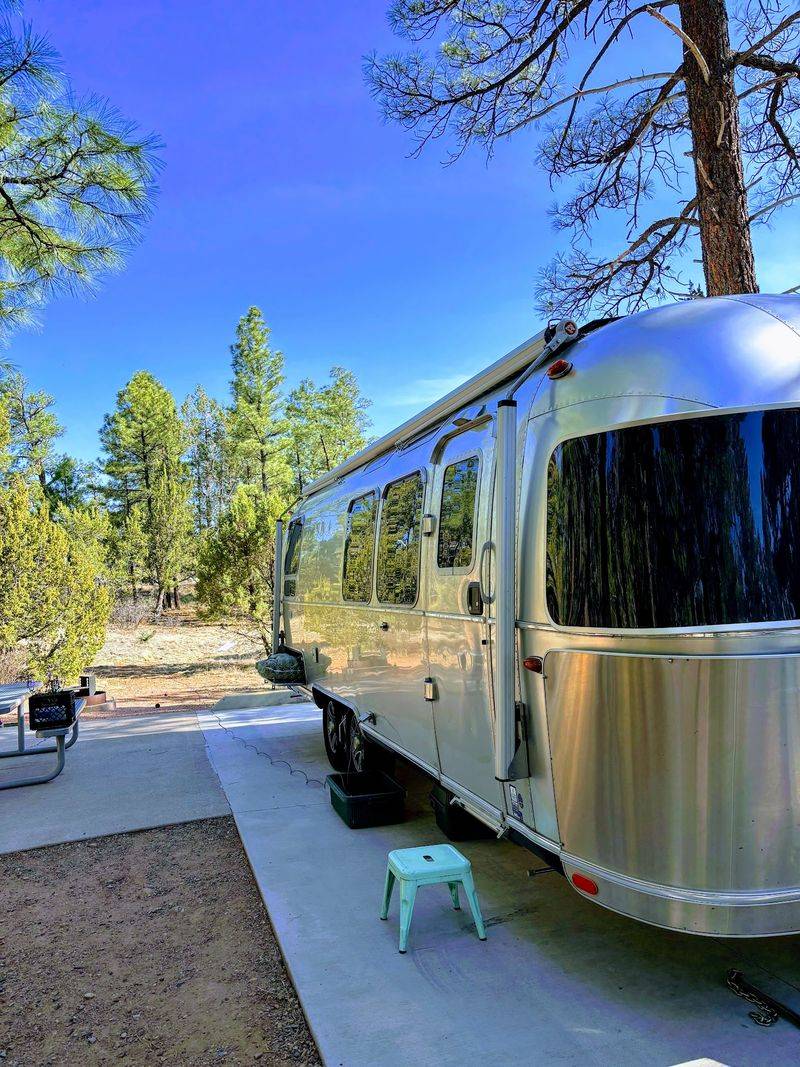
Camping may be the single strongest draw here, racking up more mentions than fishing itself. The grounds are known for paved roads, level concrete sites, and a spotless standard that keeps people coming back.
Loops carry names like Redhead, Mallard, Cinnamon Teal, and Egret, and several sites offer views over the lake. Some spots come with water and sewer, and the park runs on 30-amp service.
Because the elevation stays cool, running a single air conditioner is usually plenty. Sites are spacious and set among tall pines, which adds to the sense of room to breathe.
A note worth knowing: the park adjusted its double-occupancy policy so tighter sites now go single, easing crowding. For many, the tidy pads and quiet nights make this a favorite base camp in the White Mountains.
Rangers and Volunteers Who Set the Tone
Behind the clean sites and smooth check-ins stands a crew that draws steady praise. Camp hosts, rangers, and volunteers are repeatedly described as kind, helpful, and genuinely friendly.
When rigs run into trouble on-site, staff have stepped in to lend a hand, turning a stressful moment into a manageable one. That kind of support builds the loyalty that keeps campers returning year after year.
The information booth also shares honest updates, including straight talk about slow fishing days. Guests seem to value that candor rather than resent it.
Restrooms and showers stay clean and well-stocked, a detail that comes up again and again. Even people who leave frustrated about the water level often single out the ranger as the bright spot of their trip.
Good service, it turns out, can carry a park through a rough season.
Family Time Beyond the Water
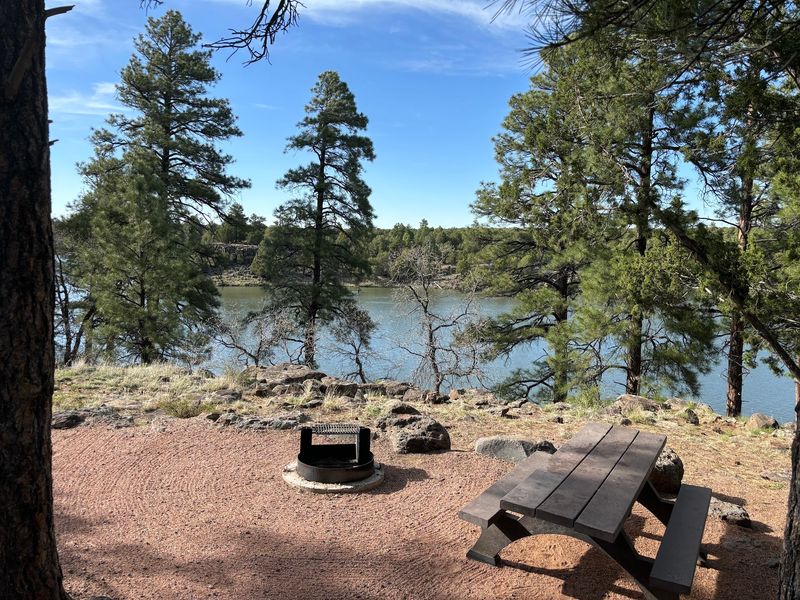
Even when the lake sits low, there is plenty to keep a family busy. The park offers a playground, hiking trails, restrooms, and a good number of shaded picnic areas set above the water.
Dogs are welcome too, making it easy to bring the whole household along. The picnic spots up the slope provide relief from the sun that the rocky shoreline lacks.
Bird watching is a quiet favorite, with the pines and open water attracting plenty of activity for patient eyes. A walk around the lake doubles as an easy outing for kids and grandparents alike.
Couples, families, and solo travelers all seem to find a comfortable corner here. That mix of amenities means a slow fishing morning can still turn into a full, satisfying day outdoors without anyone feeling shortchanged.
Fireworks, Sunsets, and Quiet Nights
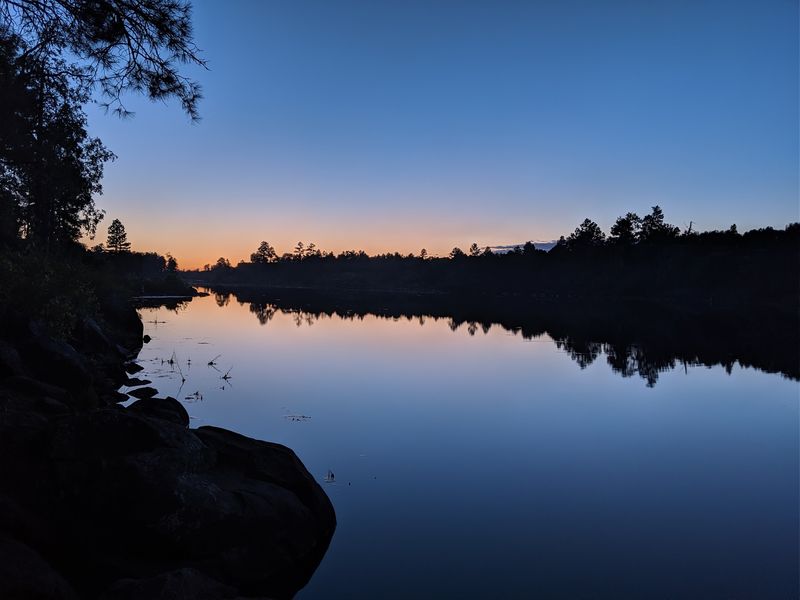
Holidays bring a little extra sparkle to this corner of Show Low. On the Fourth of July, the park has offered a scenic vantage for watching fireworks from a comfortable distance.
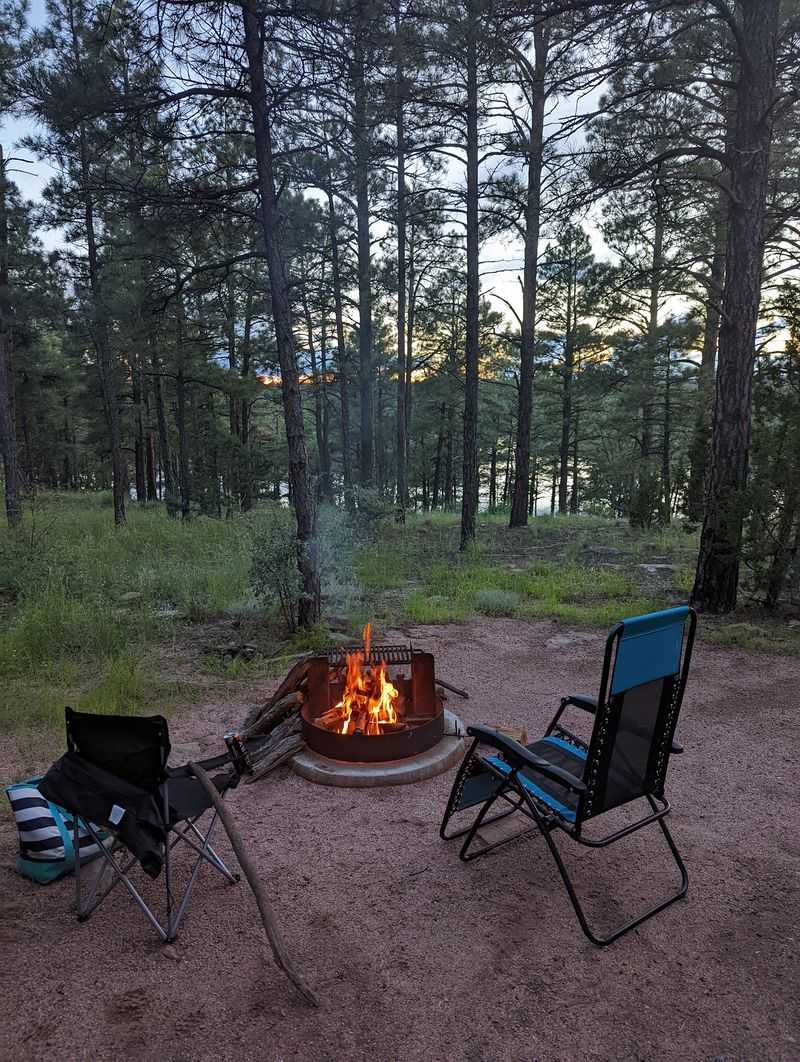
Sunsets rank high among the reasons people fall for the place, especially from lakeside loops like Redhead. Evenings tend to run peaceful, with the campground staying quiet even when it fills up.
There is essentially no cell service and no Wi-Fi, which some see as a drawback and others treat as the whole point. Unplugging comes naturally out here.
Card games and board games back at the RV fill the hours after dark. The blend of open skies, calm surroundings, and low-key nights gives the park a restful rhythm that lingers with people long after they pack up and head home.
Costs, Hours, and Booking Notes
Planning ahead pays off here. The park operates daily from 7 AM to 8:30 PM, giving long stretches of daylight for water time and hikes.
Camping is on the higher end for the region, with one recent single-occupancy site running about $53.60 a night. There is also an entry fee for day use, so budget accordingly.
Reservations can be made online through the Arizona State Parks website, and the check-in process is generally smooth when you book in advance. A few people wish the site listings made details clearer, such as which spots are buddy sites shared with neighbors.
The biggest booking tip is simple: verify the current water level before choosing a lakefront-style site, since photos may show the lake fuller than it is on your visit. A quick call to the park can save disappointment.
Worth the Trip, Water or Not
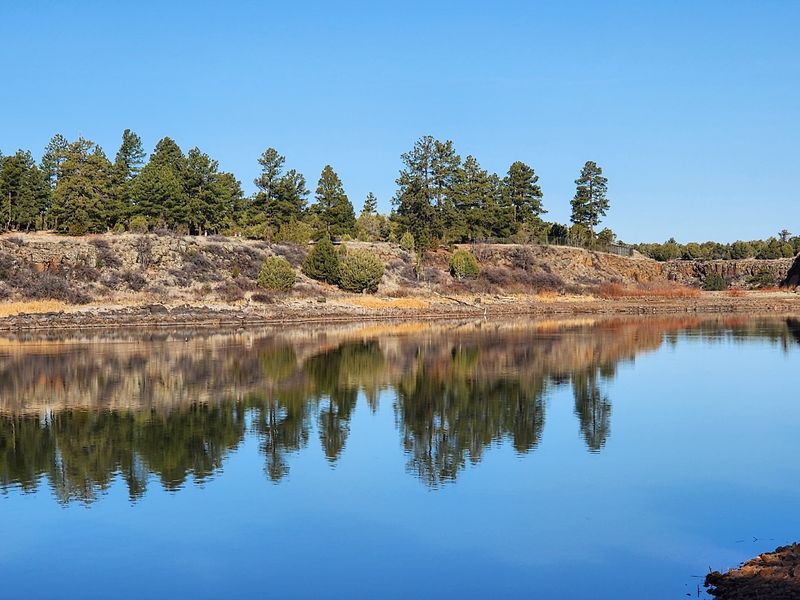
So where does that leave a place built for boating that sometimes barely holds a boat? Surprisingly upbeat, judging by its strong overall standing and the loyalty it inspires.
The low water is real, and it can disappoint anyone arriving with a full lake in mind. A few leave frustrated by exposed lakebed and muddy edges where a shoreline should be.
Yet far more people focus on the pines, the immaculate campsites, the helpful crew, and the calm that settles over the grounds at night. Even after a fishless day, many say they would return without hesitation.
The smart move is to travel with flexible expectations and a plan for hiking, picnicking, and stargazing. Time your visit for a fuller lake and you may find a mountain retreat that lives fully up to its billing.
Share this story