Some everyday items once sat in nearly every home, car, and office. Boomers grew up with them and still hold them dear, while many Millennials barely give them a second glance.
Phones, apps, and streaming changed how people drive, shop, listen, and keep in touch. Still, a surprising number of these old favorites have loyal fans and clever new uses.
This list looks at twenty of them, from paper maps to bar carts, and explains why each one means so much to one group and so little to another. You might spot a few things you still own, a few you miss, and maybe one or two worth bringing back.
Paper Maps

Few things test a friendship like refolding a road map. Before GPS, these oversized sheets rode in glove boxes everywhere, and Boomers learned to trace highways with a finger and hope no turn got missed.
Millennials grew up with phones that give live traffic, alternate routes, and spoken directions. Pulling over to read tiny printed road names can feel like a lot of work when an app does it in seconds.
Still, paper maps have not vanished. They stay useful in remote areas where cell reception drops out, and they never run low on battery.
A map also shows the whole region at once, which helps when planning a route across several towns.
The real challenge remains the folding. Getting that sheet back into its original shape is a skill many people never mastered, and it may be the main reason the phone won.
Cable TV
Evenings used to revolve around a broadcast schedule. For many Boomers, cable television meant dozens of channels, favorite programs at set times, and the occasional movie marathon on a weekend.
Millennials helped popularize a different habit: watch whatever you want, whenever you want. Services like Netflix and Hulu made scheduled viewing less necessary, and traditional cable bundles often looked pricey and rigid by comparison.
Cable has not gone away. It remains widely used, especially for live sports, news, and familiar shows that people enjoy having ready at the push of a button.
The gap comes down to a simple habit. One generation got used to checking what is on, while the other expects television to play exactly what it picks.
Paying for channels you rarely open has lost its charm for many households.
Greeting Cards
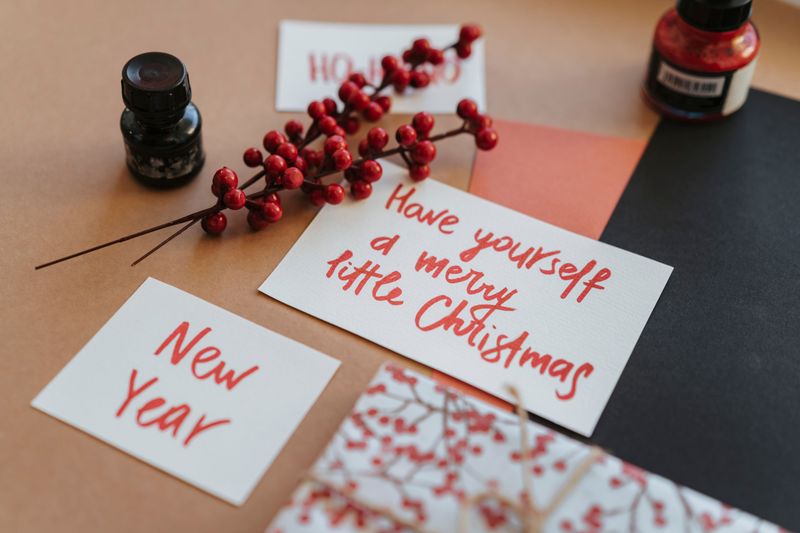
Birthdays, anniversaries, and holidays once came with a stack of envelopes. Boomers often kept a small collection of cards on hand, ready to sign and mail when a special date got close.
Millennials are more used to digital messages, shared photos, and greetings posted on social media. A birthday wish can arrive instantly, with no stamp to buy and no mailing deadline to remember.
Even so, a physical card offers something a text cannot: a keepsake. Many people enjoy finding a handwritten note in the mailbox, and some save them for years in a drawer or box.
Greeting cards are still sold everywhere, and people of every age keep sending them. The idea that every celebration demands an envelope and a stamp is simply less common than it used to be.
Checkbooks
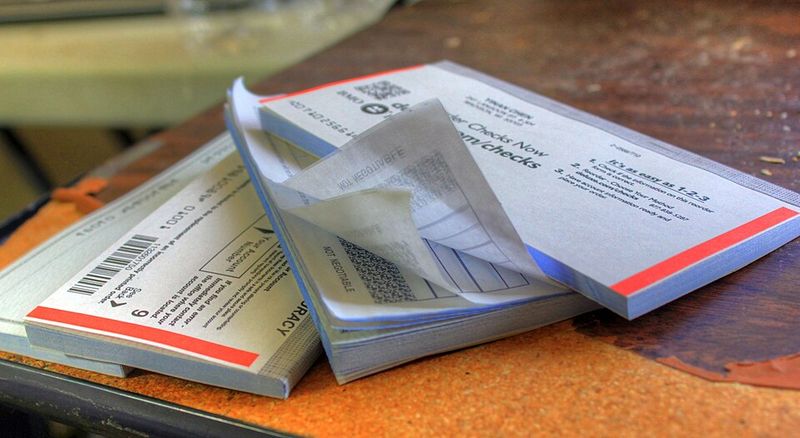
Carrying a checkbook once signaled responsible adulthood. Boomers wrote checks for groceries, bills, and everyday purchases, then carefully logged each one in a check register.
Today, Millennials handle most payments through banking apps, debit cards, and electronic transfers. Writing out a check by hand can feel like a very long way to pay for something simple.
The shift shows up in the numbers. The Federal Reserve Bank of Atlanta reported that checks made up just 2.5% of U.S. consumer payments in 2024.
Checks have not disappeared. Some landlords, contractors, organizations, and individuals still accept or ask for them.
For many Americans, though, the checkbook has become an occasional need rather than an everyday essential.
Landline Phones
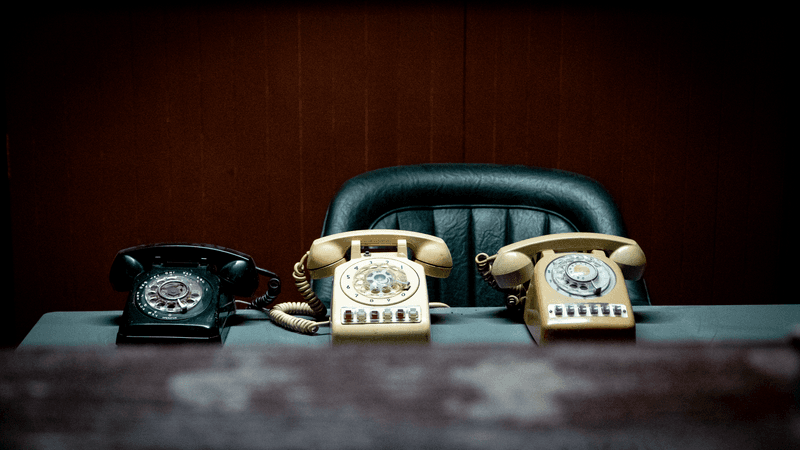
One phone number, one ringing handset, and one conversation everyone in the house could overhear. That was the landline era, and Boomers remember it as the center of family communication.
Long-distance calls sometimes needed careful timing, and missed calls meant rushing home to see if anyone had tried to reach you. Waiting beside the telephone for a ring was a normal part of life.
Millennials grew up during the move to mobile phones and expect communication to travel with them. A smartphone covers calling, messaging, photos, and internet access in a single device.
Landlines still serve a purpose in offices and in homes that want a reliable fixed connection, and some people simply prefer the simplicity. For most younger adults, though, the thought of sitting by a phone feels delightfully old-fashioned.
Encyclopedias
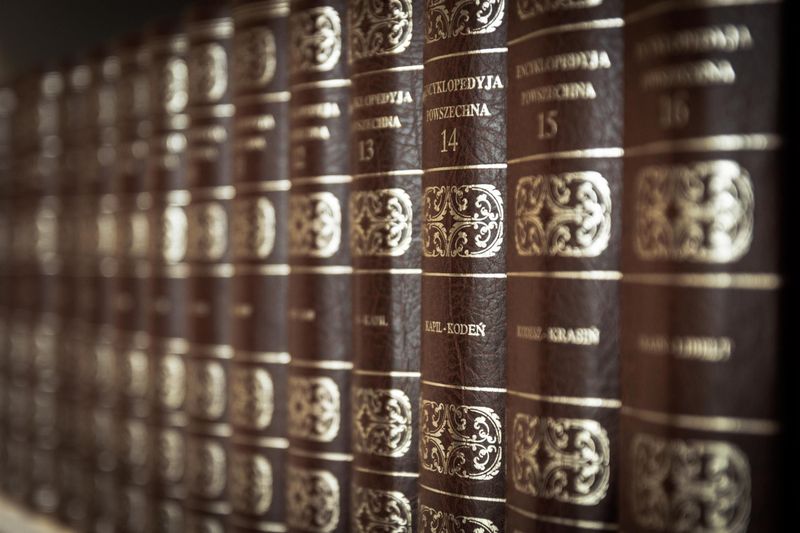
A full encyclopedia set was a statement piece and a serious household investment. Boomers may recall heavy volumes lined up on a shelf, ready to settle questions about history, geography, and science.
Millennials can look up nearly anything on a phone or computer. Online references are searchable and take up no space in the living room.
Printed sets also had a built-in problem. Facts could go out of date long before the books wore out, while digital sources can be revised far more often.
Still, old encyclopedias are fun reminders of how research used to work. Opening a volume to look up one topic and landing on a surprising entry nearby created a kind of discovery that search engines do not always match.
Physical Newspapers
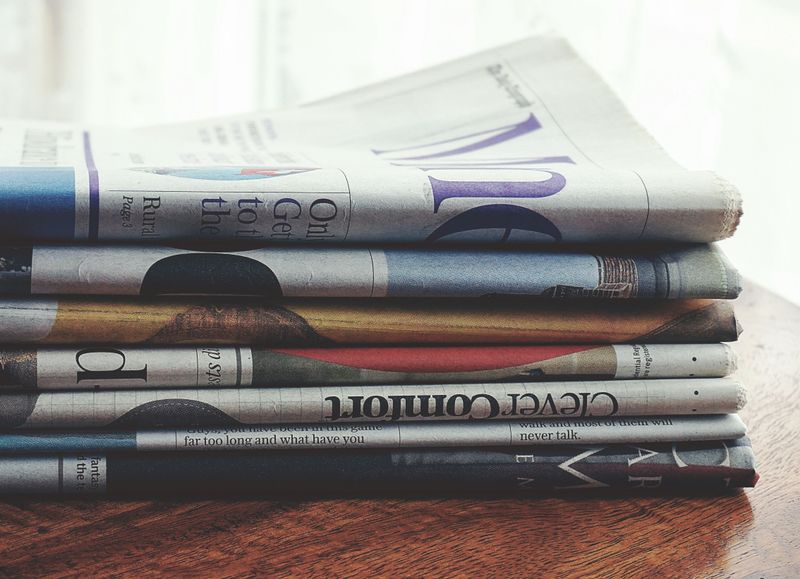
Only 7% of U.S. adults often got news from printed newspapers or magazines in 2025, according to Pew Research Center. That number shows how far the morning paper has fallen from its old spot at the breakfast table.
For many Boomers, reading headlines, checking the weather, and scanning local announcements with a cup of coffee was a daily habit. It tied them to their town and the wider world.
Millennials are more used to news through websites, apps, and social media. Digital reports update right away, so there is no waiting for the next printed edition.
Print papers are still available in many communities, though the industry has changed a great deal. For readers who like the feel of turning a page, nothing quite replaces it.
Photo Albums
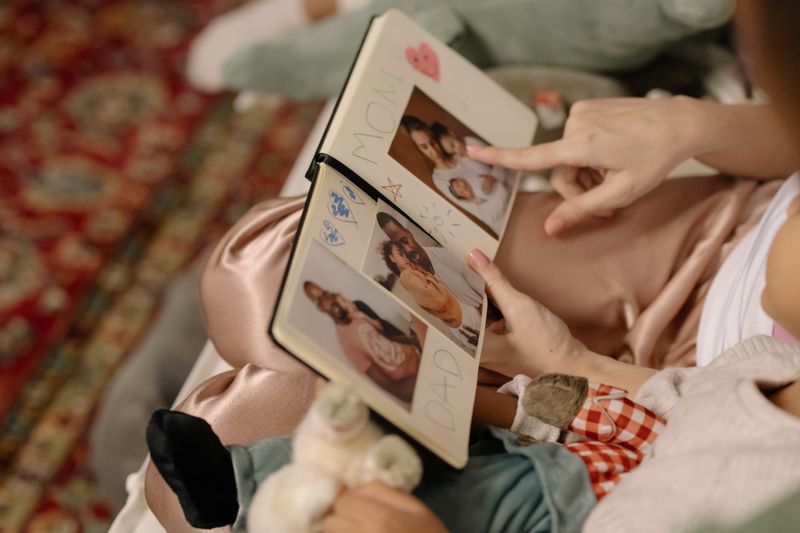
Before phones held every picture, Boomers arranged printed photos in albums. Vacations, birthdays, weddings, and ordinary afternoons became collections that sat on bookshelves for decades.
Millennials have a different habit. Smartphones let them capture hundreds of images and store them digitally, often without printing a single one.
Cloud storage and sharing apps make photos easy to sort, find, and send across long distances. The downside is that digital libraries can swell to thousands of images that rarely get a second look.
Traditional albums offer something a little different. Sitting beside relatives and turning pages together creates a shared moment that scrolling does not always match.
Old-fashioned memory keeping may deserve another look.
Address Books
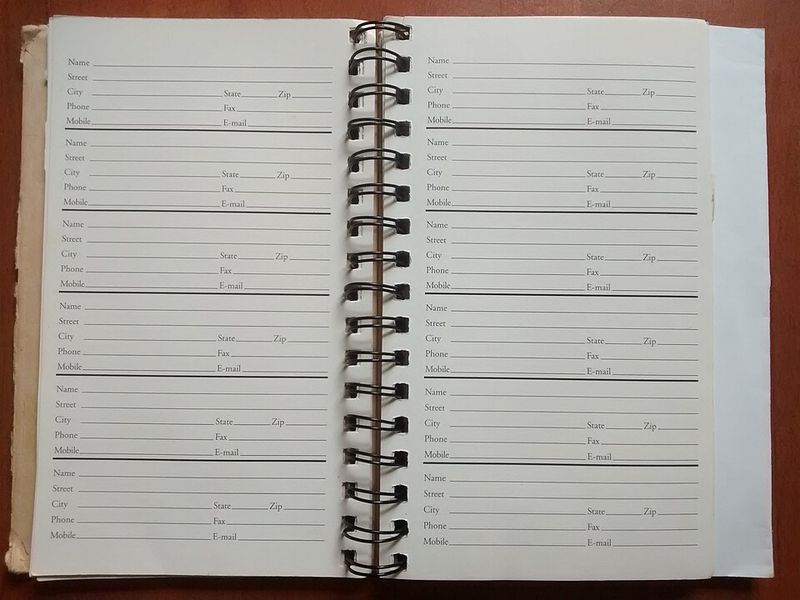
Crossed-out entries and tiny handwriting told the story of every friend who ever moved. Boomers kept address books by the telephone and updated them whenever a number or street changed.
Millennials usually rely on smartphone contact lists. These store plenty of details, sync across devices, and find a number in seconds instead of flipping through lettered tabs.
Digital contacts also let people call, text, or email from the same screen, which saves steps.
Paper books still have a clear advantage. They do not need software, batteries, or an online account, so the information stays put.
For anyone who likes having important details written down, they are far from useless.
Fax Machines
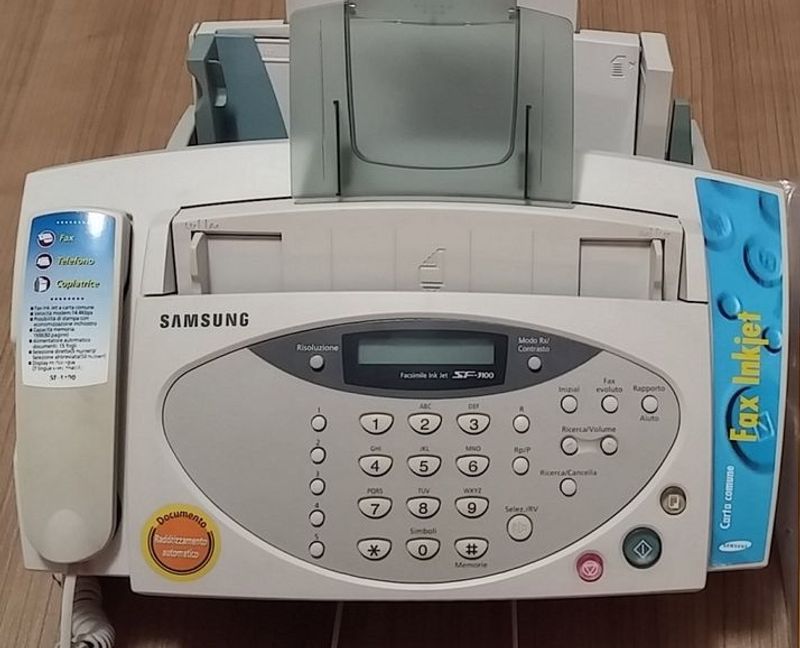
Once upon a time, sending a page across the country in minutes felt like magic. Fax machines symbolized modern communication, and offices and some homes used them to send documents over phone lines.
Millennials grew up with email attachments, cloud storage, and electronic signatures. To them, faxing can seem like a strangely complicated way to send paperwork.
The technology has not fully disappeared, though. Some healthcare providers, legal offices, and government organizations still use fax services, including internet-based versions.
What really separates the generations is perception. A tool that once stood for speed now looks slow next to a file that arrives in a few seconds.
Cookbooks
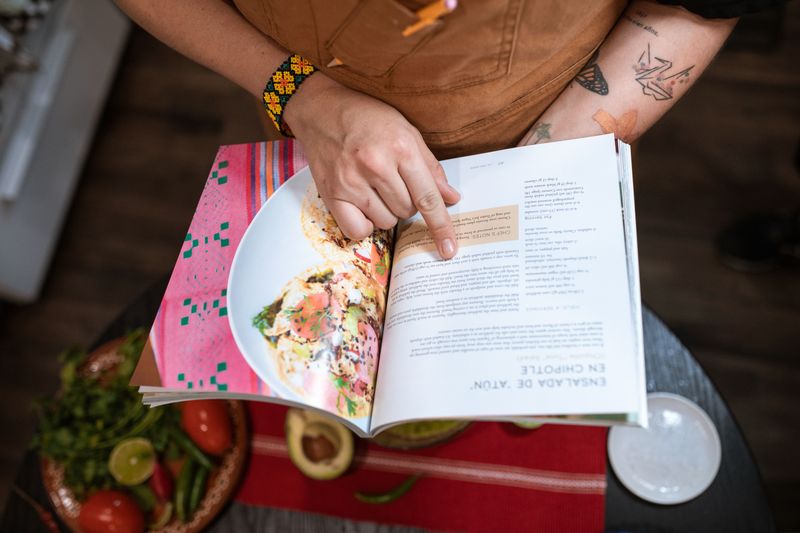
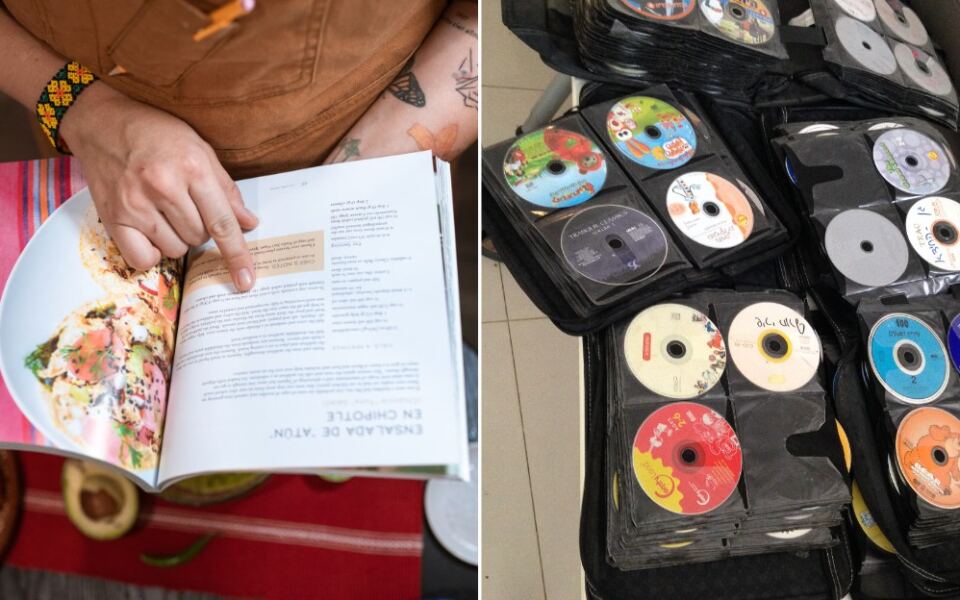
Flour-dusted pages and scribbled margin notes can say more than any recipe app. For generations, printed cookbooks were trusted kitchen helpers, and family favorites passed between relatives in handwritten collections.
Millennials can find countless recipes online, many with videos, ratings, and ingredient swaps. Dinner ideas are a quick search away.
Digital recipes are handy, especially when adjusting meals for diet needs or what is already in the fridge. Even so, printed cookbooks have devoted fans of all ages.
A well-loved book carries memories that online instructions cannot copy. Maybe the real difference is not books versus screens, but how people discover and keep the meals they love.
Classified Ads
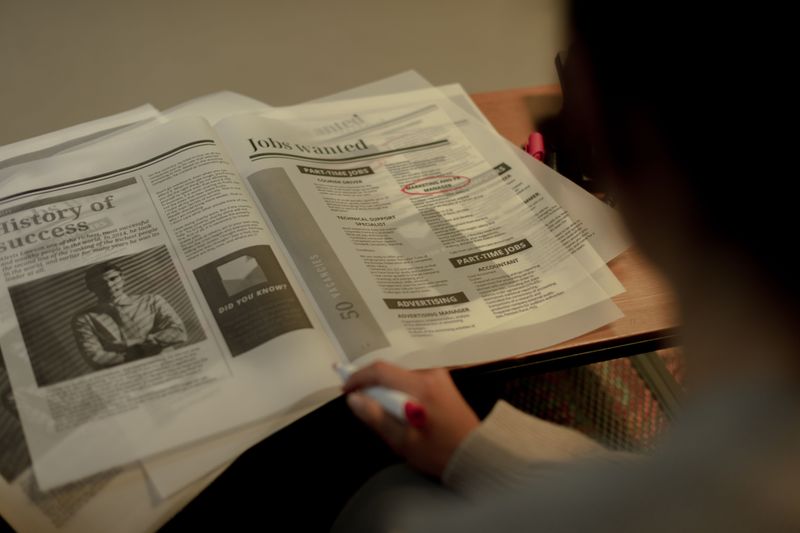
Hunting for a used couch once meant a red pen and a lot of tiny print. Newspaper classifieds were a main way to find apartments, sell furniture, advertise services, and search for jobs.
Boomers remember circling promising listings and calling strangers to ask if the item was still available. It took patience and a bit of nerve.
Today, Millennials browse photos, compare prices, and message sellers on digital marketplaces. Platforms like Facebook Marketplace make local buying and selling far easier.
Printed classifieds still run in some papers, but their old dominance has faded. Shoppers no longer wait for tomorrow’s edition, since notifications can announce new listings the moment they appear.
Vinyl Records
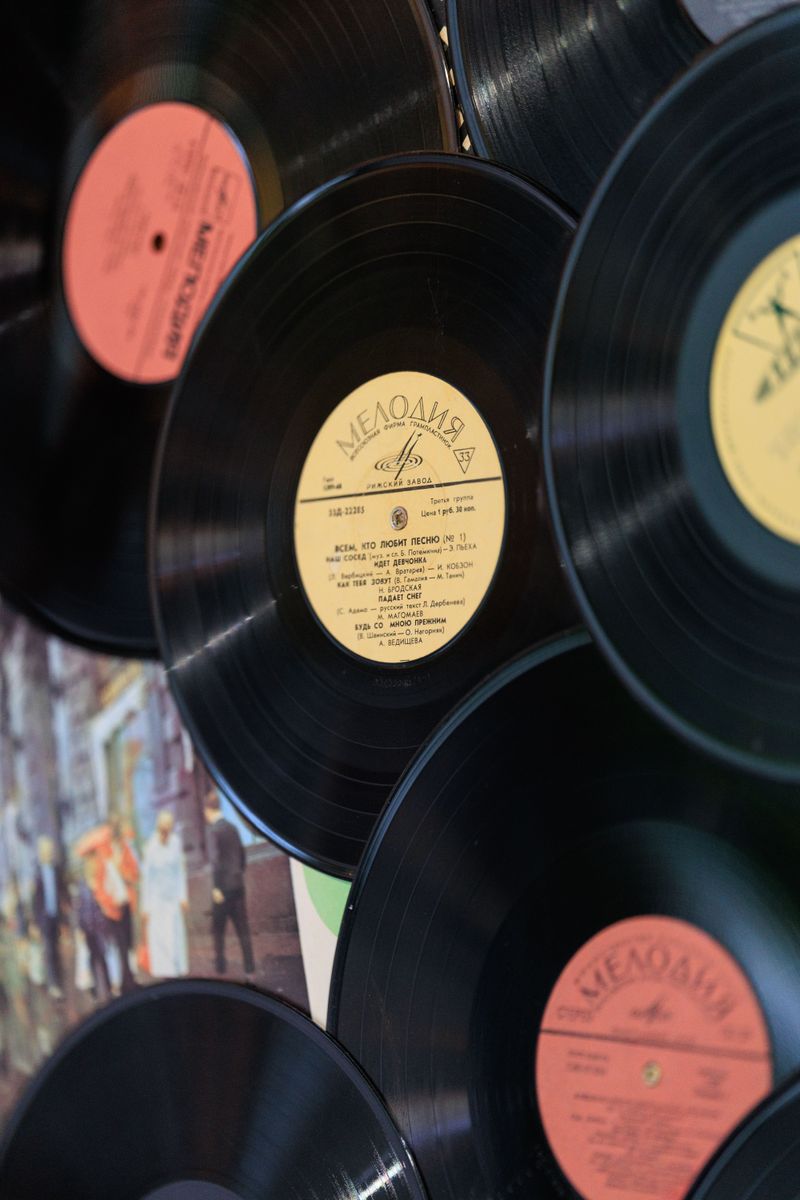
Here is a twist: vinyl is the one item on this list that younger people have helped bring back. The Recording Industry Association of America reported U.S. vinyl revenue of about $1 billion in 2025, continuing a long run of growth.
For many Boomers, records were the soundtrack of their youth. Lowering a needle, studying big album covers, and listening to a full side made music feel like an event.
Streaming opened enormous catalogs on phones and connected devices. Millennials can find artists and build playlists without buying a single album.
Even so, vinyl now draws listeners across generations. It shows that some old-school habits can thrive right next to new technology.
Knick-Knacks
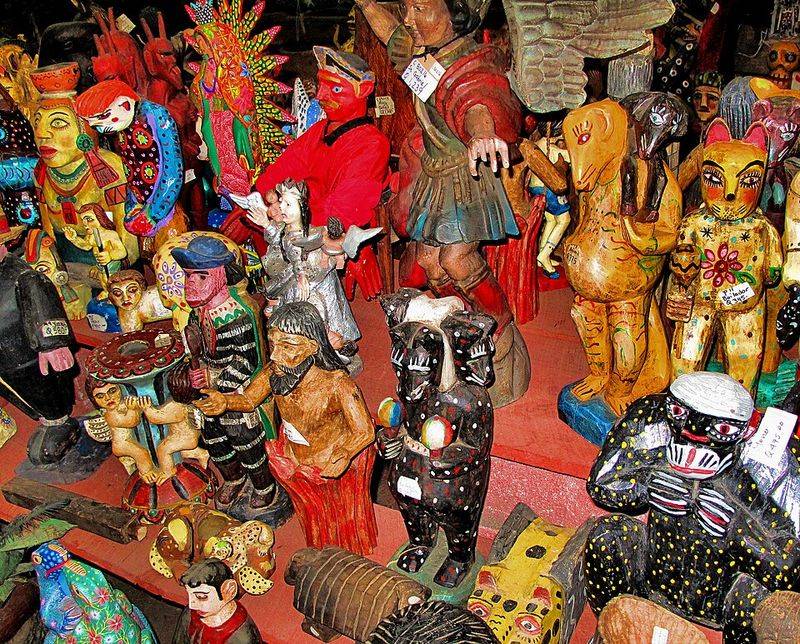
Porcelain animals, tiny souvenirs, and collectible ornaments once crowded shelves in family homes. For Boomers, each little piece could stand for a trip, a gift, or a milestone.
Some Millennials lean toward simpler rooms with fewer decorations and more open space. Shelves full of delicate objects can seem like extra work, since every item needs regular dusting.
Collecting sentimental things is not limited to one generation, though. Younger adults also display memorabilia and collectibles that reflect their personalities.
It often comes down to decorating taste rather than age. One person’s treasured collection is another person’s clutter, and both views can sit comfortably in the same family.
Compact Discs (CDs)
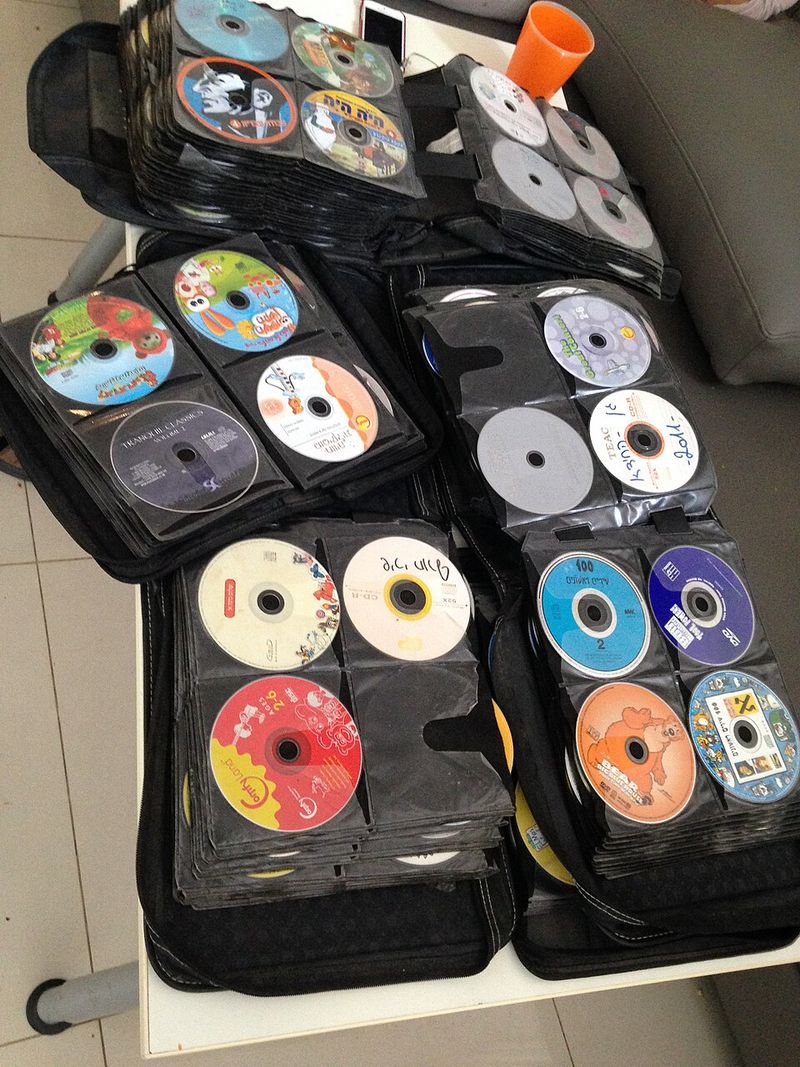
In the 1980s and 1990s, the compact disc changed home music. Boomers who had used records or cassette tapes could now play digital recordings on a durable, portable format.
CD towers, portable players, and neatly sorted albums became familiar sights in living rooms and cars.
Today, Millennials can reach huge music libraries through streaming without any shelves or a separate player.
CDs are still sold and attract collectors who like owning a physical copy. Some listeners also enjoy music that does not depend on a monthly subscription.
Streaming is wonderfully convenient, yet a CD collection works as a personal library that can play without an internet connection, as long as the player still works.
Doilies
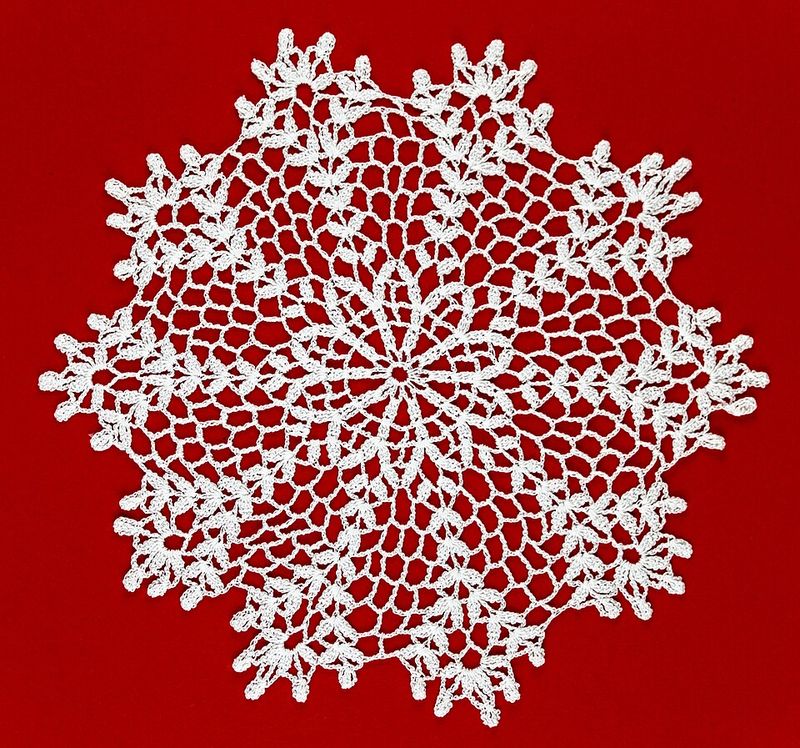
Few household items took as much patience to make as a crocheted doily. They once covered coffee tables, dressers, and dining furniture, adding charm while helping protect the wood.
Millennials with modern decorating tastes may find doilies too formal or hard to fit into clean, simple rooms.
Yet handmade pieces show real craftsmanship. Traditional crochet takes time and skill, and surviving doilies are often treasured family heirlooms.
Vintage-inspired decorating has also kept lace and handmade textiles in style for people who enjoy a nostalgic look.
Doilies no longer hold the central place they once did, but their detailed patterns and sentimental value make them more than outdated decor.
Manual Typewriters
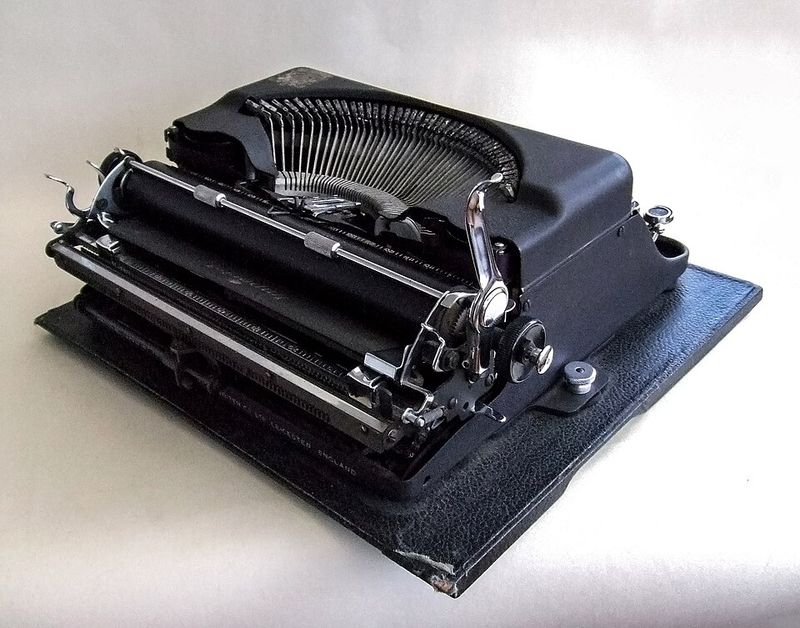
Clack, clack, ding, and slide the carriage back. Long before home computers, manual typewriters handled letters, school papers, and professional writing.
Boomers remember the click of the keys and the return of the carriage, along with the frustration of fixing mistakes without a delete button.
Millennials are used to word processors with instant editing, spell-checking, formatting, and digital storage.
Vintage typewriters still attract certain writers, collectors, and enthusiasts who like their mechanical simplicity. Typing with no internet distractions is part of the appeal for some.
For anyone used to rewriting paragraphs in seconds, though, a typewriter can feel unforgiving.
Travel Guides
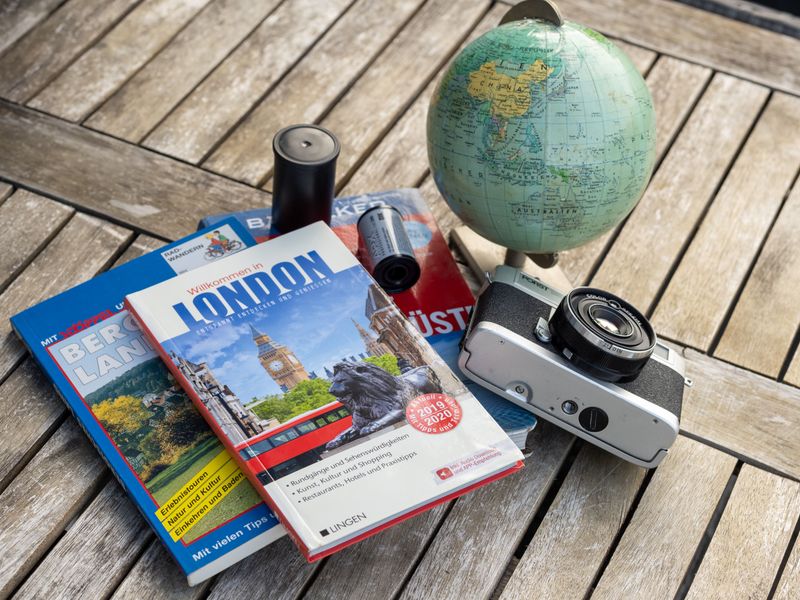
Planning a trip once meant a thick book and a pile of sticky notes. Printed travel guides helped Boomers research hotels, attractions, restaurants, and transportation before leaving home.
Books from established travel publishers offered practical advice and helped travelers shape plans for unfamiliar places.
Millennials now use navigation apps, booking platforms, online reviews, and destination websites. The biggest perk is flexibility, since travelers can check fresh information, change reservations, and look for alternatives while already on the road.
Printed guides are still available, and some travelers like their curated picks and offline use.
For others, hauling a thick guidebook seems unnecessary when a phone can hold details about an entire destination.
Film Cameras
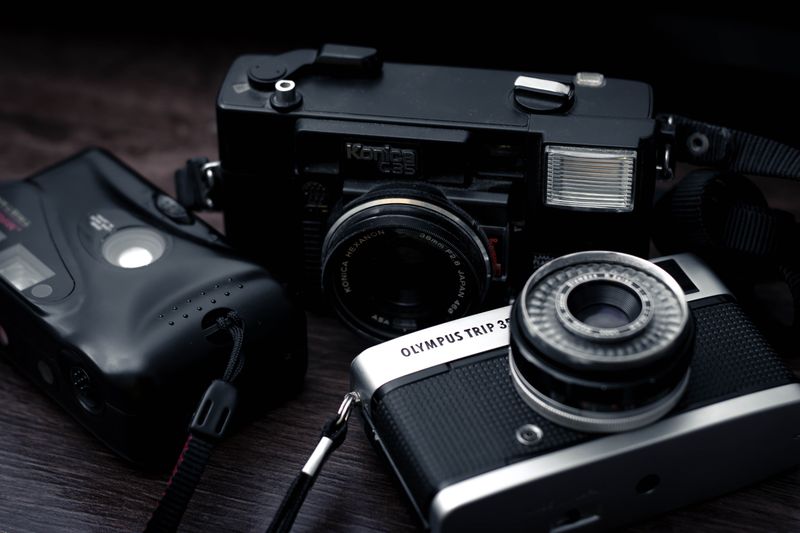
Taking a picture once meant waiting days to see how it turned out. Film cameras held a limited number of exposures, and photographers usually could not check results until the film was developed.
That wait added anticipation. A blur, a missed shot, or a dark frame might not show up until the prints came back.
Millennials grew up with digital photography, where images can be reviewed, edited, and shared almost instantly.
Ironically, film has found fresh interest among younger photographers who like its distinct look and slower pace. Film cameras and developing services are still around, though costs and access vary.
For some, the surprise is the fun. Others are glad to leave the suspense behind.
Bar Carts
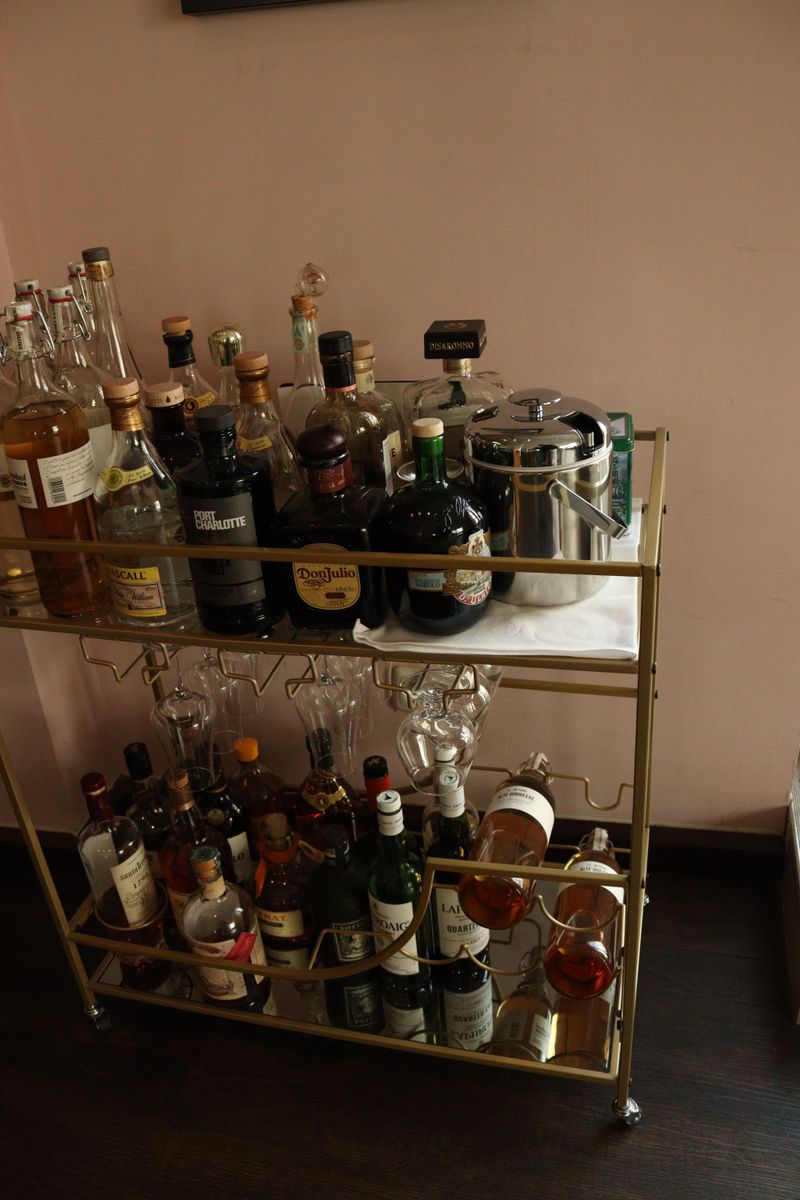
A rolling cart with crystal glasses used to say a host knew how to entertain. Boomers may link these pieces with cocktail parties, formal hospitality, and carefully arranged displays.
Millennials have a wide range of entertaining styles, from casual get-togethers to elaborate home setups. Some prefer clear kitchens and furniture that does double duty over a separate drinks station.
Still, bar carts are far from extinct. They remain popular decor and can hold coffee supplies, houseplants, or serving essentials.
Like many things on this list, the cart shows how an item tied to one generation can find a new job in a modern home.
The real question is not whether it is outdated, but whether it suits someone’s lifestyle.
Share this story