The year 1975 was one of the most musically diverse in modern history. Rock bands were filling arenas while disco was steadily claiming the dance floor, and soul music remained a dominant force on radio playlists across the country.
Singer-songwriters were releasing some of their most personal work, and the charts reflected a fascinating collision of styles that rarely happens within a single calendar year. Whether you were spinning vinyl at home or catching songs through a car radio, 1975 offered something remarkable at nearly every turn.
This collection revisits 17 songs that defined that year, capturing the cultural energy, chart battles, studio ambitions, and genre shifts that made 1975 one of the most memorable years in popular music history.
1. Bohemian Rhapsody by Queen
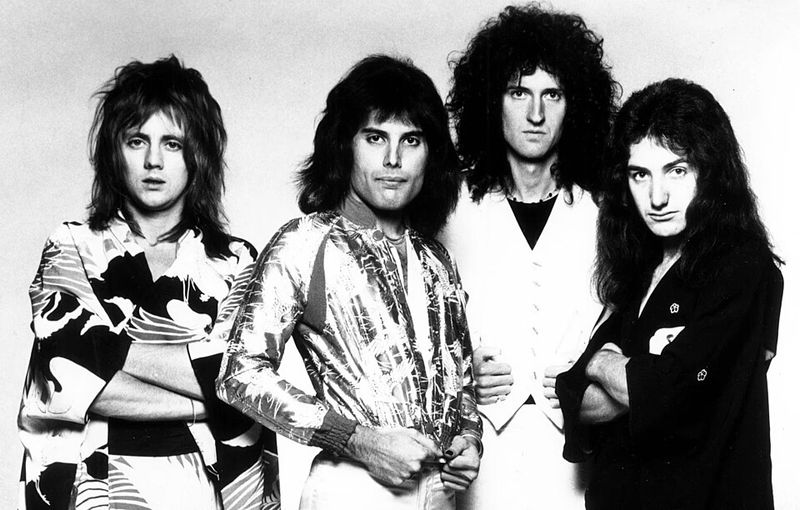
Queen released a nearly six-minute single in 1975 that radio programmers were warned would never work. Bohemian Rhapsody, the lead single from A Night at the Opera, moved through a piano ballad, an operatic passage, and a hard rock section without following any conventional pop structure.
Freddie Mercury wrote the entire piece, and the band used over 180 vocal overdubs during recording sessions spread across five studios. The tape eventually became nearly transparent from repeated use.
It topped the UK Singles Chart for nine weeks and reached the Christmas No. 1 spot. Decades later, those opening harmonies still signal that something genuinely unusual is about to unfold.
2. Born to Run by Bruce Springsteen
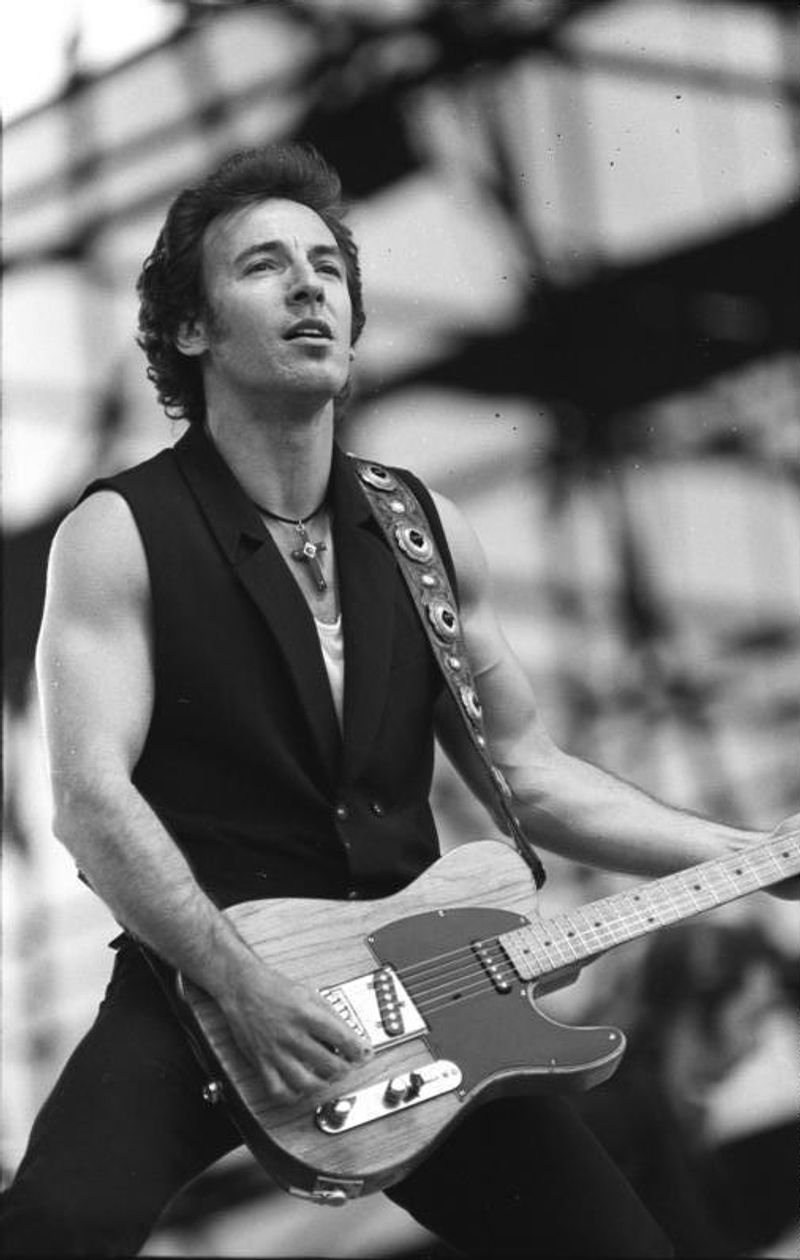
Two albums in and still searching for a breakthrough, Bruce Springsteen built Born to Run with a deliberate density that set it apart from anything else on rock radio in 1975. Inspired partly by Phil Spector’s production style, the track layers guitars, piano, drums, and Clarence Clemons’ saxophone into a wall of sound.
Springsteen reportedly spent months perfecting the recording, treating it less like a single and more like a declaration. The lyrics stack images of cars, highways, and restless young people chasing something just beyond reach.
The song reached the Top 30 on the Billboard Hot 100 and permanently repositioned Springsteen as one of rock’s most important voices.
3. Landslide by Fleetwood Mac
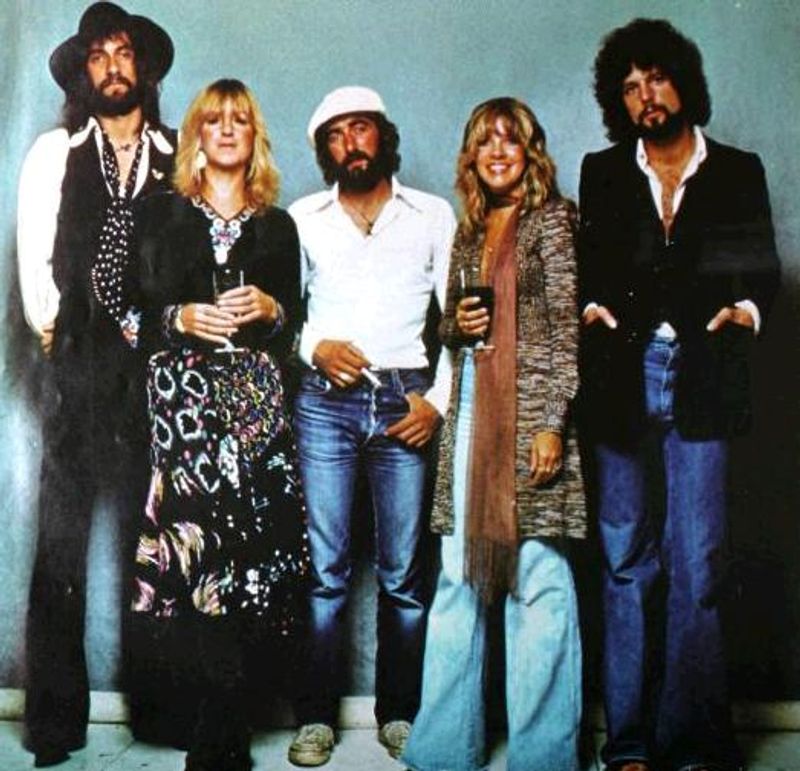
Stevie Nicks wrote Landslide before she joined Fleetwood Mac, during a period when she was seriously questioning whether a career in music was worth continuing. That uncertainty gave the song an honesty that studio polish rarely produces.
The recording on the band’s 1975 self-titled album is deliberately spare: Nicks’ vocal and Lindsey Buckingham’s acoustic guitar carry nearly the entire emotional weight. No dramatic arrangement competes for attention.
It was never released as a U.S. single during that initial run, but listeners who found it on the album claimed it quietly as their own. Its themes of change and personal crossroads have kept it relevant across every generation that has encountered it since.
4. Philadelphia Freedom by Elton John
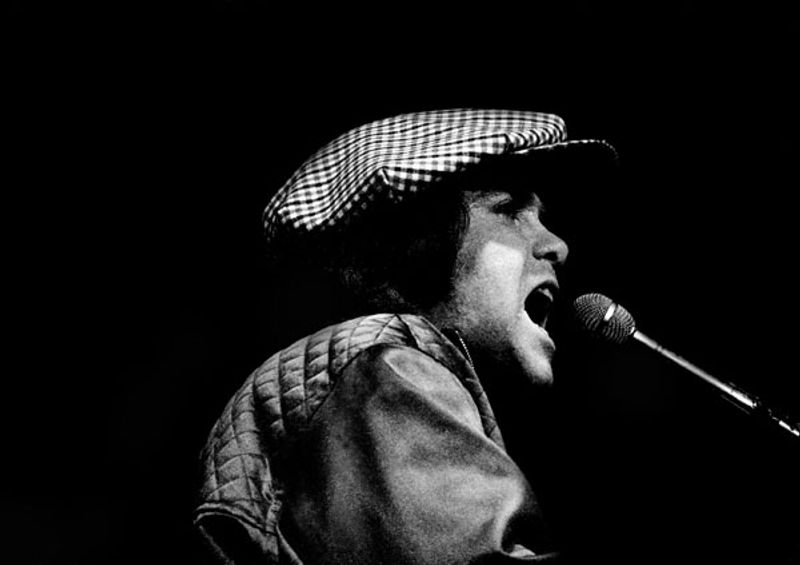
Written as a tribute to tennis champion Billie Jean King and her World TeamTennis team, Philadelphia Freedom ended up becoming far bigger than its original inspiration. Elton John and Bernie Taupin turned a personal gesture into a celebratory anthem that dominated American radio in the spring of 1975.
The arrangement included orchestral touches and uncredited backing vocals from The Beach Boys, giving the record a brightness that matched its upbeat energy. It reached No. 1 on the Billboard Hot 100, becoming Elton’s fourth chart-topper in the United States.
That success arrived during a year that also saw him release two acclaimed studio albums, confirming a commercial dominance few artists have matched within a single twelve-month stretch.
5. Sister Golden Hair by America
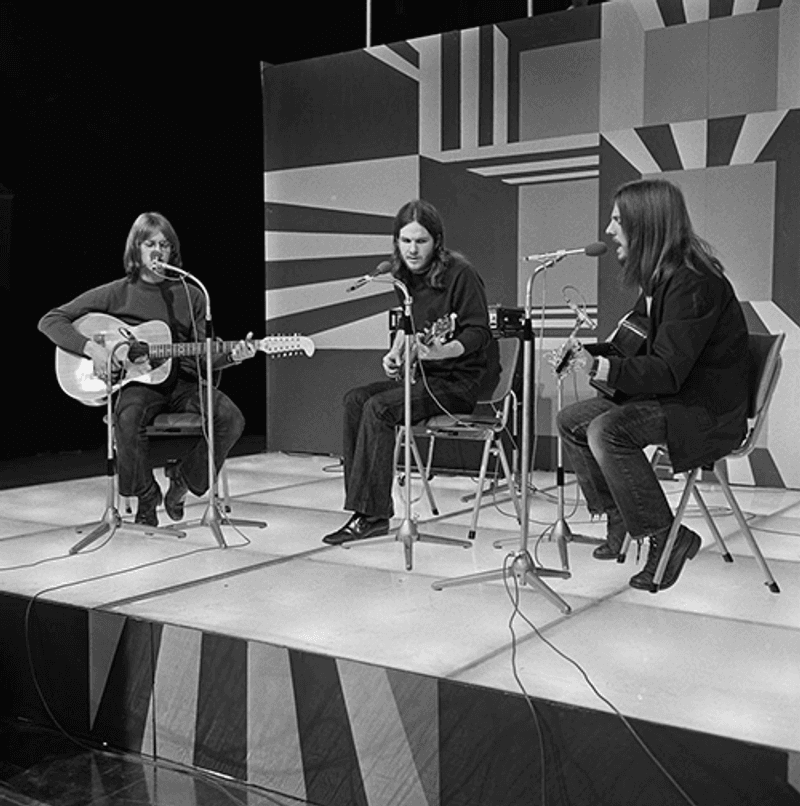
America’s Sister Golden Hair arrived on radio in 1975 carrying the kind of effortless, sun-warmed sound that defined the soft rock era at its most polished. Written by Gerry Beckley, the song built its appeal on acoustic foundation, layered harmonies, and a guitar hook that settled comfortably into the memory after a single listen.
Beneath the relaxed melody, the lyrics describe romantic hesitation rather than straightforward joy. The narrator cares deeply but cannot commit to what the other person wants, giving the song a bittersweet undercurrent.
It reached No. 1 on the Billboard Hot 100 and appeared on the album Hearts. Few songs from the decade feel quite so naturally suited to an open car window on a warm afternoon.
6. That’s the Way I Like It by KC and the Sunshine Band
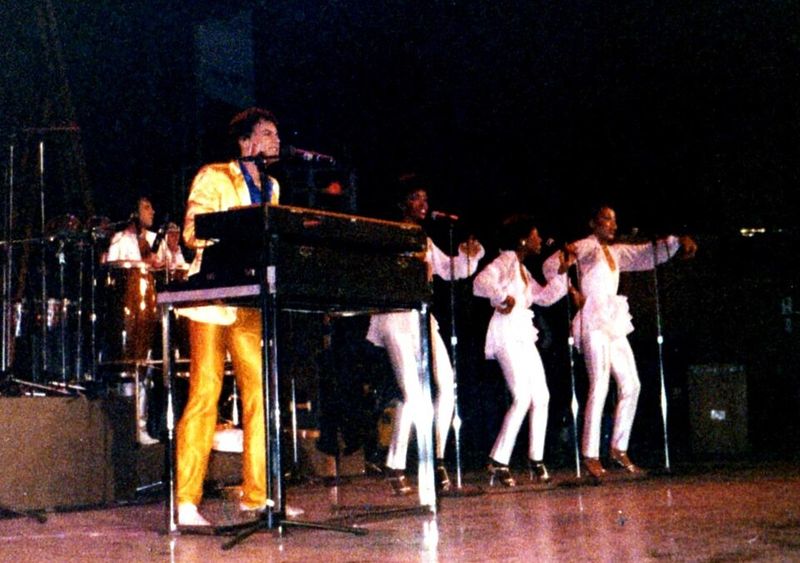
Harry Wayne Casey and Richard Finch wrote That’s the Way I Like It with a straightforward goal: fill a dance floor and keep it filled. The formula worked immediately.
Released in 1975, the track combined an insistent rhythm, prominent horns, and a chorus that required almost no decoding from any listener.
It reached No. 1 on the Billboard Hot 100 and appeared alongside the group’s earlier hit Get Down Tonight on their self-titled second album. Together those two songs confirmed KC and the Sunshine Band as leaders of a genre that was quickly moving from the margins to the mainstream.
Disco was no longer a subculture in 1975. Records like this one were already making that point loudly and repeatedly on radio playlists across the country.
7. Lyin Eyes by Eagles
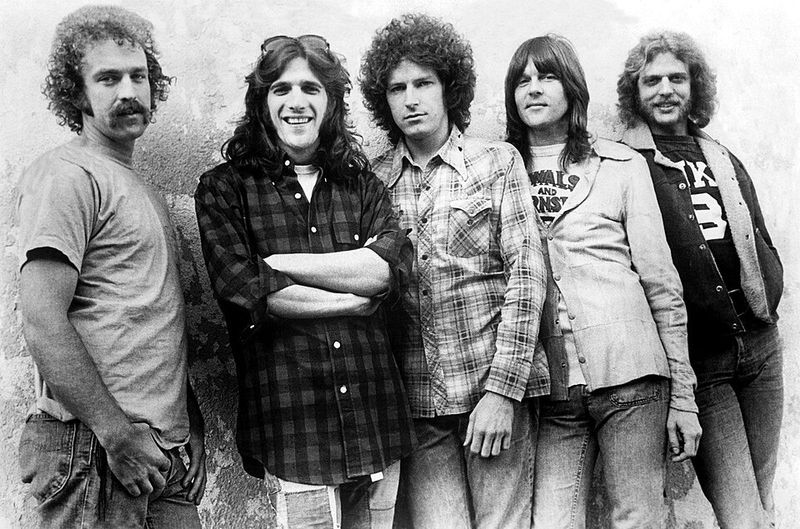
Don Henley and Glenn Frey wrote Lyin Eyes as a character study rather than a simple pop song, and the result was one of the Eagles’ most narratively detailed recordings. The track follows a woman in an unhappy marriage who seeks affection elsewhere, told with a calm, almost journalistic patience.
Frey’s relaxed lead vocal and the band’s country-rock harmonies give the story a deceptively gentle presentation. The song reached No. 2 on the Billboard Hot 100 and also topped the Hot Country Singles chart, demonstrating the band’s rare ability to connect across genre lines.
It appeared on One of These Nights in 1975. The Eagles had mastered the art of making adult complications sound perfectly at home on afternoon radio.
8. Shining Star by Earth, Wind & Fire
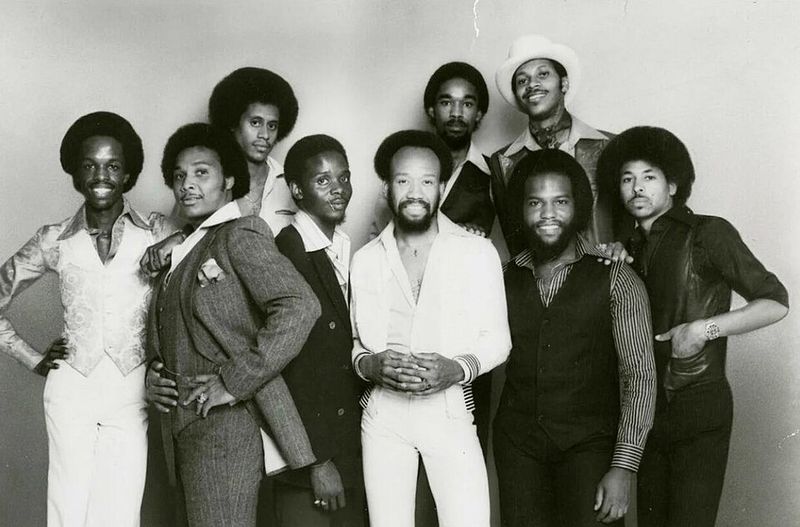
Earth, Wind & Fire’s first No. 1 on the Billboard Hot 100 arrived in 1975 with a precision that made it feel almost architectural. Maurice White, Larry Dunn, and Philip Bailey wrote Shining Star as a celebration of human potential, wrapping an uplifting message inside funk guitar, layered horns, and harmonies tight enough to satisfy any musician paying close attention.
The track appeared on That’s the Way of the World and earned the group a Grammy Award for Best R&B Vocal Performance by a Duo, Group or Chorus.
What set it apart was the balance between technical sophistication and pure accessibility. Listeners who knew nothing about music theory and musicians who knew everything about it responded to the same record with equal enthusiasm.
9. Rhiannon by Fleetwood Mac
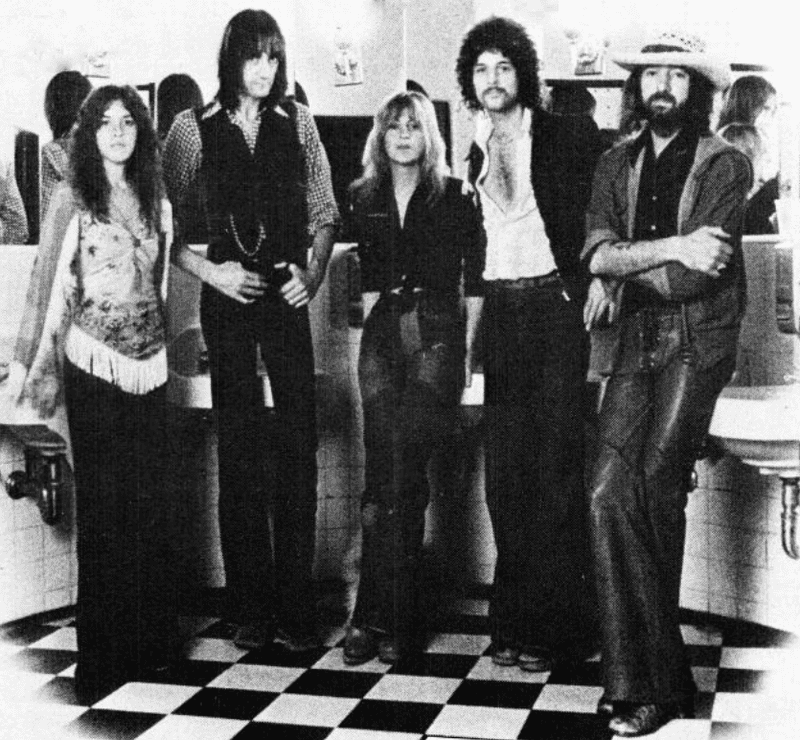
Stevie Nicks drew inspiration for Rhiannon from a novel featuring a Welsh witch, and the character she created became one of the most distinctive figures in 1970s rock. The song appeared on Fleetwood Mac’s 1975 self-titled album, the first to feature both Nicks and Lindsey Buckingham as new members of the band.
Nicks’ vocal performance and Buckingham’s guitar work created a sound that felt simultaneously approachable and unlike anything else on the charts. The single was released in the United States in 1976, where it reached the Top 20, but the recording belongs unmistakably to the band’s 1975 creative period.
Live performances expanded the song considerably, with Nicks fully embodying the character on stage. For anyone who heard the album in 1975, Rhiannon announced that Fleetwood Mac had become something entirely new.
10. Love Is a Rose by Linda Ronstadt
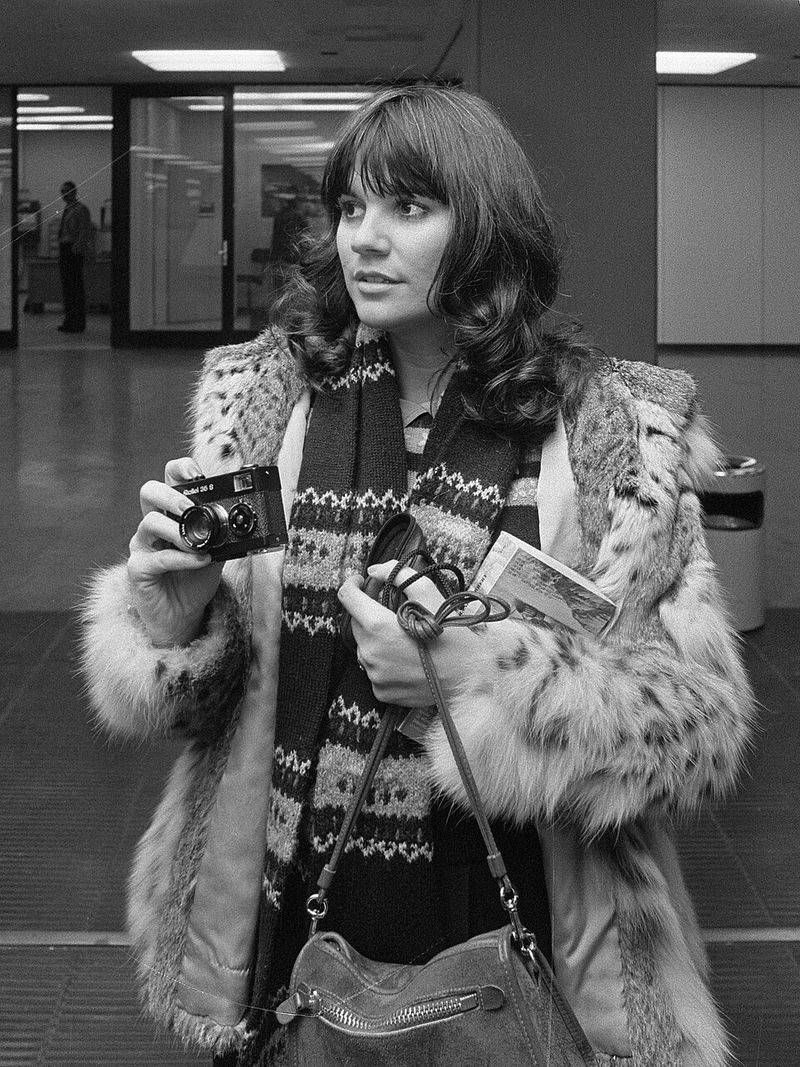
Neil Young wrote Love Is a Rose, but Linda Ronstadt made it feel completely her own. Her version appeared on the 1975 album Prisoner in Disguise and carried the relaxed country-rock sensibility that had made her one of the decade’s most commercially successful female artists.
The song treats romance as something beautiful but fragile, a thing that can cause real discomfort if handled carelessly. Ronstadt’s clear, confident voice delivered that message without any dramatic overstatement.
The track reached the Top 5 on the Billboard Hot Country Singles chart and contributed to an album certified Platinum. By 1975, Ronstadt had developed an extraordinary ability to move between country, rock, and pop without sounding as though she were stretching beyond her natural range.
11. Jive Talkin by Bee Gees
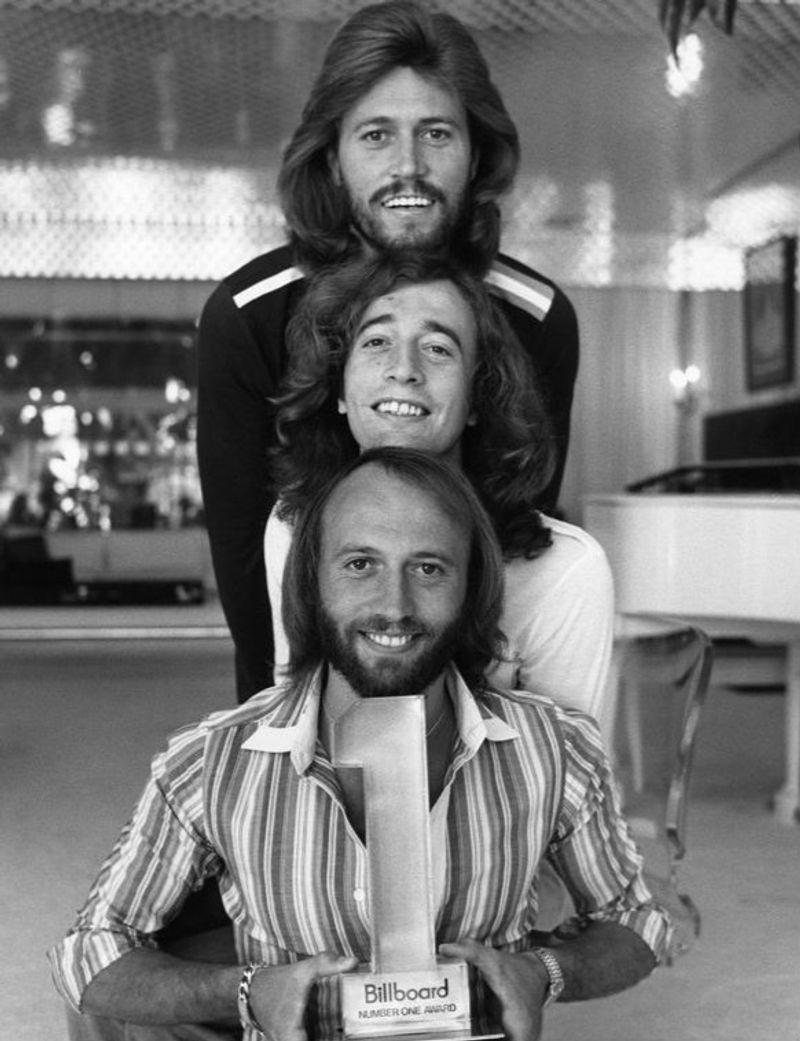
The story behind Jive Talkin involves a bridge in Miami and a rhythmic noise the Gibb brothers heard while crossing it, which helped spark the groove that would redirect their entire career. The track appeared on Main Course in 1975 and marked a decisive move away from the ballad-heavy sound the group had built its earlier reputation on.
The result reached No. 1 on the Billboard Hot 100 and introduced a funk-influenced rhythm that felt genuinely fresh for the band. Synthesizers added an unusual texture, while the brothers’ harmonies remained immediately recognizable beneath the new production approach.
In hindsight, Jive Talkin was the Bee Gees choosing a new direction and committing to it fully. The dance floor era they were about to enter was already beginning to take shape.
12. Tush by ZZ Top
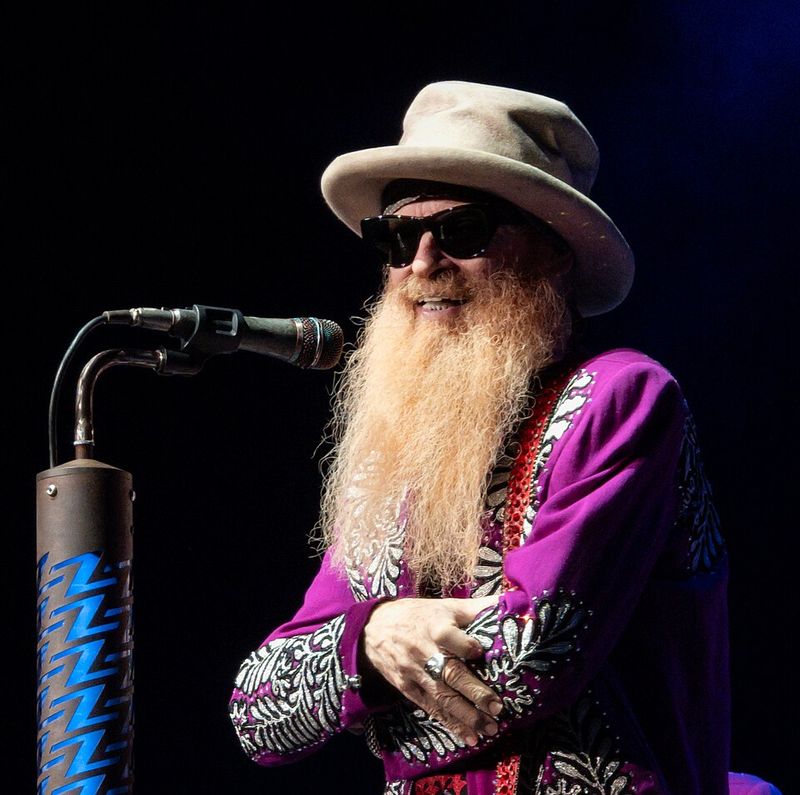
ZZ Top had been building a regional following for years before Tush gave them their first Top 40 hit in the United States. Released on Fandango! in 1975, the track runs barely past two minutes and wastes none of them.
Billy Gibbons’ guitar riff arrives immediately, Dusty Hill’s vocal follows without ceremony, and the song is over before most rock compositions have finished introducing themselves.
That brevity was a deliberate contrast to the extended album-side compositions that progressive rock groups favored during the same period. ZZ Top operated in a different tradition entirely, rooted in Texas blues and built for volume.
Tush expanded the band’s audience considerably and established the blueprint for a sound they would refine across the following decade, long before wider fame arrived through MTV.
13. Miracles by Jefferson Starship
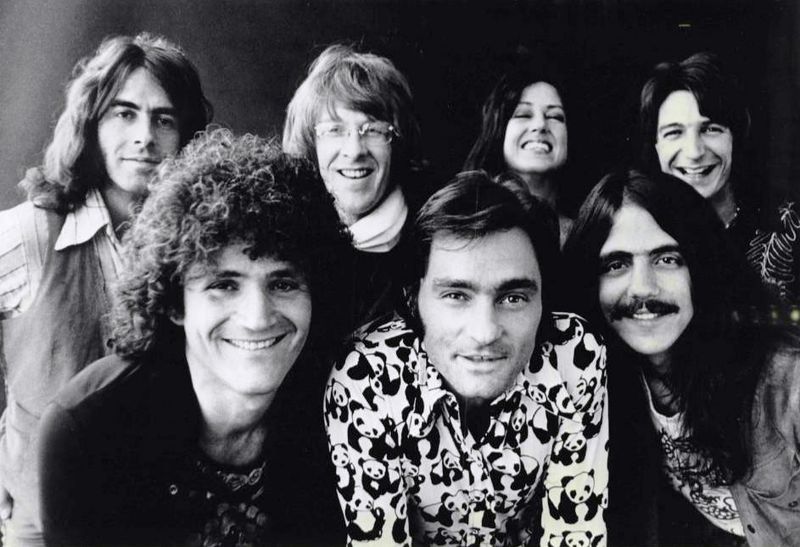
Jefferson Airplane had been one of the defining bands of the San Francisco psychedelic scene in the late 1960s, so the smooth romantic sound of Miracles represented a considerable journey in under a decade. Written and sung by Marty Balin, the song appeared on Jefferson Starship’s Red Octopus in 1975 and reached No. 3 on the Billboard Hot 100.
The arrangement is spacious and unhurried, built around Balin’s intimate vocal rather than any experimental flourish. It fit the increasingly polished, adult-oriented direction that mid-decade radio favored.
The song’s commercial success illustrated a broader pattern: many artists associated with the 1960s counterculture had adapted to the new decade’s tastes without disappearing. Jefferson Starship found a large new audience by leaning toward melody and accessibility rather than pushing further into experimentation.
14. Fame by David Bowie
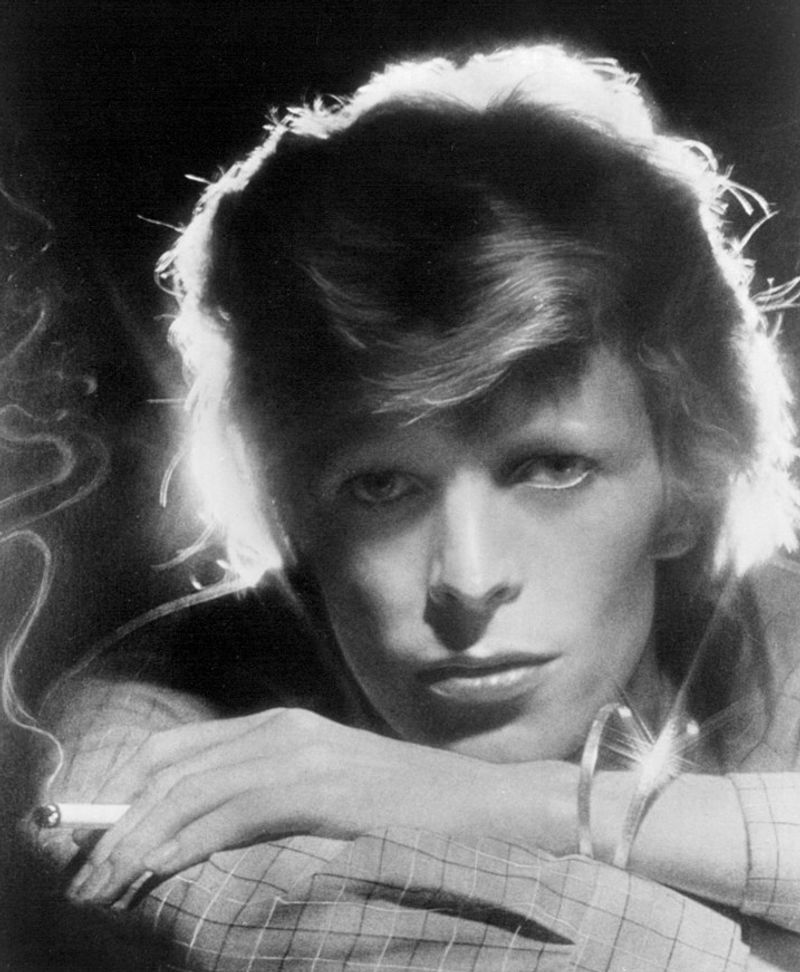
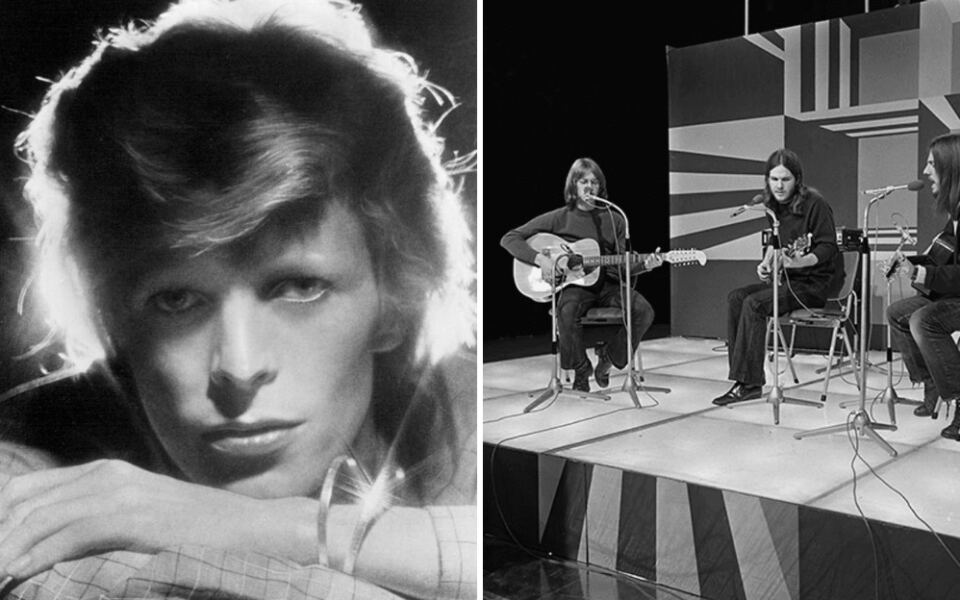
David Bowie had already reinvented himself several times before Fame gave him his first No. 1 single in the United States in 1975. The song emerged from his Young Americans sessions and carried a funky, clipped rhythm that owed more to soul and R&B than to the glam-rock persona many listeners associated with him.
Carlos Alomar’s guitar riff anchored the track, and John Lennon contributed backing vocals and co-writing credit alongside Bowie and Alomar. The lyrics turned Bowie’s complicated feelings about celebrity into something danceable, treating success with suspicion while making the groove irresistible.
That contradiction is central to the song’s appeal. Fame topped the Billboard Hot 100 for two weeks and introduced a new dimension of Bowie’s artistry to an American audience that was still getting used to his previous transformations.
15. Low Rider by War
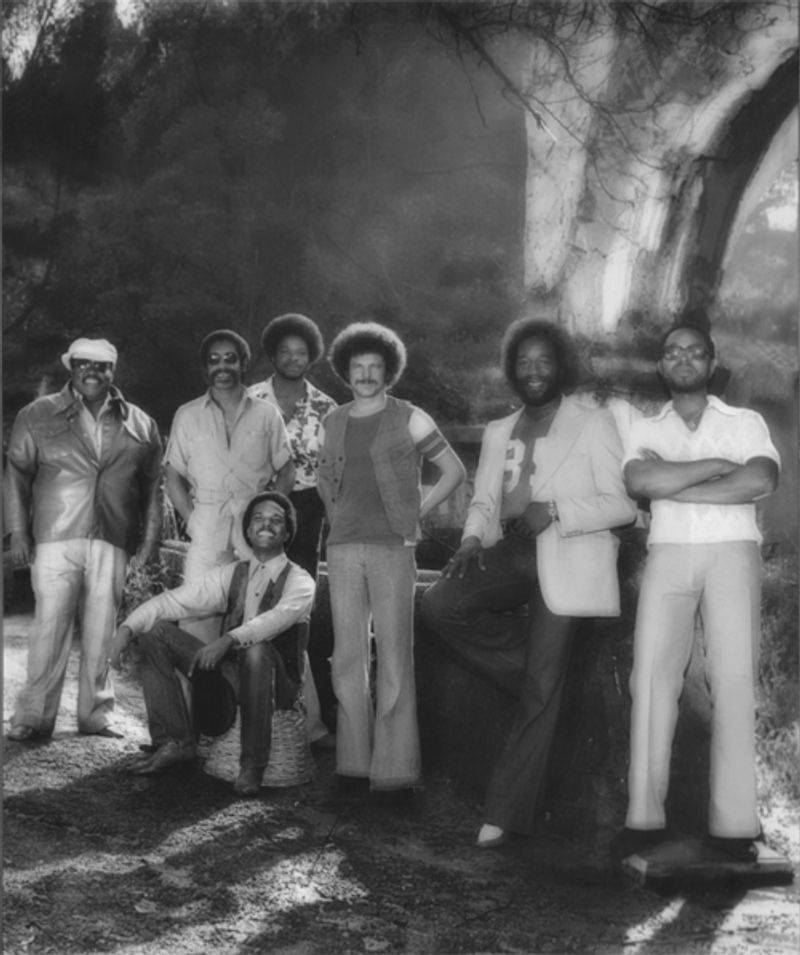
War built Low Rider around a bassline and percussion groove so distinctive that most listeners can identify the song within its first few seconds. Released in 1975 on Why Can’t We Be Friends?, the track celebrates Southern California lowrider culture through an arrangement that layers bass, percussion, saxophone, and harmonica into something immediately recognizable.
The record reached the Top 10 on the Billboard Hot 100 and reflected the remarkable genre diversity of 1975, where funk, soul, rock, and Latin influences were regularly colliding within the same song. Low Rider stood apart from everything else on the charts that year simply by being itself.
Its cultural reach extended well beyond its original chart run, appearing in films and television for decades afterward. The groove requires no introduction and no nostalgia to land with full effect.
16. Nights on Broadway by Bee Gees
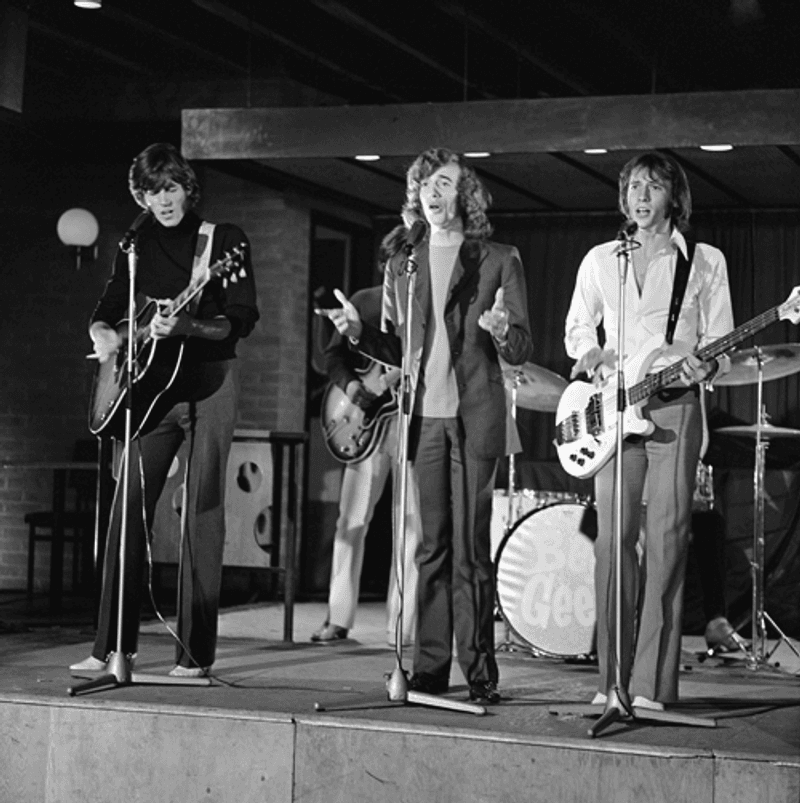
Nights on Broadway appeared on Main Course alongside Jive Talkin, and together those two tracks documented the Bee Gees actively rebuilding their musical identity in real time. Where Jive Talkin established the new rhythmic direction, Nights on Broadway introduced something even more significant: Barry Gibb’s falsetto vocal, which would soon become one of the most recognizable sounds of the disco era.
The track balances dance-floor momentum with the group’s instinct for dramatic melody, producing a polished urban sound far removed from their earlier ballads. It reached the Top 10 on the Billboard Hot 100.
The Bee Gees had not yet reached the cultural saturation that Saturday Night Fever would bring, but the components were clearly falling into place. Nights on Broadway sounds less like a finished product and more like a group discovering exactly what they were capable of becoming.
17. December, 1963 Oh, What a Night by The Four Seasons
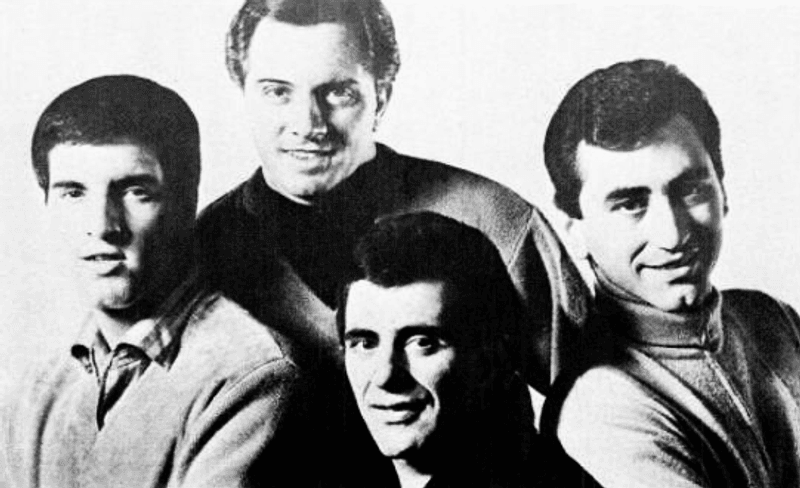
The Four Seasons released December, 1963 Oh, What a Night in late 1975, and it became one of the group’s most enduring international hits, with its peak chart performance arriving in early 1976. Drummer Gerry Polci handled much of the lead vocal, giving the record a noticeably different character from the Frankie Valli-fronted material that had defined the group in the 1960s.
The song is itself built around nostalgia, recounting a memorable night from years earlier. That built-in backward glance makes its later ability to trigger memories of the 1970s particularly fitting.
The bouncing rhythm, bright keyboards, and irresistible chorus captured the dance-friendly direction of mid-decade pop without committing fully to disco conventions.
It topped the Billboard Hot 100 in March 1976 and also reached No. 3 in the UK. Few records close out a year’s musical story quite so neatly while pointing so confidently toward the next one.
Share this story