Most people overestimate how many venomous snakes live near them, but the real numbers are surprisingly interesting once you look at a map. The United States has about 20 venomous snake species spread across dozens of states, but that variety is not shared equally.
Some states have just one or two species, while others pack in a jaw-dropping collection thanks to diverse landscapes, warm climates, and the kind of rugged terrain that snakes absolutely love. This ranking uses species counts confirmed by state wildlife agencies and university wildlife programs, so you know the numbers are solid.
Taxonomy keeps evolving, which means some older sources list fewer species than newer ones, but this list follows the most current classifications available. Read on to find out which states top the chart and what makes each one a standout for venomous snake diversity.
1. Arizona, United States
No other state even comes close to Arizona when it comes to rattlesnake variety. With 13 rattlesnake species plus the Sonoran coral snake, Arizona claims a grand total of 14 venomous species, a number confirmed by Arizona Game and Fish as the highest in the country.
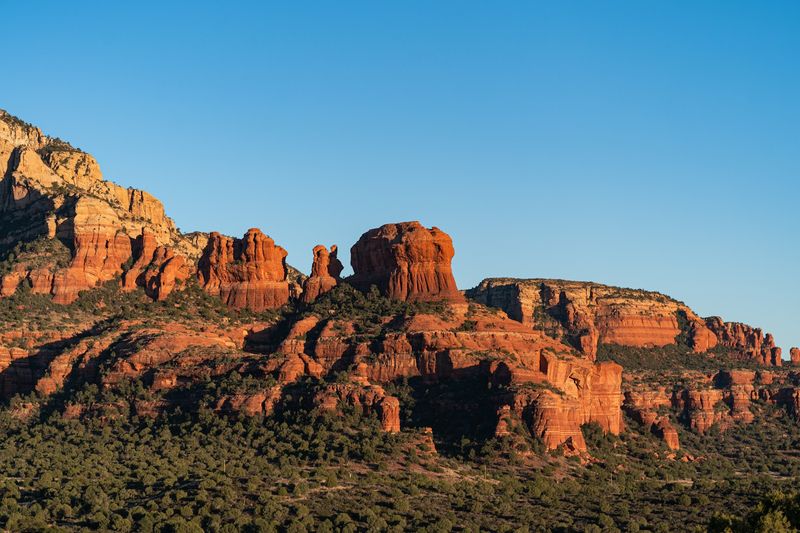
The state’s geography does a lot of the heavy lifting here. Sonoran Desert flats, sky island mountain ranges, rocky canyons, and high plateaus each create a distinct environment, allowing species as different as the tiny tiger rattlesnake and the specialized ridge-nosed rattlesnake to find their own corner of the state.
Hikers and campers in Arizona are smart to watch where they step, especially near rocky outcroppings where snakes like to rest. The western diamondback and Mojave rattlesnake are the two species most likely to cross a person’s path on a desert trail.
2. Texas, United States
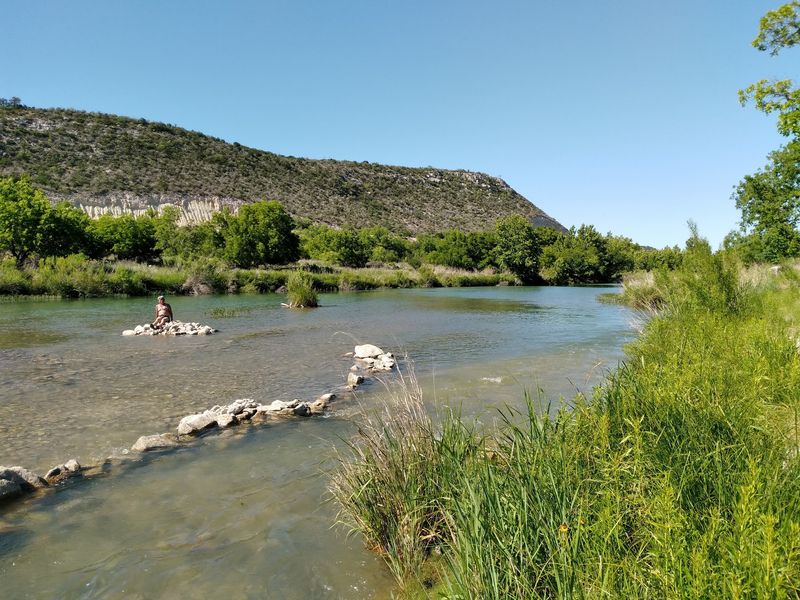
Texas is big in almost every way, and its venomous snake lineup is no exception. The state counts around 13 venomous species, and Texas Parks and Wildlife notes that when subspecies are factored in, the number of potentially dangerous forms climbs even higher.
What makes Texas especially fascinating is the sheer range of habitats packed into one state. Western diamondbacks roam the drier western half, cottonmouths patrol eastern wetlands, and timber rattlesnakes favor the pine forests of the east.
Each landscape comes with its own resident cast of venomous snakes.
Coral snakes also call Texas home, bringing a splash of color to the mix alongside the more familiar pit vipers. Few states can match this combination of geographic scale and ecological variety, which is exactly why Texas earns a firm second-place ranking on this list.
3. New Mexico, United States
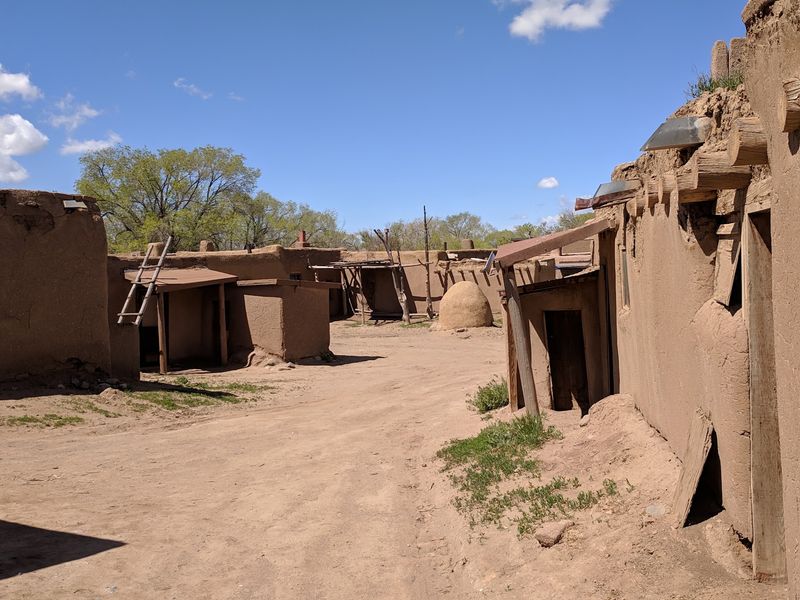
Sandwiched between Arizona and Texas, New Mexico quietly puts together one of the most impressive venomous snake lists in the country. Current wildlife records recognize roughly 11 venomous species at the species level, including the Sonoran coral snake and a strong roster of rattlesnakes.
The state’s mix of desert basins, sky island mountains, open grasslands, and borderland habitat gives each species plenty of room to establish territory. Prairie rattlesnakes favor open plains, while ridge-nosed and rock rattlesnakes stick to higher elevations in rugged mountain country.
Older sources sometimes list fewer species for New Mexico because they follow earlier taxonomy that grouped several forms together. The updated count reflects more recent research that now treats several of those forms as separate species.
Either way, New Mexico more than holds its own as one of the most snake-diverse states in the American Southwest.
4. California, United States
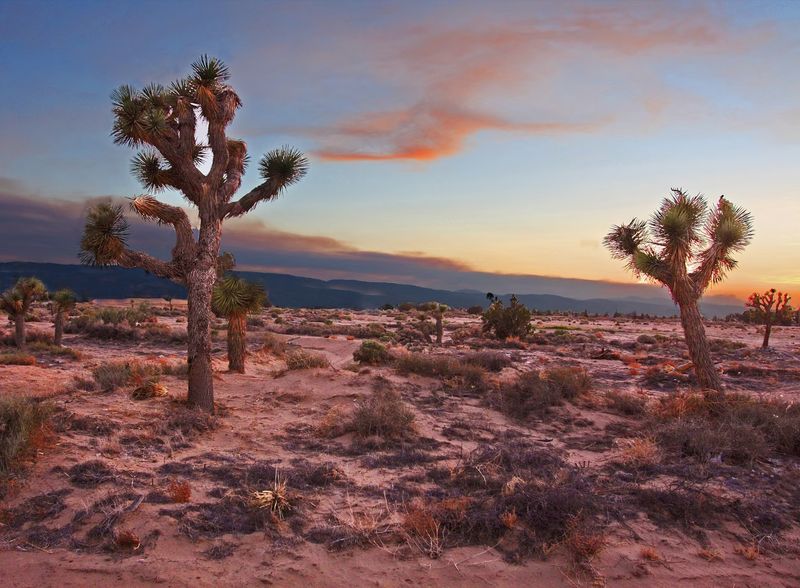
California keeps its venomous snake club exclusive but impressive. Every single one of its seven venomous species is a rattlesnake, and the California Department of Fish and Wildlife confirms the roster: Mojave, Panamint, red diamond, sidewinder, speckled, western diamondback, and western rattlesnakes.
Each species has carved out a specific range that reflects the state’s dramatic landscape changes. Sidewinders stick to sandy desert floors, red diamonds favor warm southwestern coastal and inland areas, and western rattlesnakes cover an enormous territory stretching from the coast into the Sierra Nevada foothills.
California has no coral snakes or copperheads, which keeps the list shorter than some southeastern states. However, the diversity within that rattlesnake group is genuinely impressive.
Visitors hiking in the Mojave or along dry hillsides in the south are most likely to encounter one of the state’s seven venomous residents.
5. Georgia, United States

Georgia proves that the Southeast is serious about venomous snakes. The Georgia Department of Natural Resources currently lists seven venomous species: copperhead, northern cottonmouth, Florida cottonmouth, eastern coral snake, eastern diamondback rattlesnake, pygmy rattlesnake, and timber rattlesnake.
That count is boosted by the recognition of two cottonmouth species in the state’s current records, a reflection of updated taxonomy that separates the northern and Florida forms. The eastern diamondback, one of the largest venomous snakes on the continent, is a genuine Georgia resident and commands serious respect from anyone spending time in the state’s coastal plain country.
Copperheads are the venomous species most comfortable around suburban areas, which means Georgia homeowners in wooded neighborhoods have the best odds of an unexpected backyard encounter. Blackwater swamps, Appalachian ridges, and barrier islands each add another layer to the state’s impressive snake diversity.
6. Louisiana, United States
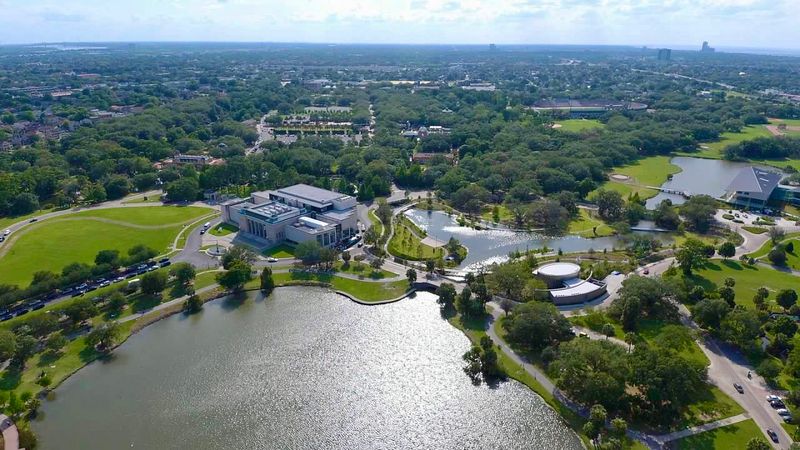
Louisiana’s bayous and cypress swamps have a well-earned reputation for being wild, and the state’s venomous snake lineup lives up to the atmosphere. Seven species make the official list, including the copperhead, cottonmouth, pygmy rattlesnake, timber rattlesnake, eastern diamondback, harlequin coral snake, and Texas coral snake.
The presence of two coral snake species is what gives Louisiana its edge over many neighboring states. The harlequin coral snake and the Texas coral snake occupy different parts of the state, adding a colorful and venomous pair to a roster already packed with pit vipers.
Wetlands dominate the public imagination when it comes to Louisiana wildlife, but forests, river bottoms, coastal prairie, and upland areas all contribute to the snake community. The cottonmouth is arguably the most commonly encountered venomous species, particularly near slow-moving water where it hunts and basks along banks.
7. Oklahoma, United States
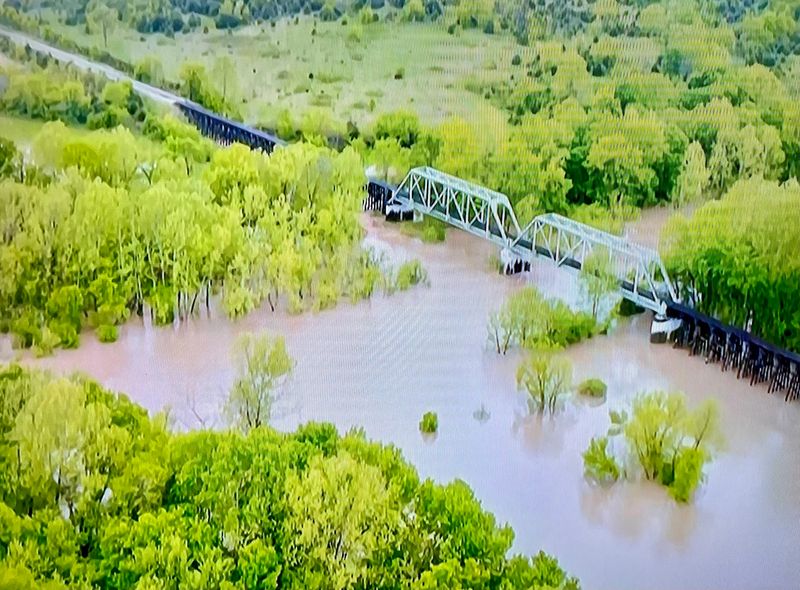
Oklahoma sits at a fascinating crossroads where eastern wildlife and western wildlife overlap, and that collision shows up clearly in its venomous snake list. Seven species call the state home, including five rattlesnakes: timber, western diamondback, prairie, western massasauga, and western pygmy, with copperhead and western cottonmouth rounding out the group.
The eastern half of Oklahoma receives enough rainfall to support wooded terrain where copperheads and cottonmouths are right at home. Cross into the drier western half and the landscape shifts toward open plains and rocky terrain where prairie rattlesnakes and western diamondbacks take over.
That geographic split makes Oklahoma one of the more ecologically interesting states on this list. A single long drive across the state from east to west could, in theory, take a traveler through the territory of almost every species on Oklahoma’s venomous snake roster.
8. Kansas, United States
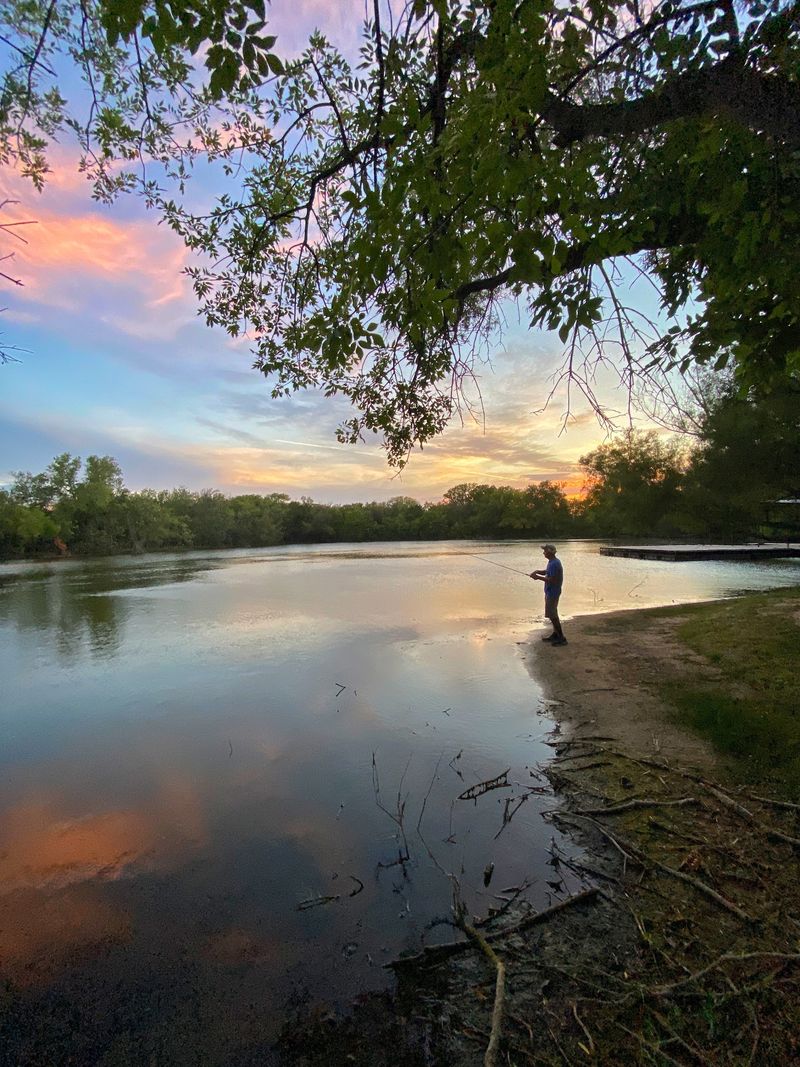
Kansas surprises a lot of people who assume the Great Plains are mostly snake-free. Historical wildlife records list as many as seven venomous species for the state, though K-State wildlife researchers note that the northern cottonmouth has not been detected in Kansas for decades and may no longer be a realistic resident.
Setting that one aside, the practical venomous snake list for Kansas centers on copperheads and timber rattlesnakes in the wooded east, prairie rattlesnakes in the open west, and massasaugas in certain grassland and wetland areas. That east-west divide reflects Kansas’s position at the boundary between eastern forest and western plains ecosystems.
The massasauga is a small rattlesnake that favors wet prairie and marsh edges, making it a genuinely different species from its larger rattlesnake relatives. Kansas may not have the longest list, but the ecological variety behind its species count is genuinely worth noting.
9. Florida, United States
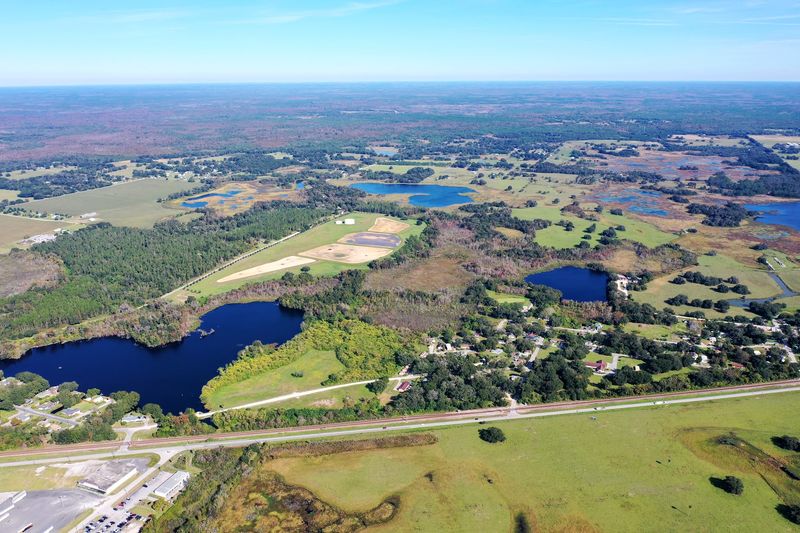
Florida may be famous for alligators and theme parks, but it also hosts a solid six venomous snake species. The Florida Fish and Wildlife Conservation Commission lists the eastern coral snake, southern copperhead, cottonmouth, eastern diamondback rattlesnake, timber rattlesnake, and dusky pygmy rattlesnake as the state’s venomous residents.
The eastern diamondback is Florida’s most formidable venomous snake and one of the heaviest pit vipers on the continent. The dusky pygmy rattlesnake, by contrast, is small enough to be easily overlooked, yet it turns up in an impressive range of Florida habitats from pine flatwoods to suburban edges.
Florida’s sheer variety of ecosystems, including wetlands, scrub, hammocks, coastal strand, and northern hardwood forests, gives each of these six species a suitable place to live. With roughly 50 total snake species in the state, the venomous ones represent a small but significant slice of Florida’s reptile community.
10. Alabama, United States
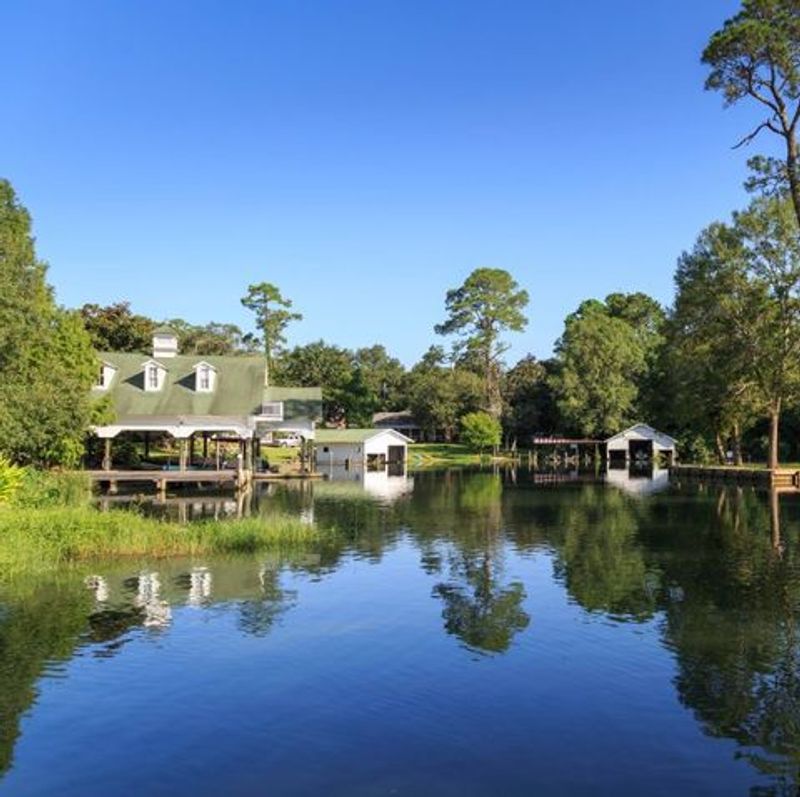
Alabama packs a respectable venomous snake community into a state that many people overlook in favor of its flashier neighbors. Six venomous species are confirmed by Alabama Cooperative Extension: copperhead, cottonmouth, pygmy rattlesnake, timber rattlesnake, eastern diamondback rattlesnake, and coral snake.
Those six species represent only a fraction of the approximately 40 snake species found statewide, which puts the venomous ones in proper perspective. The eastern diamondback and coral snake are concentrated in the southern parts of the state, where Gulf Coast pine flatwoods and coastal plain habitat create the right conditions.
Farther north, Appalachian foothills and river valleys support copperheads and timber rattlesnakes, giving Alabama a north-south split in its venomous snake geography. The cottonmouth is the most water-dependent of the six and can be found in swamps, river bottoms, and slow-moving streams across much of the state.
11. South Carolina, United States
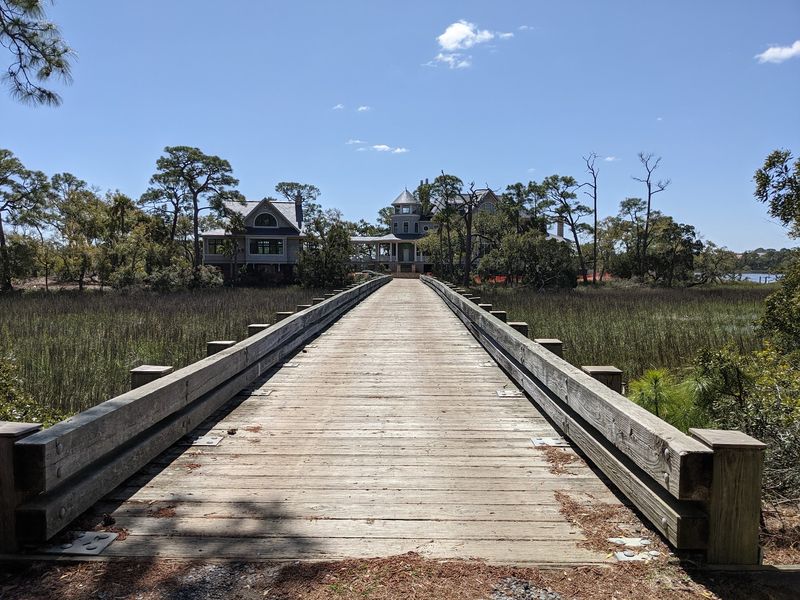
South Carolina’s six venomous snake species cover a surprisingly wide range of habitats for a relatively small state. The list includes the coral snake, pygmy rattlesnake, cottonmouth, copperhead, timber rattlesnake, and eastern diamondback rattlesnake, as confirmed by state wildlife authorities.
Not every species is found statewide. The copperhead and timber rattlesnake are the two with the broadest distributions, while the eastern diamondback and coral snake are largely limited to the coastal plain.
The Lowcountry’s mix of coastal forests, wetlands, sandy uplands, and barrier island environments is what really drives the state’s snake diversity.
The pygmy rattlesnake deserves a special mention as one of the more underestimated species on the list. Small and easy to miss, it occupies a wide range of habitats in the southern half of the state and is responsible for a fair number of bites due to its tendency to hold its ground rather than retreat.
12. North Carolina, United States

North Carolina earns its place on this list with six venomous species spread across one of the most ecologically varied states on the East Coast. State wildlife documents identify the copperhead, eastern cottonmouth, eastern coral snake, pygmy rattlesnake, timber rattlesnake, and eastern diamondback rattlesnake as the state’s confirmed venomous residents.
The distribution is far from even. Copperheads are the most widely distributed and can be found across most of the state, from the mountains to the coast.
The eastern cottonmouth and coral snake are largely confined to the Coastal Plain, while the timber rattlesnake extends into the Appalachian highlands.
That range from mountain to sea gives North Carolina an unusually broad ecological spread for its venomous snake community. Few states can point to a venomous species list that includes both a high-elevation Appalachian rattlesnake and a coastal plain coral snake within the same state boundaries.
13. Mississippi, United States

Mississippi may not grab headlines in wildlife discussions, but its six venomous snake species tell an interesting story. Among roughly 55 total snake species in the state, the copperhead, cottonmouth, pygmy rattlesnake, eastern diamondback, canebrake rattlesnake, and coral snake make up the venomous roster confirmed by state wildlife authorities.
The canebrake rattlesnake, a form of the timber rattlesnake found in lowland areas, is particularly associated with river bottoms and cane thickets in the state’s interior. Its secretive habits mean that most Mississippi residents will never cross paths with one despite its widespread presence in suitable habitat.
Pine forests and upland woods add another dimension to Mississippi’s snake geography, providing territory for species that prefer drier ground over the wetlands most people associate with the state. The eastern diamondback and coral snake are concentrated in the southern counties, where the climate and habitat best match their requirements.
14. Arkansas, United States
Arkansas brings a rugged, varied landscape to the table, and its venomous snake community reflects that variety. The Arkansas Game and Fish Commission lists six native venomous species: copperheads, cottonmouths, coral snakes, western pygmy rattlesnakes, timber rattlesnakes, and western diamondback rattlesnakes.
The Ozark and Ouachita mountains give Arkansas a distinctly different character from the flat, low-lying terrain of neighboring states. Rocky slopes, wooded ridges, and river valleys create ideal habitat for timber rattlesnakes and copperheads, while wetlands and river bottoms along the eastern lowlands support cottonmouths.
The western diamondback rattlesnake reaches its eastern range limit in Arkansas, making the state an interesting overlap zone between southeastern and southwestern snake faunas. Coral snakes are present but uncommon and tend to stay hidden in leaf litter and loose soil, which is why most Arkansas residents never see one despite the snake’s presence in the southern part of the state.
15. Utah, United States
Utah closes out this ranking with a tight but legitimate group of five rattlesnake species. The Utah Division of Wildlife Resources recognizes the western, prairie, Mojave, sidewinder, and southwestern speckled rattlesnakes as the state’s venomous residents, all of them rattlesnakes with no coral snakes or pit vipers of other types in the mix.
The sidewinder is the most visually distinctive of the group, known for its unusual lateral movement across loose sand in the desert south. The Mojave rattlesnake, found in the state’s southwestern corner, carries a reputation for a particularly potent venom that affects both the nervous system and tissue.
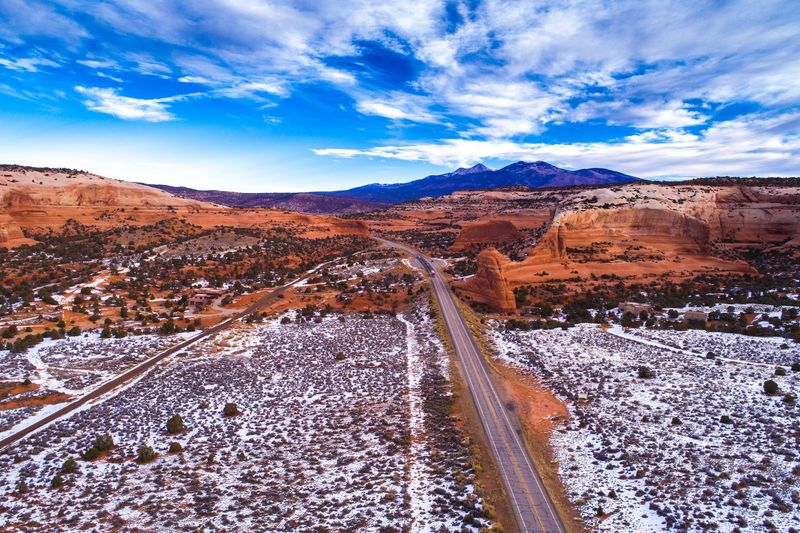
From Great Basin shrubland to the red-rock canyon country of the Colorado Plateau, Utah’s varied desert terrain gives each species a different type of environment to occupy. Hikers exploring southern Utah’s iconic landscapes are in the territory of at least two or three of these species depending on the trail.
Share this story