Priest Lake State Park in northern Idaho has exceptionally clear water, sandy beaches, and three separate areas to explore. Visitors can swim, launch a boat, rent a cabin, or camp near the lake, all with the Selkirk Mountains rising nearby.
The Indian Creek Unit is the main hub, with a large campground, boat docks, and a store selling ice cream and camping supplies. Farther north, Lionhead offers a more rustic experience, with quieter campsites and access to hiking trails.
The park sits about 30 miles from the Canadian border, making it a longer drive for most visitors. But with clear water, forest trails, and access to remote Upper Priest Lake, there’s plenty here to turn a quick stop into a full weekend.
Meet the Park Behind the Clear Water
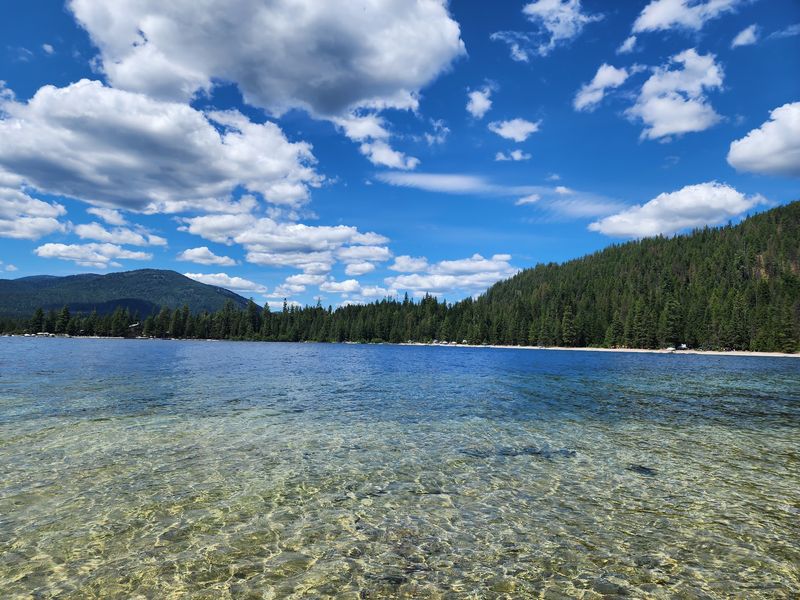
Priest Lake State Park is the official name, and its main entrance sits at 314 Indian Creek Park Rd, Coolin, Idaho 83821. That address leads to the Indian Creek Unit on the east shore of Priest Lake.
The park is managed by Idaho Parks and Recreation. It spreads across three units along the lake: Dickensheet, Indian Creek, and Lionhead.
Each one has its own feel, from busy family campground to quiet forest hideaway.
Priest Lake itself is a big, cold mountain lake in the far northern Idaho Panhandle. It sits close to the Canadian border and is fed by streams flowing out of the Selkirk Mountains.
The water is the main reason people make the trip. On calm days, it looks green or blue-green and lets you see deep below the surface.
I like that the park keeps things simple. You get the lake, the trees, the mountains, and enough campground comforts to make a long stay easy.
Getting here takes some driving, since the park is far from big cities. The road gets more scenic the closer you get, which brings us to the trip itself.
The Drive North Is Part of the Fun
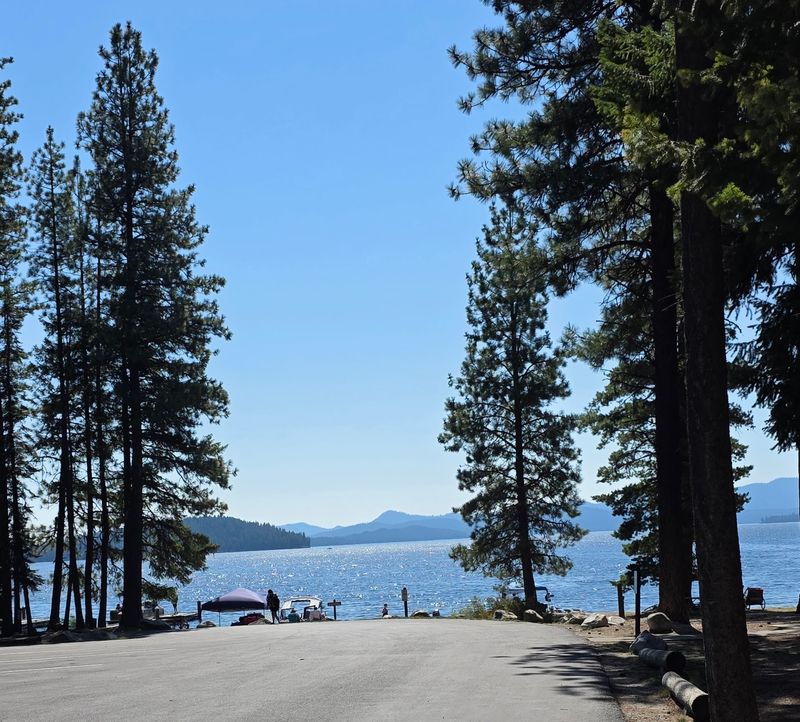
Plan on a long, pretty drive. Most travelers head north from Spokane, Washington, or from Sandpoint, Idaho, and the trip takes a few hours depending on your route.
The last stretch toward Coolin is where things get interesting. The road winds through tall forest, and the lake starts peeking out between the trees.
Coolin is a tiny community at the south end of Priest Lake. From there, the Indian Creek Unit is roughly a 15-minute drive up the east shore.
A few practical tips help a lot here. Fill your gas tank before you leave bigger towns, and download maps ahead of time.
Cell service in this area can be spotty. Some spots near the beach pick up a signal, but rain and thick trees can cut it out completely.
Signs leading to the park can also be easy to miss, so keep an eye out as you get close. A printed map in the glove box is an old-school trick that still works.
Once you arrive, the first thing most people want is the water, and the beach at Indian Creek makes that easy.
A Long Beach With Water You Can See Through
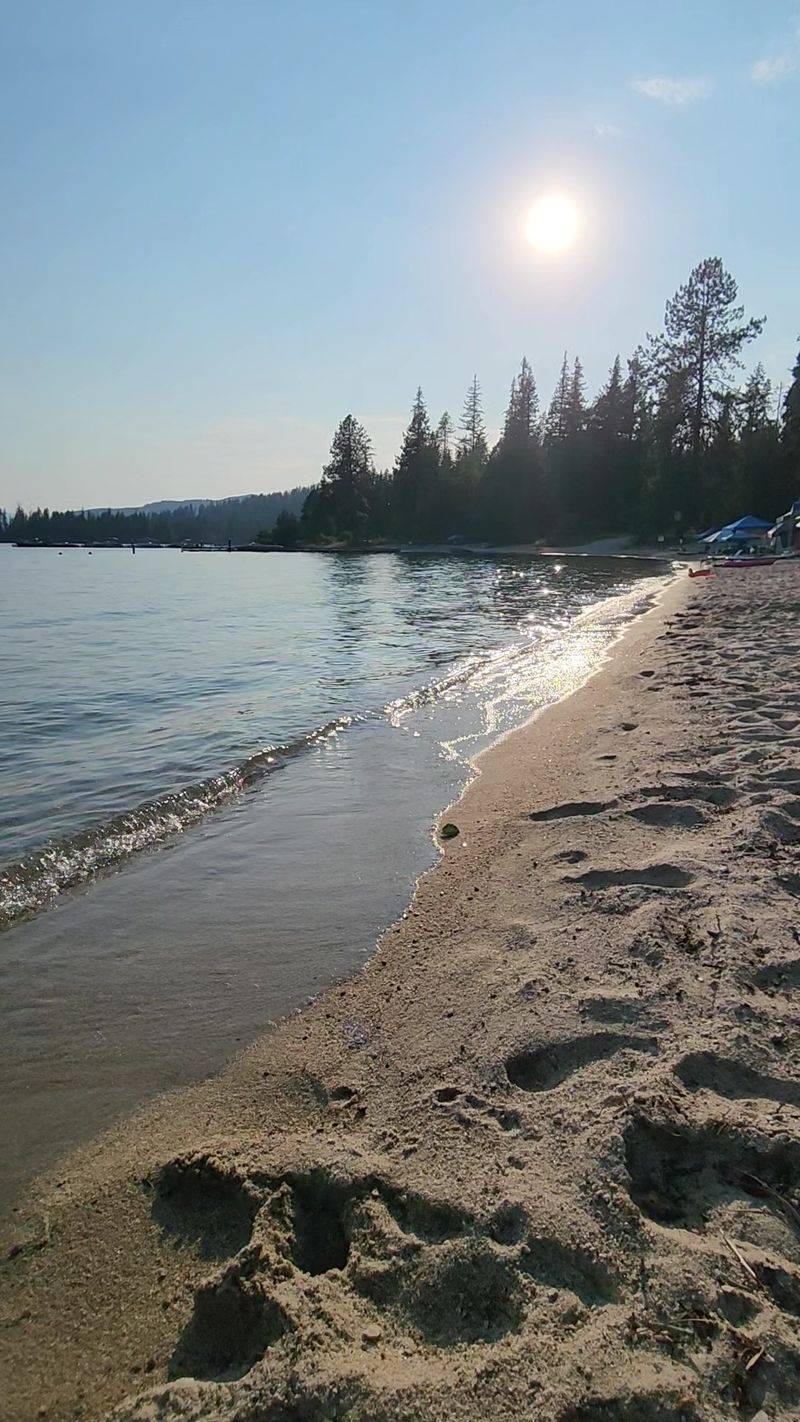
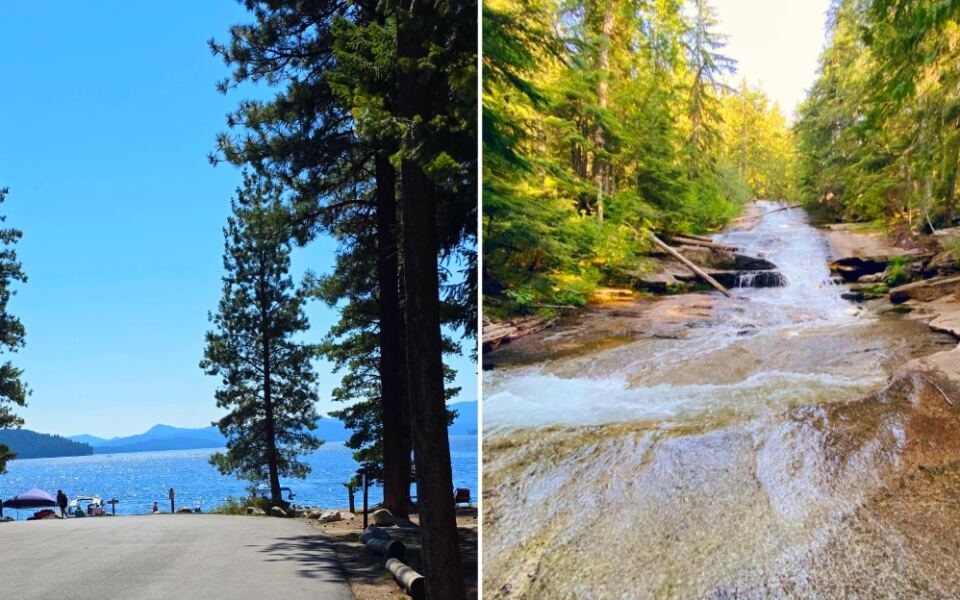
Clear is the word that comes up again and again about this beach. You can wade out and still see the bottom through the green water.
The Indian Creek Unit has a long stretch of shoreline with easy access into the lake. The water stays shallow for a good distance, so younger kids can splash safely close to shore.
That shallow slope has a funny side effect. Adults who want to swim may have to walk pretty far out before the water reaches their chest.
Parts of the shore are sandy, while other spots are rocky. Water shoes or sandals make a big difference for tender feet.
Summer weekends get busy here. Parking can fill up early, so arriving in the morning is a smart move if you want a good spot for towels and umbrellas.
There’s a playground near the beach area too. Parents can let kids burn off energy on dry land between swims.
For quieter time, the area near the boat dock tends to draw fewer people. That dock also opens the door to a whole other side of the lake.
Boats, Docks, and a Trip to the Upper Lake
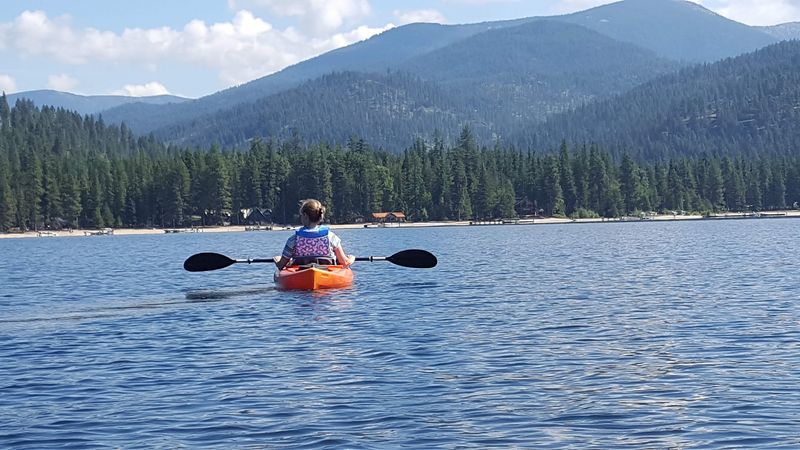
Bring a boat if you can. Priest Lake is large, and the best way to see its wild shoreline is from the water.
The Indian Creek Unit has a boat launch, docks, and boat mooring. That makes it a handy home base for days spent cruising, paddling, or fishing.
Kayaks and paddleboards work well on calm mornings. Wind can pick up later in the day, so early starts usually mean smoother water.
The lake has a famous extra piece. A narrow, slow channel called the Thorofare connects the main lake to Upper Priest Lake to the north.
Upper Priest Lake feels far more remote. There are no roads to most of its shoreline, so it stays wooded and quiet.
Getting there takes time and patience, since boats must move slowly through the Thorofare. I’d pack lunch, sunscreen, and extra layers for a trip like that.
Mountain weather can change quickly up here. Checking the forecast before heading out is a simple habit that keeps a fun day from turning stressful.
Of course, a boat isn’t only for sightseeing. Plenty of people use it to chase dinner.
Casting a Line From Shore or Dock
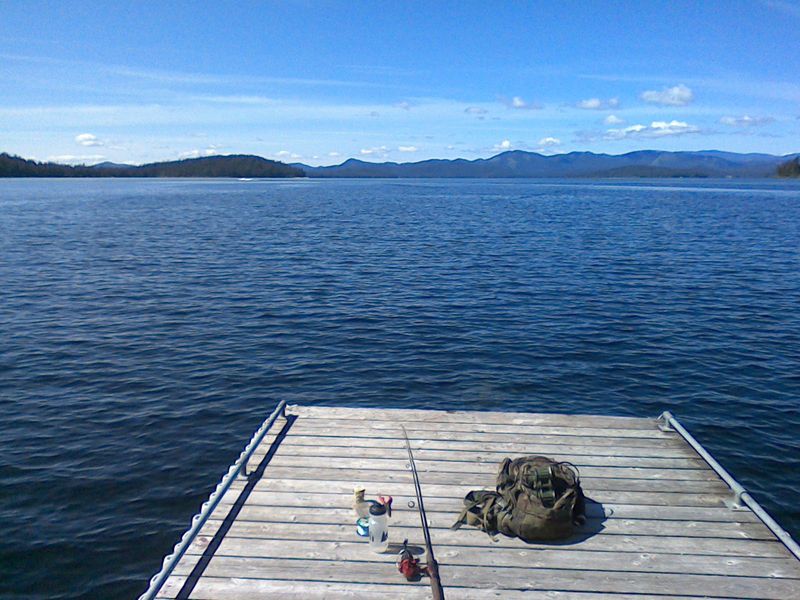
Fishing here doesn’t always require a boat. Some anglers have pulled trout and smallmouth bass right off the dock at Indian Creek.
Priest Lake is known for its lake trout, sometimes called mackinaw. These fish live deep in cold water, so serious trout trips often happen from a boat with the right gear.
Kokanee and cutthroat trout also live in the Priest Lake area. Bass tend to hang around warmer, shallower spots during summer.
Before you cast, get an Idaho fishing license. Rules on limits and seasons can change, so check the current Idaho Fish and Game regulations.
Kids often have the most fun with a simple setup and a bobber. Shore fishing near the dock gives them space to try without a long boat ride.
Early morning and evening are usually calmer times on the water. The light at those hours also makes the mountains glow across the lake.
I like that fishing here fits any skill level. You can treat it as a serious hobby or just a relaxing hour.
After a day on the water, you’ll need a place to sleep, and the campground has plenty of options.
Campsites Under Tall Cedars and Pines
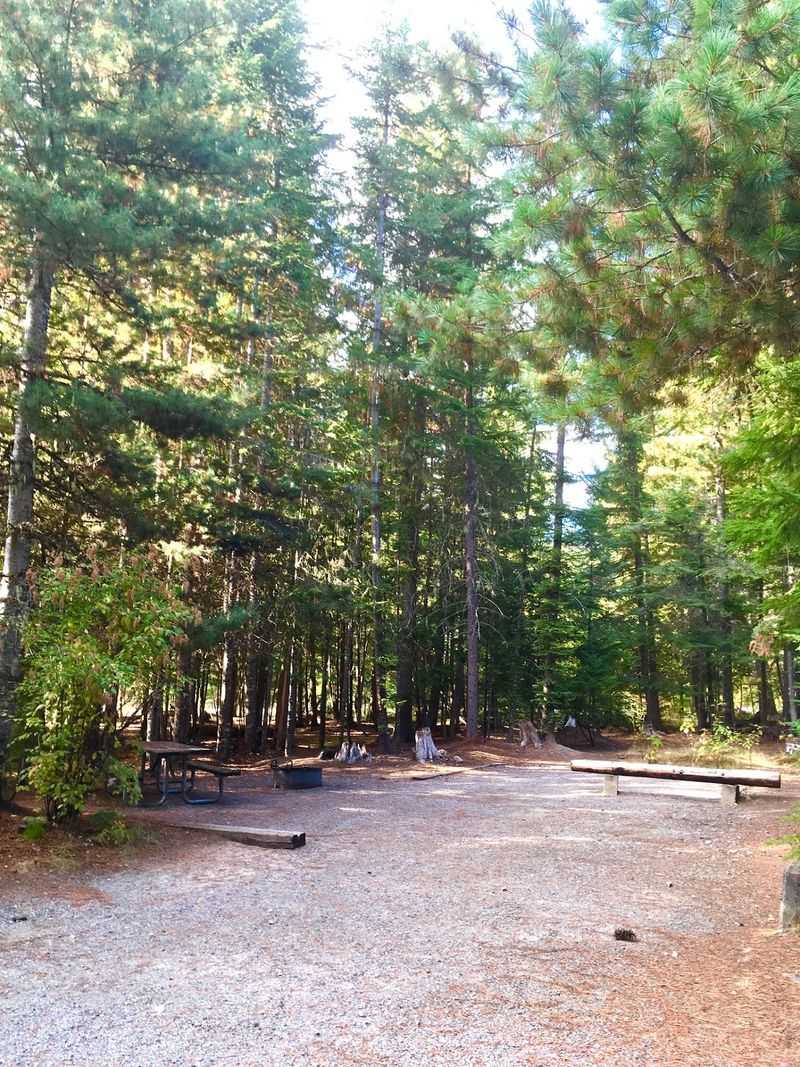
Camping is the heart of a stay at Priest Lake State Park. The Indian Creek Unit has around 90 sites, ranging from basic spots to full hookups with water, power, and sewer.
The campground sits under a thick forest canopy. Some sites feel open and roomy, while others are tucked into the trees for more privacy.
As a general rule, sites without power tend to feel more secluded. Full hookup sites are often more open, which helps with larger RVs.
RV campers should check electrical details ahead of time. Some sites may offer different amp service, so matching your rig to the right site matters.
The campground has paved roads, flush toilets, and hot showers. Pets are welcome on a leash, which is great news for dog owners.
Reservations are a must in summer. Sites can book up fast, so plan well ahead through the Idaho state park reservation system.
Yellow jackets can show up in late summer. Keeping food covered and drinks sealed helps a lot.
Not everyone wants a tent, though. The park also offers a cozier choice with real walls and a roof.
Cabins, a Camp Store, and Ice Cream
Forgot your long pants? It happens more than you’d think up here, and the camp store at Indian Creek has your back.
The on-site store stocks groceries, ice, camping supplies, gifts, and clothing. It also serves hand-dipped ice cream, which is a strong reason to walk over after a hot afternoon at the beach.
Gas is sold at the store too. That’s a real help when the nearest towns are a drive away.
For people who prefer a roof, the park has cabins available to rent. They give you a solid shelter while still keeping you right in the forest.
Cabins are a good fit for families trying camping for the first time. They’re also handy in spring or fall, when nights get chilly.
Like campsites, cabins can book early in summer. Checking dates months ahead gives you the best shot.
I’d bring my own bedding and cooking gear unless the park lists them as included. Reading the cabin details before you go saves surprises.
The comfort of Indian Creek is great, but some campers want the exact opposite. For them, the park’s northern unit waits at the end of a dirt road.
Lionhead and Its Natural Rock Slides
About a dozen miles north of Indian Creek, the Lionhead Unit feels much wilder. The last few miles are unpaved, which keeps the crowds smaller.
Lionhead sits near the north end of the main lake, close to the Thorofare. It has a sandy beach and a quieter, more rustic campground.
Sites here are smaller, so big trailers and long RVs may not fit. Check size limits before towing anything large up the gravel road.
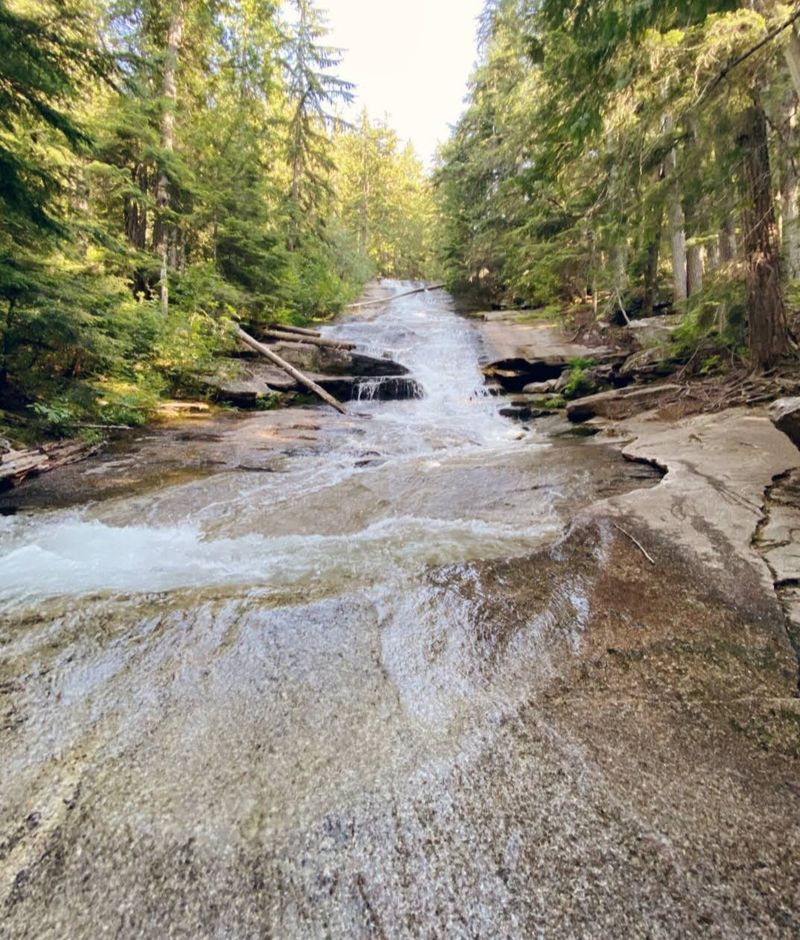
Nearby, a trail leads to natural rock slides on a mountain creek. The water has polished smooth granite chutes that kids and adults slide down in summer.
The hike involves crossing a creek, so footing can be tricky. Rainy or cool days may make the crossing harder.
Bring sturdy shoes, a towel, and maybe a change of clothes. Creek water fed by mountain snow stays cold even in August.
I like that Lionhead balances out the busier Indian Creek. You can split your trip and enjoy both moods.
Back on dry land, the forest itself holds plenty to explore on foot, with a tasty bonus in late summer.
Trails, Huckleberries, and Fall Color
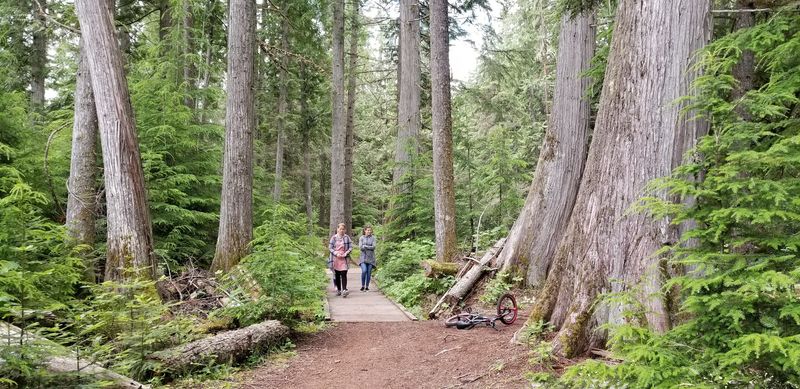
Wild huckleberries grow in the forests around Priest Lake, and late summer is when they ripen. These small purple berries are a beloved northern Idaho treat.
Picking them is a fun family activity. Just be sure you know what you’re picking, and leave plenty for the bears and birds that rely on them.
The park and surrounding forest have nature trails for walking and hiking. Many are fairly easy, so younger kids can join without much trouble.
Indian Creek also has a disc golf course. It’s a relaxed way to spend an afternoon when you need a break from the beach.
Autumn brings a different look. By mid-October, the western larch trees turn gold, standing out against the dark green pines and cedars.
Fall visits are quieter and cooler. You’ll want warm layers, especially for mornings and evenings by the lake.
Bug spray and water bottles belong in every daypack here. A small trail map is a smart addition too.
When the sun finally sets, the show simply moves upward, and that’s where Priest Lake really surprises people.
Starry Nights and Smart Planning Tips
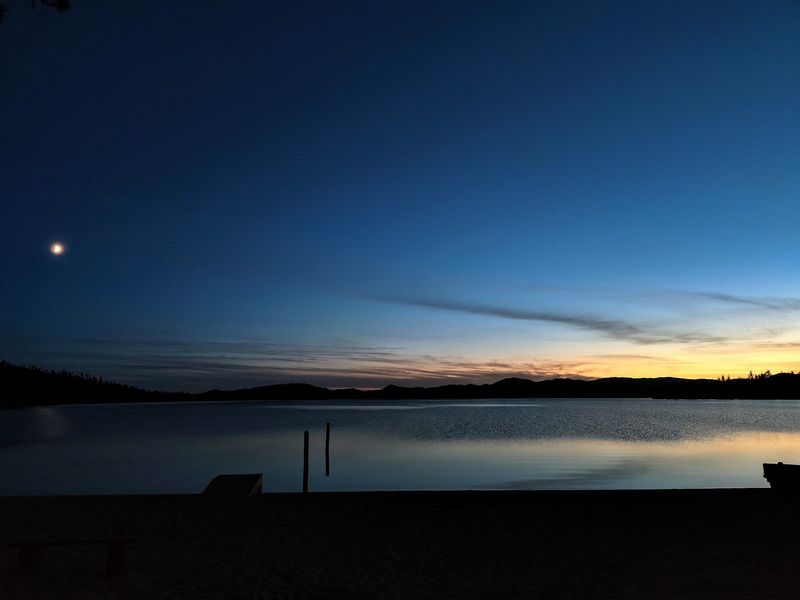
Far from city lights, the night sky over Priest Lake can get very dark. On clear nights, the Milky Way stretches across the sky above the mountains.
Bring a blanket and lie back on the beach after dark. A star app can help kids name planets and constellations.
Limited internet is part of the deal. Some see it as a downside, but many families enjoy unplugging for a few days.
Summer is the peak season, with warm days and busy beaches. Spring and fall bring fewer people but cooler temperatures and less predictable weather.
Wildfire smoke can drift into the region in late summer. Checking air quality before your trip helps you plan around it.
Park entry requires a fee or an Idaho state parks passport. Camping and cabin stays need reservations, especially between June and early September.
Pack layers, rain gear, water shoes, and bug spray. Bring a printed map and some extra snacks too.
Priest Lake rewards people who show up prepared. With clear water by day and bright stars by night, it’s easy to see why so many families return to this corner of northern Idaho every year.
Share this story