Some bands go out quietly, but the most memorable ones seem to fall apart in the loudest ways possible. Whether it was a screaming match backstage, a bitter lawsuit, or a public feud that played out in the press for years, these breakups became just as famous as the music itself.
From classic rock legends to boy band favorites, the stories behind these splits are full of drama, heartbreak, and occasionally a little redemption. If you ever wondered what really went wrong behind the scenes, this list covers the breakups that fans are still talking about decades later.
Van Halen
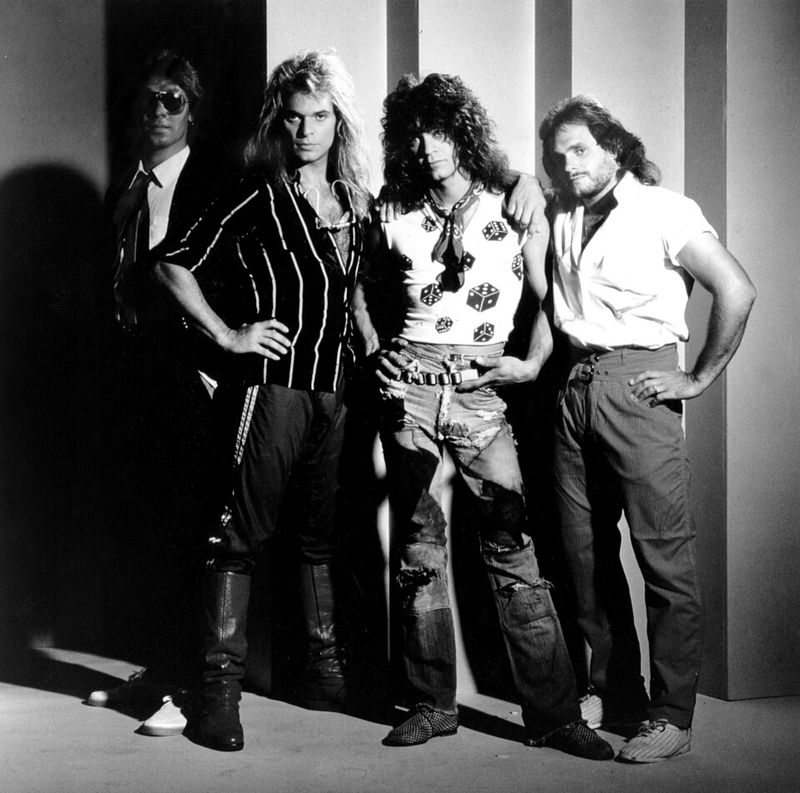
Not many bands survive one major lineup change, let alone several. Van Halen somehow kept going through years of personnel battles that would have finished most groups entirely.
David Lee Roth departed during the band’s enormous mid-1980s peak, with his solo ambitions creating a tension that the group simply could not absorb.
Sammy Hagar stepped in and helped launch a second successful chapter before his own bitter exit in 1996. Hagar returned for a 2004 reunion tour, but friction with Eddie Van Halen resurfaced quickly.
Roth eventually came back and remained the frontman through the band’s final active period.
Eddie Van Halen’s passing in October 2020 closed the door on any future version of the classic band. What made the situation so compelling was that each departure felt personal, not just professional.
Fans kept following every twist because the music had mattered so deeply to so many people.
Fleetwood Mac
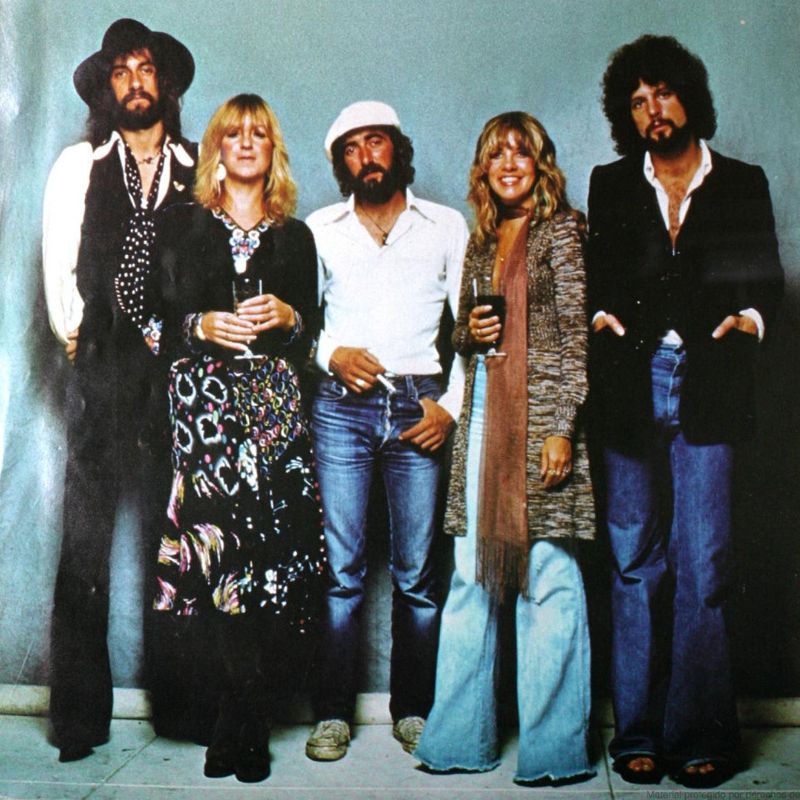
Turning personal pain into platinum records is not something most bands can pull off, but Fleetwood Mac made it look almost routine. During the recording of Rumours, John and Christine McVie were going through a divorce while Stevie Nicks and Lindsey Buckingham were ending their own romantic relationship at the same time.
That emotional pressure was only the beginning. Members left and returned repeatedly over the following decades, keeping the group in a constant state of controlled instability.
The most recent major rupture came in 2018, when Buckingham was removed from the touring lineup and later filed a lawsuit against the band.
Christine McVie’s passing in 2022 changed the group’s future permanently. Reports of a full reunion in 2025 were publicly denied by the band’s representative.
Fleetwood Mac has not resumed as an active touring group, leaving fans with an incredible catalog and a story that still generates strong feelings.
The Eagles
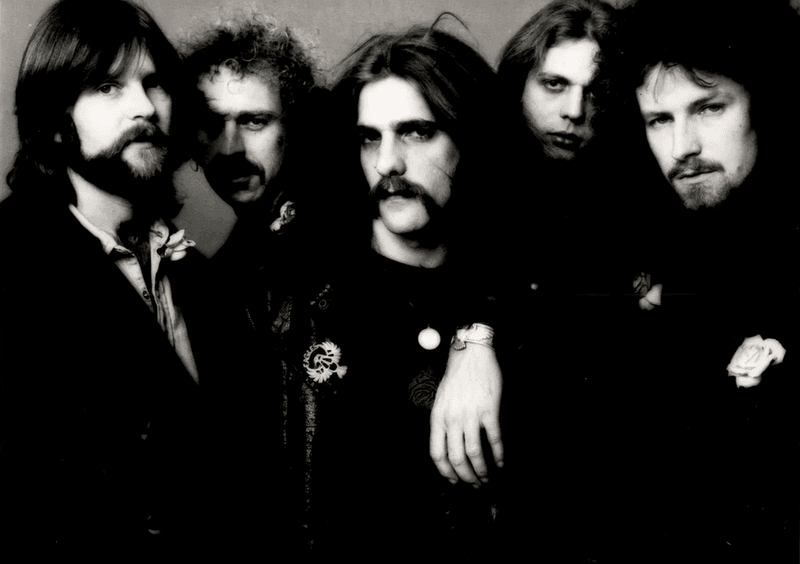
Hotel California gave the Eagles a level of success that very few bands ever reach, but the pressure inside the group was building well before that album even came out. One of rock’s most infamous backstage confrontations involved Glenn Frey and Don Felder at a 1980 benefit concert in California.
The two were reportedly furious with each other before they even walked onstage, and the hostility continued while they were actually performing in front of an audience. The band fractured shortly afterward, and for a while it seemed like the split might be permanent.
Their eventual reunion, cheekily titled Hell Freezes Over, arrived in the 1990s and proved there was still a large audience waiting. Felder was dismissed in 2001, which triggered another round of legal disputes.
The Eagles are active again in 2026, with concert dates at the Sphere in Las Vegas scheduled and more dates continuing into 2027.
Simon and Garfunkel
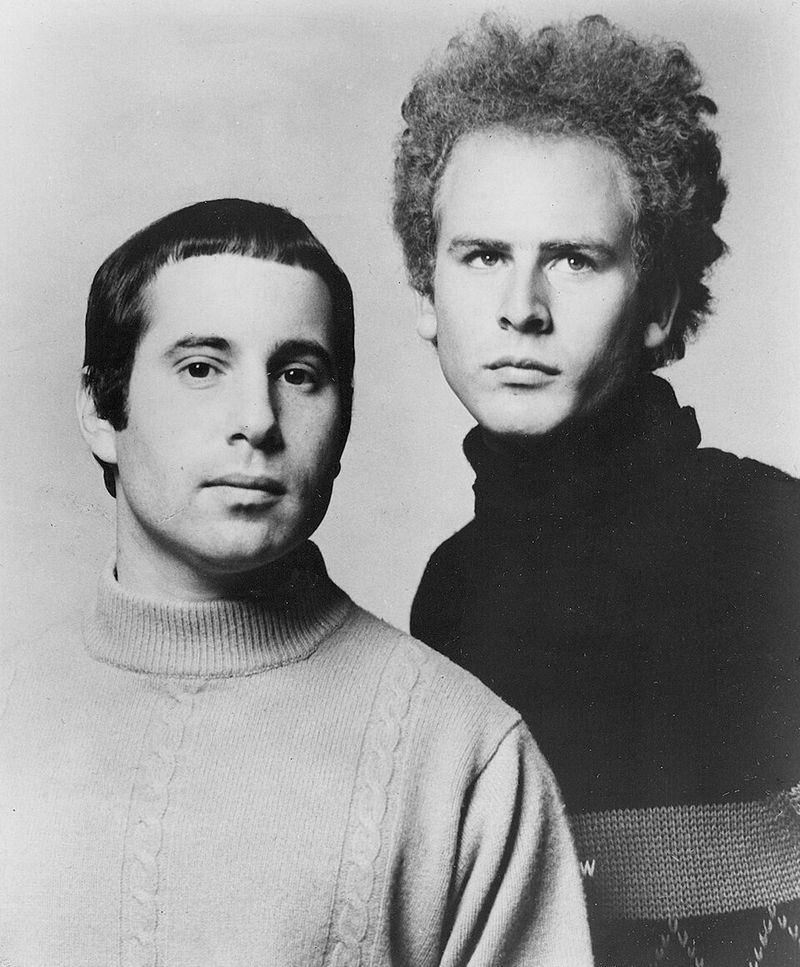
Paul Simon and Art Garfunkel had known each other since childhood, which made their professional split feel all the more complicated when it finally arrived. Simon was the primary songwriter, while Garfunkel’s voice was what audiences often remembered most.
That imbalance quietly created a tension that grew harder to ignore over time.
Bridge Over Troubled Water, released in 1970, was both the peak of their partnership and effectively its ending. Garfunkel’s growing interest in acting pulled him in a different direction at exactly the moment Simon wanted to focus entirely on music and writing.
They reunited multiple times afterward, including massive free concerts in New York’s Central Park that drew enormous crowds. But the old disagreements had a habit of resurfacing.
Simon eventually acknowledged publicly that the two simply did not get along well enough to sustain a long-term working relationship, which was an unusually candid admission from a famously private artist.
The Beach Boys
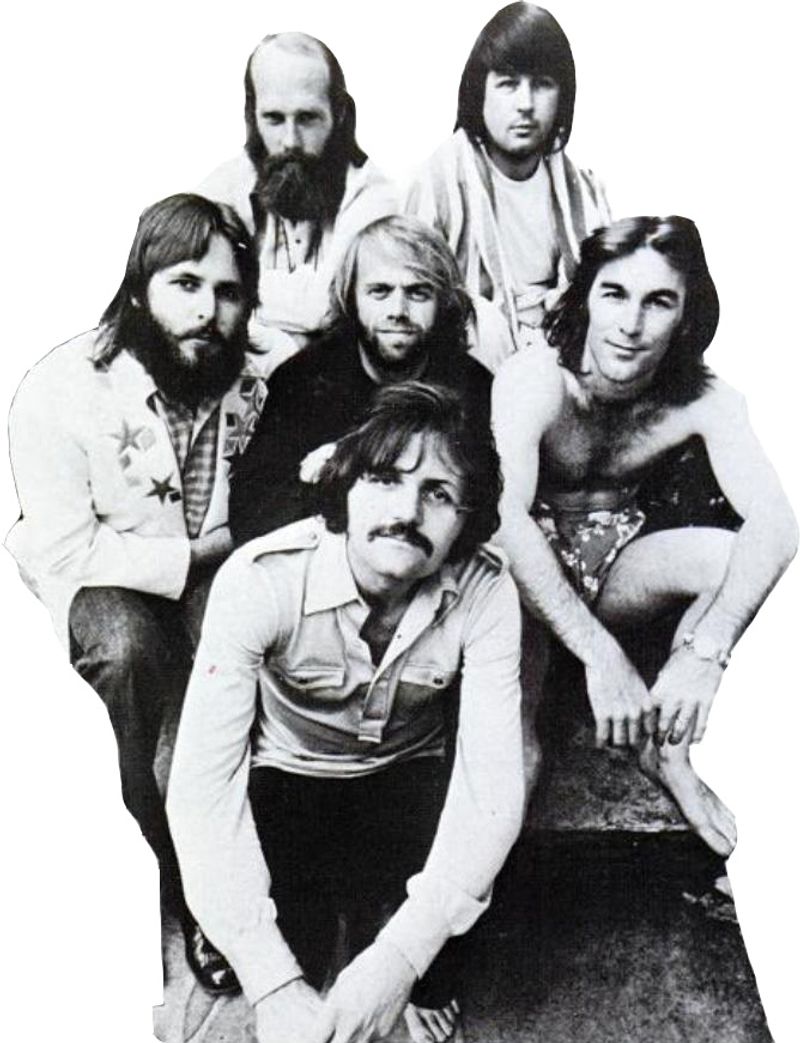
Behind the sunshine harmonies and feel-good singles, the Beach Boys carried decades of complicated internal conflict. Brian Wilson’s increasingly ambitious production ideas, most visibly on Pet Sounds and the unfinished original Smile sessions, put him at odds with Mike Love’s preference for the group’s more commercially reliable direction.
Songwriting-credit disputes, competing touring lineups, and lawsuits added layers of bitterness that accumulated over many years. The division between Wilson and Love became one of rock’s most enduring and well-documented creative disagreements, with each side holding firm positions for decades.
A 50th-anniversary reunion tour in 2012 brought the key members back together, but the arrangement did not hold for long after the tour concluded. Brian Wilson, the creative architect behind much of the group’s most celebrated work, passed away in June 2025.
Mike Love continues to tour under the Beach Boys name in 2026, carrying on a legacy that remains both beloved and occasionally contested.
Guns N Roses
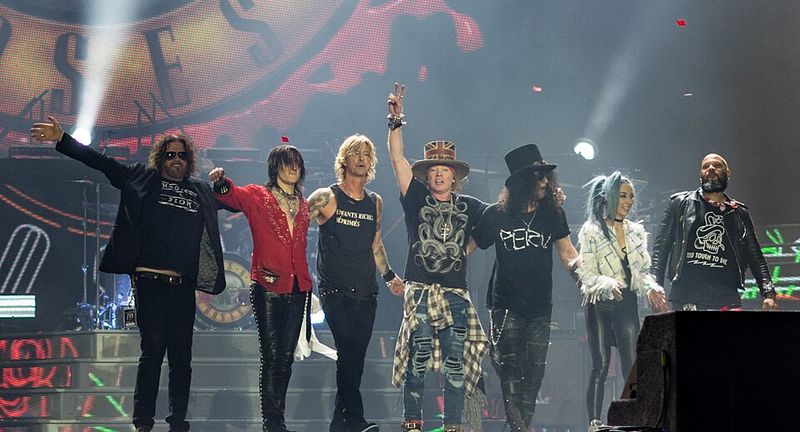
The original Guns N’ Roses lineup packed enough personality conflicts into a few years to supply most bands with a lifetime of drama. Axl Rose and Slash became the central figures in a power struggle that touched on creative direction, touring behavior, and the fundamental question of who actually controlled the band’s identity.
Slash departed in 1996, and Duff McKagan followed the next year. Rose kept the Guns N’ Roses name alive with a rotating cast of musicians for years, releasing the long-delayed Chinese Democracy in 2008 while reunion rumors swirled and faded repeatedly.
Then something genuinely unexpected happened. Slash and McKagan returned to the fold in 2016 for a reunion that few observers had predicted would actually occur.
The response from fans was enormous. Guns N’ Roses remains an active touring band, with North American and international dates confirmed throughout 2026, proving that even the most fractured lineups can sometimes find their way back together.
Crosby Stills Nash and Young
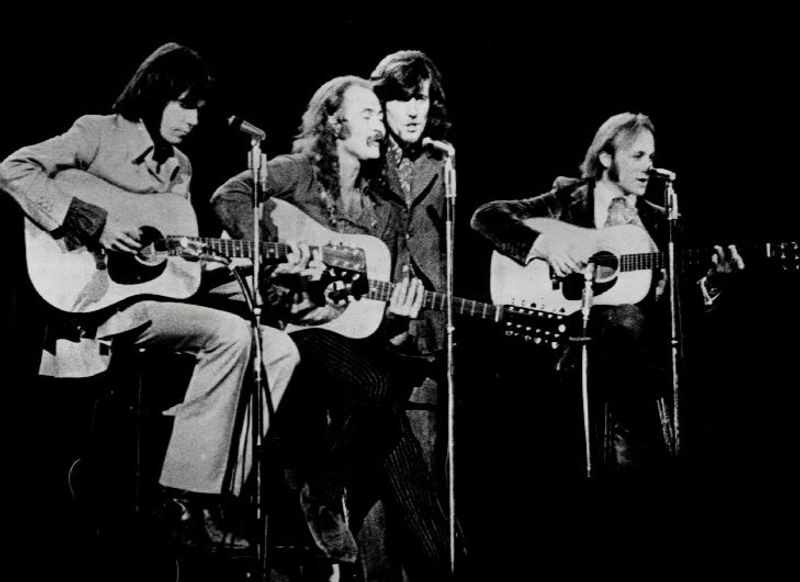
Crosby, Stills, Nash and Young were already known for complicated relationships and extended periods apart before one particularly damaging feud made a final reunion nearly impossible. David Crosby publicly criticized Daryl Hannah, who was Neil Young’s partner and later became his wife, in comments that Young found deeply offensive.
Crosby eventually apologized and admitted the remarks had been wrong, but the damage was significant. Young made clear that performing alongside Crosby again held no appeal for him, and the two remained estranged in the years that followed.
David Crosby’s passing in January 2023 permanently closed the door on any classic quartet reunion. The group’s legacy remains enormous, built on some of the most politically engaged and harmonically rich recordings of the early 1970s.
Their story is a reminder that even shared history and musical chemistry cannot always outlast a friendship that has been pushed too far in the wrong direction.
The Beatles
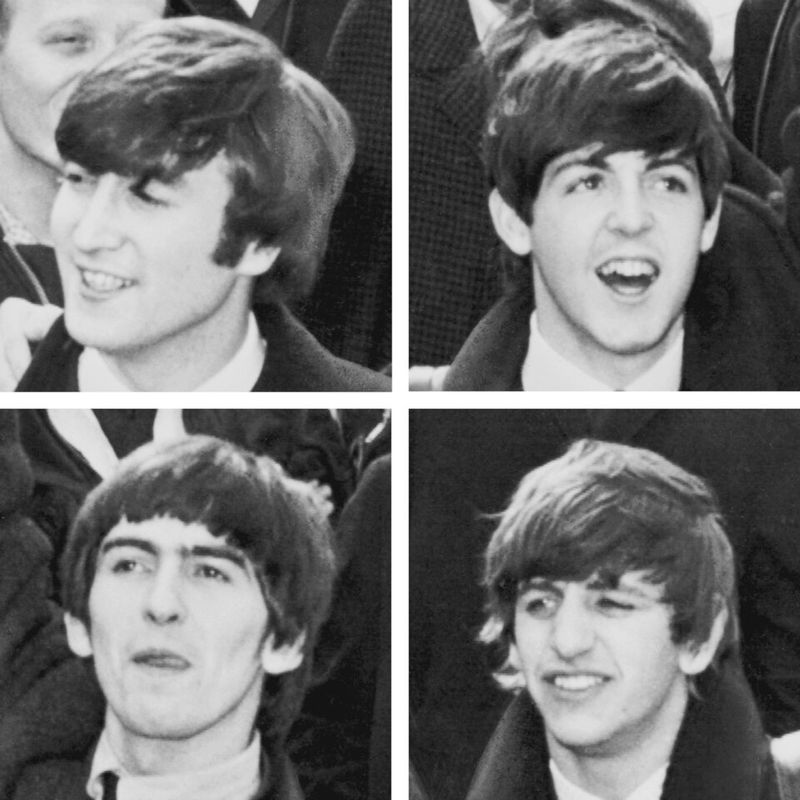
Yoko Ono became the most convenient explanation for the Beatles’ collapse, but the reality involved far more moving parts than one person’s influence. By the late 1960s, all four members were pursuing increasingly separate creative paths, and the group’s internal chemistry had been shifting for years before the public split arrived.
The death of manager Brian Epstein in 1967 removed the one figure who had consistently kept the group’s business and personal tensions from boiling over. Disagreements about who should manage the band’s finances added another layer of conflict that proved very difficult to resolve.
George Harrison briefly walked out during the Get Back sessions. John Lennon told the other members privately that he was leaving in 1969.
Paul McCartney’s announcement alongside his first solo album in 1970 made the breakup official for the public. The legal and financial battles that followed lasted for years, turning the end of the world’s most famous band into a prolonged and painful process.
Sex Pistols
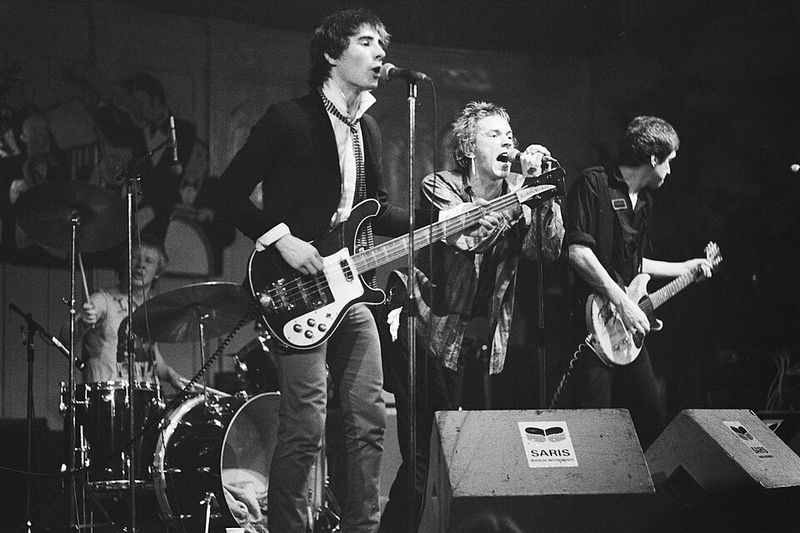
Chaos was practically written into the Sex Pistols’ identity from the start, so perhaps their spectacular collapse was always more likely than their survival. The group’s notorious 1978 American tour became the setting for the final unraveling, as tensions between Johnny Rotten, manager Malcolm McLaren, and the other members reached a breaking point.
At their final show at San Francisco’s Winterland Ballroom, Rotten addressed the crowd with a question about whether they felt cheated, a moment that became one of punk rock’s most quoted exits. He left the group immediately after that performance.
The original lineup did reunite for tours in later decades, drawing fans who wanted to experience the energy of that original era. In 2026, Steve Jones, Paul Cook, and Glen Matlock are performing Sex Pistols material with Frank Carter handling vocal duties.
John Lydon, the name Rotten adopted after the band, is not part of the current lineup.
The Everly Brothers
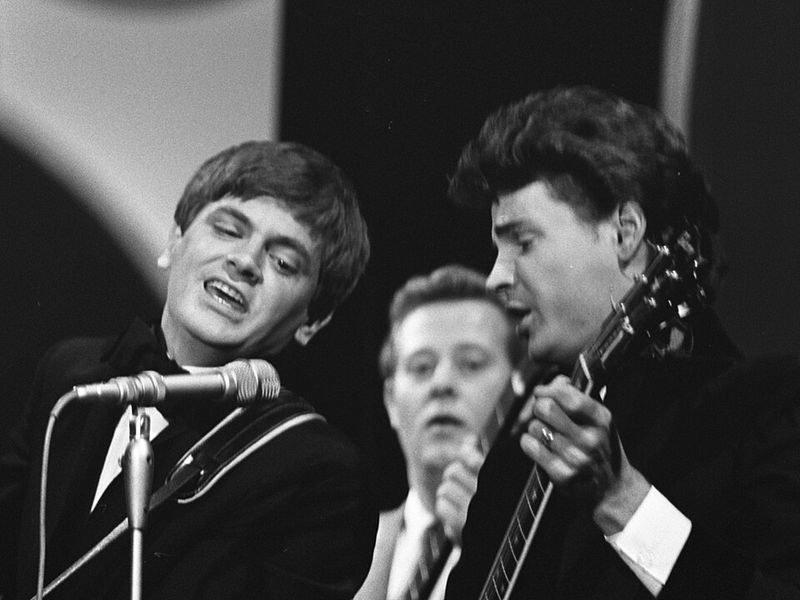
Don and Phil Everly built some of early rock music’s most influential vocal harmonies together, but the relationship behind those recordings grew increasingly hostile over the years. Their working partnership carried a weight that eventually became too much to sustain under the pressures of a changing music industry and personal friction between two brothers.
Everything came apart publicly during a July 1973 performance at Knott’s Berry Farm. Don reportedly arrived in poor condition after telling Phil he wanted to end their performing partnership.
Phil eventually smashed his guitar and walked off the stage, leaving Don to finish the show alone in front of a stunned audience.
The brothers then spent roughly a decade apart before staging a celebrated reunion concert at London’s Royal Albert Hall in 1983. That event was warmly received and led to continued collaboration afterward.
Their story proved that even one of rock’s most visibly hostile sibling fallouts did not have to be the permanent ending it first appeared to be.
ABBA
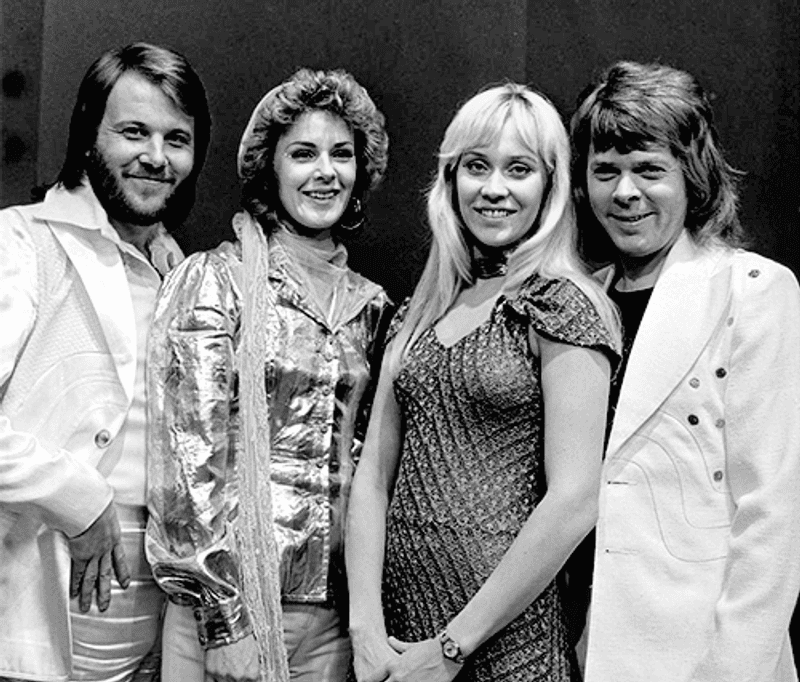
ABBA had a structural challenge that most bands never face: two of the four members were married to each other, and so were the other two. When Agnetha Faltskog and Bjorn Ulvaeus separated, followed by Benny Andersson and Anni-Frid Lyngstad, the emotional atmosphere inside the group changed in ways that recording sessions alone could not fix.
Rather than staging a dramatic public breakup, ABBA simply went quiet in the early 1980s. The group released increasingly introspective material in their final active period, then stepped away without a formal farewell.
For years, reunion speculation was a regular feature of pop music conversations.
Against most expectations, all four members eventually reunited creatively. The album Voyage arrived in 2021 to strong commercial and critical reception.
Their digital-avatar concert production, ABBA Voyage, featuring a live band performing alongside virtual versions of the four members, continues running in London in 2026, drawing audiences who grew up with the originals and fans discovering them for the first time.
The Police
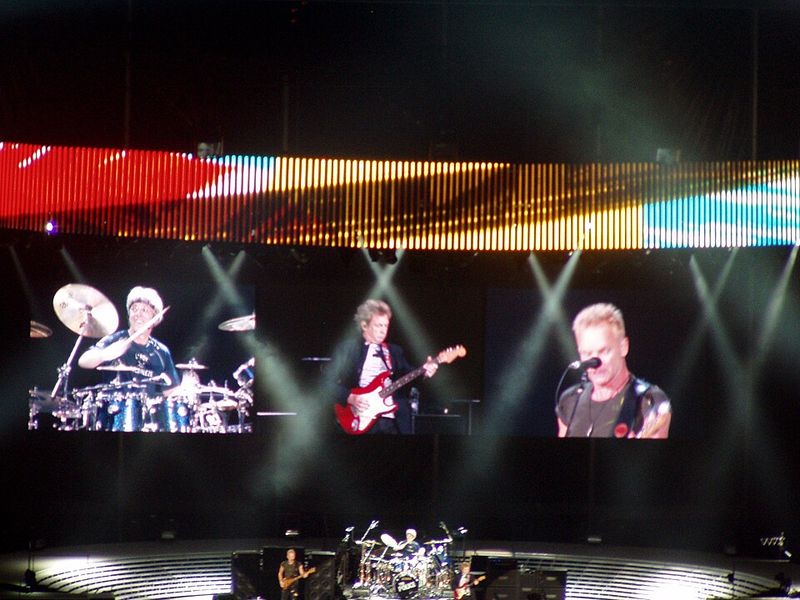
Sting, Stewart Copeland, and Andy Summers put together one of the most commercially successful runs in early 1980s rock, but the creative friction inside the group was significant enough to surface in documented arguments during studio sessions. Songwriting was at the center of the tension.
Sting wrote the majority of the group’s material and became its dominant creative voice over time. Copeland and Summers both wanted more input and more space within the band’s creative process, and the disagreements occasionally turned physical during recording.
That kind of environment is difficult to sustain for long regardless of how successful the records become.
The Police stopped functioning as a regular working band after touring behind Synchronicity in 1984. A later attempt at a studio reunion did not produce results, but the trio eventually came back for a major world tour starting in 2007.
Once that run ended in 2008, all three returned to separate careers and have not toured together since.
Blink-182
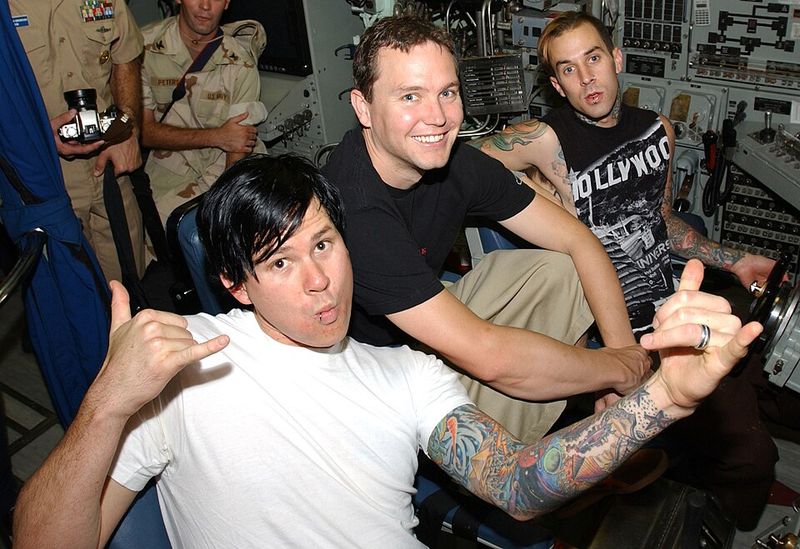
Blink-182 has tested the limits of how many times a band can break apart and still come back together with the original members. The first major split arrived in 2005, when disagreements over touring commitments, recording plans, and Tom DeLonge’s other creative projects created a rift that communication could not bridge.
By that point, the members were reportedly conducting most of their conversations through representatives rather than directly with each other. The group reconciled after Travis Barker survived a devastating 2008 plane crash, a moment that reminded everyone what actually mattered beyond professional disagreements.
Another dispute with DeLonge surfaced years later, and Matt Skiba took his place for a period. The situation shifted again when Mark Hoppus publicly shared his cancer experience, prompting DeLonge to reconnect with his bandmates.
The original trio returned to recording and touring together, releasing new material and continuing to perform for a fanbase that had followed every chapter of the group’s turbulent story.
The Dorsey Brothers
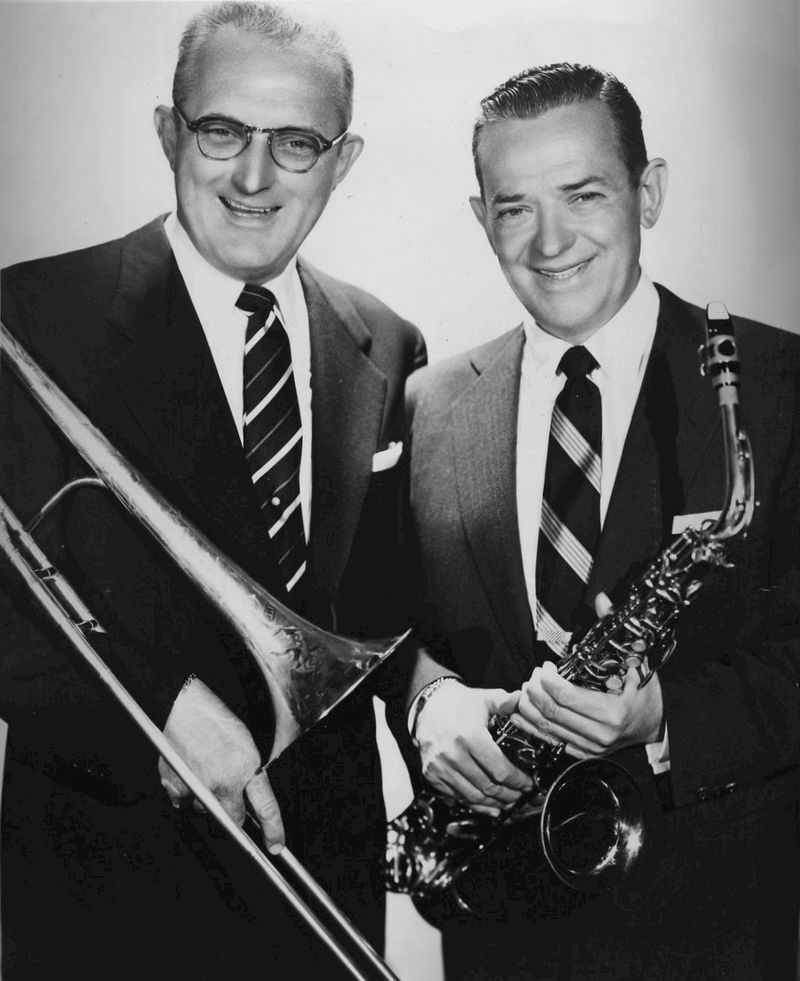
Jimmy and Tommy Dorsey were two of the biggest names in American big-band music, but their sibling rivalry ran deep enough to tear apart the orchestra they had built together. The Dorsey Brothers Orchestra collapsed in 1935, and the breaking point reportedly came during a disagreement over the tempo of a song at a live performance.
Tommy walked away and immediately formed his own highly successful orchestra. Jimmy took over the existing band and also built a strong following independently.
For nearly two decades, the brothers led separate careers and maintained their distance from each other professionally.
A reconciliation finally arrived in the early 1950s, and they eventually co-hosted a television program together called Stage Show, which also featured early appearances by Elvis Presley. The reunion turned out to be relatively brief.
Tommy passed away in 1956, and Jimmy followed only months later in 1957, closing the chapter on one of swing music’s most complicated fraternal partnerships.
One Direction
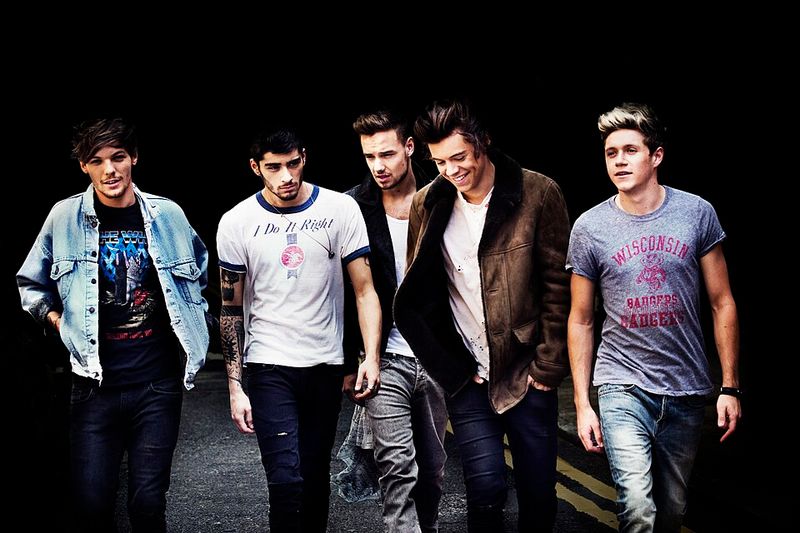
Zayn Malik’s departure in March 2015 was the moment One Direction fans had hoped would never come. Malik said he needed distance from the pressures of being part of one of the world’s most commercially successful pop groups, and his exit landed as a genuine shock to a fanbase that had followed the group since their X Factor debut.
Months later, Harry Styles, Niall Horan, Liam Payne, and Louis Tomlinson announced an extended hiatus. All five members eventually pursued solo careers, and comments made publicly in the years that followed suggested that some of the relationships within the group had grown complicated in ways that went beyond simple creative differences.
A full reunion never materialized. Liam Payne passed away in Buenos Aires on October 16, 2024, at age 31, permanently altering what any future version of the group’s story could look like.
Fans around the world responded with an outpouring of grief that reflected how deeply the group’s music had connected with an entire generation.
Share this story