The Olympic Games bring together athletes from every corner of the world, but some countries have built medal collections that stand far above the rest. Over more than a century of competition, certain nations have turned Olympic success into a proud national tradition.
From swimming pools to gymnastics floors, these countries have produced some of the greatest athletes the world has ever seen. Here is a look at the 15 nations that have earned the most Olympic medals in history.
1. United States
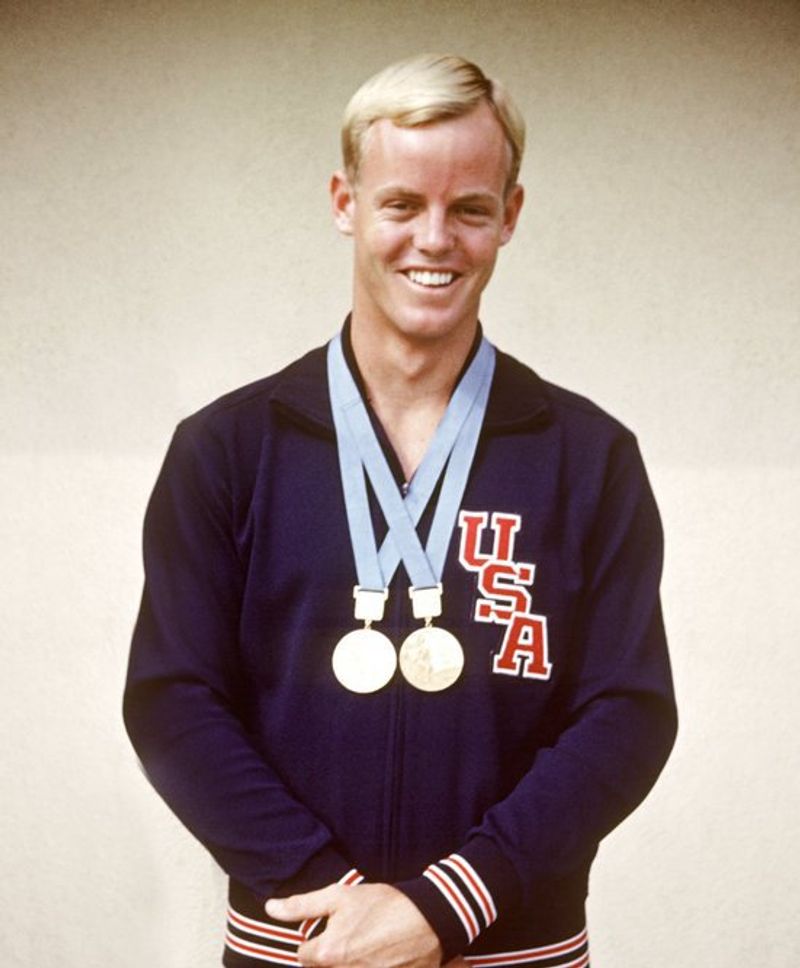
No country in Olympic history has collected more medals than the United States. With over 2,600 total medals across the Summer and Winter Games combined, the U.S. has dominated international competition for generations.
Athletes like Michael Phelps, Jesse Owens, and Simone Biles have become global icons while representing their country on the world’s biggest stage.
American success comes from a deep sports culture, strong university athletic programs, and massive investment in Olympic training centers. The country competes in nearly every sport, giving it more opportunities to win medals than most nations.
Track and field, swimming, basketball, and gymnastics have traditionally been the strongest events for U.S. athletes.
Even in sports where other countries lead, American competitors often find ways to break through. The U.S. has finished first in the overall medal count at most Summer Olympics it has attended.
2. Great Britain
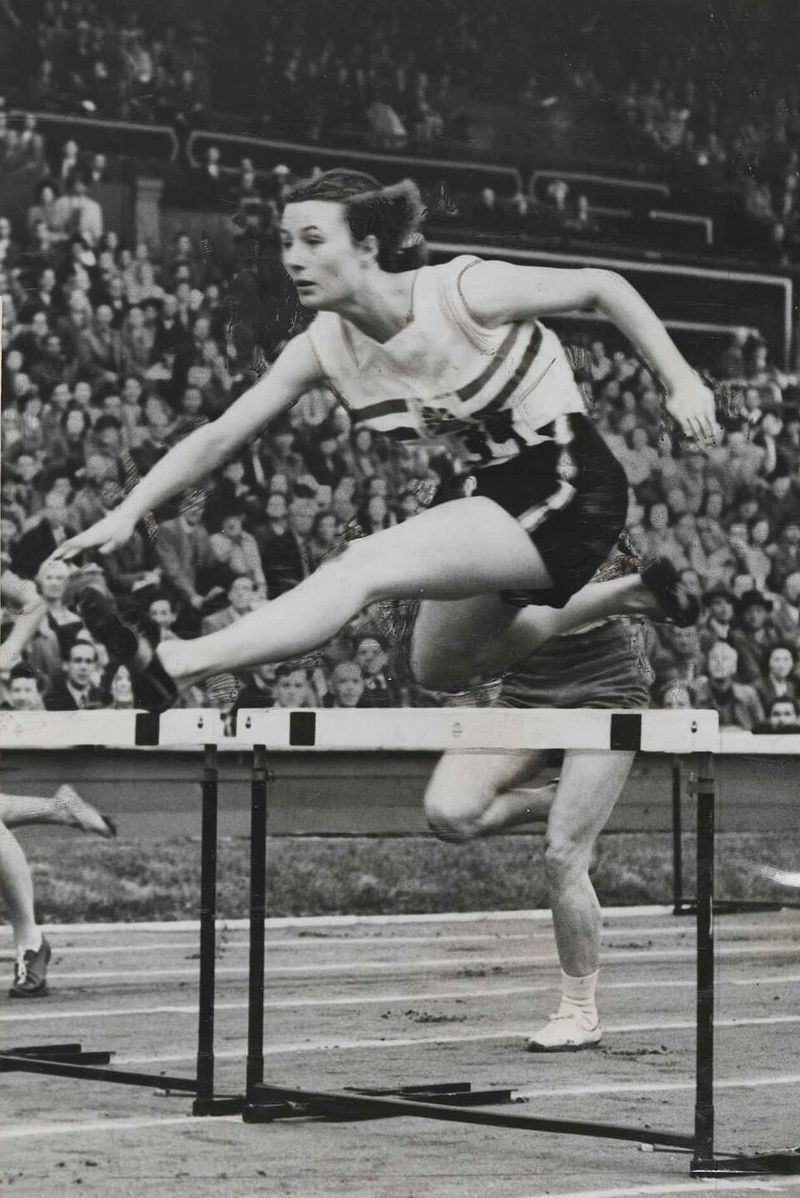
Great Britain has one of the longest and most respected Olympic histories of any nation on earth. As a founding participant in the modern Games, dating back to Athens in 1896, Great Britain has had well over a century to build its impressive medal total of more than 900.
The country has never missed a Summer Olympics, making it one of only a handful of nations with that distinction.
British athletes have shined in sports like cycling, rowing, sailing, and athletics. The London 2012 Olympics served as a turning point, with Team GB finishing third in the overall medal count and inspiring a new generation of young British athletes to pursue their Olympic dreams.
Funding through programs like UK Sport has helped British competitors train at world-class facilities. The results speak for themselves, with consistent podium finishes across a wide range of disciplines at every recent Games.
3. Germany
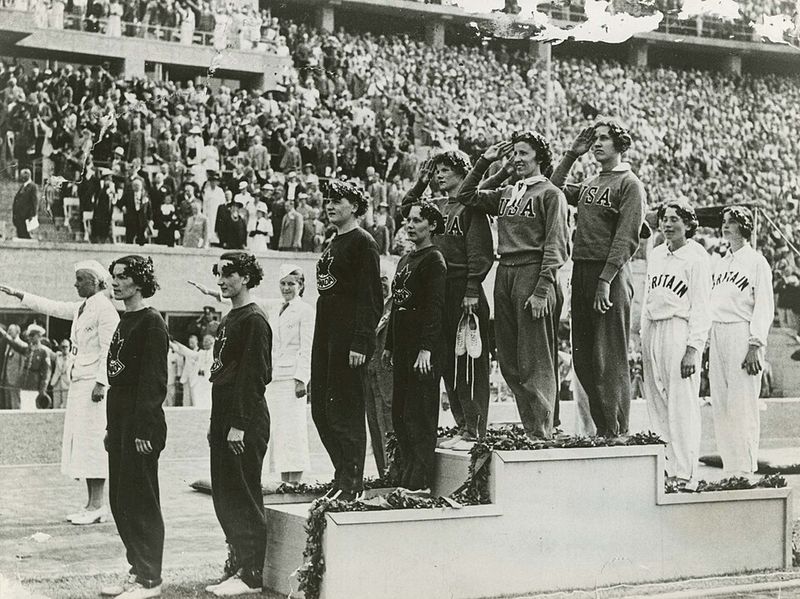
Germany’s Olympic story is one of resilience and reinvention. The country competed under different political identities throughout the 20th century, including separate East and West German teams during the Cold War era.
Despite those complications, Germany has accumulated over 900 total Olympic medals, placing it firmly among the all-time elite nations.
East Germany, in particular, built a powerhouse sports system during the 1970s and 1980s that produced extraordinary results in swimming, gymnastics, and athletics. After reunification in 1990, the combined German team continued to perform at a high level across multiple sports.
Today, Germany consistently earns medals in equestrian events, rowing, canoe sprint, and biathlon. The country places a strong emphasis on athlete development through federally supported sports clubs and training academies.
Germany remains a serious contender at every Olympic Games, both summer and winter.
4. France

France holds a special place in Olympic history as the home country of Pierre de Coubertin, the man who revived the modern Olympic Games in 1896. That founding connection gives France a unique bond with the Olympic movement that goes far beyond medal counts.
With over 800 total medals, France has backed up its historical role with consistent competitive excellence.
French athletes have traditionally excelled in fencing, cycling, judo, and athletics. The country also performs well in sailing, shooting, and equestrian disciplines.
Paris hosted the Summer Olympics in both 1900 and 1924, and welcomed the Games again in 2024, giving French athletes a home crowd advantage that fueled record-breaking performances.
France invests heavily in sports infrastructure and athlete support programs. The results are visible in its growing medal haul at recent Games, where French competitors have shown they can compete with anyone in the world across a wide variety of events.
5. Italy
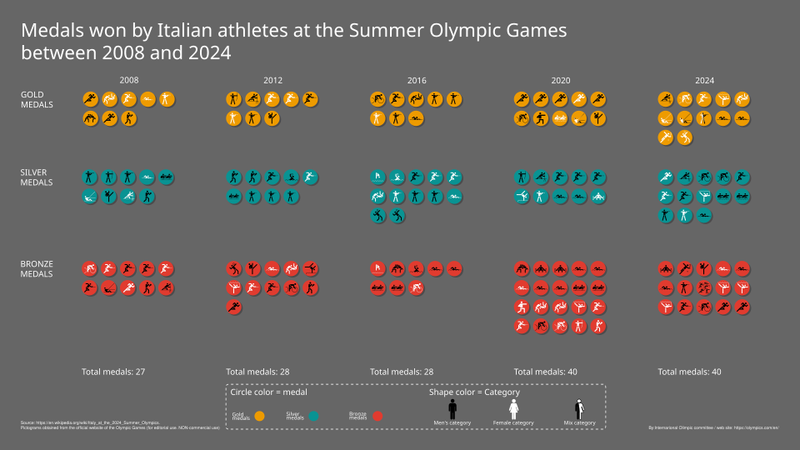
Italy brings passion and precision to the Olympic stage in equal measure. With more than 700 total Olympic medals, the country has proven itself as a consistent force across both Summer and Winter Games.
Italian athletes have a reputation for combining technical skill with competitive fire, especially in sports that reward both athleticism and artistry.
Fencing is perhaps Italy’s most celebrated Olympic discipline, with Italian fencers winning more Olympic medals in that sport than almost any other country in history. Italy also performs strongly in cycling, shooting, wrestling, and swimming.
Winter sports like alpine skiing and speed skating have added significantly to the country’s overall medal count.
The Italian Olympic Committee supports athletes through a well-organized national sports system. Recent Olympics have seen Italy enjoy strong performances, including a standout showing at the Tokyo 2020 Games, where Italian athletes won an impressive number of gold medals across several different sports.
6. China
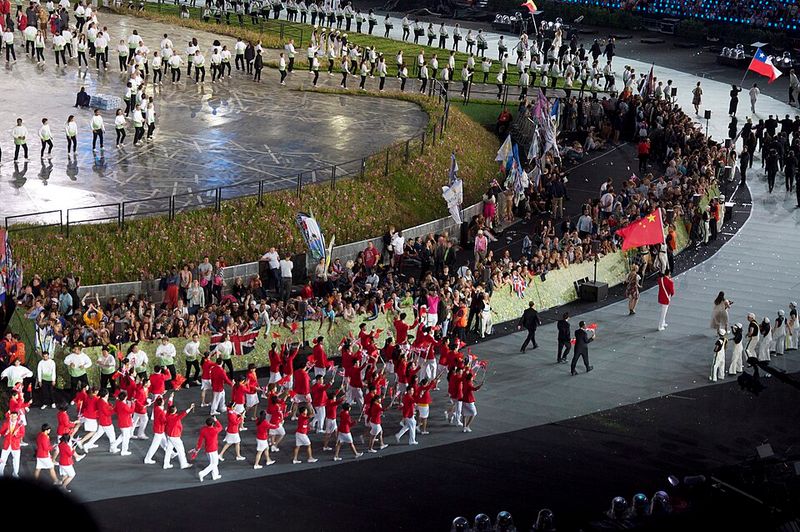
China’s rise in Olympic competition is one of the most dramatic stories in sports history. The country did not compete in the Summer Olympics until 1984, yet it has already accumulated over 600 total medals and regularly finishes near the top of the gold medal standings.
That kind of rapid ascent reflects an extraordinary national commitment to athletic excellence.
Chinese athletes dominate in sports like diving, table tennis, weightlifting, and gymnastics. The country has produced legendary competitors in these disciplines who have won multiple gold medals across several Olympic Games.
Badminton and shooting are also areas where China consistently earns top results.
China’s government-backed sports system identifies talented young athletes early and provides them with intensive training and resources. The approach has proven highly effective.
Beijing hosted the Summer Olympics in 2008 and the Winter Olympics in 2022, giving Chinese athletes and fans two unforgettable home Games experiences within a single generation.
7. Sweden

For a country with a relatively small population, Sweden’s Olympic record is genuinely remarkable. With over 650 total medals, Sweden has punched far above its weight class on the global sports stage for more than a century.
Swedish athletes first competed at the 1896 Athens Games and have rarely missed a major Olympic event since then.
Sweden hosted the 1912 Summer Olympics in Stockholm, a Games that helped shape many of the rules and traditions still used today. Swedish competitors have historically excelled in wrestling, athletics, shooting, and equestrian events.
Nordic skiing and speed skating have also contributed heavily to the country’s Winter Games medal count.
Sweden’s athletic culture values hard work, fair play, and long-term development over short-term results. The country’s sports federation system gives athletes strong support at every level.
That foundation has kept Sweden competitive across generations, even as the global field of Olympic competition has grown larger and more challenging.
8. Australia

Australia is an Olympic overachiever in the best possible way. With a population of around 26 million people, the country has still managed to earn over 600 total Olympic medals, making it one of the most efficient medal-winning nations per capita in the world.
Australians take enormous pride in their Olympic athletes and follow the Games with genuine national enthusiasm.
Swimming is Australia’s signature Olympic sport. Athletes like Ian Thorpe, Dawn Fraser, and Cate Campbell have turned the pool into an Australian stronghold across multiple generations.
Cycling, rowing, and athletics have also produced consistent medal winners for the green and gold.
Australia hosted the Summer Olympics in Melbourne in 1956 and Sydney in 2000, with the Sydney Games widely considered one of the best-organized and most celebrated Olympics in modern history. Brisbane is set to host the 2032 Summer Olympics, giving Australia another chance to shine on home soil in front of a passionate crowd.
9. Japan
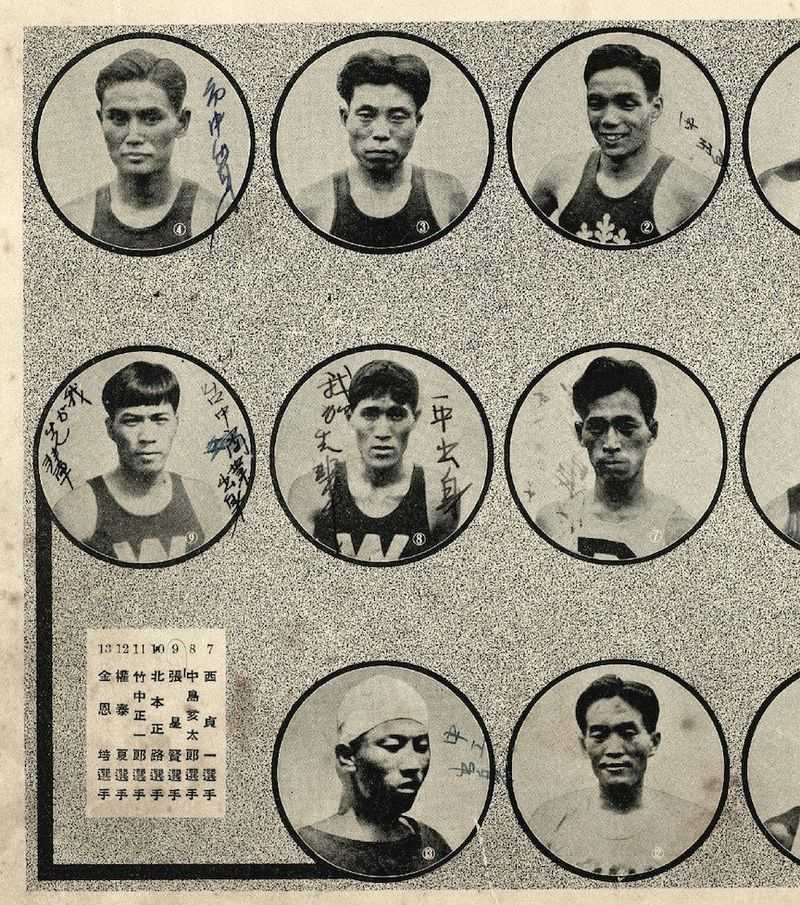
Japan has quietly built one of the most impressive Olympic medal collections in Asia. With over 500 total medals, Japan has shown remarkable consistency across more than a century of Olympic competition.
The country’s athletes blend discipline, technique, and mental toughness in ways that regularly produce podium finishes across a wide range of sports.
Judo is Japan’s most iconic Olympic sport, having been introduced to the Games at the 1964 Tokyo Olympics partly at Japan’s request. Japanese judoka have won more Olympic medals in that sport than any other country.
Wrestling, gymnastics, and swimming have also been strong contributors to Japan’s overall medal total.
Japan hosted the Summer Olympics in 1964 and again in 2020, with the Tokyo 2020 Games delayed to 2021 due to the global pandemic. Despite the unusual circumstances, Japanese athletes delivered their best-ever Olympic performance at those Games, winning 27 gold medals and finishing third in the gold medal standings.
10. Hungary

Hungary may surprise some readers on this list, but its Olympic record is genuinely outstanding. With over 500 total medals, Hungary has produced more Olympic champions per capita than almost any other country in the world.
For such a small nation, that level of sustained success is nothing short of extraordinary.
Fencing and swimming have historically been Hungary’s greatest sources of Olympic glory. Hungarian fencers dominated the sport for much of the 20th century, while swimmers like Katinka Hosszu have carried that tradition of excellence into the modern era.
Water polo is another area where Hungary stands above virtually every other nation, having won the Olympic tournament multiple times.
Hungarian athletes often compete with a fierce national pride that reflects their country’s deep love of sport. Despite facing political and economic challenges at various points in its history, Hungary has never stopped producing world-class Olympic competitors who represent their nation with remarkable skill and determination.
11. Russia
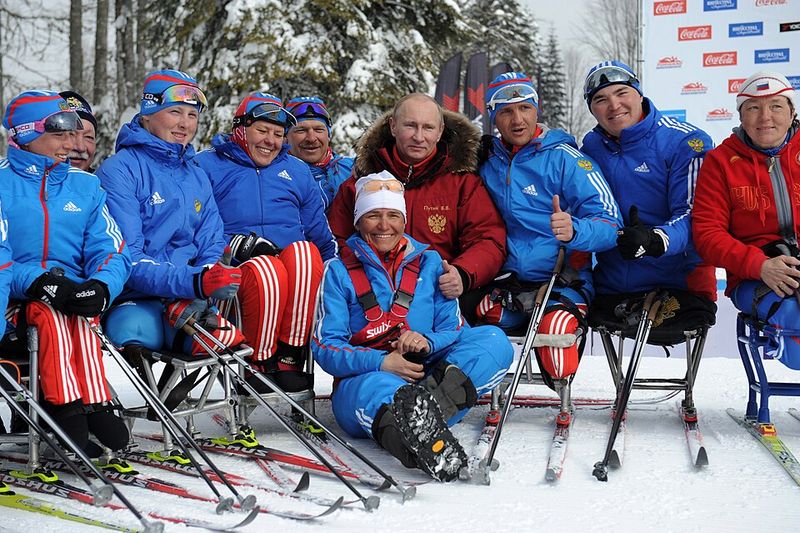
Russia’s Olympic history is complicated but undeniably impressive in terms of raw numbers. When including the Soviet Union era, Russian athletes have been part of one of the most dominant Olympic programs ever assembled.
The Soviet Union competed from 1952 until its dissolution in 1991, winning enormous numbers of medals at every Games it entered.
Soviet and Russian athletes have excelled in gymnastics, wrestling, weightlifting, athletics, and swimming. Gymnasts like Larisa Latynina, who once held the record for most Olympic medals by any athlete, helped define the sport on a global level.
Russian figure skaters and hockey teams also became legendary across Winter Olympics history.
Recent years have brought controversy and sanctions related to doping violations, limiting how Russian athletes have been allowed to compete. Despite those issues, the historical record remains, and Russia’s combined medal total across all eras places it among the very top nations in Olympic history by any measure.
12. Finland
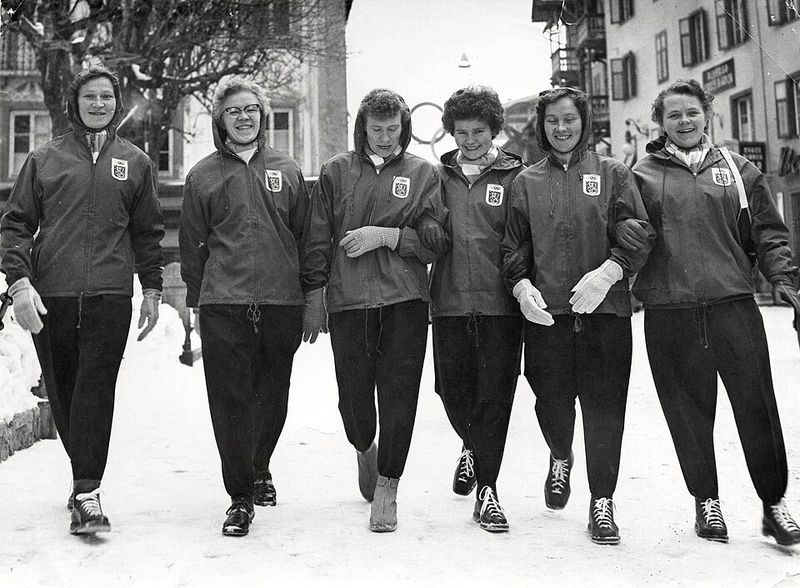
Finland’s Olympic legacy is built on grit, endurance, and a fierce competitive spirit that the Finns call “sisu.” With over 300 total medals, Finland has achieved extraordinary results for a country of just 5.5 million people. In the early and mid-20th century, Finland was one of the most feared Olympic nations on earth, particularly in long-distance running and athletics.
Paavo Nurmi, known as the “Flying Finn,” remains one of the greatest Olympic athletes of all time. He won nine gold medals in distance running during the 1920s, cementing Finland’s reputation as a nation of endurance warriors.
Finnish athletes have also performed well in wrestling, shooting, and Nordic skiing throughout Olympic history.
While Finland’s overall medal pace has slowed in recent decades as global competition has intensified, Finnish athletes continue to compete with pride and professionalism. The country’s connection to the Olympics runs deep, having hosted the Summer Games in Helsinki in 1952.
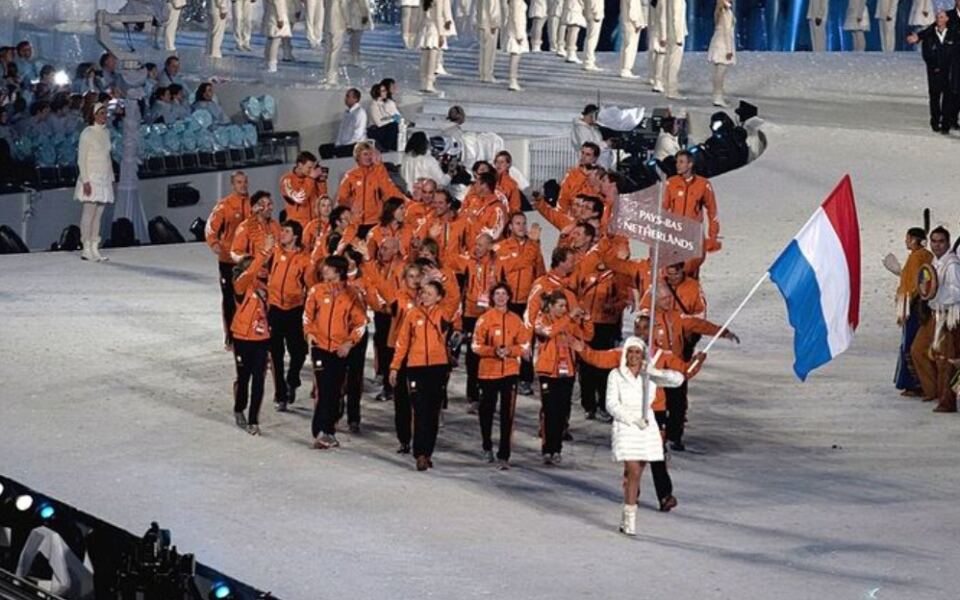
13. Netherlands
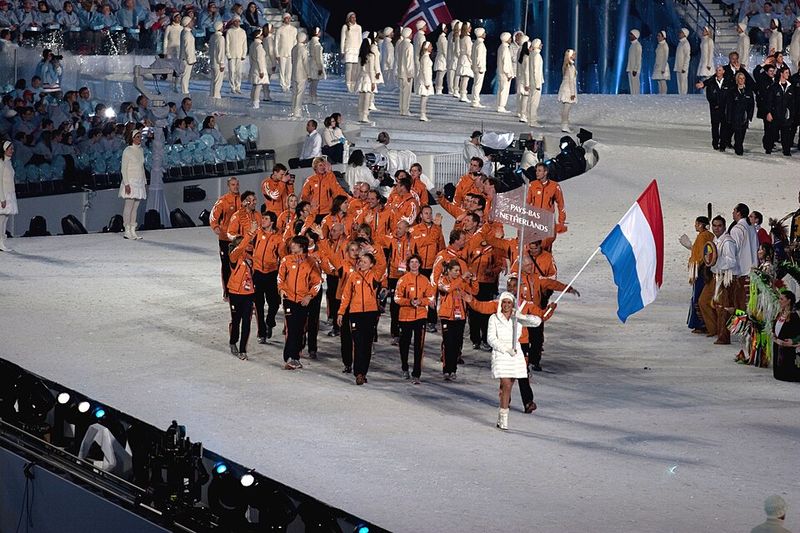
The Netherlands may be a small country, but its orange-clad athletes have made a big impression on Olympic history. With over 300 total medals, the Dutch have built a reputation for excellence in a specific set of sports that they have turned into national obsessions.
Few countries can match the Netherlands for depth of talent in its chosen disciplines.
Speed skating is the sport most closely associated with Dutch Olympic glory. The Netherlands consistently dominates the speed skating events at Winter Olympics, often sweeping entire podiums and leaving other nations competing for whatever medals remain.
Cycling, field hockey, and rowing have also been major sources of Dutch Olympic success.
The women’s field hockey team is widely considered the greatest in Olympic history, having won multiple gold medals across several decades. Dutch sports culture encourages participation and excellence from a young age.
That grassroots foundation, combined with strong national coaching programs, keeps the Netherlands producing top-level Olympic athletes generation after generation.
14. Canada
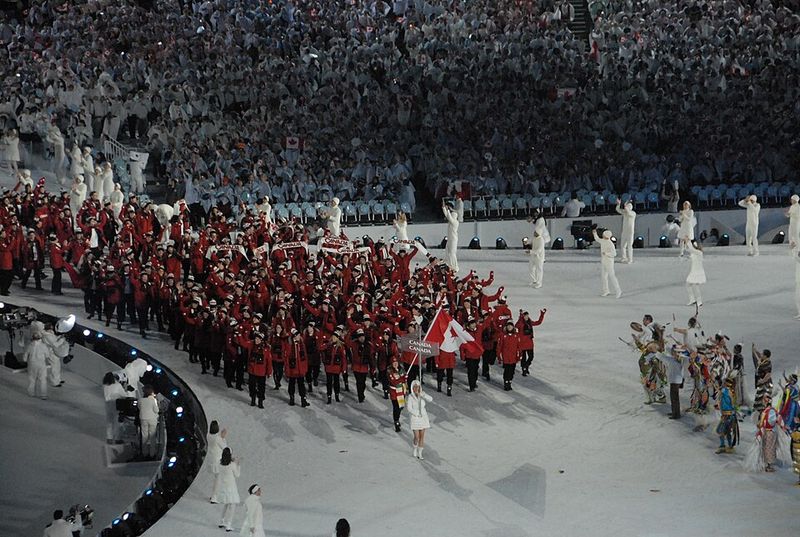
Canada’s Olympic journey has had its share of highs and a few frustrating lows, making its story one of the most relatable in international sports. The country famously failed to win a single gold medal at the 1976 Montreal Olympics, which it hosted, a moment that stung deeply and inspired major reforms in how Canada developed and supported its athletes.
Those reforms paid off over time. Canada has since become a consistent medal winner, particularly at Winter Olympics, where it regularly ranks among the top nations.
Ice hockey, speed skating, curling, and freestyle skiing have all delivered gold medals for Canadian fans to celebrate with pride.
At the Summer Games, Canada has found success in rowing, athletics, swimming, and wrestling. The country hosted the Winter Olympics in Calgary in 1988 and Vancouver in 2010.
The Vancouver Games were particularly memorable, as Canada won 14 gold medals, the most by any host nation in Winter Olympics history at that time.
15. Norway
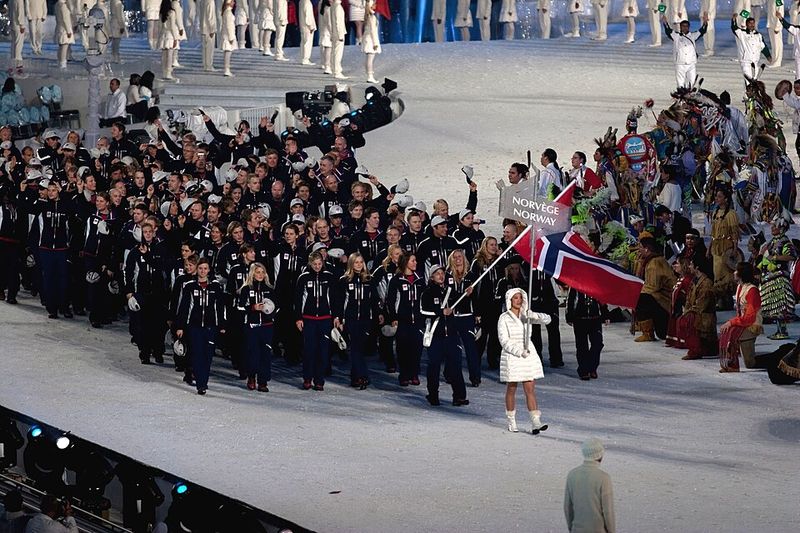
Ask any Winter Olympics expert which country rules the snow and ice, and the answer will almost always be Norway. The Norwegians have won more Winter Olympics medals than any other nation in history, a staggering achievement that reflects a deep cultural connection to winter sports.
Cross-country skiing alone has delivered dozens of gold medals to Norway over the decades.
Norwegian athletes like Ole Einar Bjoerndalen and Marit Bjoergen have become living legends in biathlon and cross-country skiing respectively. Bjoergen retired as the most decorated Winter Olympian of all time with 15 medals, a record that speaks to the incredible depth of talent Norway consistently produces in winter disciplines.
While Norway’s Summer Olympics record is more modest, its Winter Games dominance more than makes up for it in total medal terms. The country treats winter sports as a birthright, with children learning to ski almost as soon as they can walk, creating a natural pipeline of Olympic-level talent.
Share this story