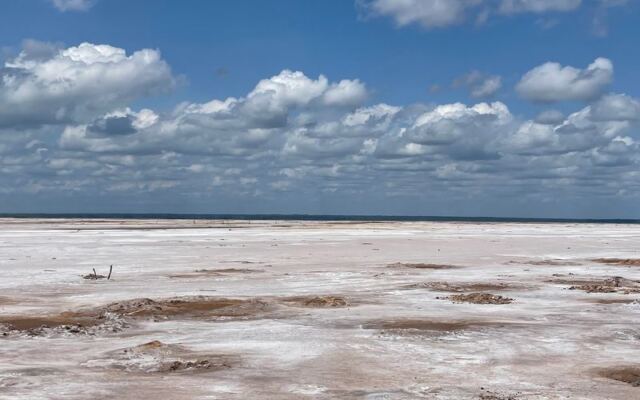
Somewhere in northwestern Oklahoma, a vast white expanse stretches out like a forgotten piece of the moon, and most people drive right past it without a second glance. Hidden near a small town, this extraordinary salt flat sits quietly on the landscape, holding a secret just a few inches beneath its crusty surface: real selenite crystals, free for the taking.
Few outdoor experiences in Oklahoma combine the thrill of a genuine treasure hunt with the total weirdness of standing on what looks like another planet. Pack a shovel, bring plenty of water, and get ready for one of the most unexpectedly memorable days the Sooner State has to offer.
Where the Salt Flat Sits and What Makes It Rare
Located just a few miles southeast of Cherokee, Oklahoma, the Selenite Crystal Digging Area sits within the Salt Plains National Wildlife Refuge, managed by the U.S. Fish and Wildlife Service.
The address is 66003 Garvin Rd, Cherokee, OK 73728, and the site is officially classified as a wildlife refuge, which gives it a kind of double identity: part nature sanctuary, part geological wonder open to the public.
What makes this place genuinely unusual is the combination of a working salt flat and a designated area where visitors can legally dig up and take home real selenite crystals. Most “find your own gems” operations charge a fee or limit what you can keep, but here the experience is completely free.
You can take home up to ten pounds of hourglass selenite crystals per visit, which is a remarkably generous allowance for something that costs nothing to access.
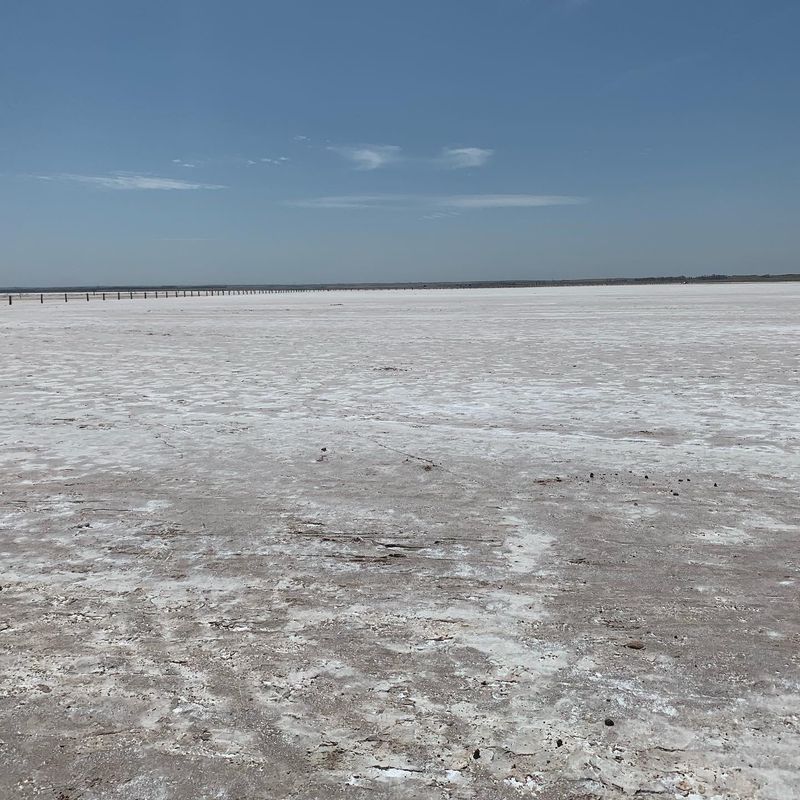
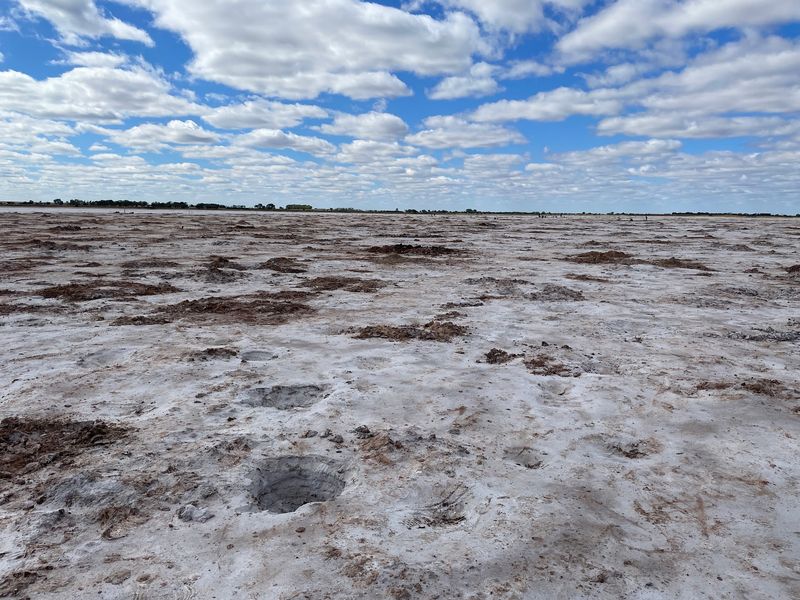
The salt flat itself looks surreal up close. Flat, white, and almost entirely shadeless, it gives off a beachy vibe without any ocean in sight.
Visitors consistently describe the sensation of stepping onto the salt crust as feeling like landing on a different planet altogether.
The Geology Behind the Hourglass Crystals
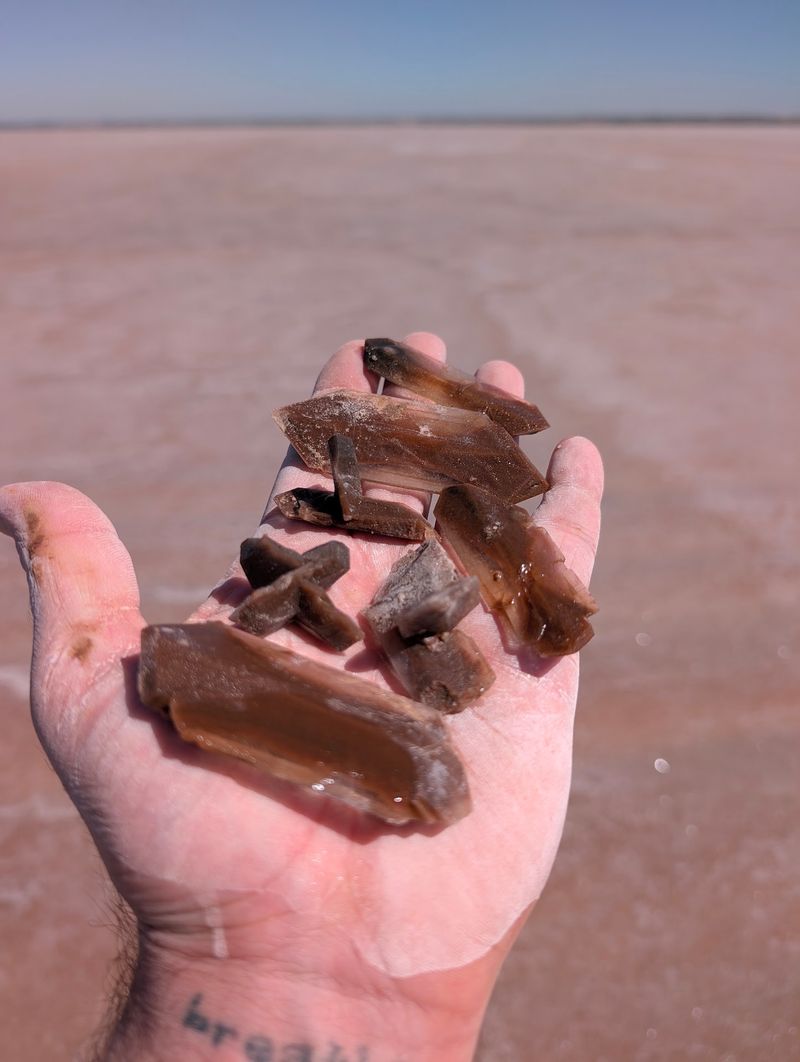
Selenite is a variety of gypsum, a soft mineral that forms in evaporite deposits where ancient seas once evaporated and left behind concentrated salts and minerals. The Salt Plains area of Oklahoma sits atop one of those ancient seabeds, and the chemistry of the soil here produces something genuinely special: hourglass selenite crystals.
The hourglass pattern inside each crystal is caused by clay and mineral inclusions that get trapped during the crystal’s growth process. As the crystal forms in layers, it captures a reddish-brown sediment in a distinctive hourglass shape that you can see right through the translucent gypsum walls.
No two crystals are identical, and that natural variation is a big part of what makes collecting them so addictive.
Crystals form at surprisingly shallow depths. Many visitors find them just a few inches below the surface, and some report spotting crystal shards lying right on top of the soil without any digging required.
When conditions are right and the soil is moist, pouring a little water into a dug hole can help rinse away the sediment and reveal crystals that would otherwise stay hidden. The geology here is genuinely accessible, not just to scientists but to curious families with a shovel and an afternoon to spare.
The Digging Season and When the Site Opens
Timing your visit matters more here than at most Oklahoma attractions. The crystal digging area is only open from May through October, closing entirely during the winter months.
That seasonal window exists partly to protect the refuge environment and partly because the salt flat becomes far less hospitable once cold weather sets in.
Operating hours run from 7 AM to 8:30 PM every day of the week during the open season. That long window gives visitors plenty of flexibility, and many people arrive early to beat the midday heat, which can be intense on a flat, shadeless expanse with no trees or structures to block the sun.
Overcast or partly cloudy days are widely considered ideal by people who have made the trip multiple times.
Opening day falls on April 1st each year, and the site draws enthusiastic crowds right from the start of the season. Weather on opening day can be unpredictable, with strong winds being a common feature of early spring on the Oklahoma plains.
Checking the forecast before you go is strongly recommended, as a stormy morning can make the drive in and the digging experience far less enjoyable. Planning around mild temperatures and low wind makes the whole outing considerably more comfortable.
The Drive In and What to Expect on the Road
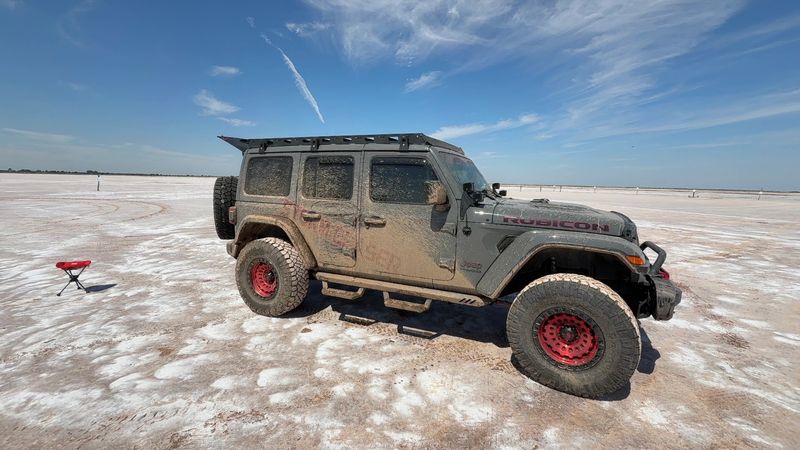
Getting to the digging area is part of the adventure, though not always in a comfortable way. The route involves several miles of unpaved road, and the condition of that road varies considerably depending on recent weather and maintenance.
Visitors coming from the west face roughly four miles of washboard-style unpaved surface that can feel punishing at low speeds, so entering from the south is generally recommended for a smoother approach.
The salt and dust kicked up along the way clings to everything, including the undercarriage of your vehicle. Park rangers and experienced visitors both suggest washing your car as soon as possible after the trip, since salt buildup on metal parts can accelerate rust if left unchecked.
Low-clearance vehicles can make the drive, but extra caution is warranted on the rougher stretches.
Once you reach the refuge entrance, a lookout point sits just to the left of the gate. Stopping there before heading to the dig site is worth a few minutes of your time.
From that vantage point, the full scale of the salt flat becomes visible in a way that is hard to appreciate from ground level. The expanse of white stretching out in every direction gives you a sense of just how unusual this landscape really is before you even pick up a shovel.
How the Actual Digging Works
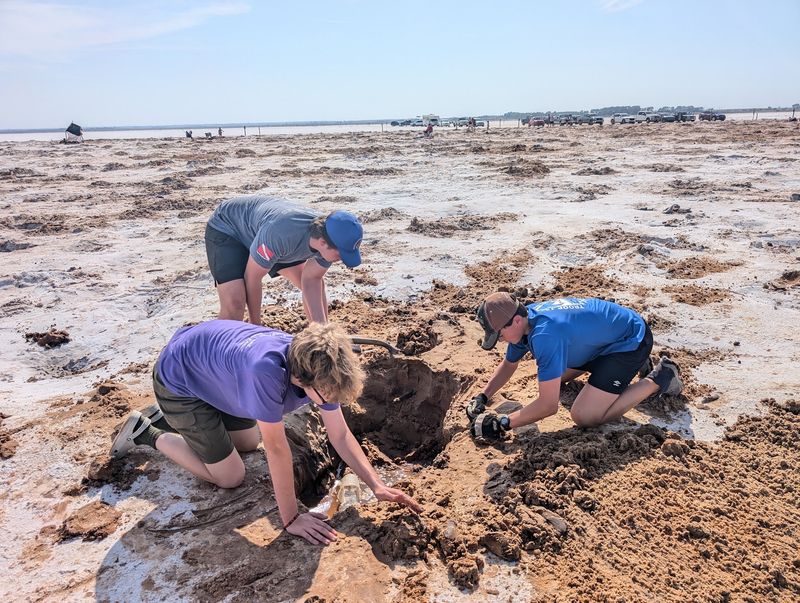
Showing up without a plan can lead to a frustrating experience, but the actual mechanics of crystal hunting here are approachable even for complete beginners. The designated digging area is clearly marked, and you are expected to stay within its boundaries.
Once you pick your spot, the process is straightforward: dig down a few inches, sift through the loosened soil, and look for the telltale glint of translucent gypsum.
A full-sized metal shovel works better than a plastic one for breaking through compacted or dry soil. For finer work closer to the crystal layer, a smaller camping shovel or garden trowel gives you better control and reduces the risk of cracking a crystal in half.
Selenite is a soft mineral, and a careless swing with a heavy shovel can shatter a perfectly formed specimen before you even see it.
Pouring water into the hole is one of the most effective techniques for revealing crystals that are packed tightly in the sediment. The water loosens the surrounding material and lets crystals float or shift slightly, making them easier to spot and extract.
Crystals are often found in clusters, with multiple pieces packed together in the same shovel-depth of soil. Patience and a gentle touch consistently produce better results than aggressive digging.
What You Will Actually Find There
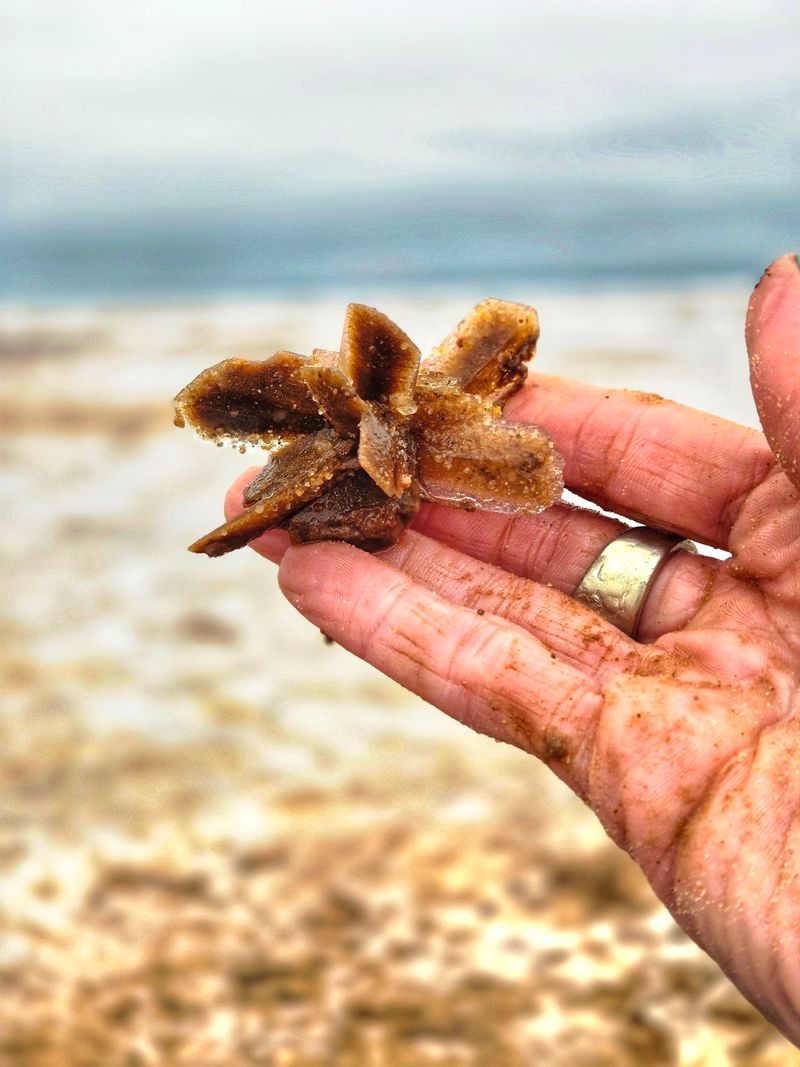
One of the biggest concerns first-time visitors have is whether they will actually find anything worth keeping. At most pay-to-dig gem sites, the experience can be hit or miss, with sparse pickings and a lot of empty soil between finds.
The Salt Plains digging area operates differently. Crystals are genuinely abundant here, and the vast majority of visitors leave with a meaningful haul.
Some people find crystals sitting right on the surface without digging at all, particularly after wind has shifted the top layer of salt and sand. Others dig methodically and pull up eight to ten crystals per shovelful at depths of around six inches.
The size range is wide, from small shards that catch the light beautifully to larger, more fully formed specimens with clearly visible hourglass inclusions.
Larger crystals tend to be found slightly deeper and toward the back of the digging area, while the front section near the parking area requires deeper digging through firmer, silty sand to reach the crystal layer. Knowing this before you arrive helps you decide where to set up.
Watching other diggers nearby and picking up informal tips from experienced visitors is genuinely useful, and most people are happy to share what is working for them on a given day.
The Atmosphere and Sensory Experience of the Salt Flat
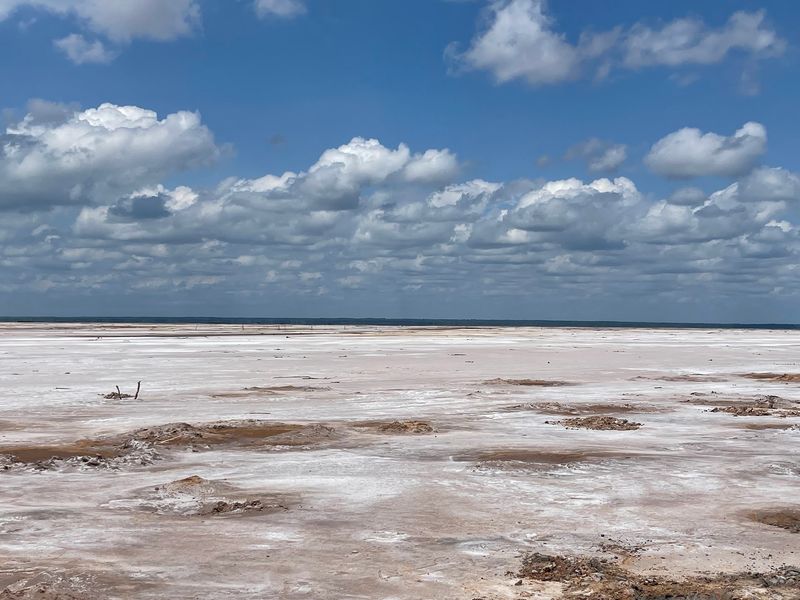
Standing on the salt flat for the first time is genuinely disorienting in the best possible way. The ground beneath your feet is white and crusty, the horizon is perfectly flat in every direction, and the sky feels enormous overhead.
On a clear day, the reflected light from the salt surface is intense enough to make sunglasses feel absolutely necessary rather than optional.
Wind is a near-constant feature of the experience. The flat, open terrain offers nothing to slow it down, and on gusty days it can send hats skidding across the salt and tip over unsecured buckets.
Tying items to a wagon or belt loop is a piece of advice that comes up repeatedly among people who have visited more than once. The wind also makes the heat more bearable on hot summer days, though it trades one discomfort for another.
Sound on the salt flat is sparse and strange. There are no trees to rustle, no traffic noise, and conversation carries oddly in the open air.
Shorebirds and herons can sometimes be heard from the direction of the wildlife refuge lake nearby, adding a quiet natural soundtrack to the digging. The overall effect is meditative for some visitors and genuinely thrilling for others, particularly children who take to the treasure-hunt energy immediately.
Who Enjoys This Place Most and Why It Works for Families
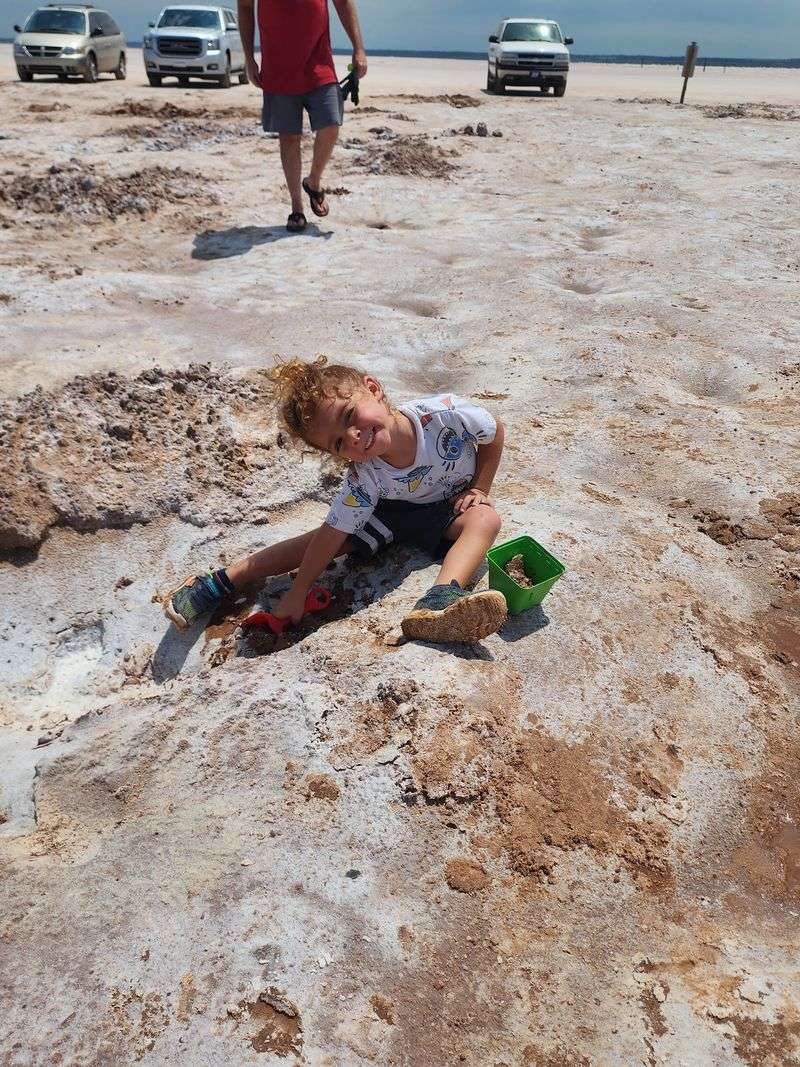
Few outdoor activities thread the needle between genuinely educational and undeniably fun as neatly as crystal digging does for families. Kids who have no particular interest in geology will spend hours on their hands and knees carefully extracting crystals from the ground, motivated entirely by the thrill of finding something real and keeping it.
The tangible reward at the end of the day makes the whole experience stick in a way that a museum exhibit simply cannot replicate.
A three-year-old visitor was reportedly delighted by the experience, suggesting the activity scales down to very young children without much modification. Older kids and teenagers tend to get competitive about finding the largest or most perfectly formed crystals, which keeps energy levels high throughout the visit.
Adults who come expecting to supervise often end up just as absorbed in the digging as their children.
The site also has some accessibility appeal. The terrain is flat, which makes it easier to navigate for visitors with mobility considerations than a typical hiking trail would be.
One visitor specifically chose this location because it was accessible to a parent using a walker, and reported a successful trip with some advance planning around weather conditions. The free admission removes a barrier that keeps some families away from similar experiences elsewhere.
Essential Gear and Preparation Before You Go
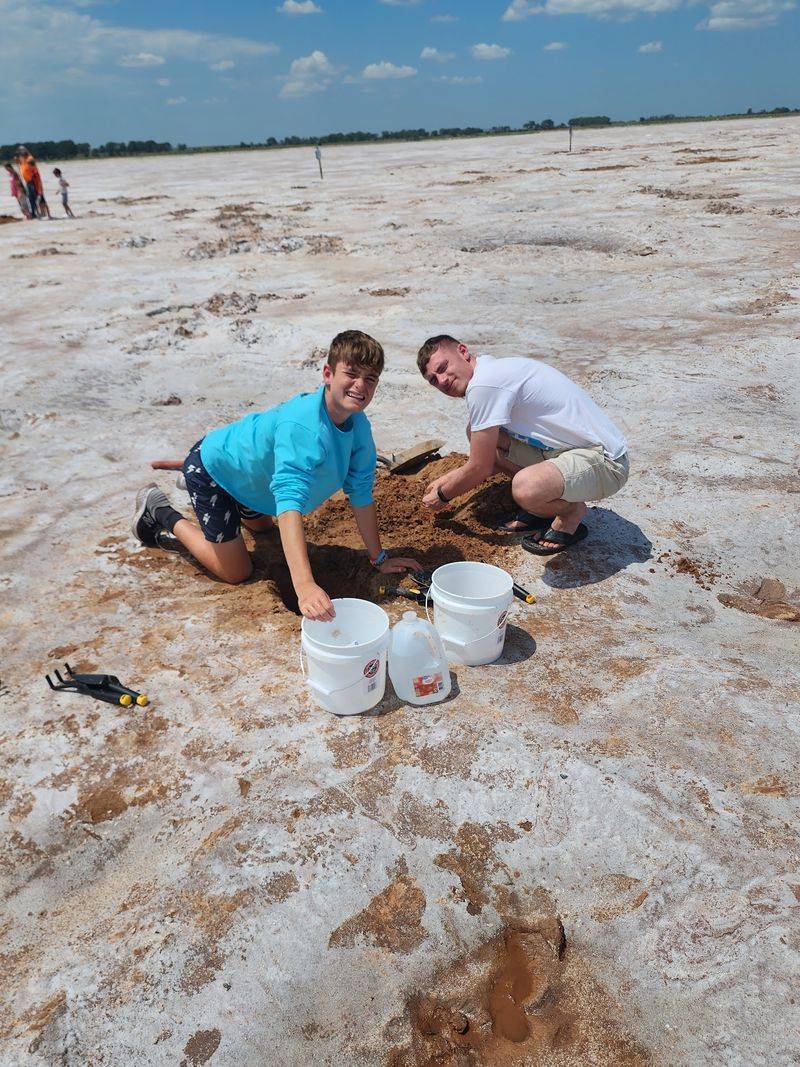
Preparation makes a significant difference between a comfortable outing and a miserable one at the salt flat. The most critical items are water, sun protection, and the right digging tools.
Visitors consistently emphasize bringing more water than you think you need, both for drinking and for rinsing hands, feet, and crystals before getting back into your vehicle. A jug dedicated entirely to rinsing is a smart addition to the standard drinking supply.
Sun protection deserves serious attention here. Sunscreen, a wide-brimmed hat, and quality sunglasses are not optional accessories on a flat, shadeless expanse that reflects sunlight from both above and below.
Old clothes that you do not mind getting thoroughly coated in salt and sand are strongly recommended, since the material clings to fabric and skin alike. Washable shoes work better than anything you want to keep clean.
For tools, a full-sized metal shovel handles the initial digging, while a smaller camping shovel or garden trowel works better for careful extraction once you reach the crystal layer. Gloves protect your hands from sharp crystal edges, which can cut skin during enthusiastic bare-handed sifting.
A beach towel or low chair makes long digging sessions considerably more comfortable. Snacks, wet wipes, and a change of clothes round out a well-prepared kit for a multi-hour visit.
Practical Details and Final Thoughts on Making the Trip
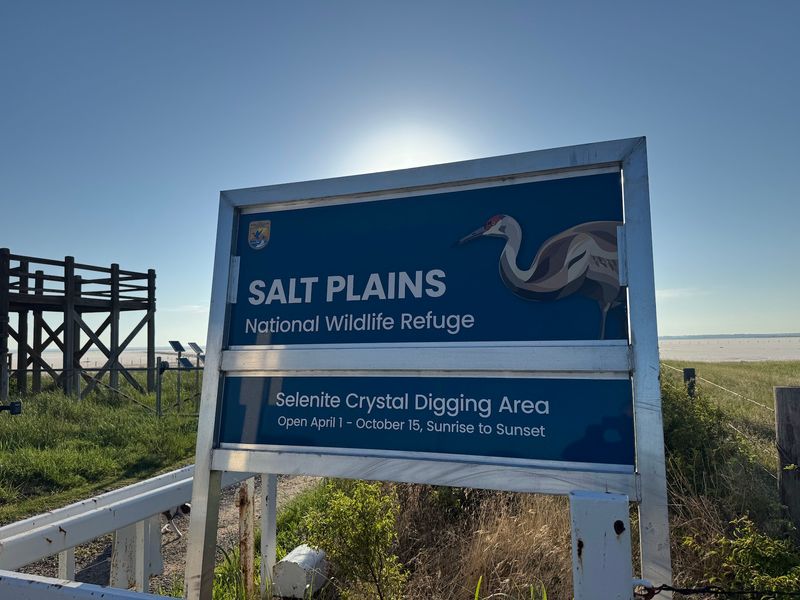
Reaching the Selenite Crystal Digging Area requires heading to 66003 Garvin Rd in Cherokee, Oklahoma. The site is part of the Salt Plains National Wildlife Refuge, managed by the U.S.
Fish and Wildlife Service, and more information is available at fws.gov/refuge/salt-plains/crystal-digging. For questions, the refuge can be reached at 580-596-6454.
Admission is completely free, and visitors can take home up to ten pounds of hourglass selenite crystals per trip. The digging area is open daily from 7 AM to 8:30 PM during the May through October season.
Restrooms are available near the entrance to the digging access road, though bringing your own supplies is a sensible precaution. The site does not offer food vendors or shade structures, so everything you need for comfort must come with you.
Whether you drive two hours or twenty minutes to get there, the experience tends to exceed expectations in a way that is hard to predict in advance. The combination of a striking alien landscape, the genuine thrill of finding crystals with your own hands, and the zero-dollar price tag creates something that feels almost too good to be a real offer.
For anyone looking for an offbeat, memorable Oklahoma adventure, this one earns its reputation without any exaggeration needed.
Share this story