Somewhere in southwestern Oklahoma, tucked behind a roadside diner and hidden past a series of locked gates, stands a structure that most people never even know exists. A weathered wooden house, built around 1890, carries the legacy of one of the most remarkable leaders in American history.
Finding it requires a little patience, a phone call, and a willingness to step off the paved road entirely. Once you do, the experience stays with you long after you drive away.
The Location and What You Are Actually Looking At
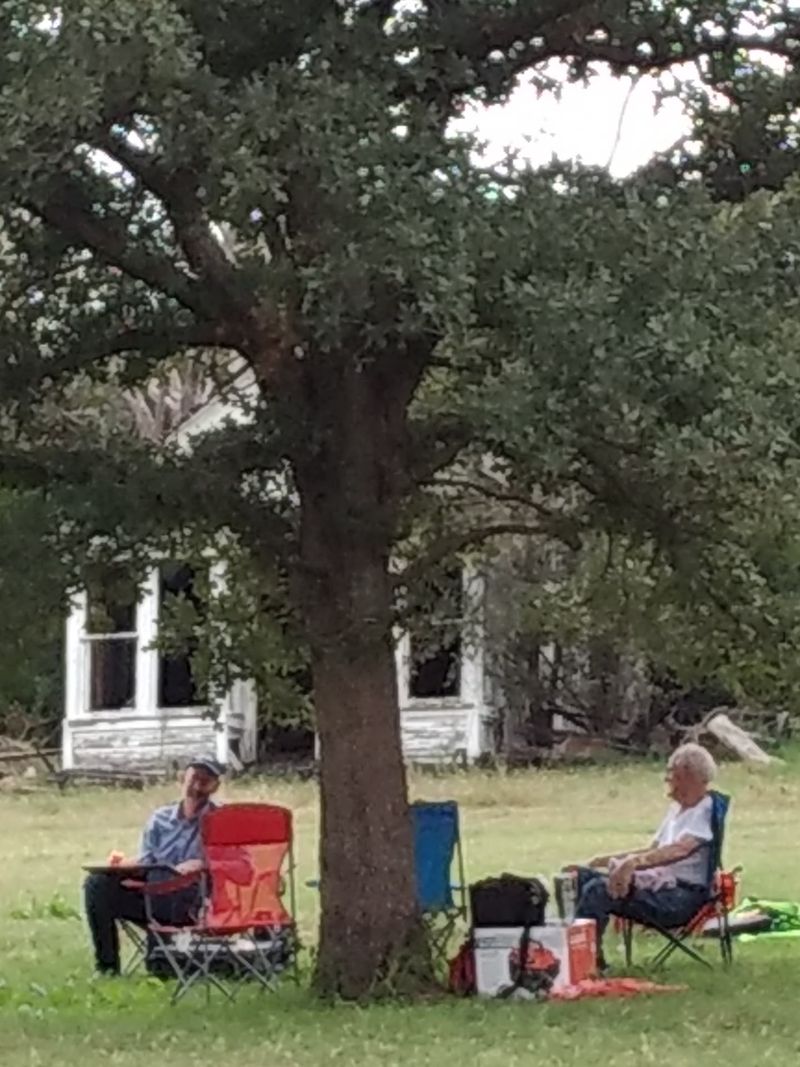
Behind a working diner called the Trading Post on the outskirts of Cache, Oklahoma, sits one of the most historically charged structures in the entire state. Most people drive right past it without a second glance, assuming the collection of old buildings back there is just another forgotten rural property.
They would be wrong.
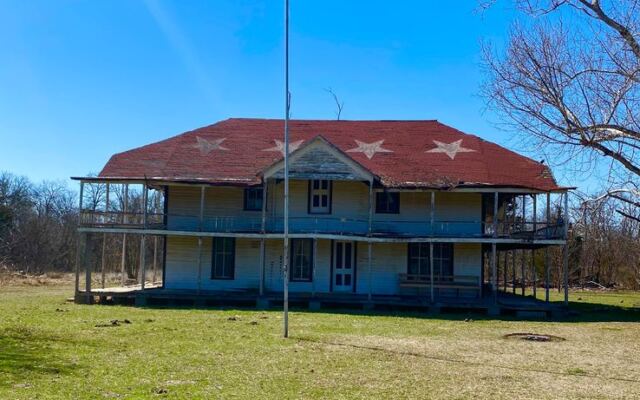
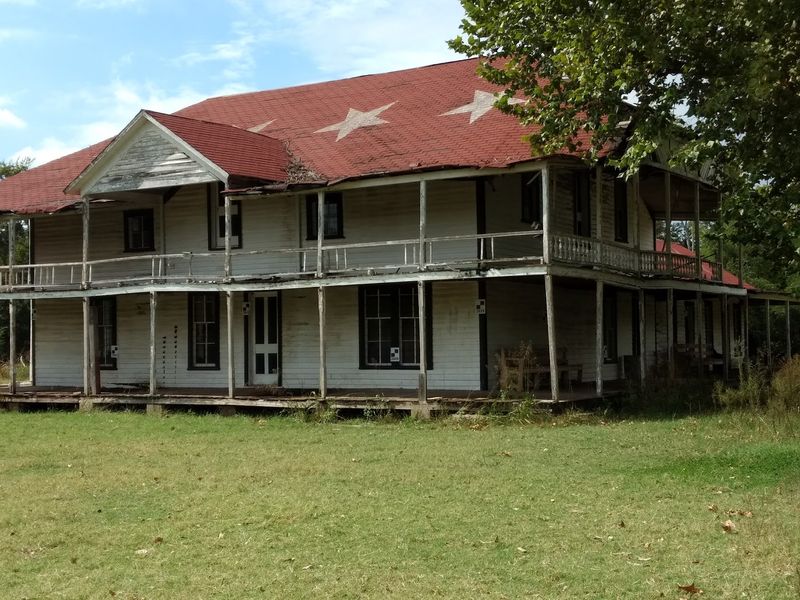
The Quanah Parker Star House is the former home of Quanah Parker, the last and most influential chief of the Comanche Nation. Built around 1890, the two-story house earned its name from the five large stars painted on its roof, a detail that carries a fascinating story of its own.
The structure has been relocated twice over the decades, and it currently rests on private land behind the Trading Post, accessible only through the property owner.
Visitors who make the effort to arrange a tour are rewarded with a close-up look at a building that genuinely shaped the American West. Surrounding it on the same property are other historic structures, including what is said to be the first doctor’s office ever built in Cache and a home connected to Frank James.
The Star House is the centerpiece of this unexpected open-air collection of Oklahoma history.
Quanah Parker and Why His Story Matters Here
Few figures in American history bridge two worlds as dramatically as Quanah Parker. Born to a Comanche warrior chief and Cynthia Ann Parker, a white woman who had been taken as a child and fully embraced Comanche life, Quanah grew up as a proud member of the Comanche people.
He became their most powerful leader during one of the most turbulent periods in the nation’s history.
After the Comanche were eventually settled onto reservation land near Fort Sill, Quanah did not retreat into bitterness. Instead, he became a skilled negotiator, a cattle rancher, and a respected figure in both Native and American political circles.
He maintained close friendships with prominent figures of the era, including President Theodore Roosevelt, who is said to have visited the Star House personally.
Quanah had the five stars painted on the roof of his home specifically to impress Roosevelt, telling the president he would be staying in a five-star house, finer than the four-star hotel Roosevelt had offered him in Washington, D.C. That small act of wit and pride says everything about who Quanah Parker was.
His home near Cache is not just a building. It is a monument to a man who refused to be diminished by circumstance.
The Five Stars on the Roof and the Roosevelt Connection
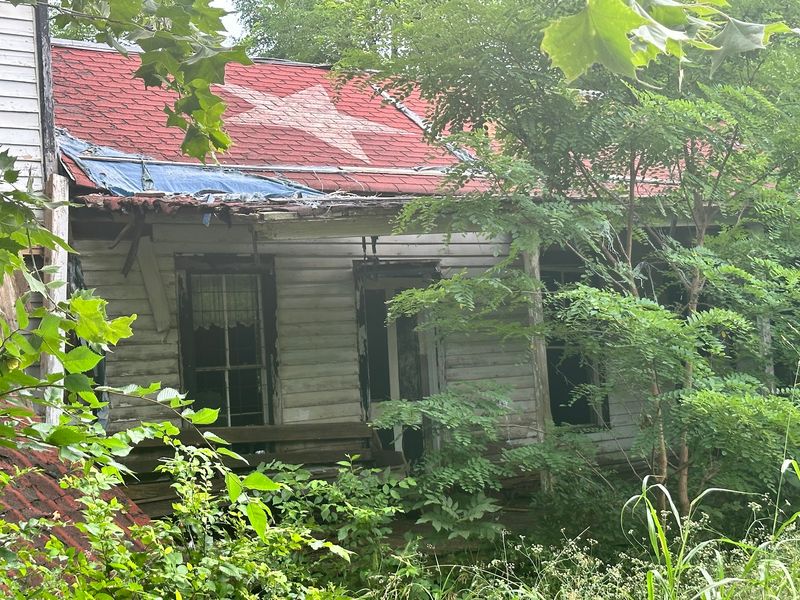
Among all the details tied to the Star House, the five painted stars on the roofline remain the most talked-about feature. Visitors who make it to the property often look for them immediately, scanning the structure for whatever remains of the original markings.
Only one side of the house still shows traces of the original stars, as the rest of the building has deteriorated significantly over the years.
The backstory behind those stars is genuinely charming. When President Theodore Roosevelt traveled to Oklahoma to designate the first U.S.
Wilderness Area west of Cache in the Quartz Mountains, Quanah Parker hosted him at the Star House. Having previously stayed in a four-star hotel in Washington, D.C. during a visit with Quanah, Roosevelt was now welcomed into what his host proudly called a five-star home.
The painted stars on the roof made the point impossible to miss.
Roosevelt and Quanah were known to share a genuine mutual respect, and the president’s visits to the region helped cement Quanah’s standing as a leader who could operate comfortably in both Native and American political spaces. That rooftop detail, faded as it now is, still tells the whole story of a remarkable friendship between two of the era’s most outsized personalities.
The Condition of the House and the Preservation Struggle
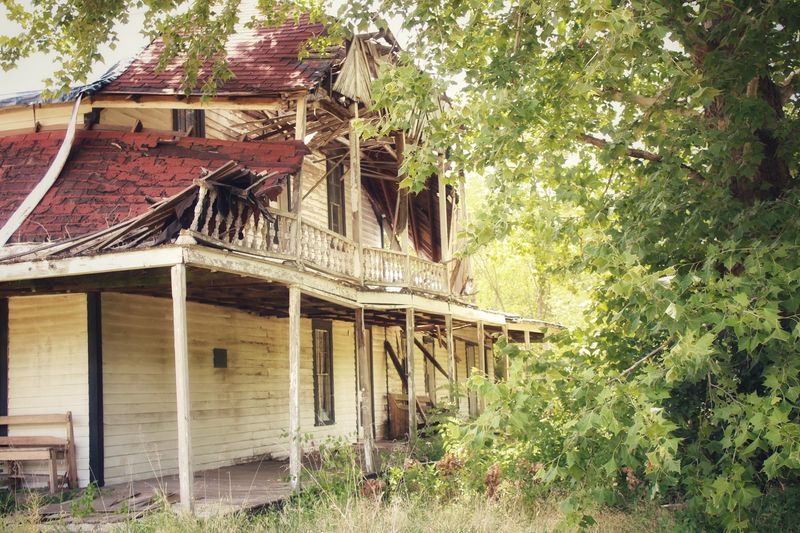
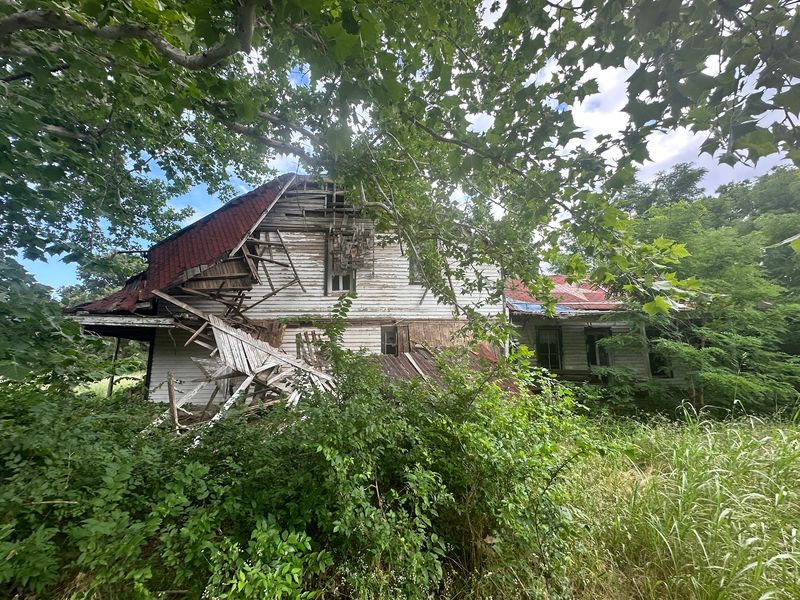
Honesty is important here: the Star House is in serious trouble. Every window is broken, sections of the roof have caved inward, and the north side of the structure has partially collapsed into the surrounding brush.
Visitors are no longer permitted inside due to the dangerous state of the floors and the damage left by flooding and vandalism over the years.
The house sits on private land owned by Wayne Gibson, who also runs the Trading Post diner on the property. Wayne’s family has held the property for over forty years, and while he clearly values the history connected to the site, the resources required for full restoration have remained out of reach.
Restoration efforts have been complicated further by disagreements over ownership and relocation, with some interested parties wanting to move the structure while Wayne has firmly opposed any additional moves.
A preservation fund, the Herbert Woesner Preservation Fund, has been established at All American Bank in Cache, Oklahoma, specifically to support the care of Eagle Park, which includes the Star House. Visitors who feel moved by what they see are encouraged to contribute.
The house is listed on the Oklahoma Historic Home Registry, but because it sits on private land, the state has limited ability to intervene without the owner’s cooperation. Time, unfortunately, is not on its side.
Other Structures on the Property Worth Knowing About
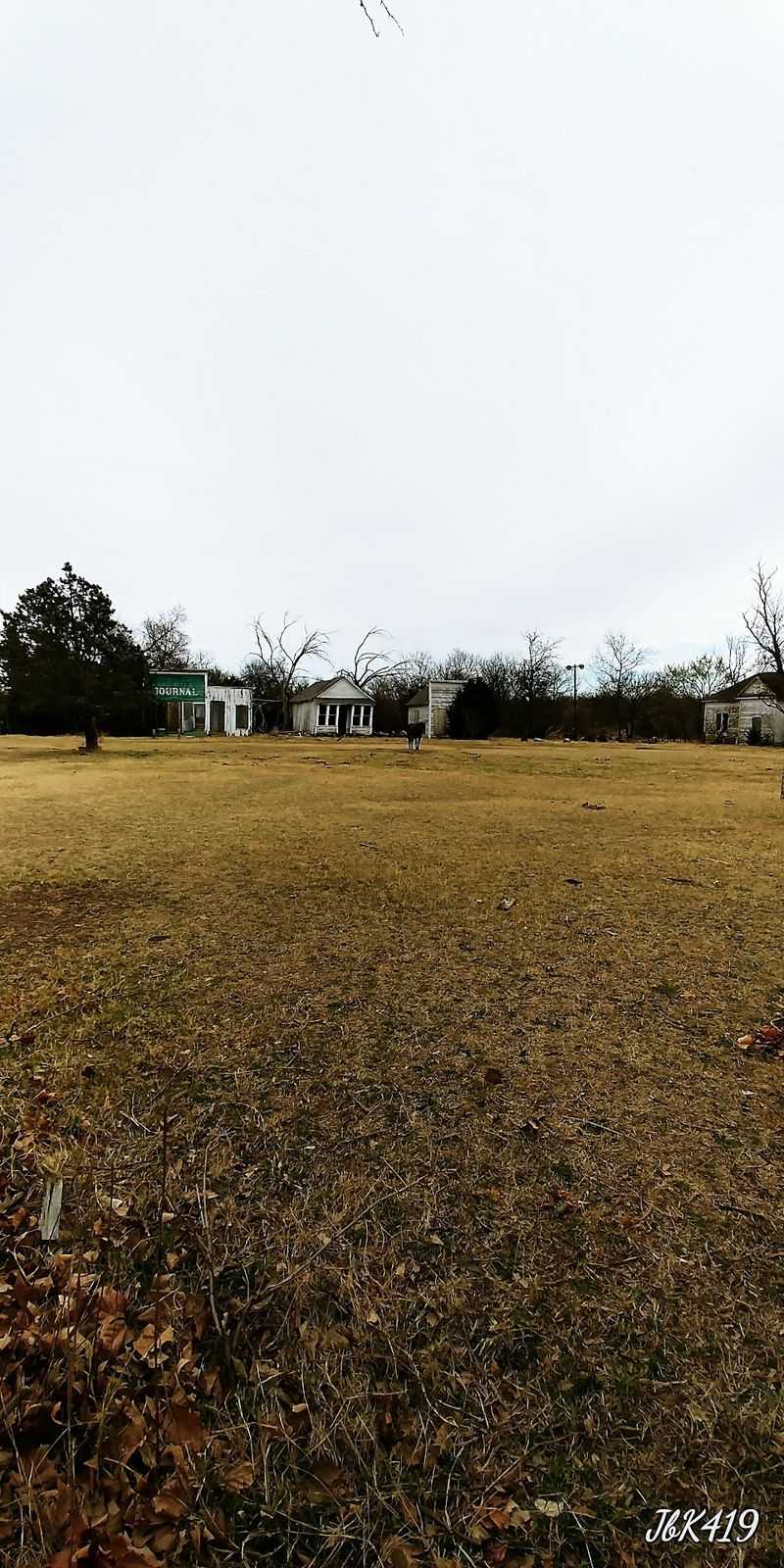
The Star House is the headliner, but the surrounding property holds more history than most visitors expect. Scattered across the land behind the Trading Post are several other historic structures that Wayne’s family acquired over the years, each with its own backstory worth pausing over.
Among them is a building said to be the first doctor’s office ever constructed in Cache, a modest structure that speaks to the town’s earliest days. There is also a home connected to Frank James, brother of the famous outlaw Jesse James, which adds a frontier-era layer to an already layered property.
All of these buildings are in significant disrepair and are not accessible for walk-through tours, but the owner will point them out and share what he knows about each one.
The grounds also include remnants of what was once an amusement park, which visitors pass through on the dirt road leading back to the Star House. Bringing a vehicle with decent ground clearance is recommended, as the road features some substantial dips and uneven patches.
The overall effect of the property is something between an outdoor museum and a time capsule, slightly overgrown and undeniably atmospheric in a way that a polished state-run facility simply cannot replicate.
What the Tour Experience Actually Feels Like
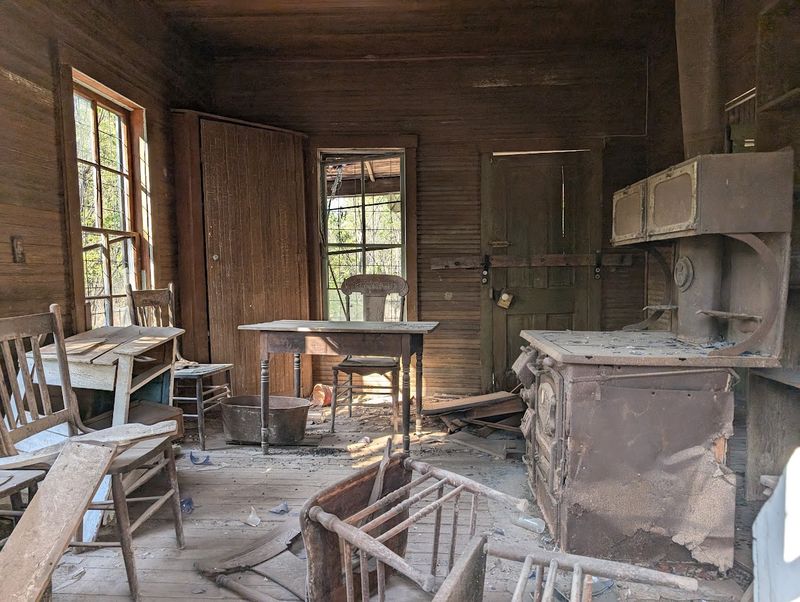
Forget any expectations of a polished museum experience. A visit to the Star House is personal, informal, and entirely dependent on Wayne Gibson having the time and availability to escort you back to the property.
That unpredictability is both its biggest limitation and, honestly, part of what makes the whole thing feel so genuine.
After the Trading Post diner closes, typically around 2 p.m. on weekdays and later on weekends, Wayne will walk or drive visitors through the gated property to the Star House. He shares stories about how the house came to be on his land, details about Quanah Parker’s life, and the complicated history of the structure’s relocations.
Visitors who have made the trip consistently describe him as a knowledgeable and accommodating host, even if the tour is more conversation than formal presentation.
The tour runs on a donation basis, so there is no set ticket price. Visitors are strongly encouraged to call ahead before making the trip, as Wayne manages the restaurant, a gift shop, and the property largely on his own.
Showing up without warning and expecting an immediate tour is likely to result in a long wait or a locked gate. A little planning and a phone call go a long way toward making the visit work smoothly.
Practical Details for Planning Your Visit
Planning ahead is not optional here, it is essential. The Quanah Parker Star House is located on private property at N 8th St in Cache, Oklahoma, behind the Trading Post diner and curio shop.
The address alone will not get you to the house. You need to go through the Trading Post first and connect with Wayne directly.
Tours are available daily starting at 2 p.m., though weekend closings may run a bit later. Calling ahead is strongly recommended, as Wayne runs the entire operation solo and his schedule can shift depending on the restaurant and other responsibilities on the property.
The phone number for the Trading Post is 580-232-7516, and the preservation website is savestarhouse.com for anyone wanting to learn more or contribute before visiting.
A few practical notes from people who have made the trip: bring pants rather than shorts, as ticks have been reported as a significant nuisance on the property. Drive a vehicle that can handle a bumpy dirt road with dips and uneven terrain.
The tour is donation-based, so bring cash. And if you arrive to find nobody at the Trading Post, do not wander onto the gated property on your own.
Trespassing is taken seriously, and the respectful approach is to wait, call, or return at a better time.
Who This Place Is For and Whether the Trip Is Worth It
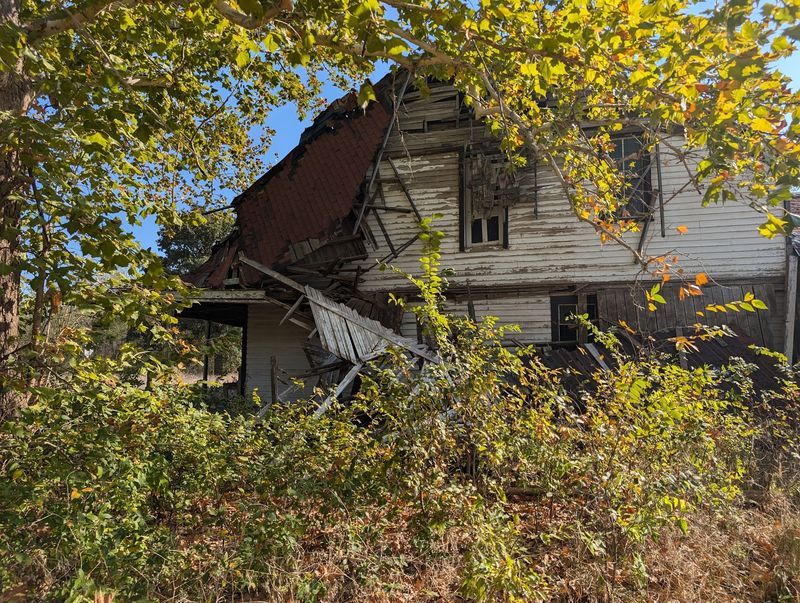
Anyone who has read about Quanah Parker, studied the Comanche Nation, or followed the American West’s complicated history will find this visit deeply worthwhile, even accounting for the logistical friction and the heartbreak of seeing the structure in its current state. The emotional weight of standing near a building where one of history’s most compelling figures once lived is real and lasting.
Readers of books like Empire of the Summer Moon, which traces Quanah Parker’s life in vivid detail, have specifically made road trips to Cache just to see the Star House. For that audience, the visit lands somewhere between pilgrimage and melancholy field trip.
Knowing the story in advance makes the experience richer, and arriving without any background knowledge means missing most of what makes the place significant.
For casual road-trippers passing through southwestern Oklahoma, the visit requires enough advance planning that it may not suit a spontaneous itinerary. But for anyone willing to call ahead, show up at the right time, and bring patience alongside curiosity, the Star House delivers something genuinely rare: an unmediated encounter with a piece of American history that has not been smoothed over or sanitized.
Go soon. By many accounts, the window to see it is narrowing with each passing season.
Share this story