Sometimes the most unexpected discoveries in Oklahoma turn out to be the most memorable ones. Tucked along a busy boulevard in Tulsa, there is a working clay studio where complete beginners and curious kids sit down at real pottery wheels and actually make things with their hands.
No prior experience required, no artistic pedigree needed. Just a willingness to get a little messy and walk away with something you shaped yourself.
Where Third Street Clayworks Lives in Tulsa
Sitting at 3121 Charles Page Blvd in Tulsa, Oklahoma, Third Street Clayworks occupies a spot that most drivers pass without a second glance. The building does not announce itself with flashy signage or a dramatic facade, yet something about the warm glow coming from inside tends to slow people down.
Charles Page Boulevard runs through a working stretch of west Tulsa, a neighborhood with deep roots and a no-frills character that suits a hands-on clay studio perfectly. The address puts visitors close enough to the heart of the city to be convenient, yet far enough from tourist corridors to feel genuinely local.
Finding the studio for the first time can feel a little like stumbling onto a secret. Regulars know it well, but newcomers often describe that first arrival as a pleasant surprise.
The modest exterior gives way to a fully equipped ceramics space inside, and that contrast between outside and in is part of what makes the first visit stick with people long after the clay has dried.
The Studio Behind the Name
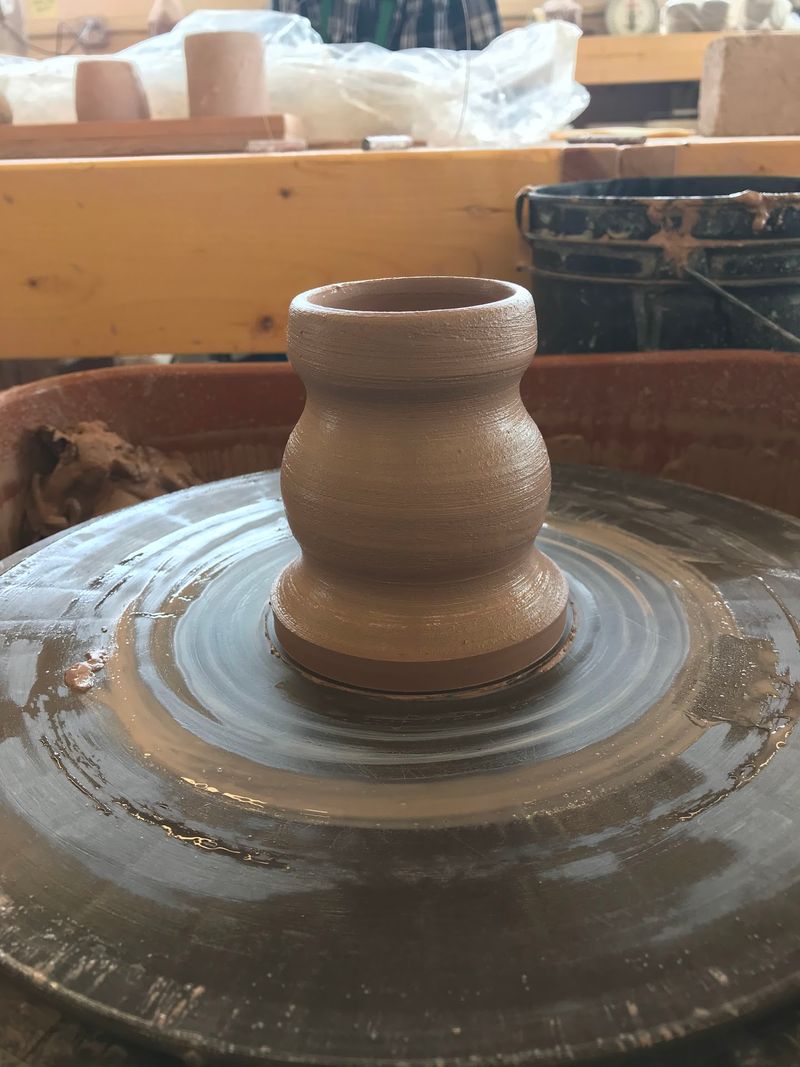
Third Street Clayworks is classified as an art school, and that label is accurate, but it undersells the place a little. Walking inside, the first thing most visitors notice is the smell of raw clay mixed with the faint warmth of kilns nearby.
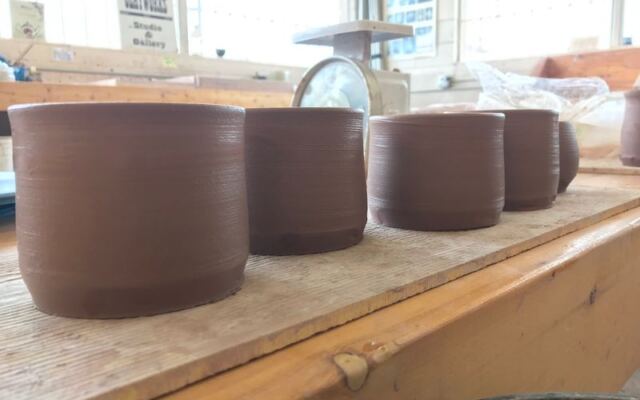
Pottery wheels line the working floor, shelves hold pieces in various stages of drying, and finished glazed work sits waiting to be picked up by proud makers.
The studio functions as both a teaching space and an active working environment. Classes run on a structured schedule, but the atmosphere inside leans more toward creative workshop than formal classroom.
People chat between throws, instructors move through the room offering guidance, and the general mood is focused without feeling tense.
Visitors consistently describe the studio as a place that feels like home after just a few sessions. That sense of belonging is not accidental.
The setup is designed to make learning feel approachable, whether someone is sitting at a wheel for the very first time or returning to refine a skill they picked up years ago. The studio holds space for both experiences equally well.
Jeff and the Instructors Who Make It Work
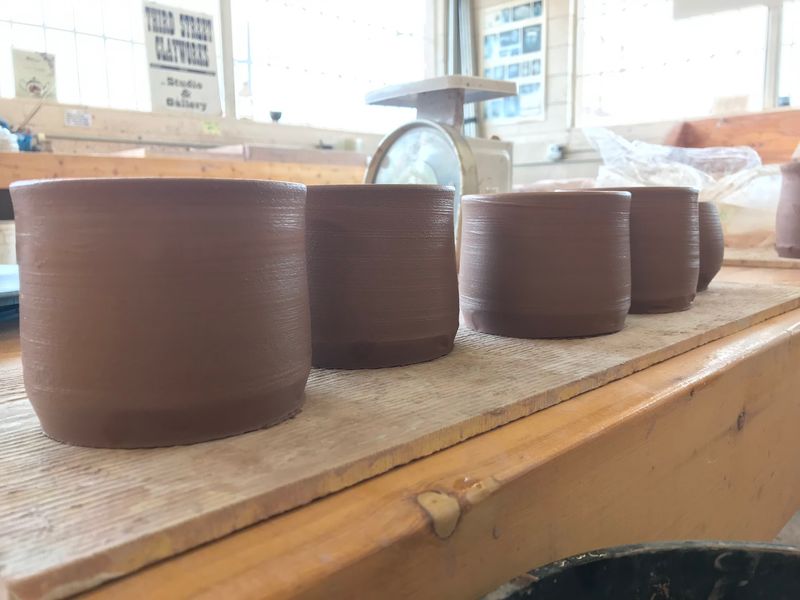
A studio is only as good as the people teaching in it, and Third Street Clayworks has built its reputation largely on the strength of its instructors. Jeff, the lead figure at the studio, comes up repeatedly in visitor feedback.
People describe him as both deeply talented and genuinely approachable, the kind of teacher who can explain a difficult technique in a way that actually clicks.
One longtime attendee who spent over three decades as an art teacher herself noted that Jeff offers professional-level instruction regardless of where a student falls on the experience spectrum. That range matters enormously.
A retired ceramics educator and a ten-year-old picking up clay for the first time can both walk into the same session and leave having learned something real.
Another instructor, CJ Wells, has also earned praise for a teaching style that respects students enough to let them struggle productively. He demonstrates, explains when asked, and steps in with corrections as he moves through the room.
Visitors say his approach builds confidence without creating dependence. Together, the instructors at Third Street Clayworks create a learning environment that feels both supportive and genuinely challenging in the best possible way.
Pottery Wheel Classes for True Beginners
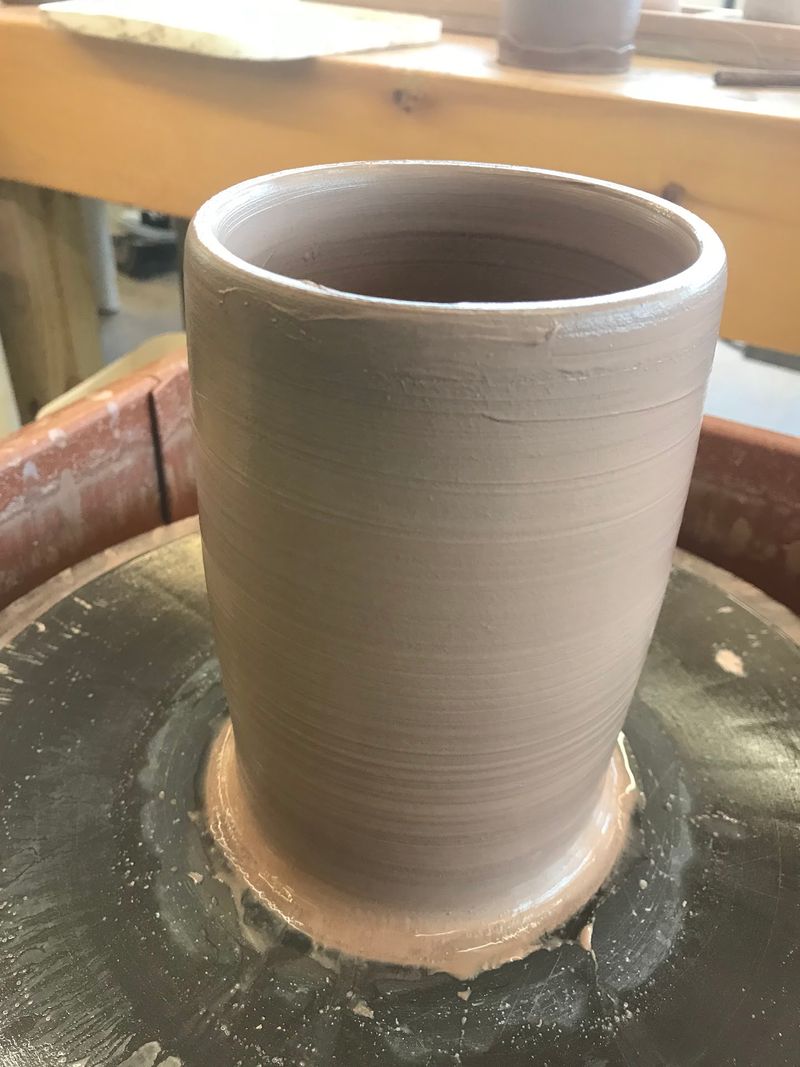
Plenty of places claim to welcome beginners, then quietly assume students already know the basics. Third Street Clayworks actually means it.
Classes are structured to start from zero, walking first-timers through the fundamentals of centering clay, opening a form, and pulling walls upward before moving into finishing techniques.
The format follows a familiar rhythm: class instruction first, then open work time where students apply what they just learned at their own pace. That balance between guided teaching and independent practice is something visitors mention as a key reason the learning actually sticks.
There is no pressure to produce a perfect piece on the first try, and instructors make that clear from the start.
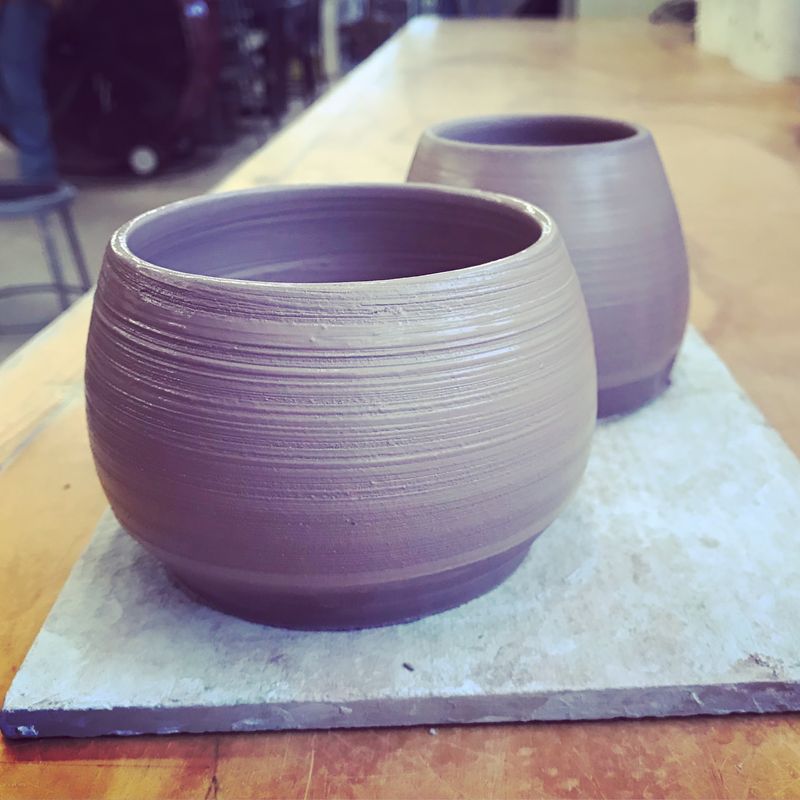
By the end of a session series, students walk away with several finished, glazed pieces ready to use at home. Mugs, bowls, small vases, and simple cups are common first projects.
Holding something you made yourself, something functional and real, carries a satisfaction that is hard to replicate with any other craft. Visitors who came in expecting a one-time novelty often find themselves signing up for the next session before the clay on their hands has even dried.
Why Kids Belong at the Wheel Too
Pottery and kids are a natural pairing that adults sometimes overlook. The tactile nature of clay, the immediate feedback of hands shaping a spinning form, and the low-stakes permission to make a mess all appeal to younger learners in ways that more structured art activities often do not.
Third Street Clayworks opens the door to that experience in a real studio setting.
Children who attend sessions at the studio are not handed a simplified craft project. They sit at actual pottery wheels and work through the same fundamental techniques adults learn.
Instructors adjust their explanations and pacing, but the clay itself does not change. Kids respond to that respect.
Being treated as a real student rather than a small visitor makes a noticeable difference in how engaged they stay.
Parents who bring children to the studio often find themselves surprised by how focused their kids become once the wheel starts spinning. The concentration required to keep clay centered has a way of quieting restless energy and replacing it with genuine curiosity.
Several families have made the studio a regular outing, returning week after week as children work toward finishing their first set of glazed pieces to bring home and actually use.
Open Studio Time and What It Means for Learners
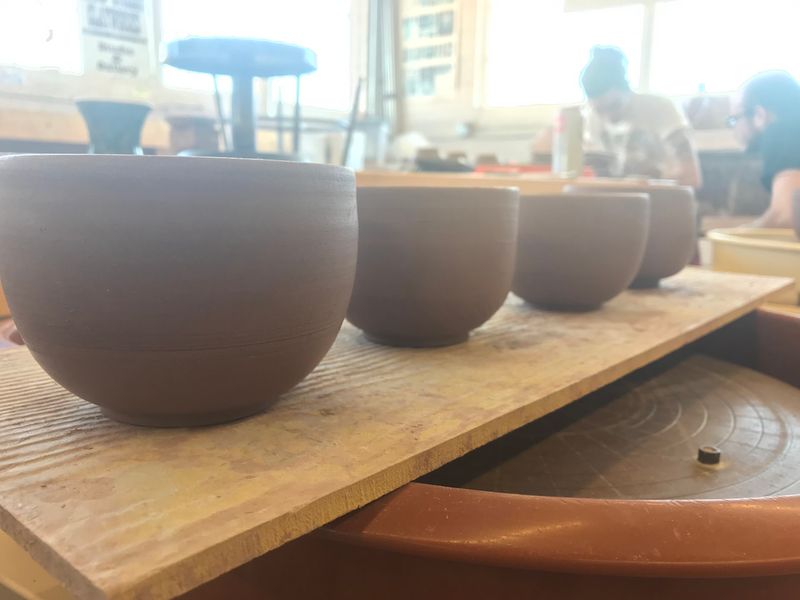
One feature that separates a good ceramics studio from a great one is open access time, and Third Street Clayworks offers exactly that. Students enrolled in classes are welcome to come in outside of their scheduled sessions to continue working on projects.
That flexibility matters more than it might seem at first.
Clay work is not always predictable. A piece might need trimming at a specific stage of dryness, a form might collapse and need to be restarted, or a student might simply want more wheel time to practice a technique before it becomes muscle memory.
Open studio hours give learners the chance to work through those moments without waiting an entire week for the next class.
Regular attendees describe this access as one of the most valuable parts of their membership in the studio community. Coming in on an open afternoon means working alongside other students at various skill levels, watching different approaches, and picking up informal tips just by being in the room.
Learning in a ceramics studio is not confined to the moments when an instructor is speaking. Some of the best progress happens during quiet, focused sessions when a student and a wheel have uninterrupted time together.
The Glazing Process and Taking Work Home
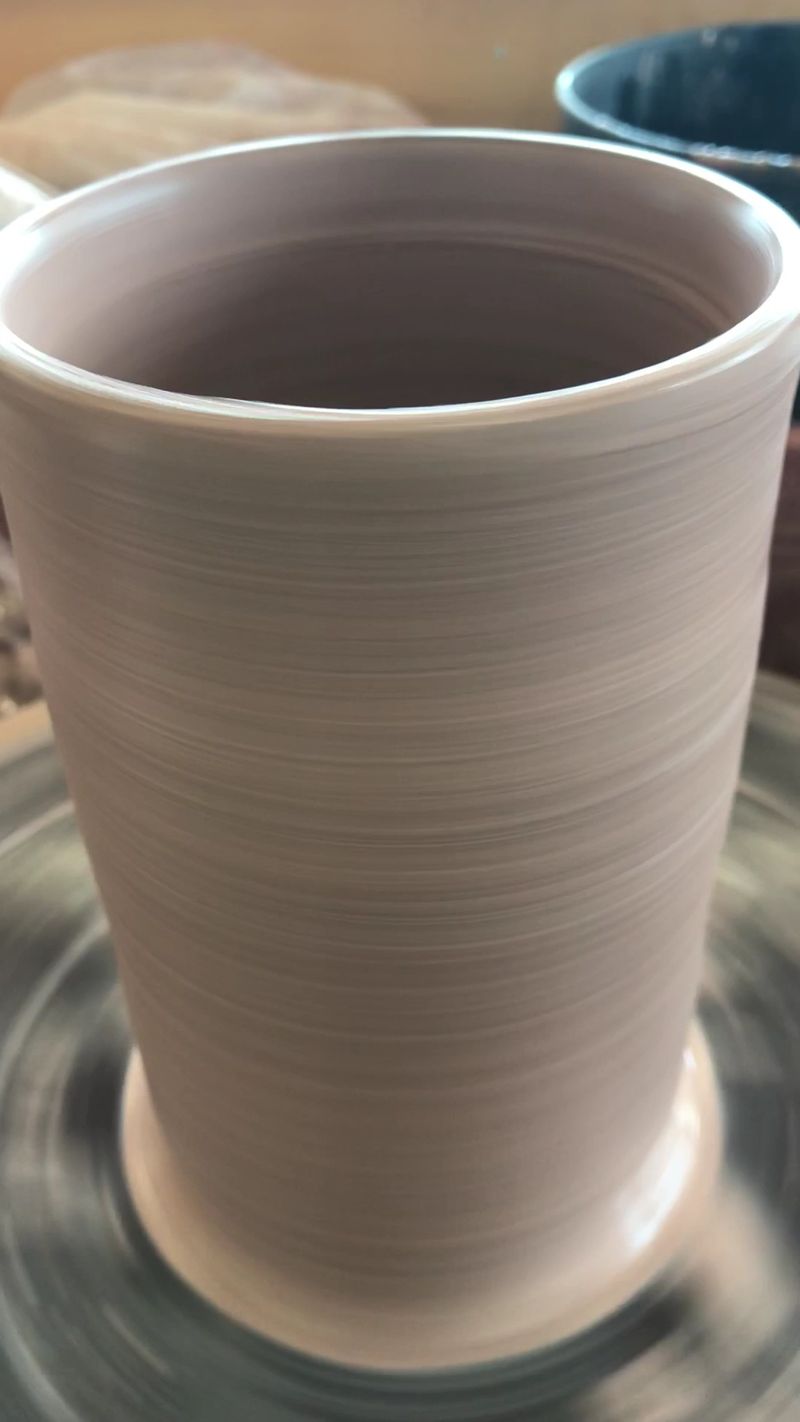
Getting clay onto a wheel and shaping it into something recognizable is only part of the journey. The finishing process, which includes trimming, drying, bisque firing, glazing, and a final kiln run, is where a raw piece transforms into something you would actually want on your kitchen shelf.
Third Street Clayworks walks students through that full sequence.
Glazing is often where students discover a second layer of creativity. Choosing colors, applying glaze with a brush or by dipping, and deciding how different areas of a piece will interact with heat and chemistry requires a different kind of thinking than throwing on the wheel.
Instructors guide students through the options without making the decision for them, which keeps the work feeling personal.
The moment of picking up a finished, fired piece is something visitors describe with genuine enthusiasm. Holding a bowl that started as a lump of raw clay a few weeks earlier, now glazed and food-safe and ready for actual use, produces a specific kind of pride that is hard to manufacture any other way.
Several students mention that the finished pieces they bring home become their favorite items in the kitchen, not because they are perfect, but because they made them themselves.
The Atmosphere That Keeps People Coming Back
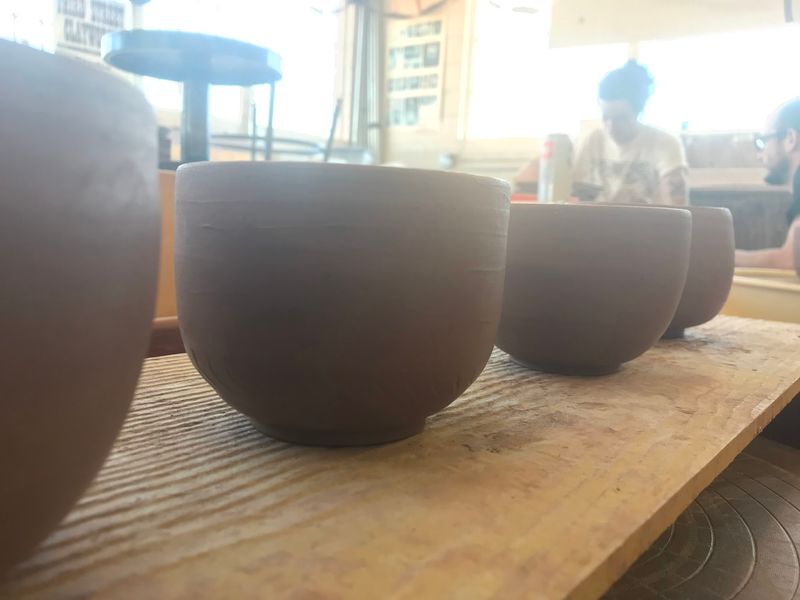
Atmosphere is one of those qualities that is nearly impossible to manufacture and very easy to destroy. At Third Street Clayworks, the vibe that visitors describe consistently is warm, focused, and surprisingly social without being distracting.
People come in to work, but they also come in to connect.
The studio has developed a genuine community over the years. Long-term students recognize each other, instructors know their regulars, and newcomers tend to get folded into conversations naturally rather than being left to figure things out alone.
One visitor described the studio as a safe place to express creativity, a phrase that captures something real about the environment. Creativity requires a degree of vulnerability, and that is easier in a space where judgment is absent.
Evenings at the studio carry a particular kind of energy. Students arrive after work or school, settle into their wheels, and the room fills with the quiet rhythm of spinning clay and low conversation.
That combination of focused effort and easy companionship is not something most people expect from a ceramics class, but it is exactly what keeps regulars coming back week after week. The studio has a way of becoming part of the week rather than just an activity on the calendar.
Who Fits Best at Third Street Clayworks
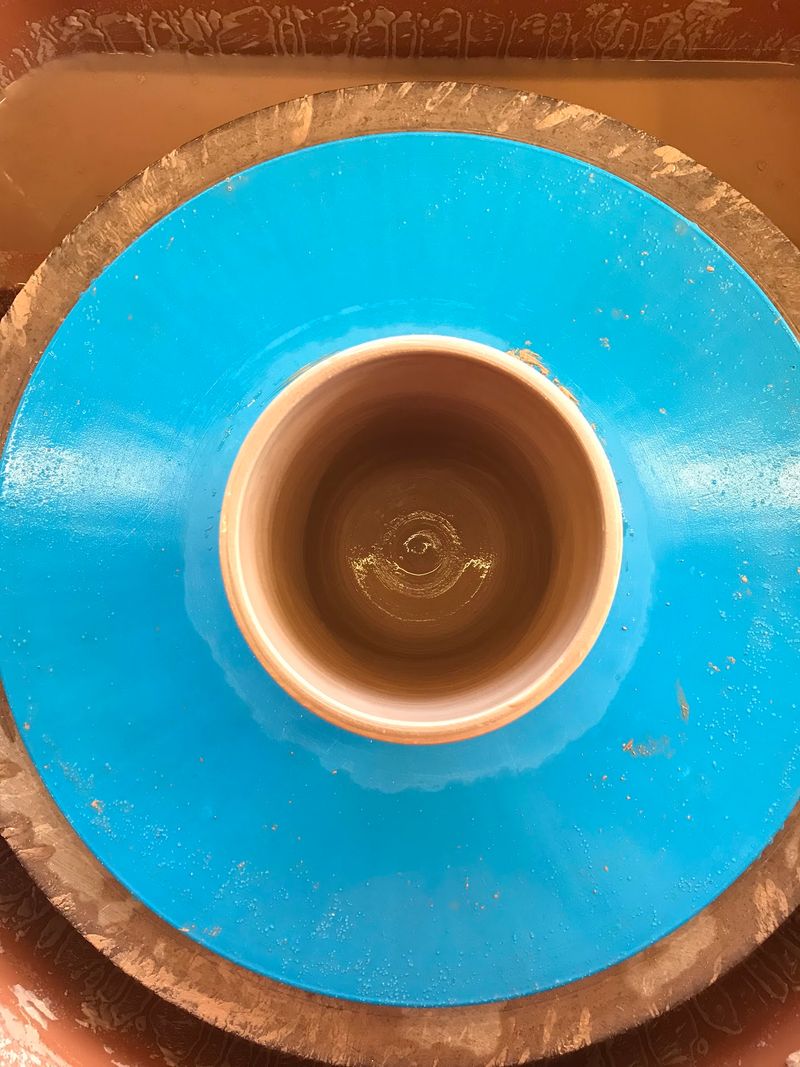
Not every creative space works for every kind of person, but Third Street Clayworks casts an unusually wide net. The studio draws in complete beginners who have never touched a pottery wheel, returning students who took a class years ago and want to pick it back up, and experienced ceramicists looking for a professional-grade studio environment with knowledgeable instructors nearby.
Families with curious kids find the studio accommodating, and adults looking for a low-key creative outlet after a long workweek fit right in alongside them. The studio also appeals to people who are not necessarily looking to become serious potters but simply want to try something tactile and hands-on that produces a real, usable result.
Retirees, working professionals, students, and parents all show up in the mix of regular attendees. What they share is less about age or background and more about a willingness to slow down, pay attention to what their hands are doing, and accept that learning something new takes a few tries.
People who thrive at Third Street Clayworks tend to be the kind who find satisfaction in the process itself, not just the finished product. That mindset, more than any particular skill level, is what makes someone a natural fit for the studio.
Studio Hours and When to Plan Your Visit
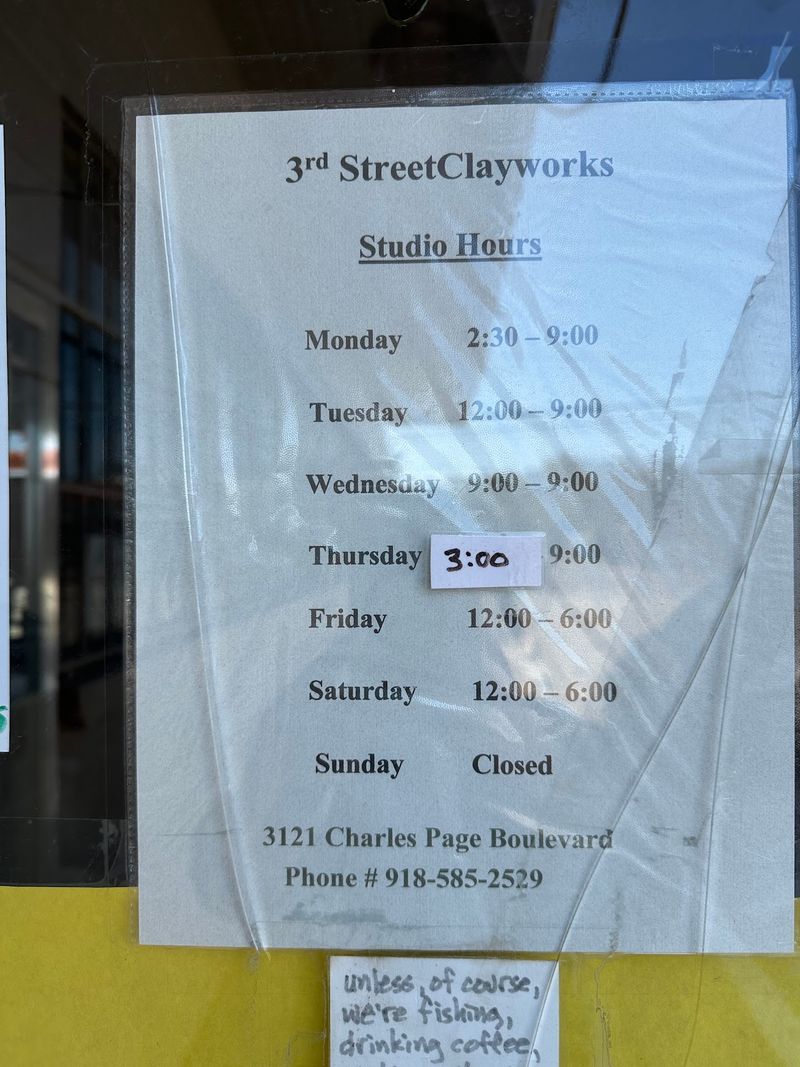
Planning a visit to Third Street Clayworks requires a little attention to the schedule, since hours vary significantly by day of the week. The studio is closed on Sundays entirely.
Mondays open at 2:30 PM and run through 9 PM, while Tuesdays stretch from noon to 9 PM.
Wednesdays offer the longest window, running from 9 AM all the way through 9 PM, making them the most flexible option for anyone with a variable schedule. Thursdays open later at 3 PM and close at 9 PM.
Fridays and Saturdays both run from noon to 6 PM, giving weekend visitors a solid afternoon block to work with.
First-time visitors are best served by reaching out before showing up, since class availability and open studio access can depend on enrollment and scheduling. The studio’s website at clayworkstulsa.com carries current information, and the phone number 918-585-2529 connects directly to the studio for anyone who prefers a quick call.
Arriving with a little advance planning rather than just dropping in cold tends to result in a smoother first experience, especially for families hoping to bring kids along for a session on the wheel.
Getting to the Studio on Charles Page Boulevard
Charles Page Boulevard runs through a straightforward stretch of west Tulsa, and the studio’s address at 3121 puts it in a section of the road that is easy to navigate from most parts of the city. GPS directions to the address work reliably, and the boulevard itself is a well-traveled route with decent visibility for anyone driving through for the first time.
Parking in the immediate area is generally practical for a studio of this size. Visitors arriving by car tend to find the process uncomplicated, which matters when you are coming in for an evening class after work and do not want to spend time circling.
The location does not have the kind of congestion that plagues more central Tulsa destinations, so arrival stress is minimal.
For those exploring Tulsa beyond the better-known east side neighborhoods, the drive out to Charles Page Boulevard offers a glimpse of a different side of the city. The surrounding area has a grounded, working character that feels authentic rather than curated.
Arriving at a clay studio tucked into that kind of neighborhood adds a layer of discovery to the visit before you even walk through the door. The location is part of what gives Third Street Clayworks its honest, unpretentious identity.
A Verdict on Spending an Afternoon with Clay in Tulsa
Some experiences are worth exactly what they cost and nothing more. Third Street Clayworks is not that kind of experience.
Visitors consistently leave with more than a clay object to put on a shelf. They leave with a new skill, a new sense of what their hands can do, and often a standing plan to come back the following week.
The combination of skilled instruction, genuine community, and a well-equipped studio makes the place stand out in a city that has no shortage of creative options. What Third Street Clayworks offers that most alternatives cannot match is the real thing: actual wheel-throwing, actual glazing, actual kiln-fired results that belong to the person who made them.
For families looking for a memorable outing that goes beyond passive entertainment, for adults craving a creative outlet with real substance, and for anyone who has ever watched a potter work and thought quietly that they would like to try that someday, this studio makes the leap easy. Tulsa has a lot of reasons to visit, and this one sits in a category by itself.
Getting your hands into clay at a place run by people who genuinely love teaching it is the kind of afternoon that tends to be remembered for a long time afterward.
Share this story