Some museums display paintings, sculptures, and ancient artifacts. Others take a completely different path.
Around the world, there are museums dedicated to toilets, parasites, broken hearts, and even hangovers. These unusual places prove that almost anything can become a fascinating exhibit worth exploring.
1. Sulabh International Museum of Toilets – New Delhi, India
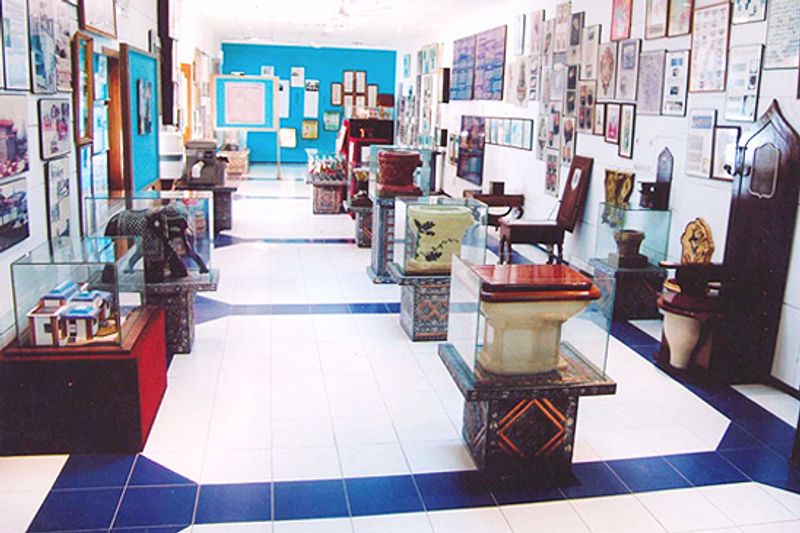
Not many people think of toilets as museum-worthy, but the Sulabh International Museum of Toilets in New Delhi challenges that idea completely. Founded by social activist Dr. Bindeshwar Pathak, this museum traces the history of sanitation from 2500 BCE all the way to modern times.
Visitors can see ancient chamber pots, medieval commodes, and elaborate Victorian-era thrones. Some exhibits highlight how poor sanitation has affected public health throughout history.
Others showcase inventive solutions from different cultures around the globe.
The museum also emphasizes the ongoing sanitation crisis affecting millions of people in developing countries today. It is both educational and eye-opening.
Far from being gross or embarrassing, the collection turns a basic human necessity into a serious conversation about health, dignity, and social progress. If you ever visit New Delhi, this surprisingly thoughtful stop is well worth your time.
2. Museum of Broken Relationships – Zagreb, Croatia
Heartbreak has a home in Zagreb, Croatia. The Museum of Broken Relationships is one of the most emotionally powerful and unusual museums anywhere in the world.
People from dozens of countries have donated everyday objects that once meant something special to them and someone they loved.
Each item comes with a short, anonymous story explaining what happened. A garden gnome, a pair of shoes, a toaster – ordinary objects carry extraordinary weight here.
Some stories are funny, others are deeply sad, and a few are both at the same time.
The museum was founded in 2006 by two Croatian artists after their own relationship ended. It later won the Council of Europe Museum Prize.
Visiting feels less like a typical museum trip and more like reading a collection of honest, human letters. It is a reminder that loss is something everyone shares.
3. Icelandic Phallological Museum – Reykjavik, Iceland
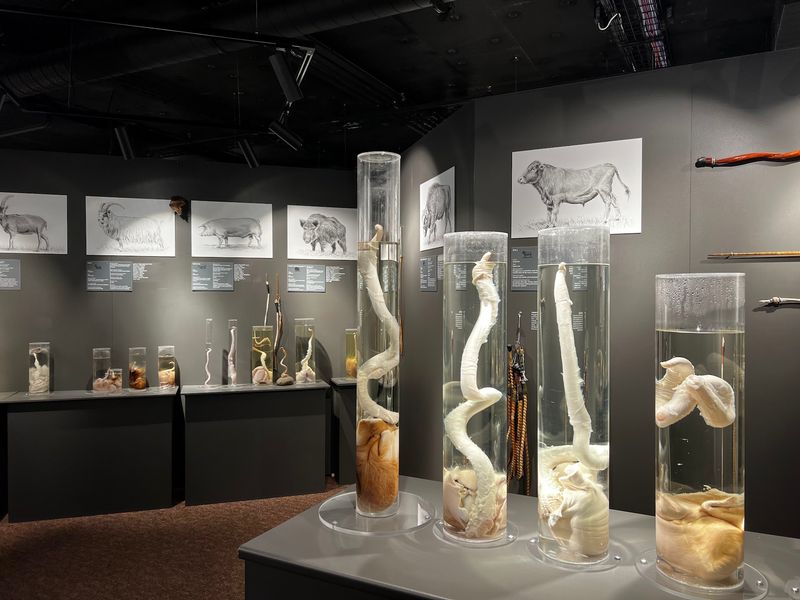
Only in Iceland would you find a museum entirely devoted to phallic specimens from the animal kingdom. The Icelandic Phallological Museum in Reykjavik holds one of the most unusual biological collections on the planet.
It was founded by Sigurdur Hjartarson, a former teacher who spent decades gathering contributions from around the world.
The collection includes specimens from over 90 mammal species found in Iceland and beyond. Whales, seals, polar bears, and even a human specimen are represented.
Alongside the biological displays, visitors can find phallic-themed art, folklore items, and decorative objects donated by supporters from many countries.
The museum opened to the public in 1997 and has attracted hundreds of thousands of curious visitors since then. It approaches its subject with a sense of humor and genuine scientific interest.
For travelers looking for something genuinely different in Reykjavik, this museum delivers exactly that.
4. Avanos Hair Museum – Avanos, Turkey
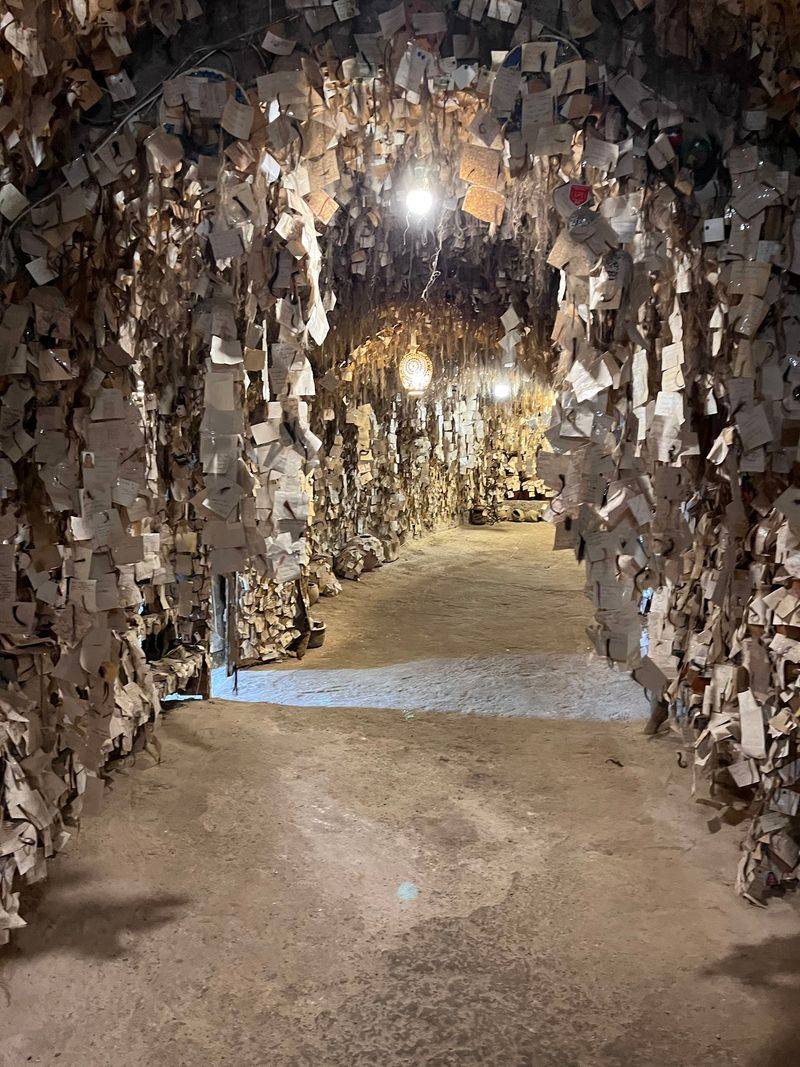
Tucked beneath a pottery workshop in the charming town of Avanos, Turkey, lies one of the strangest hidden spaces you will ever encounter. The Avanos Hair Museum is essentially a cave whose walls and ceiling are blanketed with thousands of locks of hair left behind by female visitors over several decades.
The tradition started in 1979 when a local potter named Chez Galip asked a departing friend to leave a lock of her hair as a keepsake. Word spread, and the practice caught on.
Today, over 16,000 samples hang from the walls, each labeled with a name and address.
Twice a year, Galip randomly selects ten donors from the collection and invites them back to Avanos for a week-long pottery workshop as a prize. The cave feels surreal and a little mysterious.
It is a genuinely one-of-a-kind place that blends folk tradition with unexpected art.
5. Museum of Witchcraft and Magic – Boscastle, England
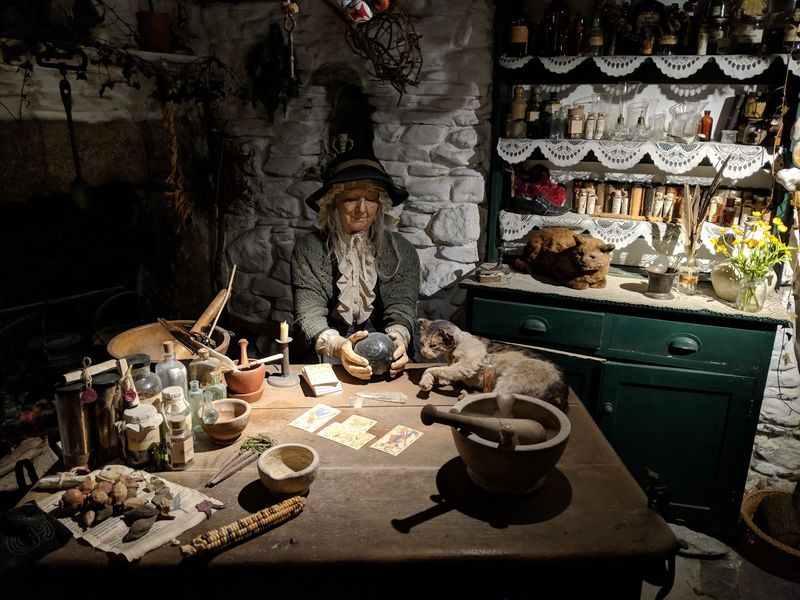
Nestled in the small coastal village of Boscastle in Cornwall, the Museum of Witchcraft and Magic holds the largest collection of witchcraft-related artifacts in the world. The museum was founded in 1951 by Cecil Williamson and has been casting a spell over visitors ever since.
Inside, you will find ritual tools, talismans, spell books, wax figures, and objects connected to British folk magic traditions stretching back centuries. The collection does not mock or sensationalize its subject.
Instead, it presents witchcraft as a genuine part of cultural and spiritual history worth understanding.
The museum survived a devastating flood in 2004 that nearly destroyed the entire village. Thanks to community efforts, it was restored and reopened.
Walking through its dimly lit rooms feels like stepping into another world entirely. For anyone curious about folklore, magic, and the history of belief in Britain, this is a deeply fascinating visit.
6. Meguro Parasitological Museum – Tokyo, Japan
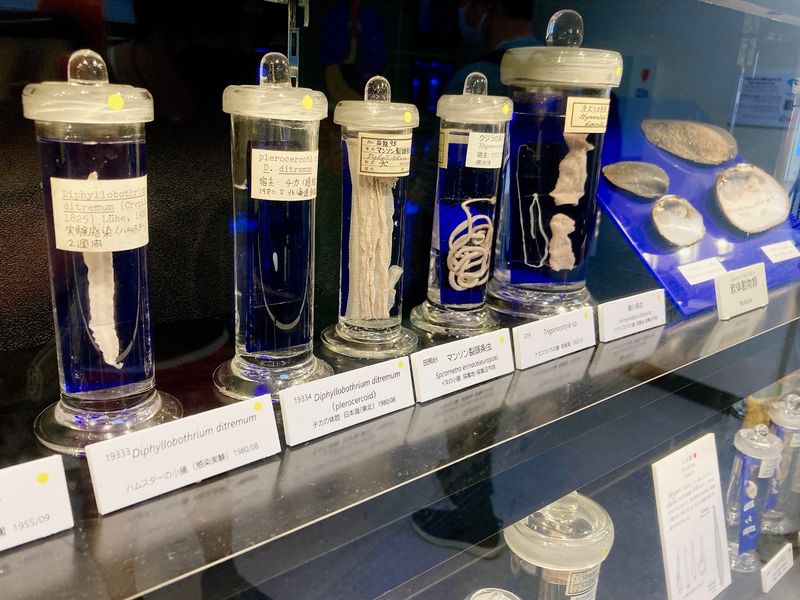
Most people go out of their way to avoid parasites. The Meguro Parasitological Museum in Tokyo, Japan, has built an entire institution around studying them.
Founded in 1953 by Dr. Satoru Kamegai, it is the only museum in the world dedicated entirely to parasitology.
The collection holds over 60,000 specimens, though only a portion are on public display at any time. The star attraction is a tapeworm preserved in a long glass case measuring an astonishing 8.8 meters.
Educational panels explain how parasites infect hosts, reproduce, and spread through ecosystems.
Despite its creepy subject matter, the museum attracts a surprisingly wide audience, including students, medical professionals, and curious tourists. The gift shop even sells parasite-themed merchandise, which has become unexpectedly popular.
Admission is free, making it one of Tokyo’s most affordable and memorable stops. Science has never looked quite this unsettling before.
7. Cancun Underwater Museum (MUSA) – Cancun, Mexico
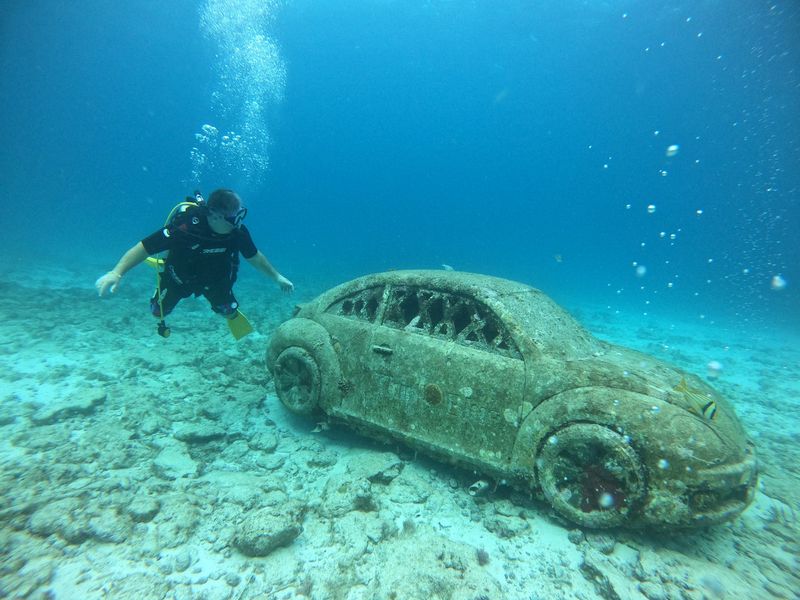
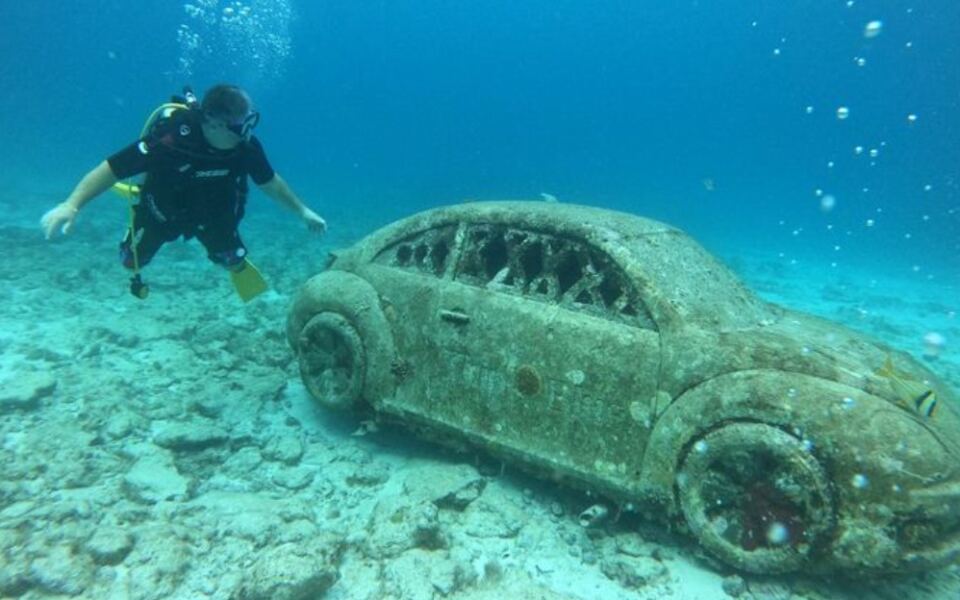
What if the museum was at the bottom of the sea? That is exactly the concept behind MUSA, the Cancun Underwater Museum located off the coast of Cancun and Isla Mujeres in Mexico.
Created by British sculptor Jason deCaires Taylor and a team of collaborators, MUSA opened in 2009 and has grown into one of the largest underwater art installations on the planet.
The collection features over 500 life-sized sculptures installed between 4 and 8 meters below the surface. Made from pH-neutral materials, the works are designed to encourage coral growth and support marine ecosystems.
Visiting means strapping on snorkeling gear, taking a diving course, or booking a glass-bottom boat tour.
The sculptures themselves are haunting and beautiful, depicting ordinary human scenes slowly being reclaimed by the ocean. MUSA blends art, conservation, and adventure in a way that no land-based museum can match.
It is an experience that stays with you long after you surface.
8. Museum of Medieval Torture Instruments – Prague, Czech Republic
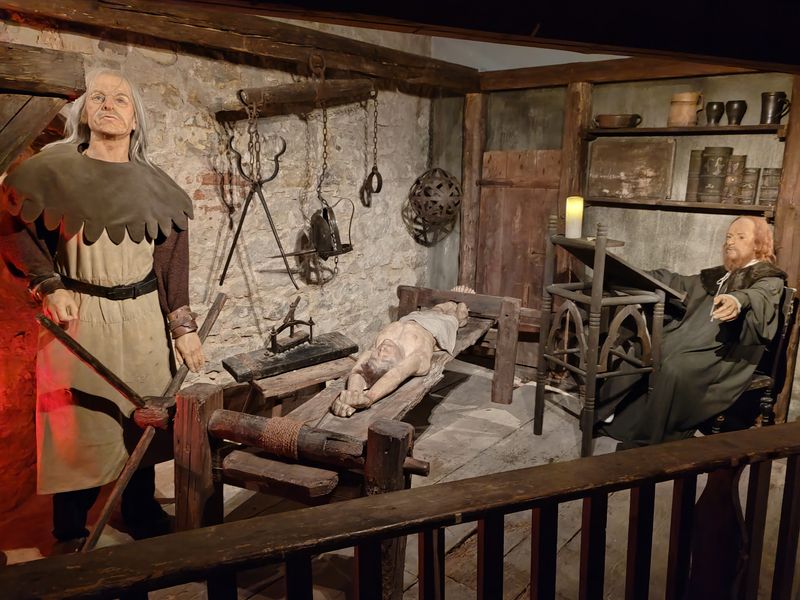
Prague has no shortage of history, and the Museum of Medieval Torture Instruments makes sure none of the darker chapters are forgotten. Located in the heart of the Old Town, the museum displays detailed reproductions of devices used for punishment and interrogation during the Middle Ages and beyond.
Exhibits include the iron maiden, the rack, the thumbscrew, and dozens of other instruments that were once used across Europe. Each display includes explanatory panels describing how the device worked and the historical context behind its use.
The information is sobering and educational rather than purely sensational.
The museum draws visitors of all ages, though it is best suited for older children and adults. It serves as a reminder of how justice and punishment have evolved dramatically over the centuries.
Understanding this history, however uncomfortable, helps people appreciate the legal protections that exist in modern societies today. History is not always pretty.
9. Momofuku Ando Instant Ramen Museum – Ikeda, Japan
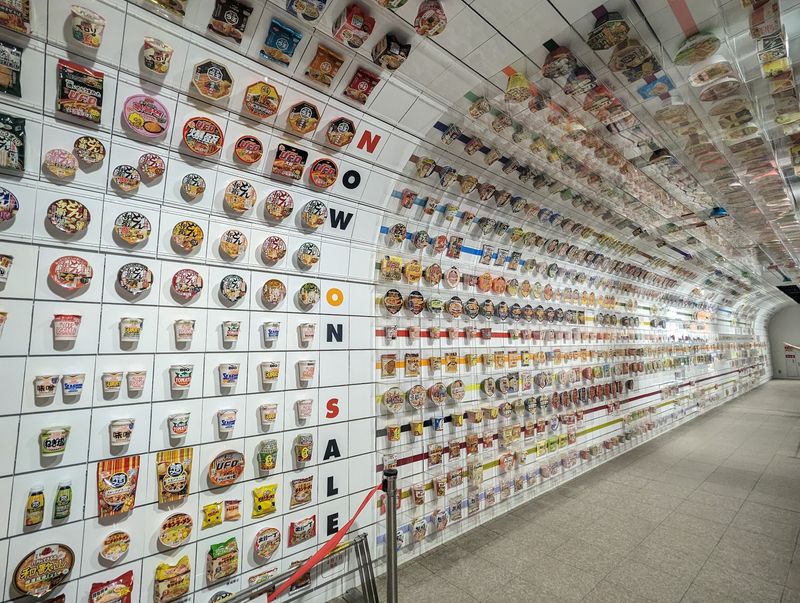
Instant noodles might seem like a humble snack, but the CUPNOODLES Museum Osaka Ikeda, formerly known as the Momofuku Ando Instant Ramen Museum, treats them with the reverence they deserve. Located in Ikeda, Japan, the museum celebrates the invention and global spread of one of the most consumed foods in human history.
Momofuku Ando invented instant ramen in 1958 after months of experimenting in a small shed behind his house. His creation eventually changed the way millions of people around the world eat.
The museum traces that journey through interactive exhibits, historical artifacts, vintage packaging, and a fascinating recreation of the original shed where it all began.
Visitors can also customize their own cup noodle flavors and packaging to take home as a souvenir. The experience is playful, informative, and genuinely fun for all ages.
Few food inventions have had as big a global impact as this simple, brilliant idea.
10. Museum of Miniatures – Prague, Czech Republic
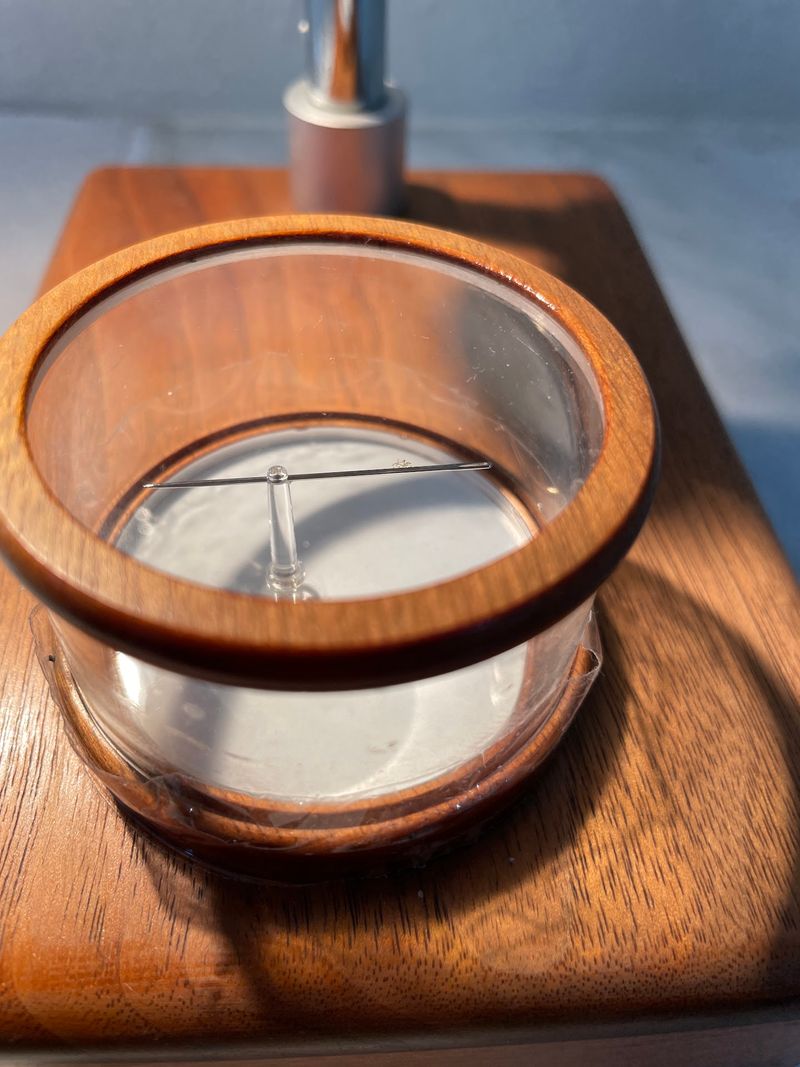
Patience and precision reach an almost unimaginable level at the Museum of Miniatures in Prague. The collection features works by Russian artist Anatoly Konenko, whose creations are so small that most can only be seen properly through a magnifying glass or microscope.
Each piece is a jaw-dropping demonstration of human skill.
Among the highlights is a caravan of camels carved inside the eye of a needle and a miniature book so tiny it could rest on a single grain of rice. Konenko creates his works between heartbeats, timing each delicate movement to avoid the tiny tremors that hands naturally produce.
The museum is compact in size, which feels entirely appropriate given its subject. Visitors often spend far more time here than expected, leaning over display cases and marveling at what human hands can accomplish at such an extreme scale.
It is a quiet, meditative, and genuinely awe-inspiring experience in the middle of a busy city.
11. Frietmuseum – Bruges, Belgium
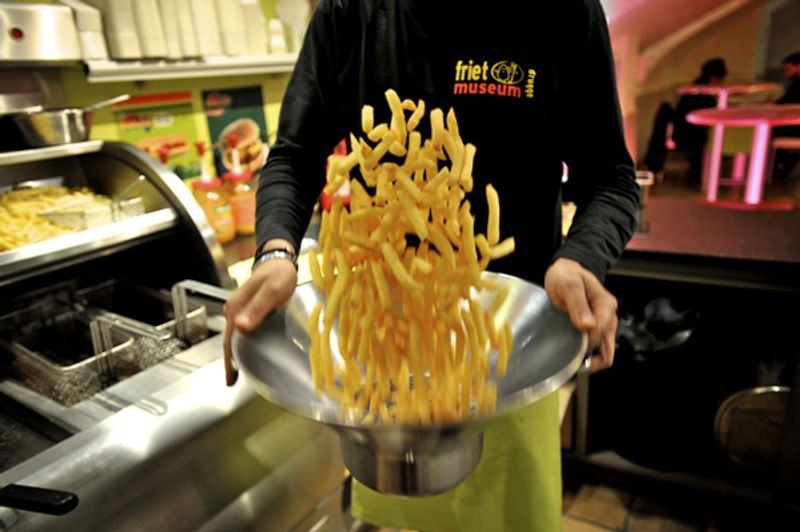
Belgium takes its fries seriously, and the Frietmuseum in Bruges is the proof. Housed in one of the oldest surviving medieval buildings in the city, this museum dedicates itself entirely to the history of the potato and the beloved Belgian frite.
It is the only museum of its kind in the world.
The exhibits begin in South America, where the potato was first cultivated thousands of years ago. From there, the story follows the potato across the Atlantic to Europe, tracing how it transformed diets and economies along the way.
Eventually, the focus narrows to Belgium and the art of frying potatoes to golden perfection.
Visitors learn about the debate over whether Belgium or France truly invented the french fry. Belgians have strong opinions on this topic.
The museum ends with a working friture where guests can sample fresh fries made the traditional Belgian way. It is delicious, educational, and surprisingly entertaining from start to finish.
12. Museum of Vampires and Legendary Creatures – Paris, France
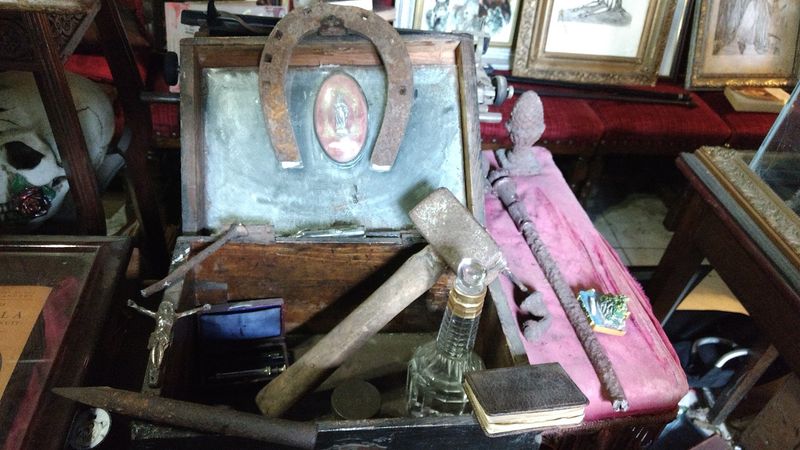
Paris is known for romance and art, but tucked away in a quieter corner of the city is a private collection devoted to something far more shadowy. The Museum of Vampires and Legendary Creatures is a personal collection assembled by Jacques Sirgent, a vampire enthusiast and English teacher who spent decades gathering folklore, literature, and supernatural artifacts.
The museum covers vampire legends from Eastern European traditions, Victorian gothic fiction, and modern pop culture. Visitors can find antique books, wooden stakes, garlic bundles, old illustrations, and items connected to the historical figures who may have inspired the vampire myth.
Access to the museum is limited and typically requires an appointment in advance. It is a niche experience suited for those with a genuine interest in folklore and dark history rather than casual drop-in tourists.
If that describes you, the visit is reportedly memorable and unlike anything else in Paris. Check ahead for current availability before making plans.
13. Disgusting Food Museum – Malmo, Sweden
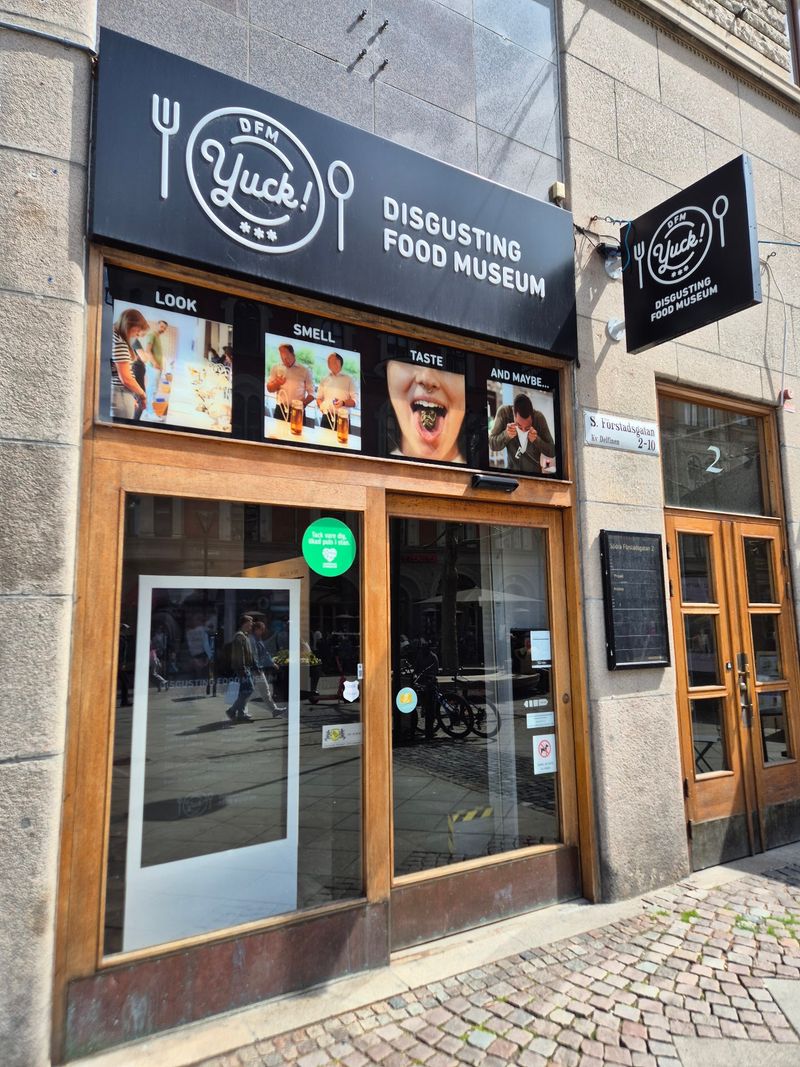
One culture’s prized delicacy is another culture’s worst nightmare, and the Disgusting Food Museum in Malmo, Sweden, makes that point with great enthusiasm. Founded in 2018, the museum explores the strange and deeply subjective nature of what humans consider edible.
Spoiler: it varies wildly.
Exhibits feature around 80 foods from across the globe, including fermented Swedish surstroemming fish, Icelandic hakarl shark, century eggs from China, and various insect-based dishes. Each display explains the cultural context that makes these foods perfectly normal and even beloved in their home regions.
Brave visitors are invited to smell or taste select samples at certain stations. Reactions tend to be dramatic and memorable.
The museum challenges visitors to examine their own food biases and consider why disgust is such a powerful, culturally shaped emotion. It is funny, thought-provoking, and genuinely educational.
Food has never been so fascinating or so hard to look at without flinching.
14. Museum of Hangovers – Zagreb, Croatia
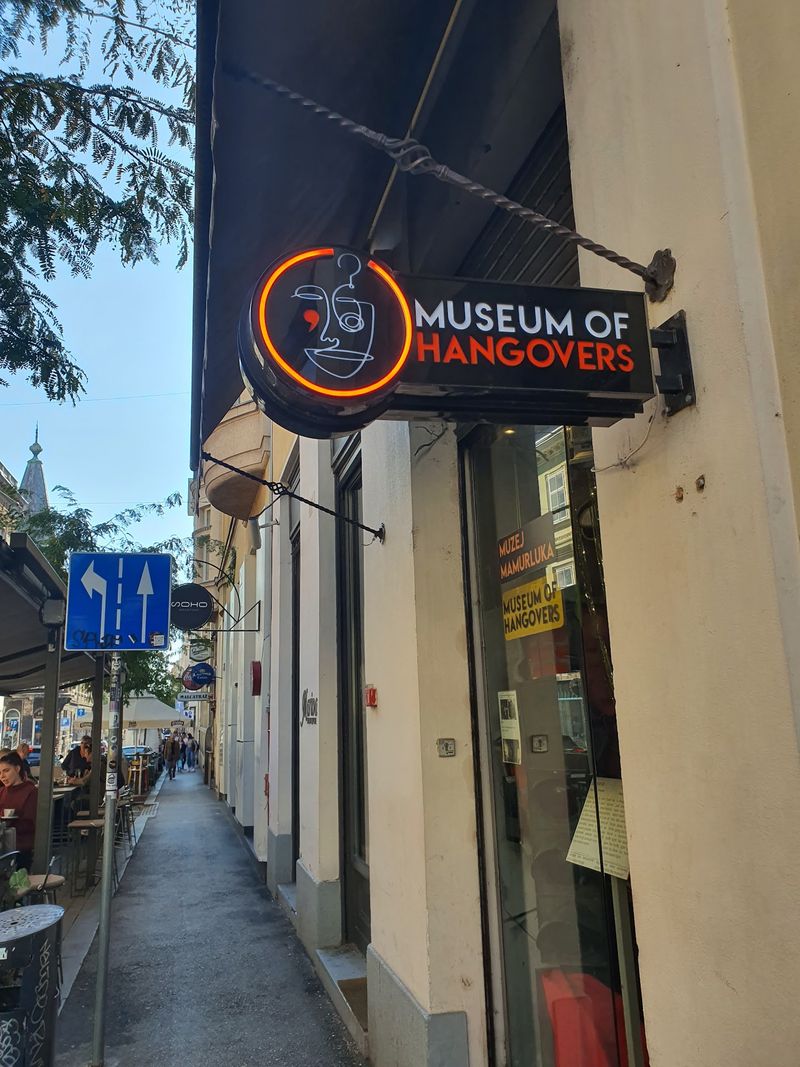
Zagreb already hosts the Museum of Broken Relationships, so it should come as no surprise that the city also gave the world the Museum of Hangovers. Opened in 2021, this cheerful and self-aware attraction explores the universal experience of waking up after a night that went a little too far.
The museum uses personal stories, donated objects, and interactive exhibits to document the aftermath of memorable evenings. Visitors read anonymous accounts submitted by people from around the world describing their most regrettable mornings.
The tone is warm, funny, and surprisingly honest about the consequences of overindulgence.
Beyond the humor, the museum includes information about alcohol’s effects on the body and some gentle encouragement toward responsible choices. It manages to be entertaining without glorifying excessive drinking.
For travelers visiting Zagreb, this quirky stop pairs naturally with a walk through the old city and perhaps a very responsible glass of local wine. Moderation, apparently, is the whole point.
Share this story