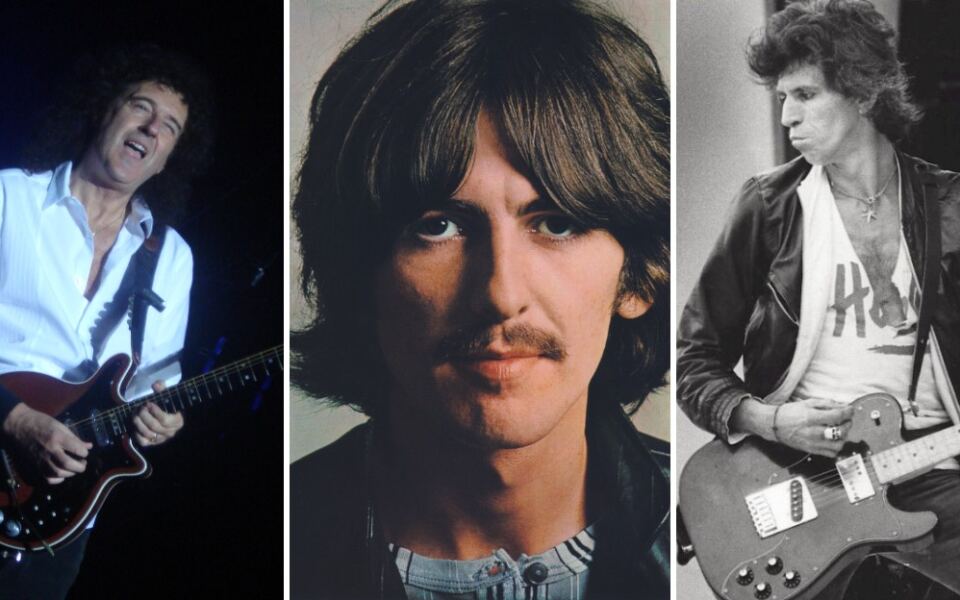
Most famous bands have a voice that seems inseparable from their sound. Hear a few seconds of a Queen song and you expect Freddie Mercury.
Put on the Rolling Stones and Mick Jagger is usually waiting. But rock history is full of moments where someone unexpected stepped up to the microphone and delivered something unforgettable.
Sometimes the guitarist took over. Sometimes the drummer got a rare shot.
And in several remarkable cases, the song became such a classic that casual listeners never realized they were hearing someone other than the band’s usual frontman. These 15 songs prove that some of rock’s most enduring moments came from the person nobody expected to be singing.
Each one has its own story, its own surprise, and its own reason for standing apart from everything else in the band’s catalog. Read on and you might never hear some of these songs the same way again.
1. These Dreams by Heart
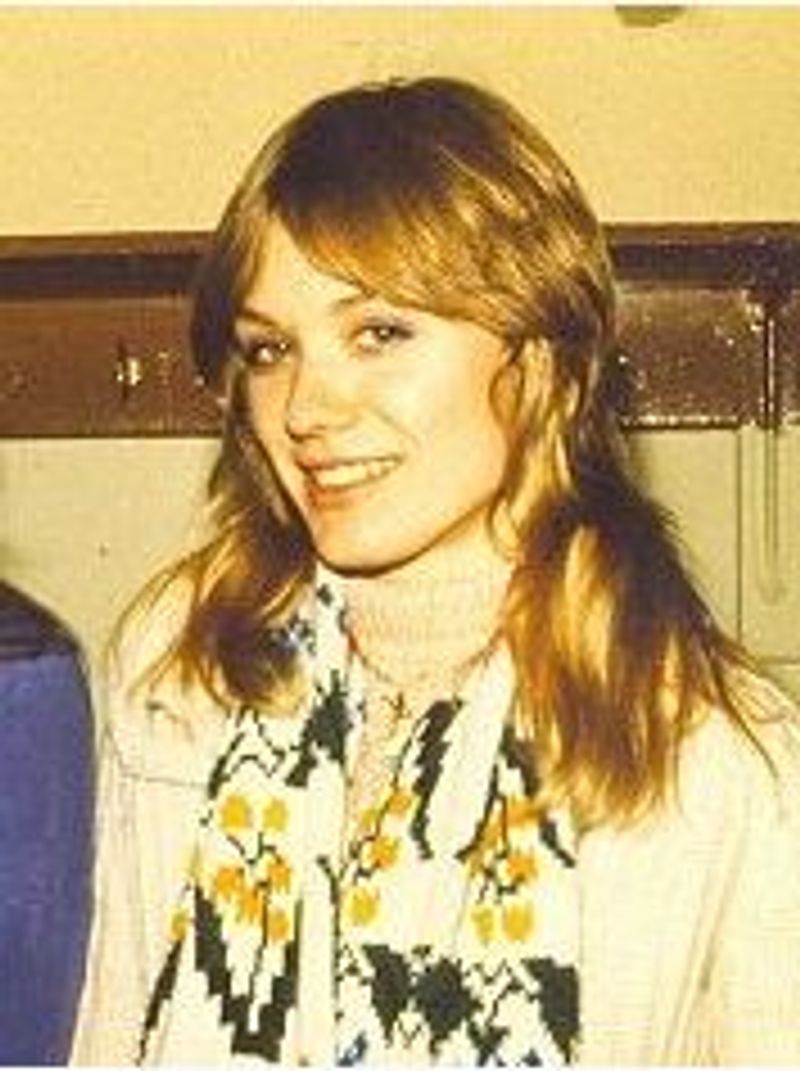
Heart’s towering rock voice belonged to Ann Wilson, which is exactly why These Dreams surprised so many listeners when it became the band’s biggest chart success.
The 1986 No. 1 hit features Ann’s younger sister Nancy Wilson on lead vocals. Nancy was primarily known as Heart’s guitarist and backing vocalist, while Ann powered classics such as Crazy on You and Barracuda.
These Dreams needed something softer and more delicate.
Nancy’s breathier delivery perfectly matched the song’s floating, dreamlike quality. The recording climbed to No. 1 on the Billboard Hot 100, becoming Heart’s first chart-topper.
Nancy reportedly recorded her vocals while suffering from a cold, which gave her voice a slightly raspy texture that wound up suiting the song beautifully. The first Heart single to reach No. 1 wasn’t sung by Ann Wilson at all.
2. Take It to the Limit by Eagles
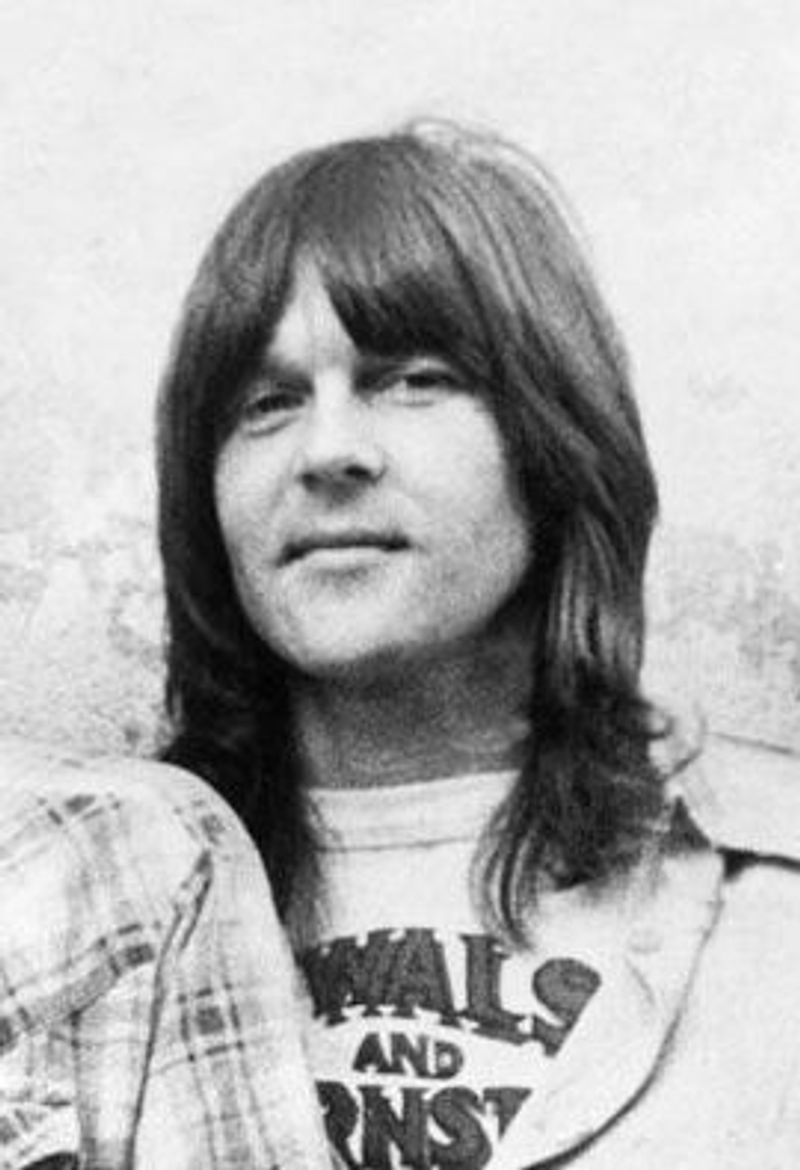
Most casual listeners associate the Eagles’ lead vocals with Don Henley and Glenn Frey. Take It to the Limit belongs to someone else entirely, and that fact still catches people off guard.
Bassist Randy Meisner co-wrote the song with Henley and Frey and delivered the soaring lead vocal on the Eagles’ 1975 album One of These Nights. Released as a single, it reached No. 4 on the Billboard Hot 100.
The song demanded an impressive upper vocal register, particularly as it built toward its climactic final notes.
Those high notes eventually became a source of real tension. Meisner reportedly found performing the demanding song night after night increasingly stressful, which contributed to his eventual departure from the band.
Take It to the Limit became one of the Eagles’ signature ballads even though neither of their two most recognizable singers was at the microphone.
3. Something by The Beatles
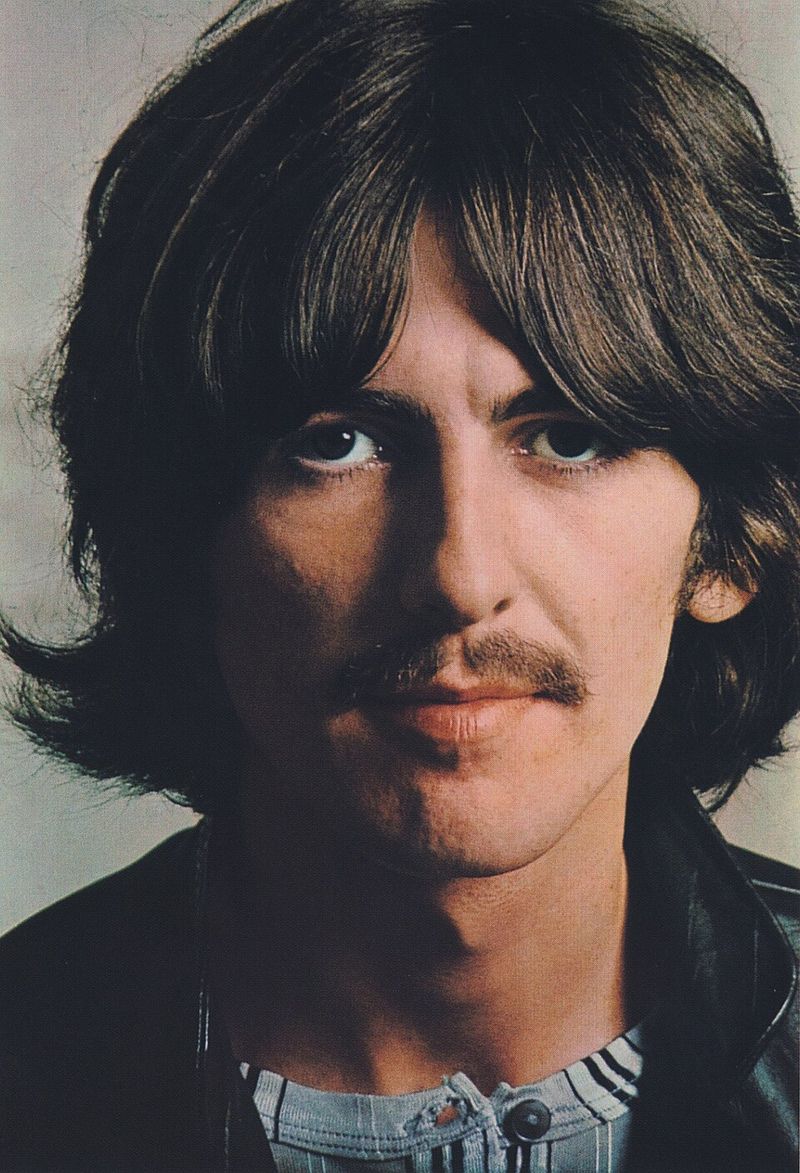
George Harrison spent most of the Beatles’ career standing beside two of the most prolific songwriters in popular music history. Then he wrote Something, and everything changed for him.
Released on Abbey Road in 1969, the song was written and sung entirely by Harrison rather than John Lennon or Paul McCartney. Its elegant guitar line and restrained vocal helped make it one of the most celebrated compositions the Beatles ever recorded.
Something was issued as a double A-side single with Come Together and reached No. 1 on the Billboard Hot 100. Abbey Road also contained Harrison’s Here Comes the Sun, further proving how much his writing had matured.
For listeners who instinctively associate the band’s biggest vocals with Lennon and McCartney, hearing Harrison at the center of such an enormous classic remains genuinely surprising.
4. Octopus’s Garden by The Beatles
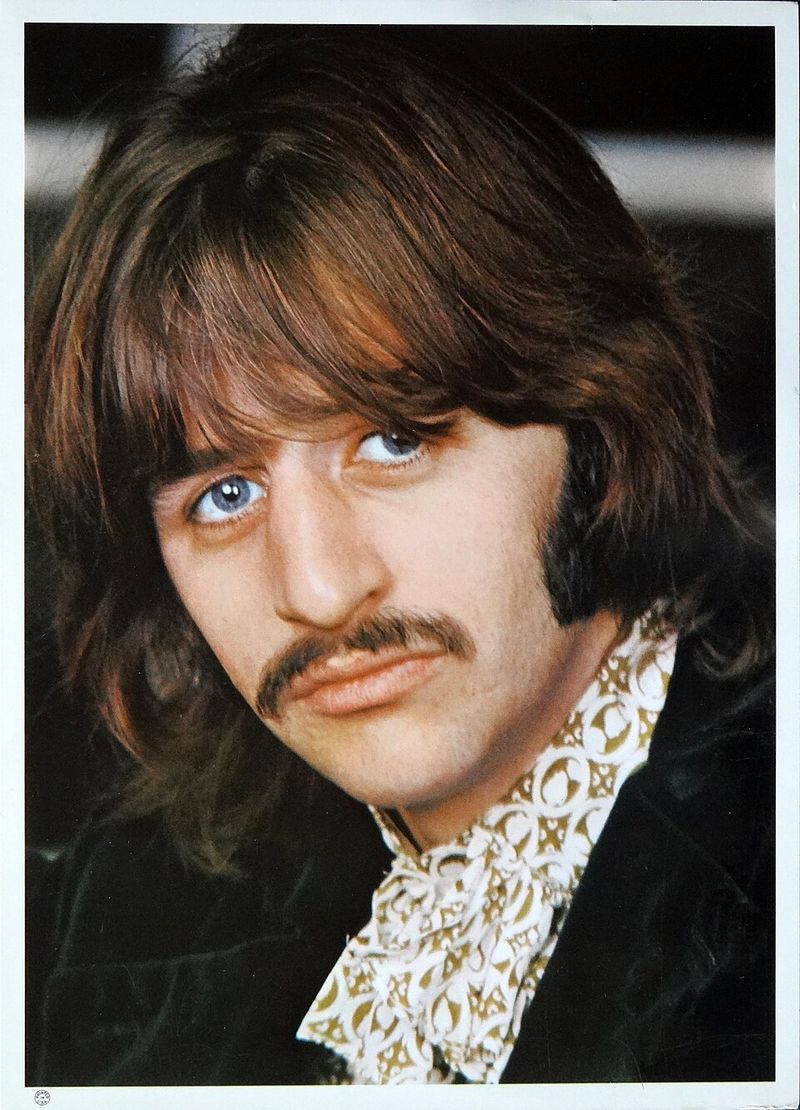
Ringo Starr didn’t get many lead-vocal opportunities with the Beatles, but he made the most of every one he received. Octopus’s Garden stands as his most personal contribution to the band’s catalog.
Ringo wrote and sang the track, which appeared on Abbey Road in 1969. The idea came to him during a boat trip in Sardinia, after a conversation about octopuses collecting objects to create garden-like spaces on the seafloor.
George Harrison helped Starr develop the composition into something more musically sophisticated than its playful subject might suggest.
Ringo had previously sung Beatles favorites including Yellow Submarine and With a Little Help from My Friends, but Octopus’s Garden was especially significant because it was his own composition. On an album containing towering material from Lennon, McCartney, and Harrison, the drummer carved out one of its most lovable moments entirely on his own terms.
5. Happy by The Rolling Stones
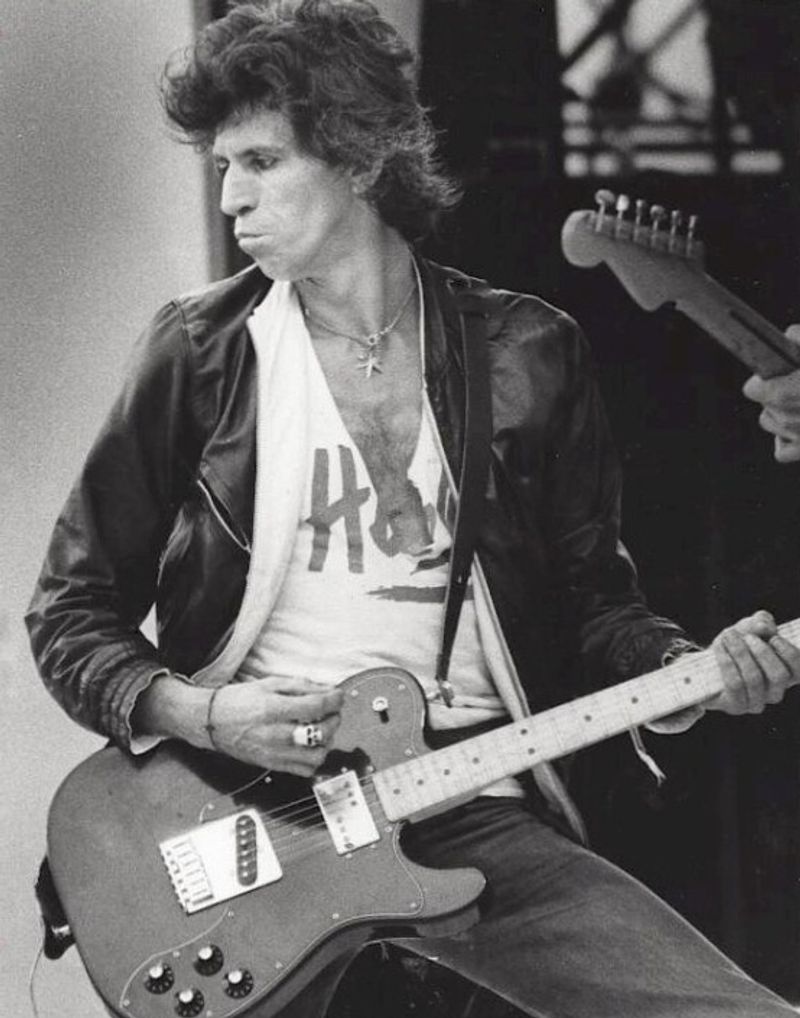
Keith Richards is one of rock’s most recognizable guitarists, but far fewer people think of him as a lead vocalist. Happy is the great exception to that assumption.
Richards wrote the song and handled lead vocals on the track from the Stones’ 1972 album Exile on Main St. Jagger contributes backing vocals, but this is unmistakably Keith’s moment at the microphone. The performance fits him perfectly.
Happy is ragged, energetic, and gloriously unpolished, with Richards sounding as if he simply wandered up to the microphone while the band was already mid-song. It reached No. 22 on the Billboard Hot 100, making it the only Stones single to chart with Richards on lead vocals.
For once, the guitarist proved the Stones could still sound completely like themselves without their famous frontman.
6. Beth by Kiss
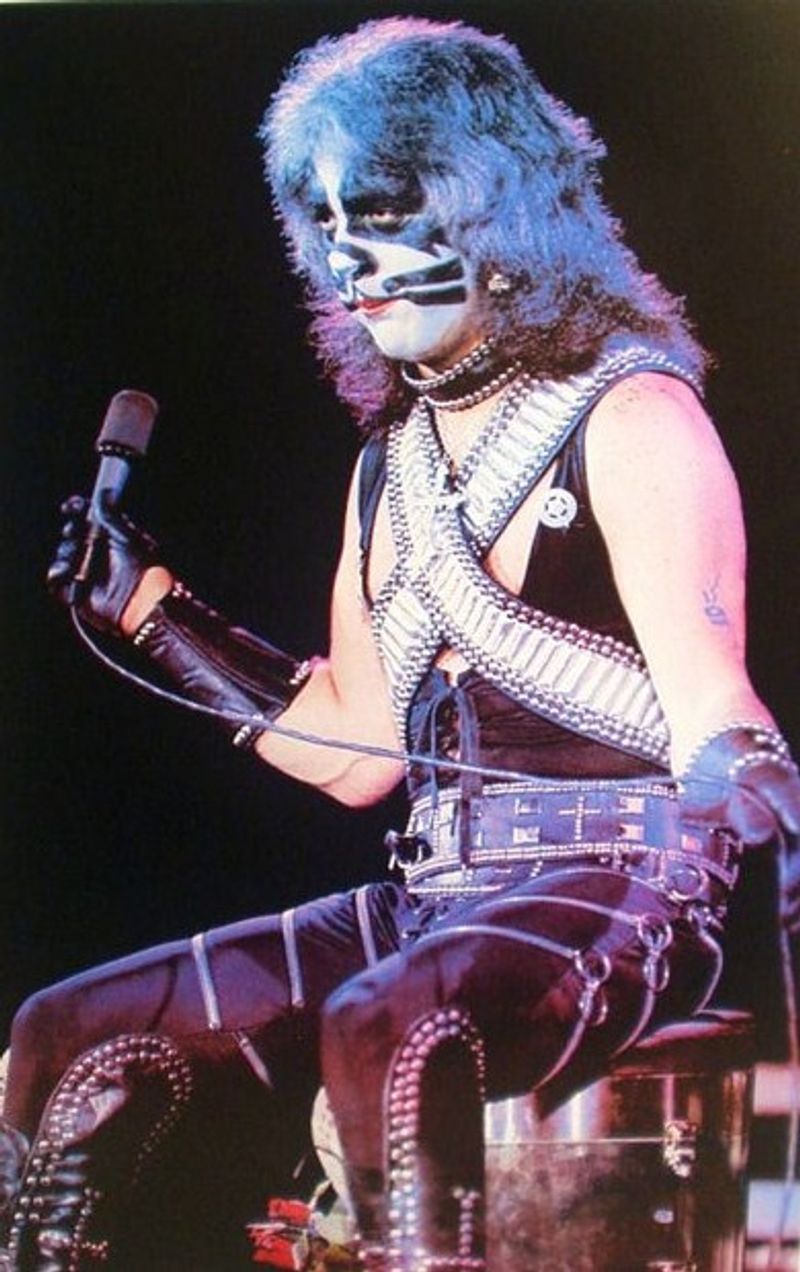
Kiss built its reputation on roaring guitars, fire, elaborate makeup, and some of the biggest stage theatrics in rock history. Then one of the band’s biggest 1970s hits arrived as a piano ballad sung by the drummer.
Beth features Peter Criss on lead vocals rather than Paul Stanley or Gene Simmons. Released on Destroyer in 1976, the song could hardly have sounded further removed from the hard-rock spectacle associated with Kiss.
Criss was the only band member who performed on the studio recording, accompanied by a string ensemble.
Beth reached No. 7 on the Billboard Hot 100, becoming Kiss’s highest-charting U.S. single. The song originated as a demo called Beck, written as a humorous take on a bandmate’s wife.
For a band built around enormous personalities, it was remarkable that its greatest commercial success came from the drummer singing a vulnerable ballad.
7. Drive by The Cars
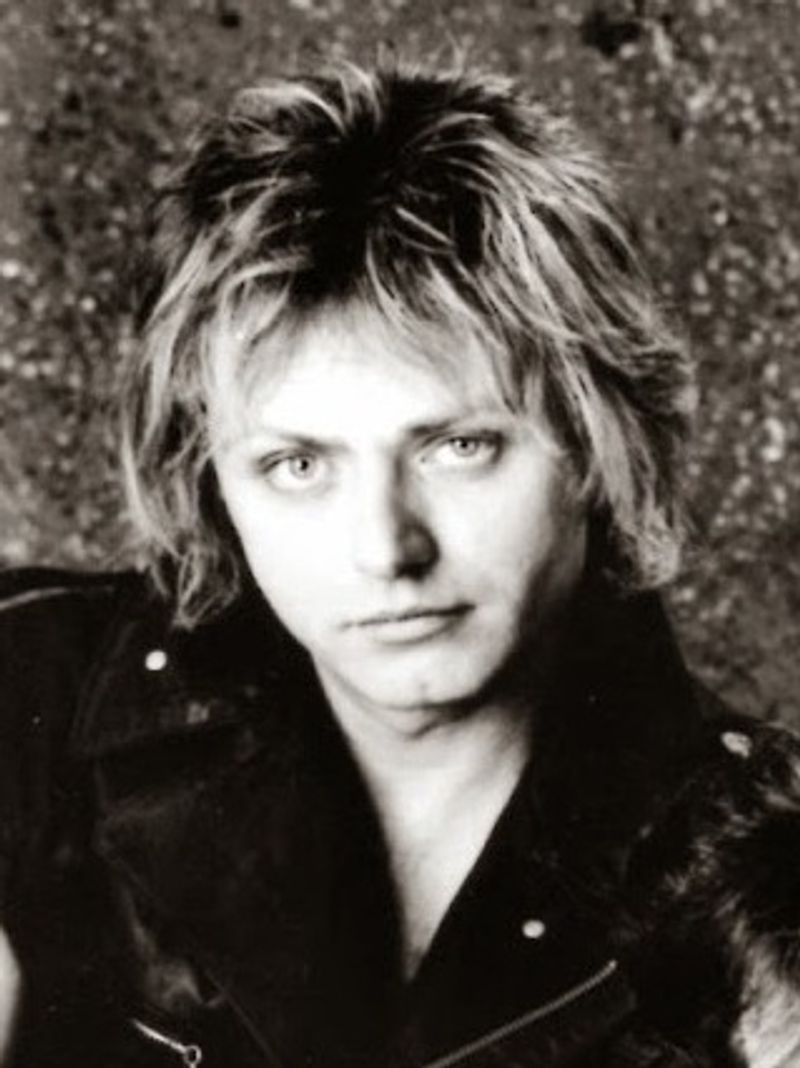
Ric Ocasek looked and sounded like the natural frontman of the Cars, which makes the story behind Drive one of the band’s most interesting behind-the-scenes decisions.
Drive features bassist Benjamin Orr on lead vocals. Released in 1984 from Heartbeat City, the ballad reached No. 3 on the Billboard Hot 100, becoming the Cars’ highest-charting single.
Ocasek actually wrote the song himself, making the vocal choice even more striking. Instead of singing his own composition, he handed it to Orr, whose smoother and more vulnerable voice suited the track’s melancholy mood far better.
Orr wasn’t completely unfamiliar as a Cars vocalist. He also sang lead on Just What I Needed.
Still, Drive became the most dramatic example of how effectively the band could change voices. The Cars’ biggest chart success ultimately belonged not to the man most people recognized as the frontman, but to the quiet bassist standing nearby.
8. Dirty Work by Steely Dan
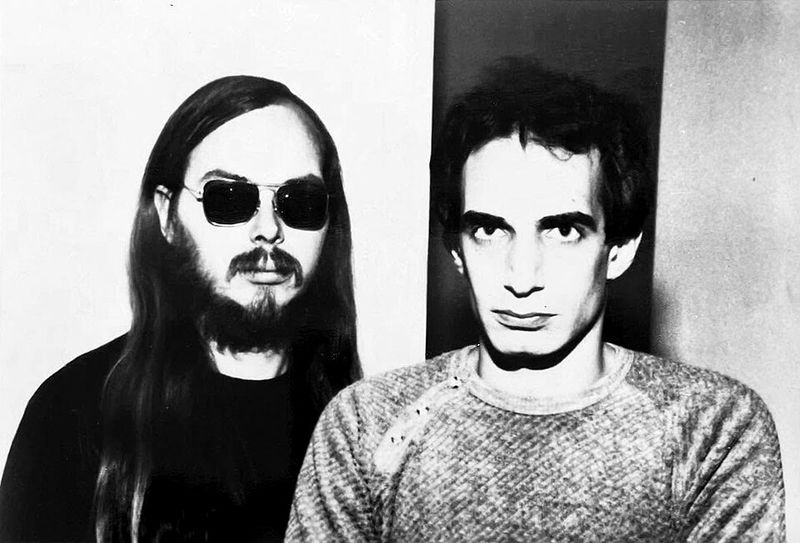
Donald Fagen eventually became the unmistakable voice of Steely Dan, but the band’s earliest recordings featured more vocal variety than most listeners remember today.
Dirty Work, from the band’s 1972 debut album Can’t Buy a Thrill, features David Palmer on lead vocals. Palmer had been brought into the early Steely Dan lineup partly because Fagen was initially uncomfortable performing as the group’s frontman, and the record label had concerns about his voice.
Palmer’s smooth, polished delivery gave the song a noticeably different character from Fagen’s instantly recognizable nasal tone.
As Steely Dan evolved, Fagen took over virtually all lead-vocal duties and Palmer left the group. That history makes Dirty Work feel like an artifact from an alternate version of the band.
Fans recognize the song immediately, yet the familiar voice of Donald Fagen never arrives. It remains one of the stranger footnotes in a catalog full of interesting details.
9. 39 by Queen
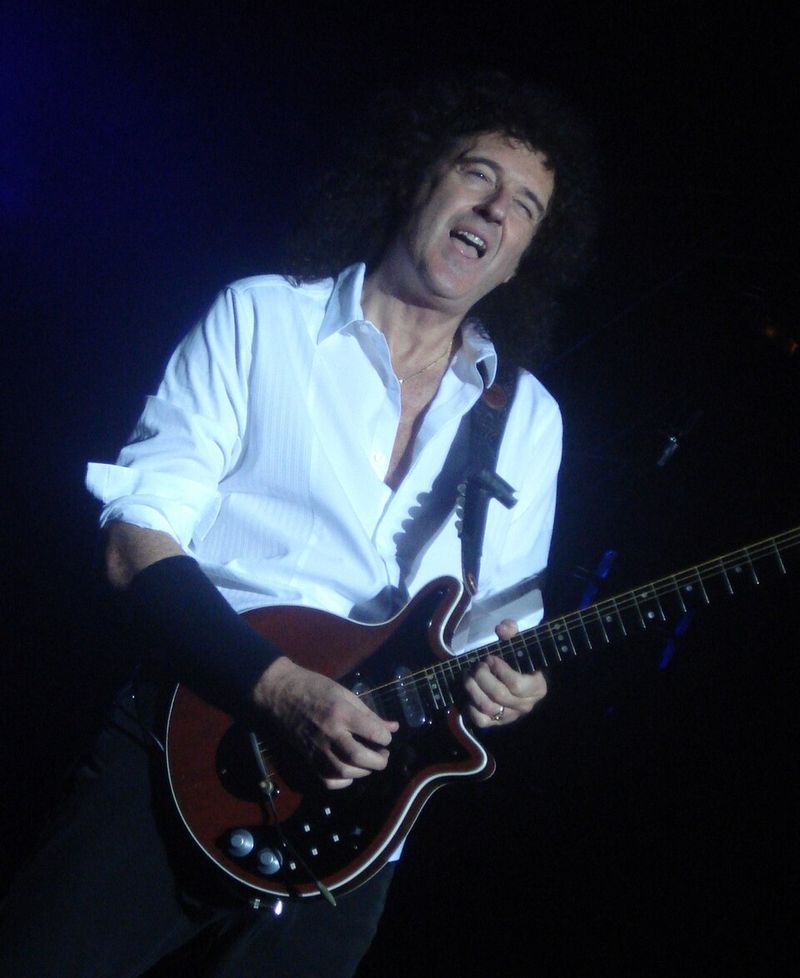
Freddie Mercury possessed one of rock’s most theatrical and powerful voices. On 39, Brian May stepped up to the microphone instead, and the result sounds like nothing else in Queen’s catalog.
May wrote and sang the unusual folk-rock track for Queen’s 1975 album A Night at the Opera. Its acoustic sound already sets it apart from the album’s enormous centerpiece, Bohemian Rhapsody.
May, who studied physics and astrophysics, constructed a science-fiction narrative about space travelers who return home after what feels like a short journey, only to discover that a hundred years have passed on Earth due to time dilation.
Mercury contributes backing vocals, but May carries the entire story. John Deacon played double bass on the track after May jokingly requested it.
Without Mercury’s theatrical presence, 39 feels intimate and almost like a campfire song, built around an idea borrowed from relativistic physics. Only Queen could pull that off.
10. I’m in Love with My Car by Queen
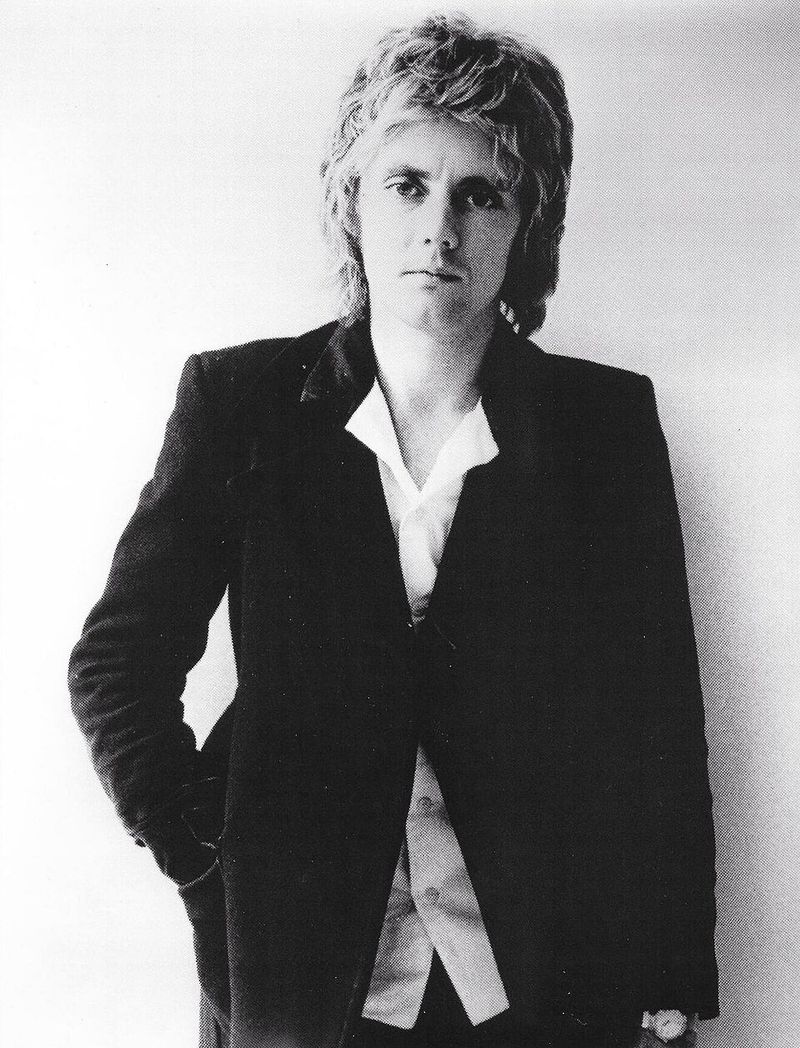
Roger Taylor didn’t merely keep time for Queen. He wrote songs, played multiple instruments, and possessed a powerful rock voice that rarely got the spotlight it deserved.
I’m in Love with My Car gave him one of his most memorable showcases. Taylor wrote and sang the track for A Night at the Opera in 1975, and his rougher vocal gives the song a completely different personality from anything Mercury typically delivered.
The song became the B-side of Bohemian Rhapsody, which had a financially significant consequence. Because royalties were shared with the B-side writer, Taylor benefited considerably from being attached to one of the biggest singles in Queen’s history.
That arrangement reportedly caused some friction within the band. The revving sounds at the end of the recording were a capture of Taylor’s own Alfa Romeo.
The song developed a cult following and eventually became a regular part of Queen’s live repertoire, giving Taylor his own reliable moment in the show.
11. Boris the Spider by The Who
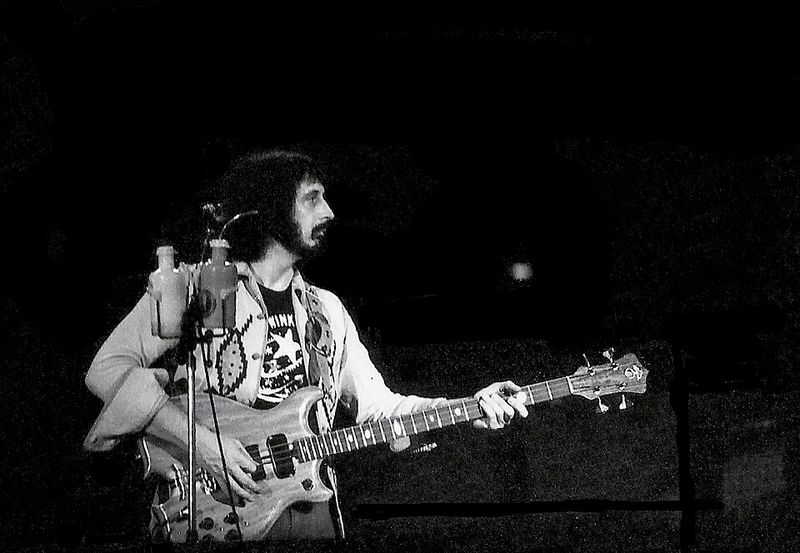
Roger Daltrey was the voice behind enormous Who classics such as Won’t Get Fooled Again and Baba O’Riley. Boris the Spider sounds absolutely nothing like him, and that contrast is a large part of why it became a cult favorite.
The 1966 track was written and sung by bassist John Entwistle. His unusually deep basso profundo vocal, including the famously growled refrain, gives the song an almost comic horror quality that no other Who recording attempted.
It appeared on the album A Quick One and quickly became one of Entwistle’s most requested compositions in live settings.
The Who contained four unusually distinct personalities. Townshend wrote most of the material, Daltrey usually delivered the lead vocals, Keith Moon provided chaos from behind the drums, and Entwistle often appeared to be the quiet one.
Boris the Spider gave the bassist his own strange, unforgettable corner of the band’s catalog, and he owned it completely.
12. Yellow Submarine by The Beatles
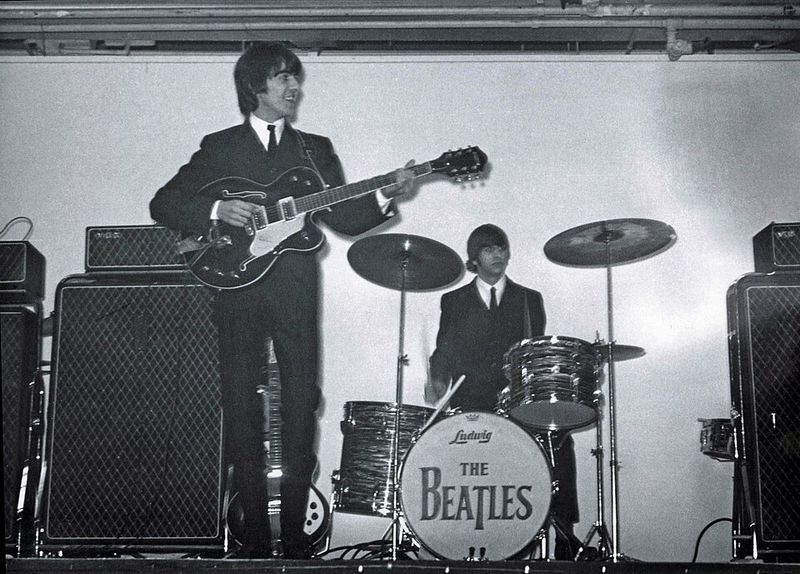
Imagine Yellow Submarine with John Lennon or Paul McCartney singing lead and it immediately feels wrong. The song was built for Ringo Starr, and that was entirely intentional.
Released in 1966, Yellow Submarine was written primarily by Lennon and McCartney with Starr’s limited vocal range specifically in mind. That apparent limitation became central to the song’s charm.
Ringo’s friendly, unpretentious delivery made the surreal singalong feel accessible to virtually everyone who heard it.
The recording reached No. 2 on the Billboard Hot 100 in the United States and topped the UK singles chart for four weeks as part of a double A-side with Eleanor Rigby. It eventually inspired the 1968 animated film of the same name and became one of the most universally recognized songs in the entire Beatles catalog.
Surrounded by extraordinary singers and songwriters, Ringo delivered the one song that nobody else could have made feel quite so right.
13. Before They Make Me Run by The Rolling Stones
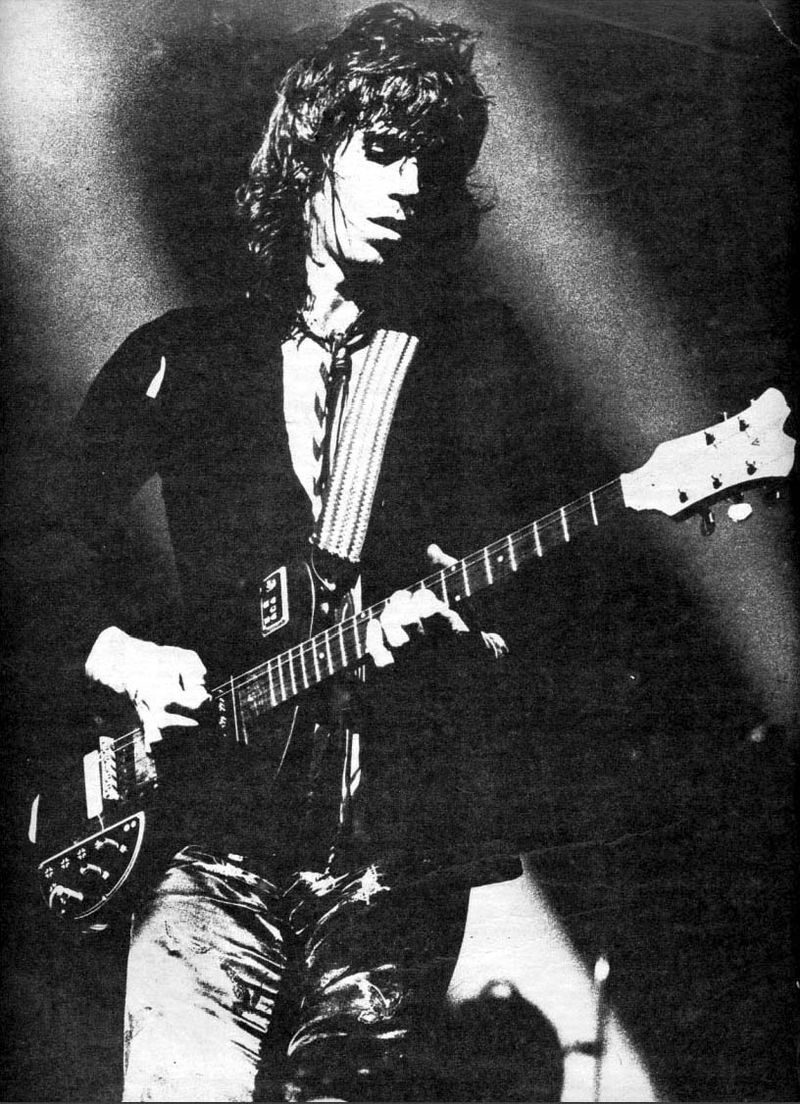
Keith Richards’ voice has always provided a rougher counterweight to Mick Jagger’s polished frontman energy. Before They Make Me Run may be the purest, most personal example of what Richards sounds like when he takes full control of a song.
Richards wrote and sang the track on the Rolling Stones’ 1978 album Some Girls. The song emerged during a genuinely turbulent period in his life, following his arrest for heroin possession in Toronto in February 1977, which created real uncertainty about both his future and the band’s.
That history gives the song’s title a weight that goes well beyond the music itself.
Musically, the track has the loose, weaving guitar sound Richards helped define over decades with the Stones. Jagger’s absence from the lead microphone doesn’t make it sound less like the band.
The result became one of Richards’ signature Stones vocals and a regular concert showcase for him in the years that followed.
14. Tempted by Squeeze
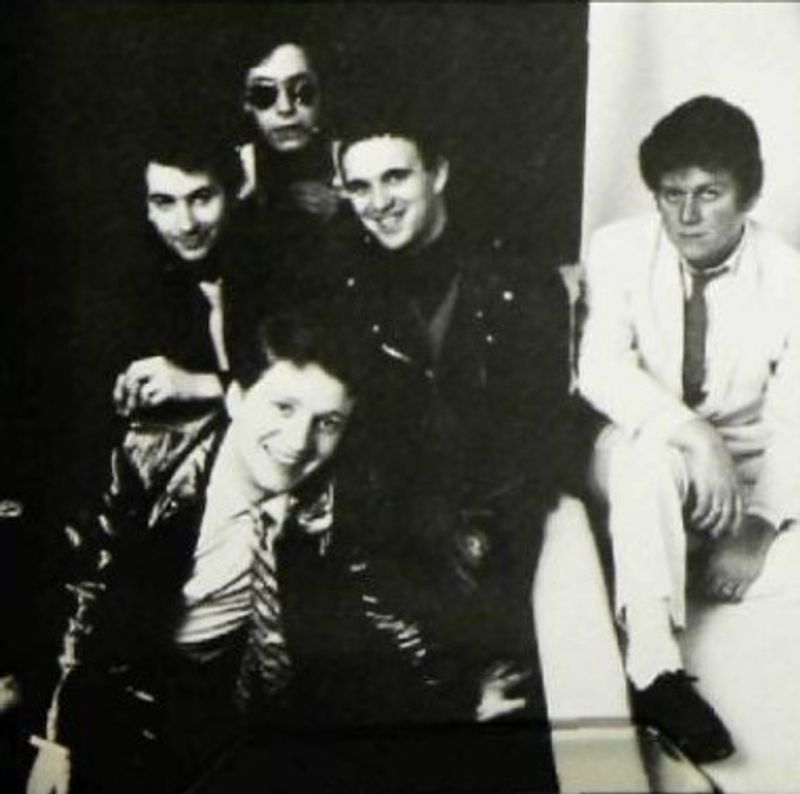
Glenn Tilbrook handled lead vocals on many of Squeeze’s best-known songs, so a casual listener discovering the band through its most recognizable American track might assume Tilbrook was singing. He wasn’t.
Tempted, from the 1981 album East Side Story, features keyboardist Paul Carrack on lead vocals. Carrack had only recently joined Squeeze when the song was recorded, yet his soulful delivery proved ideal for the Chris Difford and Glenn Tilbrook composition.
Elvis Costello produced the track and contributed backing vocals on the second verse, adding another layer of unexpected talent to the recording.
Tempted wasn’t a massive U.S. chart hit on release, but its reputation grew steadily over the following decades. It eventually became one of the songs most closely associated with Squeeze in America.
Carrack later found further success with Mike and the Mechanics. For Squeeze, one exceptional lead vocal turned out to be more than enough to become a permanent part of the band’s identity.
15. A Legal Matter by The Who
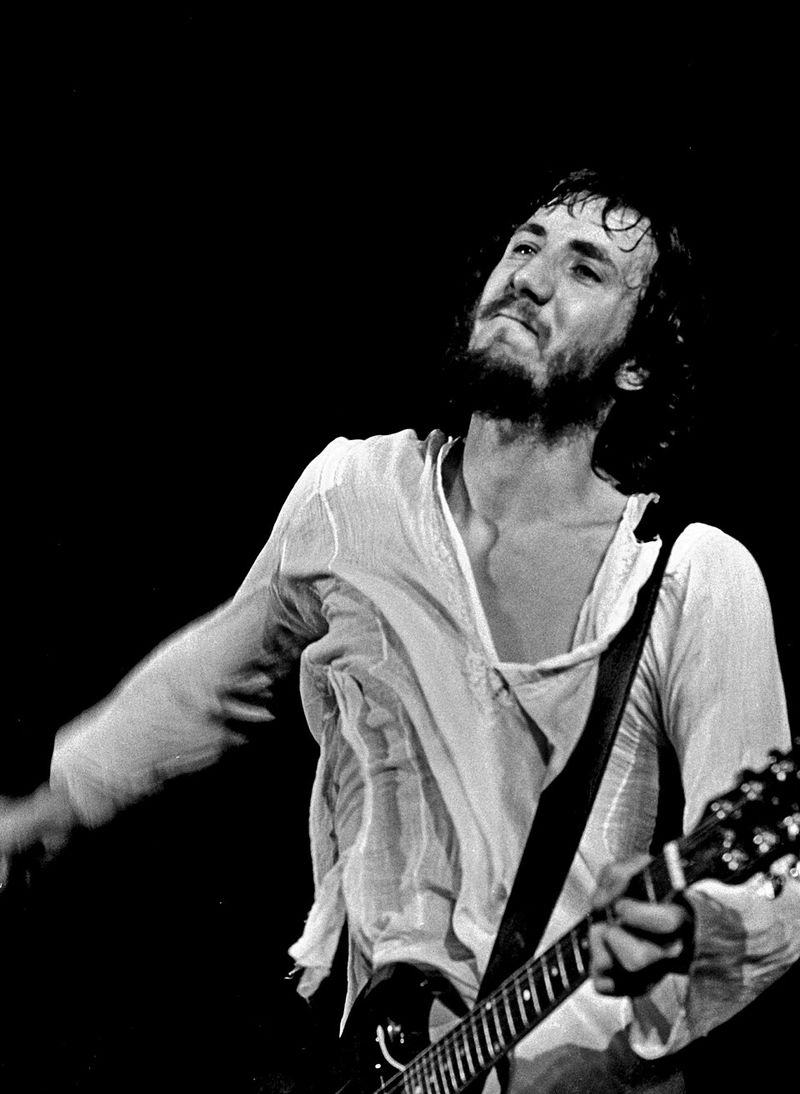
Pete Townshend wrote the songs. Roger Daltrey usually sang them.
A Legal Matter, from the Who’s 1965 debut album My Generation, broke that arrangement early and clearly established that Townshend didn’t always need his frontman to interpret his own material.
Townshend sang lead on the track himself, and his lighter voice creates a noticeably different character from Daltrey’s more forceful delivery. The lyric centers on a man fleeing the prospect of marriage, a subject that reportedly felt particularly close to Townshend’s own situation at the time.
The song was released as a UK single on March 7, 1966, reaching No. 32 on the charts.
In the United States, it appeared as the B-side to The Kids Are Alright. Over the years, Townshend would sing numerous Who songs himself, particularly the band’s more introspective material.
A Legal Matter simply established the pattern from the very beginning of the band’s recording career, proving the songwriter could stand at the microphone just as comfortably as anyone else.
Share this story