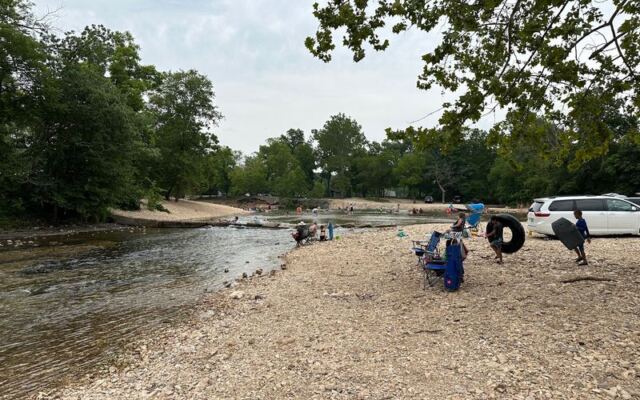
Somewhere in the green hills of northeastern Oklahoma, tucked along a creek that most maps barely bother to label, there is a swimming hole so clear you can spot a coin shining ten feet below the surface. For generations, locals treated it like a well-kept secret, a place where summer afternoons stretched long and unhurried.
Then the word got out, and everything changed. What happened next is the kind of story that plays out at beloved hidden spots all across Oklahoma, and the people who grew up here have a lot of feelings about it.
Where Blue Hole Actually Sits on the Map
Kenwood, Oklahoma is not the kind of town that shows up on travel influencer itineraries by accident. Nestled in the rolling, tree-covered terrain of Mayes County in the northeastern corner of the state, it sits far enough off the main highway that you have to want to be there.
Blue Hole is tucked along a creek in this quiet community, coordinates placing it at roughly 36.30 degrees north latitude, deep in the Ozark foothills country that most people associate more with Arkansas than Oklahoma.
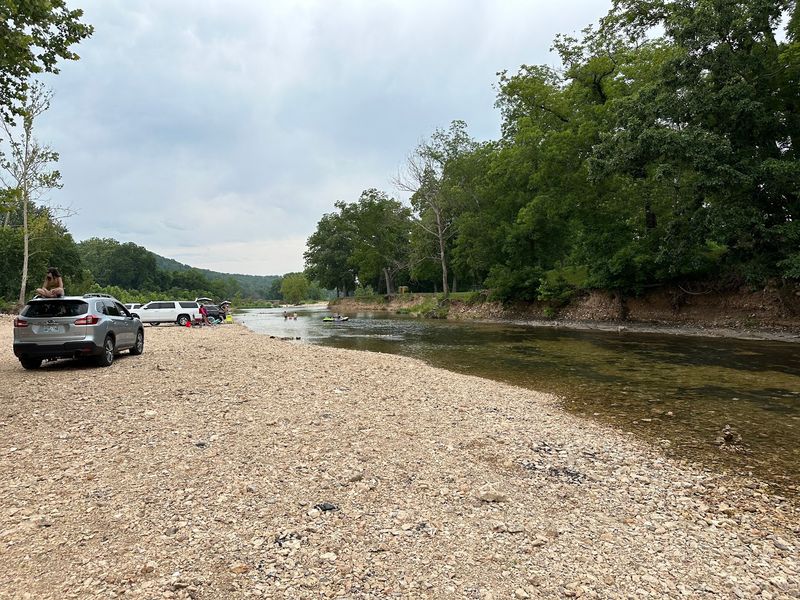
Getting there requires some intentional navigation. The surrounding landscape is lush and wooded, a sharp contrast to the flat plains most outsiders picture when they think of Oklahoma.
Tall trees line the creek banks, and the whole area carries that particular hush that comes with places still largely untouched by commercial development.
For locals, that remoteness was always part of the appeal. Reaching Blue Hole felt like earning something.
The drive alone, winding through green back roads, set the mood before anyone even spotted the water. That sense of arrival, of stumbling into something genuinely off the beaten path, is exactly what made the place so special to the people who called it theirs.
The Underground Source Behind the Magic
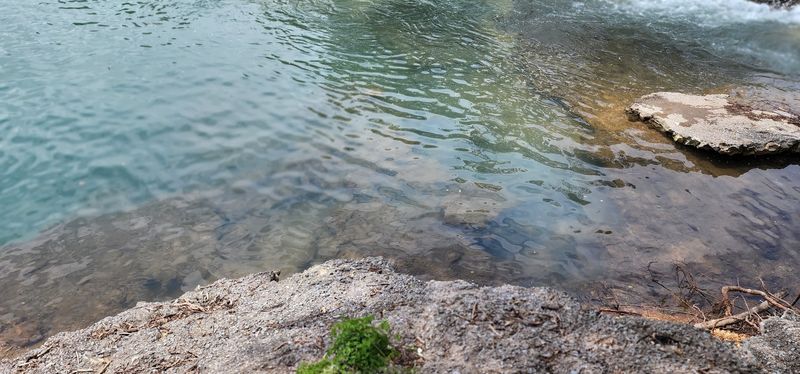
Not every swimming hole earns its reputation, but Blue Hole has a geological backstory that genuinely justifies the hype. Long-time visitors describe the water as being fed by an underground source, which keeps temperatures shockingly cold even during the worst of an Oklahoma summer.
Step in on a hundred-degree July afternoon and the chill hits immediately, the kind that makes you gasp and laugh at the same time.
That constant cold flow also explains the water clarity that regulars rave about. Because the source is underground and continuously moving, the water stays remarkably clean and clear rather than warming into the murky stillness common at ponds or slow-moving lakes.
Visitors who grew up swimming here recall dropping watermelons and cold drinks directly into the creek to keep them chilled, skipping the ice chest entirely.
The name itself comes from a visual trick the depth plays on sunlight. In shallower stretches, the water is so transparent that a coin on the bottom catches the light like a mirror.
But where the creek runs deeper, the filtered light shifts the color toward a vivid, almost surreal blue, giving the spot its memorable name. That blue is not a filter or an edit.
It is simply what happens when the water is that clean and that deep.
Generations of Oklahoma Summers Wrapped Up in One Creek
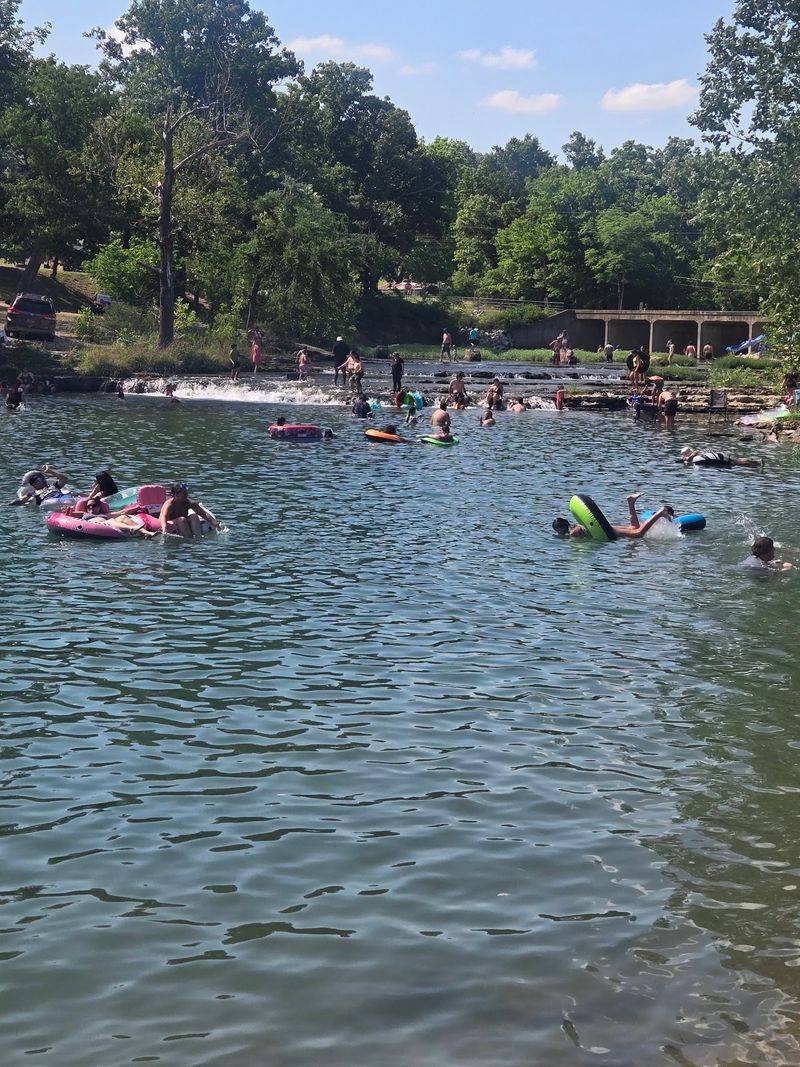
Ask almost anyone who grew up near Kenwood about Blue Hole and you will hear the same phrase repeated in different ways: they have been going there most of their life. That kind of generational loyalty is rare, and it speaks to something deeper than just a pretty swimming spot.
Blue Hole became a summer ritual, the kind of place that marks time in a community.
Families packed up and made the trip every year, kids who once needed floaties eventually becoming the teenagers doing flips off the banks, then later the parents watching their own children wade in for the first time. Reviews from visitors paint a picture of easy, unhurried summer days, with families setting up along the creek, cooling off in the shockingly cold water, and simply being present with each other in a way that is harder to find now.
One longtime visitor described bringing watermelons to cool in the creek, a tradition that sounds almost like something from another era. That simplicity, a cold creek, good company, and nothing much else to worry about, is exactly what made Blue Hole feel irreplaceable to the people who called it a hometown treasure.
Some things are worth protecting precisely because they cannot be replicated anywhere else.
The Water Clarity That Stops First-Timers Cold
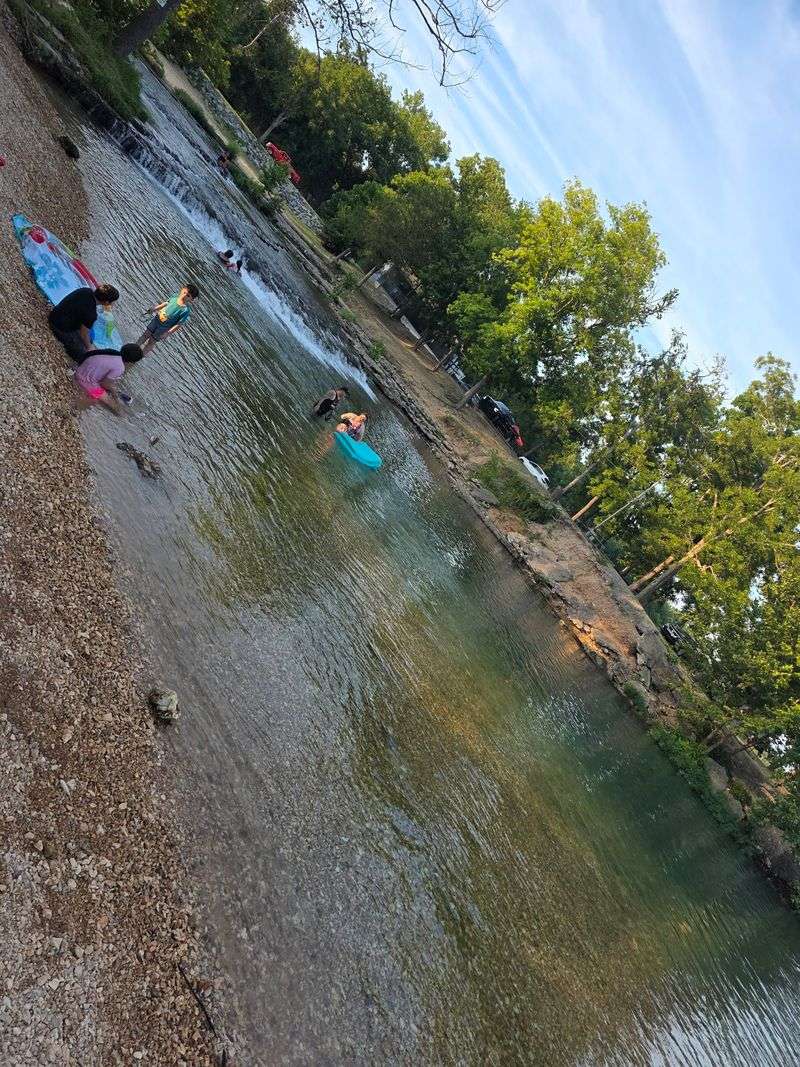
Seeing Blue Hole for the first time tends to produce a specific reaction: disbelief. Oklahoma is not typically associated with the kind of water clarity you find at famous springs in Florida or the Ozarks across the border, so stumbling upon a creek where you can read the bottom in ten feet of water genuinely catches people off guard.
Visitors consistently mention the clarity as one of the first things that strikes them on arrival.
The transparency is not a seasonal fluke. Because the water moves continuously and stays cold, algae and sediment have a harder time taking hold.
The result is a swimming environment that feels almost artificially pristine, the kind of clean that makes you want to drink the water even though you probably should not. Families with young kids especially appreciate being able to see exactly where their children are standing at any moment.
On sunny days, the light plays through the surface in shifting patterns, turning the shallows into something almost hypnotic to watch. Where the creek deepens, that signature blue tone settles in, rich and cool-looking even from the bank.
Photographs taken here tend to confuse people who assume the color has been edited. It has not.
That is just what happens when water this cold and this clear catches the Oklahoma summer sun at the right angle.
Cold Water on a Hot Oklahoma Day – The Core Appeal
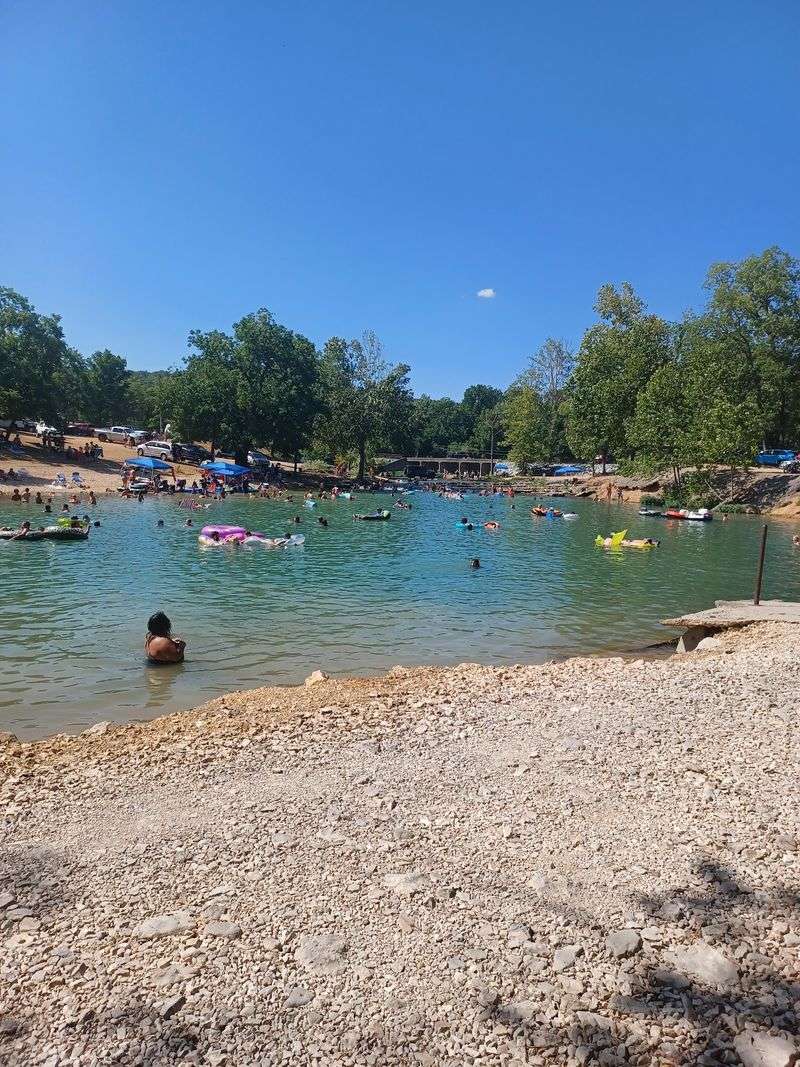
Oklahoma summers are not subtle. By July, the heat settles in with a kind of stubborn permanence that makes air conditioning feel like a moral necessity and outdoor activities feel like a dare.
Blue Hole exists as a direct answer to that heat, offering water so cold that first-timers frequently yelp when they wade in past their knees. Regular visitors describe it as the most effective way to reset on a sweltering afternoon.
The cold is not just refreshing in the usual swimming hole sense. Because the source stays at a consistent underground temperature, the water does not warm up the way a pond or lake surface does over the course of a hot week.
Midday in August, the temperature in the creek can still feel startlingly close to what you would expect from a refrigerator. That consistency is what keeps people coming back summer after summer.
Visitors with young children particularly appreciate how immediately effective the cold water is at cutting through the misery of a hot day. Kids who arrived cranky and overheated are typically laughing within minutes of wading in.
For families looking for relief without a long drive or a pricey admission ticket, that combination of cold, clean water and a natural setting is genuinely hard to beat anywhere in northeastern Oklahoma.
What the Rocky Creek Bed Means for Your Feet
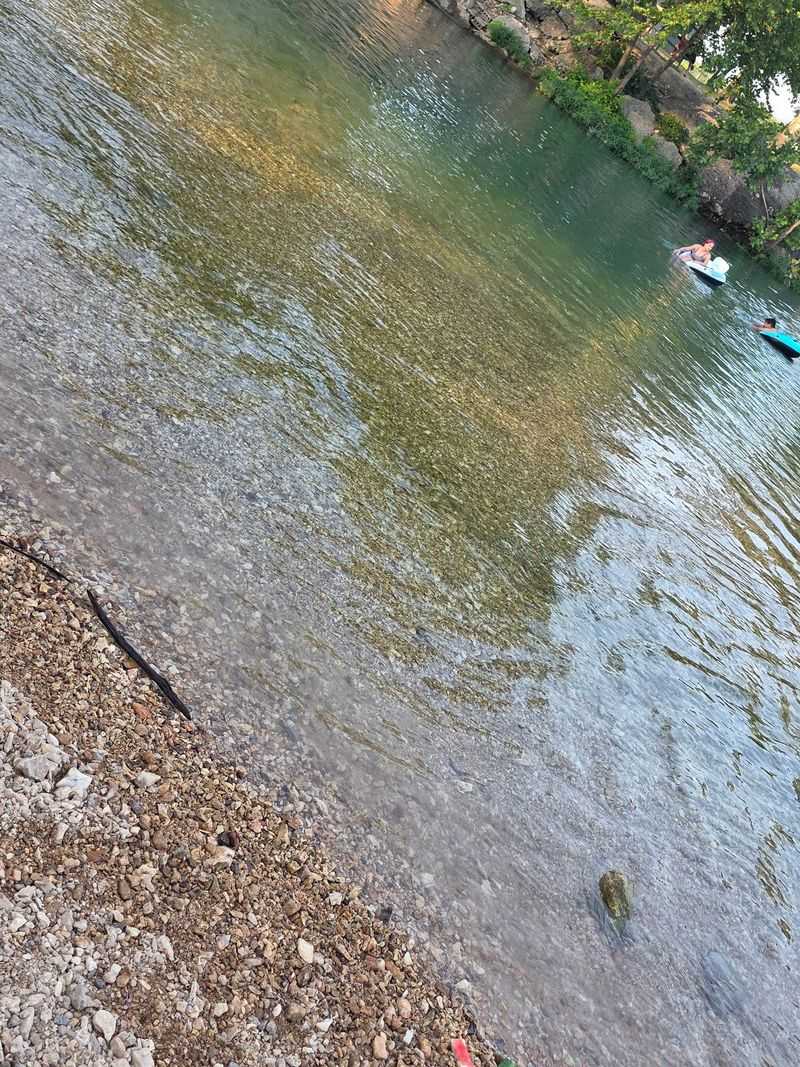
One piece of advice that shows up repeatedly from people who have visited Blue Hole: wear water shoes. The creek bed is rocky and uneven, and walking across it in bare feet is genuinely uncomfortable, especially for kids or anyone not used to navigating natural creek terrain.
At least one visitor admitted to making that mistake on a first trip and spending more time wincing than swimming.
Regular water shoes, the kind you would wear for kayaking or a casual hike through a stream, are all that is needed. Flippers and specialty gear are overkill.
The goal is simply to protect the soles of your feet from the rocky bottom while still being able to move around comfortably in the water. With the right footwear, the whole experience becomes significantly more enjoyable from the moment you step in.
Beyond the practical comfort angle, the rocky bottom actually contributes to the water quality. Natural creek beds with good rock and gravel substrate tend to support cleaner, clearer water than muddy or silty bottoms.
So the same feature that makes barefoot wading uncomfortable is also part of what keeps Blue Hole looking so remarkably transparent. Pack the water shoes, spare your feet, and you will spend a lot more time enjoying the water instead of carefully picking your way across the creek.
BBQ, Watermelons, and the Art of a Creek-Side Afternoon
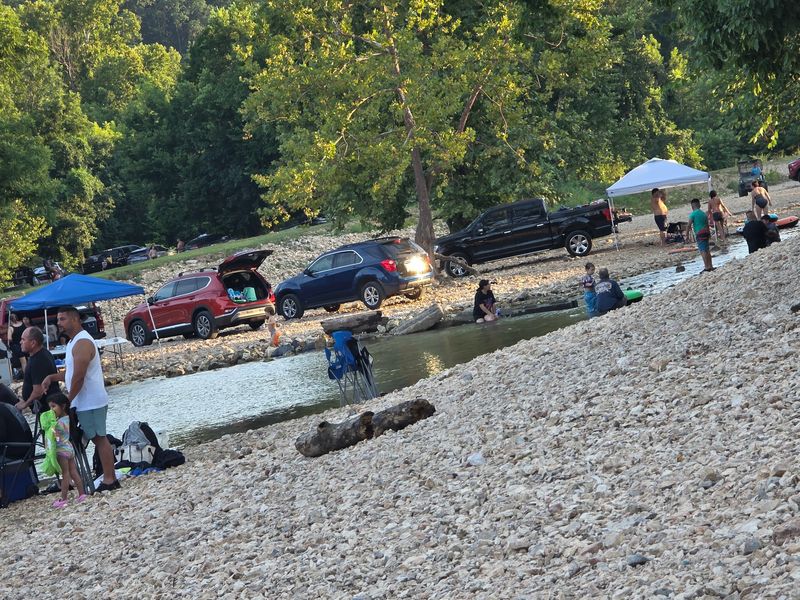
Blue Hole has always been more than just a swim. The tradition of spending a full afternoon at the creek, complete with food, extends back as far as longtime visitors can remember.
Reviewers mention bringing grills and setting up proper cookouts along the banks, turning a swimming trip into a genuine all-day family event. One visitor described the combination of a creek-side barbecue and cold water as close to a perfect summer day as Oklahoma gets.
The old tradition of cooling drinks directly in the creek deserves special mention. Because the water stays so cold even in the height of summer, generations of visitors have simply placed their watermelons and cold drinks in the shallows and let the creek do the work.
No ice needed. It is the kind of low-tech solution that sounds like folklore until you understand just how cold that underground-fed water actually stays.
Setting up along the banks for a full afternoon is very much in the spirit of how Blue Hole has traditionally been enjoyed. Locals did not rush in and rush out.
They arrived, found a good spot, settled in, and let the afternoon unfold at whatever pace it wanted. That unhurried rhythm is part of what made the place feel restorative rather than just recreational.
A cold creek, good food, and nowhere urgent to be is a combination that holds up across generations.
When Word Got Out – The Crowd Problem
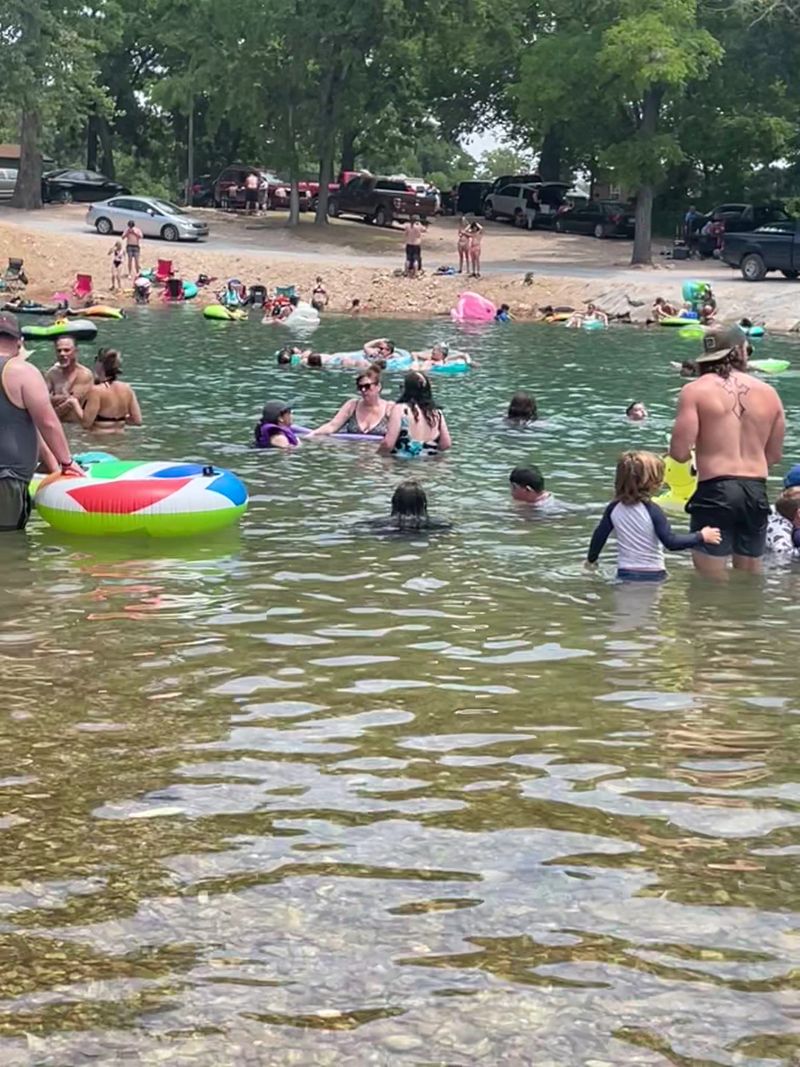
At some point, Blue Hole stopped being a local secret. Exactly when the tipping point happened is hard to pinpoint, but the shift in visitor volume became undeniable.
What had once been a quiet creek where families could find a comfortable stretch of bank began drawing crowds large enough to change the character of the place entirely. Weekends, in particular, became a different experience from the unhurried afternoons that longtime visitors remembered.
Reviewers started noting the crowds as a real factor in planning a trip. One visitor, rating the spot highly despite the congestion, simply noted that it was crowded but still beautiful.
Another offered the practical advice of visiting on a weekday if possible, suggesting the weekend scene had become noticeably busier than what the spot was designed to handle. For people who had been going for decades, the change was hard to ignore.
The tension that follows when a beloved local spot goes viral is familiar to communities all over the country, but it carries a particular sting when the place in question has genuine sentimental roots. Blue Hole was not just a swimming hole to the people who grew up there.
It was part of the fabric of their summers. Watching it fill up with strangers who found it through a social media post is a different experience than welcoming a neighbor who heard about it through word of mouth.
Who Blue Hole Works Best For Today
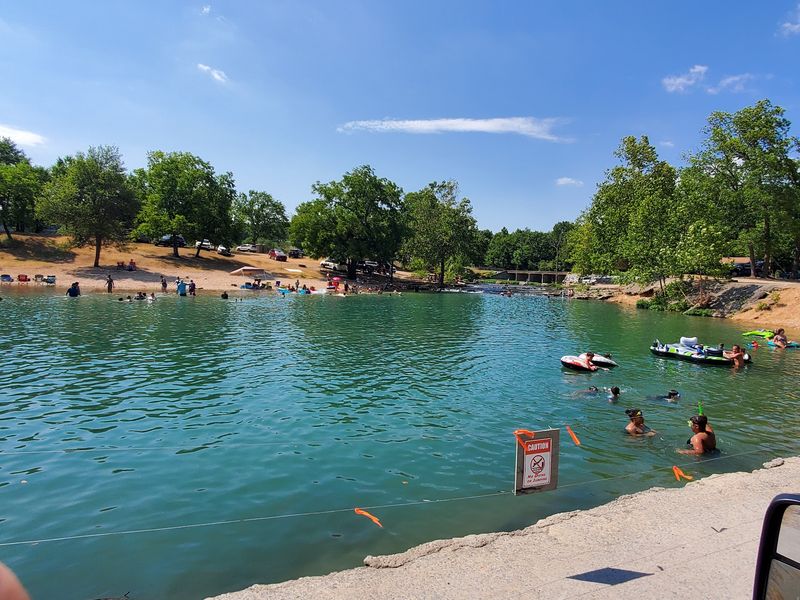
Despite the changes in visitor volume, Blue Hole still delivers for the right kind of traveler. Families with younger children consistently describe it as a great fit, particularly because the water, while cold, offers a range of depths that allow kids to splash in the shallows while adults wade into deeper sections.
The natural setting keeps things engaging without requiring any equipment or organized activity.
Visitors who appreciate genuinely clean, natural water over the chlorinated sameness of a public pool tend to find Blue Hole refreshing in every sense. The clarity of the water and the cold temperature make it stand out from the muddy, warm swimming options that are more common across the state.
For anyone who has driven past countless brown-tinted Oklahoma lakes wondering where the clear water is hiding, Blue Hole answers that question directly.
Road-trippers passing through northeastern Oklahoma also find it a worthwhile detour, especially during the summer months when the heat is at its worst. A stop at Blue Hole breaks up a long drive in the most satisfying way possible: cold water, shade from the surrounding trees, and a setting that feels genuinely removed from highway noise and gas station stops.
Visitors from as far as Dallas have described the trip as completely worth the drive, which says something meaningful about what the place offers.
Entry Fees, Timing, and What to Bring
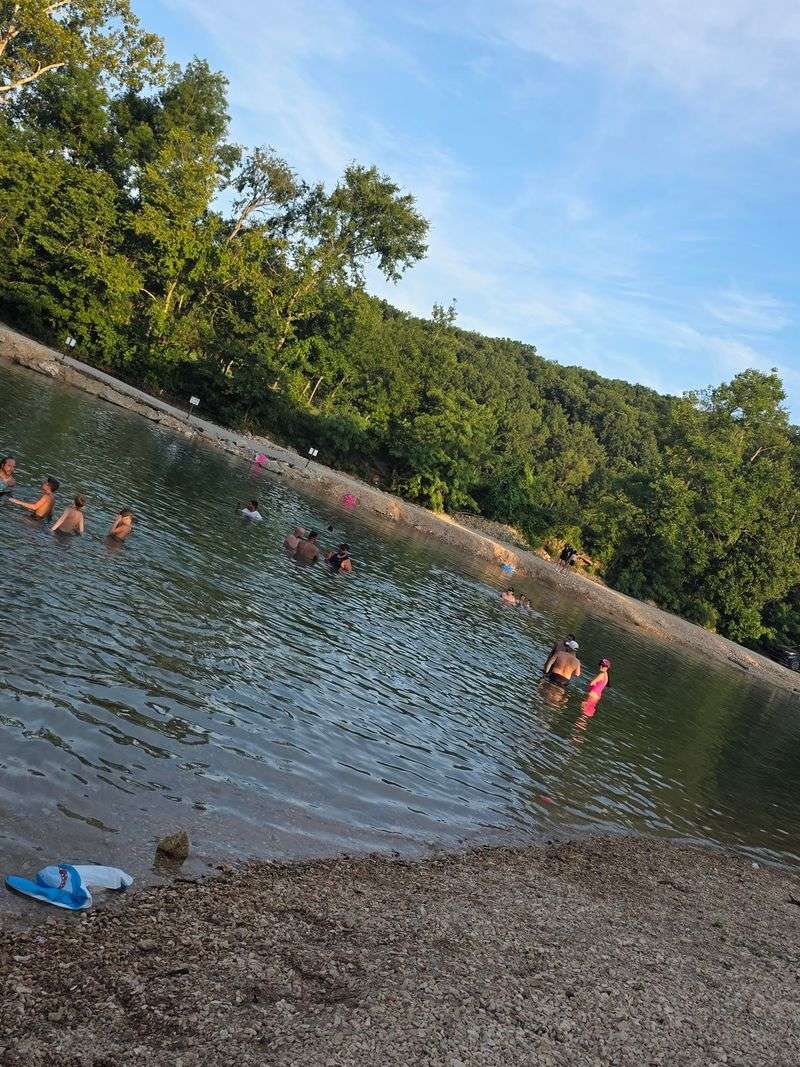
Planning a trip to Blue Hole involves a few straightforward practical details worth knowing before you go. There is an entry fee, reported by visitors as ten dollars per carload, which makes it one of the more affordable family outings in the region regardless of how many people you squeeze into the vehicle.
For a full afternoon of swimming in genuinely exceptional water, that price point is easy to justify.
Timing matters more than most people expect. Weekdays are noticeably less crowded than weekends, and visiting during the week significantly changes the experience.
If a quiet afternoon on the creek is what you are after, a Tuesday or Wednesday visit will feel much closer to what longtime locals remember than a Saturday in late July when every family in a three-county radius seems to have had the same idea.
Beyond water shoes, which are essentially non-negotiable for comfort, packing for a Blue Hole trip is straightforward. Bring whatever food and drinks you want to enjoy alongside the water, and consider the old local trick of using the creek itself to keep things cold if you plan to stay awhile.
Sunscreen is worth applying before you arrive since the mid-day sun hits the open water directly. Arrive early on peak summer days to secure a good spot along the banks before the crowds settle in.
Why Blue Hole Still Pulls People Back Year After Year
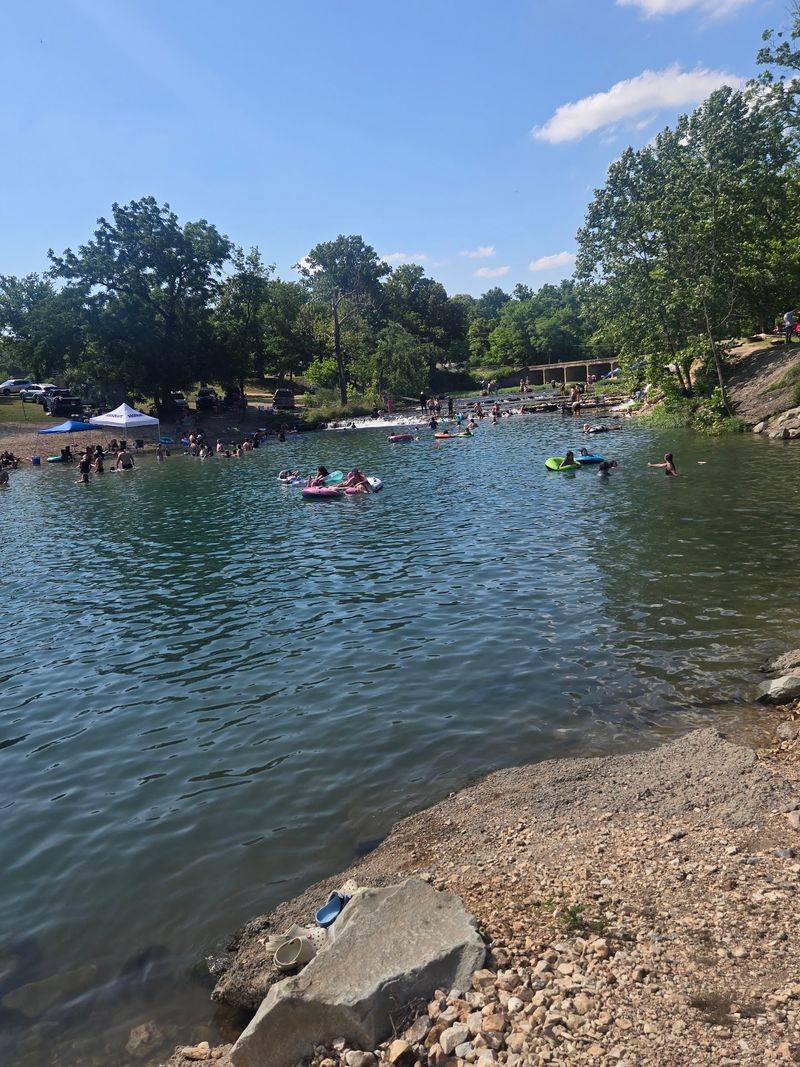
Some places earn loyalty through novelty, but Blue Hole earns it through consistency. The water is always cold.
The clarity never really wavers. The setting, tucked into the wooded hills of northeastern Oklahoma, stays green and shaded and removed from the noise of busier parts of the state.
Those qualities do not change with the seasons or the crowds, and they are ultimately why people keep returning even when the parking situation has gotten complicated.
Visitors who drove five hours from Dallas described it as worth every mile. Families who have brought their kids every summer for years show no sign of looking for an alternative.
Even first-timers who arrived skeptical, wondering whether a rural Oklahoma creek could really live up to the description, tend to leave converted. The water has a way of making the case for itself the moment you step in.
For locals who remember quieter times, the mixed feelings are real and understandable. Sharing something you love with the world is not always the gift it sounds like.
But the place itself, the cold spring water, the blue-tinted depths, the rocky creek bottom catching the afternoon light, remains exactly what it always was. Blue Hole did not change.
The world around it just caught up, and now a lot more people know what northeastern Oklahoma has been quietly keeping to itself all these years.
Share this story