
Tucked behind a busy Oklahoma park and easy to miss if you blink, there is a 800-acre nature preserve that rewards anyone curious enough to follow the signs. Visitors who wander in expecting a simple stroll end up staying for hours, spotting yellow-crowned night herons perched just feet away and turtles sunning themselves along quiet wetland edges.
The trails wind through prairie, forest, and wetland pockets, and a small observation tower sits waiting for anyone who wants a wider view of it all. Oklahoma has no shortage of beautiful outdoor spaces, but few feel quite this surprising.
Location and Setting Inside Mohawk Park
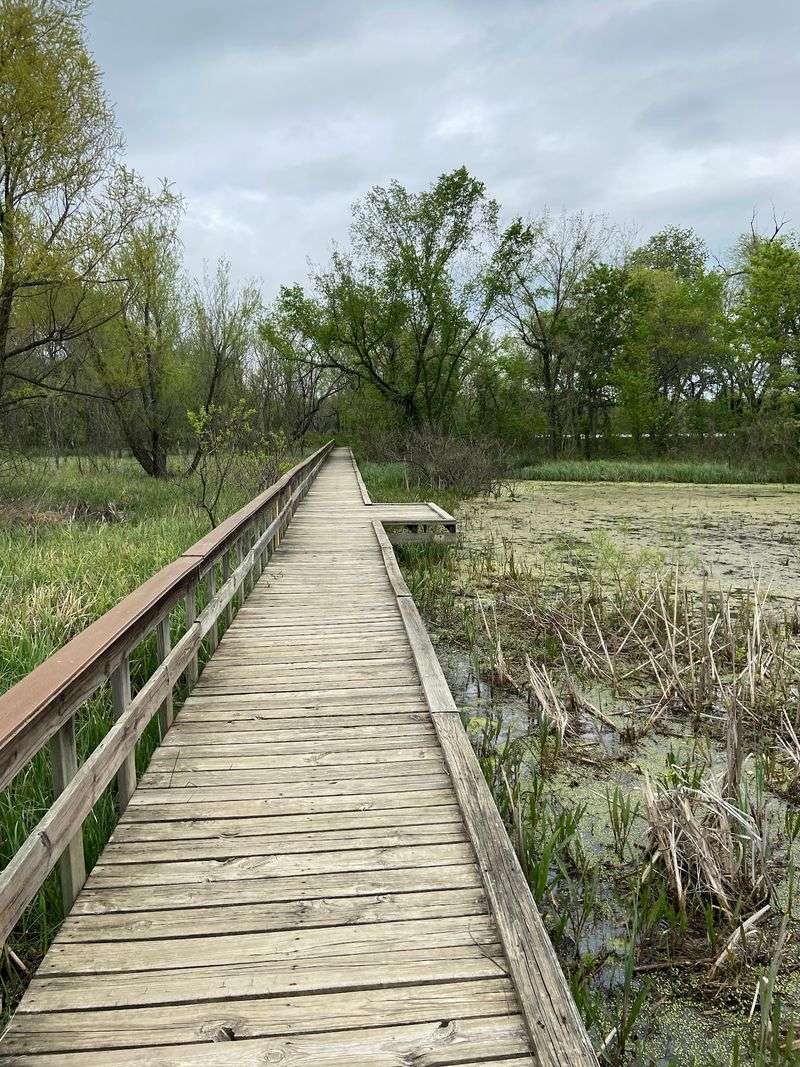
Finding Oxley Nature Center for the first time feels a bit like discovering a secret that locals have been keeping to themselves. Situated at 6700 Mohawk Blvd in Tulsa, Oklahoma, the preserve is nestled inside Mohawk Park, tucked past the Tulsa Zoo and near Lake Yahola.
If you have driven through the park before without noticing it, you are not alone.
The center manages a remarkable 800 acres of protected land, making it one of the most expansive urban nature preserves in the region. That size means the trails fan out in multiple directions, covering wetlands, tallgrass prairie patches, creek corridors, and dense forest pockets.
Each habitat feels genuinely distinct from the last.
Visitors often describe pulling into the parking lot and immediately feeling the shift in atmosphere. The city noise does not vanish entirely since a nearby airport contributes some overhead hum, but the natural soundscape quickly takes over.
Birdsong, rustling leaves, and the occasional splash from a pond fill the air in a way that makes the drive feel entirely worth it.
The Wetland Trails That Define the Experience
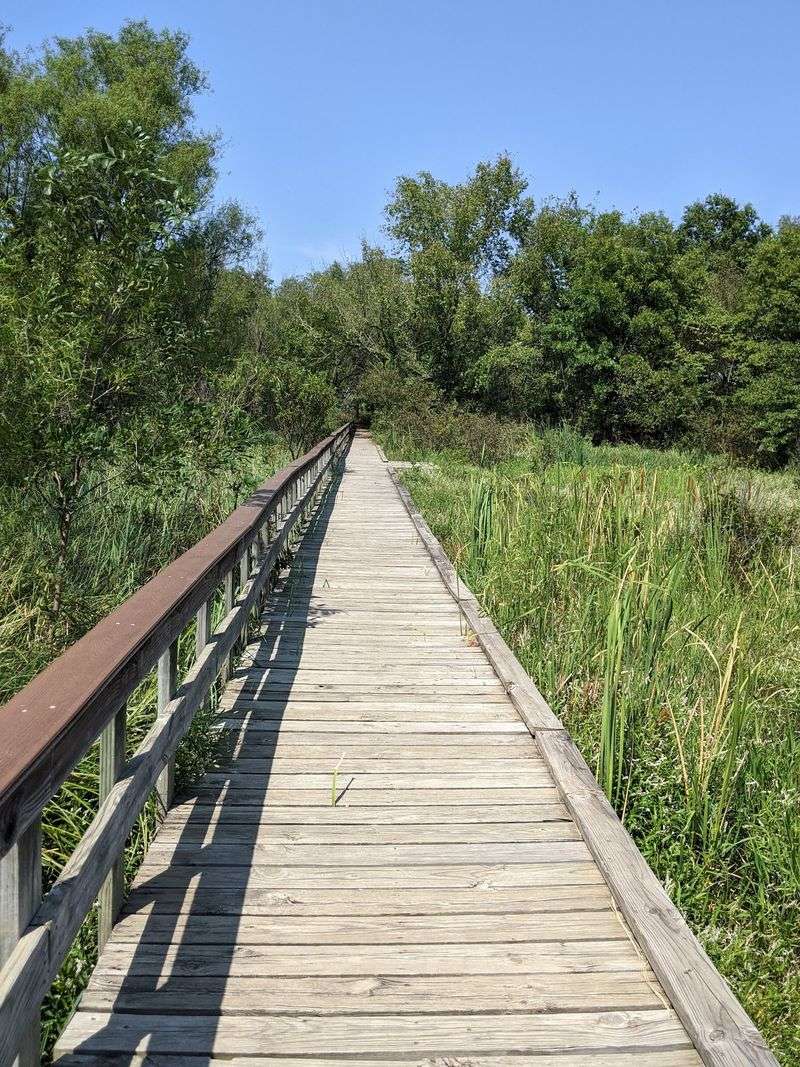
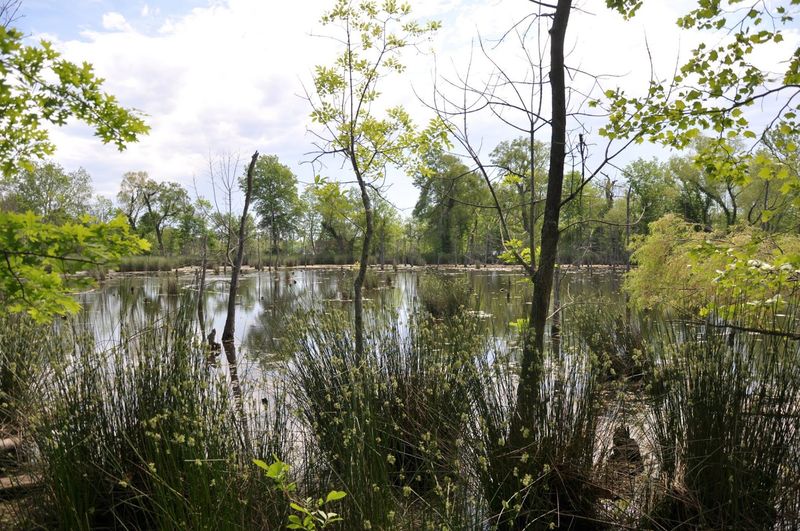
Water shapes almost everything about a visit here. The wetland trails are the beating heart of the preserve, threading between ponds, along creek banks, and through marshy corridors where the plant life grows thick and the wildlife congregates in numbers that catch first-timers completely off guard.
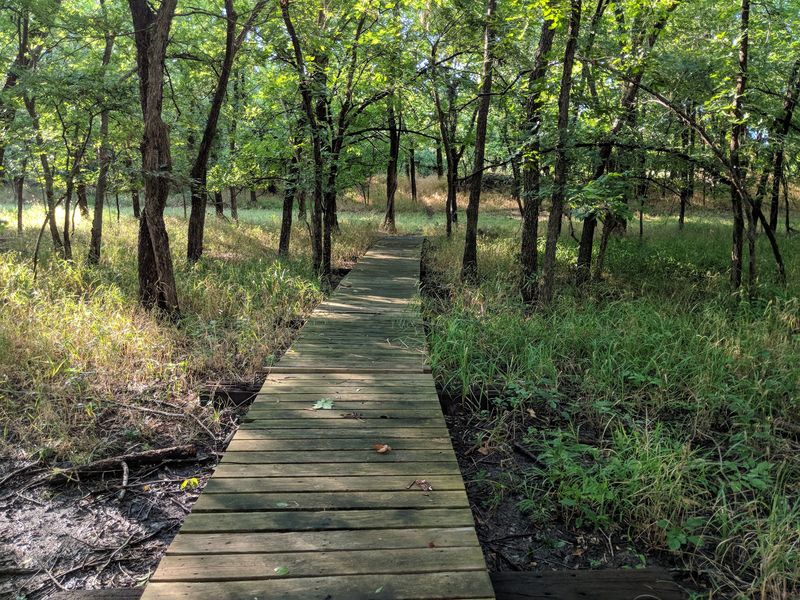
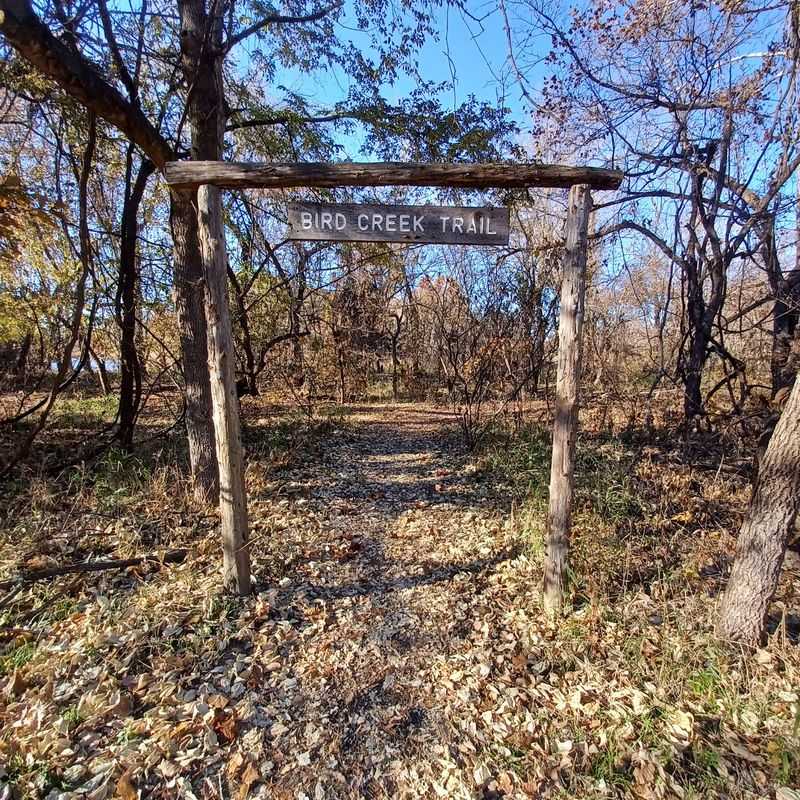
Visitors frequently mention the Bird Creek Trail as a standout, thanks to its views of the creek and a wooden bridge that crosses through some of the prettiest scenery on the property. Coal Creek Trail offers another rewarding route, and several smaller paths branch off to circle quiet ponds where turtles and waterfowl gather year-round.
The terrain across most trails stays relatively flat, which makes the whole network accessible for a wide range of visitors including families with young children and those who prefer a gentler pace. Trail signs at each junction are clear and well-maintained, and the staff keeps trail maps available near the visitor center ramp so nobody has to guess which direction to head.
Regulars suggest arriving early on weekday mornings to catch the trails at their most peaceful and wildlife-rich.
Yellow-Crowned Night Herons Up Close
Few wildlife encounters at Oxley generate as much excitement as meeting the yellow-crowned night herons. Visitors consistently describe these birds as remarkably unbothered by human presence, standing close to the trail with a calm confidence that makes photography almost effortlessly rewarding.
Early morning hours seem to produce the best sightings, with some visitors arriving at 8 a.m. and finding the birds actively foraging along the wetland edges before the crowds arrive. The herons tend to cluster near the pond areas and creek sections where the water is shallow enough for hunting.
Spotting one is easy; spotting a dozen in a single walk is not unheard of here.
Birding enthusiasts who visit Oxley often note that the variety extends well beyond herons. Egrets, woodpeckers, cardinals, raptors, cedar waxwings, tufted titmice, and waterfowl of multiple species have all been spotted across the trails in different seasons.
Even on cold and overcast days, visitors have reported impressive bird activity, which makes the preserve a genuinely year-round destination for anyone who enjoys watching birds in their natural habitat.
Turtles, Deer, and the Wilder Side of the Preserve

Beyond the herons, Oxley has a reputation for delivering genuinely diverse wildlife encounters across nearly every trail. Pond slider turtles are a favorite find, often spotted basking on logs and rocks along the quieter water edges, unbothered and perfectly still in the sun.
Deer sightings rank among the most frequently mentioned highlights from visitors. The animals appear throughout the preserve but seem especially active in the early morning and around closing time when foot traffic thins out.
Regulars have described watching deer move calmly through the tree line just feet from the trail, a moment that feels almost cinematic against the backdrop of the wetlands.
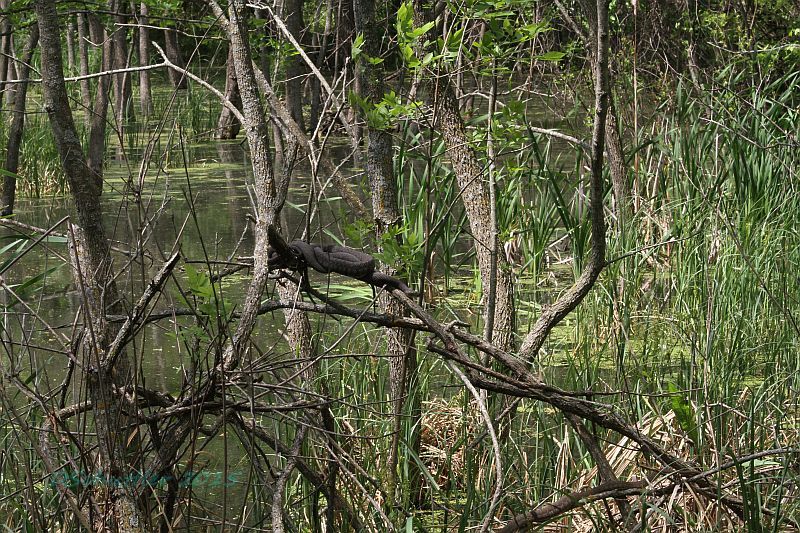
Eastern racers, a type of fast-moving non-venomous snake native to Oklahoma, have also been spotted by visitors exploring the trails in warmer months. Butterflies appear in impressive numbers during summer, and the mossy, creek-fed sections of the trail support a richness of smaller wildlife that rewards patient observers.
The sheer variety of species across a single morning walk is one of the things that keeps people coming back repeatedly, always expecting to find something new around the next bend.
The Observation Tower and Its Wider View

Perched somewhere along the trail network sits one of the preserve’s quieter surprises: a small watch tower that offers an elevated perspective over the surrounding landscape. Getting up there rewards visitors with a broader view of the wetlands, tree canopy, and open areas that stretch across the 800-acre property.
The tower does not dominate the scenery or announce itself loudly. It fits naturally into the landscape, and many first-time visitors stumble upon it mid-hike rather than seeking it out deliberately.
That element of discovery makes the moment feel genuinely earned, especially after a long stretch of trail through the wetland sections.
From the elevated platform, the scale of the preserve becomes clearer. What felt like a modest urban park from the parking lot reveals itself as something much more expansive, with habitat layers visible in every direction.
Birders find the height especially useful for spotting raptors and other species that tend to perch high in the canopy. Photographers appreciate the vantage point for capturing the wetland scenery in a way that ground-level trails simply cannot provide.
Grabbing a moment of stillness up there, listening to the birds below, is one of those small pleasures that sticks with you.
Prairie, Forest, and Habitat Variety Across the Property
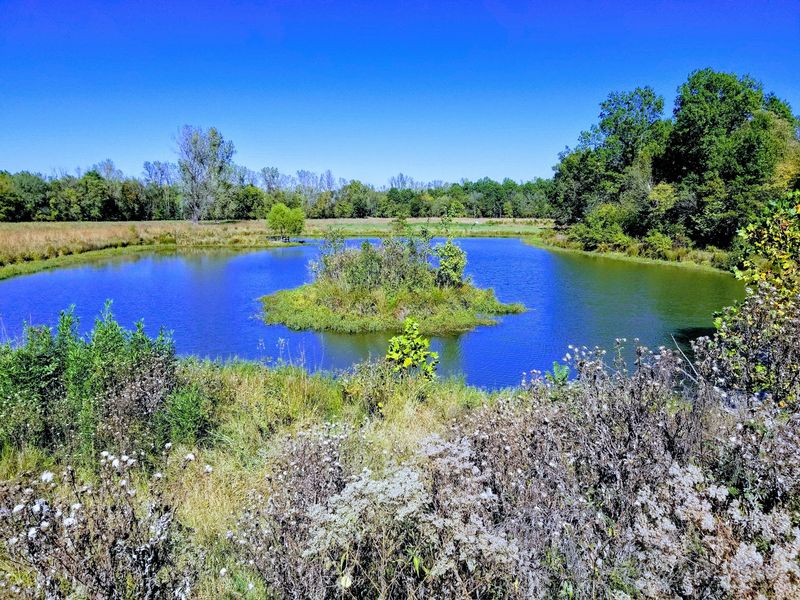
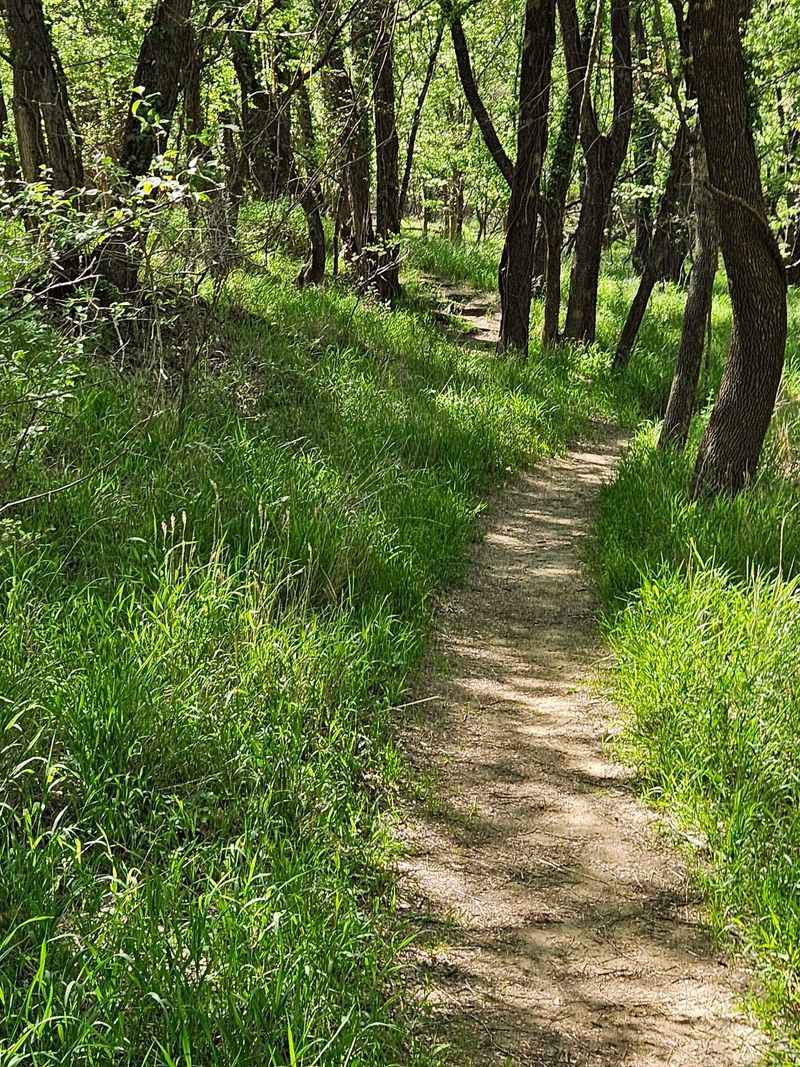
One of the things that separates Oxley from a simple city park trail is the genuine diversity of habitats packed into its 800 acres. Walkers move through open tallgrass prairie sections, dense forested corridors, creek-side paths, and wetland margins all within a single outing, and the shift between each feels abrupt enough to be noticeable.
The prairie sections carry a different kind of beauty than the wooded areas. Grasses move in the wind, native wildflowers appear in season, and the open sky feels expansive after time spent under the forest canopy.
Interpretive signs placed throughout the property help visitors understand what they are looking at, covering native plant species, local ecosystems, and the wildlife that depends on each habitat type.
Staff and volunteers at the center are knowledgeable about all of it, and visitors who have taken the free guided discovery walks available on select Fridays and Sundays have described those experiences as genuinely enriching. A volunteer guide who knows the difference between a pond slider and a painted turtle, or can identify a cedar waxwing by its call, transforms a pleasant walk into something closer to a field class.
The landscape earns that kind of attention.
The Interpretive Center Inside the Building

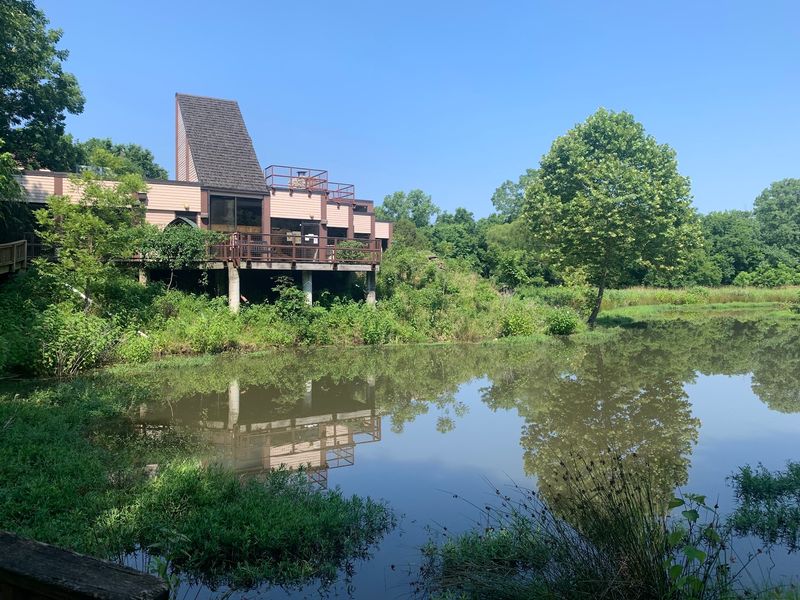
Arriving at the visitor center after a long trail walk feels like stepping into a well-curated bonus round. The building houses interactive exhibits focused on Oklahoma’s native ecosystems, animal displays, and hands-on elements designed to engage visitors of all ages.
Drawers throughout the space open to reveal specimens and artifacts worth examining closely.
Animal pelts, insect collections, and detailed information panels about local wildlife give the space a genuine naturalist quality rather than the feel of a generic museum. Visitors who have spent time chatting with staff describe them as friendly, knowledgeable, and genuinely enthusiastic about the preserve and its ecology.
That human element adds something no exhibit panel can replicate.
A bird-watching station inside the center offers a comfortable spot to observe activity near the building, and a small gift shop carries nature-themed items at reasonable prices. Public restrooms and water fountains are available inside, which is worth knowing before heading out on a longer trail.
The center also loans out walking sticks, first aid backpacks, and kids scavenger hunt materials at no charge, a practical and generous touch that makes the whole experience feel thoughtfully organized for everyone who walks through the door.
Free Discovery Walks and Guided Programs
Guided programming at Oxley adds a layer of depth that solo trail walking simply cannot match. During summer months, free discovery walks run on Fridays at 11 a.m. and 2 p.m., and on Sundays at 2 p.m., led by volunteer guides who know the trails and the ecosystems intimately.
Visitors who have joined these walks describe them as a highlight of the entire visit. A knowledgeable guide changes the experience dramatically, pointing out nest locations, identifying plants by name, and explaining the relationships between species in ways that make the landscape feel layered and alive rather than just scenic.
For families with children especially, having someone to keep the group engaged and curious makes a significant difference.
Beyond the discovery walks, the center connects to additional programming through the Tulsa Parks and Recreation system, which lists seasonal events and educational offerings online. School groups and daycares visit regularly, and the staff has a reputation for delivering genuinely warm and informative experiences for younger audiences.
The free admission model combined with freely borrowed equipment and no-cost guided walks makes Oxley one of the most accessible and generous outdoor education resources in the Tulsa area, something visitors frequently mention when recommending the place to others.
Poems Along the Path and Quiet Resting Spots
Not every trail amenity at Oxley is about wildlife. Scattered along certain paths, visitors encounter poems posted along the way, small moments of literary calm tucked between the trees.
It is an unexpected touch that suits the meditative pace the trails naturally encourage.
Gazebos and benches appear at intervals throughout the property, offering shaded spots to sit, listen, and watch without feeling the pressure to keep moving. Several visitors have mentioned stopping at a gazebo for a packed lunch mid-hike, which turned an ordinary break into one of the more memorable parts of the outing.
The picnic area across the parking lot from the building also provides a pleasant space for families to settle in after walking.
These quieter elements of the preserve reflect a design philosophy focused on slowing visitors down rather than pushing them through. The trails are not about covering distance as efficiently as possible.
They are built for lingering, for pausing at a pond edge, for reading a poem between footsteps, for letting a heron hold your attention longer than you planned. Regular visitors describe a kind of pull that the place exerts, a quiet insistence that there is always one more thing worth noticing just a little further down the path.
Who Visits and Why It Works for So Many People
Oxley draws a genuinely wide range of visitors, and the trails hold up well across all of them. Birders arrive with binoculars and telephoto lenses, moving slowly and deliberately through the wetland sections.
Families with young children appreciate the flat, well-marked paths and the scavenger hunt materials available from the center. Solo hikers come for the quiet.
Wildlife photographers find the preserve particularly rewarding because the animals here tend to be unusually tolerant of human presence, especially the herons and deer that appear along the trails regularly. The variety of habitats means a single visit can yield dramatically different compositions depending on which trails a photographer chooses to explore.
Older visitors and those new to hiking have noted that the terrain is gentle enough to feel welcoming rather than intimidating. The mostly flat paths and accessible visitor center make the preserve approachable for people who might hesitate at more rugged outdoor destinations.
Daycares and school groups visit for educational programming, and the center accommodates all of them without feeling overcrowded most days. Arriving on a weekday morning often means having entire trail sections to yourself, which is a rare kind of luxury for an urban nature experience in a city the size of Tulsa.
Seasonal Considerations and What to Expect Year-Round
Every season brings something different to Oxley, and regulars tend to have a favorite time of year for visiting. Summer mornings deliver the most active wildlife sightings, with herons, turtles, and deer all moving through the preserve before the heat of the day sets in.
Butterflies peak in the warmer months as well, adding color and movement to the prairie and meadow sections.
Fall shifts the experience toward color and cool breezes, with the forested sections putting on a display of changing leaves that makes the trails feel entirely different from their summer character. Deer sightings tend to increase in autumn, and the crisp air makes longer walks considerably more comfortable.
Winter visits have their own rewards, with bare trees opening up sightlines and bird species like cedar waxwings and woodpeckers becoming easier to spot against the quieter landscape.
Rain significantly affects the wooded trail sections, which can turn swampy after heavy precipitation. Visitors who have arrived shortly after a rainstorm report muddy conditions and standing water on some paths.
Waiting a few dry days before visiting during wet seasons makes a meaningful difference in trail quality. Regardless of the season, bringing water, comfortable shoes, and bug spray during warmer months remains consistent advice from nearly everyone who has spent time on the trails.
Hours, Admission, and Getting There

Planning a visit to Oxley requires a little attention to the schedule. The preserve is open Tuesday through Saturday from 10 a.m. to 4:30 p.m., and on Sundays from noon to 4:30 p.m.
Monday is the one day the center stays closed, so arriving on a Tuesday gives visitors the full week-opening freshness of trails that rested for a day.
One practical note worth keeping in mind: the gate closes promptly. Visitors who have lingered too long on the trails and found themselves locked in after hours have had to call to get the gate opened.
Arriving early in the day ensures plenty of time to explore without that concern. Early arrivals also tend to have the trails largely to themselves, which improves wildlife sightings considerably.
Admission to Oxley Nature Center is free, which makes it one of the most accessible outdoor destinations in Tulsa. The center is located at 6700 Mohawk Blvd, inside Mohawk Park, past the Tulsa Zoo.
Visitors can reach the center by phone at 918-596-9054 or find additional information and program listings at oxleynaturecenter.org. Parking is available on-site, and trail maps are accessible near the visitor center ramp.
Grabbing one before heading out is genuinely recommended given how many trails branch across the property.
A Verdict on What Makes Oxley Worth the Trip
Places that deliver more than they promise are rare, and Oxley Nature Center belongs firmly in that category. From the outside, it reads as a pleasant city park trail system.
Once inside, it reveals itself as something considerably richer: a layered, living landscape where herons stand fearlessly close, turtles bask in the sun, deer drift through the tree line, and the trails keep offering new discoveries across every visit.
The free admission, the thoughtful interpretive center, the loaned equipment, the guided walks, and the genuinely knowledgeable staff all contribute to an experience that punches well above its weight for an urban nature destination. Visitors frequently mention that they scratched only the surface on a first visit and already knew they would return to explore the trails they missed.
For anyone in or passing through northeastern Oklahoma, Oxley offers a kind of restorative outdoor experience that is increasingly hard to find close to a city center. It suits solo walkers seeking quiet, families looking for a meaningful outdoor outing, and serious birders chasing a life list entry with equal generosity.
The observation tower, the wetland trails, the herons, and the turtles are all waiting. Arriving curious and leaving a little more connected to the natural world is essentially guaranteed.
Share this story