Oklahoma has a way of surprising you when you least expect it, and some of the state’s best family destinations are hiding in towns you might drive right past. Tucked into Seminole, a children’s museum sits quietly off the highway, looking modest from the outside but packing an almost unbelievable amount of activity inside.
Parents who make the trip often admit they had no idea a place like this existed so close to home. Once kids walk through those doors, getting them to leave becomes the real challenge.
Where Seminole Meets the Map
Seminole, Oklahoma sits in the heart of Seminole County, roughly an hour southeast of Oklahoma City, making it a genuinely doable day trip for families across a wide stretch of the state. The town has a quiet, small-city feel, surrounded by rolling plains and the kind of open sky that reminds you exactly where you are.
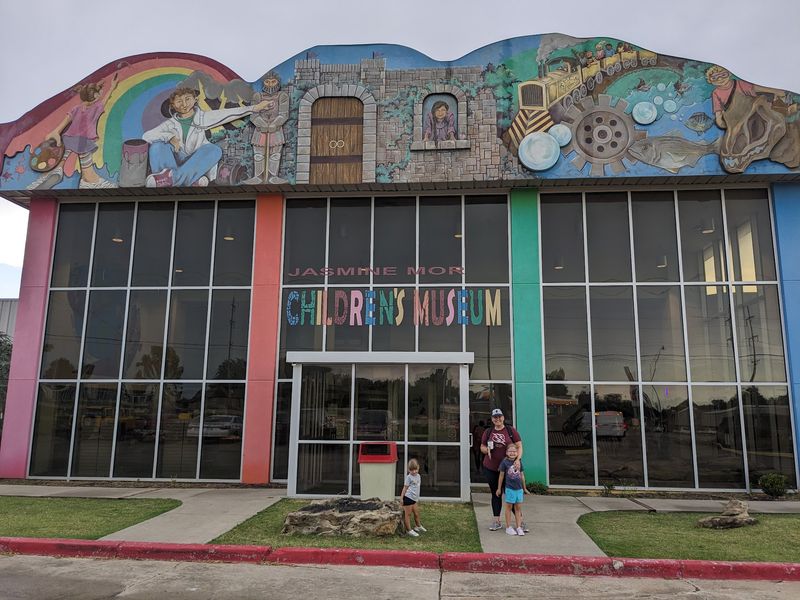
Visitors driving in from Moore, Norman, or Shawnee often describe the approach as surprisingly pleasant, with scenic stretches of highway that make the journey feel like part of the adventure. The museum itself sits along West Wrangler Boulevard, easy enough to spot once you know to look for it.
What catches most families off guard is just how much is waiting inside a building that blends right into its surroundings. First-time visitors frequently say the place is far bigger than it looks from the parking lot, and that impression only grows once they step inside and realize the exhibits stretch across multiple floors and spill outdoors.
The Story Behind the Museum
Named after Jasmine Moran, the museum carries a legacy rooted in community investment and the belief that children learn best when they are fully engaged. The facility has grown considerably over the years, adding new exhibits while keeping beloved classics that generations of Oklahoma kids have grown up with.
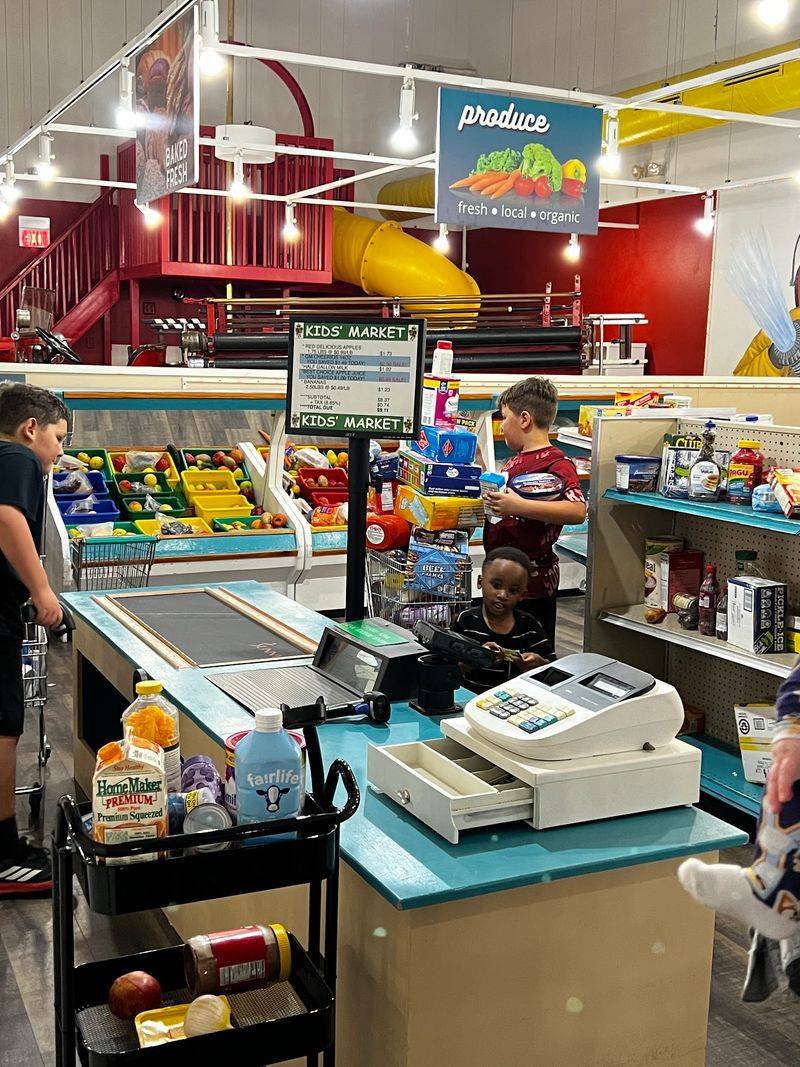
Long-time visitors mention returning as adults with their own children, finding the grocery store and courtroom exhibits still standing alongside newer additions like the ropes course and sky course. That blend of old and new gives the museum a layered quality that feels lived-in and genuinely cared for.
Staff members are frequently mentioned in visitor accounts as warm, helpful, and enthusiastic, which adds to the sense that this is a place people take pride in maintaining. One story that circulates among regulars involves a child who left a water bottle behind, only to have staff hold it safely for four days until the family could return.
Small gestures like that say a lot about how this museum operates.
The Giant Climbing Maze That Steals the Show
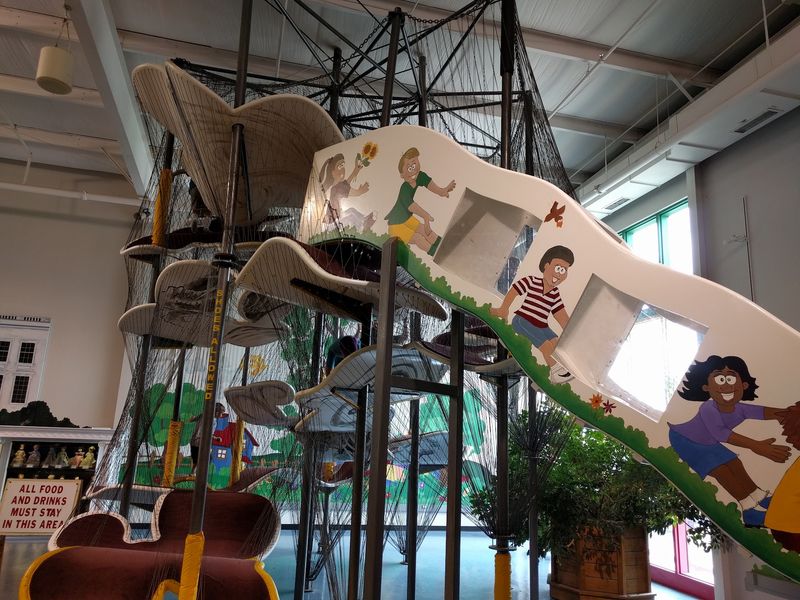
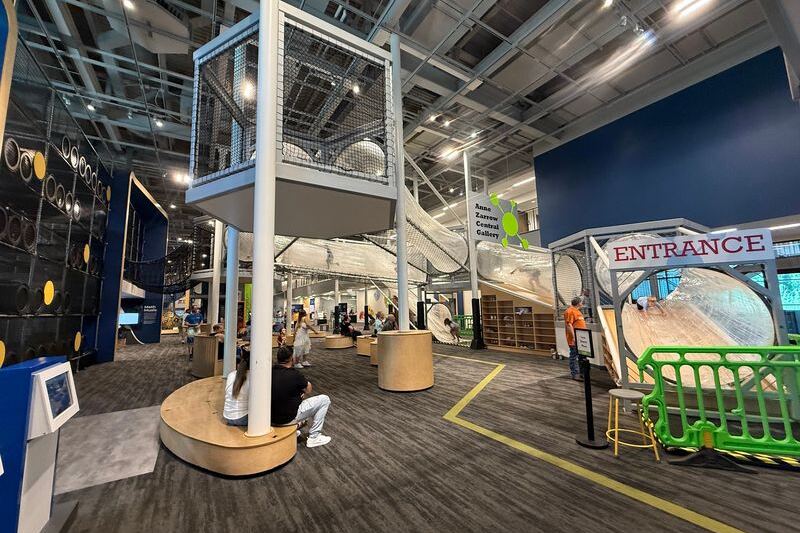
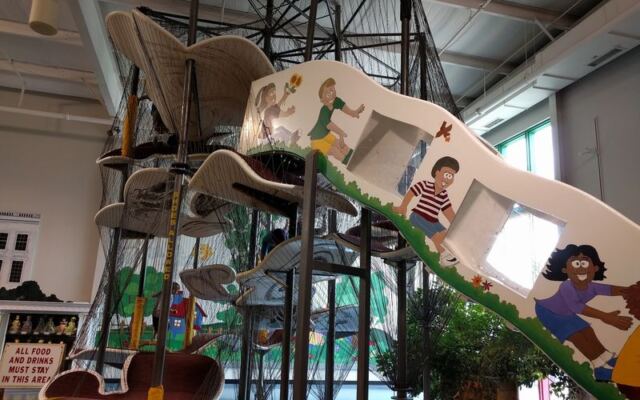
Few features at any children’s museum generate as much repeat mention as the climbing maze here, and for good reason. Kids disappear into it almost immediately upon arrival, navigating tunnels, platforms, and passages that challenge both their physical coordination and their sense of direction.
Parents watching from below often joke that the maze has some kind of magnetic pull, because no matter how many other exhibits are available, children circle back to it again and again. The structure is large enough to feel genuinely exploratory rather than a simple crawl-through, giving older kids within the recommended age range something that actually tests them.
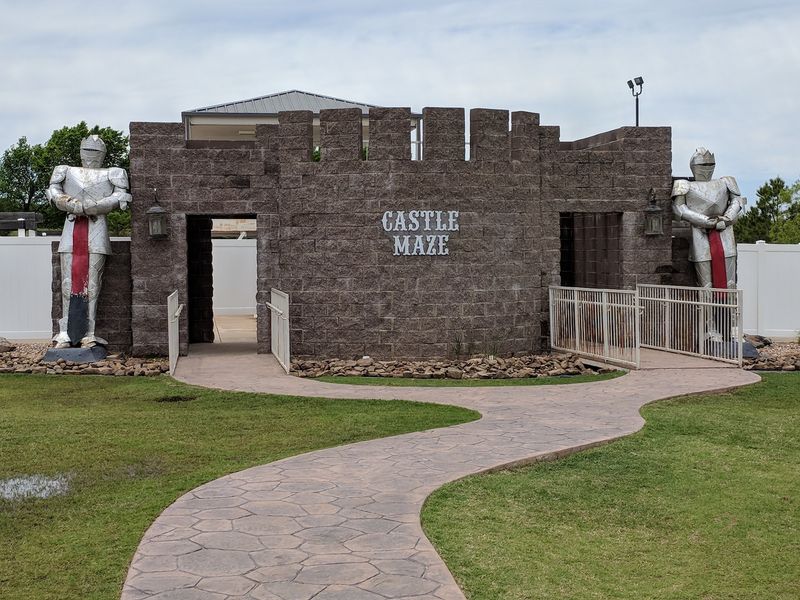
Younger children enjoy it too, especially when a sibling or parent joins in. The castle maze, as some visitors call it, has been a highlight of the museum for years and continues to rank among the most talked-about features.
For many families, it ends up being the last thing they do before leaving, simply because it is the hardest attraction to walk away from.
A Courtroom Where Kids Run the Case
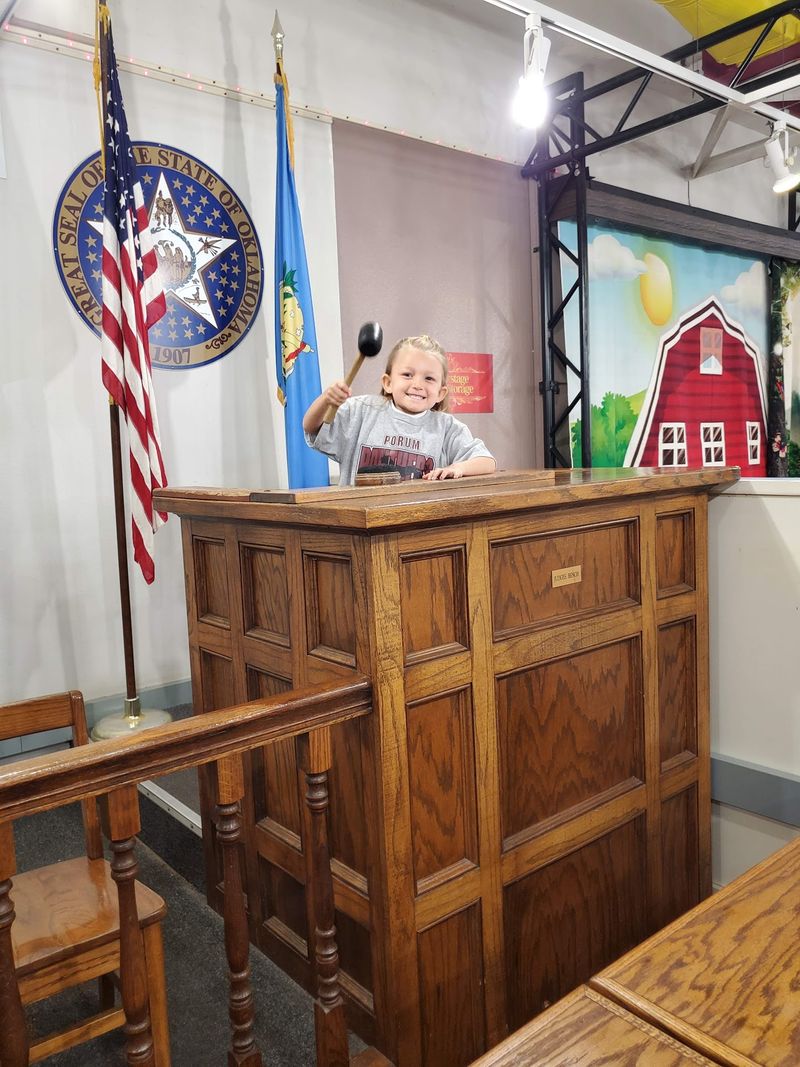
Role-play exhibits are common at children’s museums, but a full courtroom setup is genuinely rare, and this one consistently earns top marks from visiting families. Kids take turns playing judge, lawyer, witness, and jury member, working through scenarios that make legal concepts surprisingly accessible and entertaining.
Families who visited on weekends report returning to the courtroom multiple times in a single visit because the kids kept inventing new cases to try. The exhibit manages to feel both educational and completely absorbing, which is a harder balance to strike than it sounds.
Older children in the eight-to-twelve range tend to get especially creative here, building elaborate storylines that have the whole group laughing. For parents, it offers a rare moment to watch their kids develop communication skills and logical thinking without any of it feeling like schoolwork.
The courtroom has been a fixture of the museum for years, and its staying power speaks to how well-designed the concept really is.
Main Street and the Imagination District
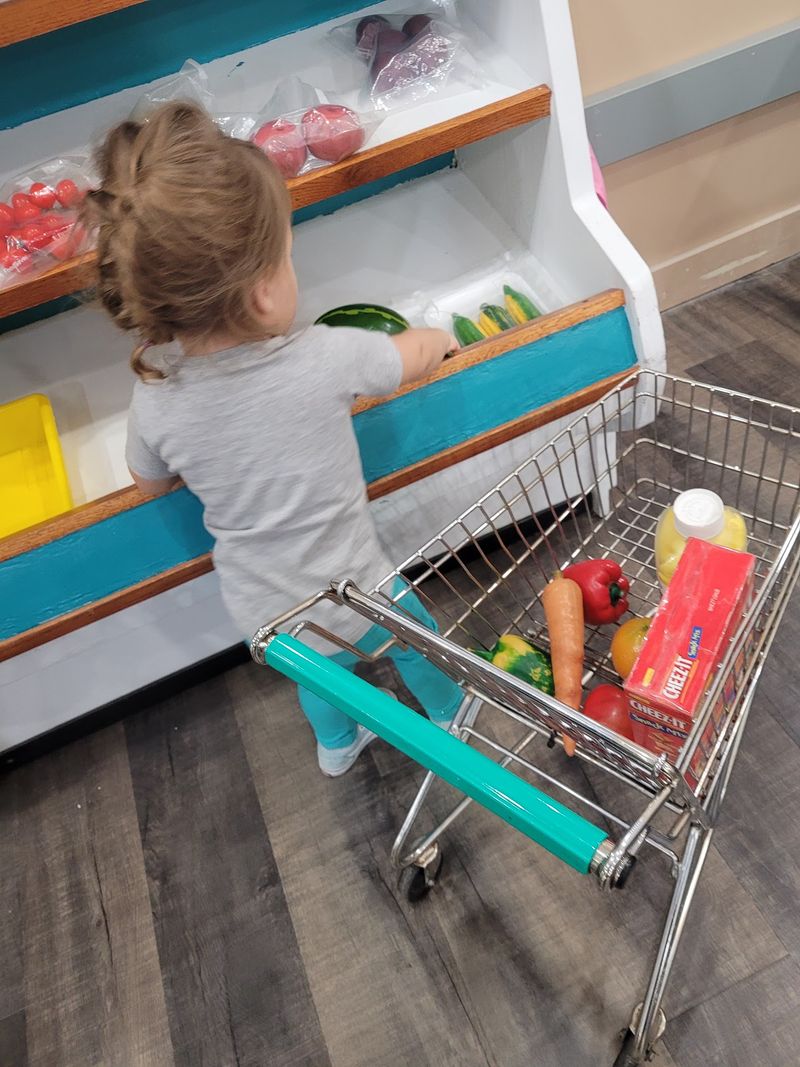
Step into the museum’s Main Street section and the energy shifts immediately. A miniature grocery store, construction zone, auto shop, nursery, and art zone line up like a tiny working town, inviting kids to slip into whatever role catches their imagination first.
Toddlers gravitate toward the grocery store, loading small carts with plastic produce and ringing up purchases at the register. Older kids tend to migrate toward the construction zone or auto shop, where the props are detailed enough to spark genuine creative engagement rather than just surface-level play.
Parents often describe this section as a stress-free zone where children entertain themselves almost completely independently. The variety of scenarios packed into one area means siblings with different interests can each find something to own without anyone feeling bored or left out.
Visitors who remember coming here as children specifically mention the grocery store as one of those experiences that stuck with them, which says something about how effectively this section captures young imaginations and holds onto them.
Water Flow and the Zipline Exhibits
Water and movement have a way of making time disappear for kids, and the water flow exhibit here proves that point emphatically. Children spend long stretches manipulating channels, gates, and flow patterns, watching the physics of water play out in real time without realizing they are learning anything at all.
Visitors mention spending upward of an hour in this area alone, and more than one family admits they had to physically guide their kids away when it was time to move on. The exhibit rewards patience and experimentation, making it especially engaging for children who like to figure out how things work.
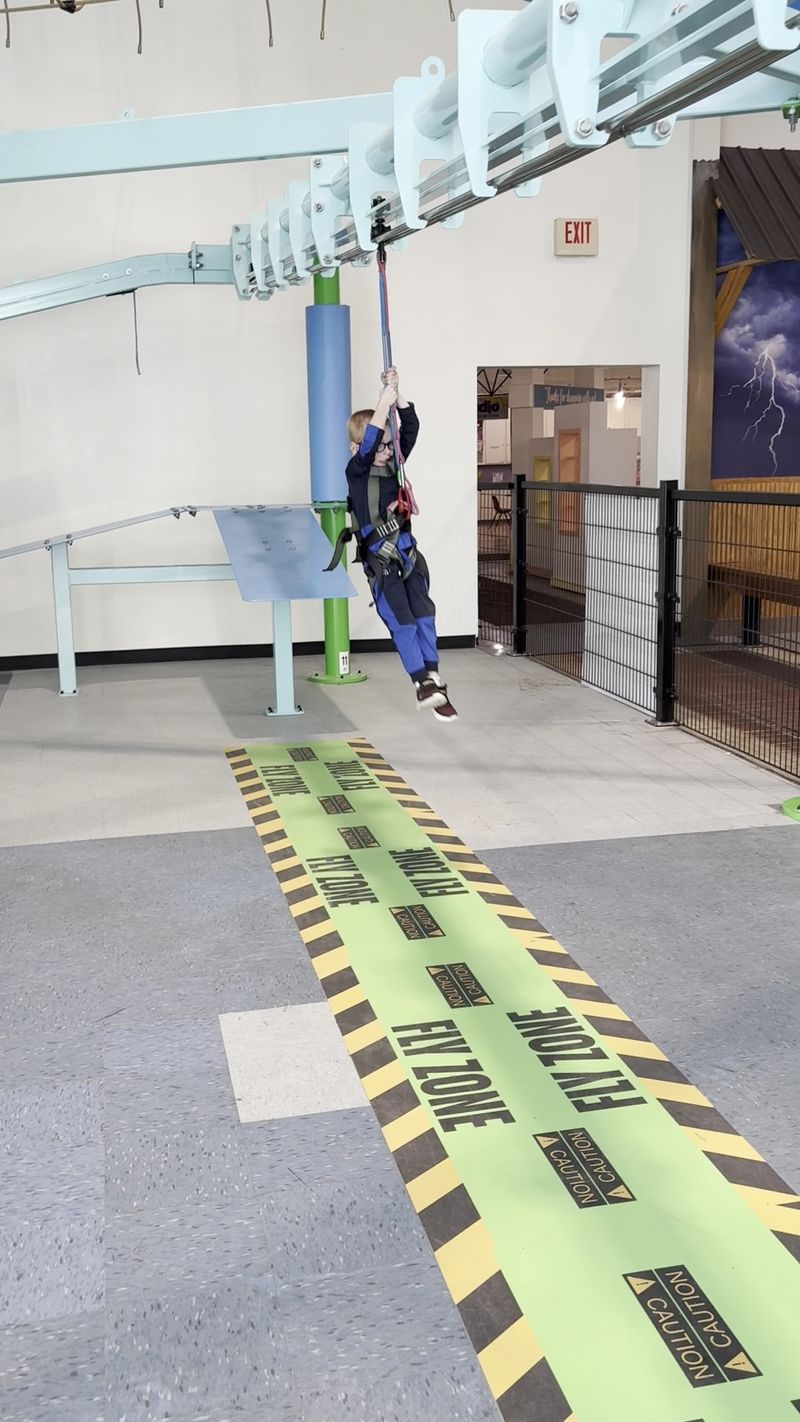
The zipline exhibit draws a similar kind of focused attention, offering a hands-on physical challenge that keeps energy levels high. Together, these two exhibits form a stretch of the museum that visitors frequently cite as the hardest section to leave.
Families with kids in the six-to-ten age range seem to get the most out of both, though younger children enjoy watching the water elements even when they are not fully participating yet.
The Sky Course and Ropes Experience
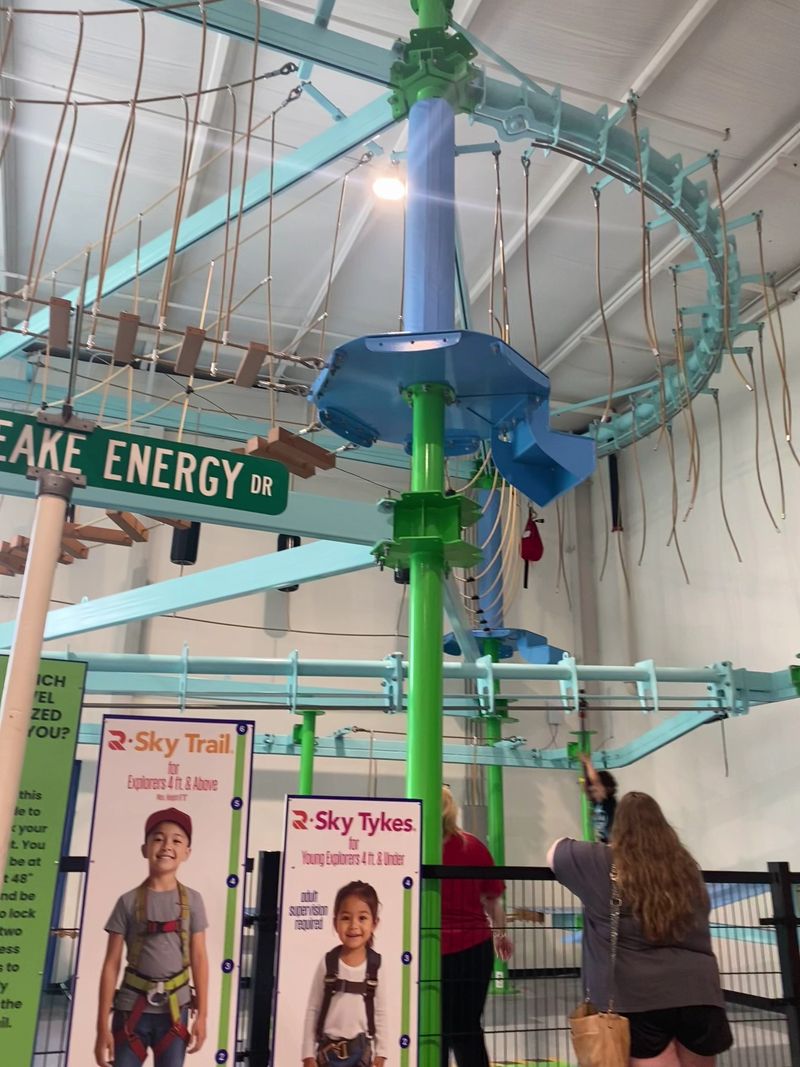
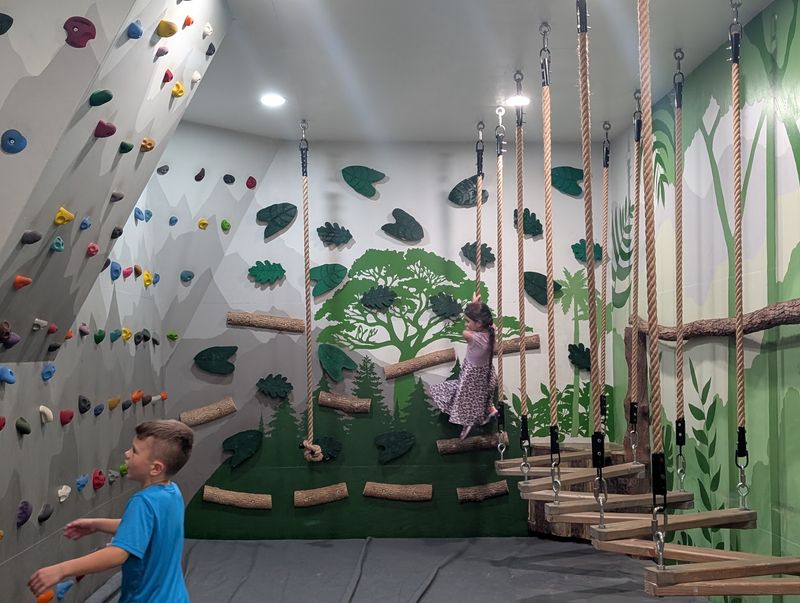
Newer additions to the museum include the sky course and ropes course, both of which have quickly become crowd favorites among older kids and adventurous younger ones. The sky course in particular gets enthusiastic mentions from visitors who appreciate that the museum keeps evolving rather than resting on its existing exhibits.
Families describe it as genuinely thrilling for kids who are ready for a physical challenge, offering height and movement in a controlled, safe setting. Parents watching from below tend to range from proudly nervous to fully entertained, which seems to be exactly the reaction the exhibit is designed to produce.
The ropes course sits alongside the sky course as another option for kids who want to test their balance and coordination. Together, they represent the museum’s commitment to adding experiences that grow with its audience.
Visitors who return year after year specifically call out these newer features as proof that the museum has not become complacent, and that each visit has a reasonable chance of offering something fresh alongside the familiar favorites.
The Train Ride That Caps a Perfect Day
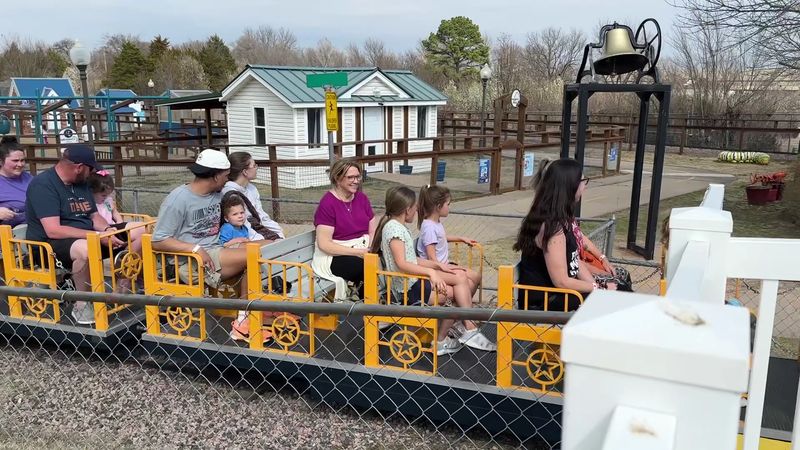
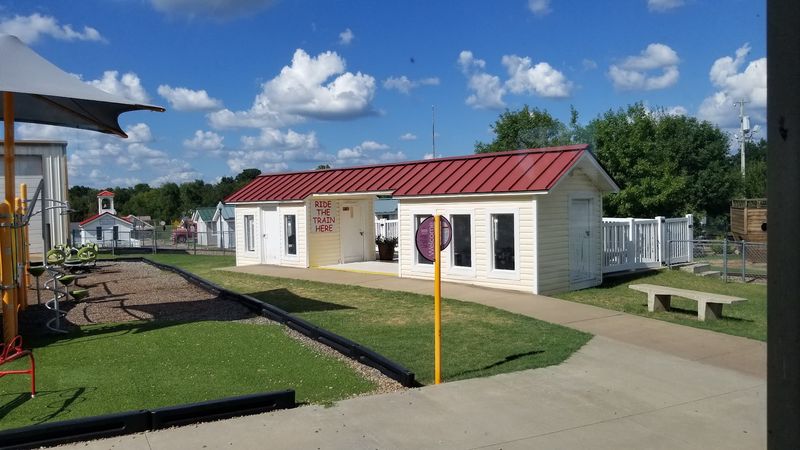
Outdoor train rides carry a particular kind of magic for young children, and the one at this museum has earned its own devoted following. Families with toddlers especially mention the train as a highlight, with some kids enjoying it so much they insist on riding it twice before the day ends.
The last train of the day runs at 3 p.m., which gives families a natural endpoint to aim for and a satisfying way to close out a long afternoon of exploring. The ride itself is described as brief but genuinely lovely, winding through enough scenery to feel like a real little journey rather than a token loop.
Train enthusiasts in the toddler set respond to this attraction with a level of excitement that parents find both hilarious and completely understandable. One visitor noted that their two-year-old, who is passionate about trains, loved the ride so much he insisted on going a second time immediately after finishing the first.
For families with young children, the train ride alone is worth factoring into the day’s schedule.
Animals, a Petting Zoo, and Reading with Maggie
Tucked in the back of the outdoor area, a petting zoo adds an entirely different dimension to the visit. Kids who have spent hours inside navigating exhibits and climbing structures suddenly find themselves in a quieter, softer space where the pace slows down and the interaction becomes genuinely tender.
Farm animals are a reliable hit with younger visitors, and the petting zoo here is no exception. Parents describe it as a calming counterpoint to the higher-energy indoor exhibits, offering children a chance to connect with animals in a hands-on way that many of them do not get in everyday life.
One of the outdoor area’s most charming features is the opportunity to read with Maggie, the resident dog, which visitors single out as a surprisingly meaningful experience for young readers. The sensory garden nearby adds another layer of outdoor discovery for children who respond well to texture, scent, and quiet exploration.
Together, the outdoor animal and garden spaces give the museum a well-rounded quality that keeps the experience from feeling like it exists only behind walls.
Dino Dig, Camping, and the Upstairs Surprises
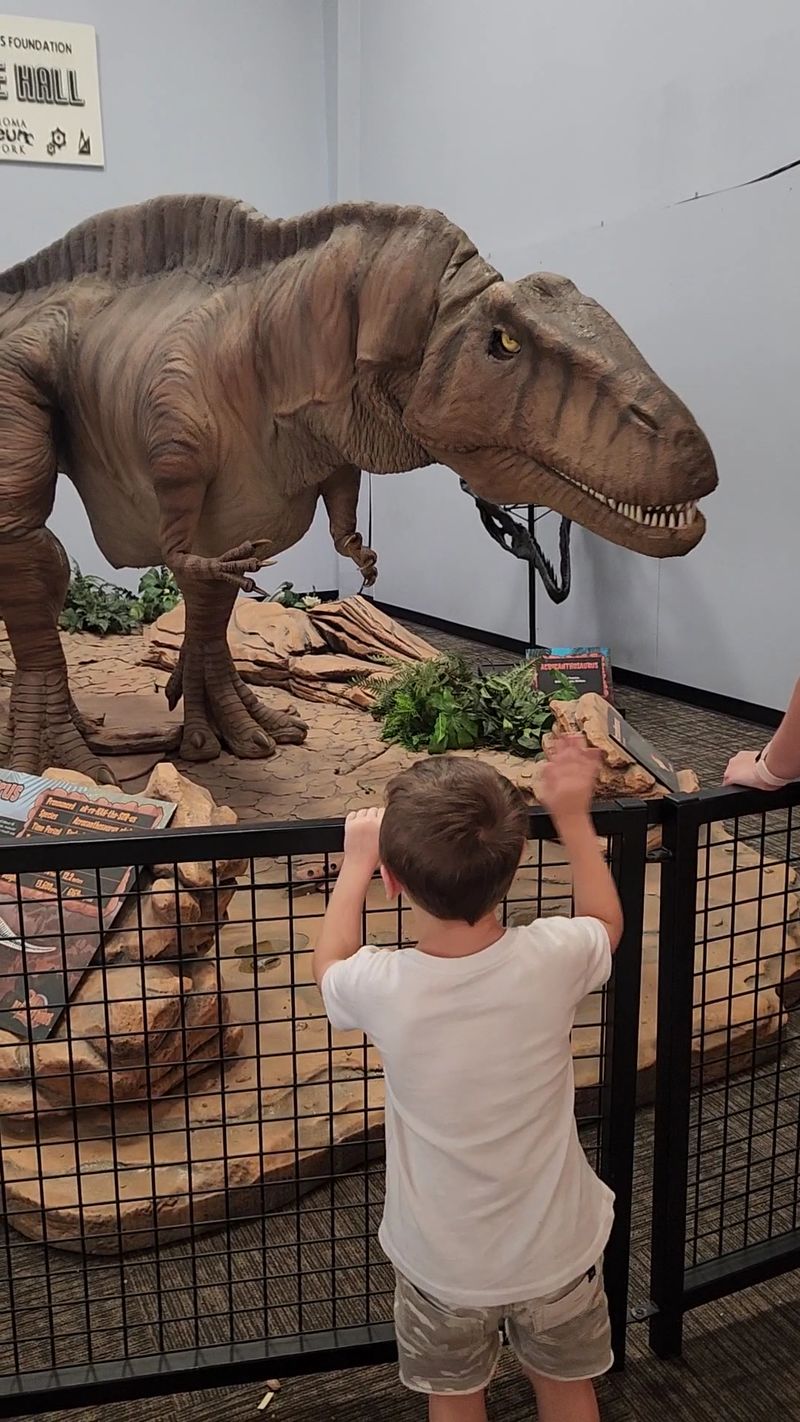
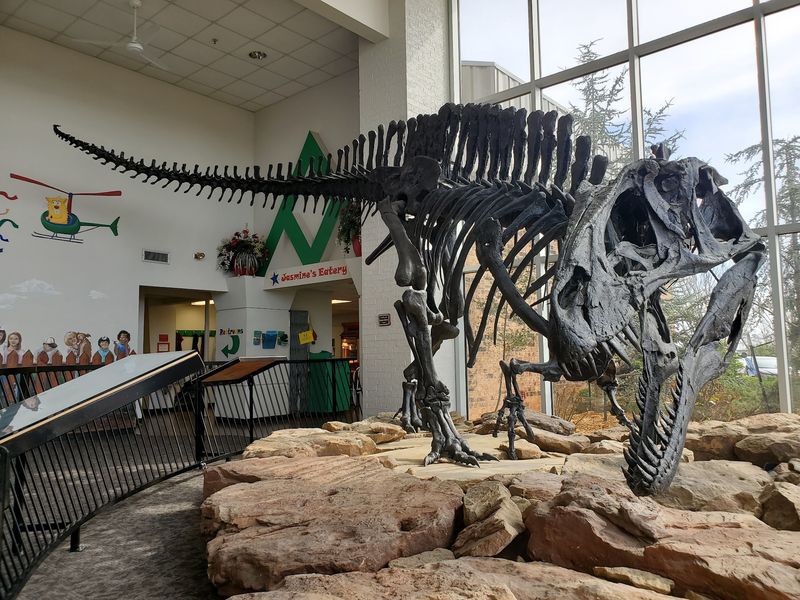
Upstairs and scattered through the museum’s themed sections are exhibits that reward curious kids who take the time to explore every corner. A dinosaur dig area lets children sift through sand in search of fossil replicas, combining the thrill of discovery with a gentle introduction to paleontology.
A camping-themed section creates a cozy, imaginative corner where kids can set up tents, tend a pretend campfire, and settle into the slower rhythm of outdoor life without actually leaving the building. These quieter exhibits tend to attract children who enjoy narrative play over physical activity, giving the museum a genuine range of engagement styles.
The upstairs section holds additional surprises that visitors frequently mention discovering late in their visit, often after they thought they had seen everything. A workout area, a build-a-bug station, and a game room round out the upper floor, ensuring that even families who arrive with a plan end up finding something unexpected.
The museum’s layout rewards wandering, and that sense of ongoing discovery is a big part of what keeps families coming back for repeat visits.
Theater, STEM Activities, and the Art Studio

Creative kids find plenty to work with in the theater and art studio sections, where imagination takes center stage without any particular script to follow. The theater area comes equipped with multiple backdrops, and families report that children spend stretches of time acting out entirely original stories, changing costumes and scenarios as the mood shifts.
The art studio offers a more structured creative outlet, giving kids space to make things with their hands and leave with something tangible from their visit. These sections appeal especially to children who prefer making over doing, and they provide a natural quiet zone within a museum that can otherwise move at a fairly high energy level.
Free STEM activities are offered periodically, adding an educational layer that feels more like a bonus than an obligation. Families who happened to catch one during their visit mention it as a highlight, noting that kids engaged fully without any prompting.
The combination of theater, art, and STEM programming reflects the museum’s broader philosophy: that learning works best when children cannot tell the difference between education and play.
Food, Snacks, and the Bring-Your-Own Option
Keeping kids fed during a long museum visit is a logistical reality that this place handles thoughtfully. A small cafe on-site serves simple, kid-friendly options including hamburgers, hot dogs, and snow cones, with prices running roughly six to seven dollars for food items and around three dollars for a snow cone.
Families who prefer to pack their own meals can take advantage of a designated eating area where outside food is welcome, making the museum accessible for visitors watching their budget without sacrificing the convenience of a full-day visit. Popcorn and fries are also available and get positive mentions from visitors who grabbed a quick snack between exhibits.
One practical tip that families share: bring a refillable water bottle, especially during summer visits when the outdoor areas are in heavy rotation. The outdoor section has limited shade, and kids running between the train, petting zoo, and play sets can work up a thirst quickly.
The indoor water fountains are available as a backup, but having your own bottle on hand makes the experience noticeably smoother for everyone involved.
Admission, Hours, and Planning the Visit
Admission runs twelve dollars per person, a price point that visitors consistently describe as reasonable given the sheer volume of activities packed into a single visit. Families report spending three to four hours without running out of things to do, which makes the per-hour value genuinely strong compared to many entertainment options for kids.
The museum is best suited for children between the ages of one and twelve, with the sweet spot landing somewhere in the five-to-ten range where kids can engage with both the physical and imaginative exhibits at full capacity. Families with toddlers still find plenty to enjoy, and some exhibits, particularly the train ride and petting zoo, hold appeal across a wider age range.
Annual passes are available for families who plan to return, and given how much the museum offers, repeat visits are easy to justify. The phone number on file is 405-382-0950, and the website at jasminemoran.com carries current hours and any event listings.
Checking ahead before a Saturday visit is worthwhile, as weekend crowds can vary and some families prefer arriving early to get the most out of the outdoor areas before the afternoon heat sets in.
Who Gets the Most Out of a Visit Here
Families with children in the elementary school years are the clear primary audience here, and the museum delivers for that group consistently. Kids aged five through ten have enough physical coordination to tackle the climbing maze and ropes course while still being fully enchanted by the imaginative play areas on the main floor.
Toddlers and preschoolers also have a strong showing, with the train ride, petting zoo, water tables, and Main Street section all offering age-appropriate engagement. Parents of very young children specifically mention feeling relaxed during their visit, describing the museum as a low-stress environment where they could let their toddlers explore without constant worry.
Teenagers and adults without young children will likely find less to hold their attention, though a few visitors note that the sky course and ropes course have a way of pulling in older kids who think they have outgrown the place. For grandparents bringing grandchildren, the museum earns particularly warm reviews, with multiple visitors describing it as one of the best field trips they have taken with their grandkids.
The mix of indoor and outdoor options, the friendly staff, and the consistently positive atmosphere make it a reliable choice for any family road trip through central Oklahoma.
Share this story