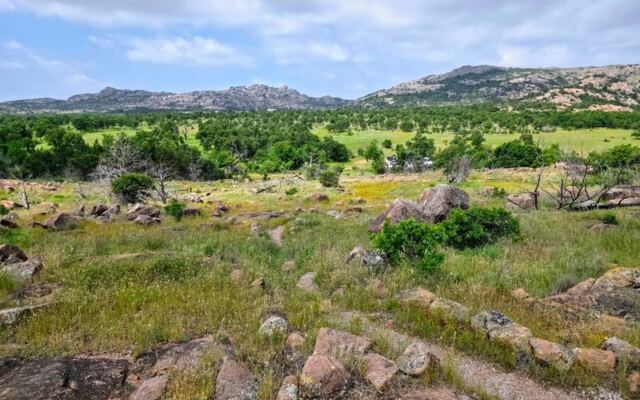
Oklahoma has a way of surprising you when you least expect it. You round a bend on a quiet highway, and suddenly the landscape opens up into something so vivid and alive that you have to pull over just to make sure it is real.
Somewhere in the southwestern part of the state, a sprawling wildlife refuge transforms into a canvas of wildflowers, granite peaks, and golden grasslands that honestly looks like it belongs in an impressionist painting. If you have never put the Wichita Mountains Wildlife Refuge on your road trip list, now is the time to fix that.
Where the Wichita Mountains Wildlife Refuge Sits on the Map
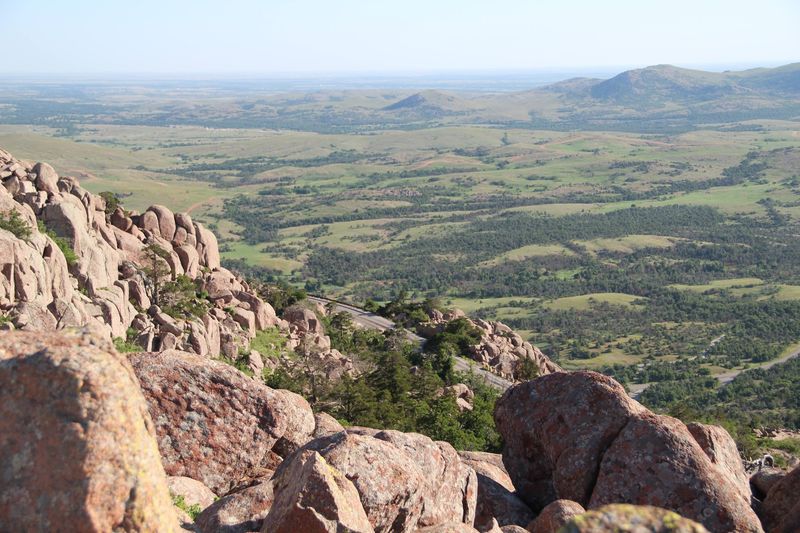
Tucked into the heart of southwestern Oklahoma, the Wichita Mountains Wildlife Refuge covers roughly 59,000 acres of ancient granite hills, native tallgrass prairie, and clear-water lakes. The refuge sits near the town of Lawton, making it one of the most accessible wild spaces in the entire state.
For road-trippers cruising through Oklahoma, it functions as a genuine landmark, the kind of place that earns a detour from almost any route.
Managed by the U.S. Fish and Wildlife Service, the refuge is one of the oldest managed wildlife areas in the country, established in the early 1900s.
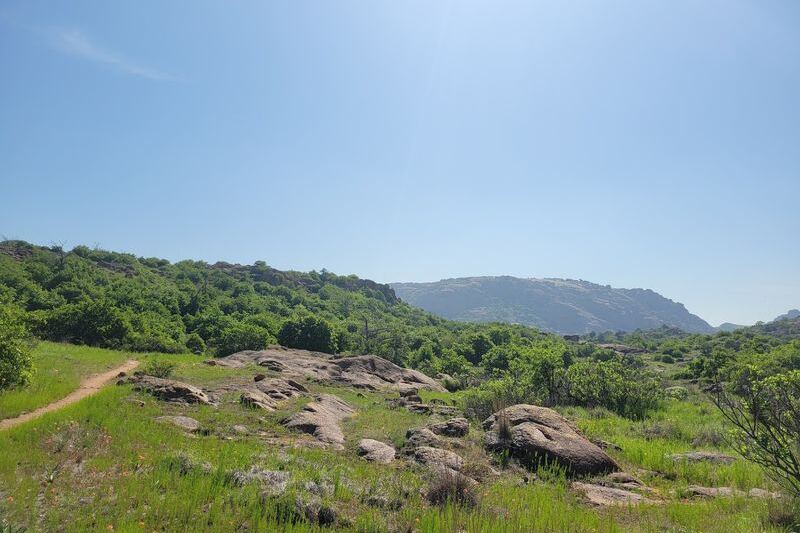
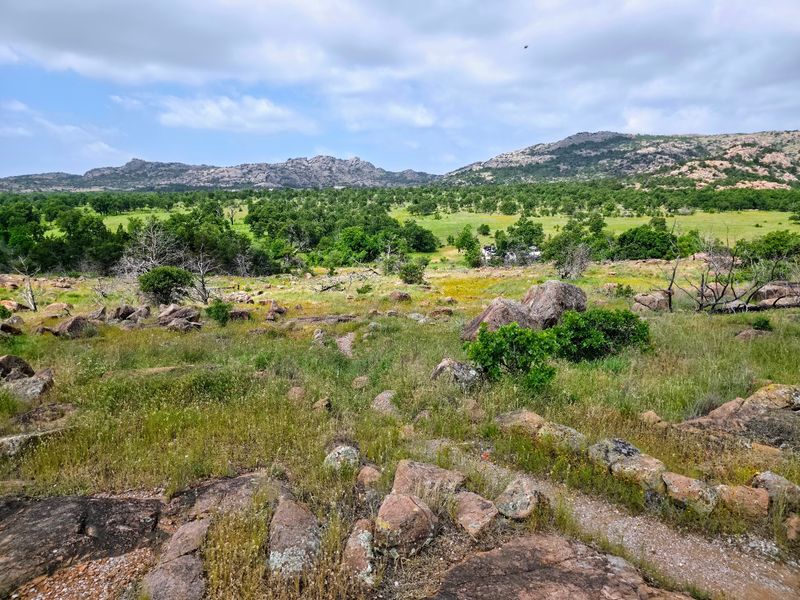
That long history of conservation means the land feels genuinely untouched in a way that newer parks sometimes cannot match. Rolling ancient rock formations push up through meadows painted in seasonal color, and the scale of the open sky above it all is something photographs struggle to capture honestly.
Getting here is straightforward. The refuge is accessible via Highway 49 west of Interstate 44, and the drive through the Wichita Mountains themselves is part of the reward.
The landscape shifts dramatically as you approach, signaling that something special is waiting ahead.
Ancient Granite Peaks Rising from the Prairie Floor
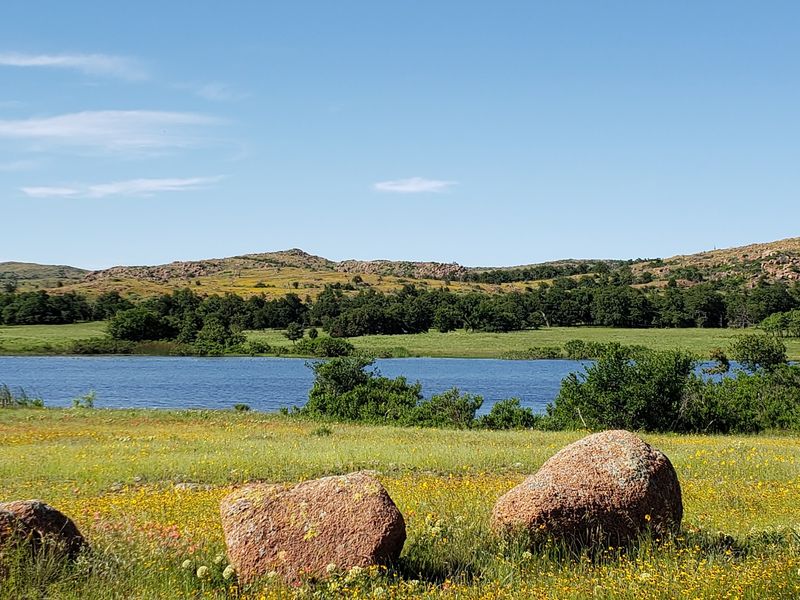
Long before the Rocky Mountains existed, the Wichita Mountains were already old. These rounded granite formations are estimated to be around 500 to 600 million years old, making them among the most ancient exposed rock in North America.
Standing at the base of one of these massive boulders and looking up, you get a quiet sense of just how much time has passed on this particular patch of Oklahoma earth.
The peaks are not towering in the traditional mountain sense, but their presence against the flat surrounding plains gives them an outsized visual impact. Mount Scott, the most visited summit in the refuge, rises to about 2,464 feet and offers a paved road to the top.
From the summit, the view stretches across lakes, prairies, and rolling hills in every direction, with the kind of panorama that makes people stand quietly for a few extra minutes before reaching for their phones.
Climbers also love the refuge for its technical bouldering and traditional climbing routes across the granite faces. The rough, textured rock offers excellent grip, and the scenery during a climb is hard to beat anywhere in the southern plains region.
The Wildflower Bloom That Turns the Prairie Into a Painting
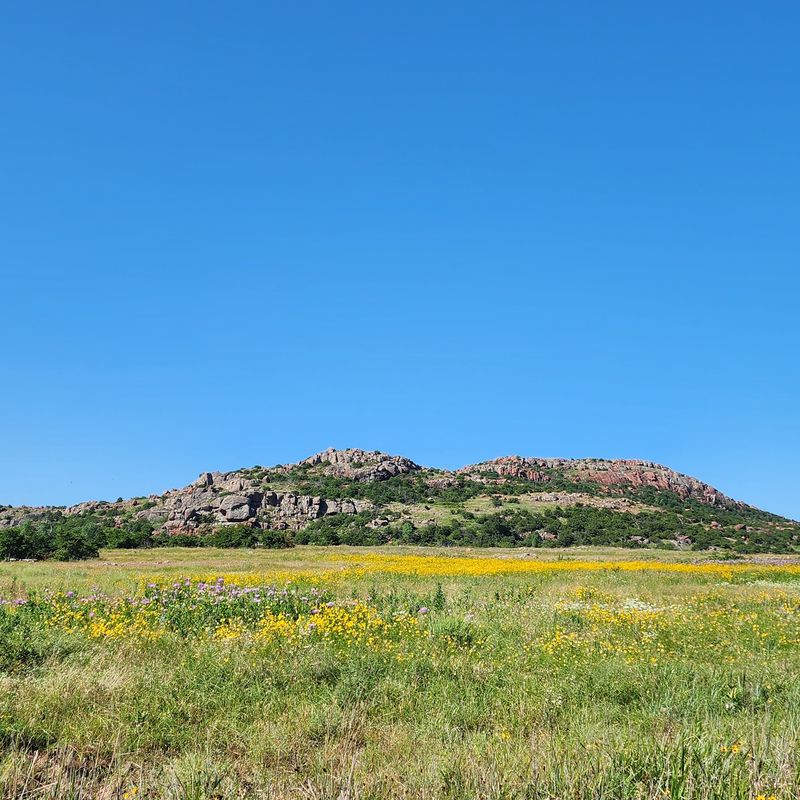
Few natural spectacles in Oklahoma match the Wichita Mountains wildflower season. When spring arrives and moisture has been generous, the native prairie erupts in wave after wave of color, from the deep purple of prairie verbena to the electric yellow of black-eyed Susans and the warm orange of Indian paintbrush.
Walking through a meadow mid-bloom honestly feels cinematic, the kind of scene you would expect to find in a travel magazine rather than on a southwestern Oklahoma highway.
The impressionist comparison is not just a clever headline. When a light breeze moves through a field of mixed wildflowers and the afternoon sun drops low, the colors blur and shimmer in a way that genuinely recalls the brushwork of a Monet landscape.
It is one of those rare moments where nature and art seem to be speaking the same language without any help from a filter or editing app.
Bloom timing varies by year and rainfall, but late April through early June tends to be the most reliable window for peak color. Autumn brings its own quieter palette of russet grasses and golden light, which has its own understated beauty worth chasing for anyone willing to visit outside peak season.
Bison Herds Roaming Free Across Open Grasslands
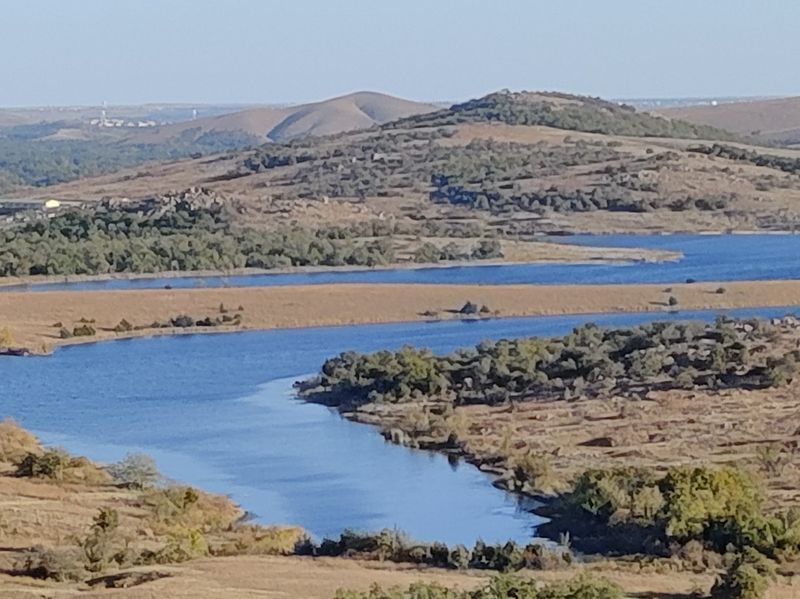
Spotting a bison in the wild never gets old, no matter how many times you have done it. The Wichita Mountains Wildlife Refuge is home to one of the oldest publicly managed bison herds in the United States, with animals that trace their lineage back to a small group brought here in 1907 to help save the species from near extinction.
That conservation story is one of the most remarkable wildlife recoveries in American history, and you can witness it firsthand by simply driving the refuge roads at dusk.
The herd typically numbers around 650 animals, and encounters are common throughout the refuge. Seeing a massive bull standing in a field of wildflowers, unbothered and ancient-looking, is the kind of image that stays with you long after you have driven home.
Visitors are reminded to keep a safe distance, as bison are powerful animals that can move surprisingly fast when startled.
Beyond bison, the refuge supports longhorn cattle, Rocky Mountain elk, white-tailed deer, wild turkey, and prairie dogs. The diversity of wildlife packed into this one landscape makes every visit feel like a different experience depending on the season and the time of day you choose to explore.
Prairie Dog Towns Worth a Long, Laughing Stop
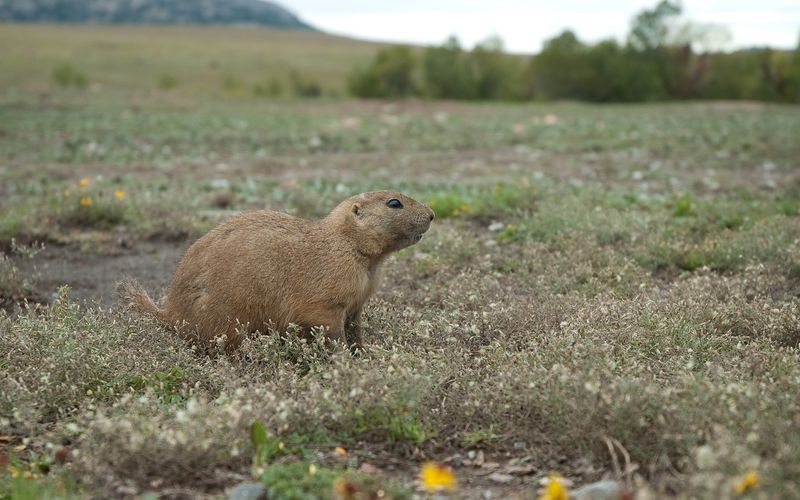
Nobody plans to spend thirty minutes watching prairie dogs and then ends up staying for an hour, yet that is exactly what happens at the Wichita Mountains. The refuge hosts active prairie dog towns where these small, social rodents pop in and out of burrows, bark at each other with surprising enthusiasm, and occasionally stand bolt upright to survey their territory with an air of great importance.
It is genuinely entertaining in a way that requires zero prior interest in wildlife to appreciate.
Prairie dog towns also function as ecological hubs. Burrowing owls often nest in abandoned prairie dog holes, and various hawks and eagles circle overhead in search of an easy meal.
The whole system is a living demonstration of how interconnected a healthy grassland ecosystem actually is, and watching it play out in real time is more engaging than any nature documentary.
Families with kids tend to linger the longest at the prairie dog towns, but even solo travelers and couples find themselves charmed by the constant activity. The best viewing tends to happen in mid-morning when the animals are most active and the light is still soft enough for great photos without harsh shadows washing out the scene.
Lakes and Wetlands Tucked Between the Rocky Hills
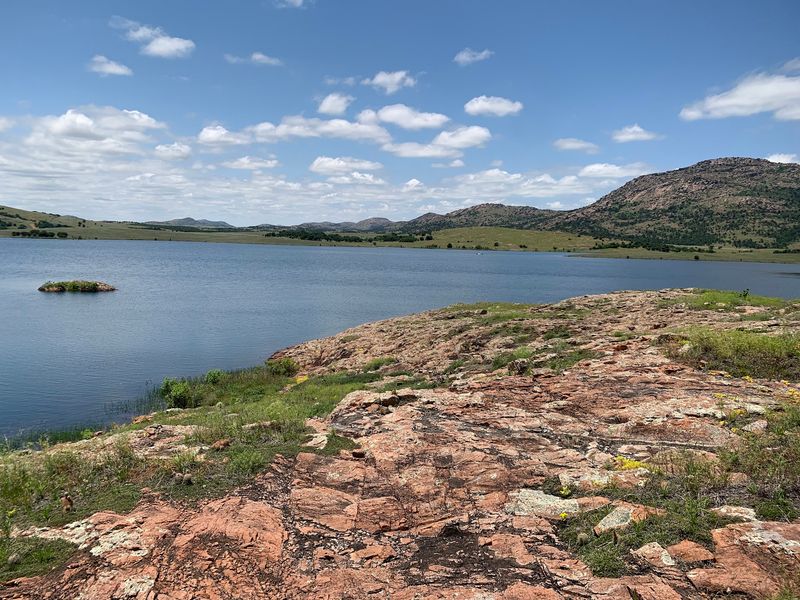
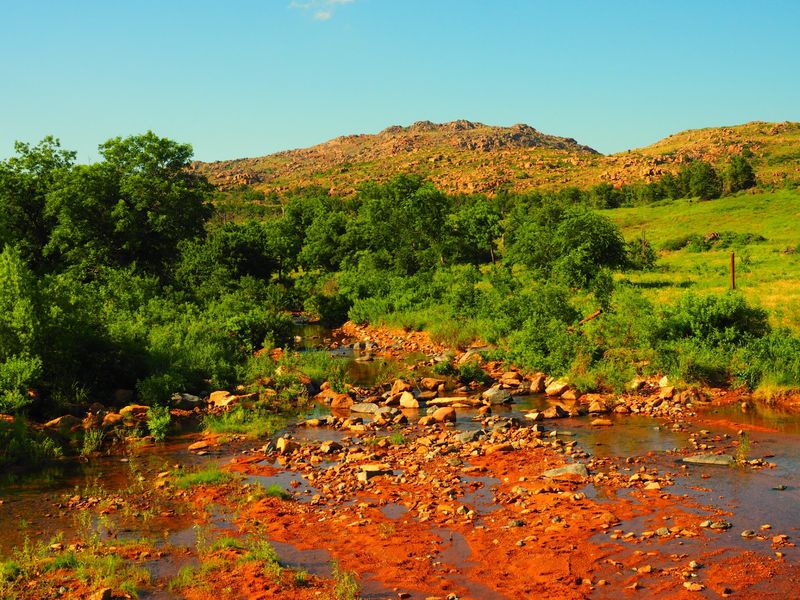
Water defines much of the Wichita Mountains experience in ways that casual visitors often overlook. The refuge contains several lakes, including Lake Lawtonka and Lake Elmer Thomas, along with smaller ponds and wetland areas scattered across the landscape.
These water bodies attract a remarkable variety of bird life and give the terrain a layered, almost theatrical quality when the granite peaks reflect in calm morning water.
Fishing is permitted in designated areas, and the lakes hold largemouth bass, catfish, and crappie, making the refuge a quiet favorite among anglers who want scenery alongside their sport. The combination of rocky shoreline, open water, and surrounding prairie creates fishing spots that feel far more dramatic than the typical Oklahoma lake experience.
Paddling and non-motorized boating are also options on certain water bodies within the refuge, giving visitors another way to slow down and absorb the landscape from a different angle. Watching the granite hills slide past from a kayak on a still morning, with birds calling from the cattails and bison grazing on the far bank, is one of those experiences that resets something in you.
It is unhurried in the best possible way.
Hiking Trails That Reward Every Fitness Level
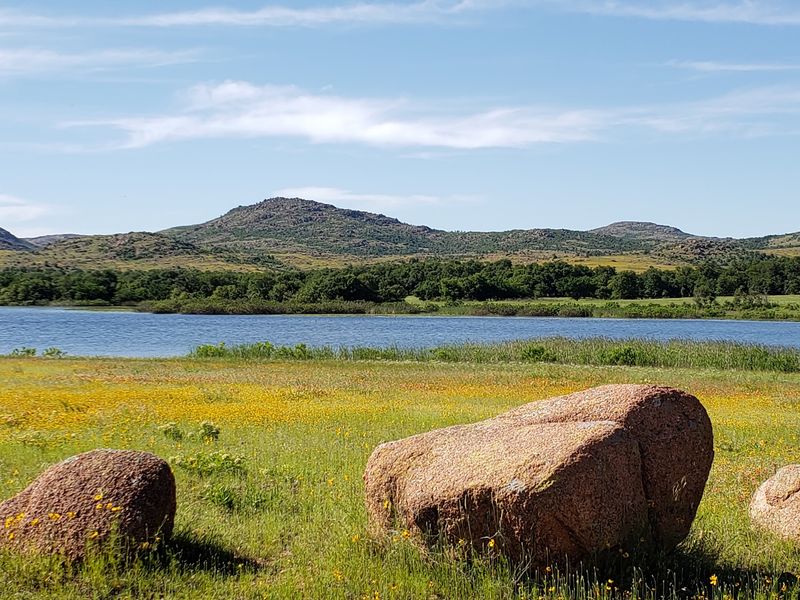
Whether you want a gentle stroll through a wildflower meadow or a more challenging scramble across exposed granite, the Wichita Mountains has a trail to match your energy. The refuge offers a range of hiking opportunities, from easy nature walks along flat prairie paths to more technical routes that wind up and around the rocky formations.
Most trails are well-marked and manageable for families with older children or anyone who is reasonably active.
The Elk Mountain Trail is one of the more popular moderate hikes, offering a steady climb through boulder fields with rewarding views at the top. Charon’s Garden Wilderness Area appeals to more serious hikers and rock enthusiasts, with a designated wilderness designation that keeps it refreshingly free of development.
The quiet in that area is the kind that makes you aware of your own footsteps.
Trail conditions vary by season, so checking in at the visitor center before heading out is a smart move. Spring mud can make some paths slippery, while summer heat demands early starts and plenty of water.
Fall and early winter often bring the clearest skies and the most comfortable temperatures for longer hikes, making the shoulder seasons genuinely underrated times to explore on foot.
Longhorn Cattle Adding Old West Character to the Landscape
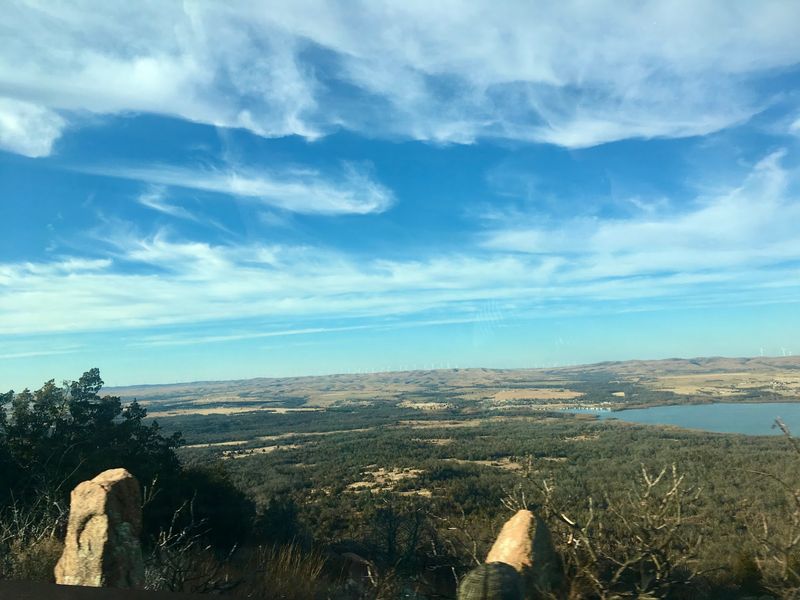
Not many wildlife refuges in the country also maintain a herd of Texas longhorn cattle, but the Wichita Mountains does, and it adds a genuinely unexpected layer of character to the landscape. The longhorns here are descended from historic Texas stock and serve as a living reminder of the cattle drives and ranching culture that shaped this region of Oklahoma through the late 1800s.
Seeing a longhorn with a six-foot horn span standing against a backdrop of granite peaks is an image that belongs on a postcard.
The herd is managed as part of the refuge’s broader conservation mission, which includes preserving native grassland ecosystems alongside the wildlife that depends on them. Longhorns graze in ways that are compatible with native plant communities, making them useful ecological partners rather than just a scenic addition to the landscape.
Visitors often encounter longhorns along the main refuge roads, and the animals tend to be calm and unbothered by passing vehicles. Still, wildlife safety guidelines apply here just as they do with bison.
Staying in or near your vehicle and keeping a respectful distance ensures both your safety and the animals’ comfort, letting everyone enjoy the encounter without disruption.
Birdwatching Opportunities That Draw Serious Listers
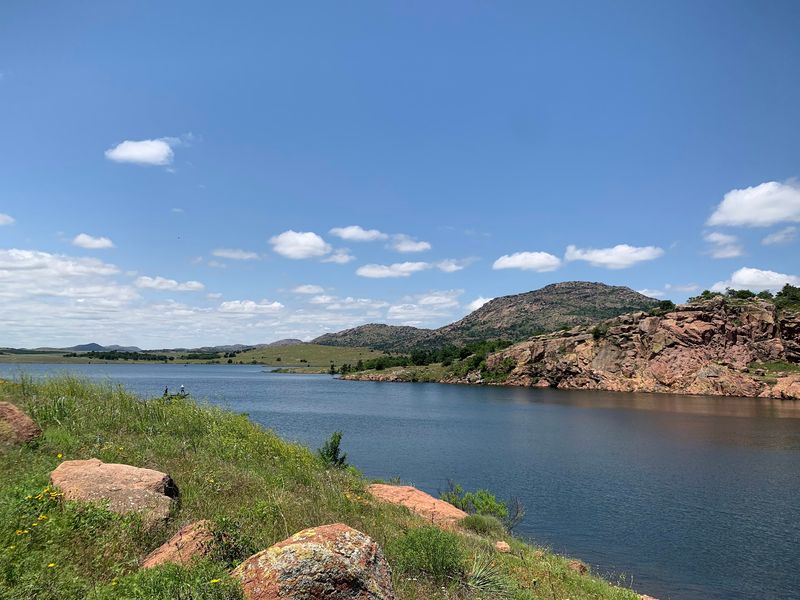
Birders who visit the Wichita Mountains for the first time tend to come back with long lists and wide smiles. The refuge sits within a significant migratory corridor, and its mix of habitats, grassland, wetland, woodland, and rocky upland, creates conditions that attract an impressive variety of species throughout the year.
Over 300 bird species have been recorded within the refuge boundaries, a number that puts it firmly on the radar of serious birders from across the region.
Scissor-tailed flycatchers, Oklahoma’s state bird, are common sightings in the warmer months, and their elegant long tails make them unmistakable even to casual observers. Bald eagles winter in the area and can sometimes be spotted near the lakes on cold, clear mornings.
During migration, the refuge can produce exciting shorebird and warbler sightings that keep listers occupied for an entire weekend.
Even visitors with zero interest in birding tend to notice the birds here, simply because the landscape is open enough and the wildlife dense enough that encounters happen naturally. A great horned owl calling from a cedar tree at dusk or a red-tailed hawk riding a thermal above the granite peaks adds something to the experience that is hard to put a precise word on.
The Refuge Visitor Center as a Smart Starting Point
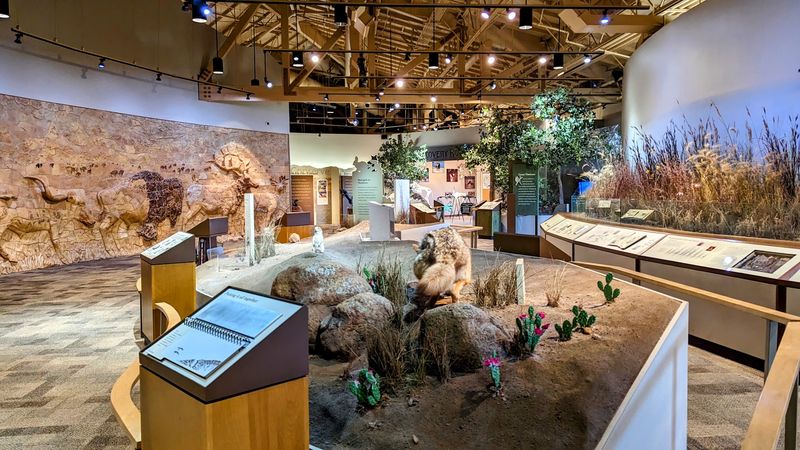
Arriving at a large natural area without a plan can mean missing the best parts entirely, which is why stopping at the refuge visitor center before exploring is genuinely worthwhile. The center provides maps, seasonal wildlife updates, and information on trail conditions, helping visitors make the most of whatever time they have available.
Staff and volunteers are typically knowledgeable and happy to point out where recent bison or elk sightings have occurred.
The visitor center also offers exhibits on the refuge’s natural and cultural history, including its role in the early twentieth century bison recovery effort. Understanding that backstory before you head out into the landscape adds real depth to the experience.
Knowing that the bison you are watching from a safe distance are descendants of animals saved from near extinction makes the encounter feel genuinely significant rather than just scenic.
Hours at the visitor center can vary seasonally, so checking the official U.S. Fish and Wildlife Service website at fws.gov/refuge/Wichita_Mountains before your trip is the best way to confirm current schedules.
The website also lists any seasonal road closures or special events that might affect your visit, which is particularly useful during spring calving season when certain areas may have access restrictions.
Admission, Access, and Hours Worth Knowing Before You Go
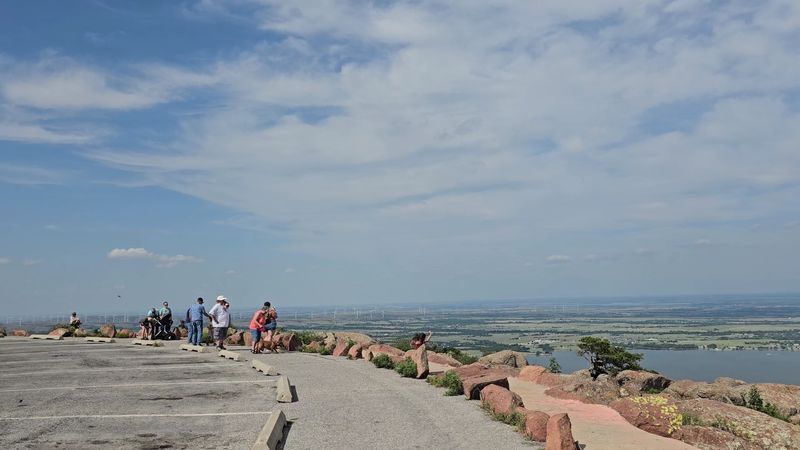
One of the most appealing things about the Wichita Mountains Wildlife Refuge is that it costs nothing to enter. General refuge access is free, which makes it an outstanding value for families, solo travelers, and anyone looking to stretch a road trip budget without sacrificing quality.
Some specific recreation areas or campgrounds within the refuge may charge fees, but the core driving and hiking experience is open to everyone at no cost.
The refuge is open year-round, and different seasons offer genuinely different experiences. Spring wildflowers and newborn bison calves draw the biggest crowds, while summer brings long golden evenings and active wildlife.
Fall transforms the grasslands into warm amber tones, and winter offers the best chance of spotting bald eagles near the lakes. There is no bad time to visit, just different reasons to go.
The main refuge roads are generally accessible to standard passenger vehicles, though some unpaved sections can become challenging after heavy rain. Mount Scott’s summit road is paved and open to all vehicles, making the panoramic view accessible even for visitors who prefer not to hike.
Arriving early in the morning on weekends during peak season helps avoid the busiest parking areas and gives you the best chance of seeing wildlife before the day warms up fully.
Who Will Love the Wichita Mountains Most
Honestly, the Wichita Mountains Wildlife Refuge has something for almost everyone, but certain kinds of travelers will find it especially magnetic. Photographers, both amateur and professional, tend to treat the refuge as a near-endless source of material, from sweeping landscape compositions to intimate wildlife portraits.
The quality of light in the early morning and late afternoon is exceptional, and the variety of subjects means a single visit can yield dozens of portfolio-worthy images.
Families with curious kids benefit enormously from the prairie dog towns, the bison herds, and the wide open spaces where energy can be spent freely. The refuge is large enough that it never feels crowded even on busy weekends, and the lack of entrance fees removes one of the common friction points that makes family travel stressful.
Couples looking for a scenic and unhurried day out will find the refuge quietly romantic in a way that does not require any planning or reservations. A packed lunch, a good pair of walking shoes, and a willingness to stop whenever something catches your eye are all you really need.
Nature enthusiasts, geology fans, history buffs with an interest in conservation, and anyone chasing that feeling of open-sky freedom will all find something worth the drive here.
Why the Wichita Mountains Deserve a Permanent Spot on Your Oklahoma List
Some places earn their reputation slowly, through word of mouth and repeat visits rather than flashy marketing. The Wichita Mountains Wildlife Refuge is very much that kind of place.
It does not announce itself loudly or compete for attention with manufactured attractions. It simply exists in its ancient, unhurried way, and the people who find it tend to feel like they have stumbled onto something genuinely rare.
The combination of free access, extraordinary wildlife, dramatic geology, and seasonal wildflower color makes it one of the most well-rounded natural destinations in Oklahoma. Few places in the state offer the same range of experiences within a single boundary, and fewer still do it without charging admission.
That combination of quality and accessibility is not something to take for granted.
Returning visitors consistently note that no two visits feel identical. The light changes, the wildlife moves, the flowers come and go, and the refuge responds to each season in its own way.
Whether you are making your first trip or your fifteenth, the Wichita Mountains have a way of offering something new each time. For anyone who loves Oklahoma and wants to see it at its most elemental and beautiful, this is as good as it gets.
Share this story