Kansas has played a surprisingly important role in the lives of famous Americans, from presidents and pioneering aviators to abolitionists, journalists, lawmen, and business leaders. Across the state, historic homes and landmarks preserve the places where their remarkable stories unfolded.
These 14 Kansas landmarks connect visitors with the people who helped shape American history. Each offers a fascinating look at the experiences, communities, and events behind some of the country’s most recognizable names.
1. Amelia Earhart Birthplace Museum, Atchison, Kansas
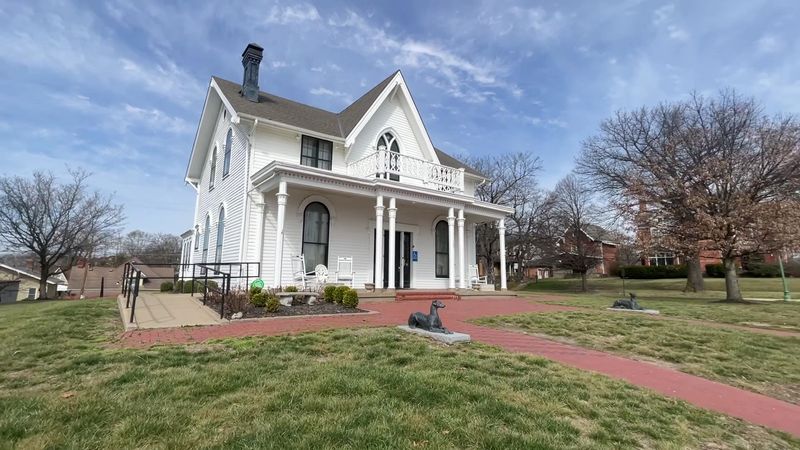
Born on July 24, 1897, in this Gothic Revival house perched above the Missouri River, Amelia Earhart spent her earliest years doing exactly what you might expect from a future record-breaking aviator: building homemade roller coasters and climbing every tree in reach.
The house was constructed by her maternal grandfather, Judge Alfred G. Otis, and Earhart lived here on and off through her eighth-grade year.
The Ninety-Nines, the international organization of women pilots that Earhart co-founded, purchased the property in 1984 and opened it as a museum in 1994.
Inside, visitors find rare photographs, personal letters, original flight gear, and childhood toys spread across carefully restored rooms. Self-guided tours run 30 to 45 minutes, with informational sheets available in Spanish and large print.
Guided tours can be booked in advance and run closer to an hour.
2. Dwight D. Eisenhower Presidential Library & Museum, Abilene, Kansas
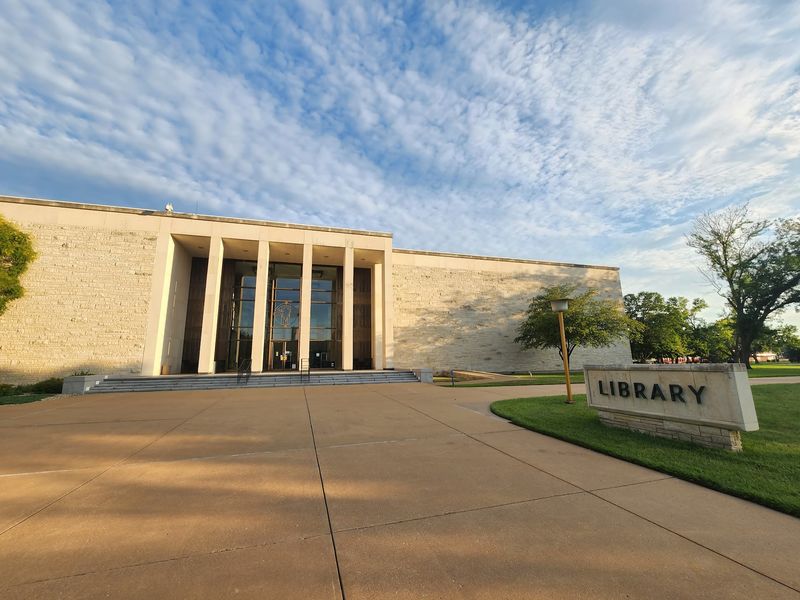
Before Dwight Eisenhower commanded Allied forces across Europe or occupied the Oval Office as the 34th president, he was just a kid from Abilene, Kansas, playing in the same modest house you can tour today.
The full campus includes the presidential museum, a research library, the Place of Meditation, and the Eisenhower family home, which the family moved into in 1898. The boyhood home is furnished with original pieces that make it surprisingly easy to picture the future Supreme Allied Commander doing homework at the kitchen table.
The museum covers Eisenhower’s military career, presidency, and legacy with a depth that rewards repeat visits. His connection to Abilene was genuine and lifelong, and the campus reflects that personal attachment rather than feeling like a generic presidential monument.
Plan at least two to three hours for the full site.
3. Brown v. Board of Education National Historical Park, Topeka, Kansas
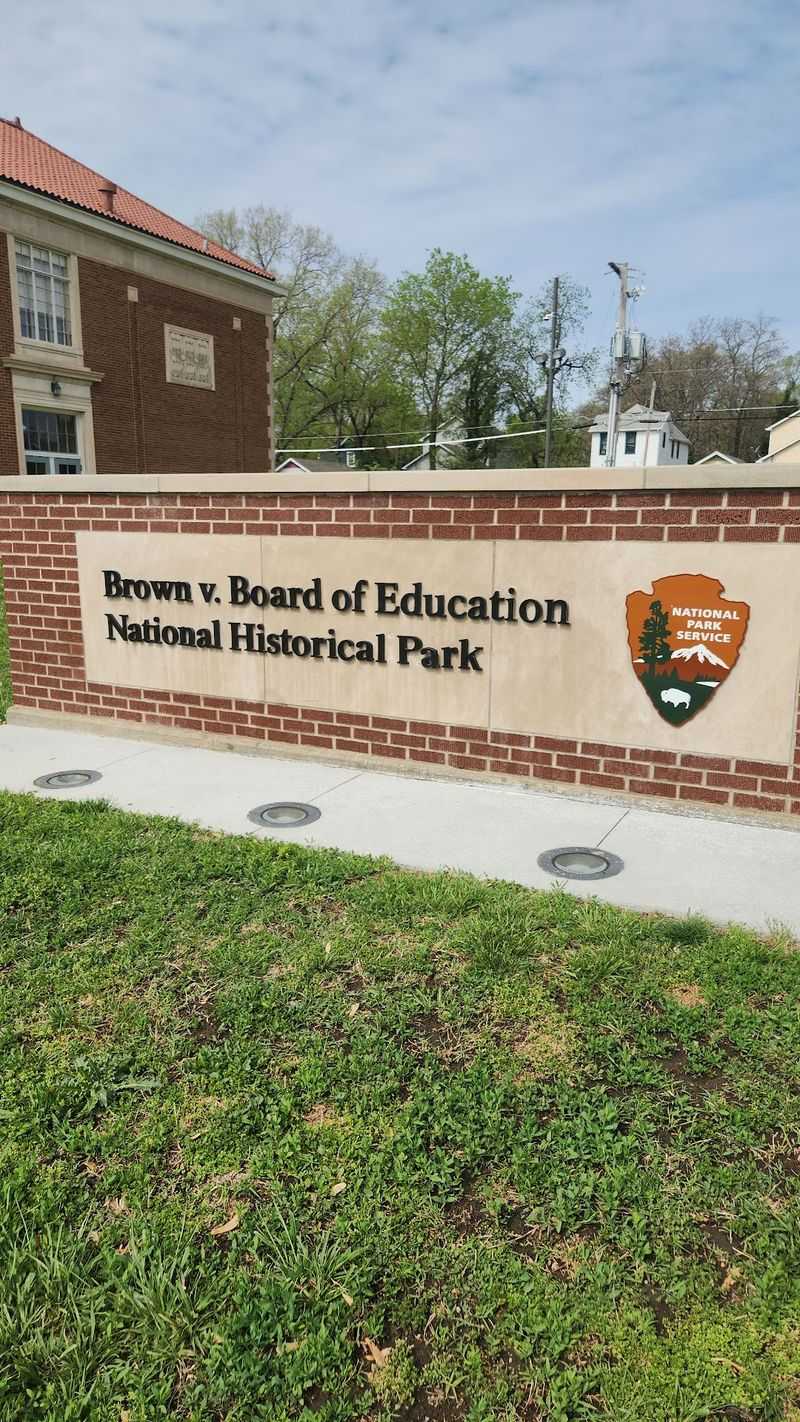
The name Linda Brown may not be the first one that comes to mind when people think about the landmark 1954 Supreme Court ruling, but without her father Oliver Brown’s attempt to enroll her at Sumner Elementary School, the legal case might never have taken the shape it did.
Monroe Elementary, the school Linda attended because Sumner was reserved for white students, now serves as the physical center of this National Historical Park. Preserved classrooms, exhibits, and interpretive displays tell the full story of the plaintiffs, the legal strategy, and the wider movement against school segregation.
Walking the actual hallways of a school directly involved in the case gives the history a weight that no documentary can fully replicate. The park is free to enter and managed by the National Park Service, with ranger-led programs available throughout the year.
4. Dole Institute of Politics, Lawrence, Kansas
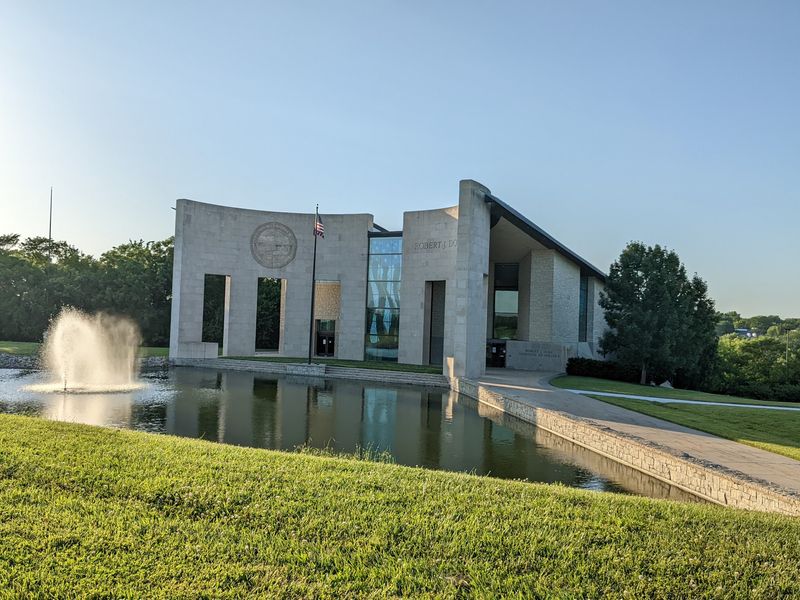
Russell, Kansas, sent Bob Dole into the world, and the world eventually sent him back to Kansas in the form of this impressive institute on the University of Kansas campus in Lawrence.
Dole’s biography covers an extraordinary range of American experience: a small-town upbringing during the Depression, serious injury during World War II service, decades in the U.S. Senate, and a 1996 presidential campaign.
The institute presents all of it through exhibits, an extensive congressional archive, and a range of public programming that keeps the space active rather than museum-static.
One of its real strengths is context. Rather than simply displaying Dole’s trophies and certificates, the exhibits connect his career to the broader political history of the 20th century.
Admission is free, and the institute hosts speakers, debates, and educational events that make it worth checking the schedule before you visit.
5. Gordon Parks Museum, Fort Scott, Kansas
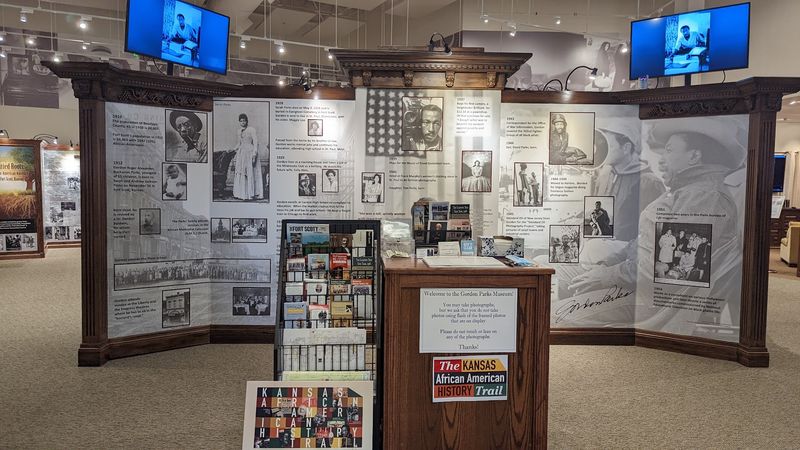
Gordon Parks grew up in Fort Scott as the youngest of fifteen children in a family with very little money, which makes his eventual career as a celebrated photographer, filmmaker, author, and composer one of the most remarkable self-made stories in American cultural history.
The museum on the Fort Scott Community College campus holds photographs Parks donated himself, along with cameras, awards, books, clothing, and personal effects contributed by Parks and his family over the years. His images appeared in Life magazine for decades, and he later directed films including Shaft in 1971.
The collection covers the full arc of his career rather than focusing on any single chapter. Fort Scott is not always on the standard Kansas tourism route, but this museum makes it a genuinely essential stop for anyone curious about American photography, film, or 20th-century social history.
Admission is free.
6. John Brown Museum State Historic Site, Osawatomie, Kansas
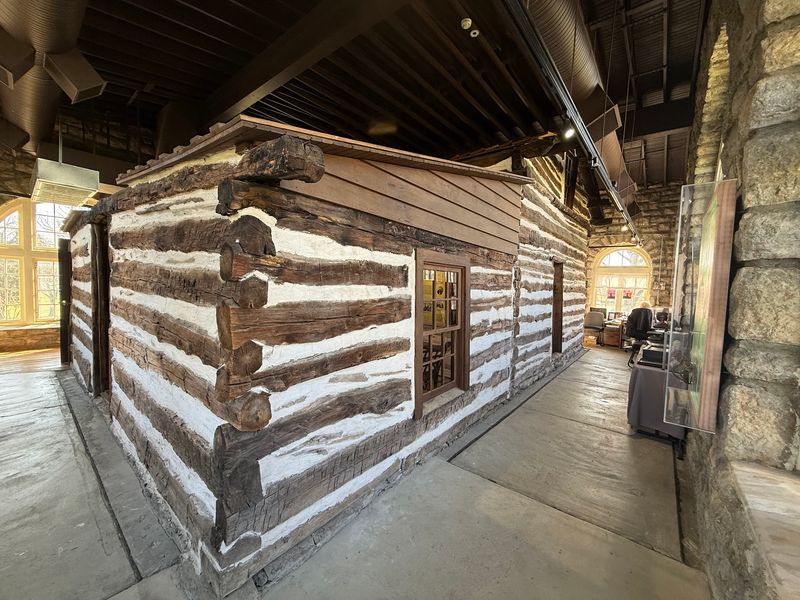
Most people know John Brown from his 1859 raid on Harpers Ferry, but his Kansas years came first, and they were just as intense.
Brown arrived in Kansas Territory during the violent period known as Bleeding Kansas, when pro-slavery and anti-slavery factions were fighting for control of the territory’s future. The cabin preserved at this site belonged to his half-sister Florella Adair and her husband Reverend Samuel Adair, and Brown used it as a base of operations during his time in the region.
The site also carries connections to the Underground Railroad.
Visiting here before thinking about Harpers Ferry actually makes Brown’s later actions much easier to understand. The Kansas years hardened his views and shaped his tactics in ways that the cabin and its exhibits explain clearly and honestly.
The site is managed by the Kansas Historical Society and is open seasonally.
7. Boot Hill Museum, Dodge City, Kansas
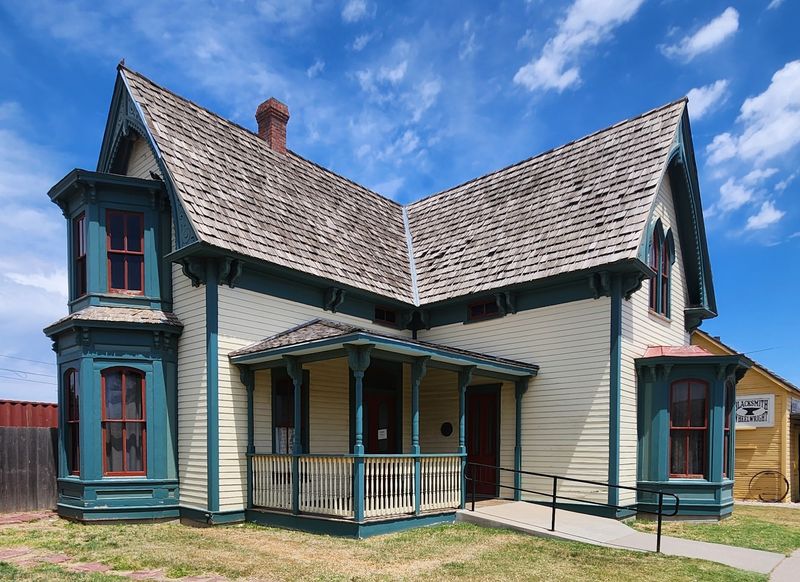
Dodge City earned its Wild West reputation honestly, and Boot Hill Museum does a solid job of separating the real history from the considerable mythology that has grown around the town over the past 150 years.
Wyatt Earp and Bat Masterson both worked here as lawmen during the cattle-drive era, and the museum covers their time in Dodge City through historical collections, reconstructed period streetscapes, and rotating exhibits. One detail the museum itself is upfront about: neither Earp nor Masterson is actually buried on Boot Hill.
Both men left Dodge City years before their deaths elsewhere.
The reconstructed Front Street gives visitors a walkable sense of what the town’s commercial district looked like during its cattle-town peak. Seasonal entertainment programs add a lively dimension to the visit, though the historical exhibits are strong enough to carry the experience on their own.
Check hours before visiting, as they vary by season.
8. Dalton Defenders Museum, Coffeyville, Kansas
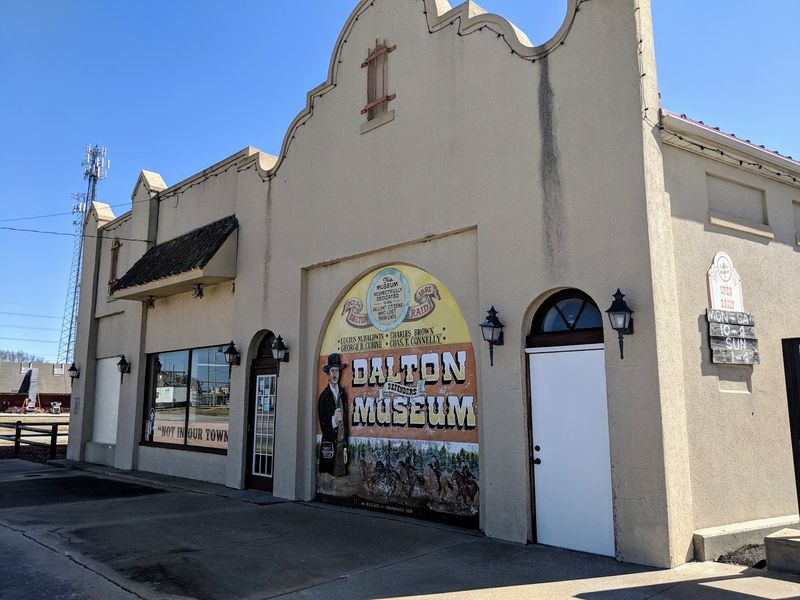
October 5, 1892, did not go well for the Dalton Gang. Bob and Grat Dalton arrived in Coffeyville with a plan to rob two banks simultaneously, which was either extremely ambitious or extremely overconfident, depending on how generously you want to judge them.
Coffeyville residents recognized the gang members despite their disguises, armed themselves quickly, and confronted the robbers in what became known as the Coffeyville Raid. The museum sits directly across the street from one of the targeted banks and contains artifacts connected with both the Daltons and the citizens who stopped them.
What makes this museum particularly interesting is that it does not stop at the raid. Exhibits also cover Coffeyville’s other notable connections to famous Americans, including baseball Hall of Famer Walter Johnson and 1940 Republican presidential nominee Wendell Willkie.
The town’s outsized role in American history is genuinely surprising for its size.
9. Carry Nation Home, Medicine Lodge, Kansas
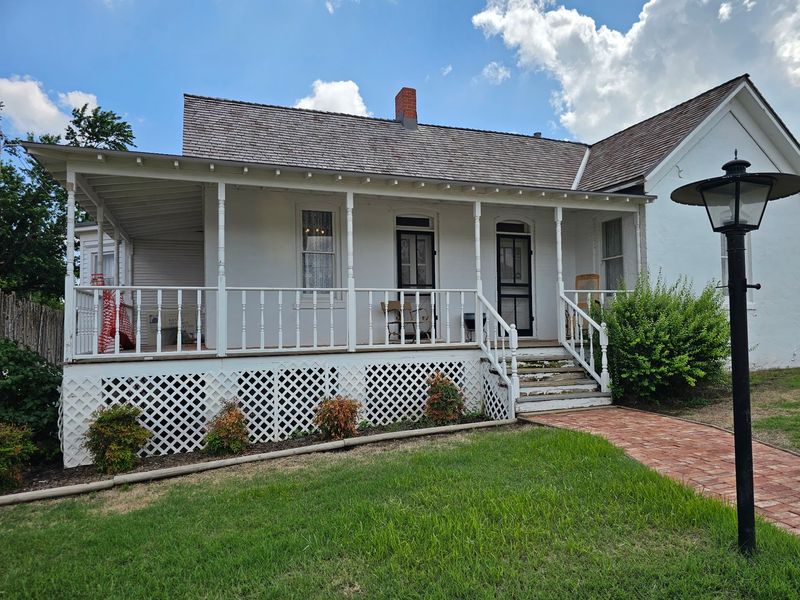
Carry Nation is best remembered for walking into saloons with a hatchet and making her objections to them extremely clear, but the quiet house in Medicine Lodge where that campaign took shape tells a more layered story.
Nation and her husband David moved into this home in 1890, and it was during her years here that her activism intensified from speeches and petitions into the direct confrontations that made her nationally famous. The house contains period furnishings along with memorabilia and personal objects she actually owned and used during her lifetime.
The contrast between the modest, peaceful house and the confrontational public figure who lived in it is part of what makes a visit here so interesting. Nation was a genuinely complex person whose motivations went well beyond simple rule-breaking, and the exhibits reflect that complexity.
The site is maintained by the Kansas Historical Society and is open for tours.
10. William Allen White House State Historic Site, Emporia, Kansas
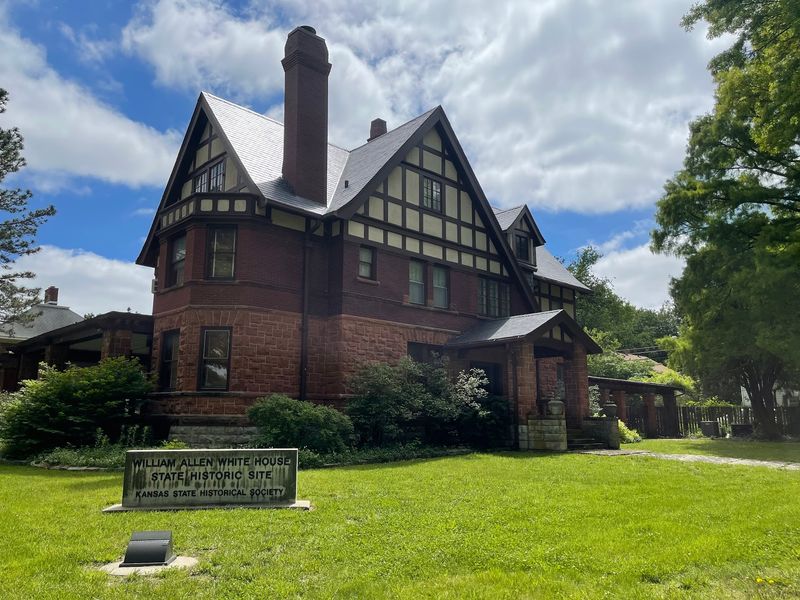
William Allen White bought this Emporia house in 1899, and for the next 45 years it served as the home base for one of the most influential newspaper editors in American history.
From the Emporia Gazette, White shaped national political conversations, corresponded with presidents, and became a trusted public voice during some of the most turbulent decades of the 20th century. His circle included Theodore Roosevelt, Herbert Hoover, and Franklin Roosevelt, among others.
He won the Pulitzer Prize twice, in 1923 and 1947, the second awarded posthumously.
The house itself is a handsome late-Victorian structure that gives visitors a personal look at the domestic setting behind White’s very public career. For anyone interested in journalism, American political history, or the Progressive Era, this is one of the most rewarding and underappreciated historic houses in the state.
Tours are available through the Kansas Historical Society.
11. Chrysler Boyhood Home and Museum, Ellis, Kansas
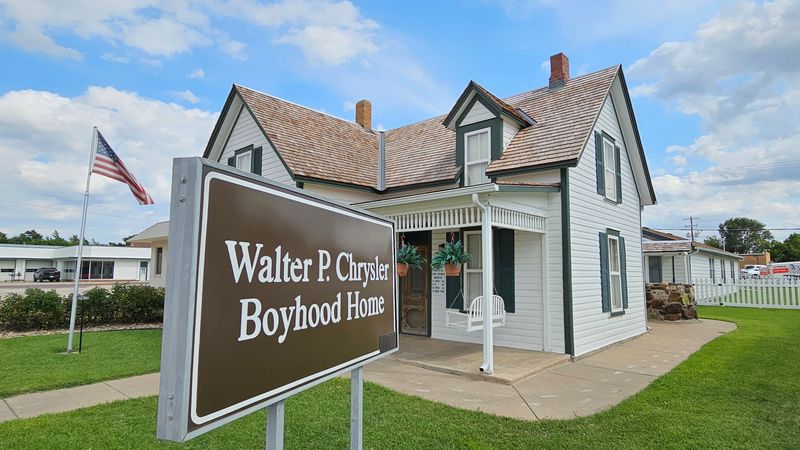
There is nothing about the small railroad town of Ellis, Kansas, that obviously suggests it would produce the founder of one of America’s major automobile companies, which is exactly what makes this stop so satisfying.
Walter P. Chrysler’s family lived in this modest house from 1889 until 1908, during the years when the mechanically curious young Chrysler was developing the skills and interests that would eventually lead him to revolutionize the American auto industry.
He started as a railroad mechanic before moving into automobile manufacturing, and the Ellis years were foundational.
The restored home is accompanied by a separate museum building displaying personal items associated with Chrysler, including tools and objects connected to his mechanical career. The small-town surroundings make the story feel both improbable and entirely believable at the same time.
Ellis is easy to reach along Interstate 70, making this a natural stop on a cross-state drive.
12. Buffalo Bill Cultural Center, Oakley, Kansas
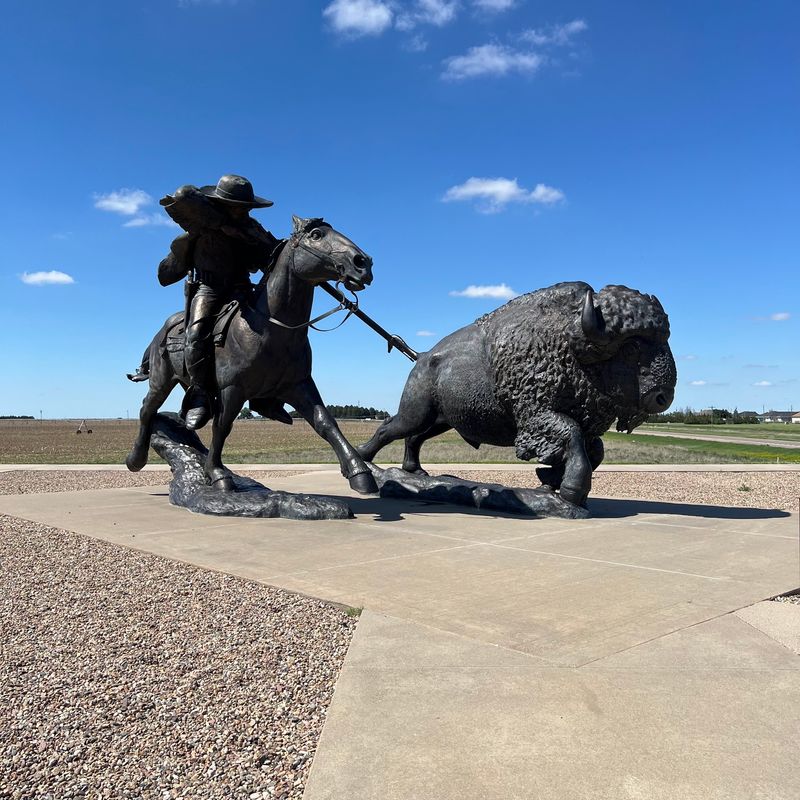
You will not miss the Buffalo Bill Cultural Center from the highway. A massive bronze sculpture of William F.
Cody mounted on horseback and chasing a buffalo stands beside the road like a roadside exclamation point, dedicated in 2004 and visible from a considerable distance.
Local historical research connects Cody to Logan County through a buffalo-hunting contest, and the sculpture commemorates that regional chapter of his story. Inside, the cultural center expands well beyond Buffalo Bill himself, covering the Western Cattle Trail, regional plains history, and the wider cultural context of the frontier era.
The exhibits are genuinely informative rather than simply decorative, and the combination of the dramatic outdoor sculpture and the indoor displays makes for a more complete visit than a quick roadside photo stop. Oakley sits along Interstate 70, so the center works well as a planned break on a longer Kansas drive.
13. Home on the Range Cabin, Athol, Kansas
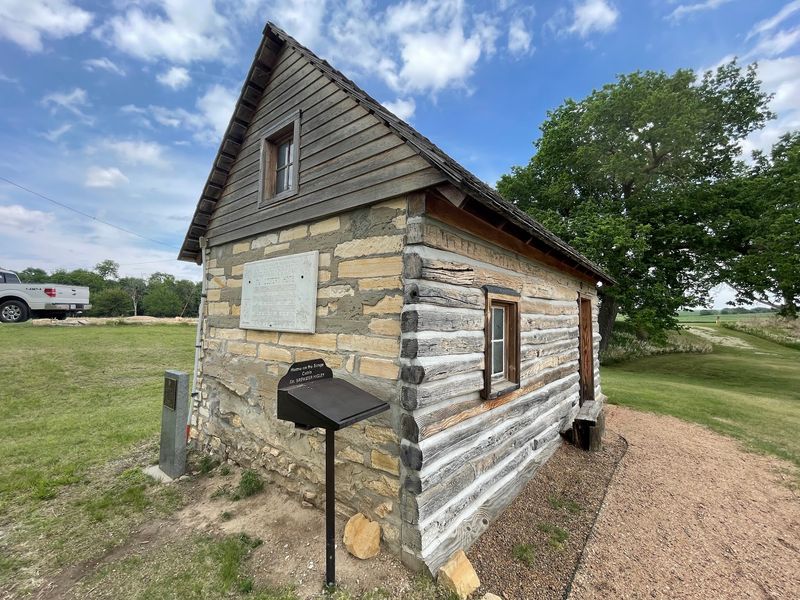
Most people have hummed “Home on the Range” at some point without ever wondering where the song actually came from, and the answer turns out to be a small cabin along West Beaver Creek in north-central Kansas.
Dr. Brewster M. Higley wrote the poem he called My Western Home while living at this site in the early 1870s.
His friend Daniel Kelley later set the words to music, and the song gradually spread across the country, eventually becoming the official Kansas state song in 1947.
The restored cabin stands in the open landscape that directly inspired Higley’s writing, which gives the location an authenticity that is hard to manufacture. The surrounding plains look much as they would have in Higley’s time, and that continuity between the setting and the song is genuinely moving without requiring any theatrical staging to make the point.
The site is free to visit and maintained by a local preservation group.
14. Kansas State Capitol, Topeka, Kansas
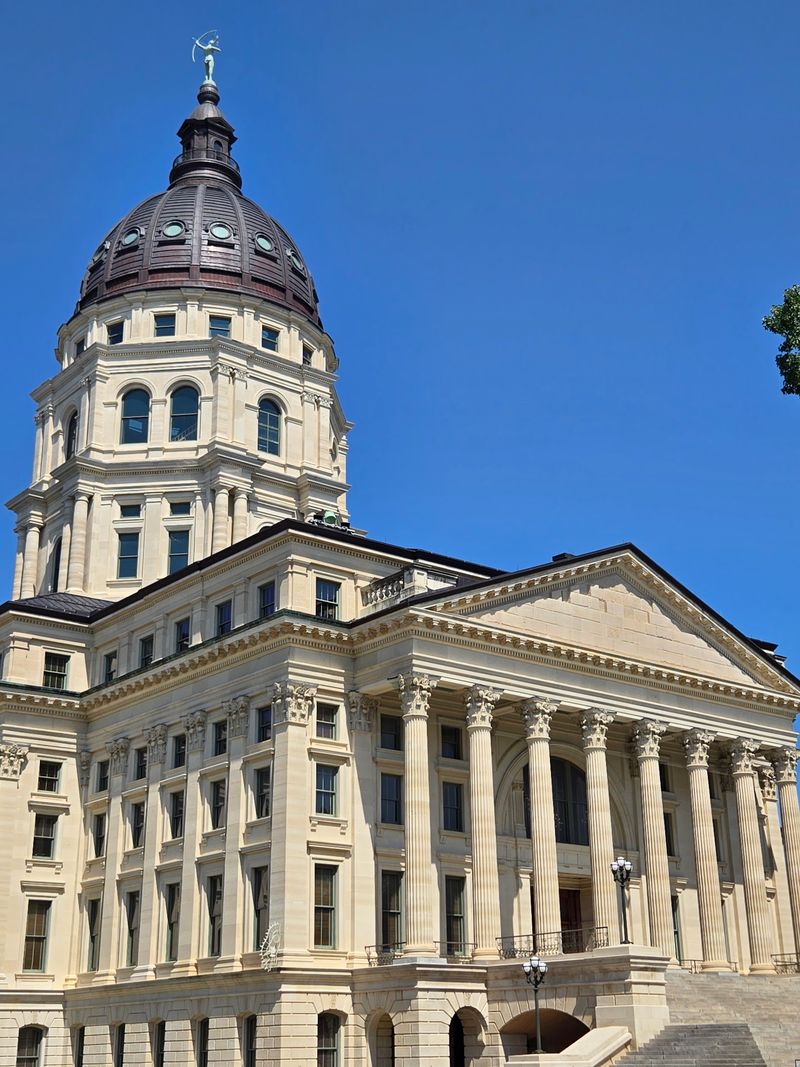
A state capitol building is usually worth a visit for its architecture alone, but the Kansas State Capitol in Topeka offers something extra: a set of murals by John Steuart Curry that turned into one of the most talked-about art controversies in the state’s history.
Curry, one of America’s leading Regionalist painters, was commissioned in 1937 to create murals depicting Kansas history. His most famous panel, Tragic Prelude, shows abolitionist John Brown as a towering, almost mythic figure against a stormy sky.
The murals generated significant controversy during Curry’s lifetime, and disagreements over the project were serious enough that he ultimately left them unsigned and never completed his original plan.
Today, the murals are considered landmarks of American Regionalist art and are a central reason to visit the Capitol beyond the standard architectural tour. Free guided tours of the building are available, and the murals alone justify the stop.
Share this story