Five years before the Civil War began, armed groups were already fighting over slavery in Kansas. In June 1856, abolitionist John Brown forced a proslavery militia leader to surrender after a three-hour battle near the Santa Fe Trail.
That was only one chapter of Bleeding Kansas. Proslavery forces attacked Lawrence, rival governments fought for control of the territory, and a massacre in Linn County left five free-state settlers dead.
Many of the places connected to these events still stand. Visitors can explore the halls where competing constitutions were drafted, walk historic battlefields, and see a cabin that sheltered people escaping slavery.
These 12 Kansas sites reveal how a national conflict was already turning violent years before the first shots at Fort Sumter.
1. Black Jack Battlefield and Nature Park, Wellsville, Kansas
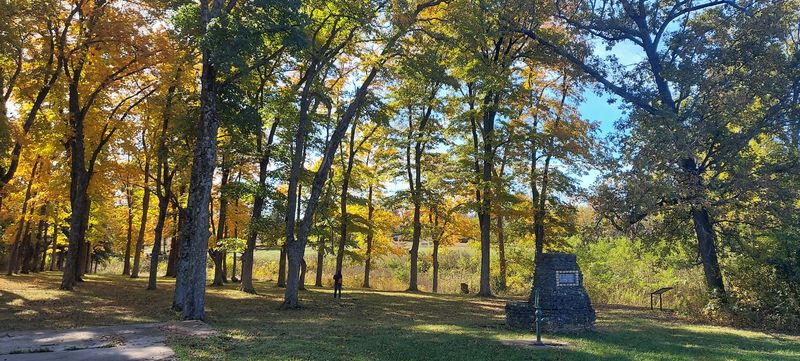
June 2, 1856, brought gunfire to a patch of prairie near the Santa Fe Trail. John Brown and his small band of free-state fighters faced proslavery forces led by Henry Clay Pate.
After about three hours, Pate surrendered. Brown had tricked him into a meeting under a flag of truce, then refused to let him go.
Some historians describe this clash as one of the first battles of the Civil War.
Today the site is a peaceful park with walking trails through restored prairie. Interpretive signs mark key spots and explain how the fighting unfolded.
You can also see Santa Fe Trail ruts nearby, which shows how busy this area once was.
Wear sturdy shoes and bring water, since much of the site is outdoors. The nearby Pearson house is open during special events, so check ahead if you want to see inside.
Address: 163 E 2000 Road, Wellsville, KS 66092
2. John Brown Museum State Historic Site, Osawatomie, Kansas
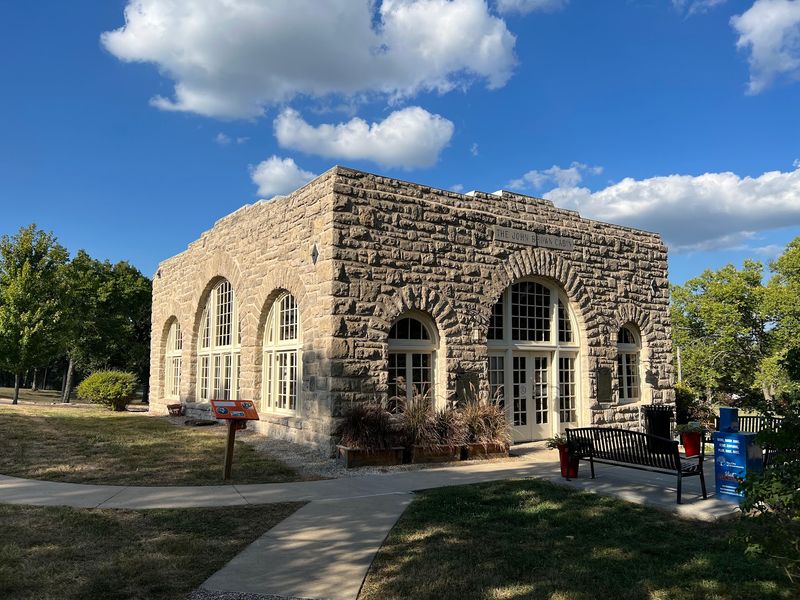
Here is a fun twist: the log cabin at this museum sits inside a stone building built to protect it. The cabin belonged to Reverend Samuel Adair and his wife, Florella, who was John Brown’s half-sister.
Brown stayed with the Adairs during his time in Kansas and used the cabin as a base. The family also helped people escaping slavery, which links the home to the Underground Railroad.
Inside, you can see period furniture and items connected to the family. Exhibits explain how ordinary settlers got pulled into a dangerous fight over freedom.
The cabin is small, so you can picture daily life in tight quarters.
The museum sits inside John Brown Memorial Park, so you get two stops in one trip. Hours are limited, so check the state historic site calendar before driving out.
Address: 10th and Main Streets, Osawatomie, KS 66064
3. John Brown Memorial Park, Osawatomie, Kansas
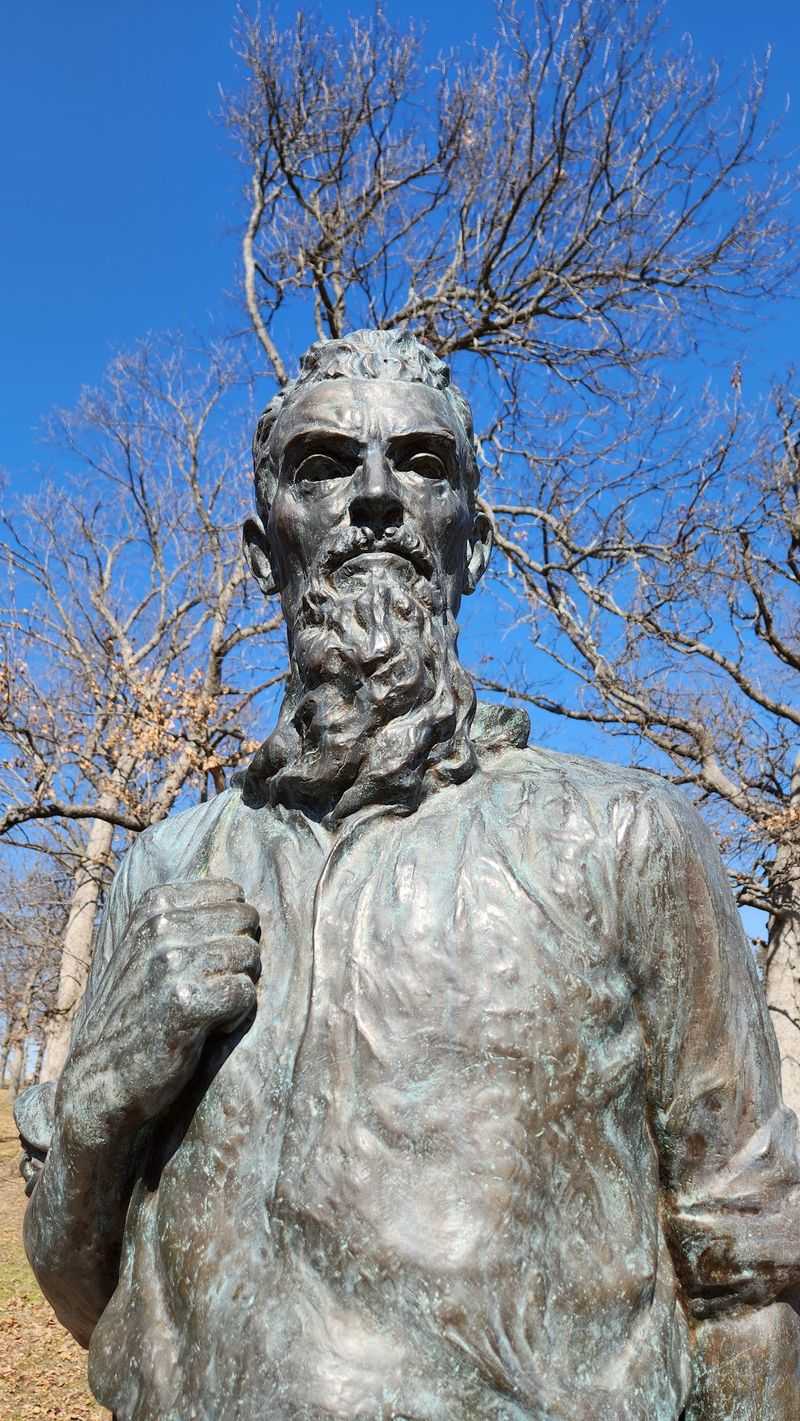
Ever wonder how a small farm town ended up on history maps? On August 30, 1856, about 250 proslavery men attacked Osawatomie, and John Brown led a much smaller group trying to defend it.
The defenders could not hold the town, and much of it burned. Still, the fight made Brown famous, and people began calling him Osawatomie Brown.
The park honors that day with a bronze statue of Brown and a monument to those who fought. President Theodore Roosevelt gave his well-known New Nationalism speech here in 1910, which adds another chapter to the grounds.
Open lawns and shade trees make this a nice place to stretch your legs. Pack a lunch and read the markers before or after touring the museum cabin.
Kids often enjoy finding the statue first and then hearing the story behind it.
Address: 10th and Main Streets, Osawatomie, KS 66064
4. Territorial Capital Museum, Lecompton, Kansas
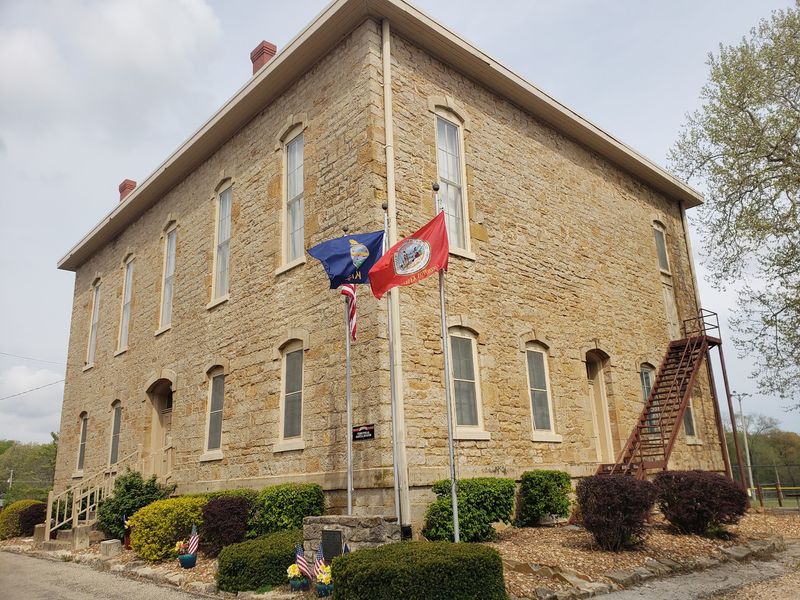
Limestone walls on a hill in Lecompton were first meant for a capitol building that never got finished. The foundation was later used for Lane University, a college that opened in 1865.
Here is a fun fact: the parents of President Dwight D. Eisenhower met as students at Lane University.
That little detail surprises plenty of people who stop by.
Today the building houses the Territorial Capital Museum, run by the Lecompton Historical Society. Exhibits cover the clash between proslavery and free-state groups and how Lecompton became nationally famous.
You can also learn about the town’s life after the territorial years ended.
Because it sits just a few blocks from Constitution Hall, it makes an easy second stop. Volunteers help run the museum, so it is smart to confirm open days before you visit.
Address: 640 East Woodson Avenue, Lecompton, KS 66050
5. Watkins Museum of History, Lawrence, Kansas
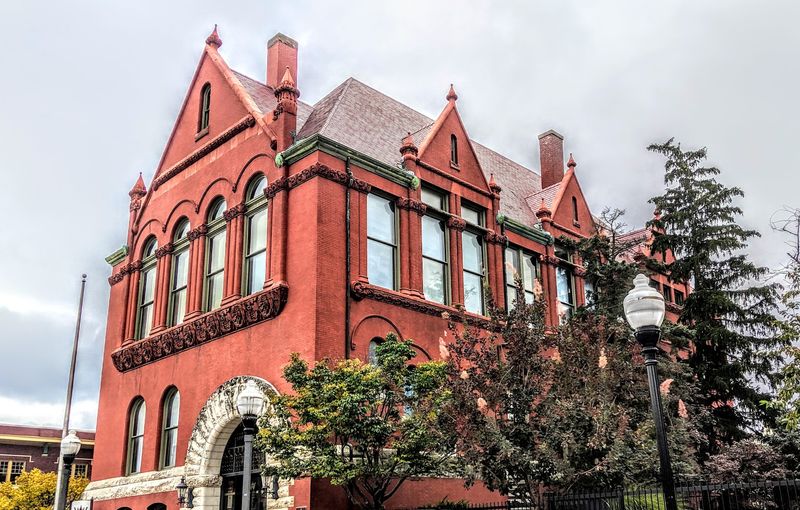
Few towns in Kansas paid a higher price for its beliefs than Lawrence. Founded by antislavery settlers from New England, the town became a big target during the territorial years.
In May 1856, a proslavery posse sacked Lawrence, wrecking newspaper offices and burning the Free State Hotel. In August 1863, William Quantrill’s raiders struck again, destroying much of the town and taking about 150 lives.
The Watkins Museum tells both stories across several floors of exhibits. It is housed in an 1888 brick building that once served as a bank, right on Massachusetts Street.
Displays connect the territorial fight with the wider Civil War.
After your visit, take a walk downtown and look for historic markers along the street. The museum also offers walking tour information, which helps you spot places linked to the raid.
Address: 1047 Massachusetts Street, Lawrence, KS 66044
6. Fort Scott National Historic Site, Fort Scott, Kansas
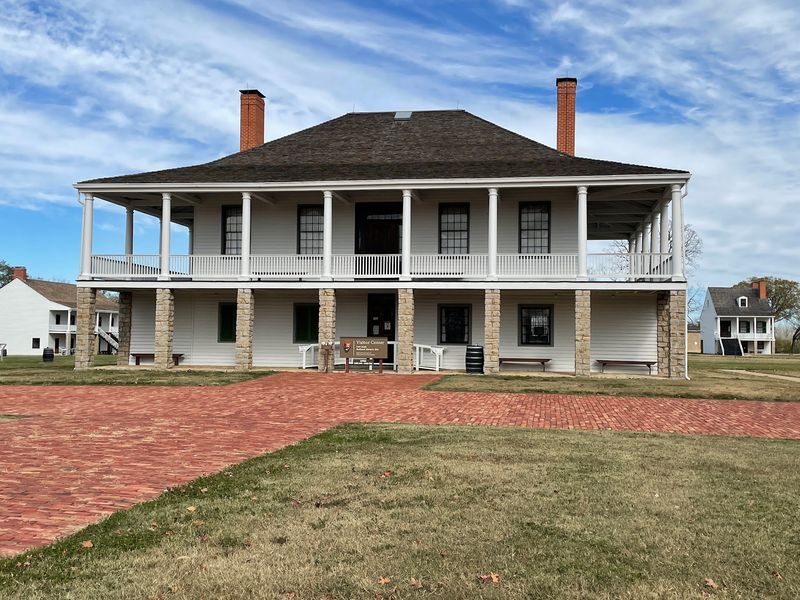
Soldiers built this fort in 1842 to keep peace on the frontier, not to referee a fight among settlers. By the 1850s, though, the town around the old fort was split down the middle.
Proslavery supporters gathered at one former fort building, while free-state supporters used another across the parade ground. Picture two hotels facing off across a lawn, and you get the idea.
The National Park Service now cares for more than 20 historic structures, some original and some rebuilt. Rooms are furnished to show barracks, officers’ quarters, a hospital, and more.
Exhibits cover soldiers, settlers, and Black Union troops who later served here.
Plan at least two hours to explore, since the grounds cover a good amount of space. Ranger talks and living history events happen at certain times of year, so check the park calendar.
Address: 1 Old Fort Boulevard, Fort Scott, KS 66701
7. Marais des Cygnes Massacre State Historic Site, Near Trading Post, Kansas
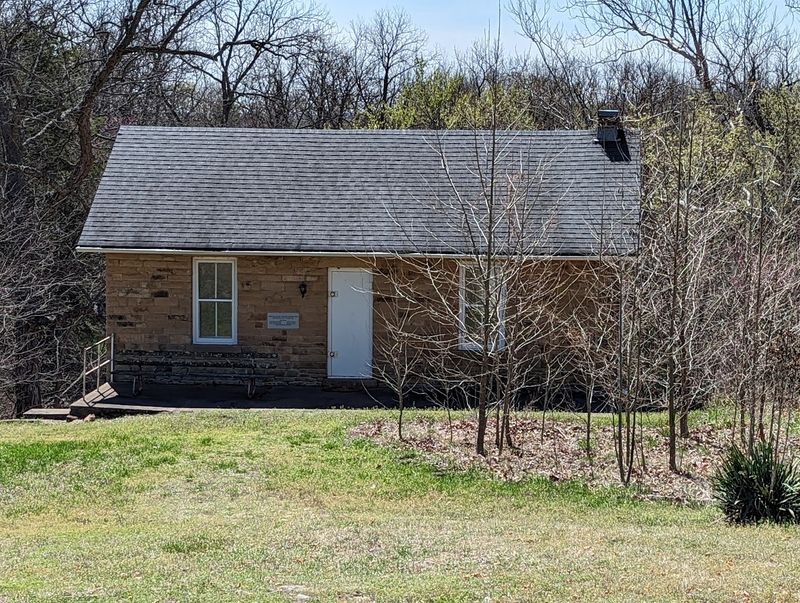
A quiet ravine in Linn County holds one of the saddest stories of the era. On May 19, 1858, proslavery raiders led by Charles Hamelton rounded up 11 free-state men.
The captives were lined up in the ravine and shot. Five men lost their lives, five were wounded, and one escaped harm by pretending to be hit.
News of the attack spread quickly and angered people across the North. Poet John Greenleaf Whittier even wrote a poem about it.
Today, signs along a short trail guide you through what happened.
A stone house built by Eli Snyder stands on the property, and a memorial honors the victims. This is a reflective stop, so take your time and read each marker.
The setting is peaceful, which makes the history feel even more powerful.
Address: 26426 East 1700 Road, Pleasanton, KS 66075
8. Shawnee Indian Mission State Historic Site, Fairway, Kansas
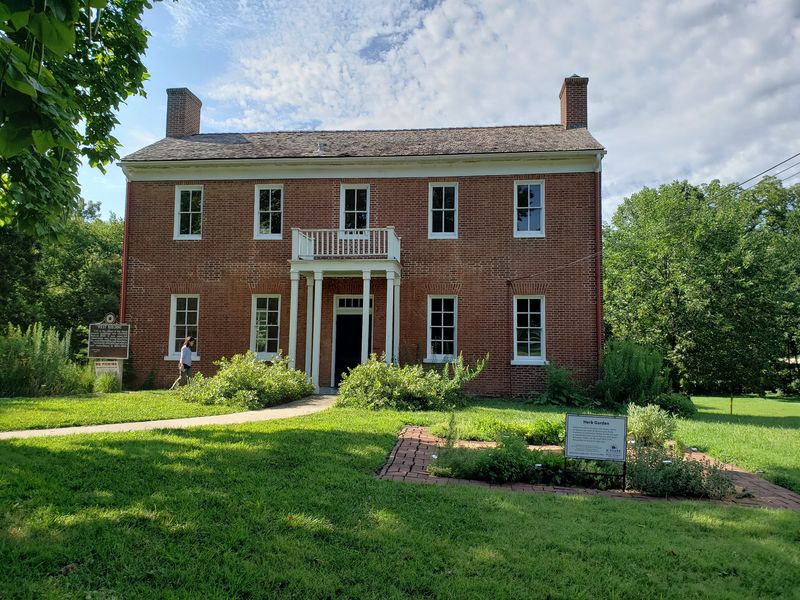
Brick buildings in a Kansas City suburb once hosted the so-called Bogus Legislature. In 1855, proslavery lawmakers, many elected with help from Missouri voters crossing the border, met here and passed harsh laws.
Those laws made it a crime to even question slavery in the territory. Free-state settlers refused to accept them, which pushed tensions even higher.
The mission itself began as a Methodist school for Native American children, including Shawnee and Delaware students. Three original buildings from the 1840s still stand.
Exhibits share the stories of Native families, missionaries, and travelers on the Santa Fe and Oregon trails.
The grounds cover about 12 acres and work well for a short stroll. Building hours can vary, so check the schedule if you want to tour inside.
The layered history makes this stop feel very different from the others.
Address: 3403 West 53rd Street, Fairway, KS 66205
9. Constitution Hall State Historic Site, Lecompton, Kansas
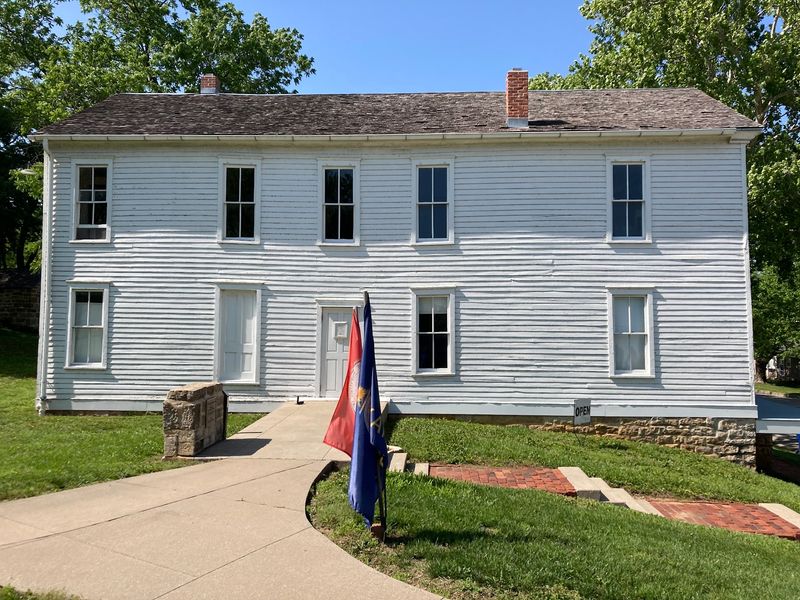
A plain wooden building in a small river town once had Congress and the president arguing about Kansas. Constitution Hall went up in 1856, and in 1857 delegates met here to write the proslavery Lecompton Constitution.
That document caused a national uproar. President James Buchanan supported it, but many people said it ignored what most Kansas settlers wanted.
The fight split the Democratic Party and helped set the stage for the 1860 election.
Inside, you can walk through the rooms where the convention met and the federal land office once did business. Exhibits explain how voting fraud, rival governments, and angry debates shaped the territory.
It helps to read the panels slowly, since the story has a lot of twists.
Lecompton is small, so you can easily pair this stop with other historic spots in town. Check the Kansas Historical Society schedule before you go, because hours can change by season.
Address: 319 Elmore Street, Lecompton, KS 66050
10. Constitution Hall, Topeka, Kansas
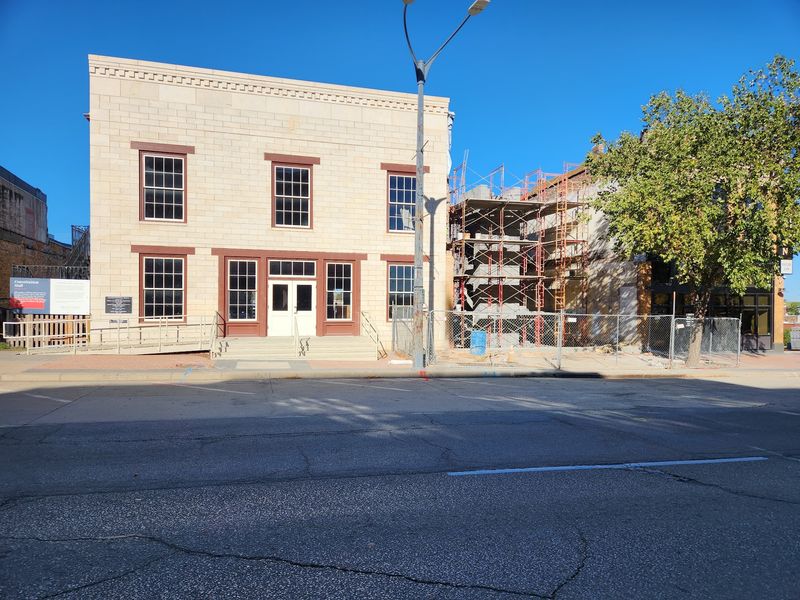
Free-state leaders had their own plan, and they put it on paper in Topeka. In 1855, delegates gathered in this downtown building to write the antislavery Topeka Constitution.
Their goal was to show Congress that most settlers wanted Kansas to be free. The territorial government called the effort illegal, and federal troops broke up the free-state legislature here in 1856.
So Kansas ended up with two rival governments, each claiming to be in charge. The building is one of the few places where you can see that showdown in brick and stone.
It also has ties to Underground Railroad activity in the city.
The building has been restored, but inside access can be limited. Confirm hours before visiting, or enjoy the exterior and markers during a walk along Kansas Avenue.
Address: 429 South Kansas Avenue, Topeka, KS 66603
11. Grover Barn, Lawrence, Kansas
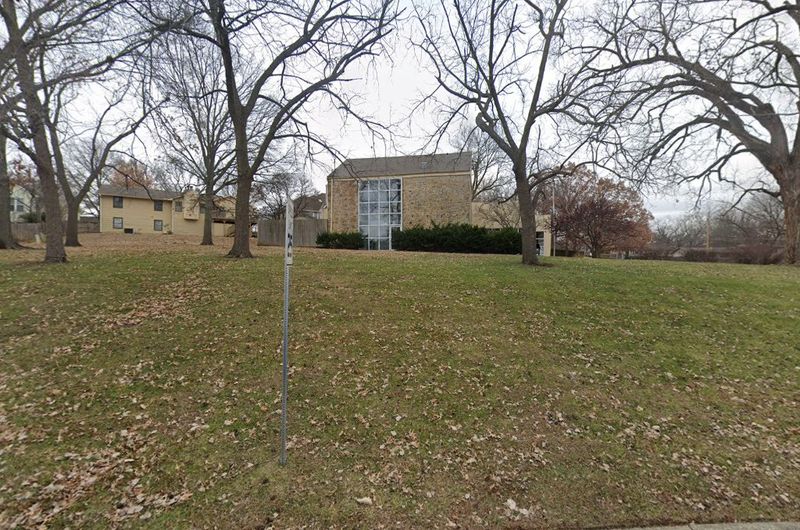
Not every brave act happened on a battlefield. Joel and Emily Grover built a limestone barn west of Lawrence in 1858, and it soon became a secret stop on the Underground Railroad.
In January 1859, John Brown sheltered a group of 11 freedom seekers here during a bitter winter journey. The group had escaped from Missouri, and they later reached freedom in Canada.
The barn is listed on the National Register of Historic Places. Today it serves as a fire station, which makes it an unusual landmark to spot.
A historical marker shares its story with anyone passing by.
Since the building is in use, treat it as an outside stop and respect posted rules. It is a quick visit, but it reminds you that families risked a great deal to help others find freedom.
Address: 2819 Stonebarn Terrace, Lawrence, KS 66047
12. Wakarusa River Valley Heritage Museum, Lawrence, Kansas
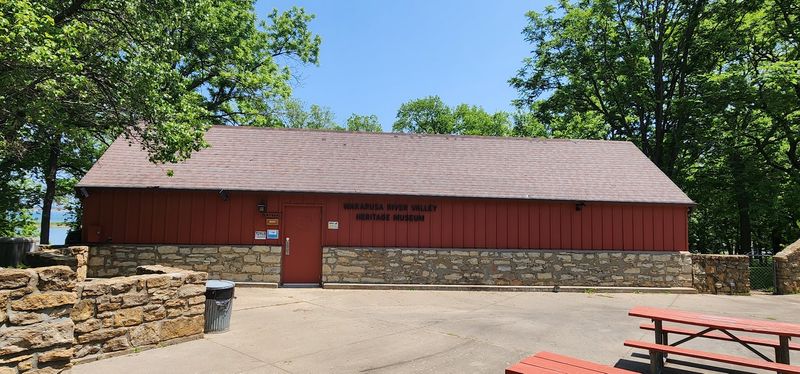
When Clinton Lake was created in the 1970s, several small towns in the Wakarusa Valley disappeared under the water. This museum keeps their stories alive.
Exhibits share photos, objects, and family histories from communities like Bloomington, Clinton, and Belvoir. You can learn how early settlers farmed, built schools, and worshiped together.
The valley also played a part in Bleeding Kansas. The 1855 standoff known as the Wakarusa War took its name from this river area, and local families had ties to abolitionist work and the Underground Railroad.
Displays highlight these lesser-known links.
The museum sits in Bloomington Park, so you can combine history with a lakeside picnic or walk. Volunteers run it, and it is usually open on a seasonal schedule.
Check ahead before planning your trip, especially in colder months.
Address: 1007 North 1271 Road, Lawrence, KS 66047
Share this story