A small arboretum in Hesston, Kansas, has nearly 30 acres dedicated to native wildflowers, prairie grasses, trees, and wildlife. Visitors can explore a reconstructed tallgrass prairie, walk through butterfly gardens, and follow paths around a pond.
Dyck Arboretum of the Plains also hosts one of the region’s largest native plant sales twice a year, giving gardeners a chance to buy plants suited to Kansas conditions.
The grounds are open year-round, and the experience changes with the seasons. Spring wildflowers, summer butterflies, fall prairie grasses, and a special holiday light event give visitors different reasons to return.
A Prairie Garden With a Small-Town Address
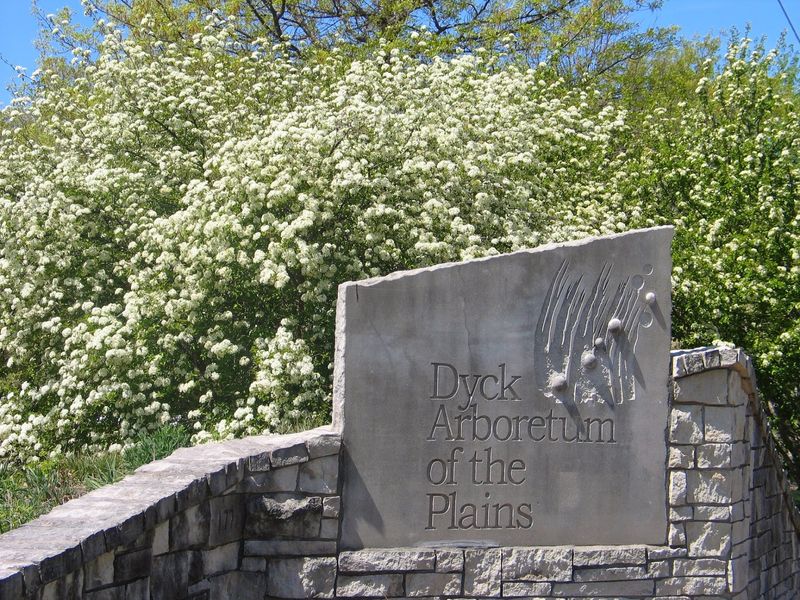
Plenty of gardens import their stars from other continents. Dyck Arboretum of the Plains sticks close to home, focusing on the grasses, flowers, shrubs, and trees that belong in Kansas.
You can find it at 177 W Hickory St in Hesston, Kansas, a small town in the south-central part of the state. It sits close to Hesston College, so it’s easy to reach from Interstate 135.
Some travelers have even found it after spotting the arboretum sign from the highway.
The grounds are open to visitors from early morning into the evening, which makes a sunrise or after-dinner stroll easy to plan. I like that it works as both a quiet park and an outdoor classroom.
What catches my attention is the mission behind it all. The arboretum works to show people how valuable native plants are, both for wildlife and for home landscapes.
That idea shapes almost everything you’ll see on the property.
So instead of a fancy rose collection, expect tall grasses swaying beside bright coneflowers. It may feel humble at first, but each plant has a story tied to the land beneath your feet, starting with the prairie itself.
Tallgrass Prairie You Can Walk Right Through
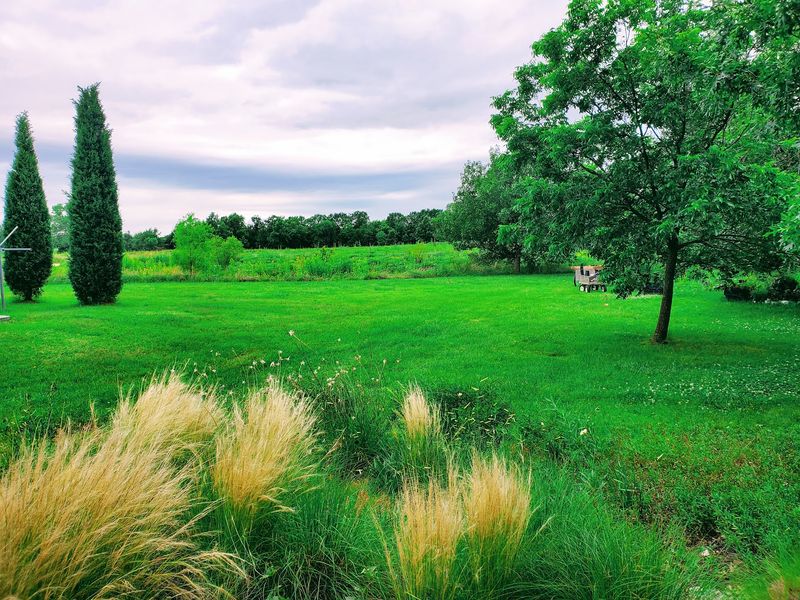
Long before wheat fields, much of Kansas was covered in waving prairie grass. The arboretum keeps a piece of that landscape alive so visitors can see it up close.
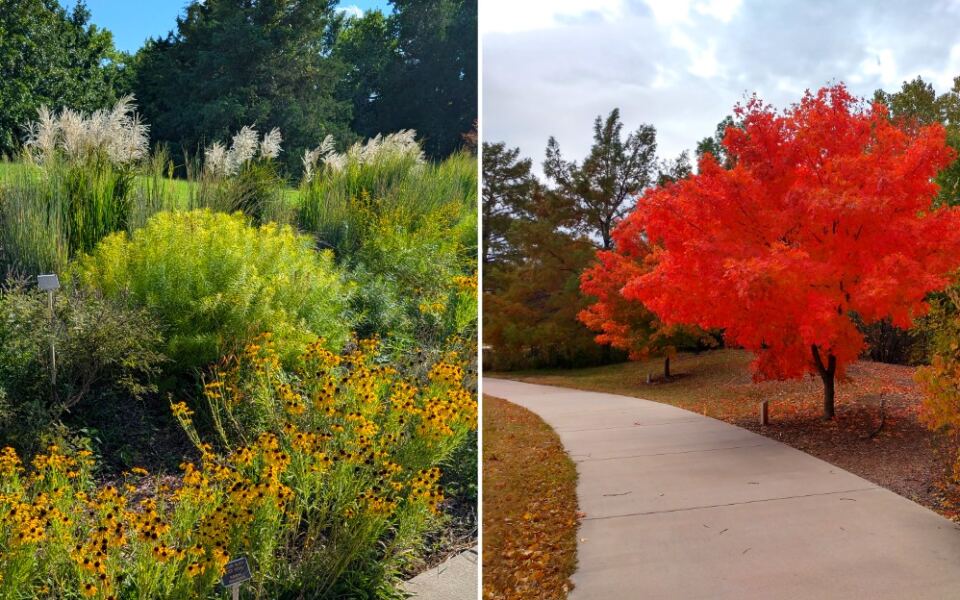
Native grasses such as big bluestem, little bluestem, and switchgrass grow here alongside wildflowers. Many of these plants have deep roots that help them survive heat, wind, and dry spells.
That toughness is one reason prairie plants handle Kansas weather so well.
Walking beside the grasses gives you a sense of scale. In late summer and fall, some of them grow taller than many adults.
Their colors also shift through the seasons, from green to rusty red and gold.
I’d suggest slowing down here rather than hurrying past. Look closely and you’ll often spot grasshoppers, butterflies, and birds moving through the stems.
The prairie is busy, even when it looks calm from a distance.
Fun fact: prairie roots can reach many feet underground, much deeper than a typical lawn. Those roots help hold soil in place and soak up rain.
Once you know that, a patch of grass suddenly seems a lot more impressive.
Wildflowers That Belong on the Plains
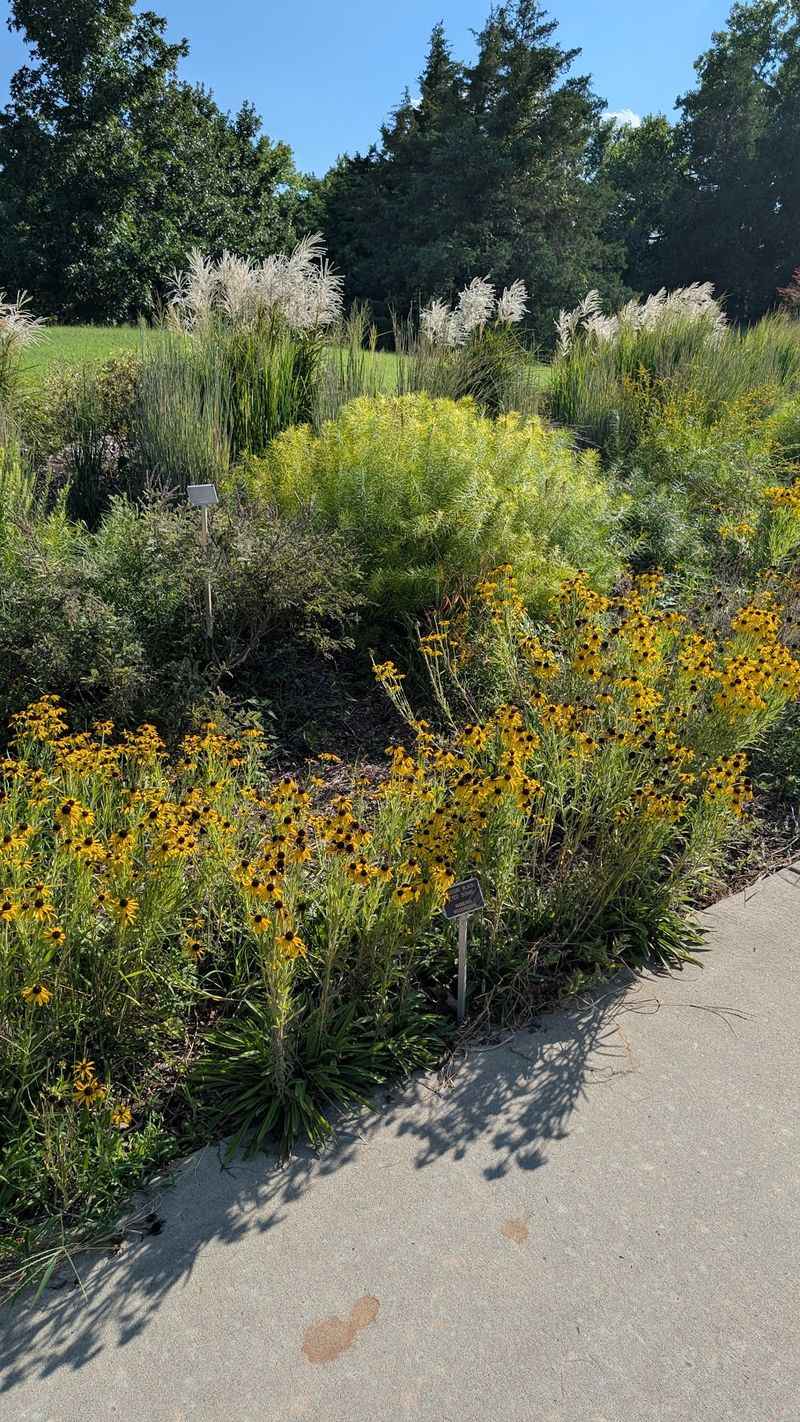
Purple coneflowers, black-eyed Susans, and bee balm might sound like a garden catalog list. At this arboretum, they are the local heroes, blooming in spots designed to show off native beauty.
Many wildflowers here are species that grow naturally across Kansas. Some, like woodland phlox and different types of native Monarda, are plants you rarely see in regular nurseries.
That makes the grounds feel different from most big-city gardens.
Spring brings early bloomers, while summer fills the beds with stronger colors. Late-season flowers keep things going into fall.
The show changes depending on when you visit, so no two trips look quite the same.
I find it fun to compare the flowers from month to month. A spot that looks quiet in April may be bursting with color by July.
Bringing a phone to snap pictures can help you remember plant names for later.
Signs and markers along the paths help identify what you’re seeing. If you fall for a particular flower, write down its name.
You might be able to bring one home during the next big plant sale, which deserves its own section.
Spring and Fall Native Plant Sales
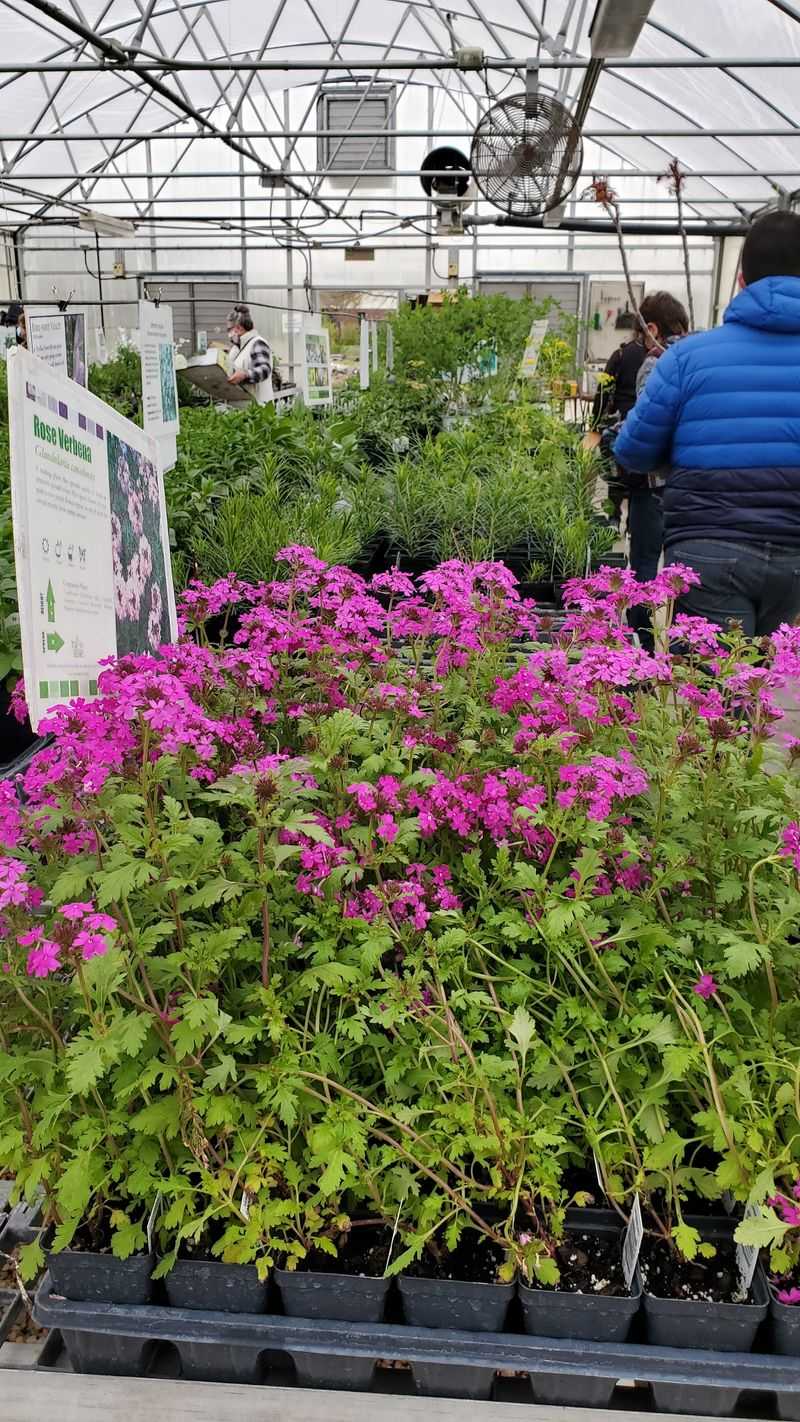
Gardeners circle these dates on their calendars. Each spring and fall, the arboretum holds a native plant sale filled with flowers, grasses, shrubs, and trees suited to Kansas.
Members get special shopping days, and plant lists are posted on the arboretum’s website ahead of time. That means you can plan your shopping before you arrive.
Serious gardeners often show up with a list already in hand.
The variety is a big draw. Shoppers have found everything from woodland phlox to several kinds of native bee balm.
Shade lovers like hosta and goat’s beard have shown up too.
Local vendors sometimes join in as well. Neff Family Farms has sold herbs, tomatoes, and peppers at sale events, adding vegetable garden options to the mix.
My advice is simple: ask questions. The staff knows which plants handle sun, shade, clay soil, or dry spells.
Telling them about your yard can save you from buying something that won’t thrive.
Native plants also tend to need less water once established. That can make your yard easier to care for, while giving local bees and butterflies something to visit.
Turtles Rule the Pond
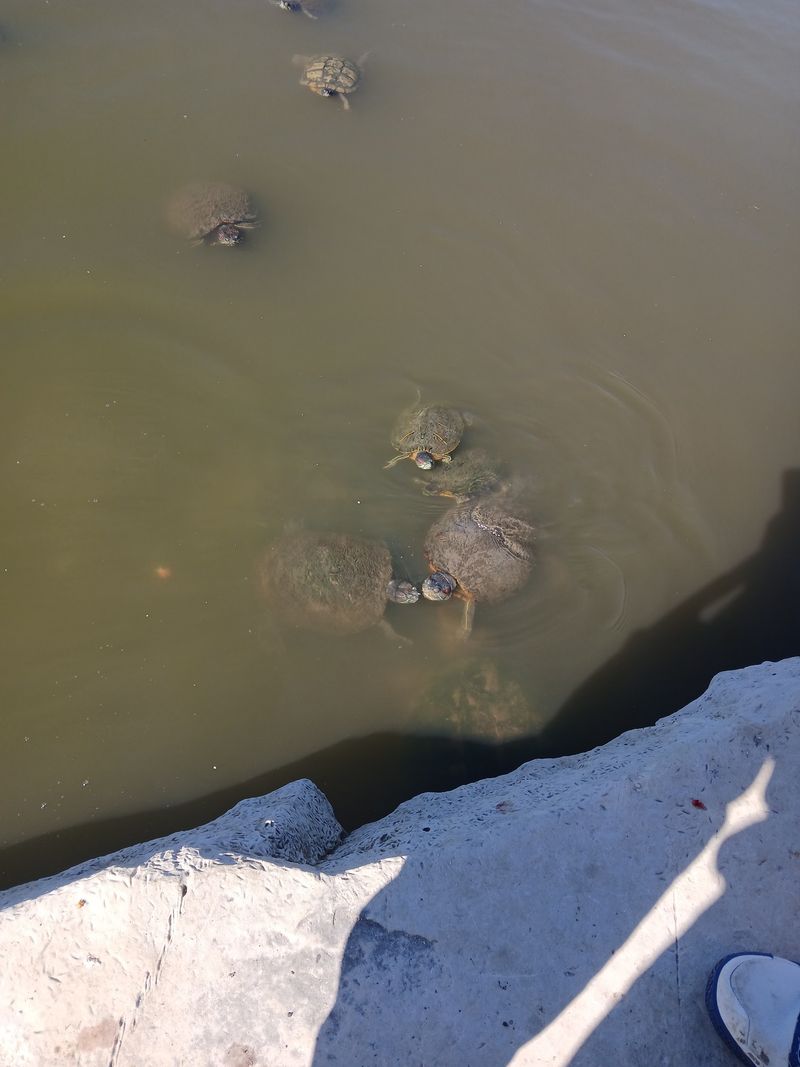
Ask a kid what they liked best, and the answer may not be a flower at all. The pond at the arboretum is famous among visitors for its turtles.
During warmer months, turtles of different sizes and species gather in and around the water. You might see them sunning on logs or poking their heads up near the surface.
Fish swim here too, adding even more movement to the pond.
One longtime visitor mentioned a large softshell turtle that sometimes sneaks up for a snack. Softshell turtles have flat, leathery shells, which look quite different from the hard domed shells most people picture.
Spotting one feels like winning a small prize.
The walking path loops near the pond, so it’s easy to stop and watch. I’d bring a little patience along with your sunscreen.
Turtles tend to slip underwater if people get too loud or move too fast.
Early morning and late afternoon can be good times for wildlife watching, when temperatures are milder. Keep your eyes on the edges of the water.
Herons, dragonflies, and frogs may share the scene with the turtles.
Paved Paths Made for Easy Strolling
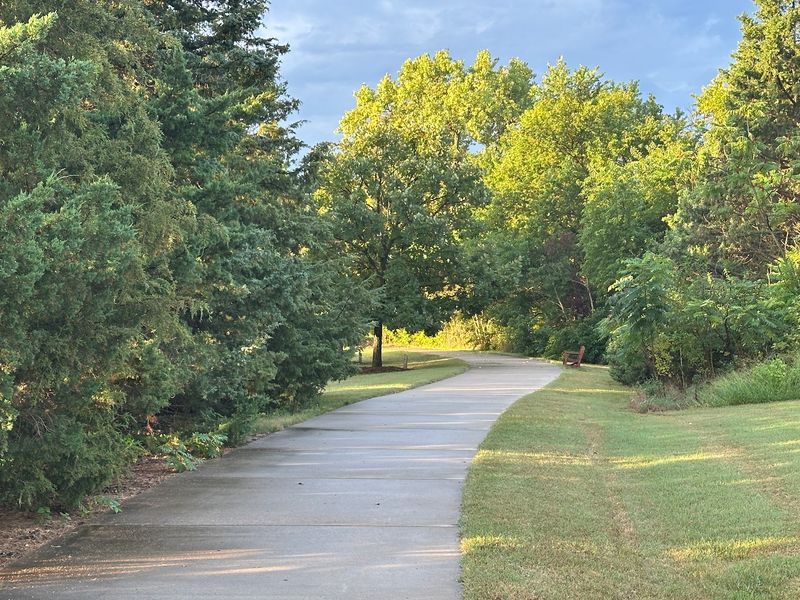
Good news for anyone who prefers smooth ground over muddy hiking trails. The arboretum has a paved path that loops through the gardens, the prairie, and past the pond.
Markers along the way help explain what you’re looking at. This turns an ordinary walk into a mini lesson about Kansas plants.
You can learn something new without ever opening a textbook.
The path works well for many kinds of visitors. Grandparents use it for daily exercise, families bring young kids, and some folks just come to read a book in the shade.
Trees along parts of the route offer cooler spots on hot days.
Since the grounds open early and stay open into the evening, it’s easy to fit in a walk around a busy schedule. A sunrise loop feels quite different from a sunset stroll.
Both have their own quiet appeal.
I like that the route doesn’t feel rushed. You can do a quick lap or stop at every sign.
Either way, the path connects you to nearly every part of the property, including the woodland areas covered next.
Trees and Shrubs That Know Kansas Weather
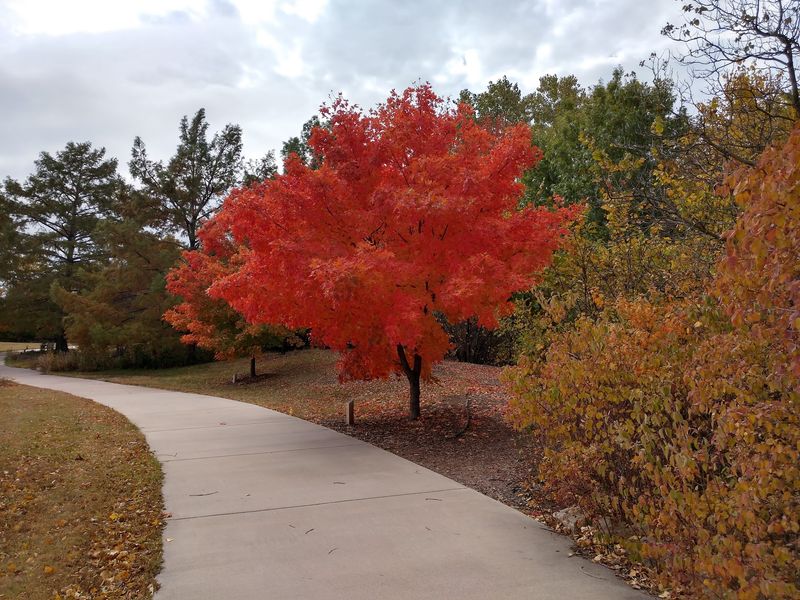
An arboretum is, at heart, a collection of trees. Here, the focus stays on trees and shrubs that can handle Kansas heat, wind, and sudden weather swings.
Shady areas give the grounds a different feel from the open prairie. They show that native landscapes include more than grass.
Woodland edges once lined creeks and rivers across the state.
Seeing these plants in person helps homeowners make smart choices. You can check how big a tree grows, how wide a shrub spreads, and how it looks across seasons.
That beats guessing from a tiny tag at a store.
Many visitors have bought shrubs and trees at the plant sales and later planted them at home. Learning what grows well locally can mean fewer plants lost to drought or cold snaps.
Here’s a quick tip: notice which trees attract birds. Native trees often feed caterpillars, which then feed baby birds.
A single good tree in a backyard can support far more life than you’d expect.
Shade also matters for people. On a sunny July afternoon, these leafy spots make a walk much more comfortable.
Butterflies, Birds, and Busy Bugs
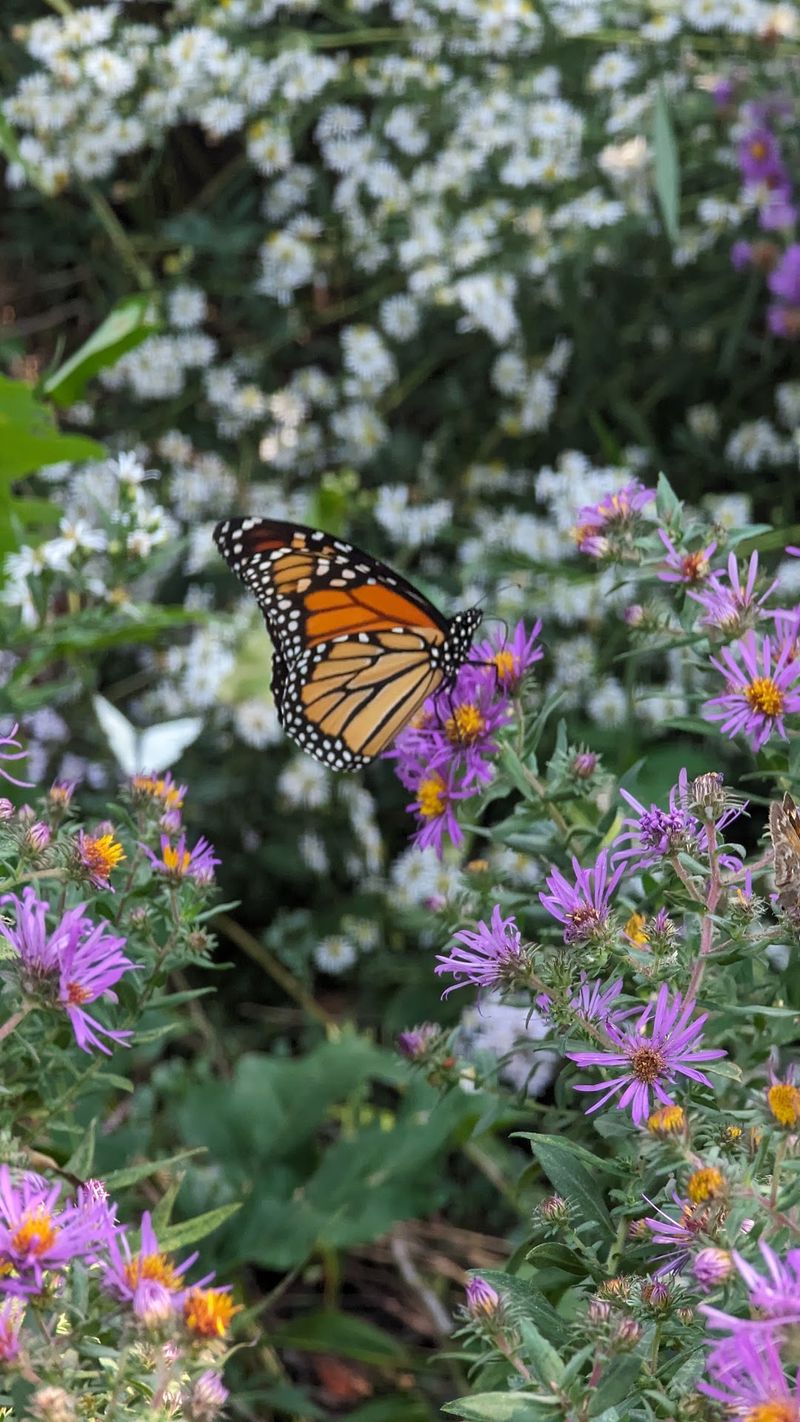
Grow native flowers and the visitors start arriving on their own. That’s exactly what happens across the arboretum, where wildlife seems right at home.
A butterfly garden draws attention from guests, and for good reason. Native flowers provide nectar for butterflies and food for caterpillars.
Many butterflies depend on certain plants to raise their young.
Birds are everywhere too. People often mention hearing them while walking the paths.
Grasshoppers hop through the prairie, and one early visitor even spotted a skunk near the greenhouse path.
For families, this is a great chance to practice observation skills. Try counting how many different insects you can find on a single flower.
Kids usually get surprisingly competitive about it.
I’d bring binoculars if you have them. They make it much easier to spot small birds hiding in shrubs or perched on tall grass stems.
The lesson here goes home with you. Even a small bed of native flowers can attract pollinators to your own yard.
One visitor said they arrived as a weed killer and left as a budding naturalist, which sums up the arboretum’s effect nicely.
Holiday Lights Brighten Winter Evenings
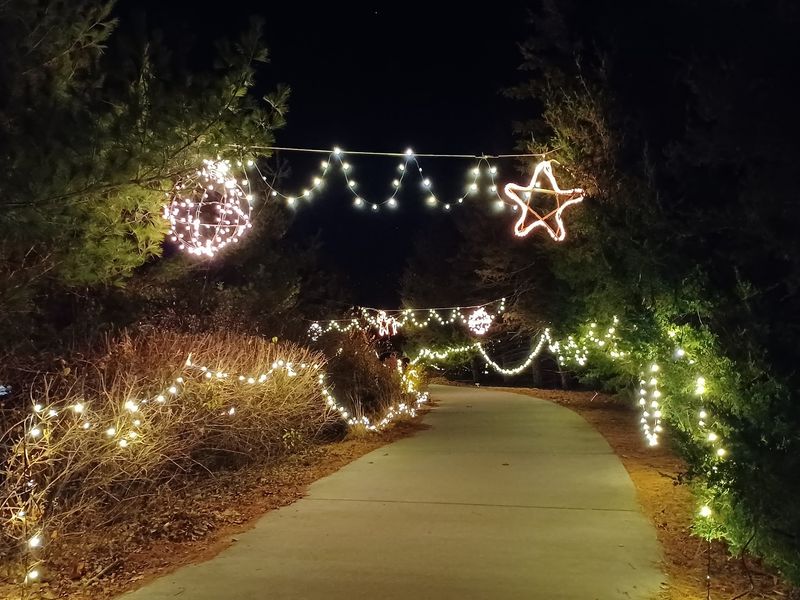
Winter might seem like a quiet time for a prairie garden. Yet when the holiday season rolls around, the arboretum lights up with a Christmas lights display.
Visitors who come for daily walks often return in December just for the lights. Strings of color brighten the paths and plantings after dark.
It gives the grounds a completely different personality.
This is a fun way to see the arboretum in a new season. The grasses may be brown and dormant, but the glowing lights add warmth to chilly nights.
Bundle up, grab a thermos of cocoa, and take it slow.
I like the idea of a garden that welcomes people all year, not only in peak bloom. Families with little ones especially seem to enjoy it.
It makes a nice holiday tradition close to home for people in the Hesston area.
Dates and details can change from year to year, so check the arboretum’s announcements before planning a trip. Arriving after sunset gives the best view.
Dressing in warm layers will make the walk much more enjoyable on a cold Kansas evening.
Memberships, Events, and Helpful Experts
Ask a question about almost any plant here, and someone will probably know the answer. Friendly, knowledgeable staff come up again and again when people talk about this place.
Many visitors end up becoming members. Membership offers perks like early shopping days at the native plant sales.
Some members have supported the arboretum for many years and plan their gardens around those events.
Events happen throughout the year too. Groups come for educational visits, and there are activities designed for children.
It’s a good spot to learn without feeling like you’re sitting in a classroom.
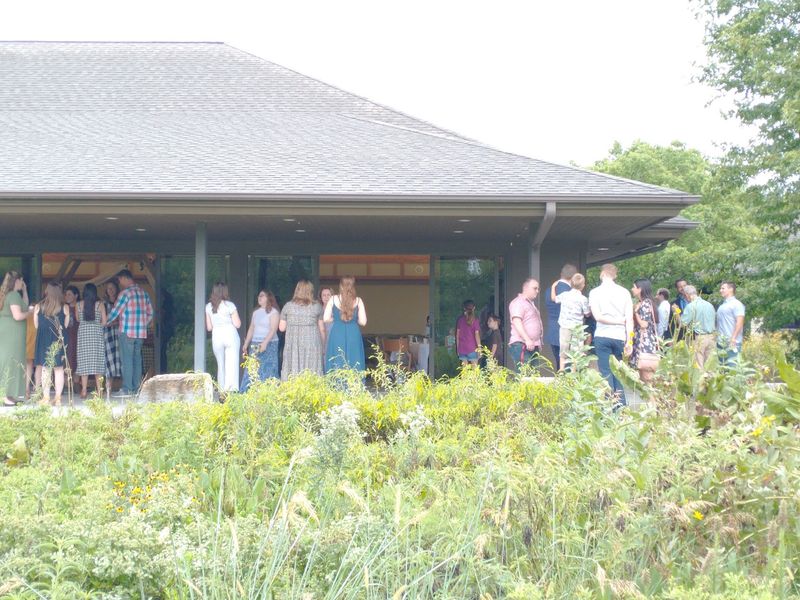
The grounds also host weddings, graduations, reunions, and other gatherings. A prairie setting makes a lovely change from a standard banquet hall.
Anyone planning an event should contact the arboretum directly about availability.
My favorite part is how welcoming the experts are. You don’t need to know Latin plant names to ask for help.
Beginners and seasoned gardeners get the same patient answers.
Leave with a few new plant names and maybe a seedling. Your own backyard could become a small piece of the Kansas prairie.
Share this story