
The 1960s were a decade of rapid change, from the space race to shifting social values, but some things that were completely normal back then would raise serious concerns today. Kids had access to products that modern parents, regulators, and safety experts would consider unthinkable for children.
No special permission, no age verification, and often no adult supervision required. This article looks at 15 real products that children could purchase in the 1960s, exploring why they were accepted then and how attitudes shifted over the decades that followed.
The history behind each item reveals just how dramatically consumer safety standards, public health awareness, and cultural norms have evolved since that era.
1. Cigarettes From Vending Machines
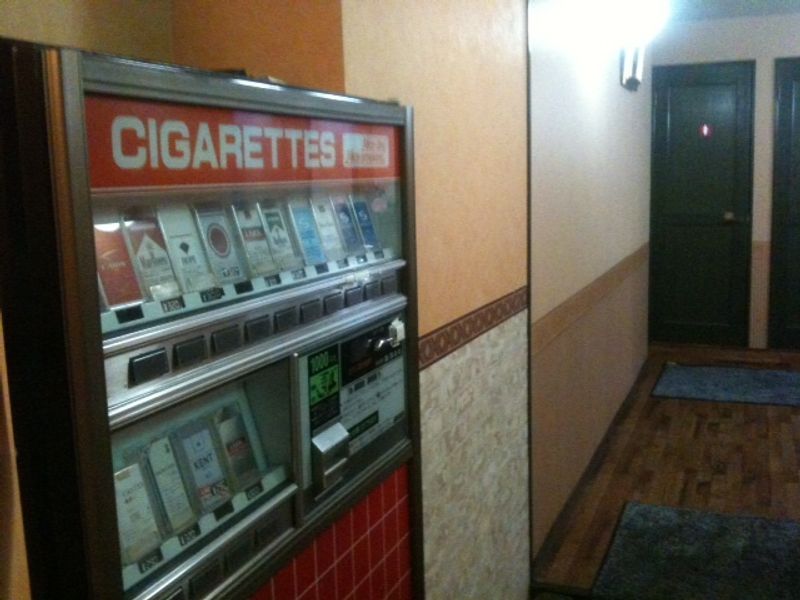
A child could walk up to a cigarette vending machine, drop in some coins, and pull a handle with almost no interference from anyone nearby. These machines were everywhere in the 1960s, stationed in diners, gas stations, hotels, and convenience stores across the United States.
There was no age scanner, no attendant watching, and no federal law blocking the transaction. The cultural acceptance of smoking was so widespread that nearly 42 percent of American adults identified as smokers in 1965.
The first federal health warning appeared on cigarette packs in 1966. Restrictions on vending machine sales began gaining momentum in the 1980s and 1990s.
The FDA ultimately banned tobacco vending machine sales nationwide by 2010, limiting exceptions to adult-only establishments.
2. Candy Cigarettes Made to Look Like the Real Thing
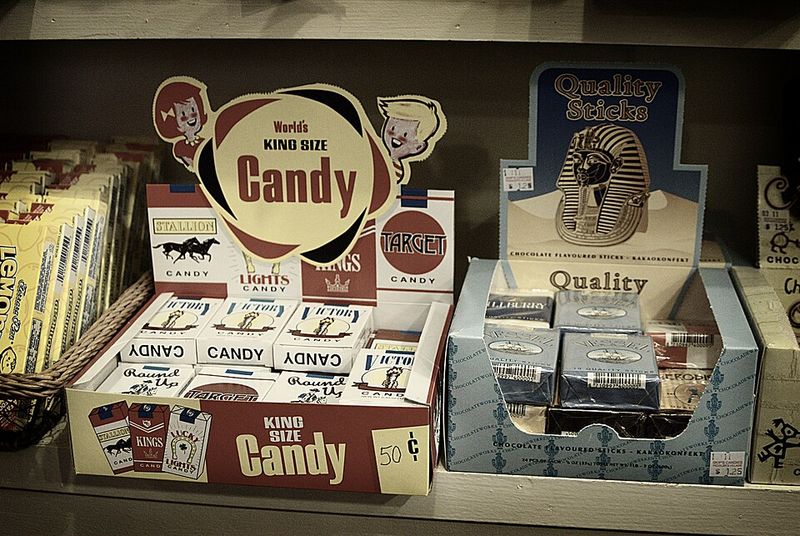
Candy cigarettes were designed with one clear goal: to look as much like the real thing as possible. The packaging mimicked actual cigarette brands, the sticks were white with reddish tips, and some versions even released a puff of powdered sugar when you blew through them.
Manufacturers marketed these directly to children throughout the 1960s, selling them at candy counters and five-and-dime stores without any controversy. Critics later argued that the products normalized cigarette use among young consumers at a formative age.
Several countries banned candy cigarettes outright in the following decades, with Canada restricting them in 1986. The United States never issued a federal ban, though many versions were rebranded as “candy sticks” in later years to reduce the association.
They remain available today, though far less prominently displayed than they once were.
3. BB Guns and Air Rifles
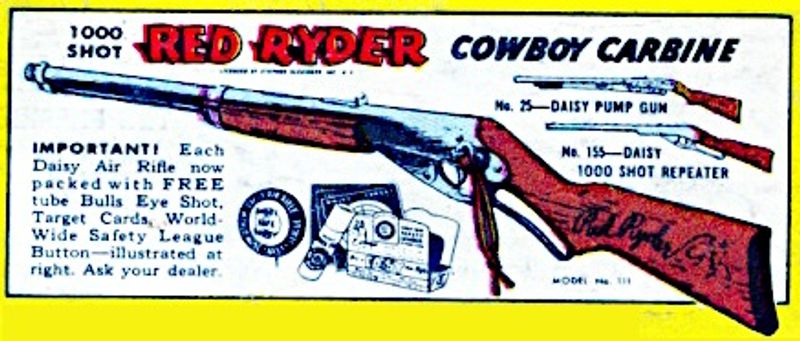
During the 1960s, BB guns were standard gift-list items for boys around age 10 or 11, sold openly in hardware stores, sporting goods shops, and even some department stores. No background check, no parental consent form, and no minimum age requirement stood between a kid and a purchase in most states.
The Daisy Manufacturing Company, founded in the late 1800s, was the dominant brand and had built its entire identity around youth marketing. Their Red Ryder model, introduced in 1938, remained a bestseller throughout the 1960s and became a cultural symbol of American boyhood.
Today, regulations vary by state, and many retailers require buyers to be at least 18. Eye injuries remain the most documented risk associated with BB guns, and the Consumer Product Safety Commission has tracked thousands of related incidents annually since the 1970s.
4. Lawn Darts With Metal Points

Lawn darts, known by the brand name Jarts, were a backyard game sold as family entertainment throughout the 1960s and 1970s. Each dart was weighted with a solid metal point designed to stick into the ground when thrown in an arc toward a target ring.
The problem was predictable in hindsight: heavy metal projectiles and unstructured outdoor play involving children of mixed ages were a combination that led to documented injuries. Despite reports of serious incidents over the years, the product remained widely available for decades.
The Consumer Product Safety Commission banned lawn darts in 1988 after a sustained campaign by a parent whose child had been injured. Retailers were required to pull existing stock from shelves.
Vintage sets occasionally surface at estate sales, but their sale for use as a game is prohibited under the ban.
5. Chemistry Sets With Chemicals That Would Raise Eyebrows Today
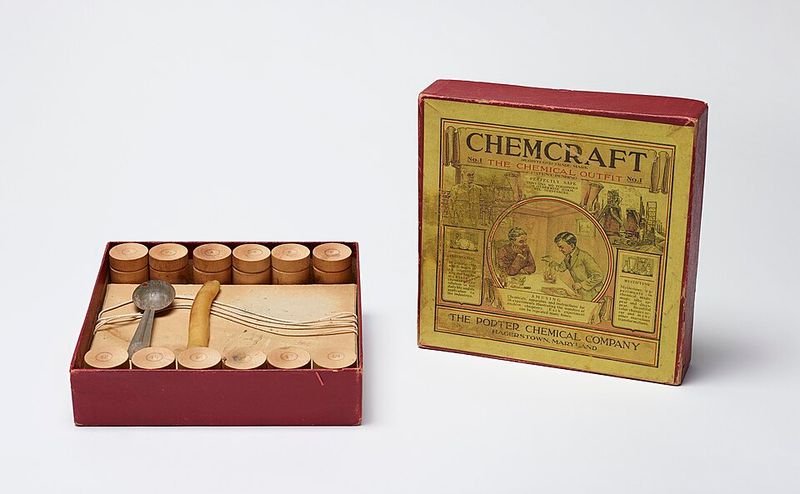
A top-tier chemistry set in the 1960s came loaded with real chemical compounds, not the diluted, pre-measured powders found in modern versions. Brands like Gilbert and Chemcraft included substances such as potassium nitrate, sodium ferrocyanide, and ammonium nitrate in sets marketed to children as young as 10.
The Gilbert U-238 Atomic Energy Lab, sold briefly in the early 1950s, even included actual radioactive ore samples. By the 1960s, that particular kit was gone, but serious chemistry sets with genuine reactive materials were still widely available in department stores.
Liability concerns and updated safety regulations gradually stripped chemistry sets of their more potent ingredients through the 1970s and 1980s. Modern versions are engineered to be far safer.
Historians of science education have noted that the shift may have reduced early hands-on engagement with chemistry for young students.
6. Model Rocket Engines With Real Propellant

Model rocketry became a legitimate hobby for American kids in the early 1960s, largely because of a Colorado company called Estes Industries. Founded in 1958, Estes standardized the production of small solid-fuel rocket engines and made them widely available through hobby shops and mail-order catalogs.
These engines used real propellant, not a simulated substitute. A child could purchase engines, assemble a balsa-and-cardboard rocket, and launch it to altitudes of several hundred feet with no formal training required.
Safety instructions were included, but supervision varied widely from household to household.
The National Association of Rocketry developed a model rocketry safety code in 1957, which encouraged responsible use. Today, Estes engines are still sold, though certain higher-power classifications require certification through rocketry organizations.
The hobby remains active, but access to the most powerful consumer engines is now more formally regulated than it was in 1965.
7. Cigarettes From the Neighborhood Store

Corner stores in the 1960s sold cigarettes the same way they sold candy bars, with packs stacked openly behind the counter and no real system in place to check a buyer’s age. Many states set the minimum legal purchase age at 16 or 18, but enforcement was inconsistent at best.
The tobacco industry had lobbied for decades to keep age thresholds low, and by the 1960s, the standard of 18 was considered a reasonable compromise by industry representatives. Nearly half of American adults smoked during this period, which normalized tobacco as a household product rather than a restricted substance.
The landmark 1964 Surgeon General’s report formally linked smoking to cancer, beginning a slow cultural shift. Federal law now sets the minimum purchase age at 21, a standard that would have seemed extreme to most Americans in 1965.
8. Firecrackers in Places Where They Were Legal
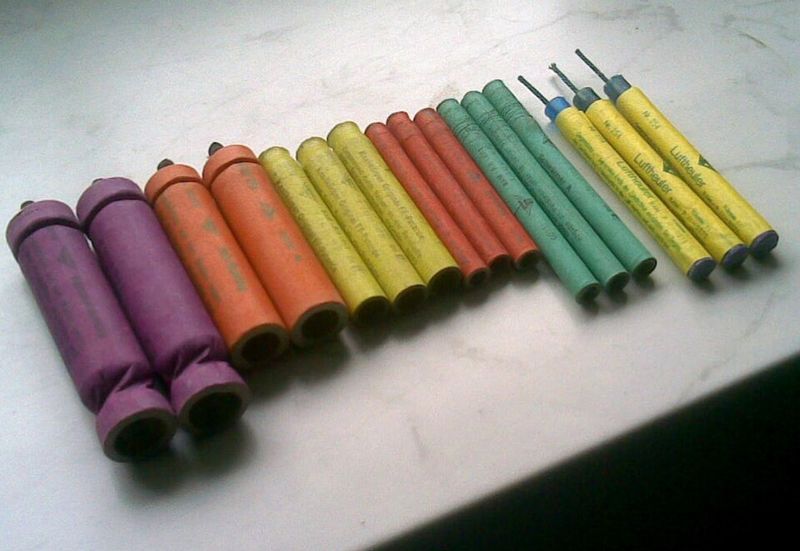
Firecrackers were a genuine point-of-purchase item for children in states and localities where their sale was legal during the 1960s. Roadside fireworks stands, general stores, and seasonal pop-up shops stocked them openly, and a kid with a few dollars could walk out with a substantial supply.
Regulation was largely a local matter during this period, with a patchwork of state and county laws governing what could be sold, to whom, and in what quantities. The federal government did not regulate consumer fireworks in any meaningful way until the Child Protection Act of 1966 and later the Federal Hazardous Substances Act.
The Consumer Product Safety Commission tightened standards significantly in the 1970s, setting limits on fuse burn time and powder content. Today, the legality of consumer firecrackers varies sharply by state, and several states prohibit them entirely.
The relatively open access of the 1960s is now the exception rather than the rule.
9. Over-the-Counter Medicines With Far Fewer Childproof Safeguards

Before 1970, virtually every medicine bottle sold in the United States used a standard screw-top cap that any child could open without difficulty. Aspirin, cold tablets, and other common medications sat in bathroom cabinets and on drugstore shelves in packaging that offered no resistance to curious hands.
The Poison Prevention Packaging Act of 1970 changed that, requiring child-resistant closures on medications and household substances after documented cases of accidental ingestion by children became a documented public health concern throughout the 1960s.
The transition was not immediate. Manufacturers lobbied for exemptions, and some products were allowed to remain in standard packaging for years.
Today, childproof caps are so standard that many adults request easy-open caps as an accommodation. The shift represents one of the most effective and quietly implemented consumer safety reforms of the 20th century.
10. Cough Medicines Containing Ingredients Later More Tightly Controlled

Cough syrups sold freely in the 1960s sometimes contained ingredients that later came under significantly stricter regulatory oversight. Codeine-based formulations were available without a prescription in many states, marketed for both adults and children as effective remedies for persistent coughs.
The regulatory framework governing such ingredients was far less developed than it is today. The Controlled Substances Act of 1970 created a formal scheduling system that placed codeine-containing products under tighter controls, limiting over-the-counter access and requiring prescriptions for stronger concentrations.
Individual states continued to vary in their restrictions through the 1980s and beyond, with some allowing limited codeine cough syrups at pharmacy counters without a full prescription. The FDA issued updated guidance in 2018 recommending against codeine use in patients under 18.
What once sat on an open shelf now requires considerably more steps to obtain.
11. Pocketknives From Hardware and Sporting-Goods Stores
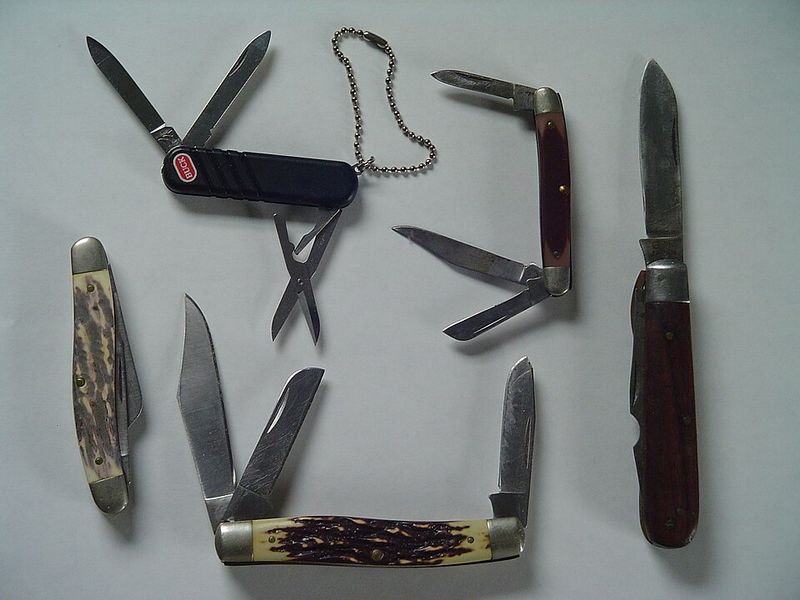
Pocketknives were considered practical tools for boys in the 1960s, not weapons, and purchasing one from a hardware or sporting-goods store required nothing more than the money to pay for it. Many fathers gave their sons a first pocketknife as a rite of passage, often before the child entered middle school.
Brands like Case, Buck, and Victorinox had strong retail presences, and their products were displayed in open glass cases at the front of stores. No age minimum was enforced at the federal level, and state laws were sparse on the subject of knife sales to minors.
School policies have shifted dramatically since then. Many school districts adopted zero-tolerance rules on bladed items starting in the 1980s and 1990s.
Bringing a pocketknife to school today can result in suspension or expulsion in jurisdictions that once considered it unremarkable.
12. Cap Guns and Rolls of Explosive Caps
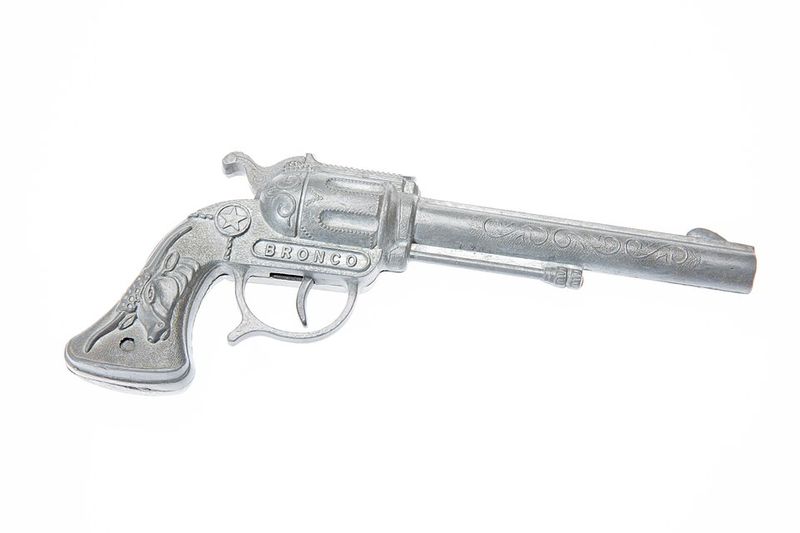
Cap guns were among the most popular toys of the 1960s, fueled in large part by the decade’s obsession with Western television shows. Brands like Mattel, Kilgore, and Hubley produced detailed metal cap pistols that used rolls or rings of explosive paper caps to produce a sharp report when fired.
The caps themselves were sold separately and could be purchased by children at toy stores, five-and-dimes, and general stores without any restrictions. A roll of caps cost just a few cents and contained dozens of small explosive charges made with a mixture including red phosphorus.
Modern cap guns are still sold, but the formulations and construction standards have been updated. Metal cap guns have largely given way to plastic versions.
The real shift is cultural: the cowboy-and-Western play culture that drove the cap gun market faded significantly by the late 1970s as television tastes changed.
13. Live Creatures Through Comic-Book Mail Order
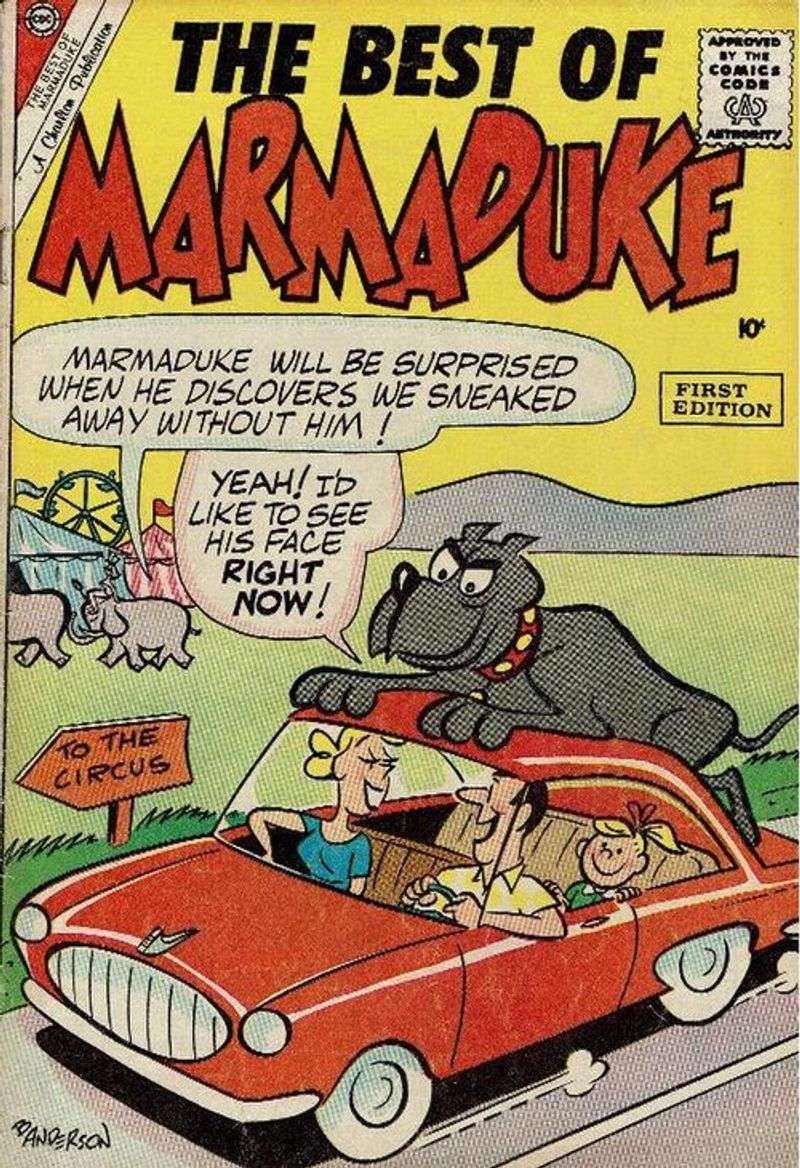
The back pages of comic books in the 1960s were a marketplace unlike anything that exists today. Between ads for X-ray specs and magic tricks, children could find mail-order listings for live animals, including sea monkeys, painted turtles, chameleons, and in some cases, baby alligators and squirrel monkeys.
A child could fill out a coupon, mail in a few dollars, and receive a live creature through the postal system weeks later. Oversight of this practice was minimal, and many of the animals arrived in poor condition or required care that young buyers were not equipped to provide.
The Lacey Act and later the Endangered Species Act of 1973 tightened restrictions on the interstate sale of certain animals. The postal service also updated its regulations on shipping live animals.
The freewheeling comic-book animal market effectively ended by the mid-1970s, leaving behind only the memory and a lot of confused pets.
14. Hot Wood-Burning and Plastic-Molding Kits
Wood-burning kits sold in the 1960s put a heated metal stylus directly into the hands of children as young as eight, marketed as creative craft tools for making decorative designs on wood surfaces. The tip reached temperatures high enough to char wood, and the kits came with minimal safety guidance beyond a general warning to avoid touching the tip.
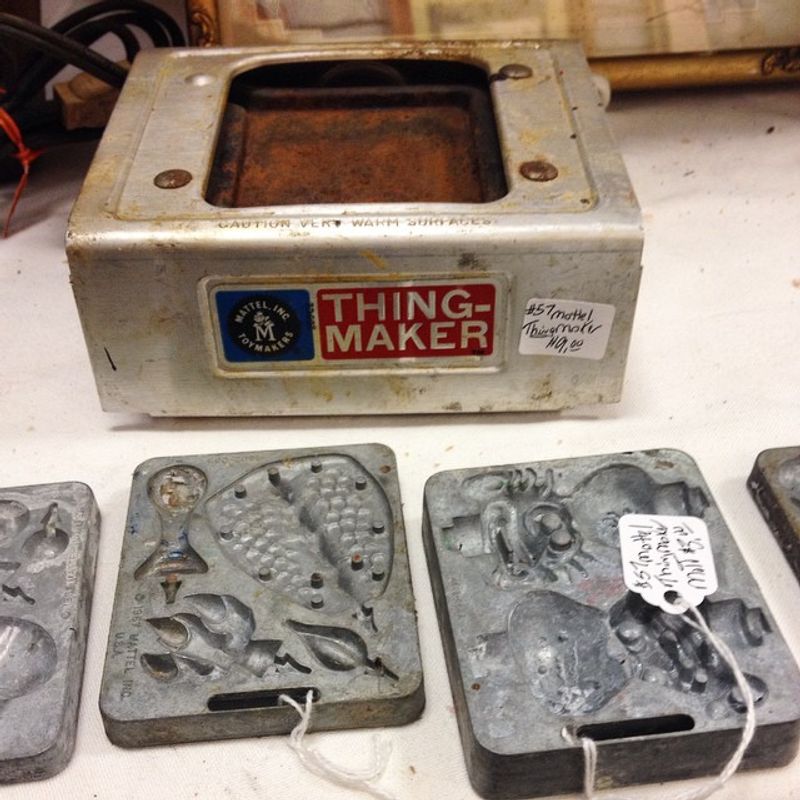
Plastic-molding kits, such as the Mattel Thingmaker, followed a similar model. Children poured liquid plastic compound into metal molds and placed them on a heating element that reached several hundred degrees Fahrenheit.
The finished product was a flexible rubber figure, but the process involved genuine burn risk.
Both product types remained popular through the 1960s and into the 1970s before updated toy safety standards required significant redesigns. Modern versions use lower-temperature heating elements and include more protective accessories.
The originals are now collector items, remembered fondly by those who used them without incident.
15. Lead-Painted Toys and Other Consumer Products
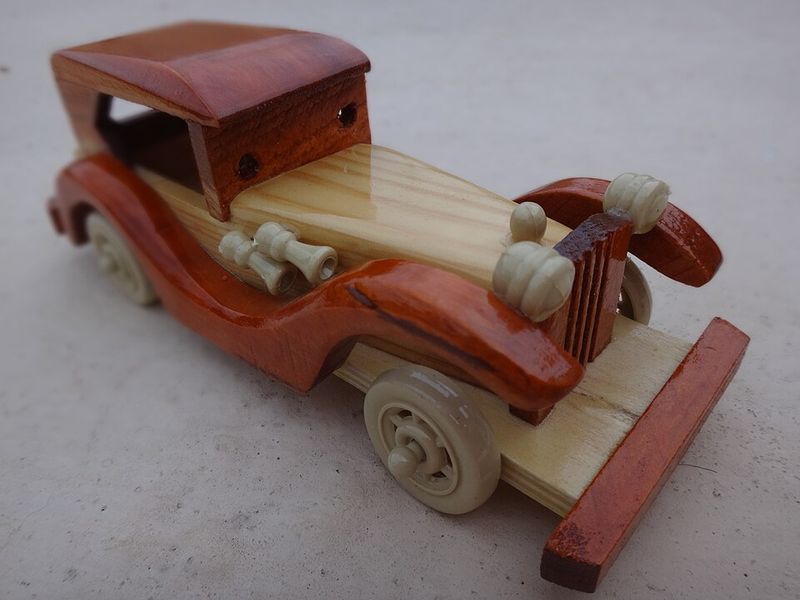
Lead-based paint was a standard ingredient in many household and consumer products well into the 1970s, including toys. Manufacturers used it because it produced vivid, durable colors that held up to handling.
The health risks of lead exposure, particularly for young children, were documented in medical literature but had not yet translated into regulatory action during the 1960s.
Children routinely handled, mouthed, and played with lead-painted toys without any warnings on the packaging. Lead was also present in painted furniture, walls, and dishware used in everyday households.
The cumulative exposure from multiple sources was significant for many children of that generation.
The Consumer Product Safety Commission banned lead paint in residential properties and on toys in 1978. International recalls of lead-painted toys continued well into the 2000s, particularly involving products manufactured abroad.
The 1960s standard of bright, durable paint now reads as a cautionary chapter in the history of consumer product regulation.
Share this story