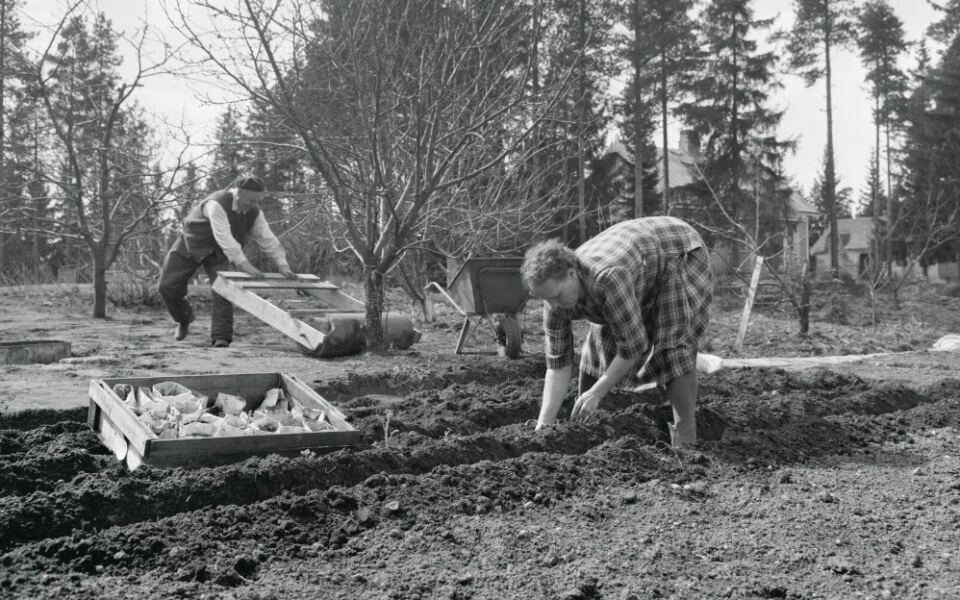
After World War II, millions of American families moved into new suburban homes, and almost every one came with a patch of grass. Places like Levittown, New York, built in the late 1940s, turned yard care into a weekly habit for a whole generation of men.
Power mowers became common in the 1950s, but most repairs still happened in the garage, not at a shop. Grandpa did not watch a video to fix a sagging gate.
He learned from his father, his neighbor, or a few failed tries. Those Saturday chores built a kind of practical know-how that is now surprisingly rare.
Today, lawn services, smart sprinklers, and battery tools handle a lot of that work for us. That is convenient, but it also means many people never learn why grass browns or why a hose leaks at the faucet.
The good news is that these skills are not hard to pick up. Most need only a few cheap tools, some patience, and a little attention.
Below, you will find the backyard know-how that older generations treated as ordinary, along with the history behind it and practical tips you can still use this weekend. Some may save you money, and a few may make you appreciate Grandpa a little more.
1. Sharpening a Lawn Mower Blade
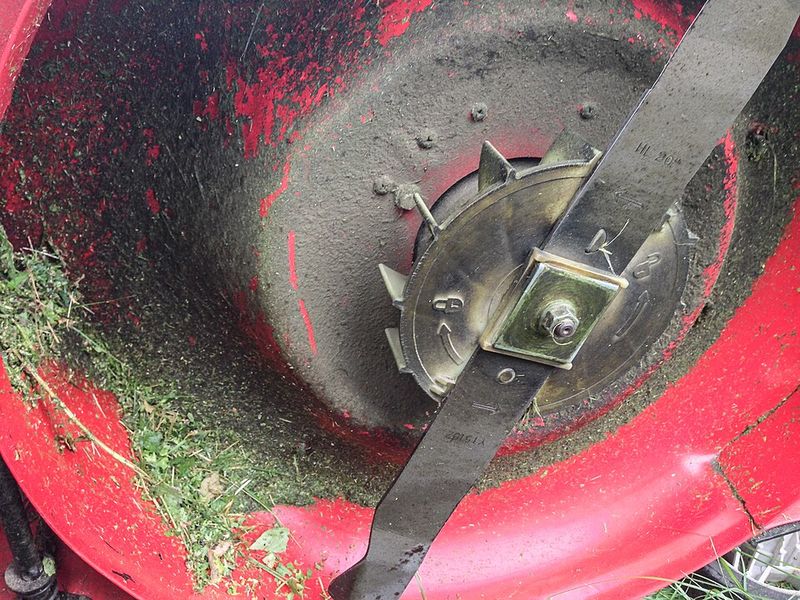
Ragged, brown-tipped grass after a fresh mow usually points to one culprit. The blade is dull, and it is tearing the grass instead of slicing it.
Rotary mowers took over American yards in the 1950s, and with them came a new spring ritual. Grandpa would disconnect the spark plug wire, unbolt the blade, and clamp it in a vise.
A flat metal file did most of the work.
He followed the original angle and counted his strokes on each side. That kept the blade balanced, since a lopsided blade can shake the whole mower.
Hanging the blade on a nail was his simple balance test. If one end dipped, he filed a bit more from the heavy side.
Experts today still suggest sharpening about twice a season, or roughly every 25 hours of mowing. Torn grass loses more water and invites disease.
A sharp edge costs nothing but fifteen minutes and some elbow grease.
2. Knowing When the Lawn Actually Needed Water
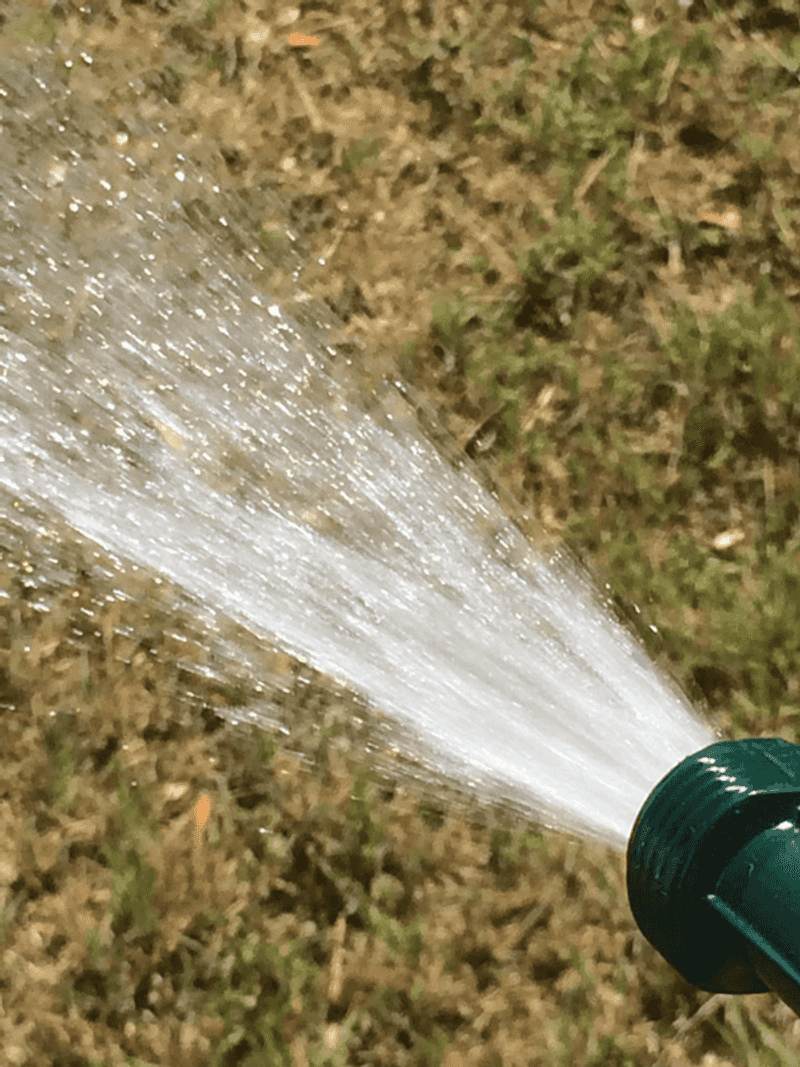
Timers did not run Grandpa’s lawn. His own eyes did.
He had a short checklist. Grass blades folding in half, footprints that stayed visible for minutes, and a dull blue-gray color all meant the lawn was thirsty.
When it was time, he watered deeply and then waited several days. A long soak pushes moisture down into the soil, and roots follow it.
Light daily sprinkles do the opposite. They keep roots shallow and lazy, so the lawn struggles the moment a hot week arrives.
Some grandfathers set an empty tuna can on the grass to measure. About one inch of water per week, rain included, was the classic target for many lawns.
Automatic irrigation spread through new subdivisions in the 1970s and 1980s. It made watering easy, but systems often run during rainstorms.
Grandpa’s method used less water and grew tougher grass, and it still works perfectly today.
3. Repairing a Sagging Wooden Fence Gate
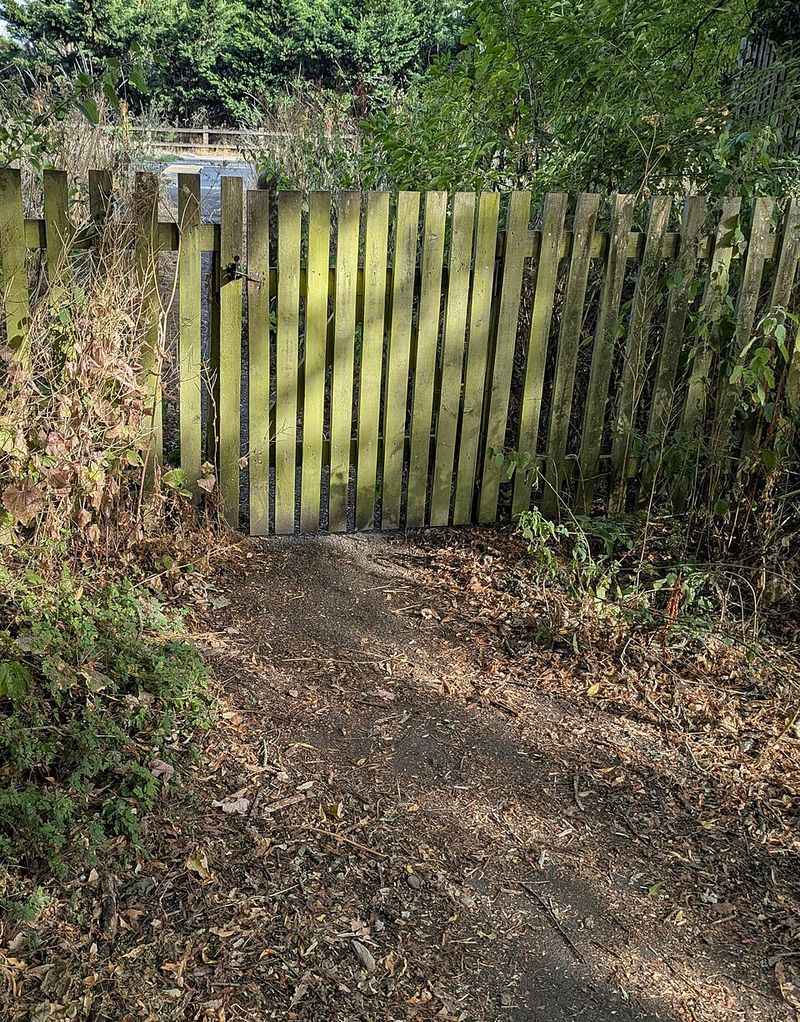
A gate scraping a groove into the dirt is not asking to be thrown away. It is asking for a diagnosis.
Grandpa started with the hinges. Loose screws were the most common cause, and longer screws or a fresh spot in solid wood often fixed things in minutes.
Next, he checked the post. A hinge post that leaned even slightly would drag the whole gate down with it.
If the frame itself had gone out of square, he added a diagonal brace. The brace runs from the bottom hinge corner up to the top latch corner, pushing weight back toward the post.
That one detail mattered. A brace installed the wrong direction does almost nothing.
Wooden picket fences were everywhere in postwar neighborhoods, and weather loosened them every few years. Knowing a few carpentry basics kept a family from replacing a gate that only needed an afternoon of attention and a handful of hardware.
4. Starting a Stubborn Gas Lawn Mower
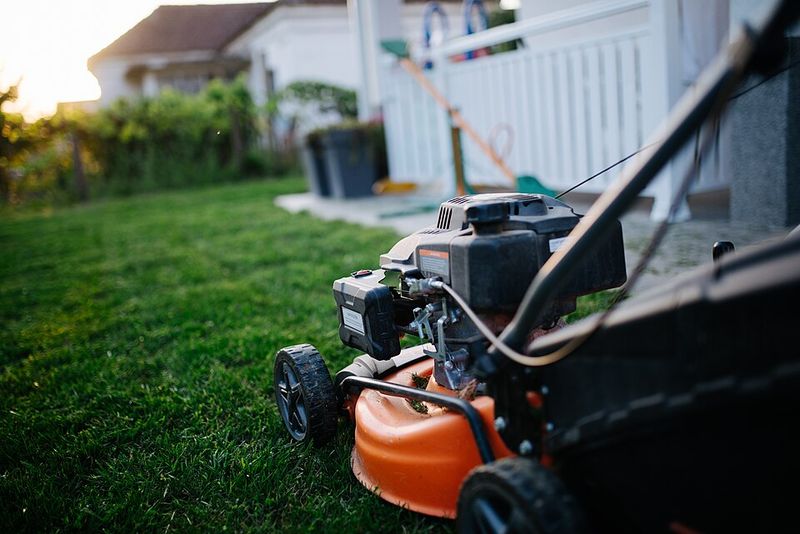
Pulling a starter cord twenty times in a row tested every grandfather’s patience. Most of them, though, knew exactly where to look next.
Small engines need three things. Fuel, air, and a spark.
Fuel came first on the checklist. Gasoline left in the tank all winter can go stale in as little as a month, and it gums up the carburetor.
Draining old gas and adding fresh fuel solved a surprising number of problems.
The spark plug was second. Grandpa would pull it, scrape off black buildup, check the gap, and screw it back in.
Then came the air filter. A clogged foam or paper filter chokes the engine.
Companies like Briggs and Stratton sold millions of simple engines starting in the 1950s, and owner manuals expected people to handle basic repairs. Today, a fuel stabilizer added before storage prevents most spring headaches before they start.
5. Building a Straight Garden Row
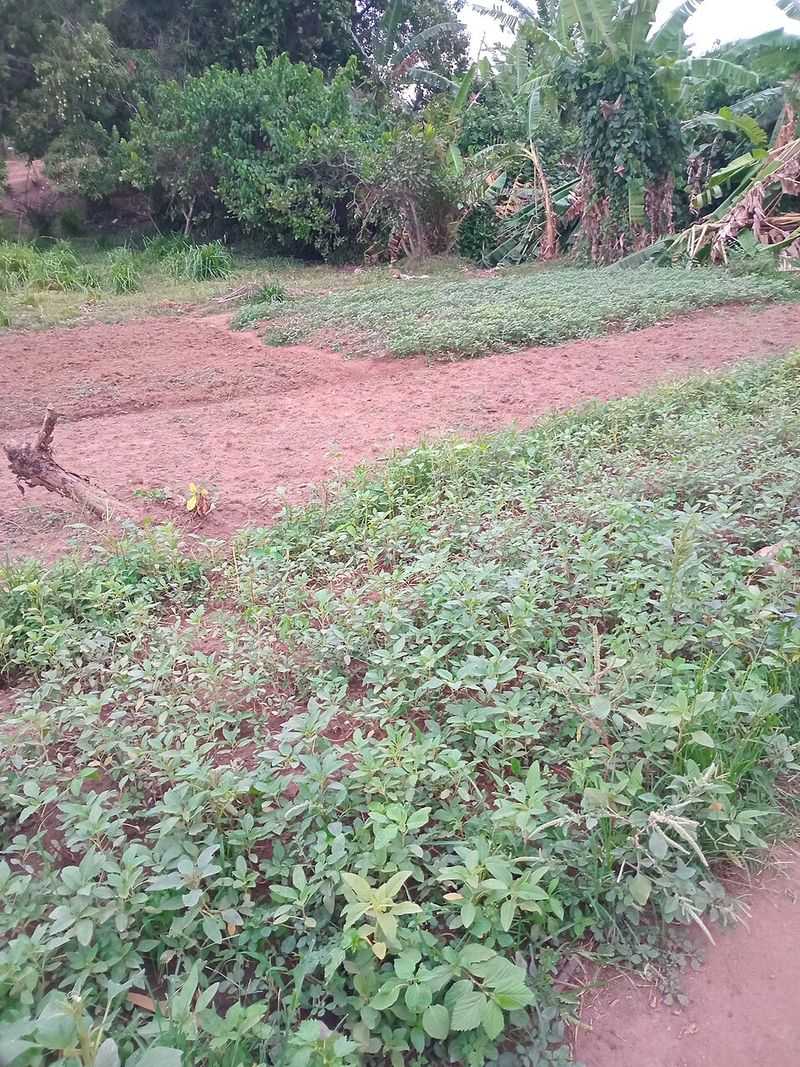
Two sticks and a piece of string. That was the entire toolkit for one of the tidiest-looking gardens on the block.
Grandpa pushed a stake into each end of the planned row and pulled a line tight between them. Then he dragged a hoe corner along the string to make a shallow furrow for seeds.
Straight rows were not about showing off. They let him walk, weed, and harvest without stepping on young plants.
Spacing mattered just as much. Radishes could sit a couple of inches apart, while tomatoes needed two feet or more of breathing room.
Many grandfathers learned these habits during World War II, when nearly 20 million American households planted Victory Gardens. By 1944, those gardens produced roughly 40 percent of the fresh vegetables eaten in the country.
Fancy planting templates exist now. Yet the string method remains cheap, quick, and nearly impossible to mess up.
6. Knowing When to Prune a Tree
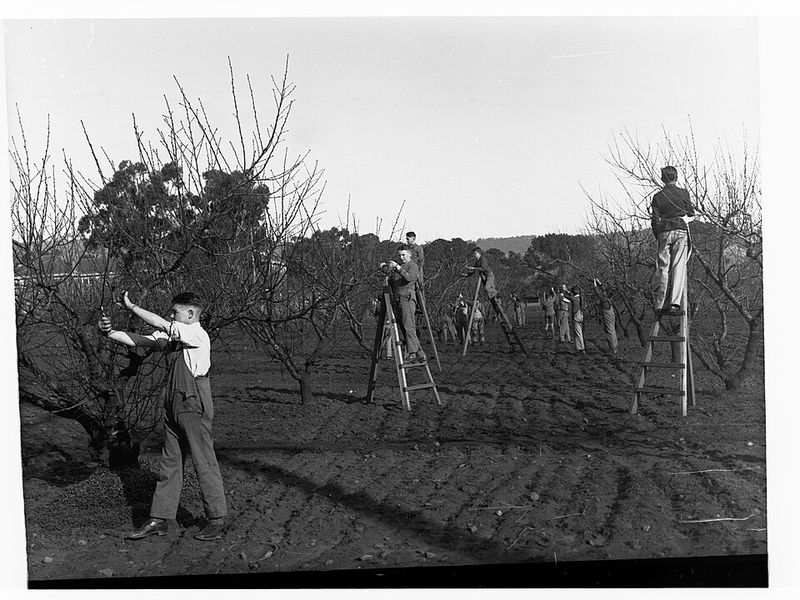
Good pruning, Grandpa might say, is mostly about what you leave on the tree.
He had an order of business. Dead branches went first, then damaged ones, then any limbs crossing and rubbing against each other.
Those three targets are still known as the three D’s in many guides. Dead, damaged, and diseased wood rarely recovers, so removing it lets the tree focus on healthy growth.
Timing came next. Many shade and fruit trees are best pruned in late winter while dormant, when wounds heal faster and pests are less active.
Spring bloomers like lilacs were different. Cutting them too early meant losing that year’s flowers.
He also knew where to cut, just outside the slightly swollen collar where a branch meets the trunk. Big limbs near the roof or power lines went to a professional.
Knowing that limit was part of the skill too.
7. Fixing a Leaky Garden Hose
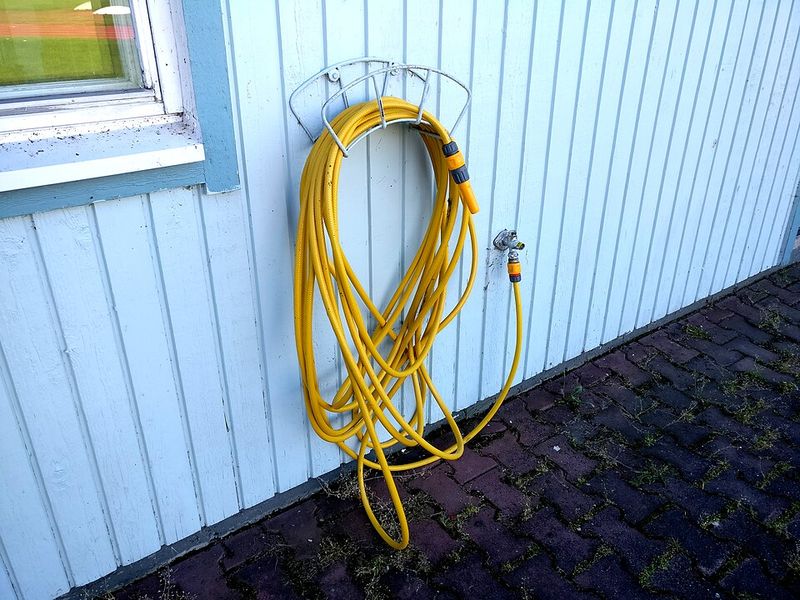
Most hose leaks are caused by a part smaller than a nickel.
That part is the rubber washer inside the female coupling. After a couple of seasons, it hardens, cracks, or falls out, and water sprays from the faucet connection.
Grandpa kept a little bag of spare washers in the garage. Swapping one took less than a minute and cost pennies.
Splits in the middle of a hose needed a bit more work. He would cut out the damaged section and join the ends with a hose mender, a simple clamp-style coupling sold at nearly every hardware store.
Bad ends got the same treatment with a replacement fitting.
Rubber garden hoses became common household items in the early 1900s, and repair parts were sold right alongside them. Grandpa also coiled his hose on a reel instead of leaving it baking in the driveway.
Proper storage often doubled its life.
8. Testing Soil Before Planting
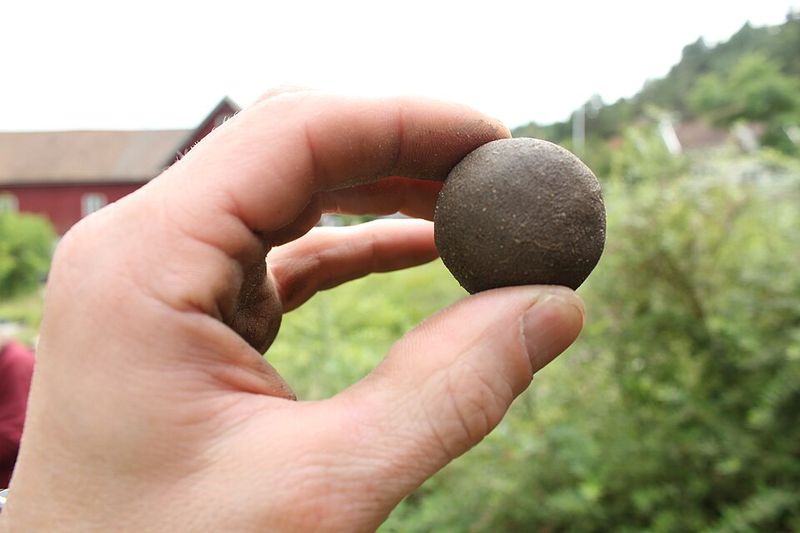
Grandpa could not always name soil chemistry terms, but he could read dirt with one hand.
His favorite test was the squeeze. He grabbed a handful of moist soil and made a fist.
Sandy soil fell apart right away. Heavy clay held a sticky ribbon shape.
Healthy loam held together, then crumbled when poked.
That simple check told him how fast water would drain and what might grow well. Carrots liked loose ground, while clay needed lots of compost before vegetables were happy.
Many grandfathers also mailed samples to their county extension office. These offices grew out of the Smith-Lever Act of 1914, which set up a national network to share farming science with ordinary people.
Extension services still test soil for a small fee. They report acidity and nutrients that no squeeze test can reveal.
Combine both approaches and your garden starts with real information instead of guesswork.
9. Keeping a Compost Pile Working
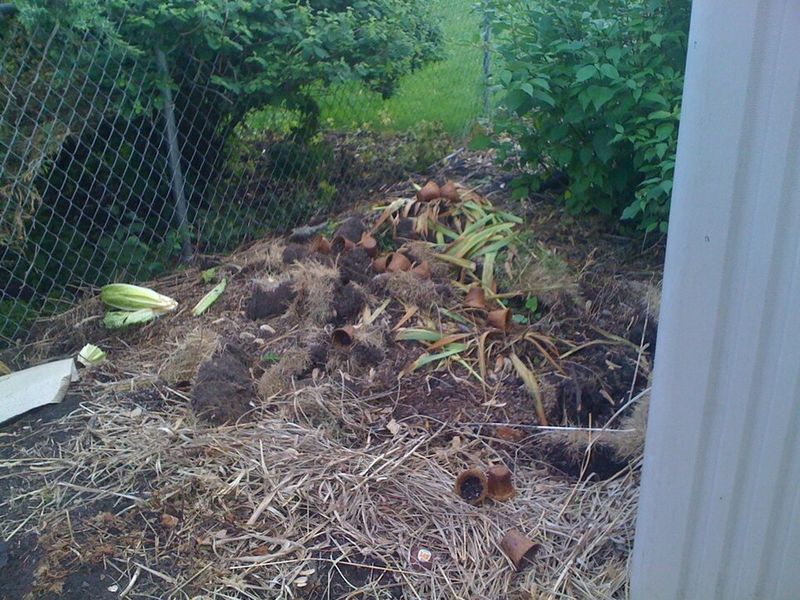
Long before curbside food-scrap bins, a corner of Grandpa’s yard did the job for free.
He tossed in fallen leaves, grass clippings, coffee grounds, and vegetable peels. Over months, that pile turned into dark, crumbly compost for the garden.
The trick was balance. Gardeners now call it mixing greens and browns, meaning wet nitrogen-rich scraps and dry carbon-rich material like leaves.
Too many clippings made a soggy mess. Too many leaves made a pile that just sat there.
Grandpa turned it with a pitchfork every few weeks to add air, and he kept it about as damp as a wrung-out sponge.
Some items stayed out completely. Meat, bones, and greasy food drew raccoons and neighborhood complaints.
Composting got a big push in America during the 1940s, when J.I. Rodale promoted organic gardening in his magazine.
Grandpa often did it simply because throwing good material away made no sense.
10. Telling Which Weeds Needed Attention First
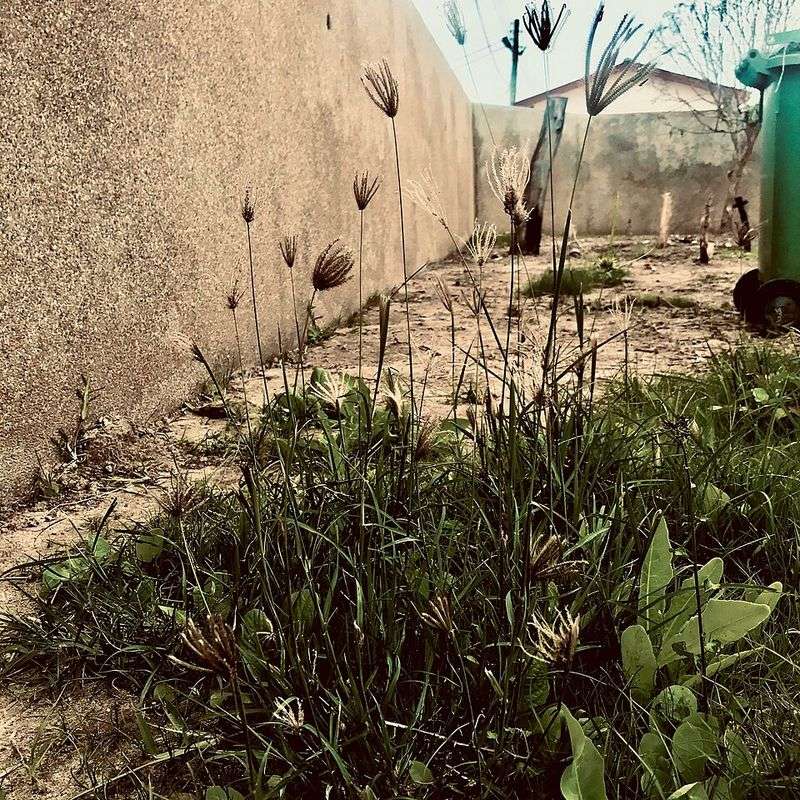
Some weeds are pests. Others are full-blown emergencies, and Grandpa knew the difference.
Plants about to set seed jumped to the top of his list. One crabgrass or pigweed plant left alone can release thousands of seeds, filling next year’s garden.
Deep-rooted troublemakers came next. Dandelions and bindweed get harder to remove every week they stay.
His timing was smart too. He weeded the day after a rain, when damp soil let the whole root slide out instead of snapping off.
Small weeds were his favorite kind. Ten minutes with a hoe on a seedling bed beat an hour of tugging later.
Mulch did the rest. A layer of straw or shredded leaves blocked light from weed seeds waiting near the surface.
Phone apps now identify plants in seconds. Still, nothing beats knowing the usual suspects in your own yard by sight.
11. Replacing a Broken Sprinkler Head
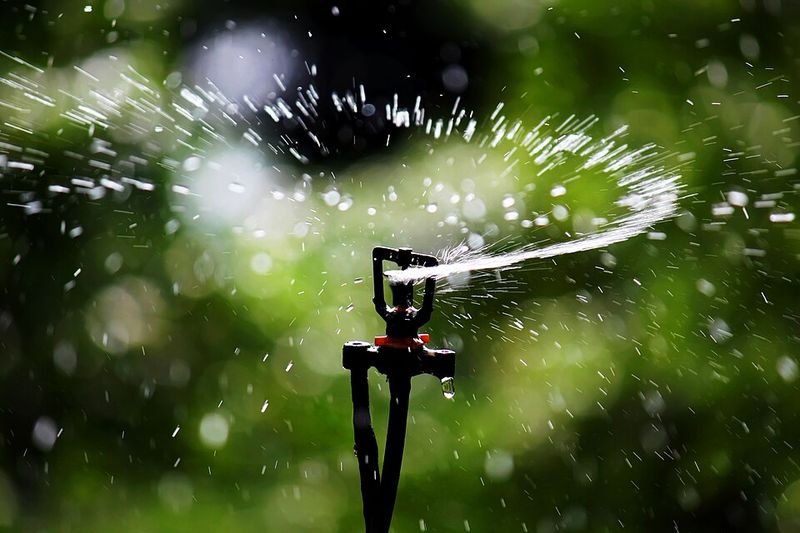
Watering the sidewalk never grew a single blade of grass. Grandpa understood that better than any sprinkler company.
When part of the lawn turned brown, he walked the yard while the system ran. A tilted head, a clogged nozzle, or a cracked body usually showed itself quickly.
Hose-end sprinklers were easy to fix. Clearing grit from the holes with a pin often restored the spray.
In-ground systems took a little more effort. He dug carefully around the head, unscrewed it from the riser, and threaded on a matching replacement.
Before installing the new head, he flushed the line to push out dirt. Then he adjusted the spray arc so water landed on grass instead of pavement.
Pop-up sprinkler heads became popular in American suburbs during the 1960s and 1970s. Many still use the same basic threaded design, so this repair remains a doable weekend project.
12. Splitting and Stacking Firewood Properly
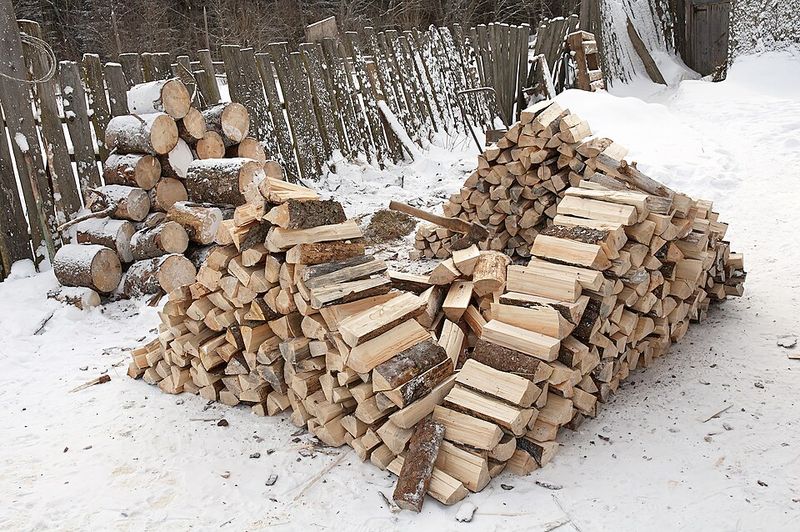
Swinging a maul looks like pure muscle. In reality, it is mostly aim.
Grandpa read each log before striking. He looked for cracks already running from the center and hit along them, letting the wood do half the work.
He split logs soon after cutting because fresh wood breaks more easily. Splitting also exposed more surface area so moisture could escape.
Freshly cut wood can be about half water by weight. Most hardwoods need six months to a year of drying before they burn well.
Stacking came next. He raised the pile off the ground on boards or pallets, kept bark side up, and covered only the top so air moved through the sides.
Safety was simple and strict. A sturdy chopping block, solid boots, and kids standing far back.
Many homes added wood stoves after the 1970s energy crisis, which revived this skill for a new generation.
13. Using a Wheelbarrow Without Spilling Everything
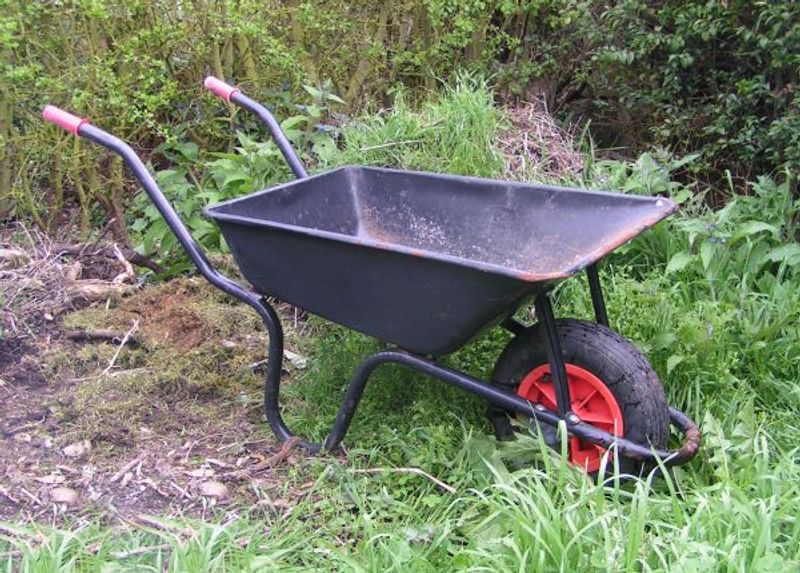
Anyone who has dumped a full load of mulch onto the lawn knows the wheelbarrow has a sense of humor.
Grandpa avoided that comedy with one rule. Put the heaviest stuff toward the front, right over the wheel.
Weight over the wheel means the wheel carries it. Weight near the handles means your arms and back carry it.
He also lifted with his legs, kept his elbows slightly bent, and walked at a steady pace instead of rushing.
Slopes called for strategy. He pushed uphill and walked backward down steep hills, letting gravity stay on his side.
Tire pressure mattered more than people expect. A soft tire makes every trip harder.
Here is a fun bit of history. Historians credit ancient China with early wheelbarrows nearly 2,000 years ago.
The design has barely changed since, which says a lot about how well it works.
14. Preparing the Yard for Winter
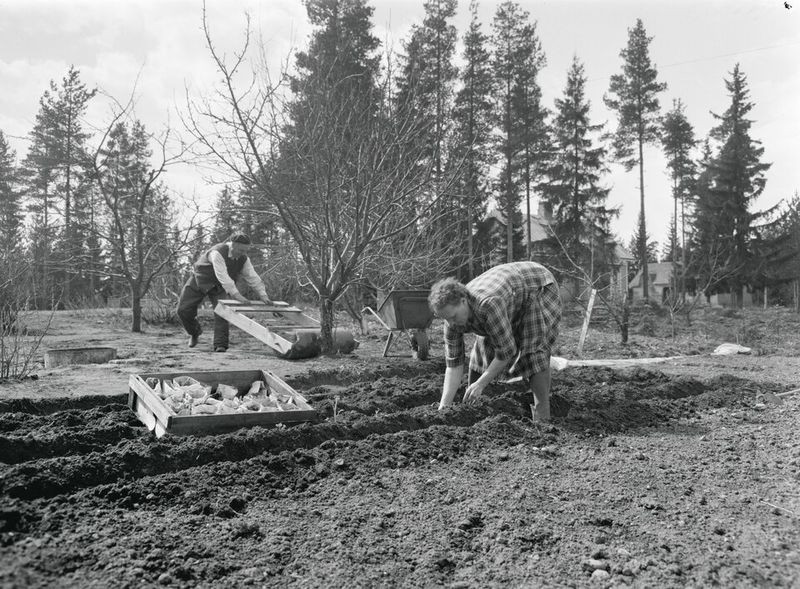
October was not the end of yard season for Grandpa. It was the start of the to-do list that saved him money in April.
Hoses came first. He drained them completely and stored them indoors, since trapped water expands when it freezes and splits the rubber.
Outdoor faucets got attention next. In cold regions, he closed the indoor shutoff valve and opened the outside spigot to let leftover water run out.
Tools were cleaned and wiped with a light coat of oil. Shovel blades then went into a bucket of sand to stay rust free.
The mower got its fuel stabilizer or an empty tank. Leaves were raked so they would not smother the lawn.
Weak branches came down before snow could do it for him. Finally, garden beds received a blanket of mulch or compost.
Spring always went smoother because of it.
Share this story