Oklahoma has a way of hiding its best surprises behind plain-looking buildings on old highways. Somewhere along a stretch of historic Route 66, tucked between the small towns of Luther and Chandler, a weathered roadside structure holds one of the most unexpectedly rich collections of vintage motorcycles in the entire state.
Walking through the door feels less like entering a museum and more like stumbling into a treasure hunter’s dream workshop. If you have ever wanted to lose yourself among rare bikes, fascinating history, and genuine Route 66 spirit, this place will absolutely deliver.
The Old DX Gas Station That Started It All
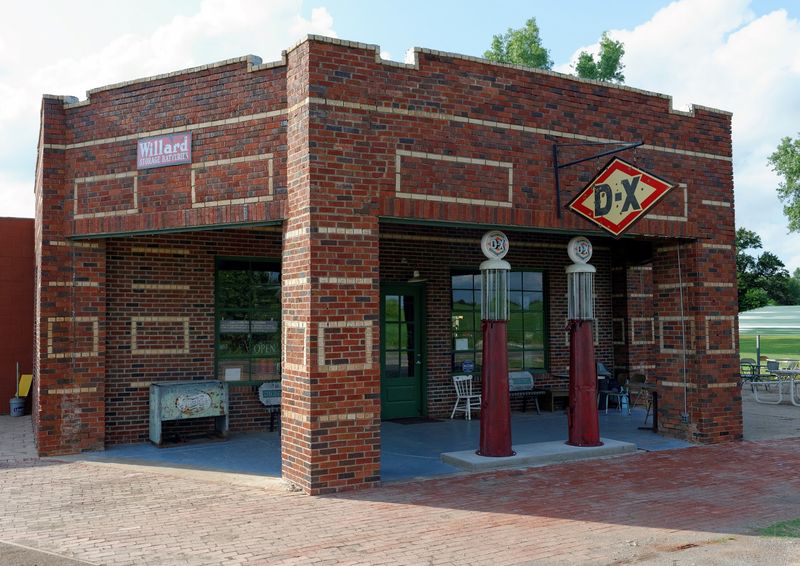
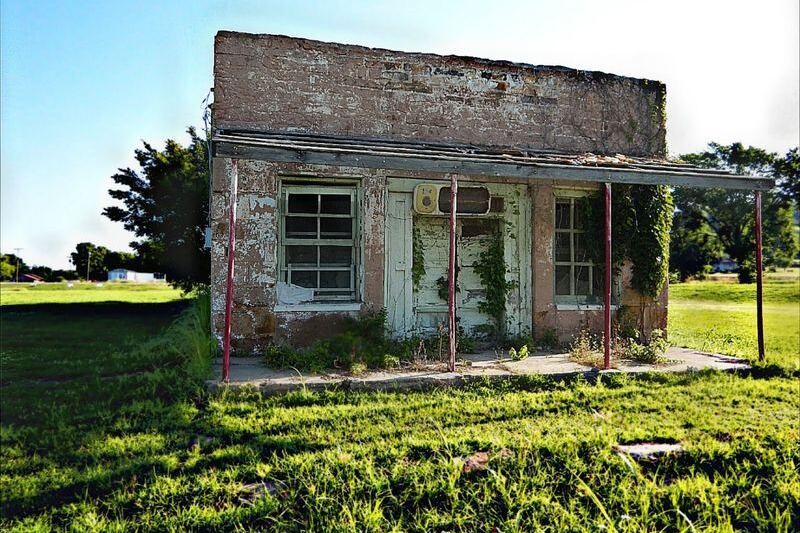
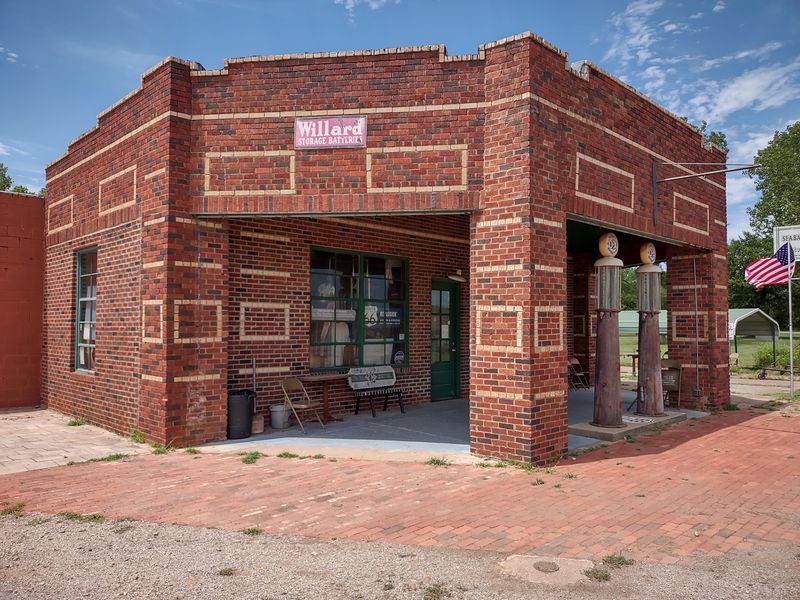
Some buildings carry their history right on their walls, and the structure housing Seaba Station Motorcycle Museum is one of them. Originally built as a DX gas station, this roadside stop served travelers cruising through central Oklahoma back when Route 66 was the main artery connecting the country.
The bones of that old service station are still very much intact, giving the whole place a gritty, authentic feel that newer museums simply cannot replicate.
Pulling up to the building, you might wonder if you have the right address. The exterior is modest and unassuming, blending into the flat Oklahoma landscape without much fanfare.
But that understated shell is exactly what makes the discovery inside so satisfying. Visitors consistently mention being surprised by how much the place holds once you step through the door.
The original gas station layout adds a layer of storytelling that complements the collection beautifully. Every corner feels lived-in and purposeful, like the building itself is part of the exhibit.
For anyone who appreciates places with genuine character rather than manufactured charm, this starting point alone sets the tone perfectly for everything that follows.
Location on America’s Most Famous Highway
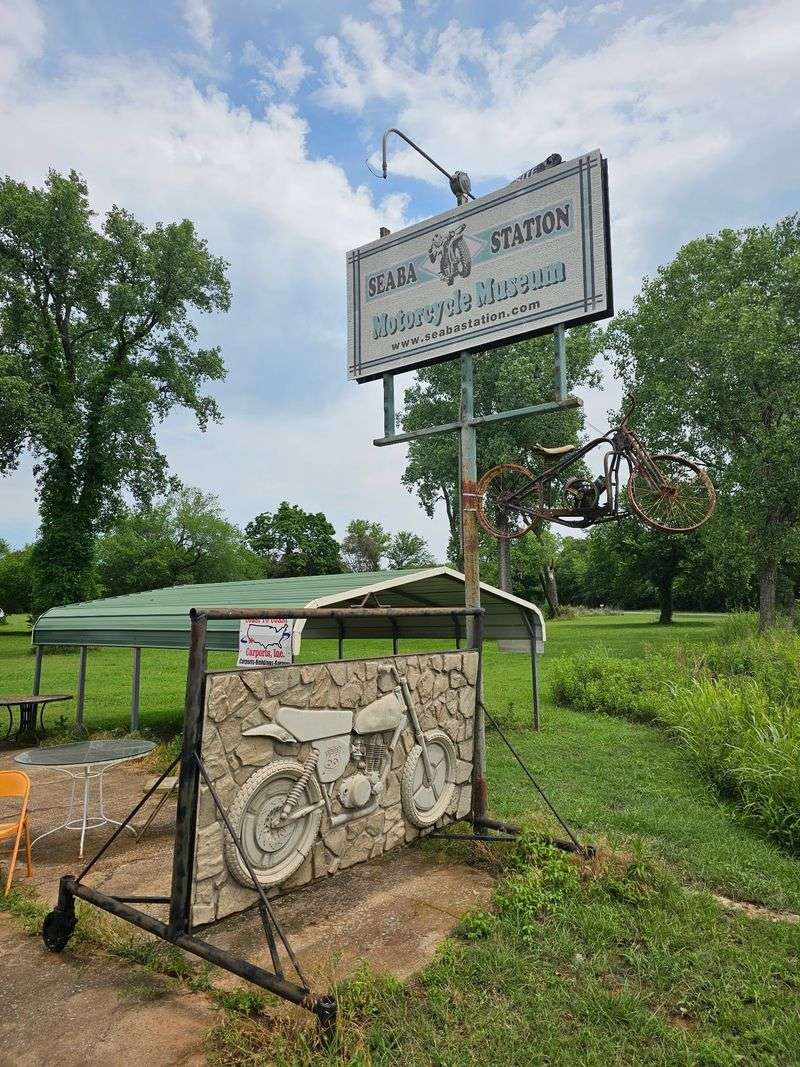
Warwick, Oklahoma sits quietly between Luther and Chandler along the historic Route 66 corridor, and most drivers pass right through without slowing down. That is a mistake.
Seaba Station occupies a spot on the north side of OK-66, easy enough to find once you know to look for it, and perfectly positioned for anyone making the classic cross-state road trip along the Mother Road.
Route 66 travelers have been rediscovering this stretch of Oklahoma highway for decades, but 2026 marks the centennial anniversary of the famous route, bringing extra energy and interest to every stop along the way. Seaba Station has been gearing up for that milestone, adding merchandise and ramping up community engagement to celebrate the occasion in style.
Being on the actual alignment of the original highway rather than a bypass gives the museum an authenticity that matters to serious Route 66 enthusiasts.
The surrounding landscape is quintessential Oklahoma, with open fields and wide skies framing the drive beautifully. Getting there requires no detours or complicated navigation, just a straightforward cruise along one of the most storied roads in American history.
Few museum stops feel this naturally embedded in the journey itself.
Hundreds of Motorcycles Packed Into a Surprisingly Small Space
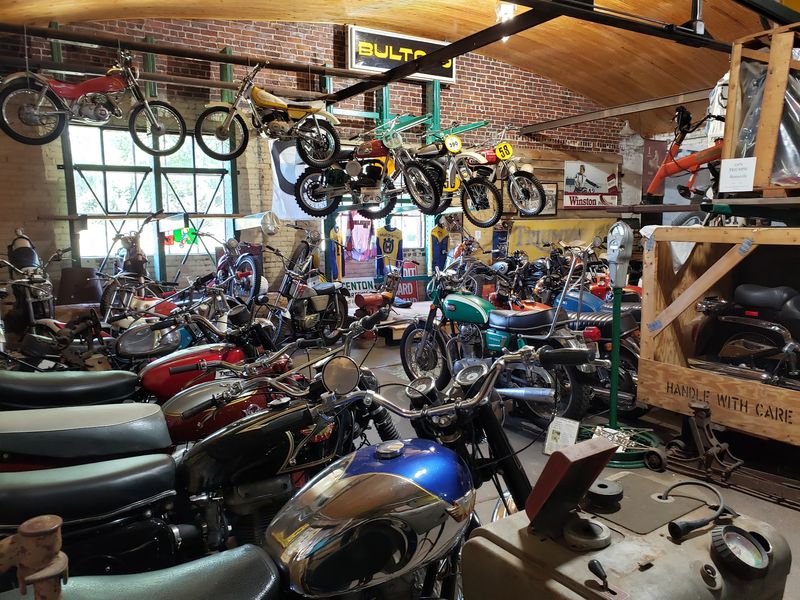
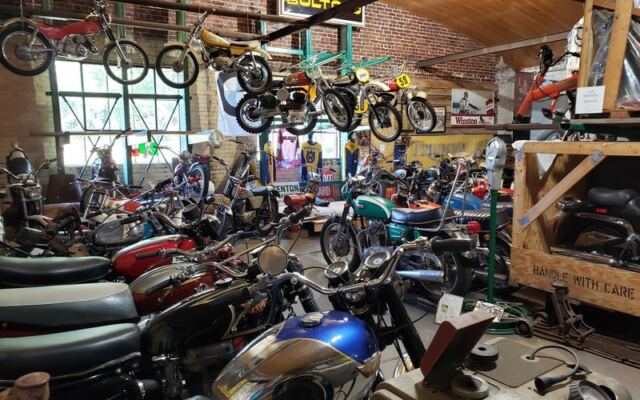
From the outside, nothing prepares you for what waits inside. The collection at Seaba Station numbers in the hundreds, spanning decades of motorcycle manufacturing history and covering styles that range from elegant antique road bikes to scrappy dirt machines.
Rare models sit shoulder to shoulder with more familiar names, creating a browsing experience that rewards patience and curiosity in equal measure.
One of the most commented-on aspects of the collection is its sheer variety. Visitors note seeing antique bicycles, foreign mopeds, mini cycles, motocross bikes, and full-size road machines all sharing the same space.
Some reviewers have spotted bikes they had never encountered before, including models so obscure that even longtime enthusiasts had to read the labels to identify them. That element of discovery is exactly what gives the museum its treasure-hunt quality.
The layout has improved noticeably over the years. Earlier visitors described a more cluttered arrangement, but recent accounts highlight a cleaner organization that makes it easier to appreciate each machine individually.
Labels and historical context accompany many of the bikes, adding informational depth without turning the experience into a dry classroom exercise. Spending time here feels genuinely exploratory rather than passive.
Rare and Unusual Bikes You Will Not Find Anywhere Else
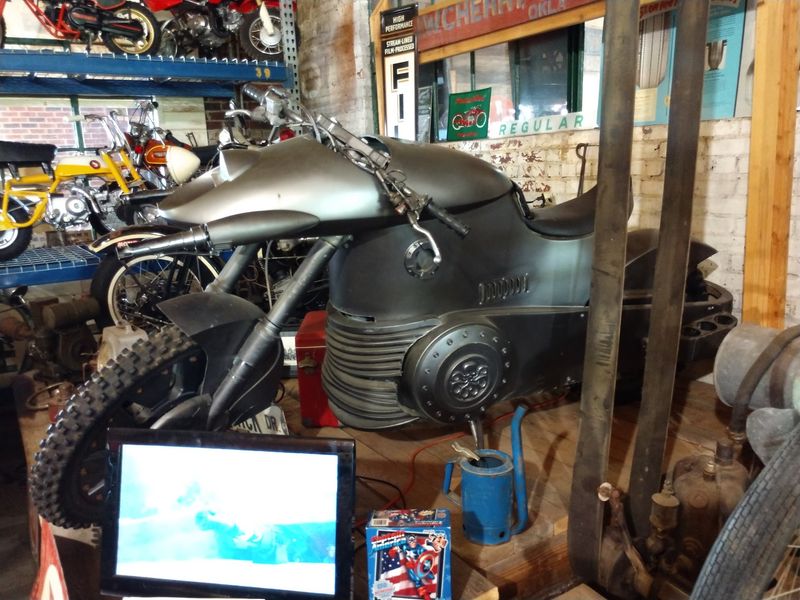
Rarity is a big part of what makes Seaba Station worth a dedicated stop rather than just a casual glance from the highway. Mixed into the broader collection are machines that serious collectors would travel significant distances to see, including models with limited surviving examples and foreign-made bikes that never achieved mainstream popularity in the United States.
The museum gives these overlooked machines a platform they rarely receive elsewhere.
Motocross and dirt bike enthusiasts tend to be especially pleased, since most traditional motorcycle museums focus almost exclusively on road bikes. Seaba Station bucks that trend with a notably strong representation of off-road machines, giving the collection a breadth that appeals to a wider range of riding backgrounds.
Visitors who grew up racing on dirt tracks often find machines here that trigger vivid personal memories.
One particularly crowd-pleasing exhibit is a replica of Captain America’s motorcycle from a classic American road movie, which draws attention from visitors who may not even consider themselves motorcycle fans. That kind of pop culture touchpoint makes the collection accessible to casual visitors while the deeper rarities satisfy the hardcore enthusiasts.
Few museums manage to appeal to both audiences as naturally as this one does.
The Workshop Garage Feel That Sets It Apart
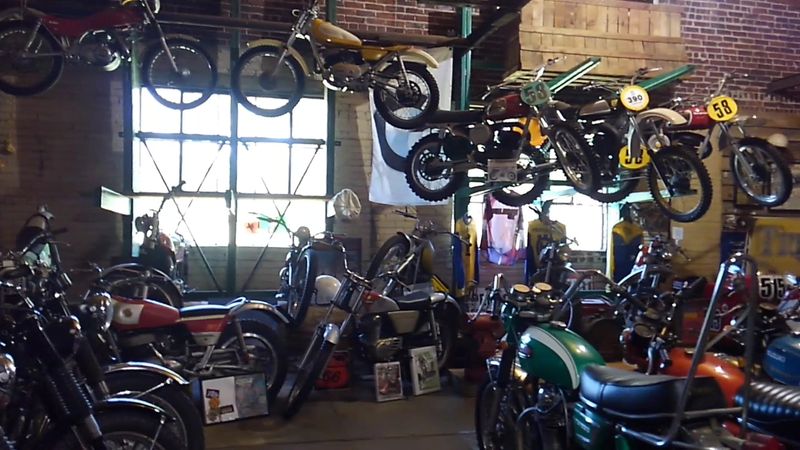
Walking through Seaba Station feels less like touring a polished institution and more like being invited into someone’s personal workshop. The atmosphere is warm, slightly chaotic in the best possible way, and completely unpretentious.
Unlike museums that prioritize sterile presentation over genuine character, this place leans hard into its garage roots and is far more charming because of it.
One longtime visitor described the experience as similar to wandering through your own workshop in a garage, meaning everything feels personal and purposeful rather than curated for maximum impressiveness. That authenticity resonates with visitors who have grown tired of over-designed museum spaces that feel more like retail showrooms than living history.
The Seaba Station approach trusts its collection to speak for itself.
Gear, memorabilia, and assorted motorcycle-related ephemera fill the spaces between bikes, adding texture and visual interest at every turn. Nothing feels staged or artificially aged for effect.
The patina here is real, built up over years of genuine use and collection rather than applied for aesthetic purposes. For visitors who can spot the difference between authentic and manufactured charm, that distinction makes the whole experience significantly more satisfying.
Oklahoma’s First Plumbed Outhouse – A Quirky Bonus Discovery
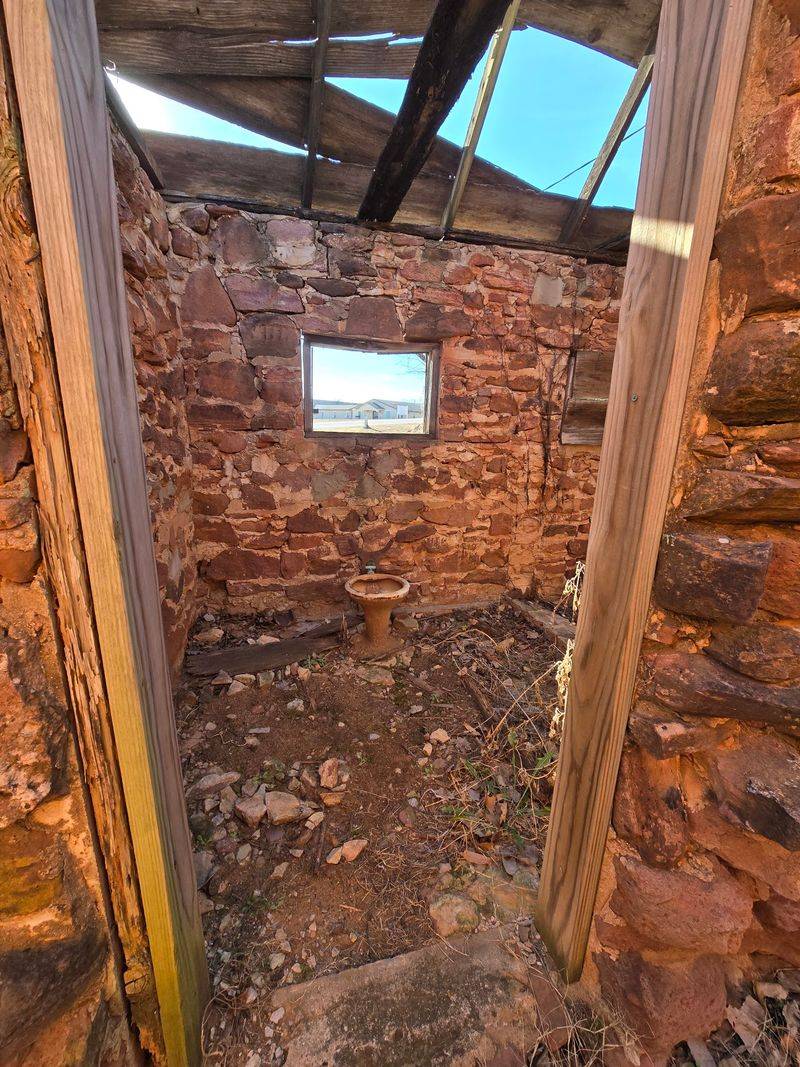
Beyond the motorcycles, Seaba Station holds at least one claim to fame that has nothing to do with two wheels at all. On the property sits what is reportedly the first plumbed outhouse in the entire state of Oklahoma, originally used by the service station that occupied this spot generations ago.
It sounds almost too specific to be remarkable, but somehow that detail perfectly captures the spirit of the place.
Finding unexpected historical footnotes tucked into a roadside stop is exactly the kind of thing that makes Route 66 travel so rewarding. You come for the motorcycles and leave with a story about Oklahoma plumbing history that nobody at home will quite believe.
That layering of surprises is part of what earns Seaba Station such enthusiastic word-of-mouth among road-trippers who have been down this highway many times before.
The outhouse is accessible as an outbuilding on the property, and visitors are encouraged to check it out as part of the full experience. It may not be the main attraction, but it is the kind of quirky detail that sticks in the memory long after the specific bike models have blurred together.
Oklahoma history comes in unexpected shapes, and this one is literally a small wooden structure behind a motorcycle museum.
Free Admission With a Donation-Based Model
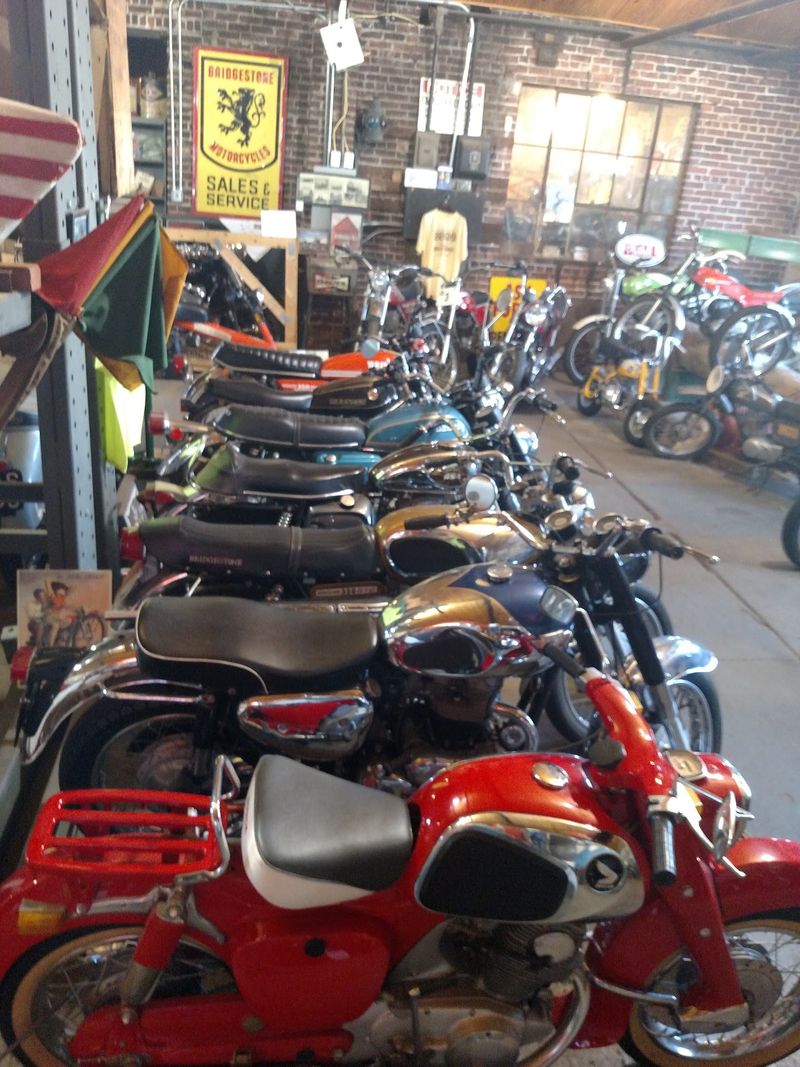
Free admission might be the most underrated aspect of Seaba Station, especially for road-trippers already stretching a budget across hundreds of miles of highway. There is no entry fee to walk through and explore the entire collection, making this one of the most accessible stops on the Oklahoma stretch of Route 66.
The museum operates on a donation model, relying on the generosity of visitors who feel the experience was worth contributing to.
That funding approach says something meaningful about the place. Rather than charging a fixed price that might deter casual curiosity, Seaba Station essentially trusts visitors to decide its value for themselves.
Most people who walk through end up feeling the collection is worth far more than a typical museum admission would suggest, and the donation box reflects that goodwill from people who genuinely want to see the museum continue.
Supporting the museum through donations or merchandise purchases matters more than it might at a well-funded institution. The collection exists because of passion and community support rather than institutional backing, which gives every dollar spent here a more direct impact.
Visitors who pick up a souvenir or leave a donation are actively helping preserve a piece of Oklahoma and Route 66 history that might otherwise disappear. That sense of participation makes the experience feel more meaningful.
The Gift Shop and Souvenir Selection
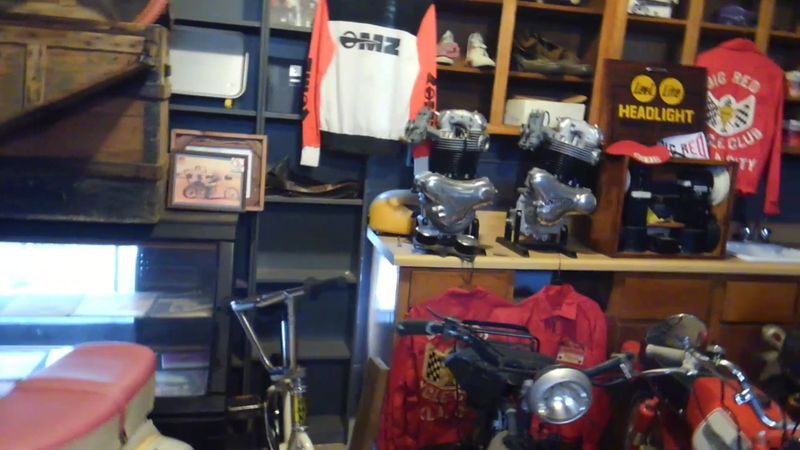
Souvenir shops at roadside attractions can be disappointing afterthoughts, but the gift area at Seaba Station earns its own mention. Visitors consistently highlight the merchandise as a genuine draw, not just a checkout formality.
The selection blends Route 66 memorabilia with motorcycle-themed goods, creating a mix that appeals to both highway history fans and riding enthusiasts.
T-shirts are a particular standout, available in multiple designs celebrating Route 66 and the museum itself, offered in both men’s and women’s sizes. With 2026 marking the centennial anniversary of Route 66, the museum has expanded its commemorative merchandise to match the moment.
Finding a well-designed shirt that actually references something historically meaningful feels more satisfying than the generic tourist gear sold at most highway stops.
Beyond apparel, the shop has a flea market quality that some visitors find especially appealing. Assorted collectibles, patches, pins, and Route 66 memorabilia share shelf space in a way that rewards browsing.
Prices are described as reasonable by visitors who have compared them to similar stops along the route. Whether you leave with a single postcard or a full bag of finds, the shop adds a fun final chapter to the visit without feeling like a hard sales pitch.
Route 66 Passport Stamp Stop
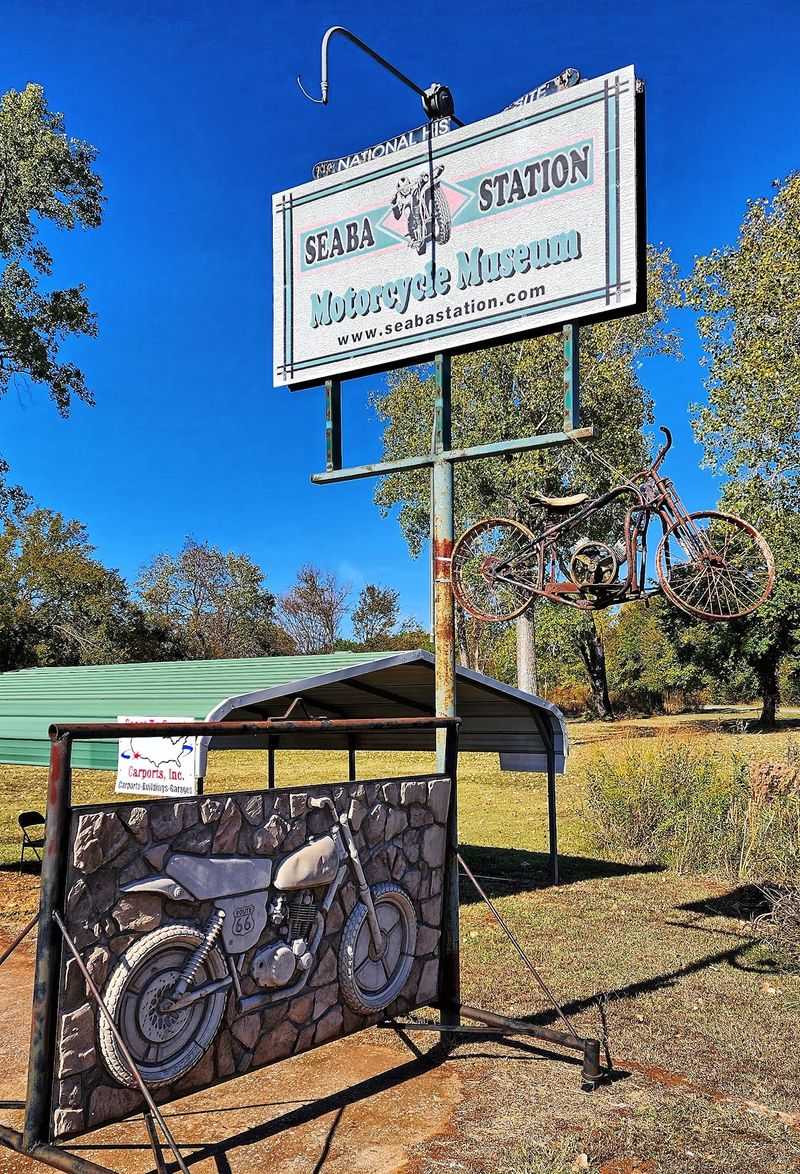
For dedicated Route 66 travelers working their way through the official passport stamp program, Seaba Station is a legitimate and enthusiastically recommended stop. The museum offers stamps for the Route 66 passport book, adding a tangible, collectible element to the visit that appeals to completionists and casual road-trippers alike.
Getting that stamp feels like earning a small badge of honor for taking the time to stop somewhere real.
The passport program has grown into one of the more popular ways to experience Route 66 with a sense of purpose and progression. Each stamp represents an actual stop made, a story collected, and a mile of highway genuinely traveled rather than bypassed on the interstate.
Seaba Station fits naturally into that framework because it is exactly the kind of authentic, unpolished landmark the program was designed to celebrate.
Visitors who are partway through a longer Route 66 journey often mention the stamp stop as one reason they pulled in, only to discover the motorcycle collection was far more engaging than they expected. That pattern of pleasant surprise is one of the museum’s most consistent qualities.
The stamp brings them through the door, and the bikes keep them inside far longer than originally planned. It is a perfect example of how the best roadside stops exceed their own advertising.
The Knowledgeable and Welcoming Staff
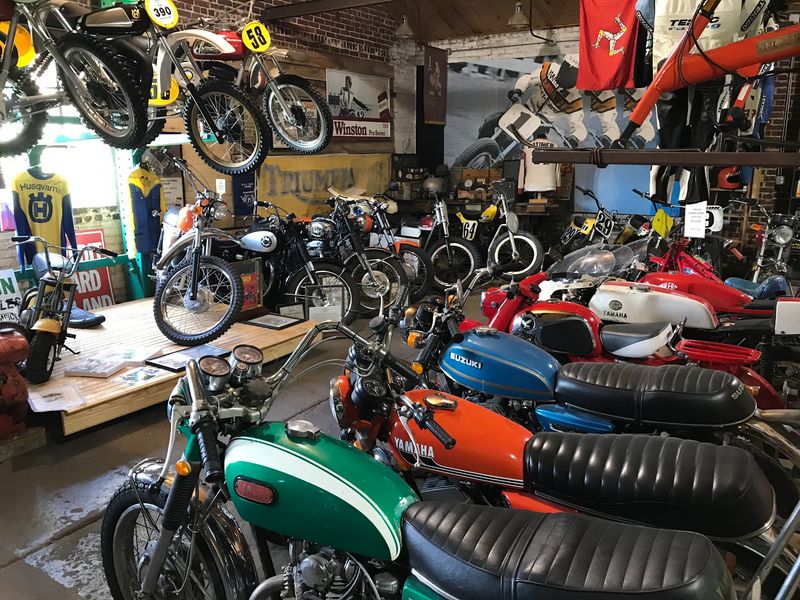
A collection is only as good as the people willing to talk about it, and Seaba Station benefits enormously from staff who genuinely love what they do. Visitors regularly comment on the friendliness and knowledge of the people running the museum, particularly noting that conversations with the owner tend to be highlights of the visit.
That personal, unhurried engagement is something you simply cannot find at larger, more corporate attractions.
The owner’s background adds credibility to every conversation. Known in some circles as a Cannonballer, familiar with long-distance road travel and roadside mechanical realities, he brings firsthand riding experience to the stories behind the bikes.
One reviewer recounted breaking down near the museum and receiving immediate, generous help from the proprietor, a detail that speaks to the kind of community-minded hospitality that defines the best Route 66 stops.
Beyond practical knowledge, the staff creates an atmosphere where questions are welcomed and curiosity is rewarded. Visitors who arrive knowing nothing about motorcycles leave with context and appreciation they did not expect to gain.
That educational dimension happens organically through conversation rather than through formal guided tours, which keeps the experience relaxed and enjoyable. Feeling genuinely welcomed rather than processed makes a meaningful difference in how a visit is remembered afterward.
Community Events and Ride-Ins
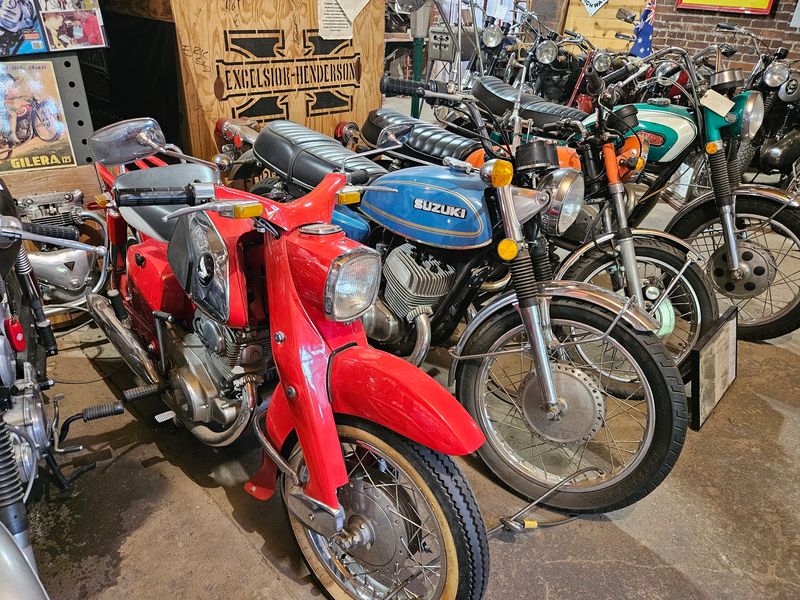
Seaba Station functions as more than a static collection of old machines. The museum actively supports the riding community through sponsorship of ride-in events and motorcycle giveaways, turning the location into a living hub for Oklahoma’s motorcycle culture rather than just a place to view history behind glass.
That community engagement gives the museum an energy that purely passive collections often lack.
Ride-in events bring riders of all experience levels and bike types to the property, creating informal gatherings that blend the social side of motorcycle culture with the historical context the museum provides. For visitors who happen to arrive on event days, the experience expands well beyond the indoor collection to include the spectacle of dozens of bikes parked outside and owners sharing stories on the pavement.
It is exactly the kind of spontaneous, people-centered experience that makes Route 66 travel feel alive.
The museum’s willingness to give back to the riding community through giveaways and sponsorships reflects an ownership philosophy that values participation over profit. That approach has built genuine loyalty among Oklahoma riders who might otherwise have no particular reason to stop in Warwick.
For out-of-state visitors, stumbling onto an active riding community centered around a small roadside museum is the kind of unexpected bonus that makes a road trip memorable for years afterward.
Who Will Enjoy Visiting and Why
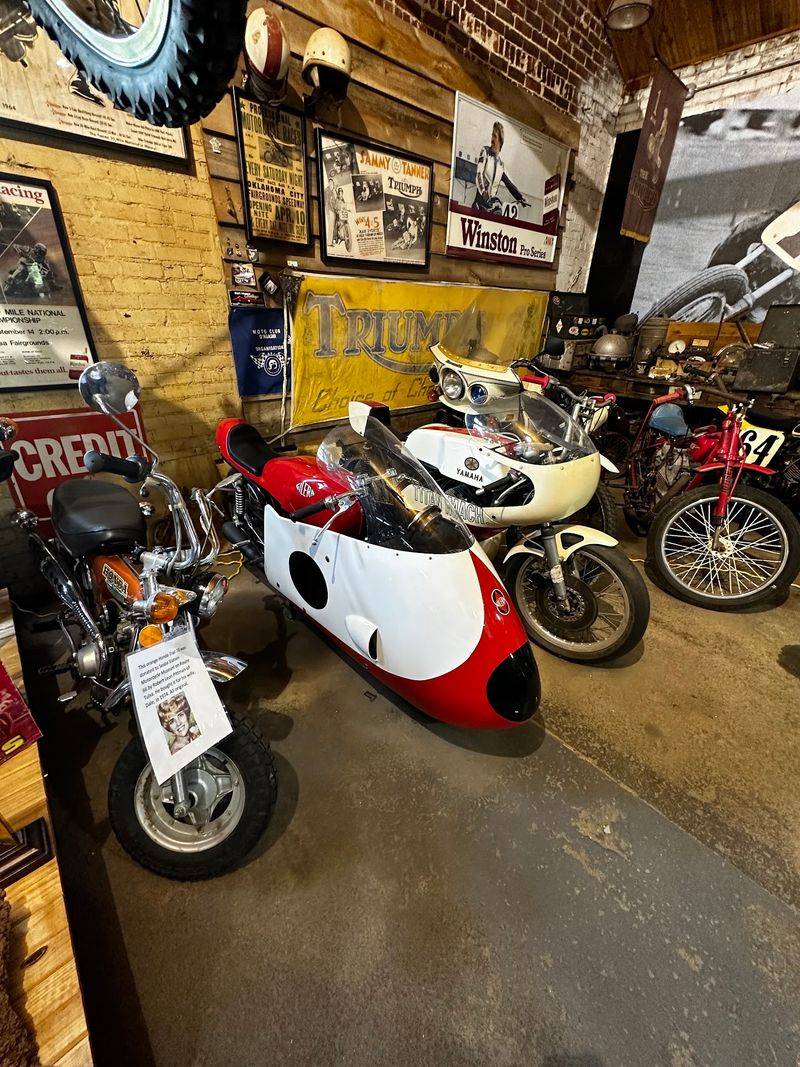
Motorcycle enthusiasts are the obvious audience for Seaba Station, but the museum consistently surprises visitors who arrive with no particular passion for bikes. The combination of Route 66 history, Oklahoma roadside character, and the treasure-hunt browsing experience creates broad appeal that extends well beyond the riding community.
Couples, families, solo travelers, and history buffs all find reasons to linger longer than planned.
Children old enough to appreciate mechanical history tend to respond well to the sheer visual density of the collection. Seeing hundreds of machines in every shape and era, from tiny mini cycles to full-size antique road bikes, sparks curiosity even in kids who have never thought about motorcycles before.
Parents appreciate that the museum is engaging without requiring a long, structured commitment of time.
Solo road-trippers, especially those making a deliberate Route 66 journey, consistently rank Seaba Station among their more memorable stops precisely because it feels unscripted and genuine. The place does not try to be everything to everyone, and that honesty is refreshing.
Visitors who enjoy places with real personality rather than polished presentation will feel immediately at home here. Anyone who has ever loved poking through an old garage full of forgotten machines will understand the appeal within about thirty seconds of walking through the door.
Hours, Location Details, and Planning Your Visit
Planning a stop at Seaba Station requires just a little advance attention to the schedule. The museum is open Tuesday through Friday from 10 a.m. to 5 p.m., Saturday from 10 a.m. to 5 p.m., and Sunday from noon to 5 p.m.
Wednesday is the one day the museum stays closed, so mid-week travelers should plan accordingly. Most visits run between 45 minutes and an hour, though enthusiasts often find themselves staying considerably longer.
The address is 336992 OK-66, Warwick, Oklahoma, and the museum sits on the north side of the highway between Luther and Chandler. Navigation apps handle the location well, and the building is recognizable once you are in the right area.
For Route 66 travelers heading west to east or vice versa, the museum requires no detour at all, just a well-timed slowdown and a turn into the lot.
Phone contact is available at 405-258-9141, and the museum’s website at seabastation.com provides additional information for visitors planning ahead. Given that the owner has mentioned the possibility of closure at some future point, there is genuine value in visiting sooner rather than later.
Some places exist in a narrow window of time, and catching them while they are still open is its own reward. This is one worth prioritizing on your next Oklahoma road trip.
Share this story