Oklahoma has a way of surprising you when you least expect it. You round a corner in a small town and suddenly feel like you have stepped back a hundred years, surrounded by buildings so beautifully intact you have to remind yourself you are still in the present.
Few places in the entire state deliver that feeling as powerfully as this particular downtown, where the brickwork, storefronts, and sidewalks seem frozen in another era. Once you spend an afternoon wandering here, you will understand why people keep coming back.
Guthrie and Its Place on the Oklahoma Map
Sitting about 30 miles north of Oklahoma City along US-77, Guthrie carries a weight of history that few towns its size can match. Founded in a single afternoon on April 22, 1889, during the Land Run that opened the Unassigned Lands, Guthrie went from empty prairie to a city of roughly 10,000 people before the sun set on that first remarkable day.
For a brief but meaningful period, it served as Oklahoma’s territorial capital, a role that brought grand ambitions and serious architecture to its streets. When the capital moved to Oklahoma City in 1910, Guthrie’s growth slowed considerably, and that slowdown turned out to be one of the greatest preservation gifts any American town could receive.
Because major development pressure never arrived, the Victorian-era buildings that lined its streets were never torn down to make way for glass towers or strip malls. What remained was a streetscape so complete and so authentic that it is now recognized as one of the largest historic preservation districts in the country.
Visitors often describe arriving in Guthrie as stepping through a doorway in time.
The Scale of the Historic District
Size matters when it comes to historic preservation, and Guthrie’s district operates at a scale that genuinely astonishes first-time visitors. The protected area covers a substantial portion of the original downtown core, encompassing hundreds of buildings that date primarily from the 1890s through the early 1900s.
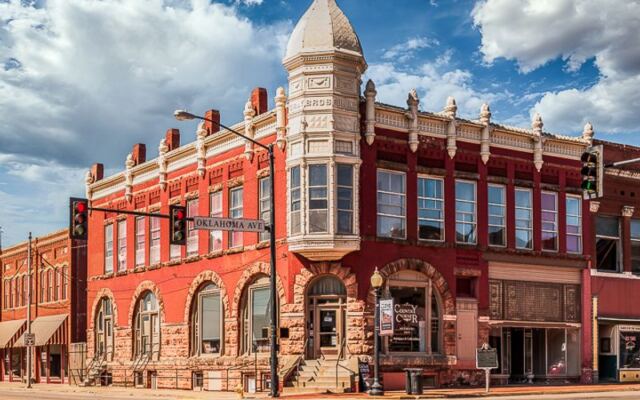
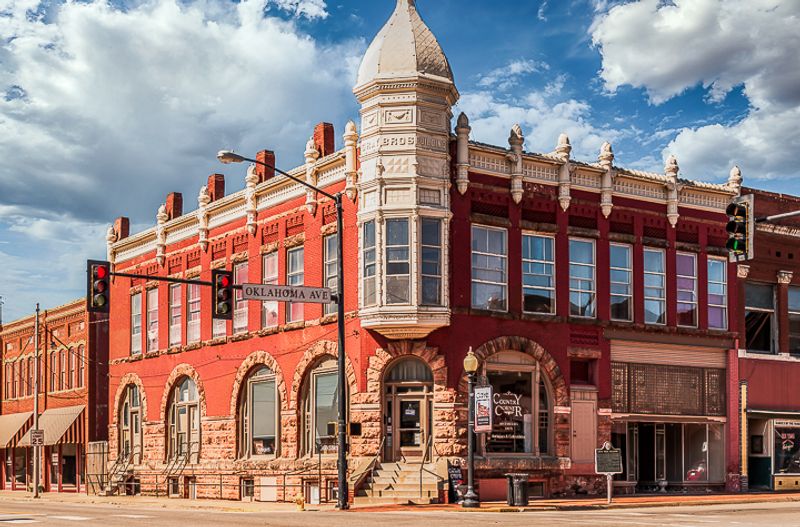
Walking the streets here is not a matter of admiring one or two restored showpieces surrounded by modern intrusions. Block after block, the original facades stand essentially as they were built, creating an unbroken visual rhythm of pressed brick, decorative cornices, arched windows, and cast-iron details that feels almost cinematic in its consistency.
Locals and longtime visitors point out that the district does not feel like a theme park or a staged attraction. The buildings are occupied by real businesses, local shops, and working offices, which gives the whole place an organic energy that purely museumified downtowns often lack.
Visitors frequently mention that wandering here feels genuinely exploratory rather than scripted, as though every side street might offer something unexpected around the bend. That sense of authentic, living history is precisely what makes the scale of this district so impressive.
Victorian Architecture at Every Turn
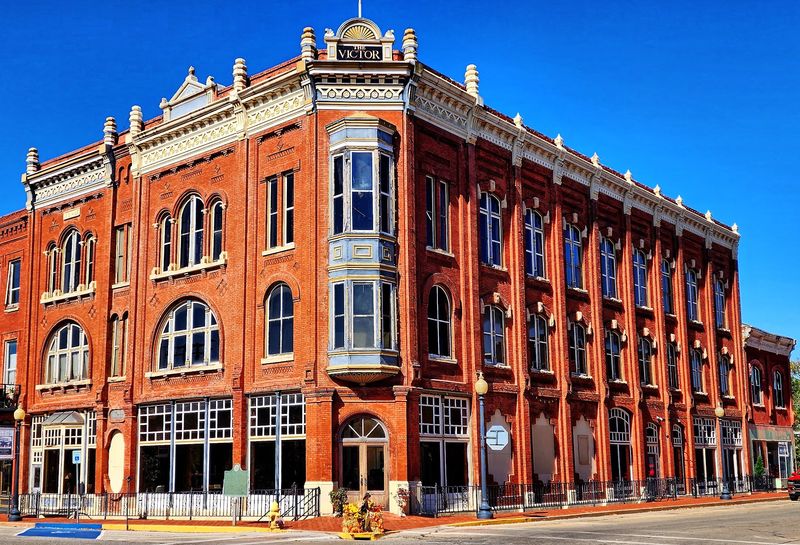
Architecture enthusiasts who visit Guthrie for the first time often run out of superlatives quickly. The buildings here represent a remarkably pure cross-section of late Victorian commercial design, built during a period when Guthrie’s founders believed their city was destined for greatness and spent accordingly.
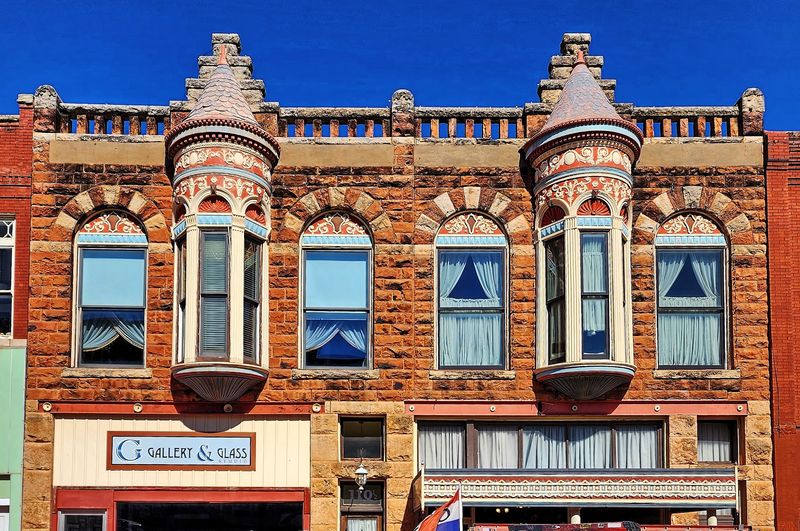
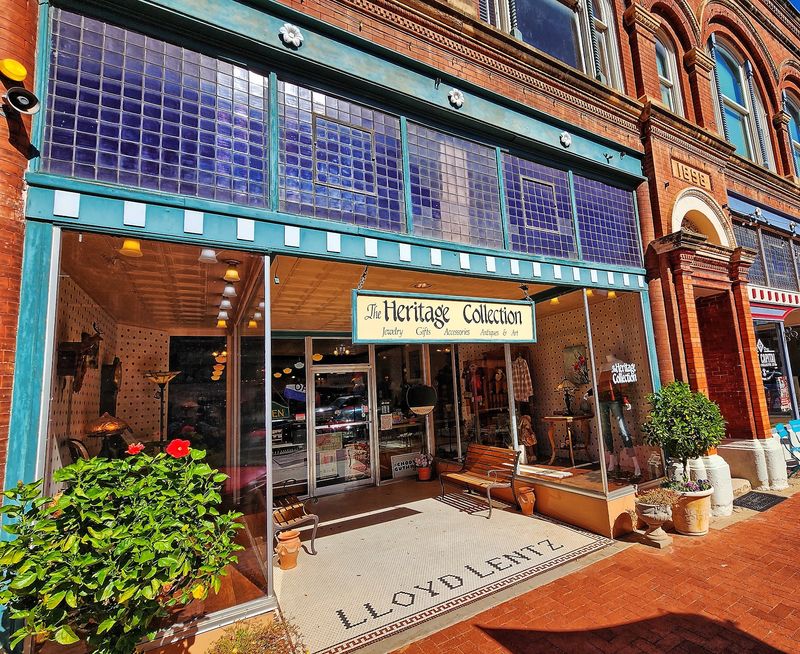
Elaborate pressed-brick facades, decorative stone detailing, and tall arched windows dominate the streetscape. Many structures feature ornate cornices that project dramatically above the roofline, a design flourish that was fashionable in the 1890s and that survived here simply because nobody ever had reason to remove them.
The overall effect is of a downtown that was built with genuine civic pride and genuine craft.
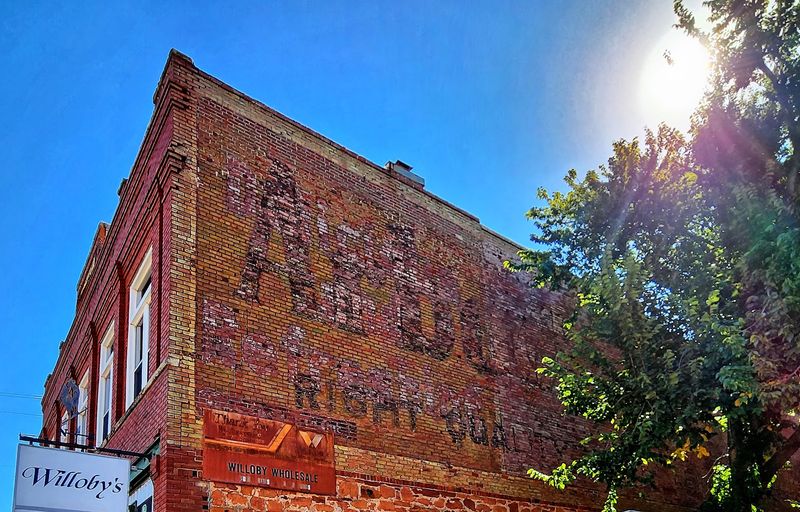
What makes the architecture even more compelling is its authenticity. Visitors consistently note that the buildings have received only the minimal renovations necessary to keep them functional, preserving their original character rather than smoothing it away with heavy-handed restoration.
Peeling paint, worn wood, and weathered brick are not flaws here but honest marks of age that make the district feel genuinely historic rather than artificially polished. For anyone who loves old buildings, Guthrie’s streetscape is close to a dream.
Antique Shops Worth Getting Lost In
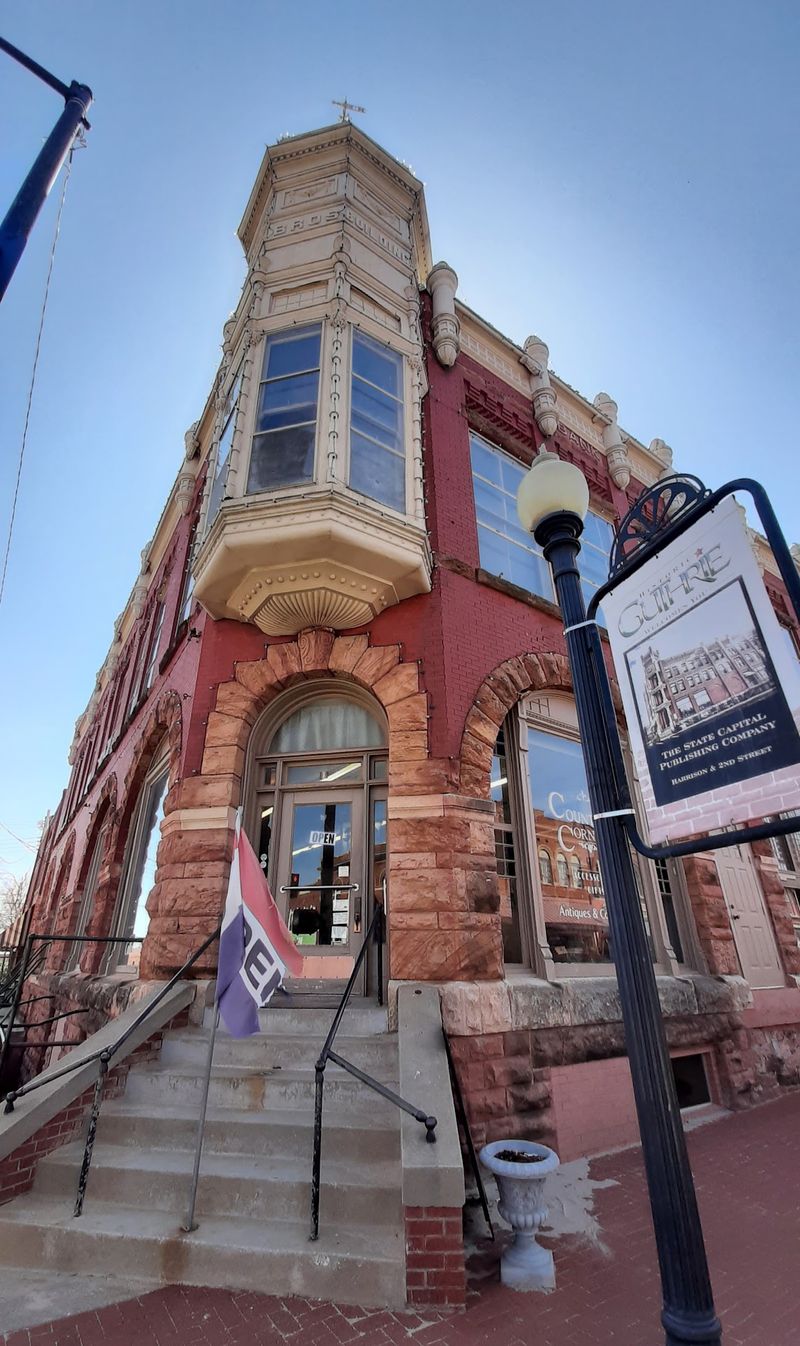
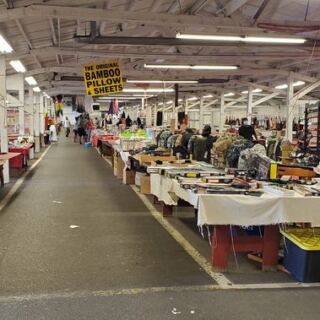
Antique hunting in Guthrie is less a chore and more an adventure with no fixed destination. The downtown district is home to a notable concentration of antique shops, each with its own personality and its own particular rabbit warren of treasures waiting to be discovered by a patient browser.
Visitors describe the experience of popping into random stores as genuinely fun, never knowing whether the next doorway will reveal vintage furniture, old advertising signs, Oklahoma memorabilia, costume jewelry, or stacks of mid-century kitchenware. The variety is wide enough that even seasoned antique hunters tend to find something they were not expecting.
Part of what makes the shopping here so enjoyable is the setting itself. Browsing through a collection of old goods inside a building that is itself over a century old creates a layered sense of time that feels special.
The shops are not chain operations or polished galleries but independent, idiosyncratic spaces run by people who clearly love what they sell. Whether you arrive as a serious collector or simply a curious wanderer, the antique shops of Guthrie’s historic district have a way of pulling you in and keeping you longer than you planned.
The Land Run Legacy That Shaped Everything
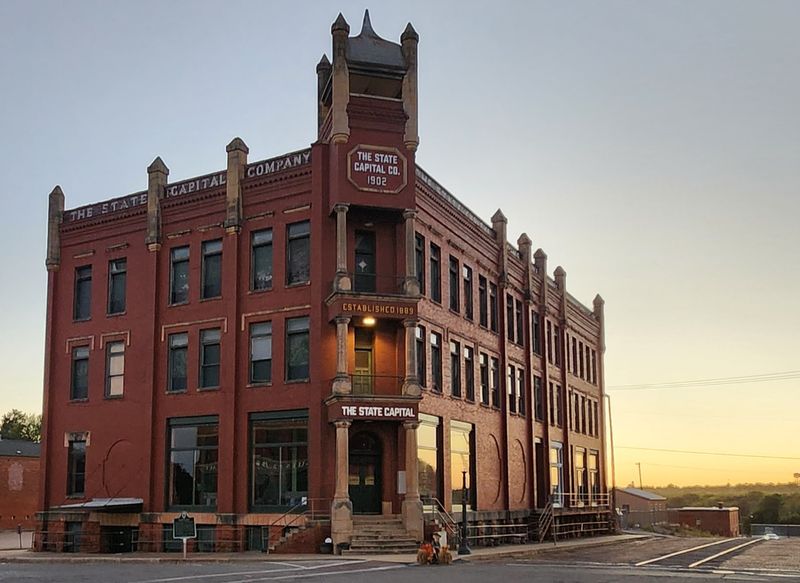
No visit to Guthrie makes complete sense without understanding the extraordinary event that created it. On April 22, 1889, the federal government opened a section of central Oklahoma to settlement, and thousands of hopeful settlers lined up at the borders, waiting for a signal.
When the starting gun fired at noon, the rush began, and Guthrie’s story started in that single frantic afternoon.
By evening, the town had a functioning tent city, a post office, and an improvised government. Within weeks, permanent buildings were rising.
Within months, Guthrie had newspapers, hotels, and the ambitions of a territorial capital. The speed of that transformation from empty grassland to functioning city remains one of the most remarkable episodes in American settlement history.
That founding story infuses every corner of the historic district with meaning. When you look at a brick building from 1893, you are looking at something that was built by people who arrived with almost nothing just a few years earlier and somehow created an entire city from scratch.
Understanding that context transforms the act of wandering Guthrie’s streets from simple sightseeing into something that feels genuinely moving. The history here is not abstract; it is written into every facade.
Oklahoma’s First Territorial Capital
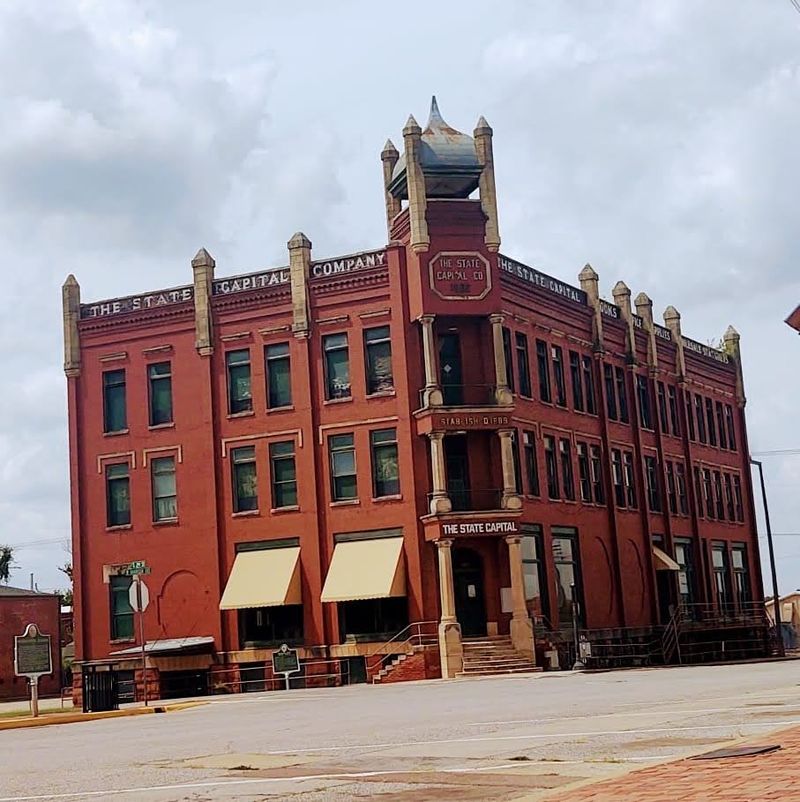
Before Oklahoma City claimed the title, Guthrie held the honor of serving as Oklahoma’s capital, first as a territorial capital and then briefly as the state capital after Oklahoma achieved statehood in 1907. Those years of political importance left a physical mark on the town that is still clearly visible today.
The buildings constructed during Guthrie’s capital era were built to impress, designed to signal permanence and ambition to anyone who doubted the young territory’s seriousness. Grand commercial blocks, imposing public buildings, and wide avenues were all part of a deliberate effort to project confidence.
Many of those structures still stand, anchoring the historic district with a sense of institutional weight.
When the capital relocated to Oklahoma City in 1910 under circumstances that remain a lively topic of local conversation, Guthrie lost its political centrality almost overnight. But the built legacy of those capital years survived intact.
Visitors today can walk past buildings that once housed territorial offices, early newspapers, and the civic institutions of a young state finding its footing. Few places in Oklahoma offer such a direct physical connection to the state’s earliest years of self-governance, and that connection gives Guthrie’s historic district a depth that goes beyond aesthetics.
The Pollard Theatre and Its Cultural Heartbeat
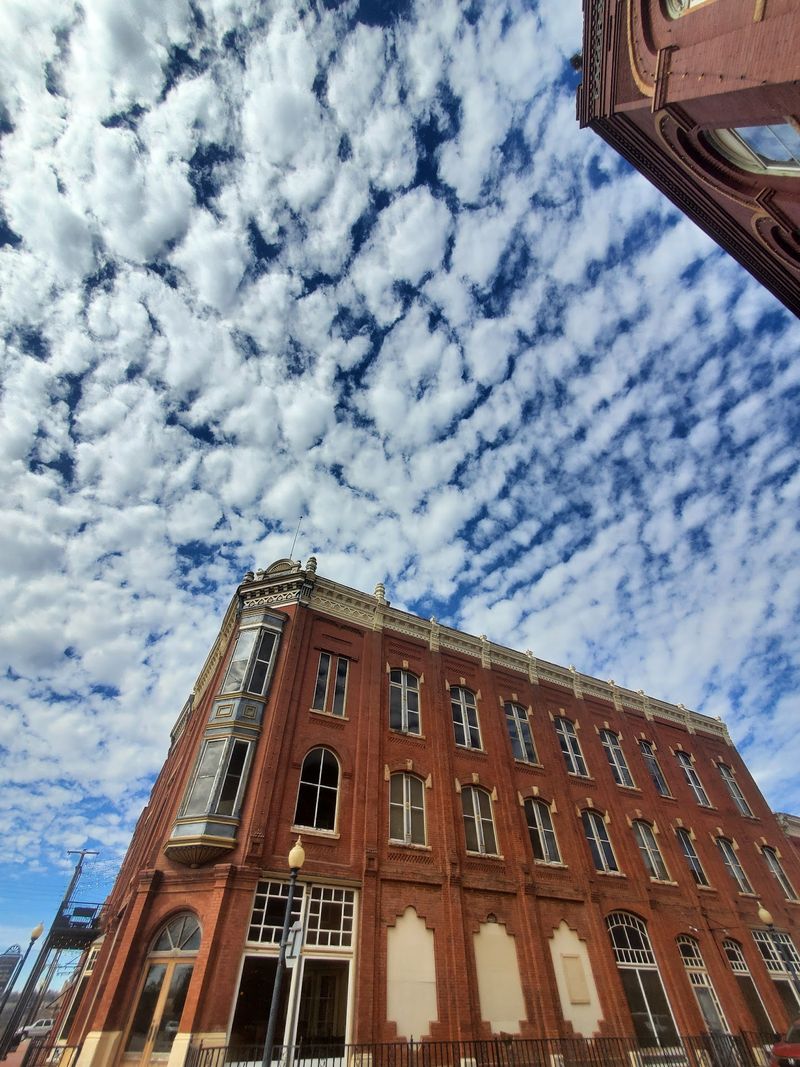
Among the many cultural landmarks tucked into Guthrie’s historic district, the Pollard Theatre holds a particularly warm place in the community’s affections. Housed in a beautifully preserved historic building, the Pollard has operated as a professional theatre for decades, bringing live performances to a town that takes its arts seriously.
The theatre is especially beloved for its seasonal productions, and visitors who have attended performances there describe the experience as genuinely special. Watching live theatre inside a Victorian-era building in a town this small creates an atmosphere that larger city venues simply cannot replicate.
The intimacy of the space and the quality of the productions combine to make evenings at the Pollard genuinely memorable.
Holiday productions at the theatre draw audiences from well beyond Guthrie’s borders, with families making the trip specifically to catch a show during the Christmas season. The Pollard is a reminder that Guthrie’s historic district is not simply a place to look at old buildings but a living cultural center where community life still unfolds in meaningful ways.
For visitors who want more than architecture and antiques, checking the theatre’s schedule before arriving is absolutely worth the few minutes it takes.
Christmas in Guthrie – A Victorian Tradition
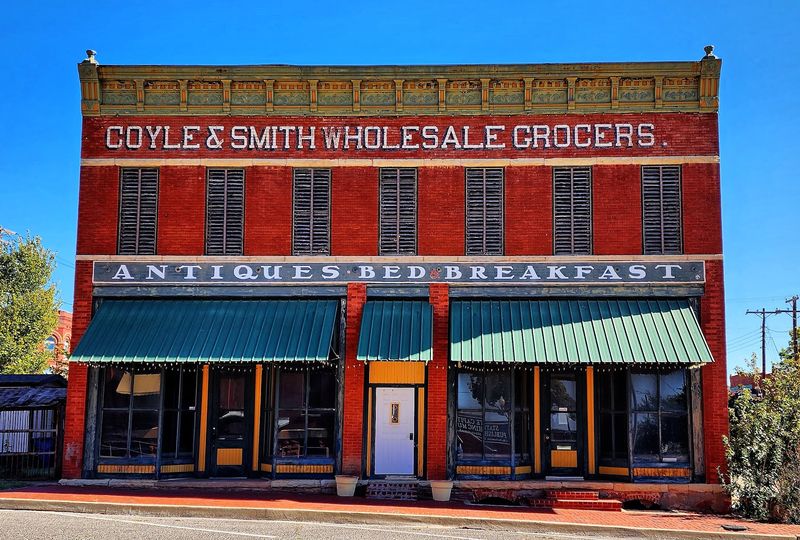
Come November, something quietly magical happens to Guthrie’s historic district. The Victorian architecture that defines the town turns out to be a perfect backdrop for old-fashioned Christmas decoration, and the community leans into that compatibility with obvious enthusiasm.
The result is one of Oklahoma’s most celebrated seasonal experiences.
The Guthrie Christmas Victorian Walk is a beloved annual event that draws visitors from across the state and beyond. Storefronts dress their windows in period-appropriate holiday style, the streets fill with lights and greenery, and the whole district takes on a warmth that feels genuinely festive rather than commercially manufactured.
Multiple visitors have described it as one of their favorite holiday traditions in Oklahoma.
The combination of authentic Victorian architecture and Christmas decoration creates a visual harmony that more modern downtowns simply cannot achieve. When the buildings themselves are from the 1890s, stringing them with period-style lights and garlands does not feel like costuming; it feels like restoration.
For families, couples, and anyone who appreciates the slower rhythms of a small-town holiday season, Guthrie at Christmas offers something genuinely hard to find elsewhere in the state. Planning a visit around the Victorian Walk is an idea that rarely disappoints.
Museums and History Stops Along the Way
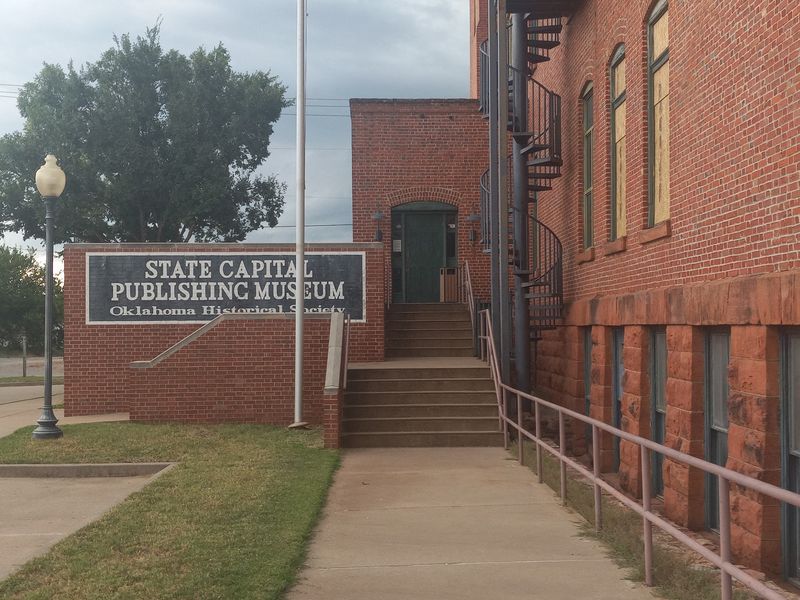
Wandering Guthrie’s streets is satisfying on a purely visual level, but the museums scattered through the historic district give that wandering genuine intellectual depth. Several institutions in and around downtown offer deep explorations of Oklahoma territorial history, the Land Run, Guthrie’s capital years, and the everyday lives of the people who built this place.
Visitors who take the time to step inside even one or two of these museums consistently say the experience changes how they see the buildings outside. Knowing the stories behind the storefronts, understanding who lived and worked in these spaces and what they were trying to accomplish, transforms a pleasant stroll into something closer to genuine historical immersion.
The museums here tend to be the kind of local, community-run institutions that pack an enormous amount of specific knowledge into relatively modest spaces. You are not getting the glossy, interactive experience of a big-city museum, but you are getting something arguably more valuable: direct access to the particular story of one remarkable place, told by people who care deeply about preserving it.
First-time visitors often find themselves planning a return trip specifically to spend more time with the museums they had to rush through on their initial visit.
The Atmosphere That Sets Guthrie Apart
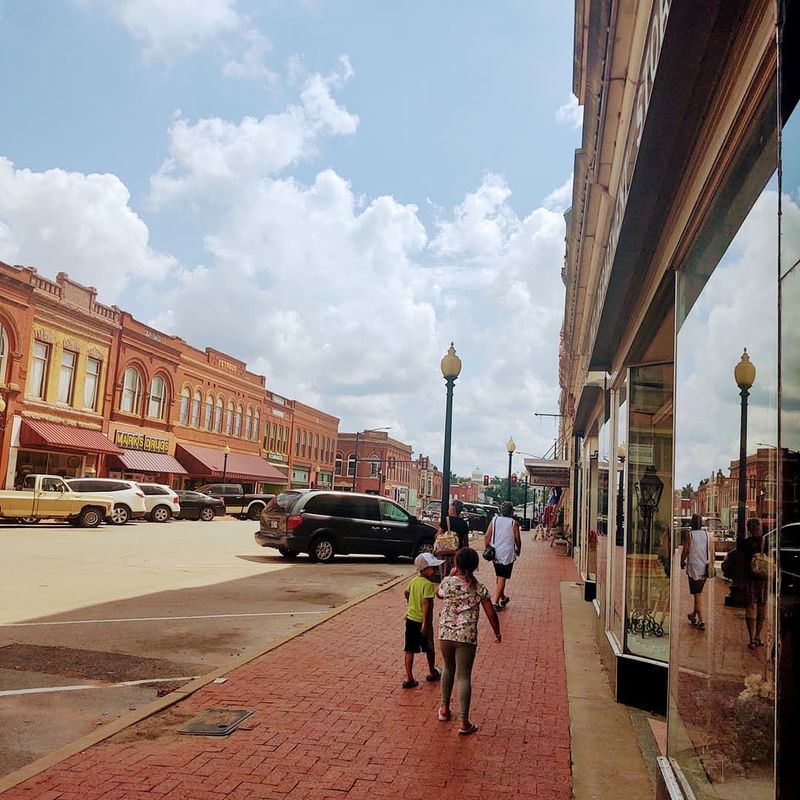
Plenty of towns in Oklahoma have history, and quite a few have preserved buildings. What makes Guthrie’s historic district genuinely different is the atmosphere that emerges from the combination of scale, authenticity, and community life all existing in the same place at the same time.
Walking here on a weekend afternoon, you are surrounded by people who are clearly enjoying themselves without the slightly self-conscious air that can hover over heavily marketed tourist destinations. Locals mix with visitors, shop owners chat with browsers, and the whole district hums with a relaxed social energy that feels organic rather than staged.
Friendly people are a feature visitors mention consistently, and that warmth is not incidental; it is part of what the place is.
The absence of an overly touristy quality is something that comes up repeatedly among people who visit Guthrie for the first time. The district does not feel like a performance put on for outsiders.
It feels like a real town that happens to have kept its original bones intact, and that authenticity is precisely what makes spending time here so satisfying. You leave feeling like you have actually been somewhere, not just passed through a carefully managed experience designed for consumption.
Who Will Love Guthrie Most
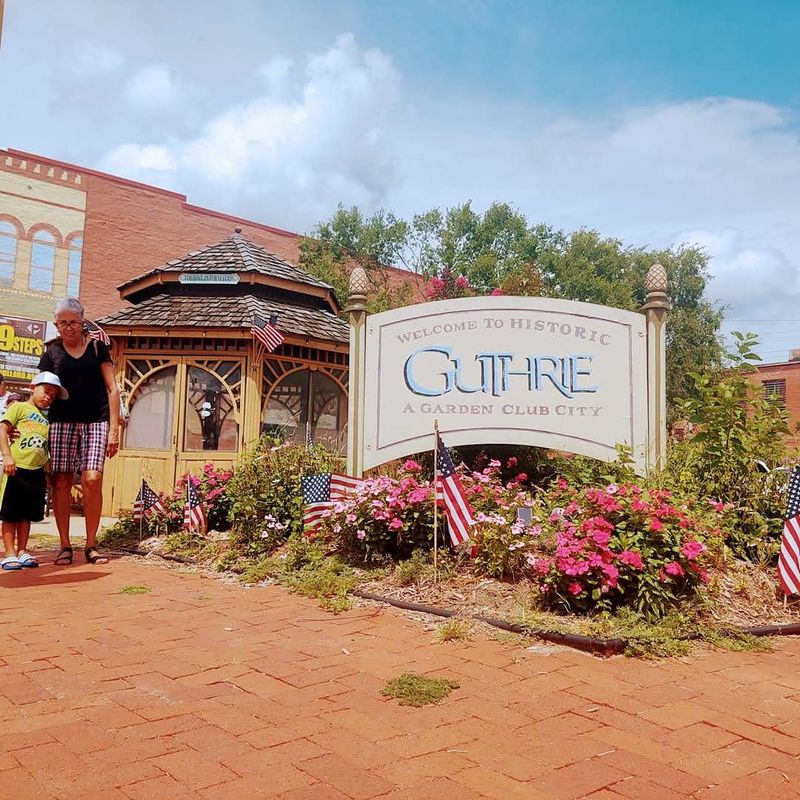
History lovers are the obvious audience for Guthrie’s historic district, and they will find more here than almost any comparable Oklahoma destination can offer. But the town’s appeal extends well beyond people who already know they love Victorian architecture or territorial-era Oklahoma history.
Families with curious kids tend to do very well here. The streets are walkable and safe, the antique shops offer plenty of visual stimulation for young eyes, and the surrounding history is dramatic enough to engage children who respond to stories of adventure and rapid change.
A town that went from empty prairie to a city of thousands in a single afternoon is a story that tends to land with younger audiences.
Road-trippers and weekend adventurers from the Oklahoma City metro find Guthrie an easy and rewarding day trip, close enough for a casual outing but substantial enough to fill several enjoyable hours. Couples looking for a slower-paced alternative to city weekend activities often discover that Guthrie fits the bill perfectly.
Photography enthusiasts, antique collectors, theatre fans, and anyone who simply appreciates the feeling of a place that has held onto its identity across more than a century of change will all find genuine reasons to linger here longer than originally planned.
Practical Details for Planning Your Visit
Getting to Guthrie from Oklahoma City is straightforward and takes roughly 30 to 40 minutes depending on traffic. US-77 north carries you directly into town, and the historic district is easy to navigate once you arrive.
Parking along the main streets is generally accessible and free, which makes the practical logistics of a visit refreshingly simple.
The historic district itself is open around the clock, every day of the week. The outdoor streetscape is yours to explore at any hour, and wandering the sidewalks at dusk or in the early morning has its own particular appeal when the light plays differently across the old brick facades.
Individual shops, museums, and the Pollard Theatre maintain their own hours, so checking ahead for any specific venue you want to visit is a smart move before making the trip.
Guthrie is a town where a cup of coffee from a local shop and a few hours of aimless wandering can constitute a genuinely satisfying outing. There is no admission fee to walk the historic district, which makes it an accessible option for visitors at any budget level.
The phone number on file for the district is +1 817-921-0127 if you need to reach someone with specific questions before your trip.
Why Guthrie Stays With You After You Leave
Some places are pleasant to visit and easy to forget. Guthrie’s historic district belongs to a smaller category of destinations that tend to occupy a corner of your memory long after the drive home is finished.
The reason has something to do with the rarity of what it offers.
Genuinely preserved historic downtowns at this scale are not common in America, and they are especially uncommon in states whose growth patterns did not leave many such places intact. Finding one in Oklahoma, accessible on a casual weekend afternoon, feels like discovering something that should not still exist.
That sense of unexpected discovery is a powerful thing, and Guthrie delivers it consistently.
Visitors who have been coming back for years describe the district as one of those places that rewards repeated attention. There is always another building detail to notice, another shop to explore, another layer of history to absorb.
Whether your first visit lasts two hours or a full day, the odds are good that you will find yourself planning a return before you have fully processed the first trip. Oklahoma has a lot to offer the curious traveler, and Guthrie’s historic district sits near the top of any honest accounting of the state’s most rewarding places to spend time.
Share this story