The year 1958 was a turning point for American popular music. Rock and roll had moved from the fringes into the mainstream, and teenagers were driving that shift with real purchasing power and strong opinions about what they wanted to hear.
Radio stations, jukeboxes, and American Bandstand were the primary ways young people discovered new music, and the songs that broke through that year did so with remarkable staying power. From doo-wop harmonies to Latin-flavored instrumentals, the hits of 1958 covered a surprising range of styles, all tied together by the energy of a generation that was rewriting the rules of popular culture.
Many of these tracks earned gold records, topped multiple charts simultaneously, and launched careers that lasted for decades. Whether you lived through that era or are just discovering it now, these 12 songs reveal exactly how adventurous and creative the pop music landscape was in a year that still gets talked about today.
1. All I Have to Do Is Dream by The Everly Brothers
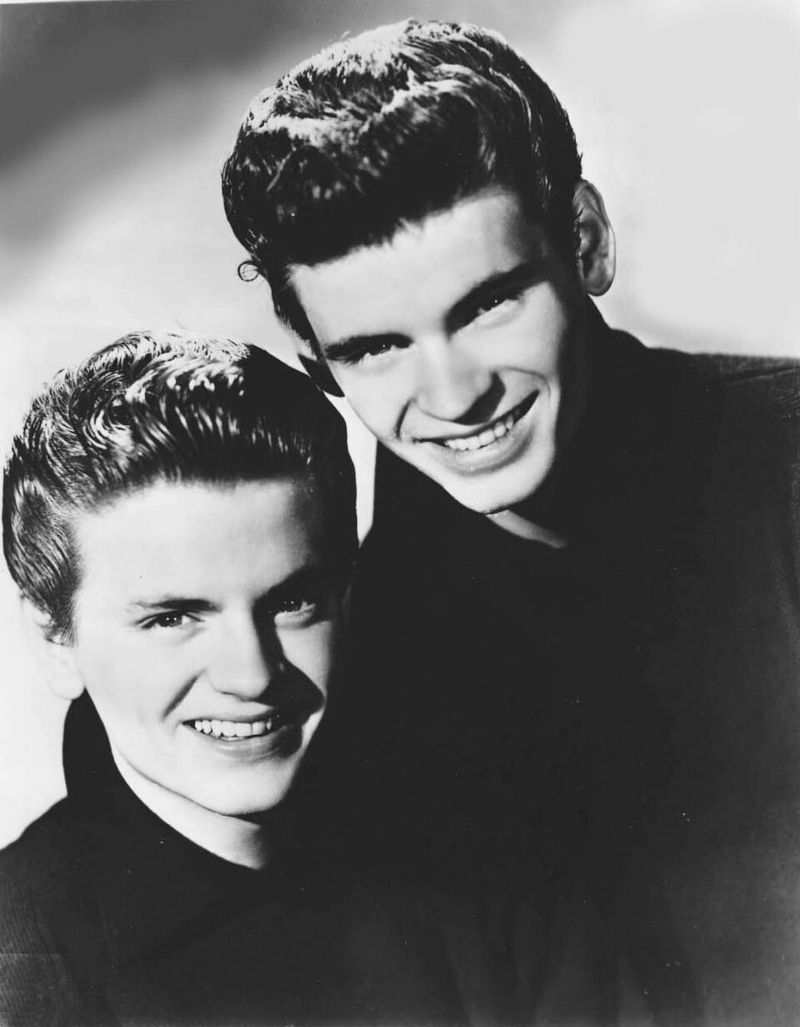
Phil and Don Everly turned close-harmony singing into a chart-dominating art form, and no song proved it more convincingly than this one. Released in April 1958, the track shot straight to number one on the Billboard Hot 100 and held that position for four consecutive weeks.
It also topped the country and R&B charts simultaneously, which was an unusual achievement that showed just how broadly the song connected with listeners. The Everly Brothers were signed to Cadence Records at the time, and this was one of their earliest releases under that label.
The song was written by Boudleaux Bryant, one half of the legendary Bryant songwriting duo, who also wrote several other Everly Brothers hits. Its smooth, unhurried pace stood apart from the faster rock tracks dominating radio that year, proving that restraint could be just as powerful as energy.
2. Tequila by The Champs
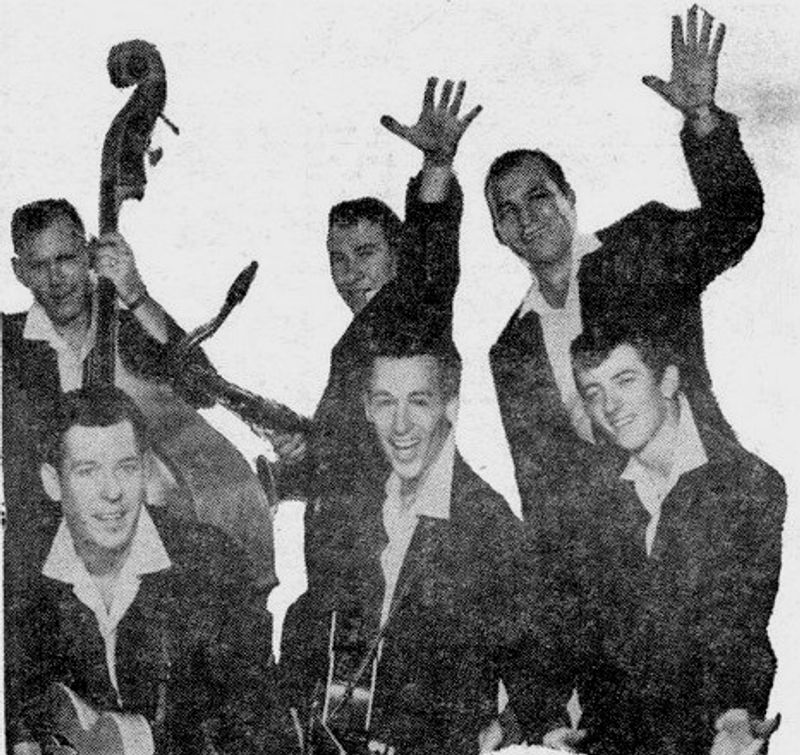
An instrumental track with a single shouted word somehow became one of the most recognizable songs of the entire decade. “Tequila” by The Champs was released on January 15, 1958, originally as the B-side to a song called “Train to Nowhere,” which almost no one remembers today.
A disc jockey in Cleveland flipped the record over and played the B-side instead, and the response from listeners was immediate. The track climbed to number one on the Billboard pop chart by March 28, 1958, staying there for five straight weeks.
At the first-ever Grammy Awards ceremony in 1958, the song took home the award for Best Rhythm and Blues Performance. Its saxophone riff, written by Chuck Rio, required no lyrics to communicate pure excitement, making it one of the rare instrumentals that genuinely crossed over into mainstream teen culture.
3. Splish Splash by Bobby Darin
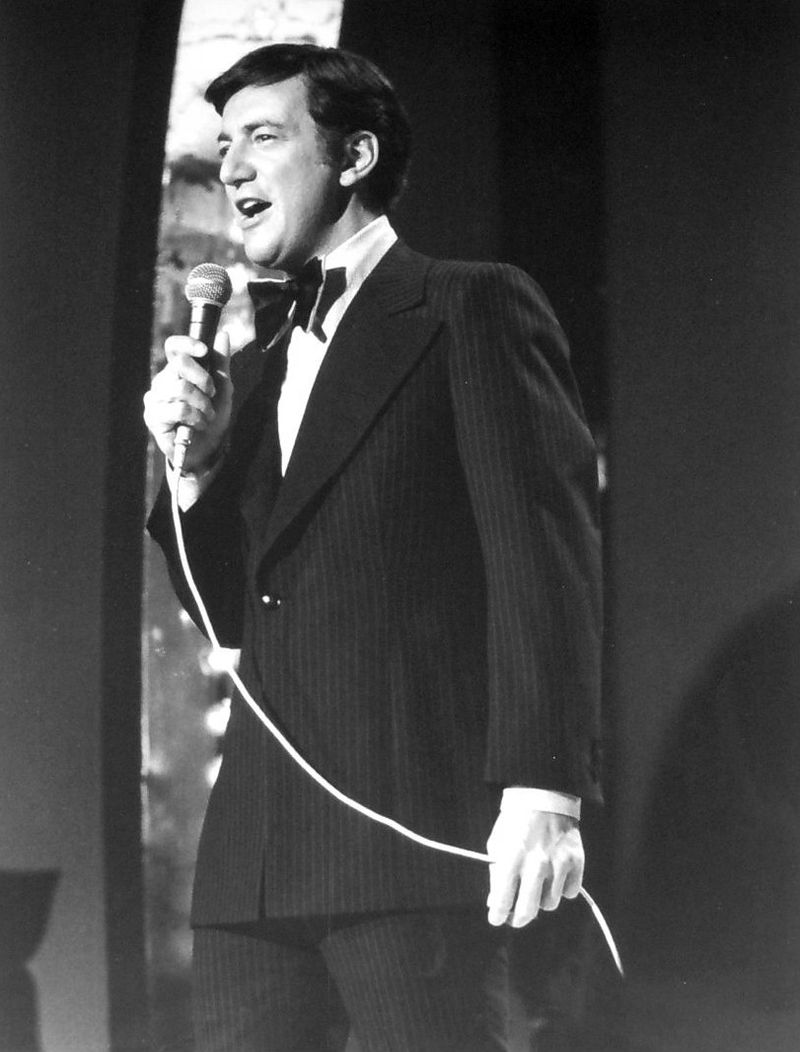
The origin story of this song is almost as entertaining as the track itself. DJ Murray Kaufman’s mother reportedly challenged a young Bobby Darin to write a song that started with the words “Splish splash, I was takin’ a bath,” and Darin finished the whole thing in roughly fifteen minutes.
Recorded on April 10, 1958, at Atlantic Studios in New York City, “Splish Splash” was the first song ever laid down on Atlantic Records’ new eight-track recorder, making it a quiet milestone in studio technology history. The song reached number three on the U.S. pop chart and number two on the R&B Best Sellers list.
Its playful narrative about stumbling into a party mid-bath connected instantly with the teenage sense of humor. The track launched Darin’s career and signaled that rock and roll could be both silly and seriously successful at the same time.
4. Tears on My Pillow by Little Anthony and the Imperials
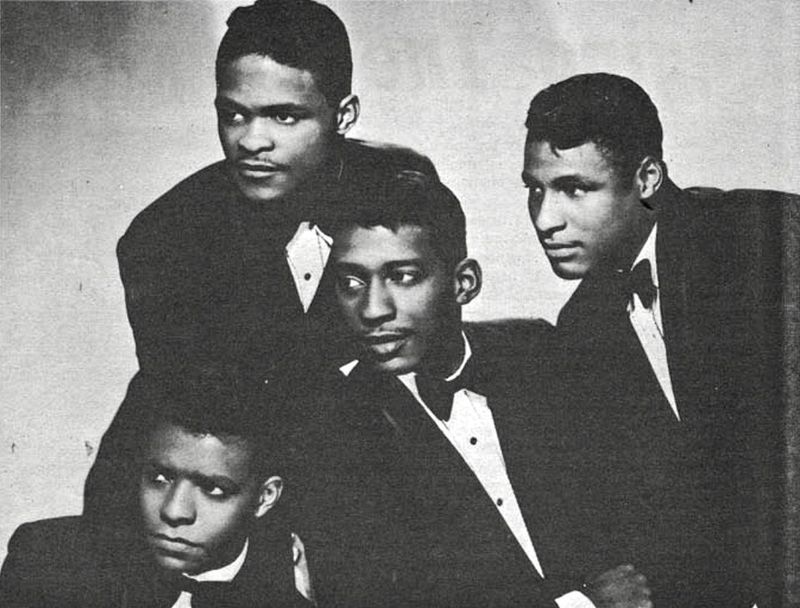
Few debut singles in the doo-wop era arrived with as much emotional weight as this one. Recorded on May 29, 1958, the track was cut when the group was still calling themselves The Chesters, before they formally became The Imperials.
Disc jockey Alan Freed, one of the most influential radio personalities of the era, personally gave the group their new name, and new pressings of the 45 were released under the name Little Anthony and the Imperials. The song climbed to number four on the Billboard Hot 100 and number two on the R&B chart.
Written by Sylvester Bradford and Al Lewis, the ballad gave Anthony Gourdine room to deliver a vocal performance well beyond his teenage years. The combination of his lead vocals, smooth group harmonies, and understated piano arrangement defined a sound that would carry the group through the next decade and beyond.
5. Rockin’ Robin by Bobby Day
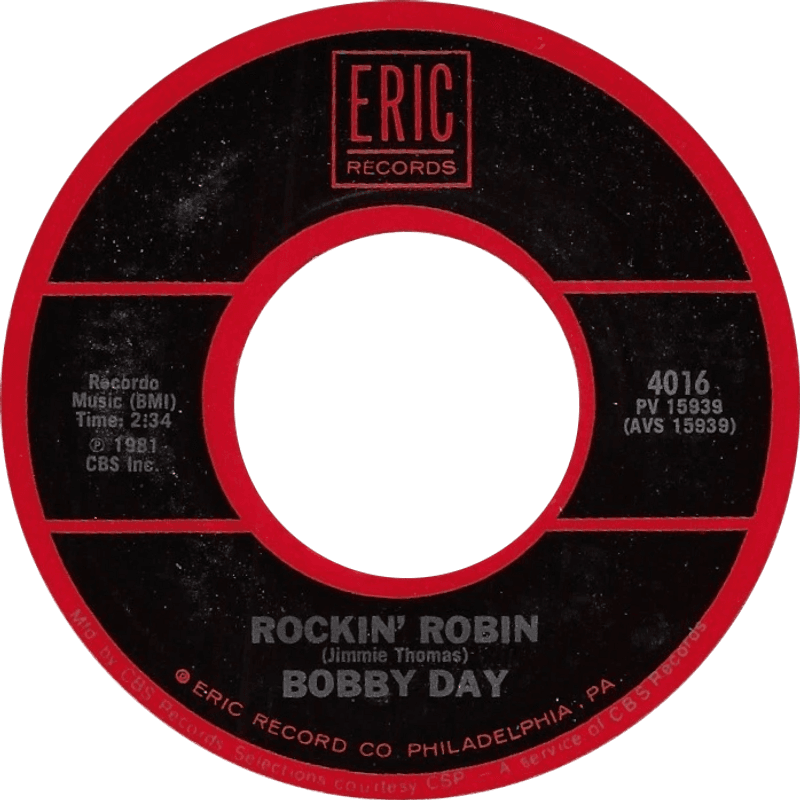
Written by Leon Rene under the pen name Jimmie Thomas, this track gave Bobby Day his biggest commercial moment and one of the cheeriest singles of the entire year. Released on June 27, 1958, it climbed to number two on the Billboard Hot 100 and spent a week at the top of the R&B sales chart.
The recording featured some notable session musicians, including Plas Johnson on piccolo, Earl Palmer on drums, and Barney Kessel on guitar, a lineup that brought real professional polish to what could have been a lightweight novelty track. The song sold over one million copies and earned a gold record certification.
Its upbeat, innocent energy placed it firmly in the early rock and roll tradition, where fun was a legitimate artistic goal. Michael Jackson covered the song in 1972, introducing it to an entirely new generation and cementing its place as a genuine pop standard rather than just a period curiosity.
6. Donna by Ritchie Valens
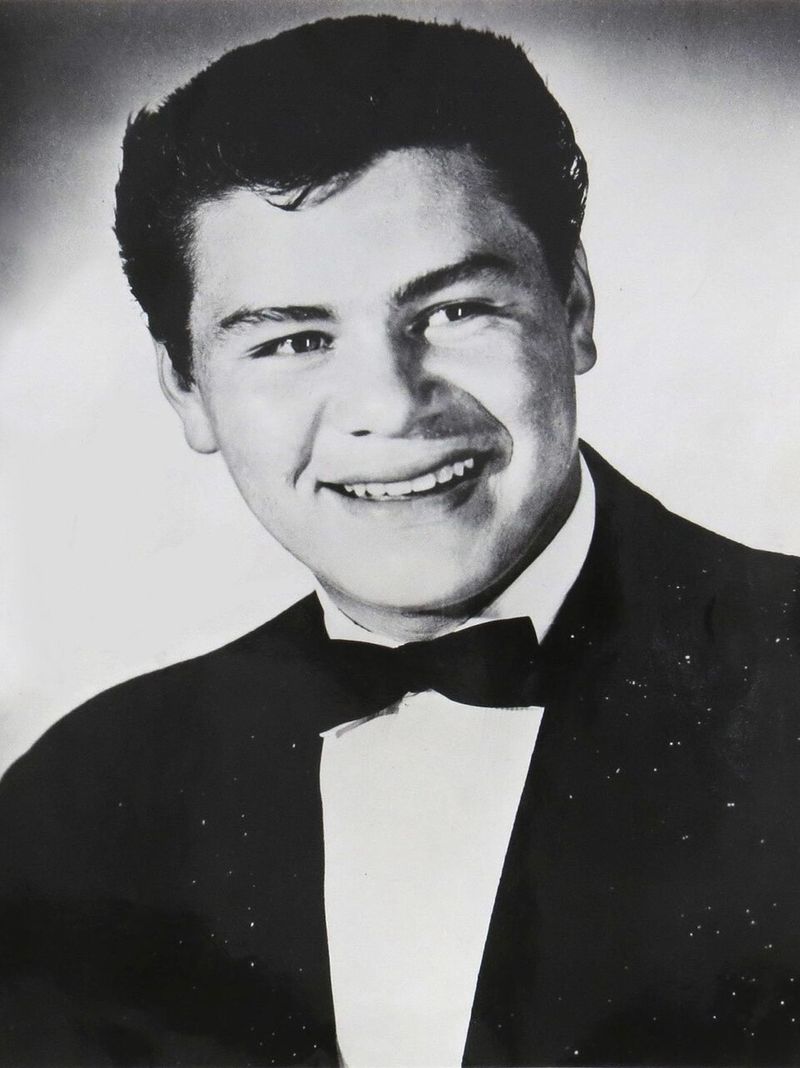
Ritchie Valens wrote “Donna” about his real high school girlfriend, Donna Ludwig, after her father disapproved of their relationship. That personal backstory gave the song an authenticity that teenagers immediately recognized and responded to.
Released in late 1958 on Del-Fi Records, the ballad reached number two on the Billboard Hot 100, held back from the top spot only by “To Know Him Is to Love Him” by The Teddy Bears. Valens was just 17 years old when the song charted, making him one of the youngest artists to score a top-five pop hit at that point in chart history.
The flip side of the same single was “La Bamba,” a traditional Mexican folk song that Valens reworked into a rock number, giving the release a double-sided appeal that was unusual for the era. Together, the two tracks established Valens as a genuinely original voice in early rock and roll.
7. To Know Him Is to Love Him by The Teddy Bears
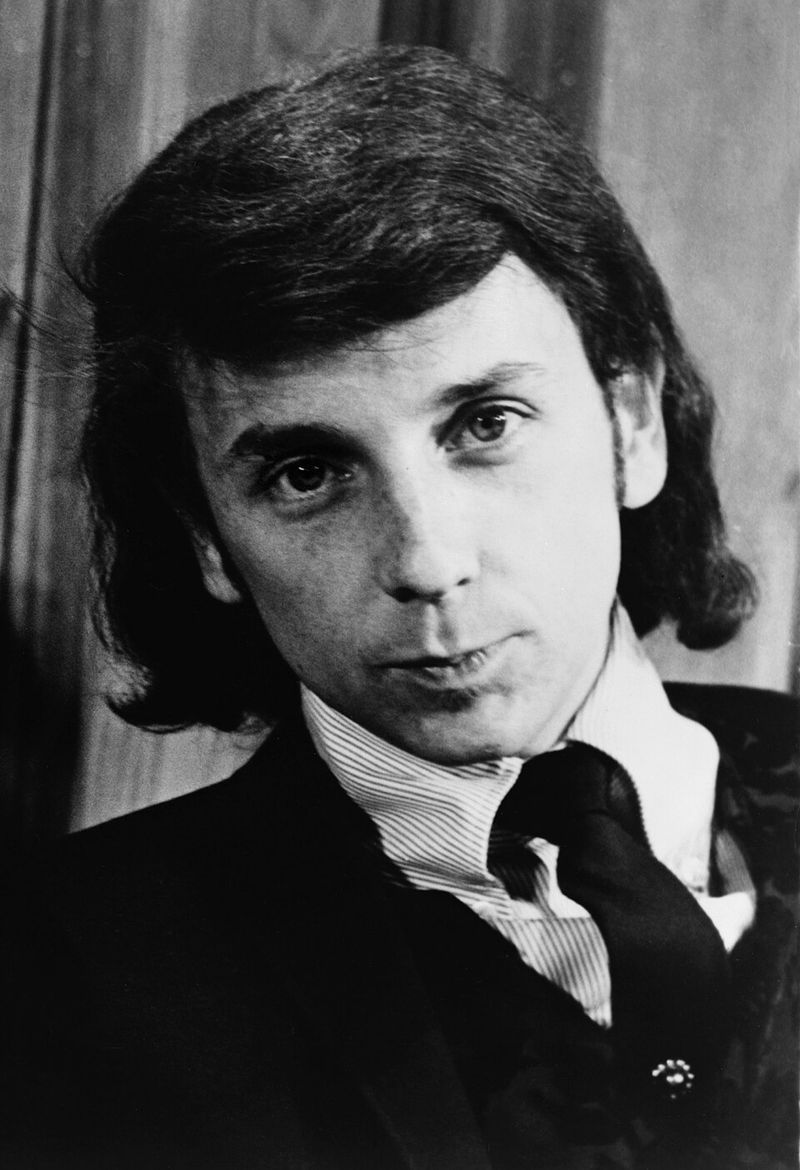
Phil Spector wrote this song while he was still a teenager, drawing the title directly from the words engraved on his father’s headstone. That emotional source material shaped a ballad that felt heavier than most pop songs of its era, even if listeners at the time simply heard it as a sweet romantic number.
Released in August 1958 on Dore Records as the B-side of “Don’t You Worry My Little Pet,” the track gained traction after The Teddy Bears appeared on American Bandstand on October 29, 1958, performing it live for Dick Clark’s national audience. By December, the single had spent three weeks at number one on the Billboard Hot 100 and sold over one million copies before Christmas.
Spector used the song’s success as a launching pad for a production career that would reshape popular music through the 1960s. His “Wall of Sound” technique became one of the most imitated production styles in recording history, and it all started with this 1958 hit.
8. A Lover’s Question by Clyde McPhatter
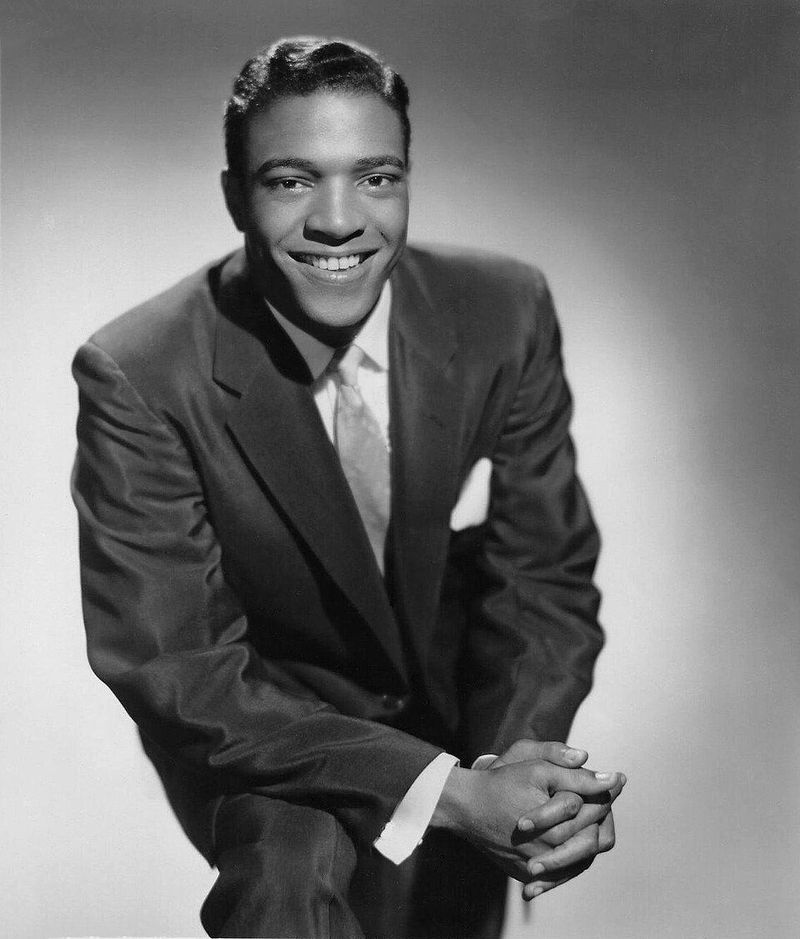
Clyde McPhatter had already built a strong reputation through his work with The Drifters before he launched his solo career, and “A Lover’s Question” gave him his most commercially successful moment as an individual artist. Released in late 1958 on Atlantic Records, the song reached number four on the Billboard Hot 100 and climbed to number one on the R&B chart.
McPhatter’s vocal style bridged the gap between gospel-trained R&B singing and the smoother pop delivery that was becoming commercially dominant by the late 1950s. His phrasing on this track was precise without feeling cold, and the understated production allowed his voice to carry the full weight of the song’s emotional content.
The track became one of the defining R&B singles of its year and helped establish Atlantic Records as the leading label for Black artists working in the soul and R&B space. McPhatter’s influence on singers who followed him, including many of the biggest names of the 1960s, is well documented by music historians.
9. Short Shorts by The Royal Teens
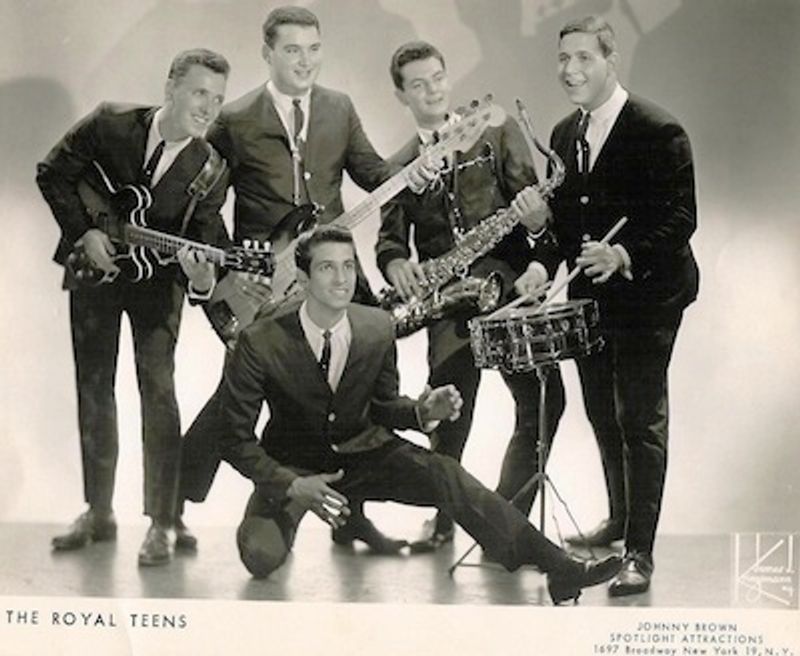
The call-and-response hook at the center of this song, “Who wears short shorts? We wear short shorts,” was reportedly improvised during a jam session when a band member spotted someone walking by in fashionable short shorts.
The Royal Teens built an entire novelty hit around that spontaneous joke.
Formed in 1956 in Fort Lee, New Jersey, the group initially released the track on Power Records in 1957 before it gained wider traction and charted in 1958, reaching number three on the U.S. pop chart and number two on the R&B chart. The entire song was reportedly recorded in about twenty minutes of leftover studio time.
Bob Gaudio co-wrote the song at just 15 years old, which adds an interesting footnote to its history. He later became a founding member and primary songwriter for The Four Seasons, one of the most commercially successful groups of the 1960s, giving this silly 1958 novelty track an unexpectedly significant place in pop music history.
10. Rebel Rouser by Duane Eddy
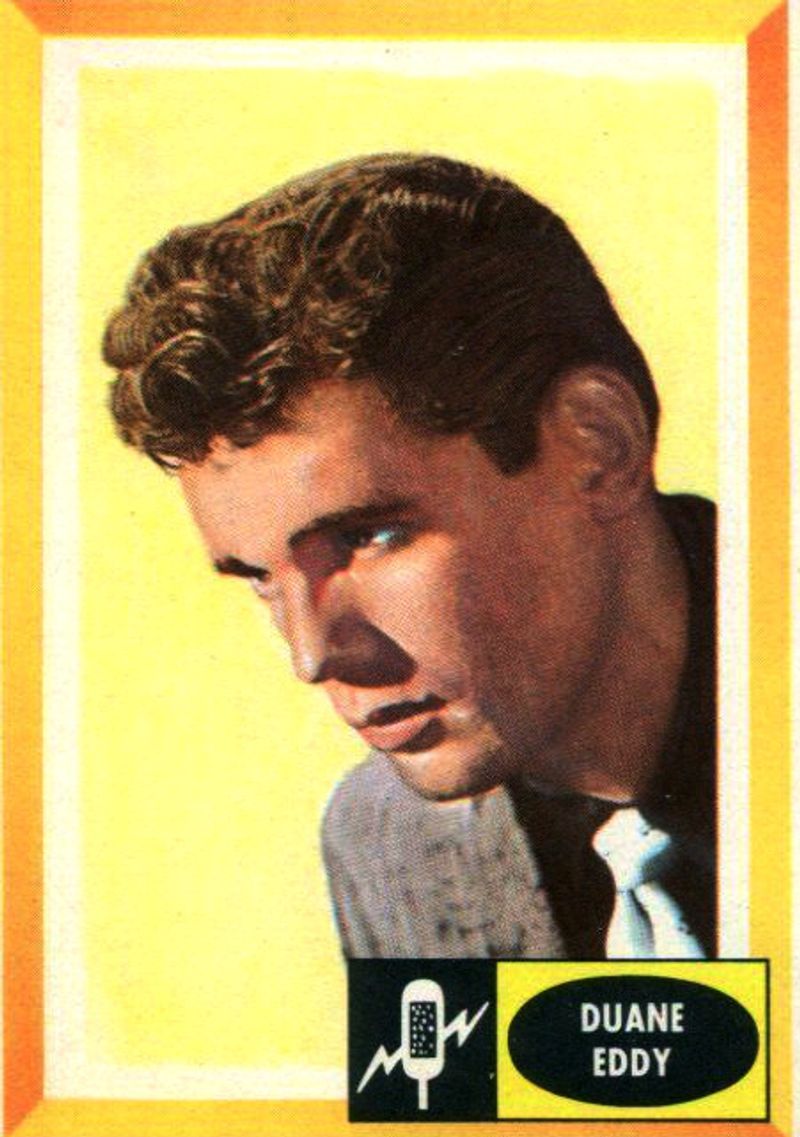
Duane Eddy built his entire musical identity around a single technical choice: playing the melody on the bass strings of his guitar rather than the higher treble strings. That low, reverberant approach became known as the “twangy” guitar sound, and “Rebel Rouser” was the track that introduced it to a national audience.
Released in 1958 on Jamie Records, the song reached number six on the Billboard Hot 100 and became a defining instrumental hit of the early rock era. Producer Lee Hazlewood worked with Eddy to develop the signature sound, recording the guitar through a large water tank to achieve extra resonance and depth.
The track had no lyrics, relying entirely on the guitar tone and a sax break to carry listener attention. Eddy’s approach influenced a long line of guitarists and producers, and the twang sound he pioneered can be heard in surf rock, country, and film scores produced well into the following decades.
11. Who’s Sorry Now by Connie Francis
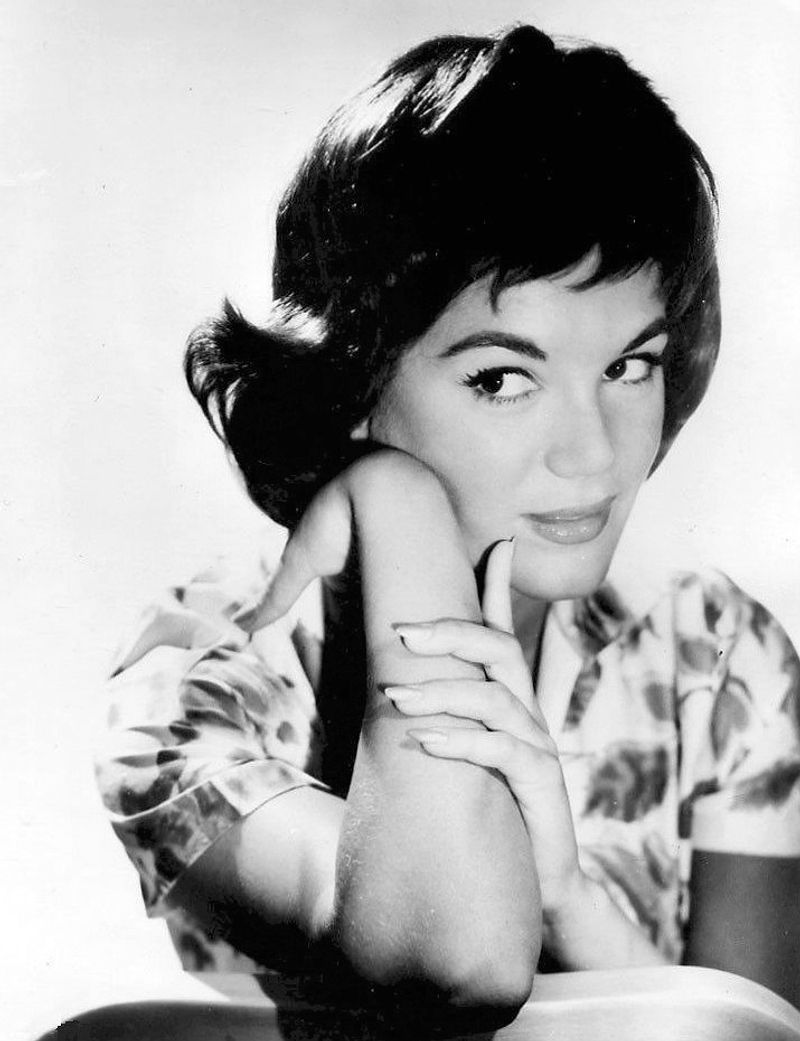
The circumstances behind this recording make it one of the more unlikely comeback stories in pop music history. MGM Records was prepared to drop Connie Francis after a string of unsuccessful singles, and the session that produced “Who’s Sorry Now” was expected to be her last for the label.
Her father pushed her to record the song, a standard originally written in 1923 by Bert Kalmar, Harry Ruby, and Ted Snyder. She recorded it in October 1957, and it debuted on Dick Clark’s American Bandstand on January 1, 1958, immediately generating significant listener response.
By mid-1958, over one million copies had been sold.
The single reached number four on the Billboard Hot 100 in the U.S. and climbed to number one in the UK, turning Francis into an international name almost overnight. MGM promptly renewed her contract, and she went on to become one of the most charted female artists of the late 1950s and early 1960s.
12. Johnny B. Goode by Chuck Berry
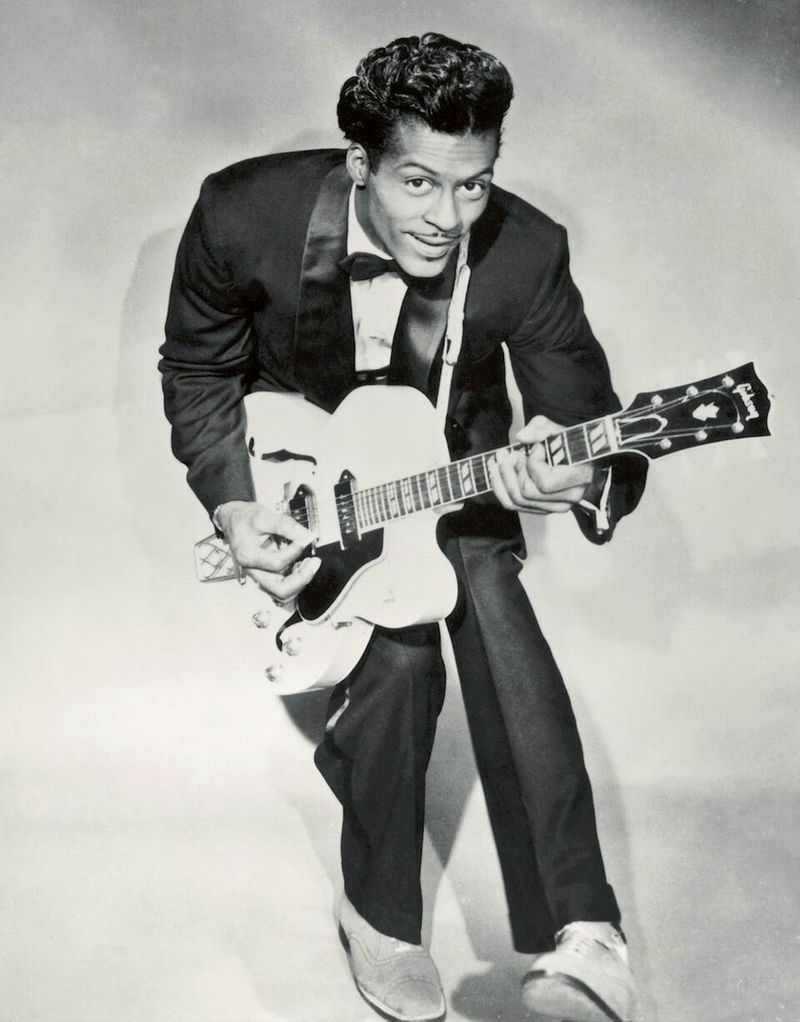
Few songs in rock and roll history carry as much raw energy as this one. Chuck Berry released it in March 1958, and teenagers immediately connected with the story of a country boy who could play guitar like ringing a bell.
The lyrics felt personal, like Berry was talking directly to every kid who ever dreamed big.
The famous opening guitar riff became one of the most recognized sounds in music history. Teenagers were playing air guitar to it before air guitar even had a name.
Its mix of storytelling and electric excitement made it absolutely impossible to forget.
Share this story