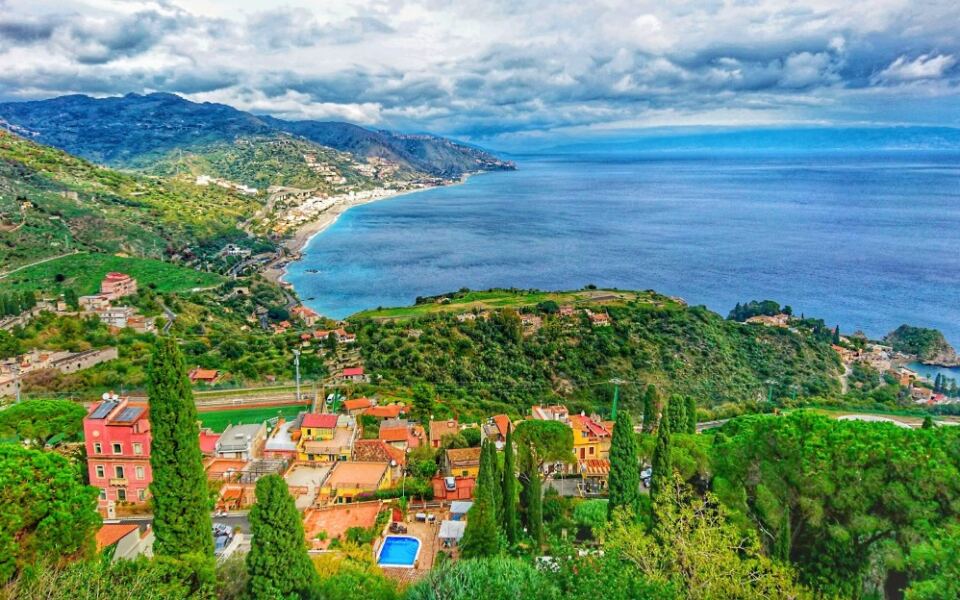
Sicily is one of those places that seems familiar, yet holds far more surprises than most people expect. Sitting at the heart of the Mediterranean Sea, this sun-soaked island has been shaped by dozens of cultures over thousands of years.
From ancient temples to unique street food traditions, Sicily is packed with history, flavor, and stories worth knowing. Whether you’ve visited before or are just curious, these facts might change the way you see this remarkable island.
1. Sicily is the Largest Island in the Mediterranean Sea
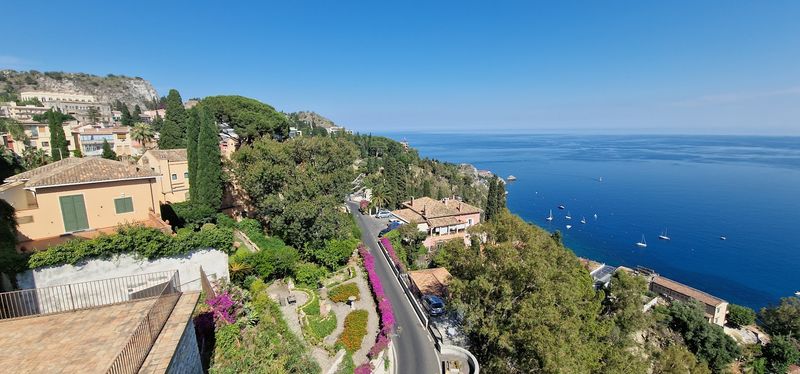
Most people know Sicily as the island at the tip of Italy’s boot, but its sheer size often catches visitors off guard. Covering about 25,711 square kilometers, Sicily is larger than many European countries.
That’s bigger than Wales and not far off the size of Massachusetts.
Its size means the island holds an incredible variety of landscapes. You’ll find rugged mountains in the north, fertile plains in the center, and dramatic volcanic terrain in the east.
Coastal areas vary from sandy beaches to jagged cliffs dropping into crystal-clear water.
This geographic diversity has shaped the island’s culture, farming, and history in meaningful ways. Different regions developed their own local traditions because traveling across the island was once slow and difficult.
Even today, each corner of Sicily feels distinct, almost like visiting several destinations in one trip.
2. Mount Etna is Europe’s Largest Active Volcano
Standing roughly 3,350 meters tall, Mount Etna dominates the eastern skyline of Sicily like a giant watching over the island. It is the tallest active volcano in Europe and one of the most frequently erupting volcanoes anywhere on Earth.
Scientists have recorded eruptions here for nearly 2,700 years.
What makes Etna especially fascinating is that people live and farm on its slopes. The volcanic soil is extraordinarily fertile, producing grapes, pistachios, and citrus that taste unlike anything grown elsewhere.
Local wines made from Etna’s vineyards have earned worldwide recognition.
Tourists visit year-round to hike its craters, and in winter, skiers take to its upper slopes. Etna became a UNESCO World Heritage Site in 2013, recognizing its outstanding universal value.
Living near an active volcano might sound risky, but for Sicilians, Etna is simply part of everyday life.
3. Sicily Has Its Own Distinct Language Called Sicilian
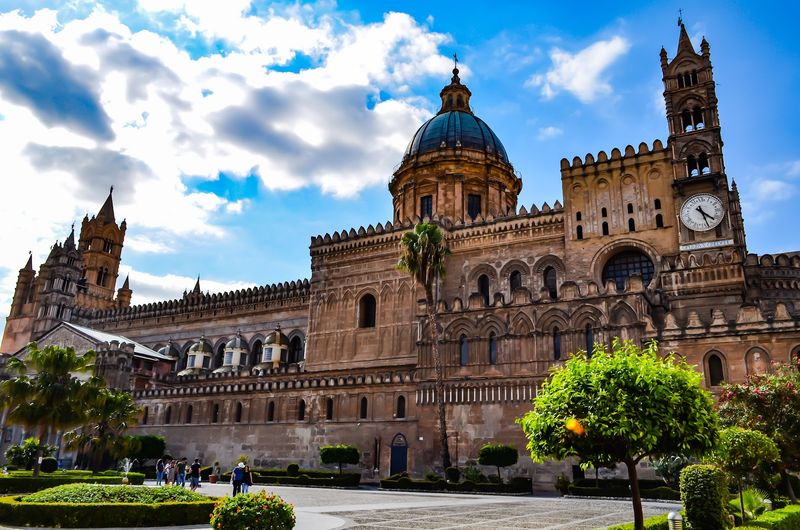
Many visitors assume Sicilians simply speak Italian with a regional accent. The truth is more interesting.
Sicilian is a fully separate Romance language with its own grammar, vocabulary, and centuries-old literary tradition. Linguists classify it as distinct from standard Italian, not just a dialect.
Sicilian draws from an extraordinary mix of languages, including Greek, Arabic, Norman French, Spanish, and Catalan, reflecting the many cultures that ruled the island over time. Some Sicilian words have no equivalent in Italian at all.
The language was actually used in formal poetry before Italian itself became standardized.
Today, Sicilian is still spoken by older generations and in rural communities, though younger Sicilians tend to use standard Italian in schools and workplaces. Efforts are underway to preserve Sicilian through cultural programs and local media.
Hearing it spoken feels like catching a living echo of the island’s layered past.
4. Palermo’s Street-Food Culture Has Roots Stretching Back Centuries
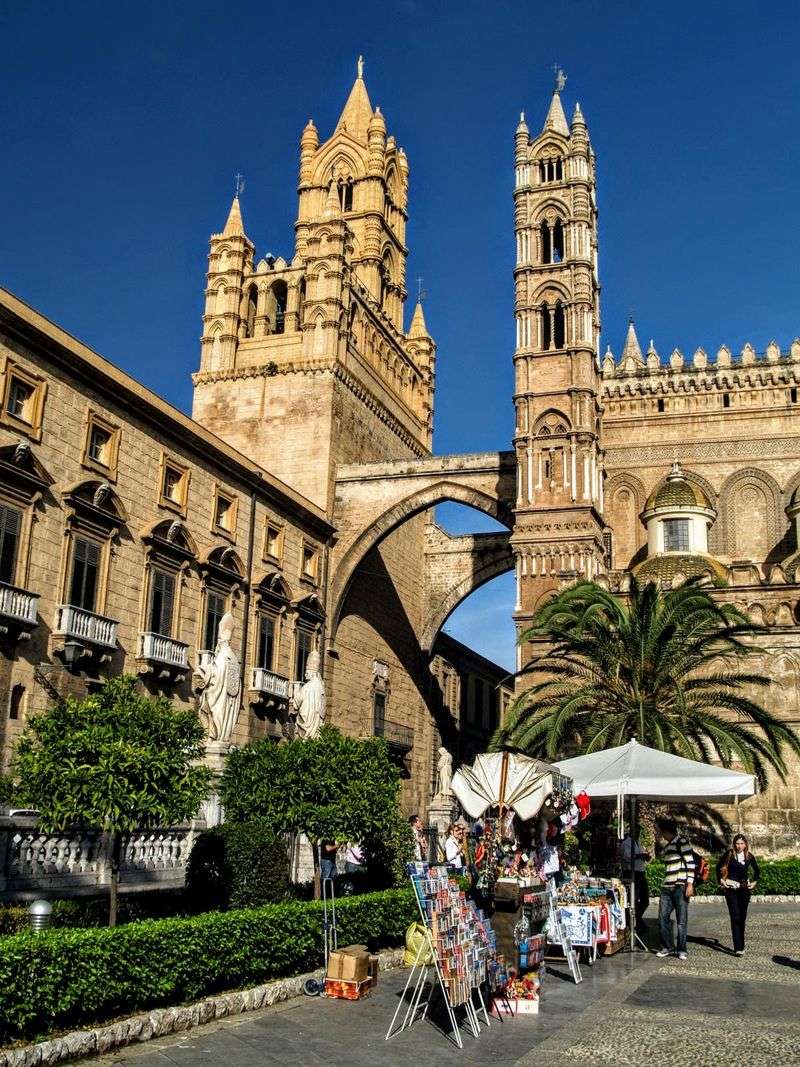
Walking through Palermo’s historic markets, like the Ballar and Vucciria, is a full sensory experience. The smells of grilled meat, fried dough, and fresh citrus fill the air while vendors call out in rapid Sicilian.
This street-food tradition is not a modern tourist attraction but a practice that dates back at least to Arab rule in the 9th and 10th centuries.
Arab traders introduced spices, dried fruits, and new cooking techniques that permanently changed how Sicilians ate. Foods like panelle, which are chickpea fritters, and arancini, fried rice balls, became everyday staples sold cheaply on busy street corners.
Palermo was actually named one of the top street-food cities in the world by several international food publications. Locals eat on the go without embarrassment, standing at a stall with friends.
Food here is social, affordable, and deeply tied to neighborhood identity.
5. Sicily Contains Some of the World’s Best-Preserved Ancient Greek Temples
Greece gets most of the credit for ancient temples, but Sicily holds some of the finest examples anywhere in the world. Between the 7th and 5th centuries BC, Greek colonists built magnificent cities across Sicily.
The temples they left behind have survived remarkably well, often better than those on the Greek mainland itself.
The Temple of Concordia in Agrigento is one of the most complete ancient Greek temples still standing on Earth. Its columns, built around 440 BC, remain largely intact after more than 2,400 years.
Part of the reason it survived is that it was converted into a Christian church during the early medieval period.
Other sites like Selinunte and Segesta also feature stunning temple ruins set against dramatic natural landscapes. Visiting them feels genuinely different from looking at photographs.
Standing beside columns that old, in open air, makes history feel immediate and real.
6. Sicily Was Once Part of a Powerful Medieval Norman Kingdom
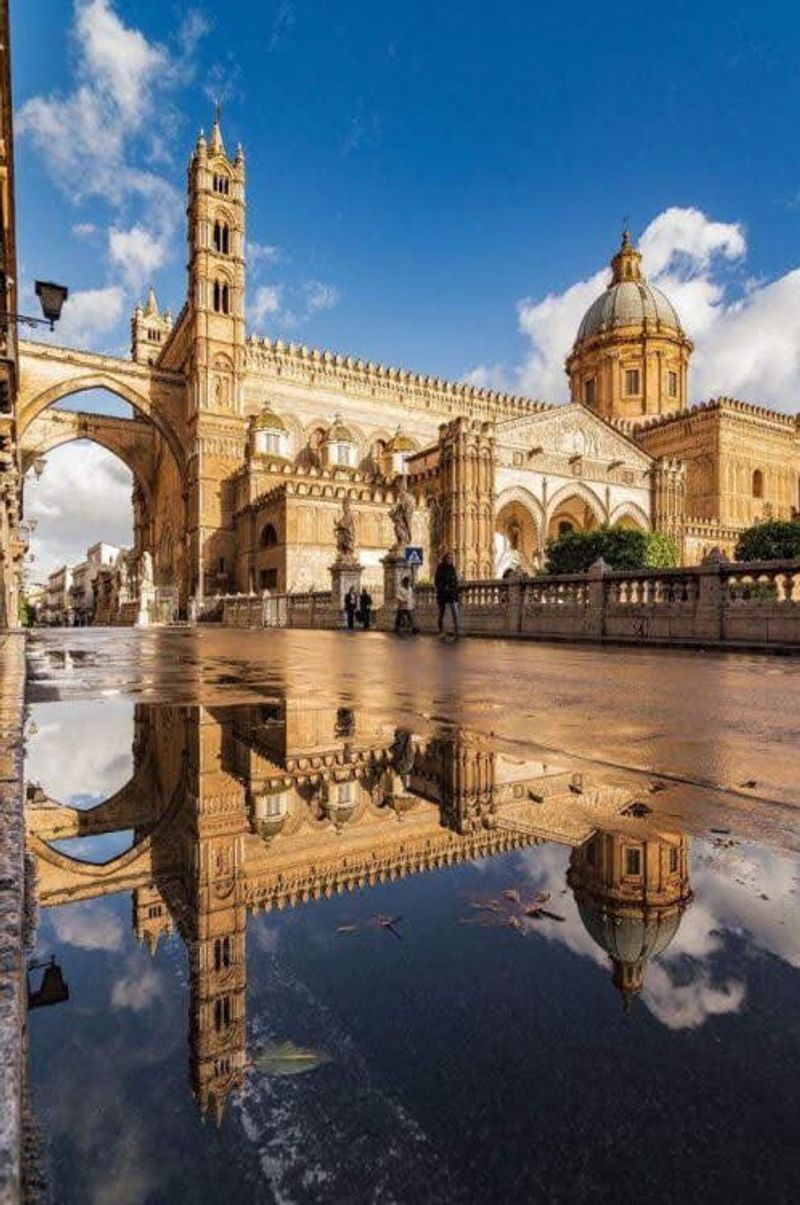
Most people connect the Normans with England and the famous conquest of 1066. Fewer realize that the same Norman adventurers also carved out a kingdom in southern Italy and Sicily around the same era.
By 1072, the Normans had taken Palermo and established a court that became one of the most sophisticated in all of medieval Europe.
What made the Norman Kingdom of Sicily truly remarkable was its cultural openness. Muslim scholars, Byzantine artists, and Jewish merchants all worked and lived alongside Latin Christians under Norman rule.
The result was a stunning blend of artistic styles visible in buildings like the Cappella Palatina in Palermo, which combines Arab geometric patterns, Byzantine mosaics, and Norman arches in a single room.
This period of relative tolerance and cultural exchange was unusual for medieval Europe. The legacy it left behind in architecture, science, and cuisine still shapes Sicilian identity today in ways most visitors never expect.
7. The Valley of the Temples is Actually Located on a Ridge Near Agrigento
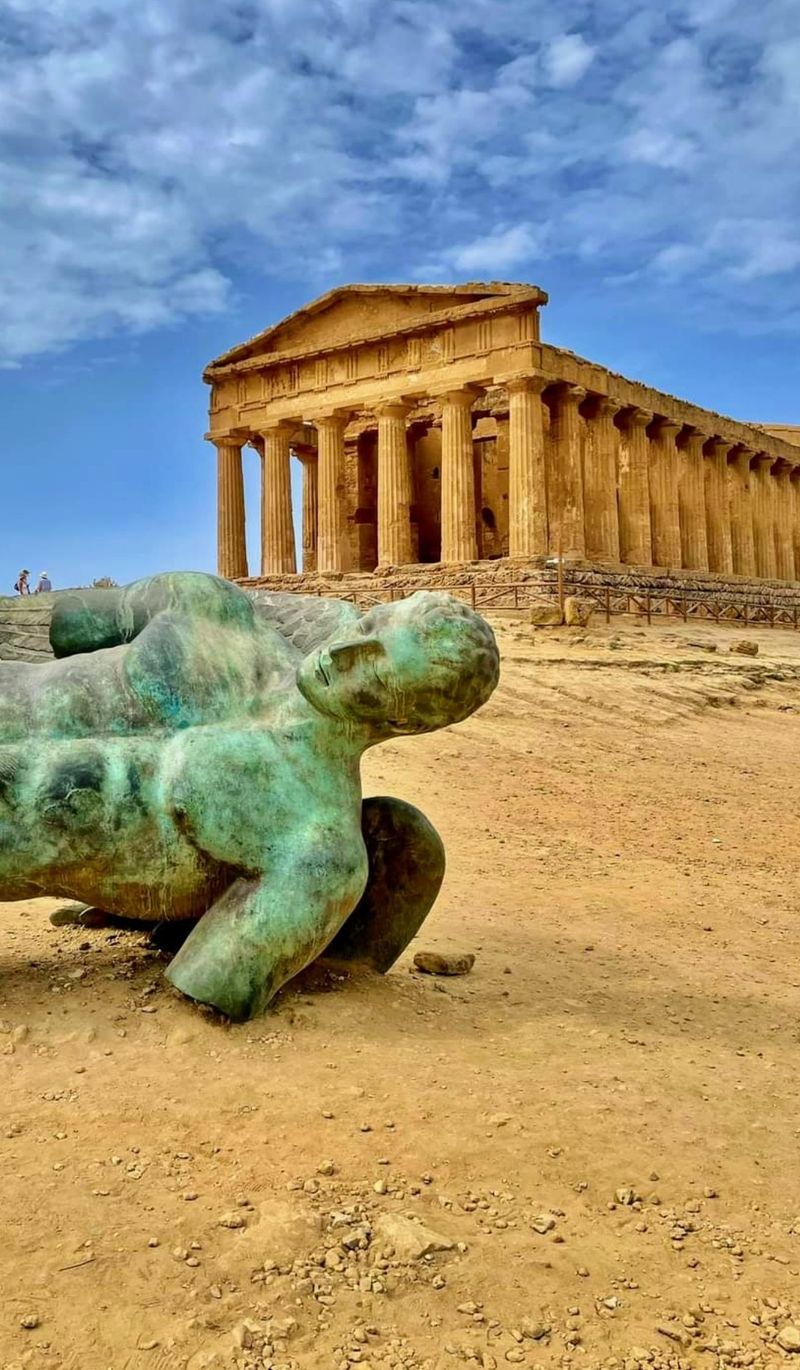
The name “Valley of the Temples” is a little misleading, and locals are well aware of it. The ancient site near Agrigento is not situated in a valley at all.
The temples were built along a long ridge overlooking the sea, a position chosen deliberately to make them visible from ships approaching the Sicilian coast.
The site covers about 1,300 hectares and contains the remains of seven main temples, along with tombs, ancient roads, and early Christian sites. It was designated a UNESCO World Heritage Site in 1997.
Walking through it gives a clear sense of how grand the ancient city of Akragas once was.
Visiting at dusk is especially memorable because the golden limestone temples glow warmly against the darkening sky. The site is also home to centuries-old olive trees, some said to be over a thousand years old.
History and nature feel genuinely intertwined here.
8. Chocolate in Modica is Still Made Using a Distinctive Cold-Processing Tradition
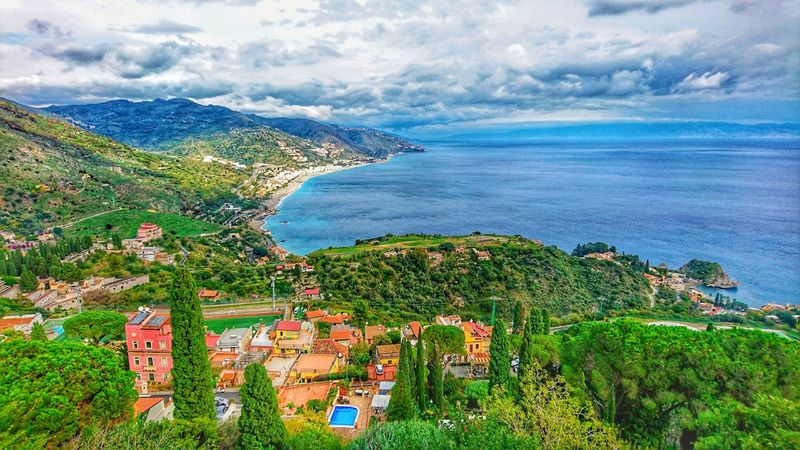
Tucked into the hills of southeastern Sicily, the town of Modica produces chocolate unlike anything you’d find in a standard candy aisle. The method used here traces back to techniques brought by Spanish colonizers in the 16th century, who had learned them from the Aztecs of Mesoamerica.
The process has barely changed since.
Modica chocolate is made by mixing raw cocoa paste with sugar at a low temperature, never exceeding about 40 degrees Celsius. Because no cocoa butter or milk is added, the sugar doesn’t fully melt.
The result is a slightly grainy, intensely flavored chocolate that crumbles rather than snaps.
Spices like cinnamon, vanilla, and chili pepper are often folded in, echoing the original Aztec preparation. Modica chocolate received European Union protected geographical indication status in 2018.
Tasting it for the first time is genuinely surprising, because it tastes like no other chocolate in the world.
9. Sicily Has Several Active Volcanoes, Not Just Mount Etna
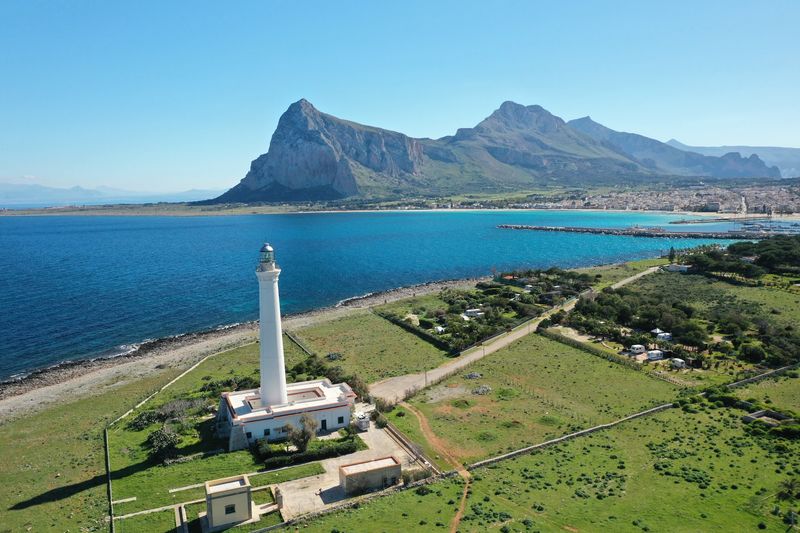
Mount Etna tends to steal all the volcanic attention, but Sicily sits in one of the most geologically active zones in the entire Mediterranean region. The Aeolian Islands, a small archipelago just north of Sicily, include several volcanoes that are still very much alive.
Stromboli is perhaps the most dramatic of these. It has been erupting almost continuously for at least 2,000 years, earning it the nickname “Lighthouse of the Mediterranean” because ancient sailors used its glow to navigate at night.
Vulcano, another island in the group, gave its name to the English word “volcano” through Latin.
These islands are not just geological curiosities. People live on them, tourists hike them, and ferries connect them to the Sicilian mainland.
The combination of active volcanic landscapes, clear sea water, and unique local culture makes the Aeolian Islands a destination worth exploring well beyond Etna’s shadow.
10. Gelato Served Inside a Brioche is a Classic Sicilian Tradition
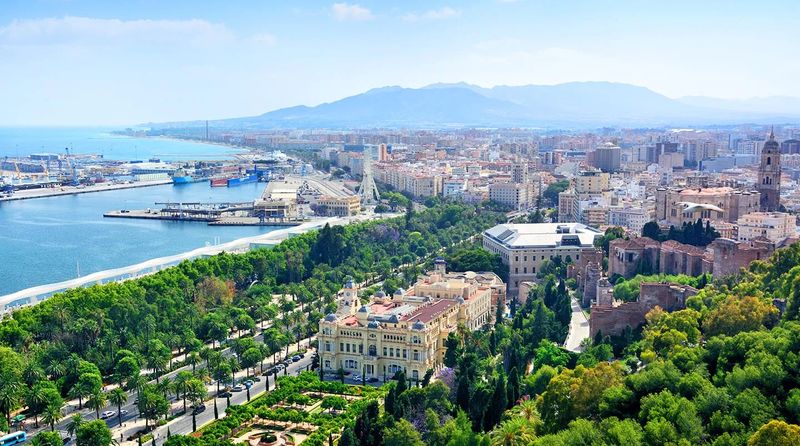
Mainland Italy has its own gelato traditions, but Sicily takes the frozen treat in a direction that surprises most first-time visitors. Across the island, particularly in the east, it is completely normal to eat gelato stuffed inside a soft, slightly sweet brioche bun.
This combination is a standard breakfast item, not a dessert novelty.
The practice likely developed because brioche was already a common morning food, and gelato vendors found that serving it this way made a filling, portable meal. Popular flavors for this combination include pistachio, almond, and mulberry.
Coffee gelato inside brioche is also a morning favorite.
Eating it feels indulgent but oddly practical. The brioche absorbs the melting gelato so nothing drips, and the bread adds enough substance to keep you going through a warm Sicilian morning.
Food writers often describe it as one of the most enjoyable breakfasts in all of Italy, and it’s hard to argue.
11. Eight Towns in Southeastern Sicily Form a Single UNESCO World Heritage Site
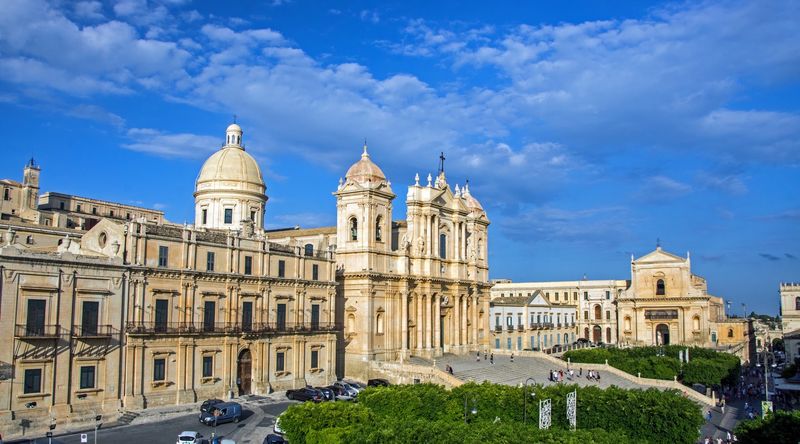
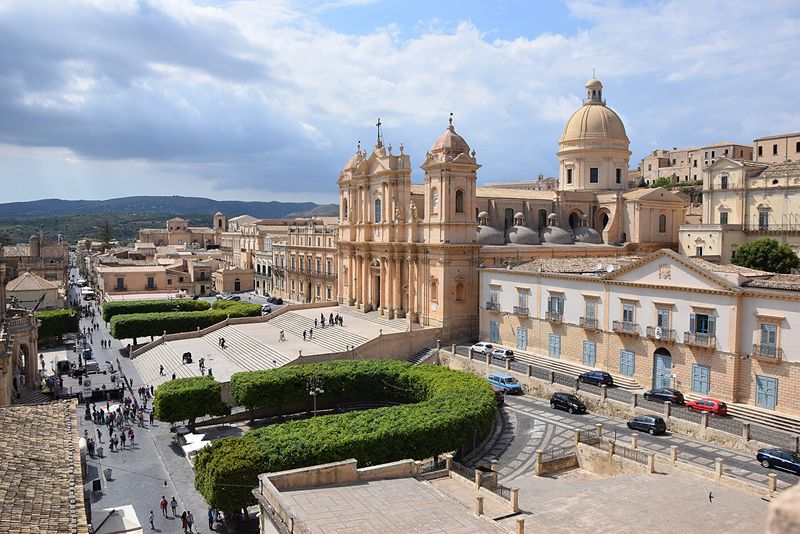
After a devastating earthquake struck southeastern Sicily in 1693, entire towns were rebuilt from scratch. The reconstruction produced a remarkable concentration of late Baroque architecture across the region.
Eight of these rebuilt towns were collectively inscribed as a UNESCO World Heritage Site in 2002 under the name “Late Baroque Towns of the Val di Noto.”
The eight towns are Caltagirone, Militello in Val di Catania, Catania, Modica, Noto, Palazzolo Acreide, Ragusa, and Scicli. Each has its own character, but all share the same dramatic architectural style, featuring ornate facades, sweeping staircases, and richly decorated churches that seem almost theatrical in their grandeur.
Noto is often called the finest Baroque town in Sicily and draws visitors purely for its architecture. Ragusa Ibla, the older lower section of Ragusa, feels like a film set with its winding stone streets.
Together, these towns represent one of the most ambitious urban rebuilding projects in European history.
12. Sicilian Cuisine Reflects Greek, Arab, Norman, Spanish and Other Mediterranean Influences
Few cuisines in the world carry as many layers of history as Sicilian food. Every major culture that ruled or traded with Sicily left something behind in the kitchen.
The Greeks introduced olives, wine, and cheese. Arab rulers brought citrus fruits, almonds, saffron, sugar, and techniques like sweet-and-sour cooking that still appear in dishes like caponata.
The Normans added influences from northern Europe, while Spanish rule introduced tomatoes and chocolate to the island’s cooking. Each wave of influence was absorbed and transformed into something distinctly Sicilian rather than simply copied.
That creative adaptation is what makes the cuisine so original.
Dishes like pasta alla Norma, which combines eggplant, tomato, and ricotta salata, or cannoli filled with sweet sheep’s milk ricotta, are recognized worldwide. Yet eating them in Sicily, made with local ingredients, is a completely different experience.
The food tells the island’s entire complicated history in every bite.
Share this story