Some movies are so big, so ambitious, and so packed with story that they simply cannot be told in two hours. Hollywood has a long history of producing epic films that stretch well past the three-hour mark, demanding full attention and rewarding patient viewers with unforgettable experiences.
From ancient epics to modern crime dramas, these films prove that sometimes, a great story needs all the time it can get. Here are 15 of the longest Hollywood movies ever made, ranked by runtime.
1. Cleopatra (1963) – 4h 3m
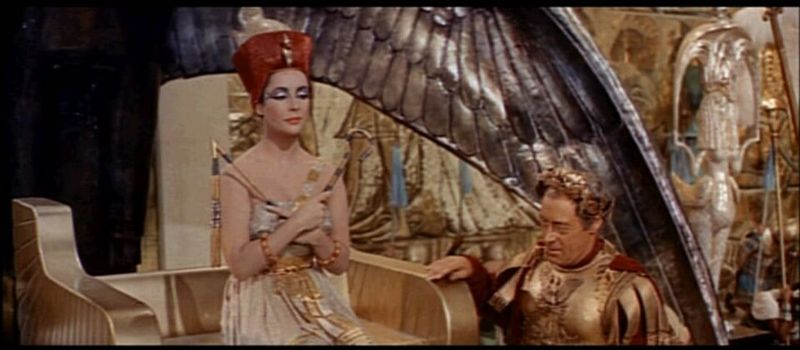
At over four hours long, Cleopatra holds the record as one of the longest Hollywood films ever released to the public. When it hit theaters in 1963, it was also the most expensive movie ever made at the time, costing around $44 million – a staggering amount for that era.
The film starred Elizabeth Taylor as the legendary Egyptian queen and Richard Burton as Mark Antony.
The production was famously troubled, with endless delays, budget overruns, and a real-life romance between its two leads that made headlines worldwide. Despite all the chaos behind the scenes, the finished film is a visually stunning achievement.
Its elaborate sets, thousands of extras, and breathtaking costumes made it a spectacle unlike anything audiences had seen before.
Cleopatra won four Academy Awards and remains a landmark in cinematic history. Few films before or since have matched its sheer scale and ambition.
2. Gone with the Wind (1939) – 3h 53m
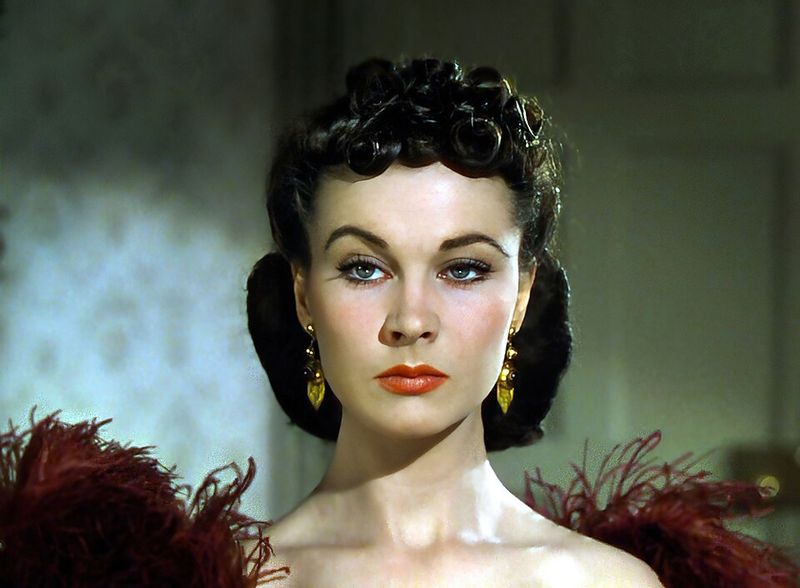
Released in 1939, Gone with the Wind is widely considered one of the greatest films ever made, and it has held up remarkably well for a movie that is nearly 90 years old. The story follows Scarlett O’Hara, a Southern belle navigating love, loss, and survival during the Civil War and its aftermath.
Vivien Leigh’s performance in the lead role is still talked about today as one of cinema’s finest.
The film ran for nearly four hours and included an intermission, which was common for major epic productions of that time. It swept the Academy Awards, winning eight Oscars including Best Picture and Best Director.
Adjusted for inflation, it remains the highest-grossing film in movie history.
Its length never felt like a burden to audiences, who were completely swept up in the emotional story. Gone with the Wind set a standard that Hollywood has chased ever since.
3. Once Upon a Time in America (1984) – 3h 49m
Sergio Leone’s final masterpiece, Once Upon a Time in America, is a deeply personal and emotionally complex crime epic. Running nearly four hours, it tells the story of Jewish gangsters growing up on the Lower East Side of New York City across several decades.
Robert De Niro and James Woods deliver performances that are raw, layered, and impossible to forget.
When the film was first released in the United States, the studio cut it down to just over two hours, completely destroying Leone’s vision. The butchered version was a critical and commercial failure.
It wasn’t until the full version was shown in Europe that audiences and critics recognized the film’s true genius.
Today, the director’s cut is considered one of the greatest crime films ever made. Its haunting Ennio Morricone score adds an extra layer of melancholy that stays with viewers long after the credits roll.
4. Lawrence of Arabia (1962) – 3h 47m
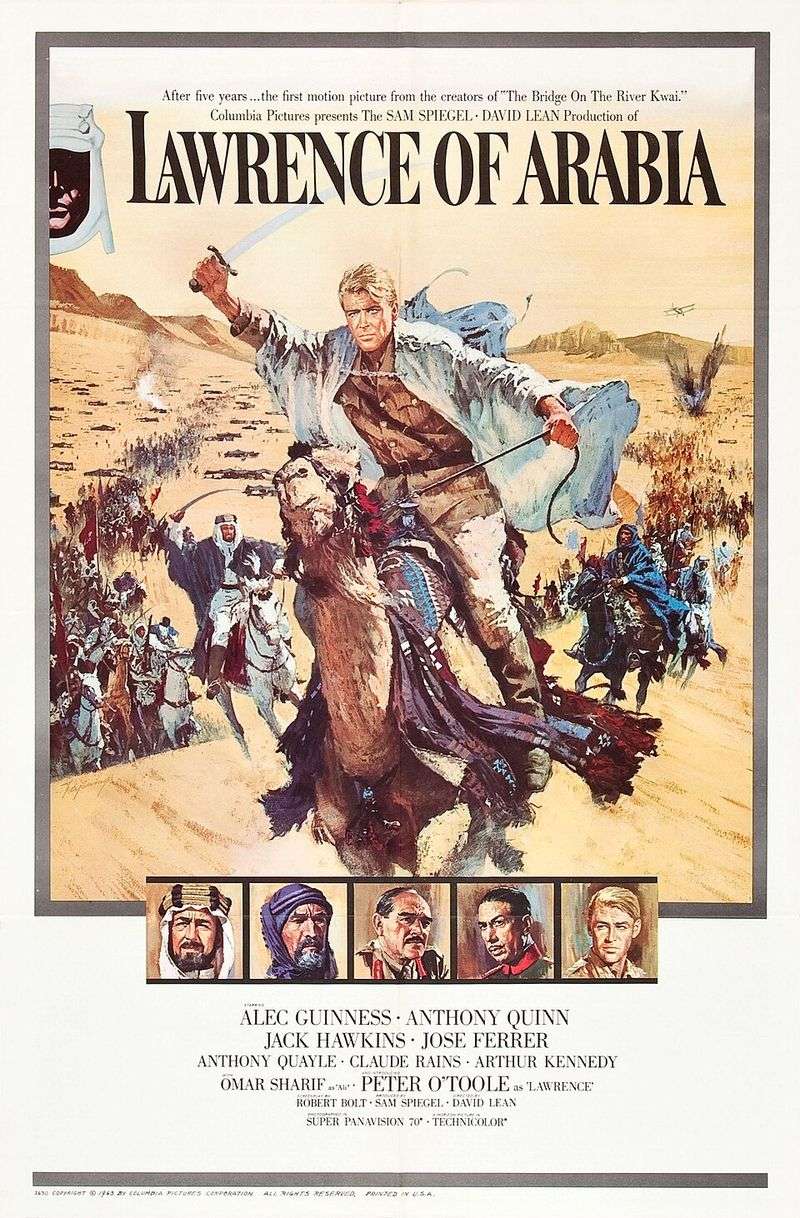
Lawrence of Arabia is often called the greatest film ever made, and its nearly four-hour runtime is a big part of what makes it so extraordinary. Directed by David Lean and starring Peter O’Toole as the real-life British officer T.E.
Lawrence, the film chronicles Lawrence’s role in the Arab Revolt during World War I. The desert landscapes of Jordan and Morocco serve as breathtaking backdrops throughout.
The film won seven Academy Awards, including Best Picture and Best Director, and is celebrated for its stunning cinematography. Every wide shot of the desert feels like a painting brought to life.
O’Toole’s performance is magnetic – he carries the film’s enormous weight with quiet intensity and charm.
For students of filmmaking, Lawrence of Arabia is practically required viewing. It proves that a long runtime, when filled with purpose and vision, never feels wasted.
This one earns every single minute.
5. The Ten Commandments (1956) – 3h 40m
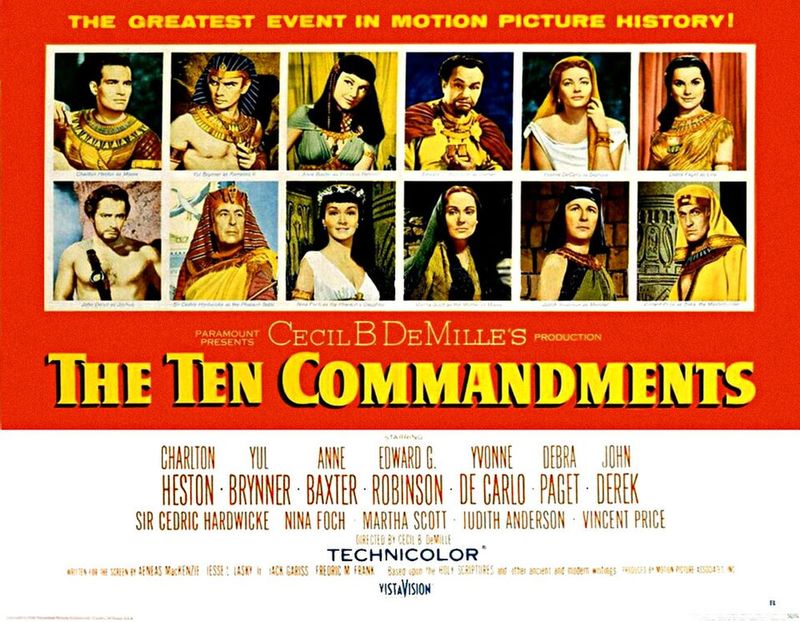
Cecil B. DeMille’s The Ten Commandments is one of the most iconic biblical epics Hollywood has ever produced.
Clocking in at 3 hours and 40 minutes, it tells the story of Moses – from his birth in Egypt to his role in leading the Israelites out of slavery. Charlton Heston plays Moses with commanding presence, making the character feel both human and larger than life.
The film was a massive technical achievement for its time. The parting of the Red Sea sequence alone required months of planning and remains one of the most recognizable special effects shots in film history.
DeMille famously appeared on screen himself to introduce the film, treating it almost like a live theatrical event.
It was the highest-grossing film of 1956 and earned seven Academy Award nominations. Decades later, it still airs on television every Easter season, proving its lasting cultural grip on American audiences.
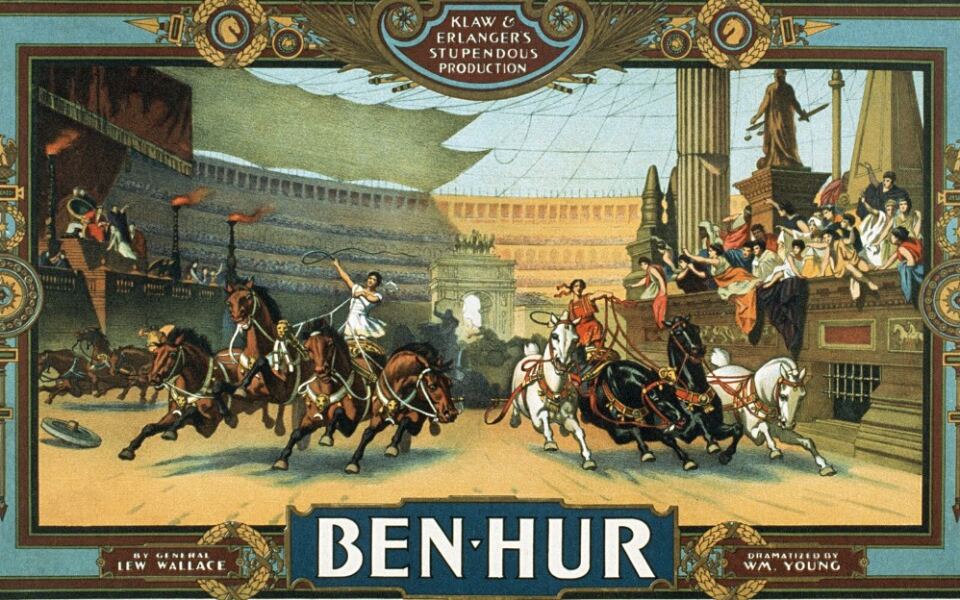
6. Ben-Hur (1959) – 3h 32m
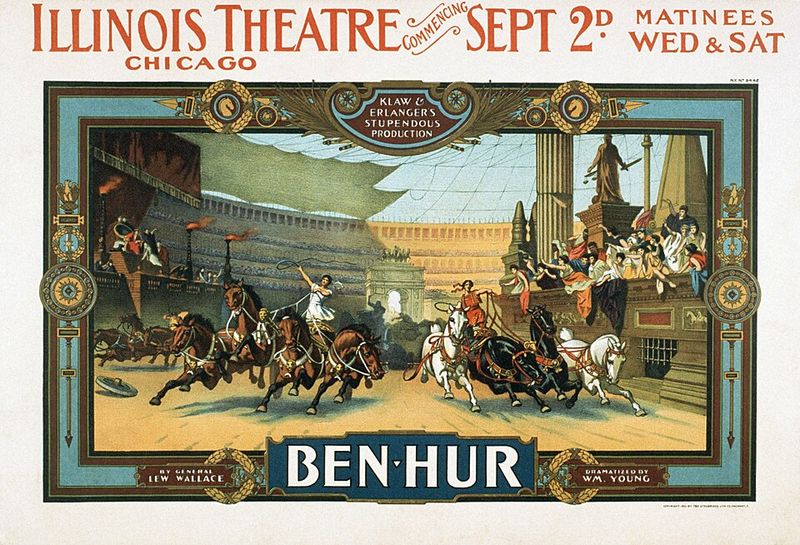
Ben-Hur is the kind of movie that Hollywood used to make with total confidence and unlimited ambition. At 3 hours and 32 minutes, it tells the story of a Jewish prince who is betrayed, enslaved, and eventually seeks justice against his Roman oppressor.
Charlton Heston, once again in a massive epic role, brings real emotional depth to the lead character Judah Ben-Hur.
The film’s chariot race sequence is one of the most thrilling action scenes ever committed to film. Filmed over several weeks with real horses and real danger, it remains a jaw-dropping achievement even by today’s standards.
No CGI, no shortcuts – just controlled chaos on a massive scale.
Ben-Hur won 11 Academy Awards, a record it shared with Titanic and The Lord of the Rings: The Return of the King for decades. It is a film that earns its runtime through sheer storytelling power and spectacle.
7. The Irishman (2019) – 3h 29m

Martin Scorsese’s The Irishman is a slow-burn crime epic that uses its 3-hour-and-29-minute runtime to say something profound about loyalty, regret, and the passage of time. Robert De Niro plays Frank Sheeran, a real-life mob hitman who claims to have been involved in the disappearance of union leader Jimmy Hoffa.
Al Pacino plays Hoffa with wild, electric energy, while Joe Pesci brings a chilling calm to his role as a mob boss.
The film was released on Netflix after a limited theatrical run, which sparked debate about whether streaming movies deserve the same prestige as theatrical releases. Scorsese used groundbreaking digital de-aging technology to show his actors at various stages of life, with mixed but fascinating results.
More than a gangster film, The Irishman is a meditation on old age and moral consequence. Its quiet, haunting final act is among the most emotionally affecting sequences Scorsese has ever directed.
8. Killers of the Flower Moon (2023) – 3h 26m
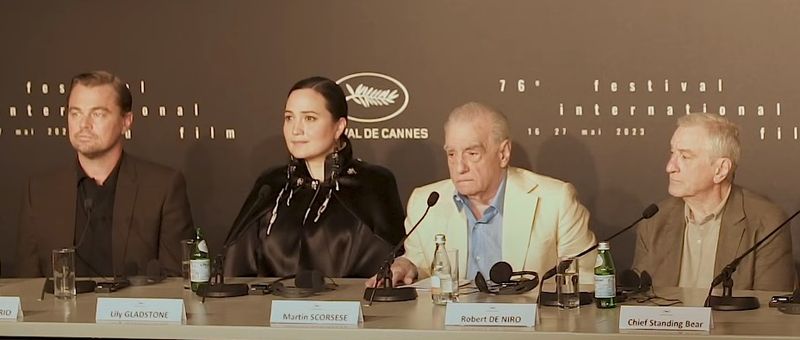
Killers of the Flower Moon is Martin Scorsese’s second appearance on this list, and it is a very different kind of film from The Irishman. Based on David Grann’s bestselling nonfiction book, it tells the true story of the Osage Nation murders in 1920s Oklahoma.
Members of the Osage tribe were being systematically killed after oil was discovered on their land, and the newly formed FBI was called in to investigate.
Leonardo DiCaprio plays Ernest Burkhart, a weak-willed man manipulated by his powerful uncle, played with terrifying subtlety by Robert De Niro. Lily Gladstone’s performance as Mollie Burkhart earned her an Academy Award nomination and widespread critical praise.
At 3 hours and 26 minutes, the film is deliberately paced, forcing viewers to sit with the horror of what happened. Scorsese treats this dark chapter of American history with seriousness, empathy, and unflinching honesty.
9. The Godfather Part II (1974) – 3h 22m

Many film critics consider The Godfather Part II to be one of the rare sequels that actually surpasses the original. Running 3 hours and 22 minutes, it weaves together two parallel storylines – one following young Vito Corleone’s rise to power in early 20th-century New York, and the other showing his son Michael’s moral descent as he consolidates the family empire in the 1950s.
Al Pacino and Robert De Niro both deliver career-defining performances, despite sharing almost no screen time together. De Niro won the Academy Award for Best Supporting Actor for his portrayal of young Vito, a role originally played by Marlon Brando in the first film.
The film won six Academy Awards, including Best Picture. Director Francis Ford Coppola used the extra runtime to build a richly layered world where power, family, and betrayal collide with devastating effect.
Few films have used their length so wisely.
10. Giant (1956) – 3h 21m
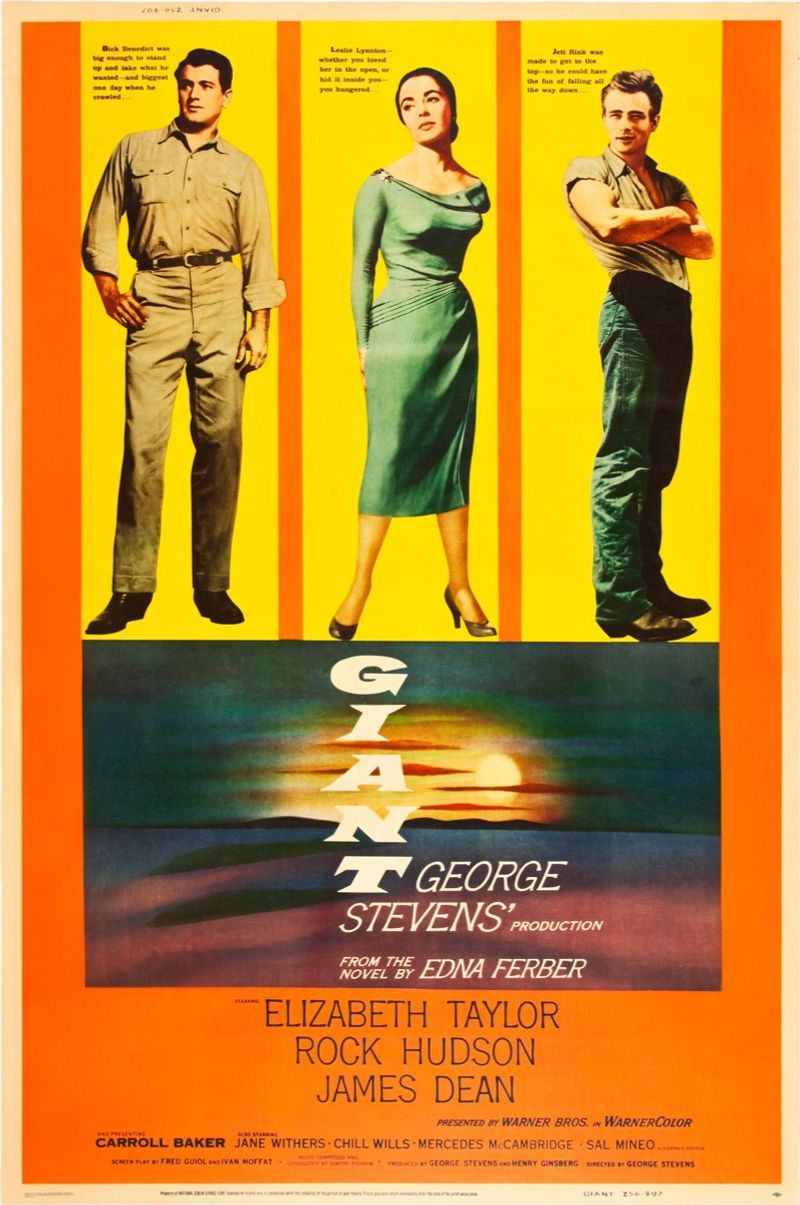
Giant is a sweeping Texas saga that follows the Benedict family across decades of change in the American West. Starring Rock Hudson, Elizabeth Taylor, and a young James Dean in one of his final roles, the film explores themes of wealth, race, and identity in a rapidly changing America.
Dean’s performance as the brooding ranch hand Jett Rink became iconic even though he died in a car accident before the film was released.
Director George Stevens spent years crafting the film, and the attention to detail shows in every frame. The wide Texas landscapes feel genuinely enormous, and the story moves through time with confidence and grace.
At 3 hours and 21 minutes, it covers a lot of ground both literally and emotionally.
Giant received nine Academy Award nominations and won Best Director for Stevens. It remains one of the most ambitious American dramas ever produced, blending personal story with social commentary in a way that still resonates today.
11. The Lord of the Rings: The Return of the King (2003) – 3h 21m

Peter Jackson’s The Return of the King is the grand finale of one of the most beloved film trilogies ever made. At 3 hours and 21 minutes in its theatrical cut – and over four hours in the extended edition – it brings J.R.R.
Tolkien’s Middle-earth saga to a thunderous close. The film follows Frodo and Sam’s final push to destroy the One Ring while Aragorn leads humanity’s forces against the armies of Sauron.
The Battle of the Pelennor Fields remains one of the most spectacular large-scale battles in cinema history. Jackson and his team at Weta Workshop created a world of jaw-dropping visual detail that set a new standard for fantasy filmmaking.
The film swept the Academy Awards, winning all 11 categories it was nominated for – matching Ben-Hur’s all-time record. For fans of the trilogy, the extended runtime was never a complaint.
Every scene felt earned and necessary.
12. The Greatest Story Ever Told (1965) – 3h 19m
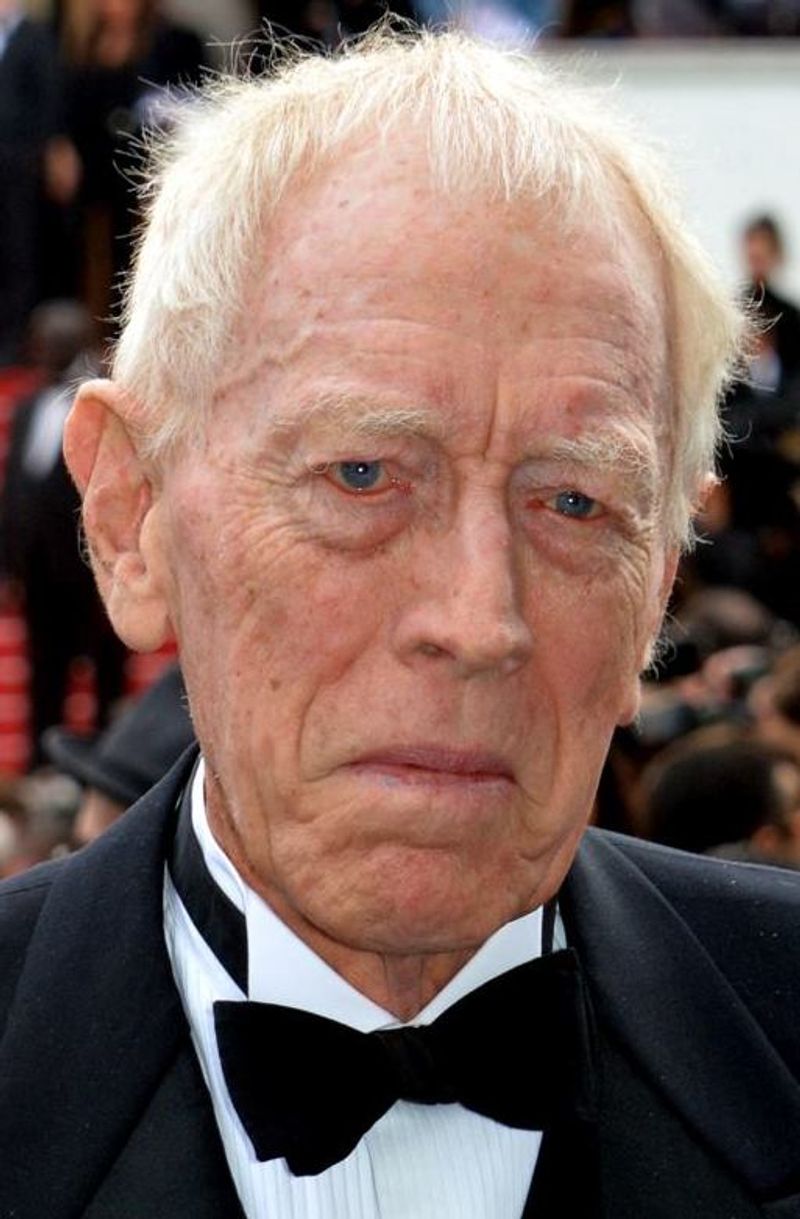
The Greatest Story Ever Told is Hollywood’s most ambitious attempt to bring the life of Jesus Christ to the big screen. Directed by George Stevens, who also helmed Giant, the film runs 3 hours and 19 minutes and features an all-star cast that includes Max von Sydow as Jesus, alongside Charlton Heston, Sidney Poitier, and a brief appearance by John Wayne.
The sheer number of recognizable faces became both a talking point and a distraction for some critics.
Stevens filmed on location across the American Southwest, using the landscapes of Utah and Arizona to stand in for ancient Judea. The visuals are genuinely striking, even if the pacing draws criticism for being overly slow and reverent.
The film treats its subject with deep respect, almost to a fault.
Despite mixed reviews at the time, the film holds a unique place in Hollywood history as a sincere, large-scale religious epic that spared no expense in telling its story.
13. Spartacus (1960) – 3h 17m
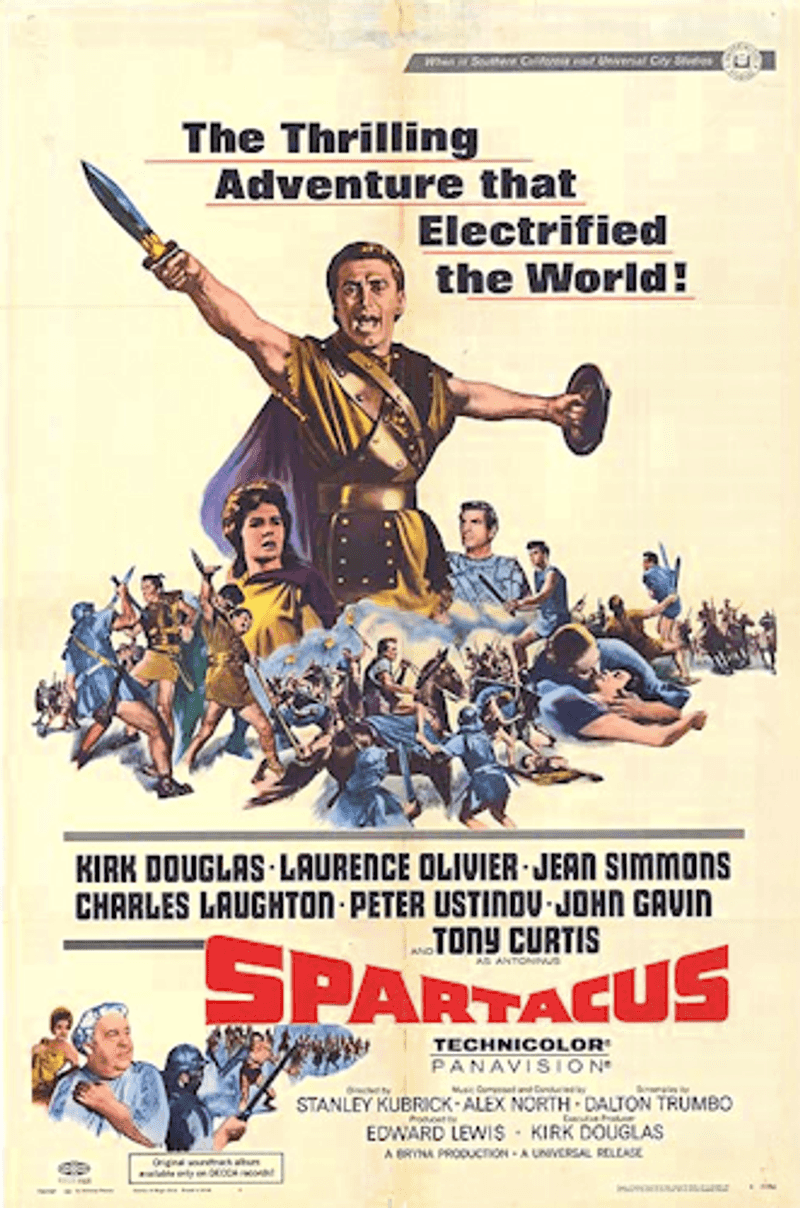
Stanley Kubrick directed Spartacus, though he famously clashed with star and producer Kirk Douglas throughout the production. The film tells the story of the real-life Thracian slave who led a massive rebellion against the Roman Republic in 73 BC.
Running 3 hours and 17 minutes, it balances grand battle sequences with quieter, more intimate moments of character development.
The famous scene where a group of slaves each stand up and declare “I am Spartacus” to protect their leader has become one of the most quoted moments in film history. It perfectly captures the film’s core theme of solidarity in the face of oppression.
Kirk Douglas gives a physically and emotionally commanding performance in the title role.
Spartacus won four Academy Awards and was considered groundbreaking for its time, particularly for screenwriter Dalton Trumbo, who had been blacklisted during the McCarthy era. The film helped end Hollywood’s infamous blacklist by crediting Trumbo publicly.
14. Schindler’s List (1993) – 3h 15m

Steven Spielberg’s Schindler’s List is widely regarded as one of the most important films ever made. Shot almost entirely in black and white, it tells the true story of Oskar Schindler, a German businessman who saved over 1,000 Jewish lives during the Holocaust by employing them in his factories.
Liam Neeson plays Schindler with quiet complexity, while Ralph Fiennes delivers one of cinema’s most terrifying villain performances as SS officer Amon Goeth.
At 3 hours and 15 minutes, the film never lets the viewer look away. Spielberg made the deliberate choice to keep the camera close and the tone documentary-like, giving the film an uncomfortable sense of reality.
The famous sequence of the little girl in the red coat is one of the most emotionally powerful moments in all of cinema.
The film won seven Academy Awards, including Best Picture and Best Director. Spielberg donated his profits to Holocaust education organizations, saying it would have been wrong to profit from the story.
15. Titanic (1997) – 3h 14m
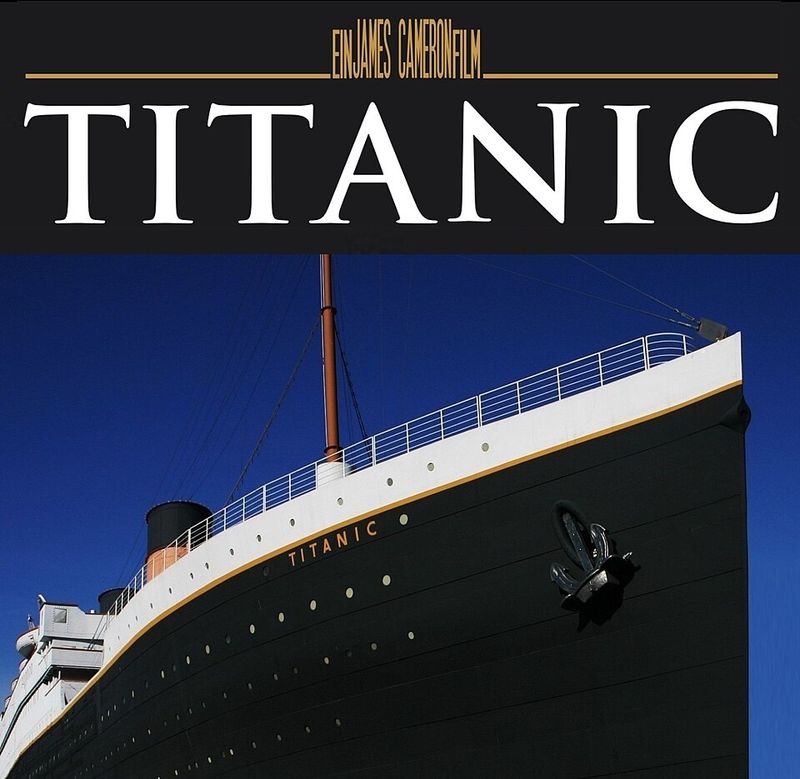
James Cameron’s Titanic is one of the most successful films in Hollywood history, and at 3 hours and 14 minutes, it proves that audiences will happily sit through a very long movie if the story is good enough. The film blends the real-life sinking of the RMS Titanic in 1912 with a fictional love story between Jack Dawson, played by Leonardo DiCaprio, and Rose DeWitt Bukater, played by Kate Winslet.
Their chemistry is undeniable from the very first scene.
Cameron famously went over budget, with the film costing around $200 million – more than the actual ship cost to build. The gamble paid off spectacularly.
Titanic became the first film to gross over $1 billion worldwide and held the record for highest-grossing film for over a decade.
It won 11 Academy Awards, tying Ben-Hur’s long-standing record. Celine Dion’s theme song became one of the best-selling singles of the 1990s, cementing the film’s place in popular culture forever.
Share this story