The year 1968 was one of the most turbulent and creatively explosive years in the history of popular music. Rock was getting heavier, soul music was responding to a rapidly changing America, and artists were treating the studio as a laboratory rather than just a recording space.
A three-minute single could carry the weight of a protest, a celebration, or a warning. These 15 songs, each released in 1968, capture a different piece of that restless, remarkable year.
Whether you lived through it or are discovering it for the first time, the music from this era still hits with surprising force. From the hard rock stomp of the Rolling Stones to the quiet loneliness of a telephone lineman in Kansas, the range of emotions packed into a single calendar year is genuinely staggering.
Read through this list and you will understand why 1968 remains one of the most studied and celebrated years in music history.
1. Jumpin’ Jack Flash by The Rolling Stones
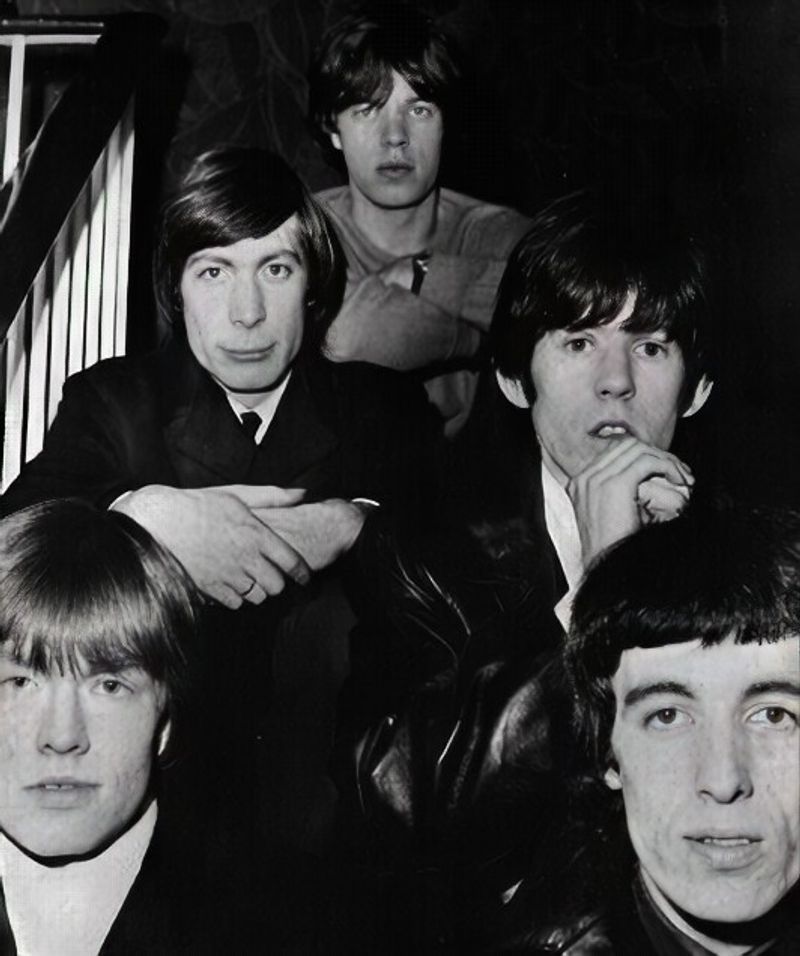
Keith Richards came up with the title after his gardener, Jack Dyer, woke him and Mick Jagger up one morning, and that accidental moment turned into one of the most recognizable guitar riffs in rock history.
Released on May 24, 1968, in the UK and May 31 in the US, the single hit No. 1 in Britain and reached No. 3 on the Billboard Hot 100. Richards reportedly built the guitar sound using acoustic instruments recorded onto a cassette player with intentional overload, creating a distorted electric effect without a standard amplifier setup.
After the mixed reception of Their Satanic Majesties Request, this record signaled a confident return to blues-based rock. Producer Jimmy Miller helped sharpen the track into something that still sounds urgent decades later.
2. Born to Be Wild by Steppenwolf
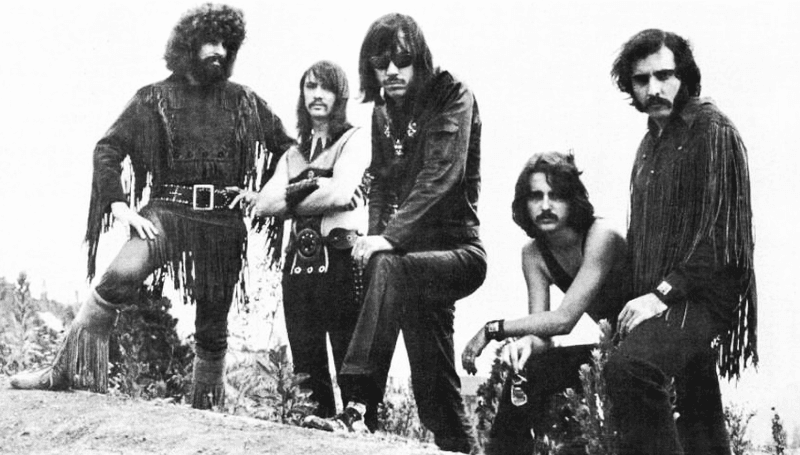
Written by Mars Bonfire, born Dennis McCrohan, the song originally started as a ballad before Steppenwolf transformed it into the driving, guitar-and-organ-powered track that climbed to No. 2 on the Billboard Hot 100 in August 1968.
The lyric “heavy metal thunder” is widely recognized as one of the earliest uses of that phrase in rock music, though it referred to a motorcycle rather than a musical genre. The song was inducted into the Rock and Roll Hall of Fame in 2018 under a new category for singles.
When Easy Rider used it in 1969, Born to Be Wild became permanently linked to the image of open-road freedom. Even before that film arrived, the record had already captured something raw and forward-moving about the cultural mood of 1968.
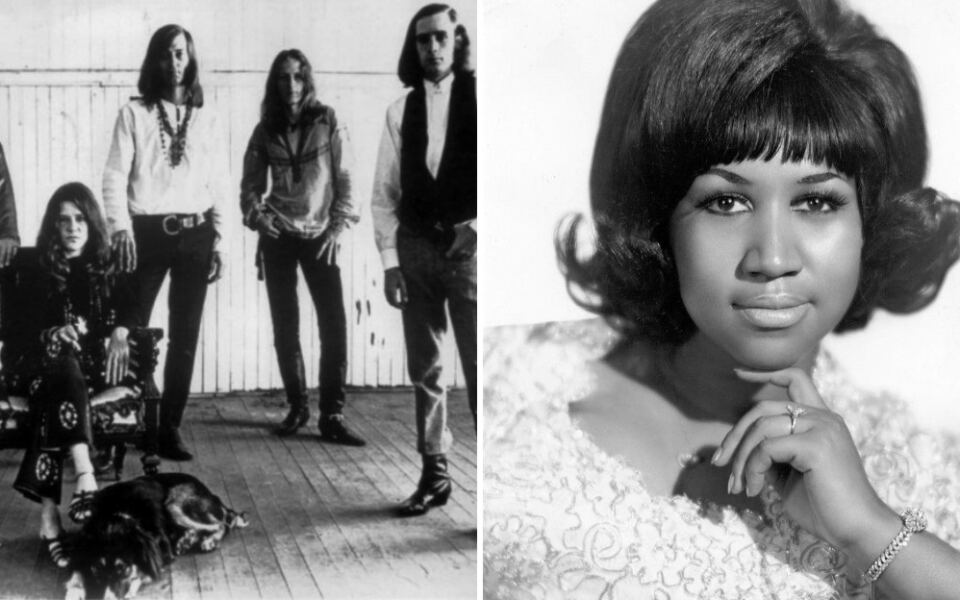
3. Think by Aretha Franklin
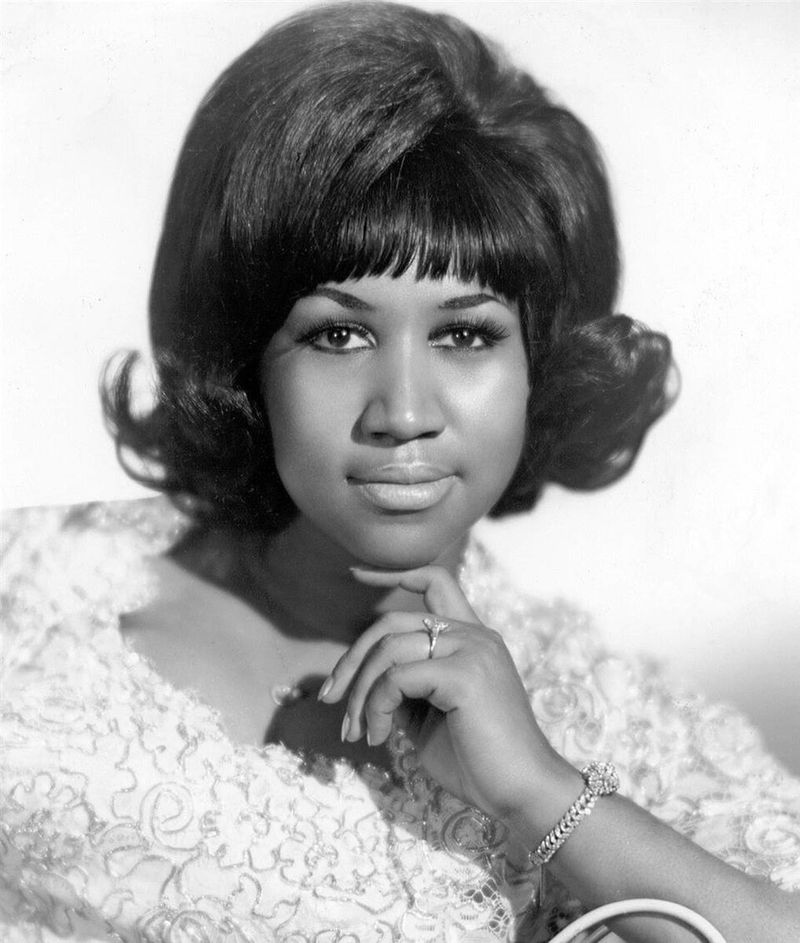
Co-written by Aretha Franklin and her then-husband Ted White, Think was released on May 2, 1968, just weeks after the assassination of Martin Luther King Jr., a man Franklin’s family knew personally. She attended his funeral.
The song reached No. 7 on the Billboard Hot 100 and topped the Billboard Hot Rhythm and Blues Singles chart, her sixth single to achieve that feat. Its repeated calls for freedom landed differently against the backdrop of a nation processing grief and political upheaval.
Franklin’s previous hit Respect had already become a cultural landmark in 1967. Think arrived as a follow-up that matched its predecessor’s intensity without simply repeating the formula.
Billboard described it as a “pulsating swinger” and predicted it would quickly reach a million sales, a prediction that proved accurate.
4. All Along the Watchtower by The Jimi Hendrix Experience
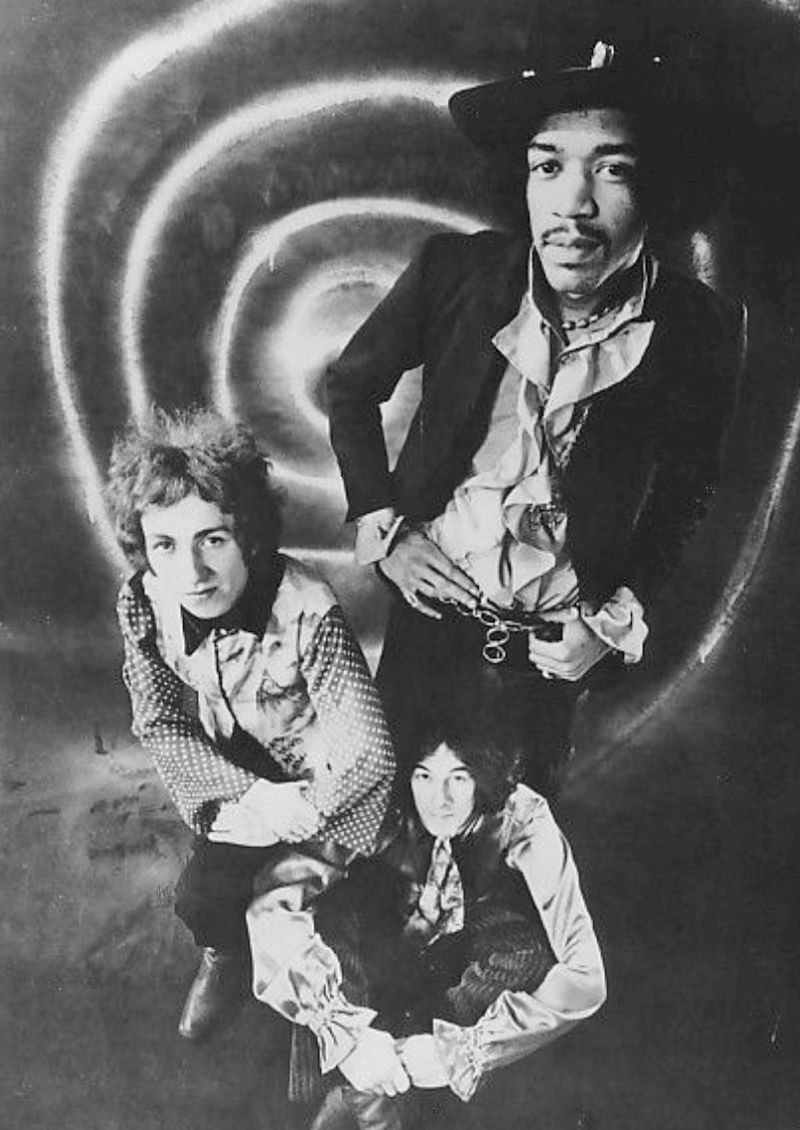
Bob Dylan wrote and recorded the original version of All Along the Watchtower in 1967, but Jimi Hendrix’s interpretation, released as a single on September 2, 1968, became the definitive version that even Dylan later performed in a manner shaped by Hendrix’s approach.
The recording appeared on Electric Ladyland, the only Jimi Hendrix Experience album produced solely by Hendrix. Noel Redding did not play bass on the track.
Hendrix handled it himself, while Dave Mason contributed 12-string acoustic guitar and Brian Jones of the Rolling Stones added percussion.
The single peaked at No. 20 on the Billboard Hot 100, making it Hendrix’s highest-charting US single. Rolling Stone later ranked it at No. 40 on its 2021 list of the 500 Greatest Songs of All Time.
Few covers in rock history changed their source material so completely.
5. Everyday People by Sly and the Family Stone
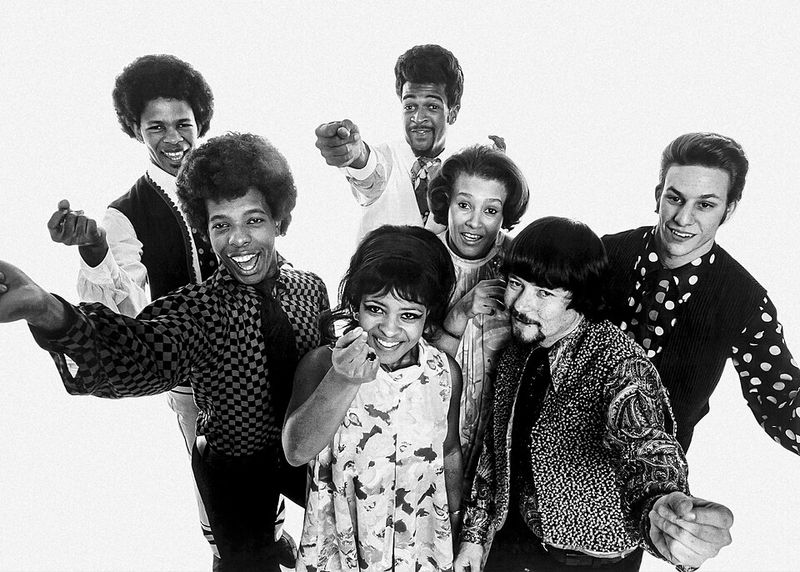
Released in November 1968, Everyday People built its entire argument around a simple idea: people are different, and that is acceptable. The phrase “different strokes for different folks” appeared in the lyrics and quickly became one of the most repeated catchphrases of 1969.
Sly and the Family Stone presented something genuinely unusual for the American music industry of the period. Their lineup included Black and white musicians, men and women, performing together at a time when racial tension across the country was at a historic high.
The song became the group’s first No. 1 single, holding the top spot on the Billboard Hot 100 for four weeks in early 1969. Rolling Stone ranked it at No. 145 on its list of the 500 Greatest Songs of All Time.
Its optimism felt earned rather than naive.
6. Magic Carpet Ride by Steppenwolf
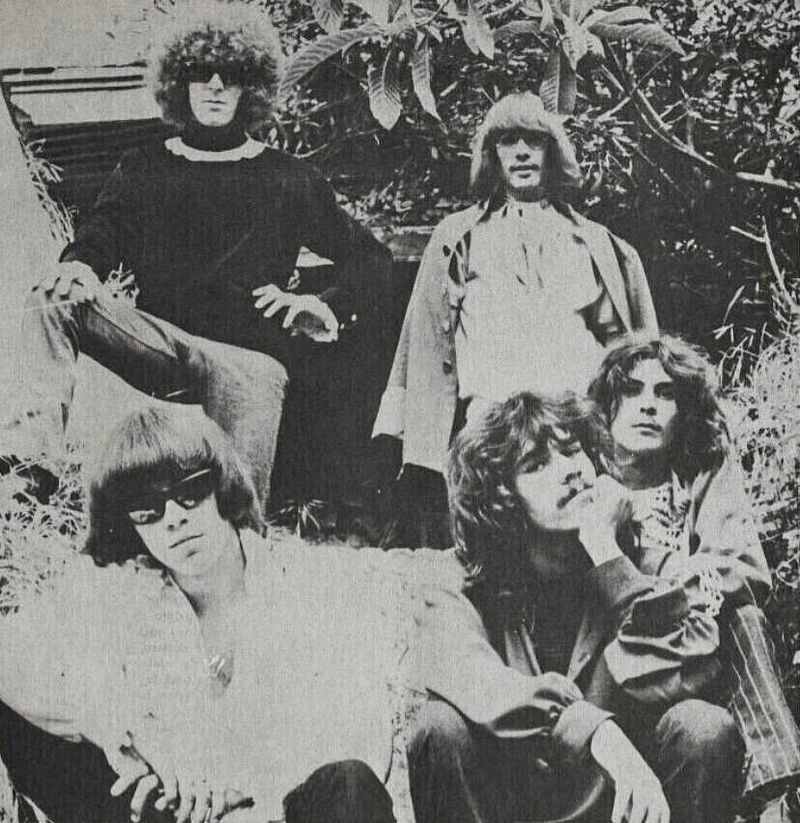
Lead singer John Kay has stated that the lyrics were partly inspired by a high-quality stereo system he purchased with royalties from the band’s first album. The opening burst of guitar feedback was created by guitarist Michael Monarch and spliced onto the beginning of the recording as a deliberate production choice.
Released in September 1968, Magic Carpet Ride reached No. 3 on the Billboard Hot 100 and stayed on the charts for 16 weeks, longer than any other Steppenwolf single. It also hit No. 1 in Canada.
The album version received heavy airplay on FM radio stations that were beginning to embrace longer, more experimental tracks.
The song sits at a precise intersection between the psychedelic style of 1967 and the harder rock sound emerging in 1968. Few records from that year managed to contain both tendencies so naturally within a single recording.
7. Piece of My Heart by Big Brother and the Holding Company
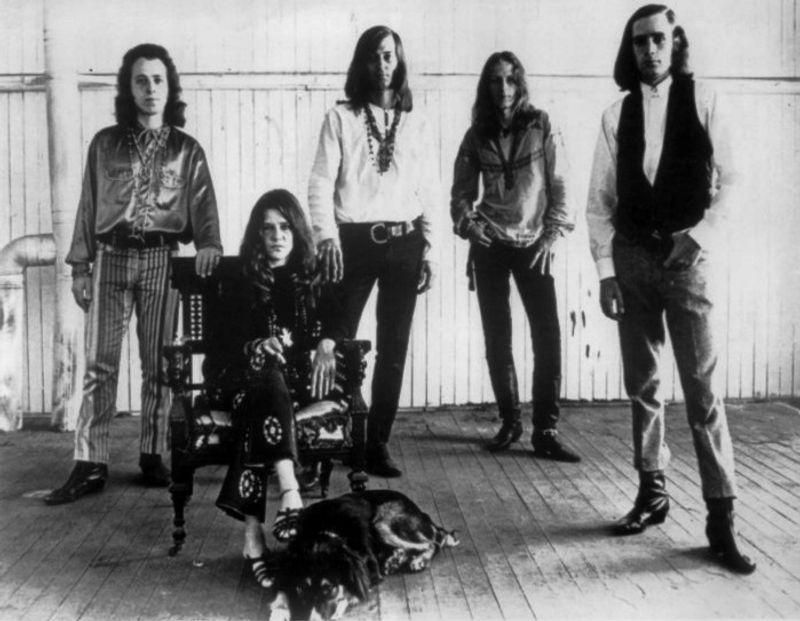
Erma Franklin, Aretha’s older sister, originally recorded Piece of My Heart in 1967. Big Brother and the Holding Company’s version, featuring Janis Joplin on lead vocals, appeared on their album Cheap Thrills, released August 12, 1968, on Columbia Records.
Cheap Thrills reached No. 1 on the Billboard Top LPs chart and remained there for eight nonconsecutive weeks, selling nearly a million copies by the end of 1968. The album was later inducted into the Grammy Hall of Fame in 2007.
Producer John Simon incorporated crowd noise into the recording to create the impression of a live performance.
Joplin’s vocal on Piece of My Heart is simultaneously exposed and forceful. She left Big Brother and the Holding Company in December 1968, shortly after the album’s enormous success.
The recording placed her among rock’s most compelling new voices of that era.
8. I Heard It Through the Grapevine by Marvin Gaye
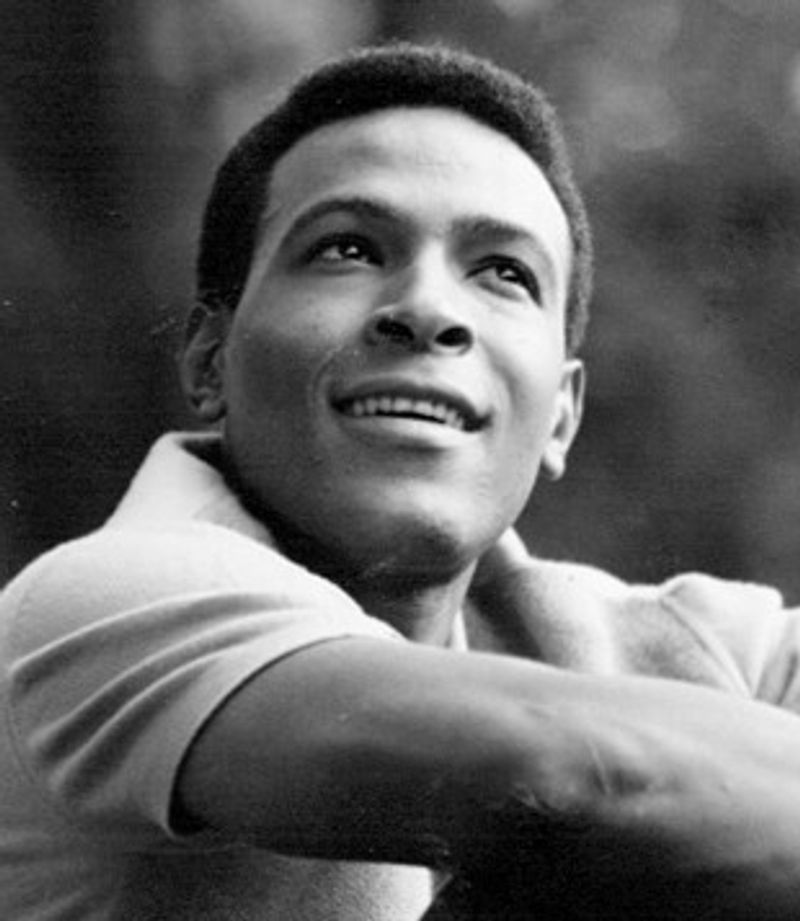
Norman Whitfield and Barrett Strong wrote I Heard It Through the Grapevine in 1966, and Gladys Knight and the Pips had already taken it to No. 1 on the R&B chart in 1967. Motown founder Berry Gordy initially rejected Marvin Gaye’s version, recorded in early 1967, before heavy radio airplay of the album track finally convinced the label to release it as a single on October 30, 1968.
Gaye’s version reached No. 1 on the Billboard Hot 100 on December 14, 1968, and held that position for seven consecutive weeks. The Funk Brothers provided the rhythm track, while The Andantes contributed background vocals and a string section from the Detroit Symphony Orchestra completed the arrangement.
Rolling Stone placed it at No. 40 on its 2021 list of the 500 Greatest Songs of All Time. The song was inducted into the Grammy Hall of Fame in 1998.
9. Revolution by The Beatles
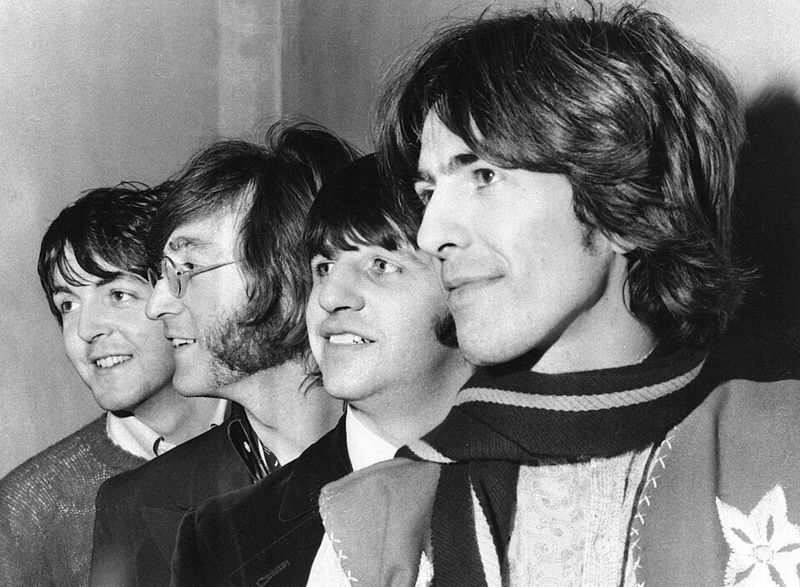
Released as the B-side to Hey Jude on August 26, 1968, Revolution was the first single on the Beatles’ newly created Apple Records label. The opening distorted guitar sound was achieved by engineers who directly injected John Lennon and George Harrison’s guitars into the mixing console, intentionally overloading the preamplifiers to achieve a raw, fuzzed-up quality.
Lennon wrote the lyrics in direct response to the global wave of political demonstrations he observed in early 1968, including anti-Vietnam War protests and the student uprisings in France during May. His lyrics expressed sympathy for change while maintaining skepticism toward violent tactics, a nuance that generated considerable debate at the time.
The single reached No. 12 on the Billboard Hot 100 and topped charts in Australia and New Zealand. Some record store customers reportedly tried to return the single, believing the distorted B-side indicated a manufacturing defect.
10. (Sittin’ On) The Dock of the Bay by Otis Redding
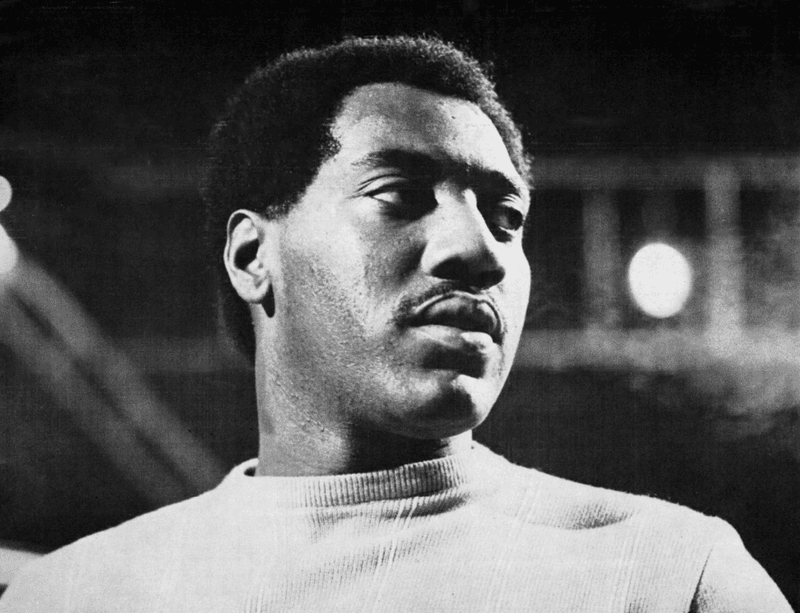
Redding began writing the lyrics in August 1967 while staying on a houseboat in Sausalito, California, after performing at the Monterey Pop Festival. He recorded the final overdubs on December 7, 1967, three days before his death in a plane crash into Lake Monona near Madison, Wisconsin, at age 26.
The single was released posthumously on January 8, 1968, by Stax Records’ Volt label and reached No. 1 on the Billboard Hot 100 on March 16, making Redding the first performer to earn a posthumous No. 1 in US chart history. The famous whistled ending was originally a placeholder for lyrics he never finished.
Steve Cropper recorded the whistle himself and kept it.
The song won two Grammy Awards in 1968 and was later included on the Rock and Roll Hall of Fame’s list of 500 Songs that Shaped Rock and Roll.
11. Summertime Blues by Blue Cheer
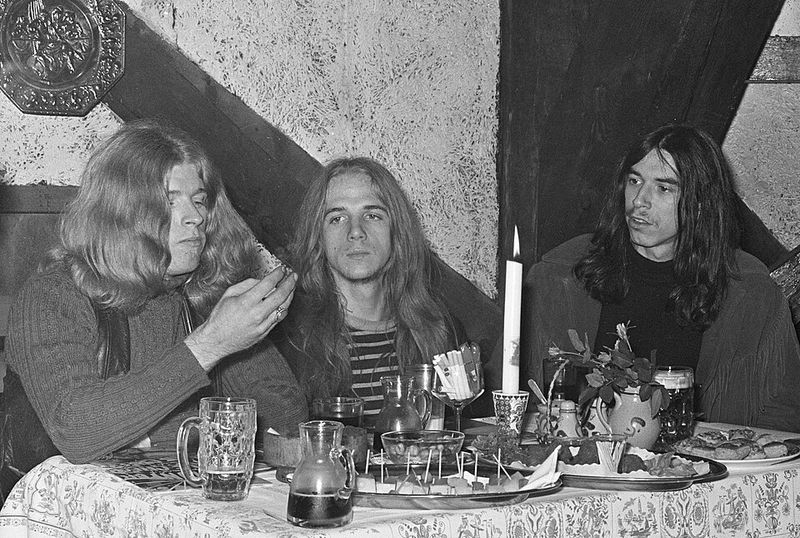
Eddie Cochran’s original Summertime Blues was a rock and roll hit in 1958. Blue Cheer’s version, released as a single on January 23, 1968, from their debut album Vincebus Eruptum, turned it into something far heavier and considerably louder than anything Cochran had intended.
The single peaked at No. 14 on the Billboard Hot 100 and reached No. 1 in the Netherlands. Spin magazine ranked Vincebus Eruptum at No. 22 on its list of the 40 greatest metal albums, calling it “proto-metal, but also the birthplace of grunge.” Frontman Dickie Peterson stated that the band wanted to make music something physical rather than simply an audio experience.
Jim Morrison of The Doors reportedly described Blue Cheer as the most powerful band he had ever seen live. Rolling Stone later ranked their version of Summertime Blues at No. 73 on its list of the 100 Greatest Guitar Songs of All Time.
12. Street Fighting Man by The Rolling Stones
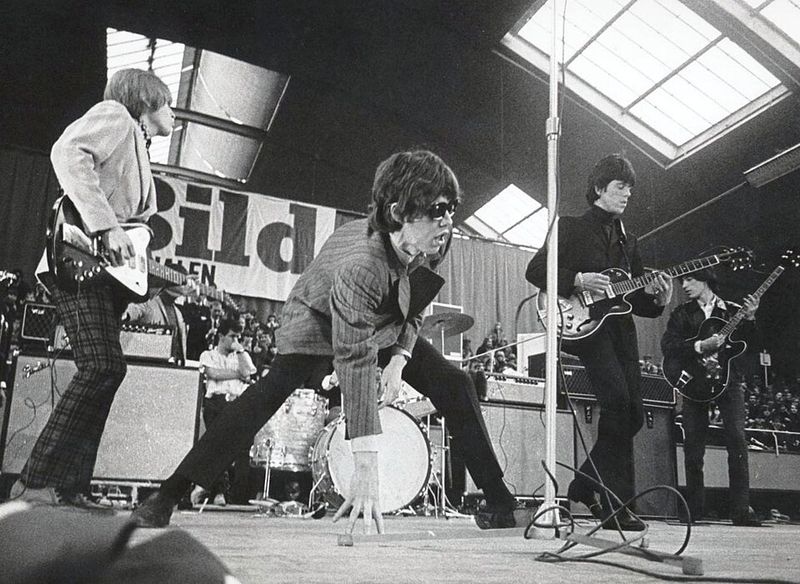
Mick Jagger’s lyrics were directly shaped by real events he witnessed, including an anti-Vietnam War rally at London’s Grosvenor Square in March 1968, where mounted police confronted roughly 25,000 demonstrators, and the student uprisings in Paris during May 1968.
Released in the US on August 30, 1968, the single arrived within days of violent confrontations at the Democratic National Convention in Chicago. Several American radio stations refused to play it, citing concerns about unrest.
The commercial result was modest, with the song peaking at No. 48 on the Billboard Hot 100.
Musically, the track’s aggressive character came from an unexpected source. Keith Richards recorded acoustic guitars through a small Philips cassette player to achieve distortion, while Charlie Watts played a 1930s toy drum kit.
Brian Jones contributed sitar. Bill Wyman was absent, so Richards also handled bass guitar duties.
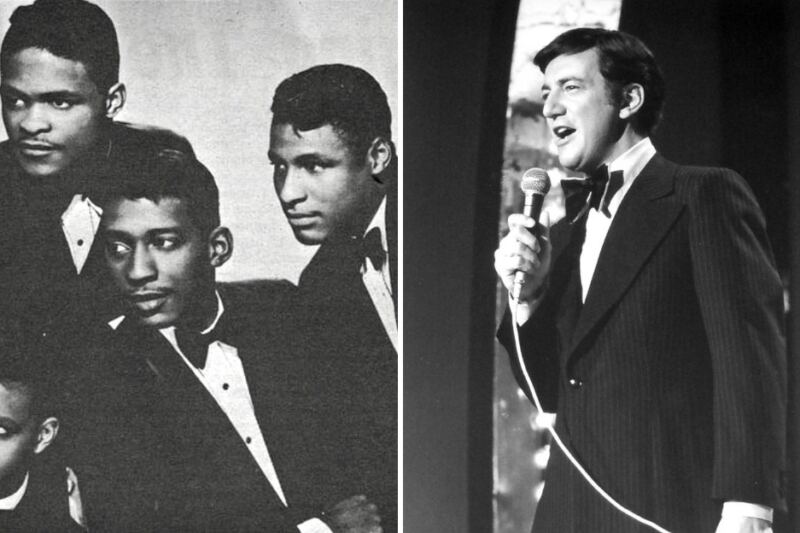
13. Time Has Come Today by The Chambers Brothers
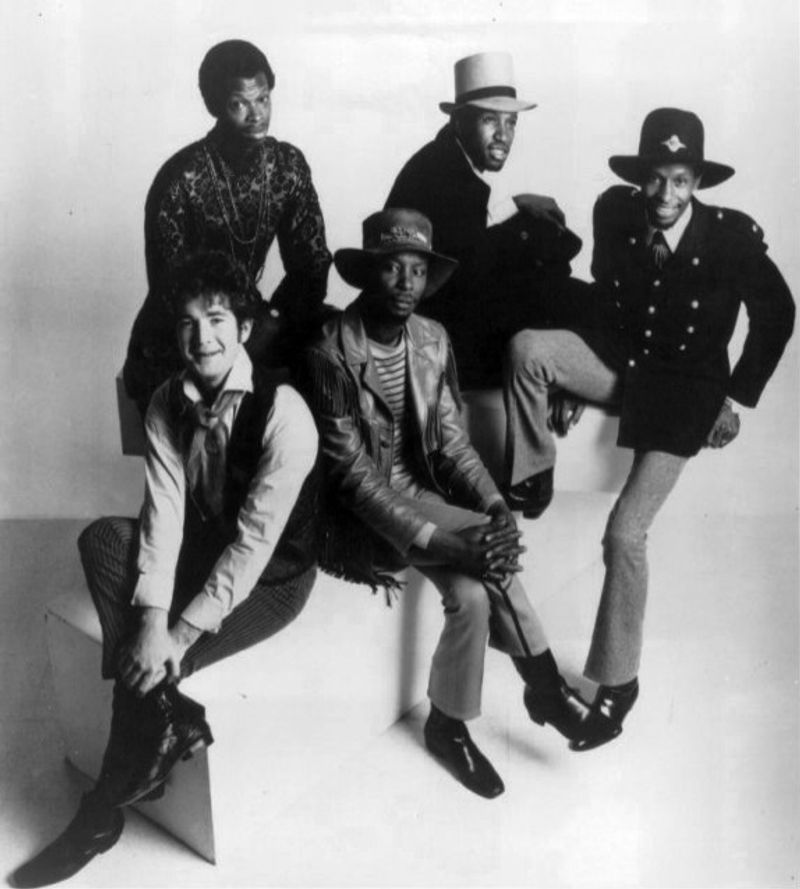
Willie and Joe Chambers wrote Time Has Come Today, and the band had recorded an earlier, shorter version back in 1966 without much commercial success. The extended 11-minute version featured on their album The Time Has Come received heavy airplay on underground FM rock stations before an edited single version became a chart entry.
The edited single spent five weeks at No. 11 on the Billboard Hot 100 in the fall of 1968 and reached No. 9 in Canada. The album itself reached No. 6 on the Billboard chart in December 1968.
The song’s ticking cowbell percussion, fuzz guitar, and heavy use of reverb and echo made it one of the most sonically distinctive recordings of the year.
Originally from Mississippi and based in Los Angeles, the Chambers Brothers became one of the era’s few racially integrated groups after adding white drummer Brian Keenan in 1965. Their mix of gospel, blues, and psychedelic rock was genuinely unusual for the period.
14. Hey Jude by The Beatles
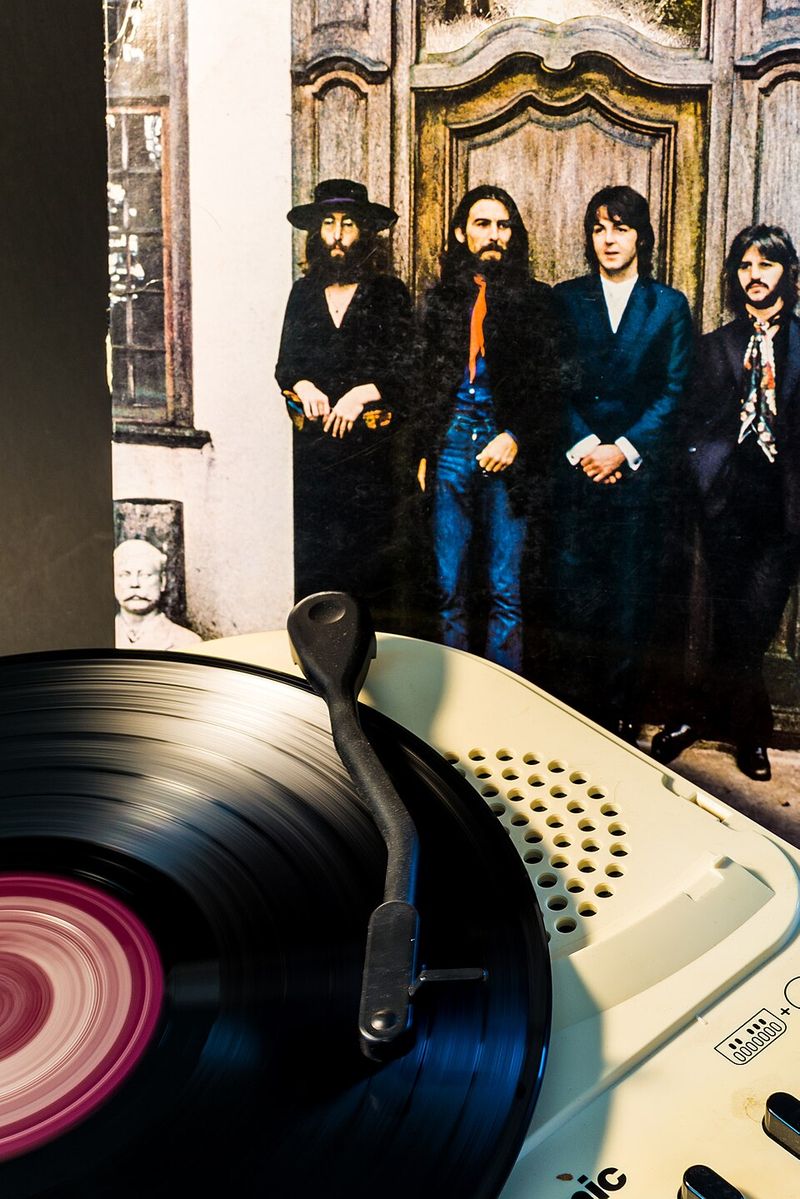
Paul McCartney began writing the song as Hey Jules, intended to comfort John Lennon’s five-year-old son Julian during his parents’ divorce. McCartney changed Jules to Jude because he felt it sounded stronger.
The track was recorded at Trident Studios on July 31 and August 1, 1968, making it the first Beatles song recorded on eight-track equipment.
Released on August 26, 1968, Hey Jude reached No. 1 on the Billboard Hot 100 on September 28 and held that position for nine consecutive weeks, tying the all-time record at that point. At over seven minutes in length, it was unusually long for a chart-topping single and helped shift expectations around what radio programmers would accept.
The extended coda built around repeated vocals from the full band and an orchestra created a communal quality that felt particularly significant during a year marked by the assassinations of Martin Luther King Jr. and Robert F. Kennedy.
15. Wichita Lineman by Glen Campbell
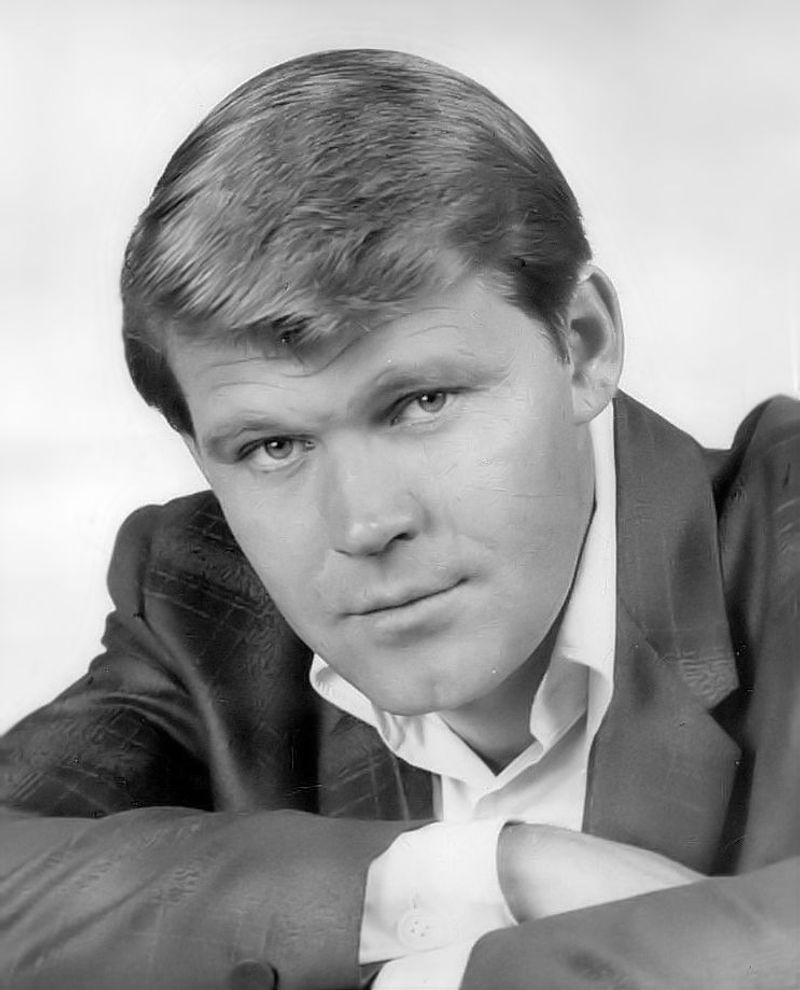
Jimmy Webb got the idea while driving through the Oklahoma panhandle and spotting a solitary utility worker on a telephone pole speaking into his handset. Webb set the song in Wichita, Kansas, and reportedly sent Campbell a demo that lacked a finished third verse.
Campbell’s producer Al De Lory and Campbell himself were moved enough by the incomplete version to record it anyway.
Released the week of October 26, 1968, the single reached No. 3 on the Billboard Hot 100, No. 1 on the country chart, and No. 1 on the adult contemporary chart for six weeks. Session bassist Carol Kaye composed the famous bass intro, and Webb himself played organ on the track.
Bob Dylan reportedly called it the greatest song ever written. It was inducted into the Grammy Hall of Fame in 2000 and preserved in the Library of Congress National Recording Registry in 2019 for being culturally and historically significant.
Share this story