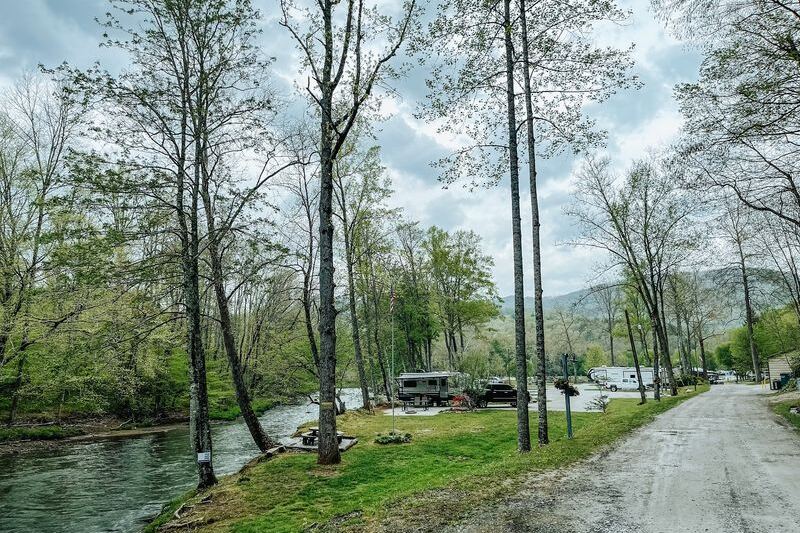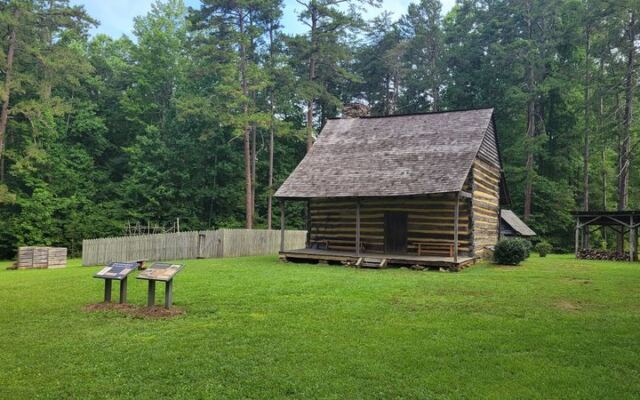
Some places in North Carolina look like plain old fields until you learn what happened there. Picture rolling grass, a weathered log cabin, and a hush that feels almost sacred once you know the story.
This spot marks a moment when ordinary farmers stood up against colonial authority, and their stand rippled toward something much bigger. Come along as we explore a peaceful, low-cost site that turns out to hold a surprising slice of American history.
A Peaceful Field With a Powerful Past
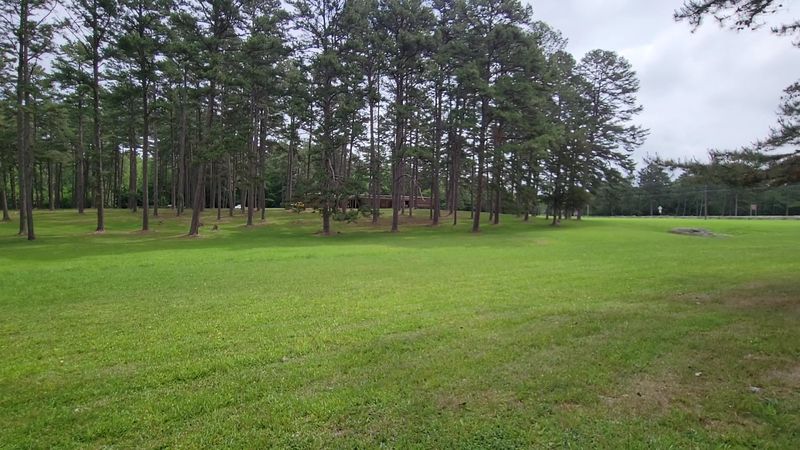
Rolling green space stretches out here in a way that feels almost too calm for its history. Located just off the highway near Burlington, this state historic site preserves the ground where colonial farmers made a stand in 1771.
Long before the famous fights of the Revolution, a group of frustrated settlers known as the Regulators gathered here to protest unfair treatment by colonial officials. What unfolded on these grounds is often described as one of the early sparks leading toward American independence.
Visitors often mention how surreal it feels to stand on such quiet land knowing what once took place. The setting is well kept, easy to walk, and welcoming to families, students, and anyone curious about the past.
It is the kind of place that rewards you for slowing down and paying attention.
The Story of the Regulators
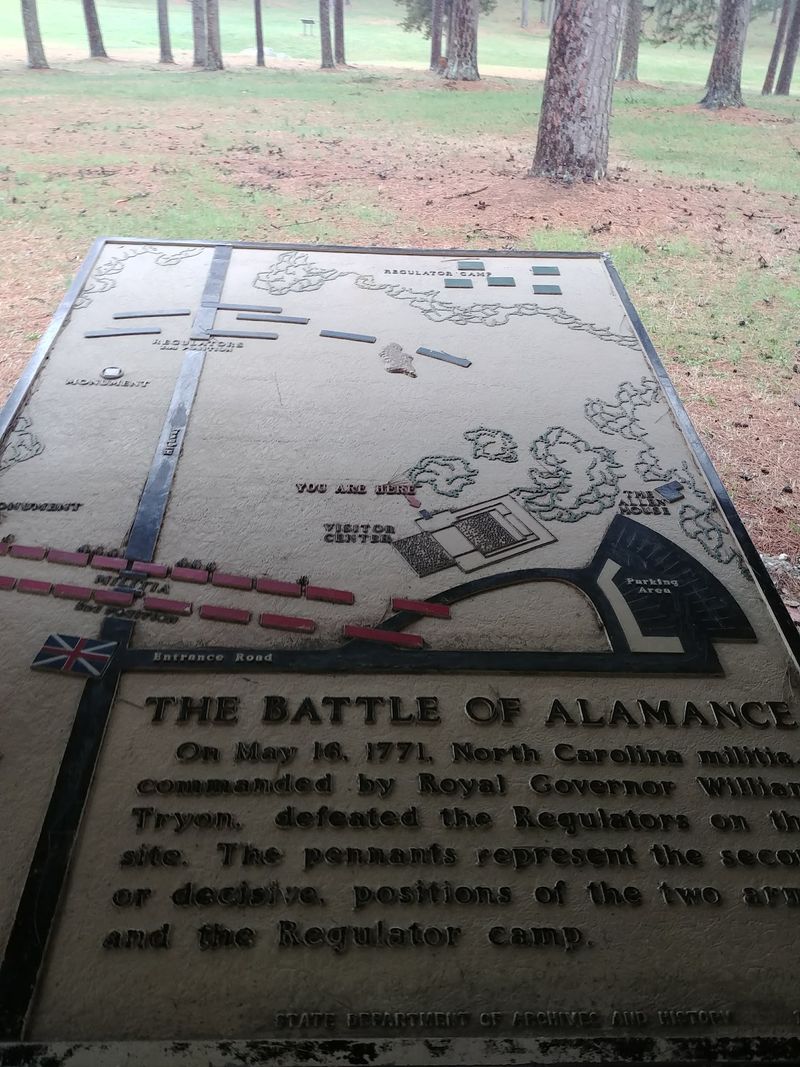
Frustration had been building for years among the everyday people of the North Carolina backcountry. Farmers felt squeezed by corrupt officials, unfair fees, and taxes that seemed to serve the powerful rather than the community.
Out of that unrest rose the Regulators, ordinary folks who wanted honest government and fair treatment. Their movement grew until tensions finally came to a head on this very ground in May of 1771, when they faced the colonial governor’s forces.
The clash did not go the Regulators’ way, but their willingness to stand up left a lasting mark. Historians often point to their courage as an early stirring of the spirit that would later fuel the fight for independence.
Learning their story here, on the land itself, gives the whole thing a weight that no textbook can match.
Stepping Inside the Visitor Center
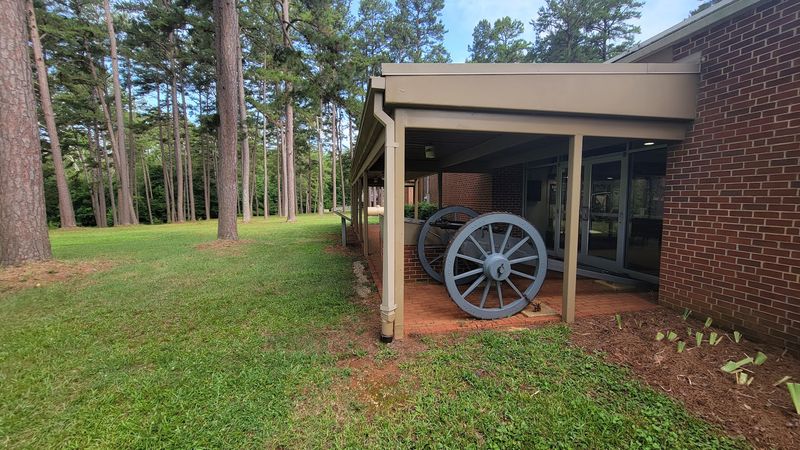
Right at the start of your visit sits a modest visitor center that packs more than you might expect. Compact and welcoming, it serves as the gateway to understanding everything that happened on the surrounding grounds.
Inside, you will find exhibits that lay out the events leading up to the confrontation, along with genuine relics that make the history feel close and real. Guests frequently say the displays are thoughtfully arranged and easy to follow, even for younger visitors.
It is the perfect spot to get your bearings before heading outdoors. Restrooms are available on site, which makes the center a handy stop for travelers passing through.
Small as it is, the building sets the tone for a visit that feels far richer than its size would suggest, drawing you into the drama of that pivotal day.
A Short Film That Sets the Scene
Before you wander the grounds, settle in for a roughly twenty-minute video that many visitors call a highlight. Shown in the center’s little theater, it walks you through the events and personalities that led to the famous stand.
Guests often praise the film for being both informative and genuinely engaging, giving context that makes the outdoor walk far more meaningful afterward. Families with kids especially appreciate how it turns names and dates into a story you can follow.
Watching it first is a smart move. You will step outside already picturing the tension, the crowds, and the choices people faced on that spring day.
It is a small touch that shows how much care the site puts into helping every visitor connect with the past, no matter how much history they knew walking in.
The Historic Allen House
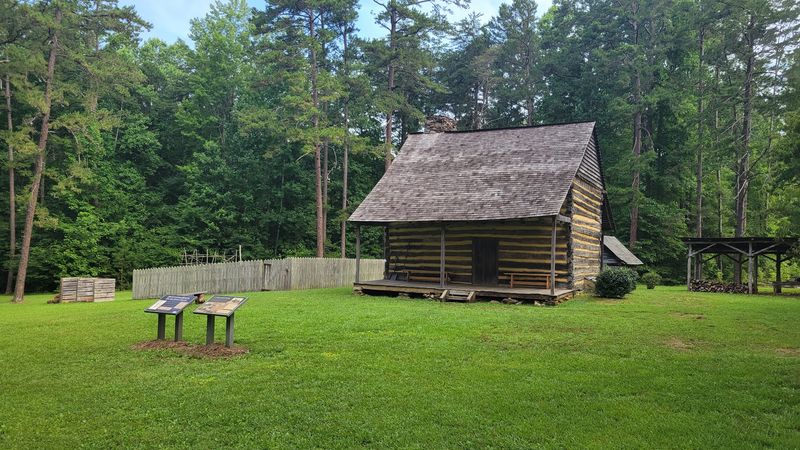
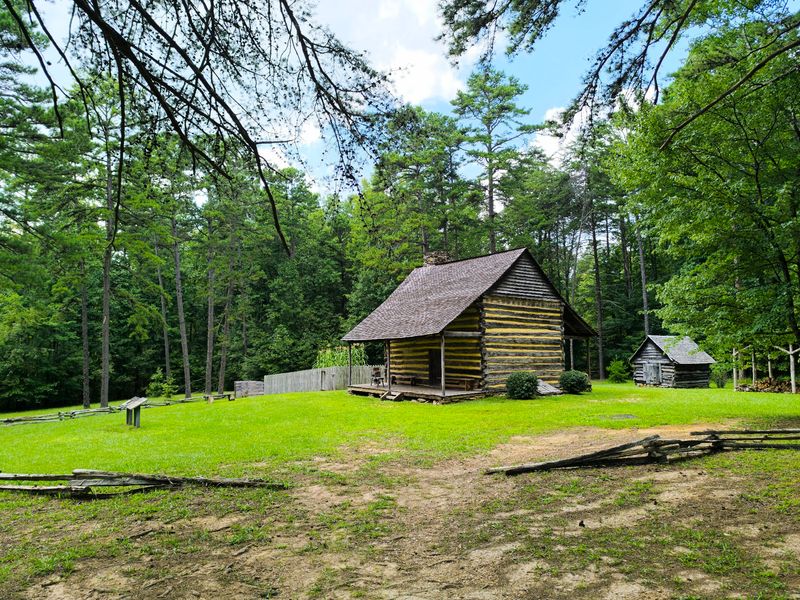
Weathered logs and a sturdy chimney give the Allen House a look straight out of the 1700s. Moved and preserved on the grounds, this old dwelling offers a window into how backcountry families actually lived during colonial times.
Step near it and you can almost imagine daily life inside those simple walls, from cooking by the hearth to sheltering from the weather. Visitors consistently find the cabin one of the most memorable parts of the whole site.
Guides often share details about the family and the era, bringing the modest home to life with stories about food, farming, and survival. It pairs beautifully with the wider battlefield, reminding you that the people who took a stand here were regular folks with homes, chores, and families.
Touring it turns abstract history into something you can nearly reach out and touch.
Cannons on Full Display
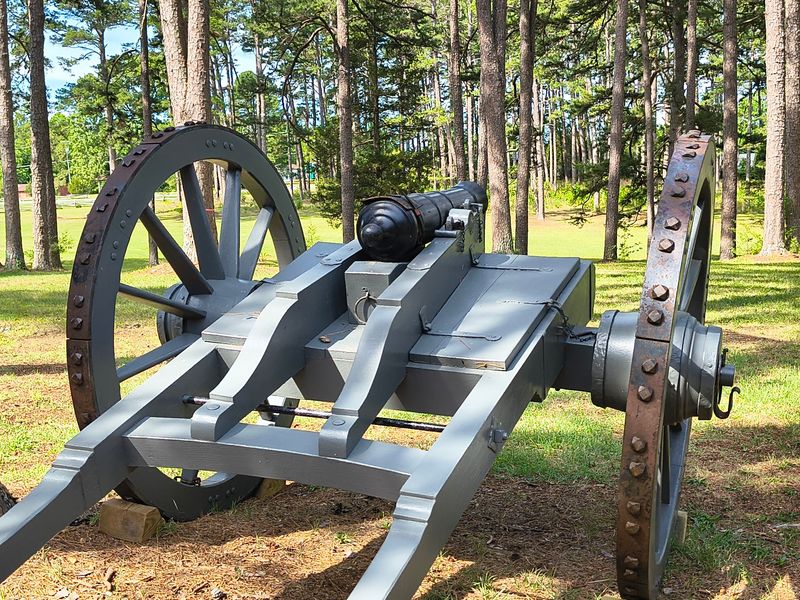
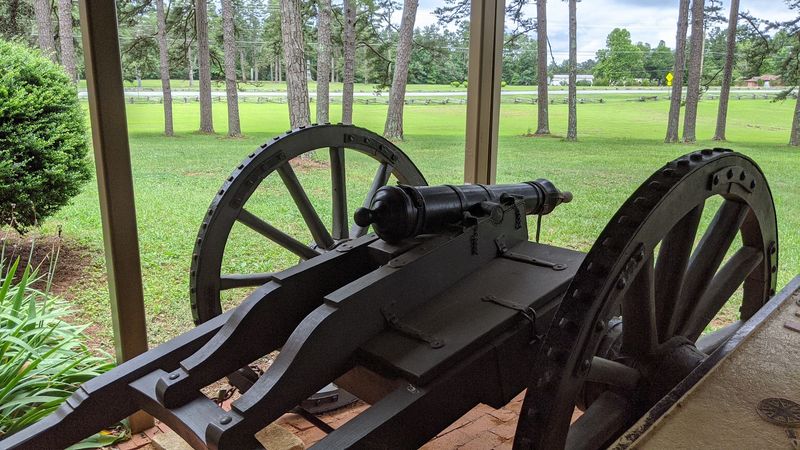
Heavy iron and wooden carriages make the cannons a favorite stop for many who visit. These pieces show off the kind of firepower that tipped the balance during the 1771 clash, and seeing them up close is genuinely striking.
Visitors learn that the governor’s advantage in artillery played a major role in how the day unfolded. Standing beside the real thing, you get a sense of the scale and seriousness of what the Regulators were up against.
Both indoor and outdoor displays let you examine them from different angles. Kids in particular tend to gravitate toward these massive relics, sparking plenty of questions.
They serve as one of the most tangible links to the events that happened here, turning a quiet field into a vivid picture of a tense and dramatic moment in North Carolina’s story.
Knowledgeable Guides Who Bring It Alive
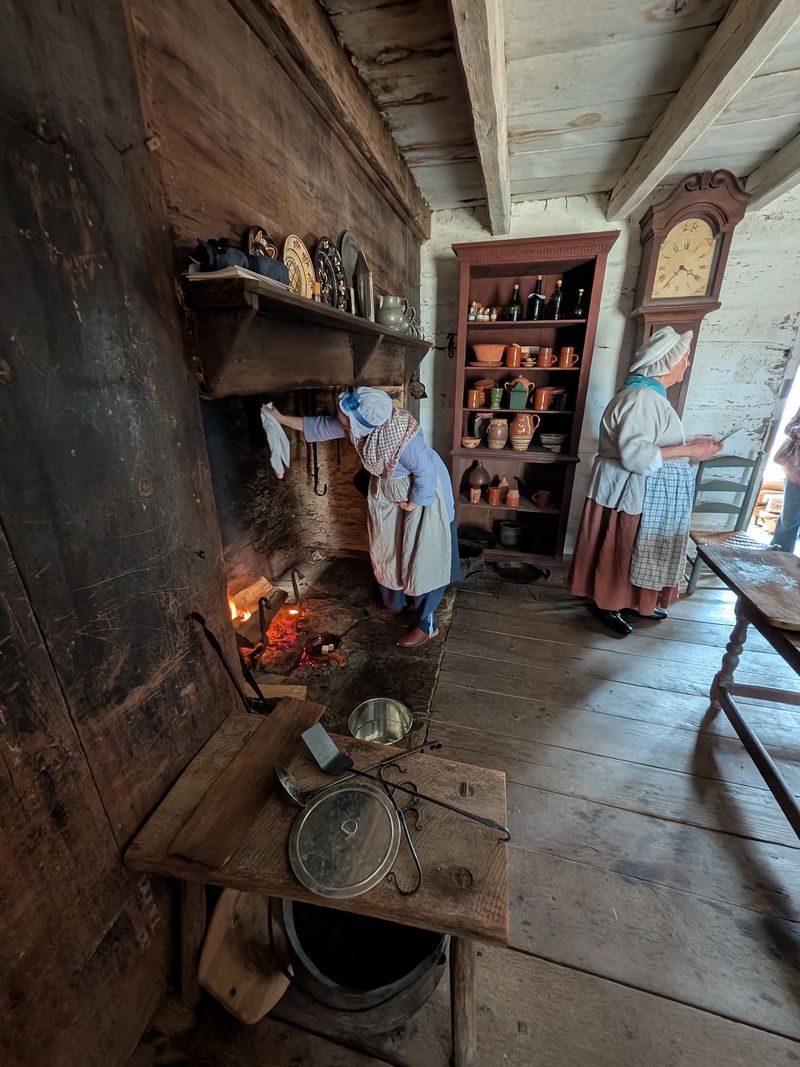
Warm and deeply informed, the staff here earn constant praise from nearly everyone who stops by. Many guests describe presentations so detailed and engaging that a simple visit turns into a memorable history lesson.
One visitor recalled arriving on a quiet day and receiving a personal tour, complete with the guide pausing to answer every question and offer deeper details on request. That kind of attention shows up again and again in what people share.
Guides weave in not just dates and names but the social and economic realities that shaped the era. School groups and families especially benefit from the hands-on, interactive style.
Whether you choose a self-guided stroll or a staff-led walk, the team’s passion is easy to feel. Their friendly expertise is a big reason so many folks leave saying the trip was well worth it.
Living History and Reenactments
Few things bring the past roaring back like a good reenactment, and this site delivers. On special event days, costumed participants recreate scenes from the era, filling the grounds with the sights and sounds of colonial life.
Guests who have caught one of these gatherings often rave about the experience, calling it immaculate and unforgettable. Watching history unfold in front of you adds a layer of drama that static exhibits simply cannot match.
Living history demonstrations let you see how people dressed, worked, and lived long ago. Families find them especially fun, turning learning into an adventure.
If you can time your trip around one of these occasional events, do it. Many longtime visitors say a reenactment day is the very best way to experience everything the grounds have to offer, leaving you with memories that stick.
Walking Trails and Open Grounds
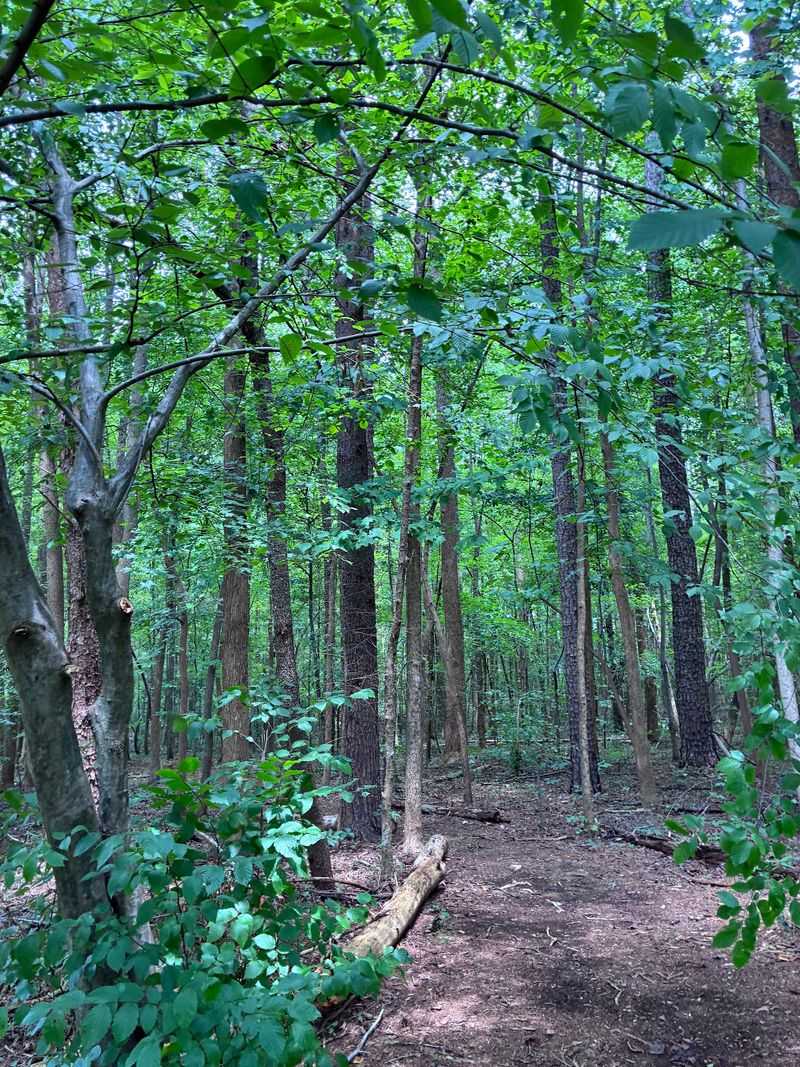
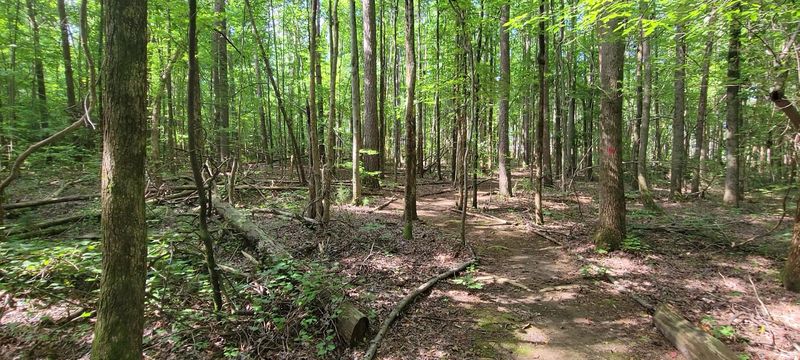
Fresh air and easy paths make wandering the grounds a pleasure all its own. A trail winds through the property, roughly half a mile in length, giving you a gentle way to soak in the scenery and reflect on the history around you.
Plenty of visitors mention how beautifully maintained the whole area is, from the mowed fields to the shaded woods. Signs along the way share what happened here, so you keep learning as you stroll.
Dog owners appreciate that it is a friendly place to bring a leashed pup for a walk. The relaxed pace suits anyone wanting a break from busy schedules.
Whether you come for the exercise, the calm, or the chance to imagine the past, the grounds invite you to linger a little longer than you might have planned.
The Memorial Monuments Across the Way
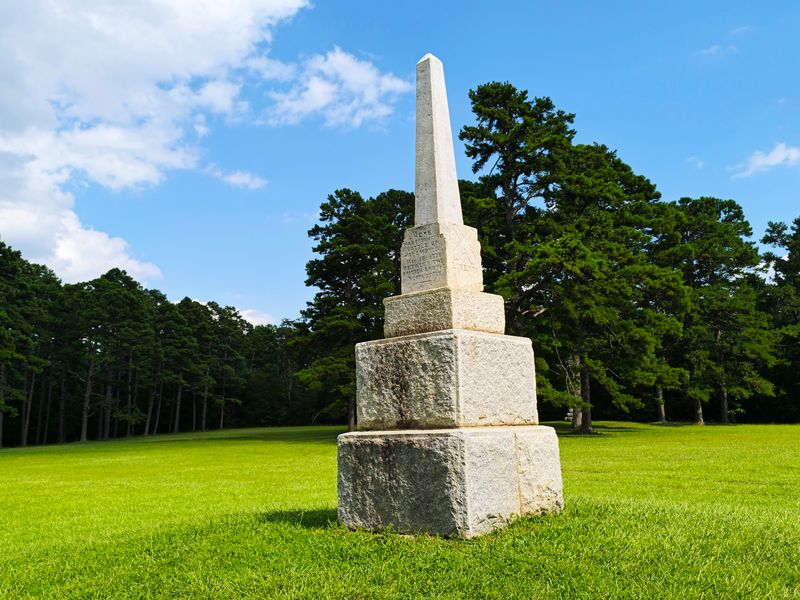
Standing tall and solemn, the memorial monuments honor those who gathered and made their stand here. Set apart from the main grounds, they require a short walk across the road or a quick drive to the other parking area.
Visitors note that reaching them is an easy stroll, and the effort is well rewarded. These markers add a reflective note to the visit, giving you a quiet place to pause and consider the courage of the people involved.
Several monuments dot the landscape, each contributing to the sense of remembrance that fills the site. They serve as lasting tributes to a chapter of history that shaped the region.
Taking the extra few minutes to see them rounds out the experience, connecting the exhibits and battlefield to the human story of sacrifice and conviction that unfolded on this land.
A Handy Stop Right Off I-40
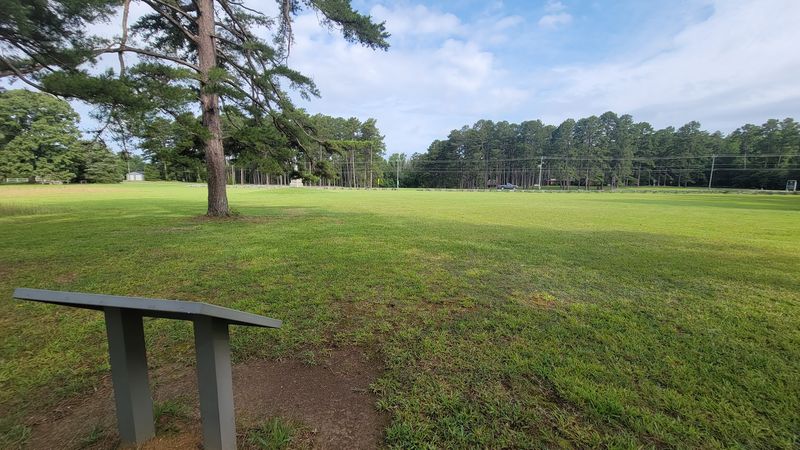
Long road trips across North Carolina beg for a good place to stretch your legs, and this site fits the bill perfectly. Sitting just off Interstate 40 near Burlington, it makes an easy and rewarding break from the drive.
Travelers often mention how convenient it is to pull off, learn a bit of local history, and use the on-site restrooms before hitting the road again. You get a genuine dose of the past without a big detour.
The free entry and relaxed atmosphere make it an especially smart choice for families or curious wanderers. In under an hour, you can watch the film, tour the cabin, and walk the grounds.
Few highway stops offer this much meaning packed into so little time, which is why so many passing travelers are glad they took the exit.
Planning Your Visit
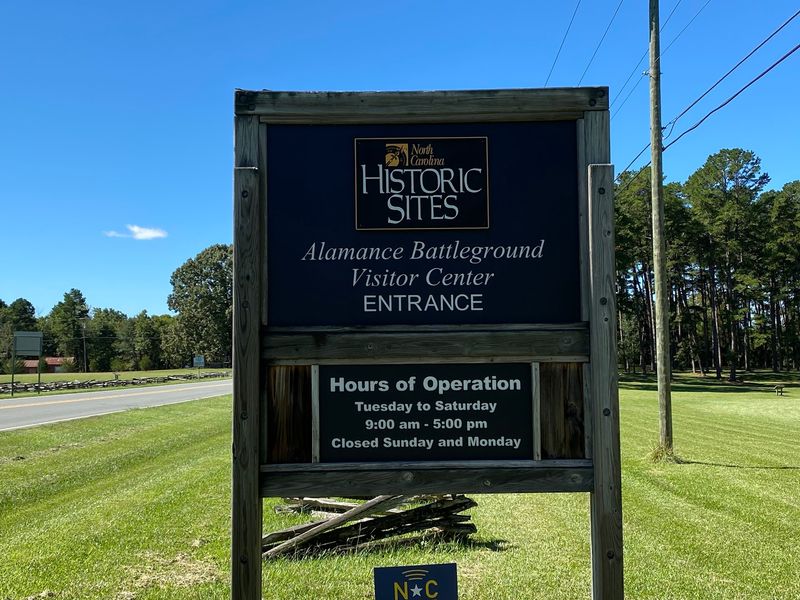
Timing matters a little here, so a quick plan helps. The site welcomes guests Tuesday through Saturday from 9 AM to 5 PM, and it stays closed on Sundays and Mondays, so aim for a weekday or Saturday trip.
You can explore on your own for free or pick up an inexpensive guided tour from the friendly staff. Either way, the cost stays refreshingly low, making it a budget-friendly outing for the whole family.
The gift shop is small but offers unique shirts and books worth a look. Restrooms and parking are available on site, and reaching the monuments may mean a short walk or drive across the road.
For questions or event dates, a quick call to 336-227-4785 or a peek at the official website can help you make the most of your day.
Why This Quiet Farm Is Worth the Trip
Underrated is the word that comes up again and again about this special place. What looks like a simple field carries the memory of ordinary people who stood up for fairness, and that story sticks with you.
Between the heartfelt guides, the vivid cabin, the striking cannons, and the peaceful trails, there is far more here than first meets the eye. History lovers walk away thrilled, and even casual visitors often admit they learned more than expected.
Add in the free admission, the easy highway access, and the welcoming staff, and you have a rare gem that rewards curiosity without emptying your wallet.
If you find yourself anywhere near this corner of North Carolina, carve out an hour or two. Standing on ground where a rebellion first stirred is the kind of experience that quietly stays with you long after you leave.
Share this story