Some songs do more than fill a room with sound. They shift culture, challenge norms, and change what music can be.
The 18 tracks on this list did exactly that, each arriving at a moment when it felt like the world needed something new, something braver, or something that had never been tried before. From Billie Holiday’s haunting protest to Beyonce’s undeniable anthem, these recordings did not just top charts.
They rewrote the rules, opened new genres, and gave entire generations a soundtrack to hold onto. Whether you grew up with these songs or are discovering them now, each one has a story worth knowing.
Strange Fruit, Billie Holiday
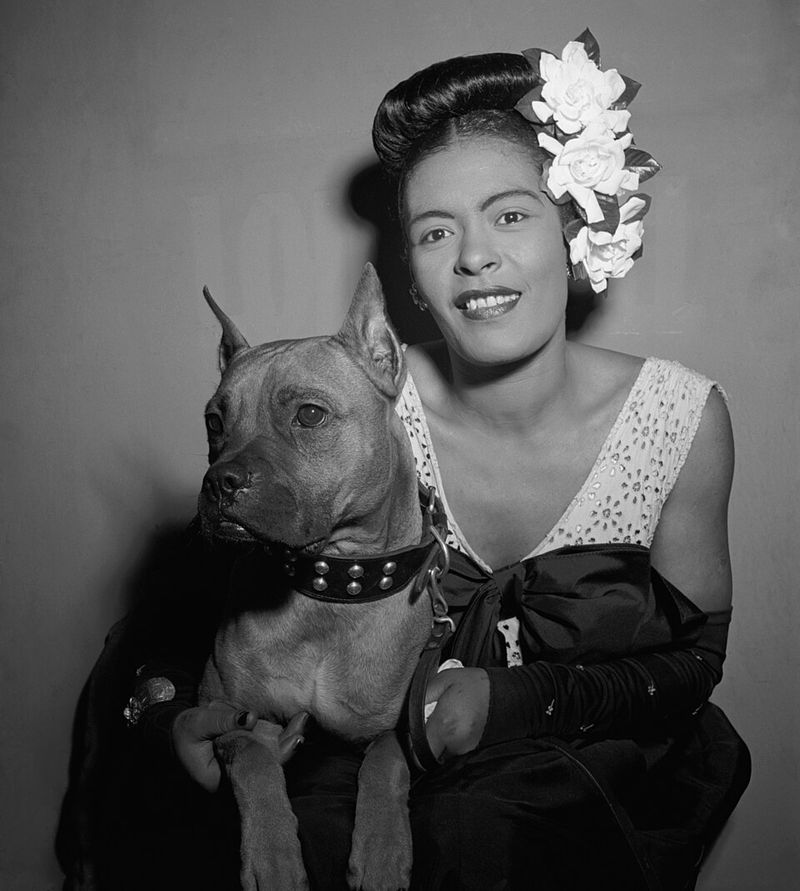
Few recordings in American history carry the emotional and political weight of “Strange Fruit.” Billie Holiday first performed this song in 1939 at Cafe Society in New York City, a venue known for racially integrated audiences. The lyrics, written by Abel Meeropol, confronted the brutal reality of racial violence in the American South with devastating clarity.
Holiday fought to record it. Her label at the time refused, so she took it to a smaller company, Commodore Records, where it was finally preserved on wax.
Radio stations largely refused to play it, which only deepened its underground power.
Decades later, Time magazine named it the Song of the Century. It is widely credited as an early catalyst for the civil rights movement.
No other pop or jazz recording of that era dared to speak so directly about racial injustice. Holiday paid a personal price for singing it, and the song endures because of that courage.
Hound Dog, Big Mama Thornton
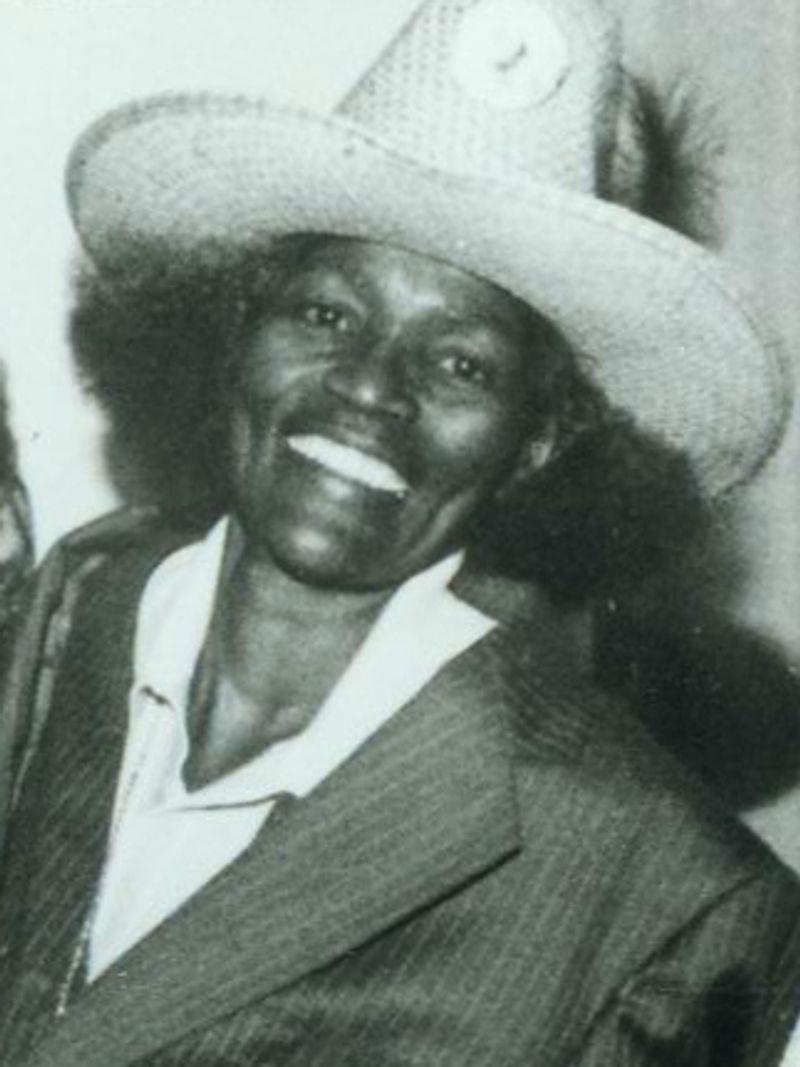
Before Elvis Presley made “Hound Dog” a rock and roll landmark, Big Mama Thornton recorded the original version in 1952, and it hit differently. Her recording, produced by Johnny Otis, reached number one on the R&B charts and stayed there for seven weeks.
The energy was raw, direct, and entirely her own.
Thornton was a powerhouse performer who played harmonica and drums in addition to singing. She wrote parts of her version’s feel through sheer delivery, giving the song a swagger that was impossible to ignore.
She received very little financial compensation compared to what the song eventually earned, a painful but common story for Black artists of that era.
Music historians consistently point to her original as proof that rock and roll drew deeply from Black blues and R&B traditions. Revisiting Thornton’s “Hound Dog” today makes it clear just how much she brought to a song that the world would later credit to someone else.
Johnny B. Goode, Chuck Berry
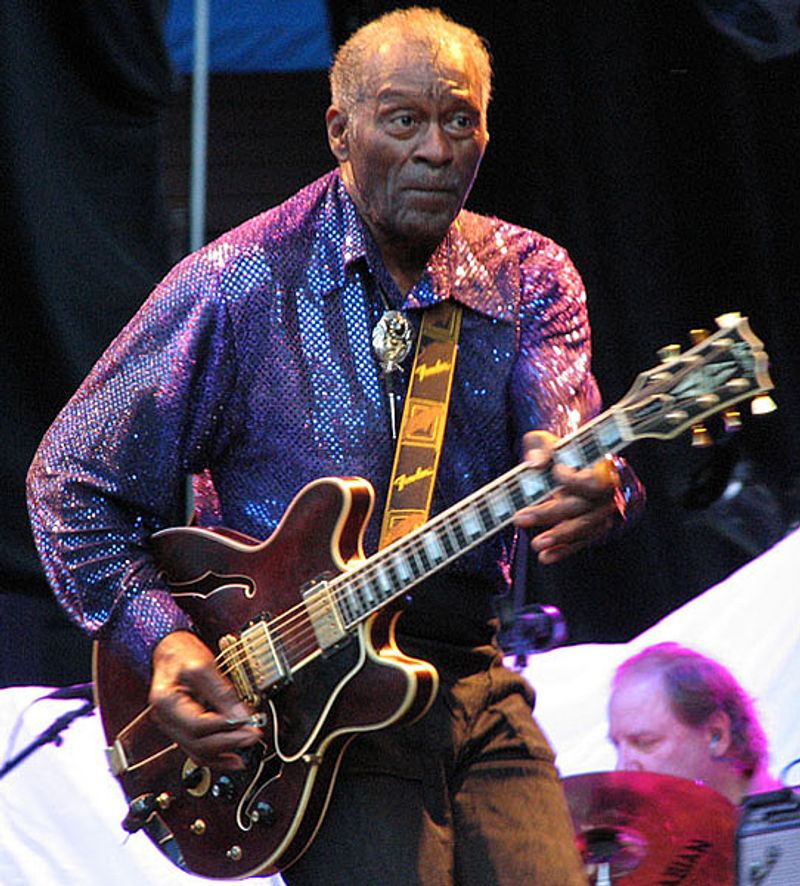
Chuck Berry released “Johnny B. Goode” in 1958, and it arrived like a lightning bolt to the chest of American popular music.
The song’s opening guitar riff is one of the most recognized sounds in rock history, built from a blues foundation but delivered with a speed and confidence that pointed toward something brand new.
The lyrics told the story of a young guitar player from rural Louisiana who dreamed of his name in lights. Many heard it as Berry telling his own story, thinly disguised.
The song celebrated ambition, talent, and the electric guitar as an instrument of freedom.
Its reach extended well beyond Earth. NASA included it on the Voyager Golden Record in 1977, sending it into space as a sample of human culture.
Countless artists have covered it, from the Beatles to the Rolling Stones. No other single song captures the spirit of early rock and roll quite so completely.
Tutti Frutti, Little Richard
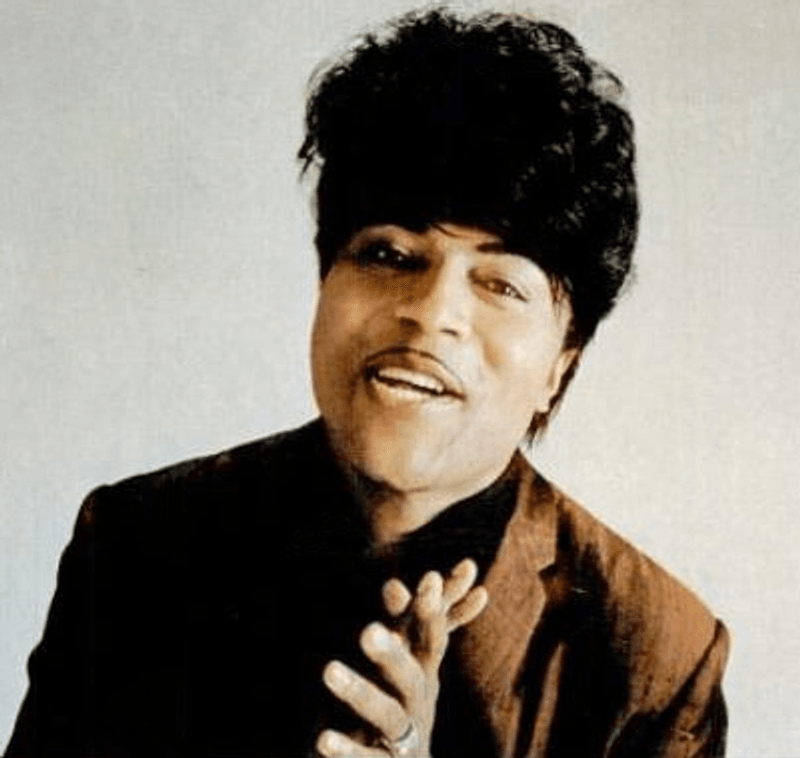
“Tutti Frutti” did not ease anyone in gently. Little Richard opened the 1955 recording with a shriek that announced something completely different was happening in American music.
The song was recorded in New Orleans at Cosimo Matassa’s studio, and it crackled with an energy that radio audiences had not quite heard before.
Richard Wayne Penniman, better known as Little Richard, brought a theatrical, high-energy style to rock and roll that was unlike anything his contemporaries were doing. His piano playing was frantic and joyful, his voice pushed to its limits in the best possible way.
The song’s original lyrics were reworked to be radio-friendly, but the spirit remained untamed.
Pat Boone released a smoother cover version shortly after, and it outsold Richard’s original on pop charts, which speaks volumes about the racial dynamics of the music industry in that period. The original recording, however, is the one music scholars return to when explaining where rock and roll found its personality.
What’d I Say, Ray Charles
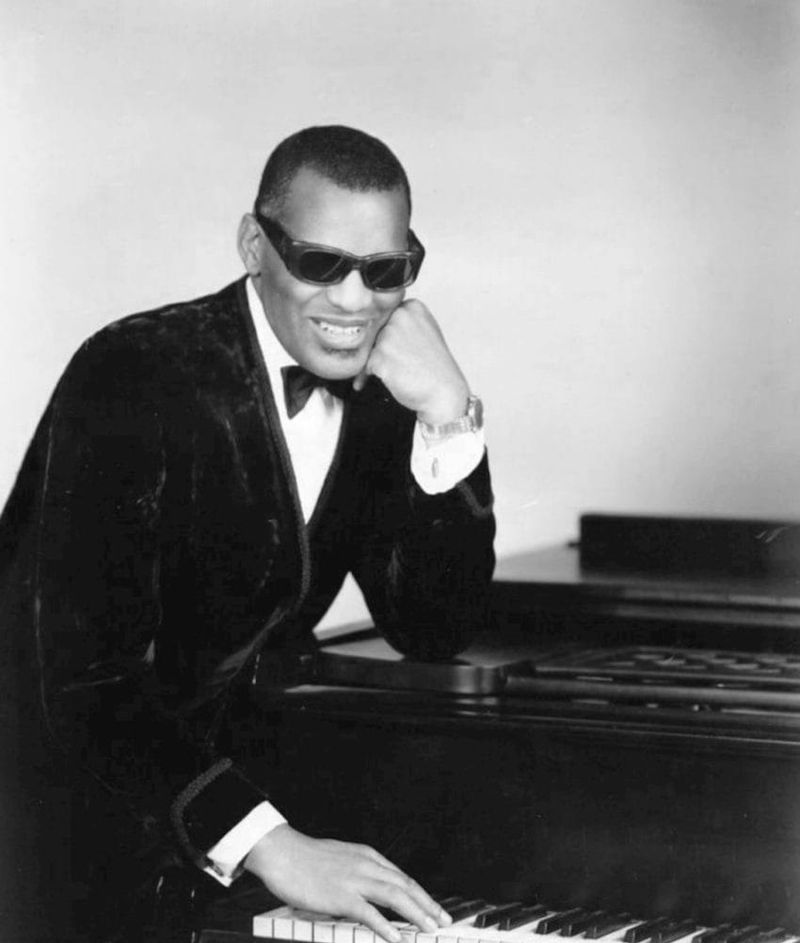
Ray Charles did not plan “What’d I Say.” According to his own account, he needed to fill time at the end of a dance set in 1958 and started playing a groove with his band, improvising call-and-response with his backup singers, the Raelettes. The audience responded so enthusiastically that he knew he had something.
The recorded version, released in 1959, became his first top-ten pop hit. It combined gospel, blues, jazz, and R&B in a way that felt both sacred and celebratory at the same time.
Some radio stations refused to play it, finding the call-and-response vocals too suggestive. That controversy only made people more curious.
The song is now recognized as a pivotal moment in the development of soul music. Charles had been blending gospel emotion with secular content for years, but “What’d I Say” made that fusion undeniable.
Jerry Lee Lewis, Elvis Presley, and the Beatles all recorded versions, which tells you everything about its influence.
Like a Rolling Stone, Bob Dylan
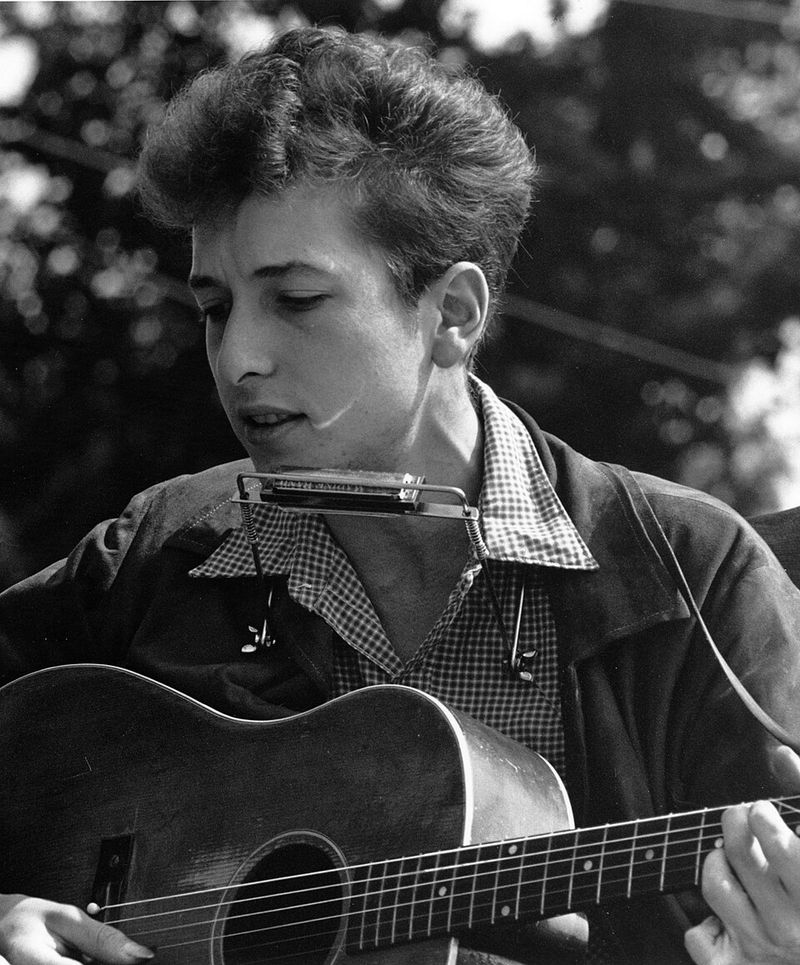
When Columbia Records released “Like a Rolling Stone” in July 1965, it ran over six minutes long, which was nearly unheard of for a commercial single. Radio programmers were skeptical.
Listeners were not. The song climbed to number two on the Billboard Hot 100 and changed the expectations for what a pop song could say.
Dylan wrote the track after finishing an exhausting tour, reportedly pouring frustration and creative energy into a lengthy piece of writing that eventually became the song’s lyrics. The result was sharp, literary, and relentless.
The famous opening snare crack by drummer Bobby Gregg has been called one of the most iconic moments in recorded rock.
Rolling Stone magazine ranked it the greatest song of all time in multiple polls. The song proved that rock music could carry the weight of serious poetry.
It gave an entire generation permission to expect more from the songs they listened to, and popular music has never quite returned to what it was before.
Good Vibrations, The Beach Boys
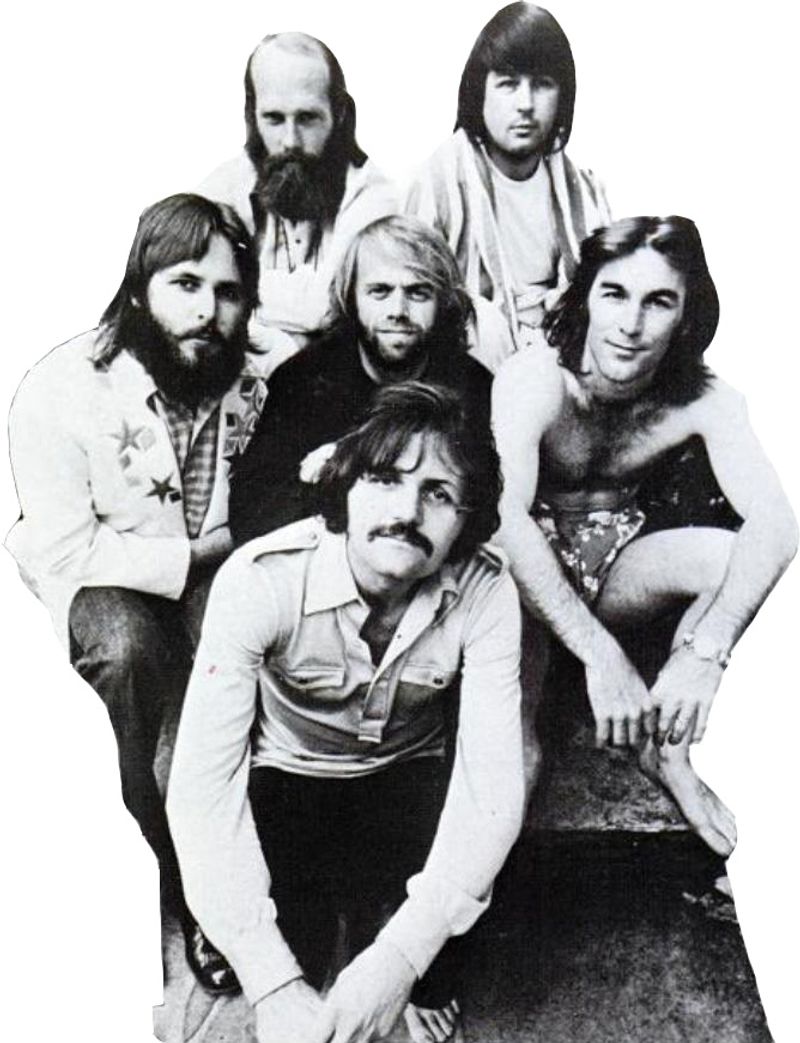
Brian Wilson spent six months and an estimated $50,000 recording “Good Vibrations” in 1966, which was an almost unimaginable investment for a single song at the time. He recorded it in segments across four different studios, layering sounds in a way that pop music had not attempted before.
The result was something he called a “pocket symphony.”
The song featured a theremin-like instrument called an electro-theremin, played by session musician Paul Tanner, which gave it that eerie, floating quality in the chorus. Wilson’s layered harmonies and unconventional song structure pushed the boundaries of what a three-minute radio hit could be.
It reached number one in both the United States and the United Kingdom. The recording process itself influenced the Beatles, who were working on Revolver and Sgt.
Pepper’s Lonely Hearts Club Band around the same period. “Good Vibrations” remains a case study in studio innovation and the creative possibilities of the recording environment as an instrument itself.
Respect, Aretha Franklin
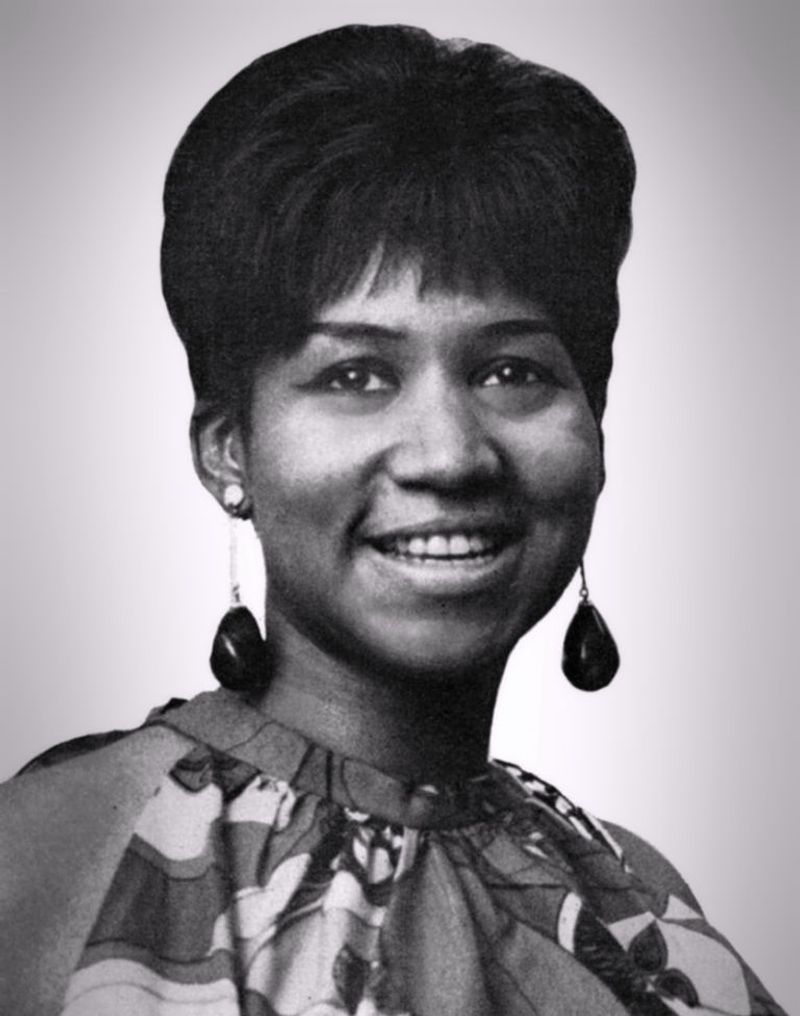
Otis Redding wrote “Respect” in 1965 and recorded it as a plea from a man asking his partner to acknowledge him when he came home. Aretha Franklin flipped the entire meaning in 1967.
Her version turned the song into a declaration, a demand, and an anthem all at once.
Franklin and her sisters added the now-famous spelling of R-E-S-P-E-C-T and the “sock it to me” bridge, transforming Redding’s original into something entirely different in intent and impact. Redding himself reportedly said after hearing it that she had taken the song from him for good.
He meant it as a compliment.
The recording hit number one on both the pop and R&B charts and became closely associated with the civil rights and women’s rights movements of the late 1960s. It earned Franklin two Grammy Awards and established her as the Queen of Soul.
Few songs have carried a political message while also functioning as a purely joyful piece of music in the way “Respect” does.
Purple Haze, The Jimi Hendrix Experience
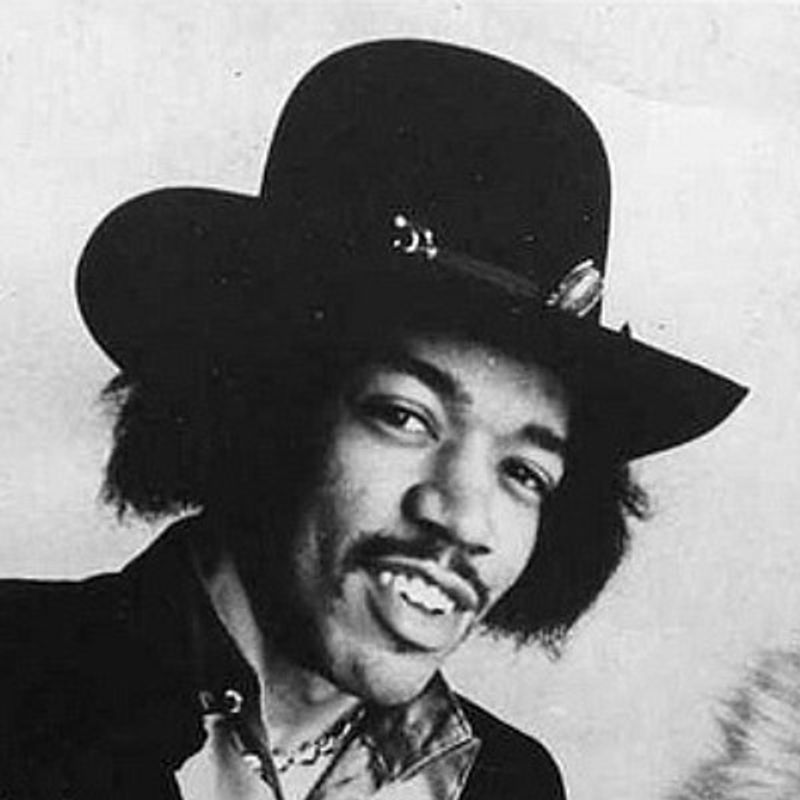
Jimi Hendrix released “Purple Haze” in early 1967, and it announced a guitarist who seemed to be operating in a completely different dimension from everyone else. The song’s opening tritone interval, sometimes called the “devil’s interval” in music theory, immediately set a tone of tension and disorientation that matched the psychedelic era perfectly.
Hendrix’s guitar work throughout the track was unlike anything rock audiences had heard. He used feedback, distortion, and whammy bar techniques in ways that made the electric guitar sound like a new instrument entirely.
His left-handed playing on a right-handed guitar, restrung upside down, contributed to his unique tonal approach.
The song was recorded at De Lane Lea Studios in London with producer Chas Chandler. It reached number three on the UK Singles Chart and became the defining statement of Hendrix’s arrival on the world stage.
Decades later, it consistently appears on lists of the greatest guitar performances ever recorded, and its influence on rock, metal, and alternative music is nearly impossible to overstate.
I Feel Love, Donna Summer
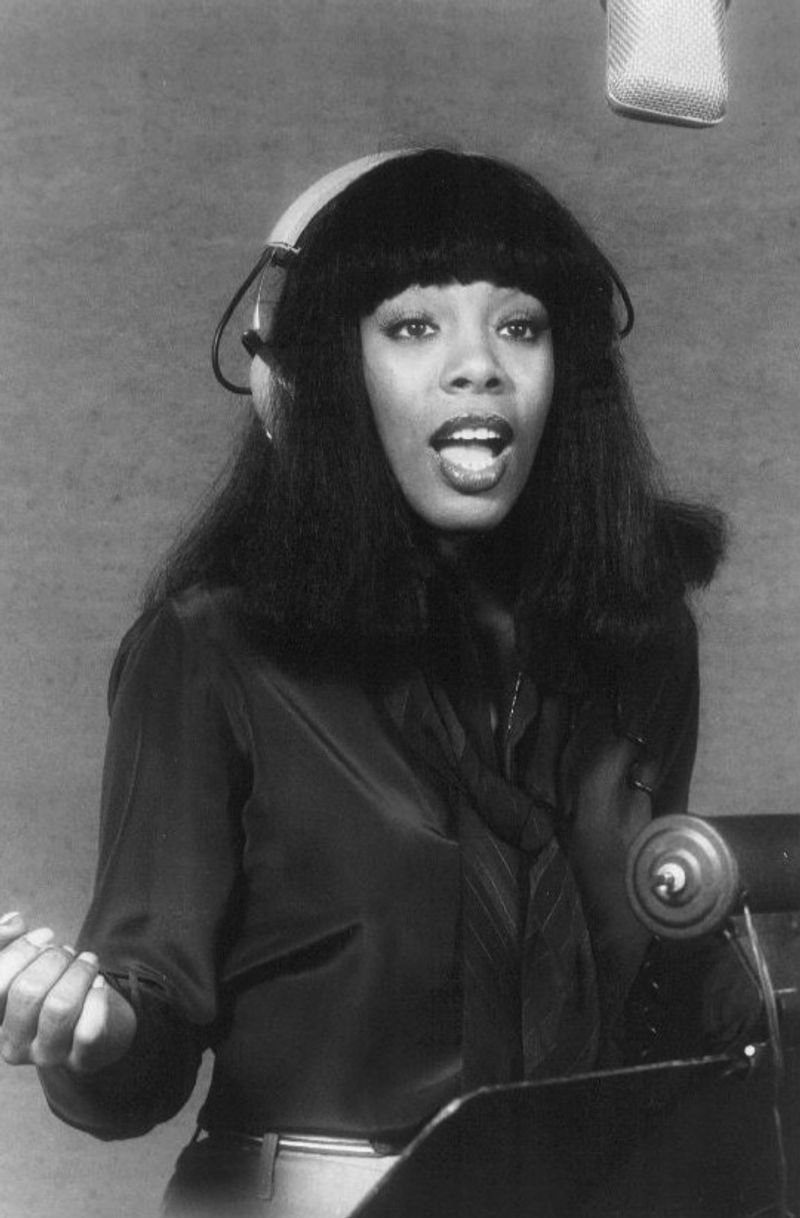
Producer Giorgio Moroder and Donna Summer recorded “I Feel Love” in 1977, and the result was a song that did not just belong to its time but pointed clearly toward the future. The entire backing track was produced using a Moog synthesizer, with Moroder programming every pulse, bass line, and texture electronically.
Live instruments were almost entirely absent.
Brian Eno reportedly told David Bowie after hearing it that it represented the sound of the next fifteen years of pop music. That prediction held up remarkably well.
The track became a foundation for electronic dance music, techno, house, and virtually every synthesizer-driven genre that followed.
Summer’s vocal floated above the machine-generated rhythm with an ethereal warmth that kept the song from feeling cold or mechanical. It reached number six on the US Billboard Hot 100 and hit number one in several European markets.
Forty-plus years later, DJs still play it, producers still sample its structure, and its influence on club music worldwide remains direct and measurable.
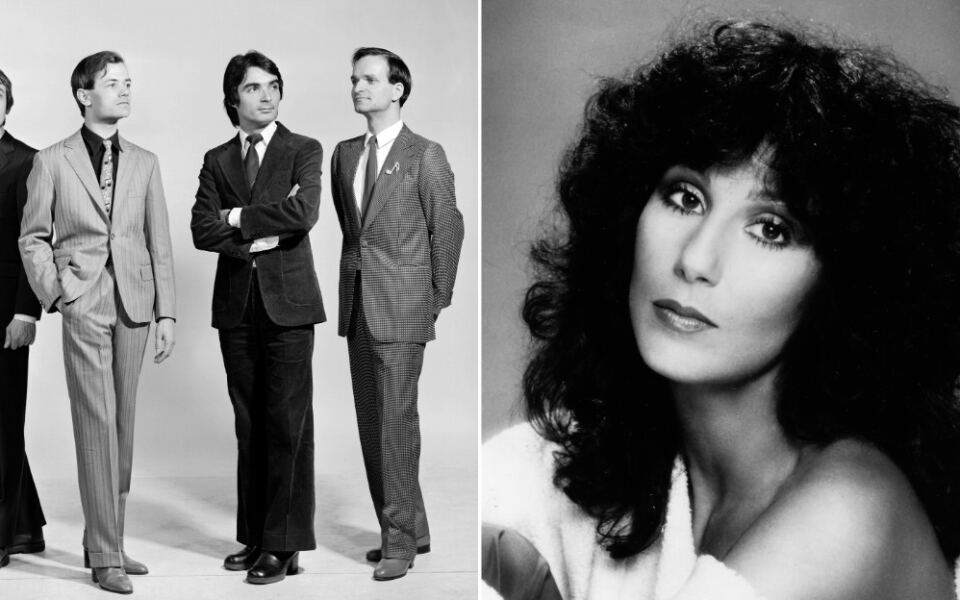
Autobahn, Kraftwerk
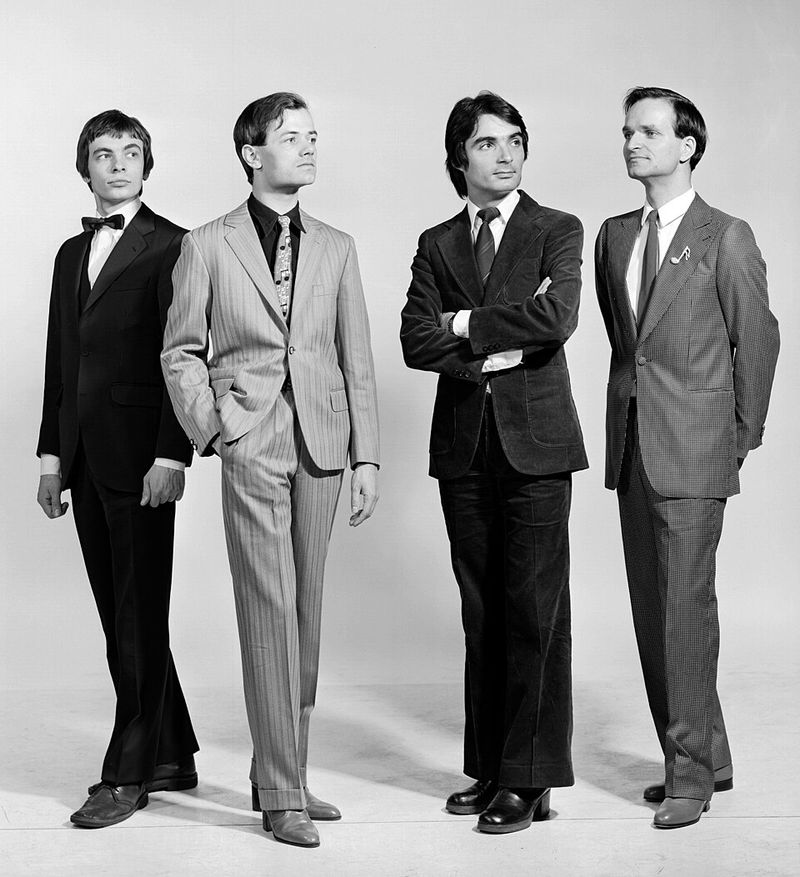
Kraftwerk released “Autobahn” in 1974, and the original album version ran over 22 minutes. The edited single still clocked in at nearly three and a half minutes, long enough to carry listeners through a sonic portrait of driving on Germany’s famous highway system.
The band from Dusseldorf built the entire track from synthesizers, drum machines, and electronic sound design.
At a time when rock music dominated the charts and relied heavily on guitars and live drums, Kraftwerk made a deliberate choice to remove human performance almost entirely from the equation. The result was mechanical, hypnotic, and oddly beautiful.
The song reached number 25 on the US Billboard Hot 100 and number 11 in the UK.
Its long-term impact cannot be measured in chart positions alone. Kraftwerk’s approach to electronic composition directly influenced hip-hop producers, synth-pop artists, techno pioneers in Detroit, and house music creators in Chicago.
Artists from David Bowie to Jay-Z have acknowledged the band’s foundational role. “Autobahn” was where that influence began to crystallize into something undeniable.
Rapper’s Delight, The Sugarhill Gang
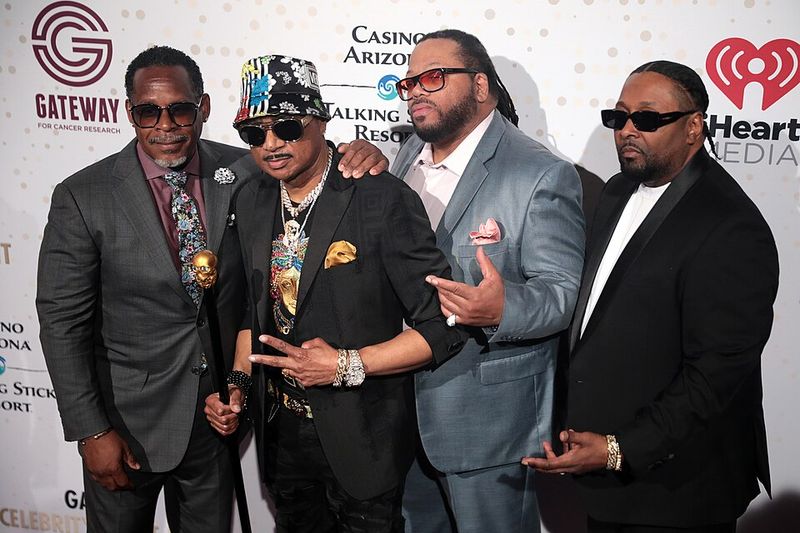
Hip-hop had been building in New York City’s parks and block parties for years before “Rapper’s Delight” arrived in 1979. What the Sugarhill Gang and label founder Sylvia Robinson did was capture that energy on wax and send it to the world.
The song became the first hip-hop single to crack the Billboard Hot 100 top 40, reaching number 36.
Running over 14 minutes in its full version, it was built on a sample of Chic’s “Good Times,” with Nile Rodgers and Bernard Edwards later credited as co-writers after legal action. The track introduced rap music to millions of listeners who had never heard the art form before, from suburban American teenagers to audiences in Europe and beyond.
Some hip-hop purists noted that the Sugarhill Gang were not part of the original South Bronx scene. But the song’s commercial reach opened doors that changed the entire music industry.
Without “Rapper’s Delight” landing on mainstream radio, the path for everything that followed in hip-hop history would have looked very different.
The Message, Grandmaster Flash and the Furious Five
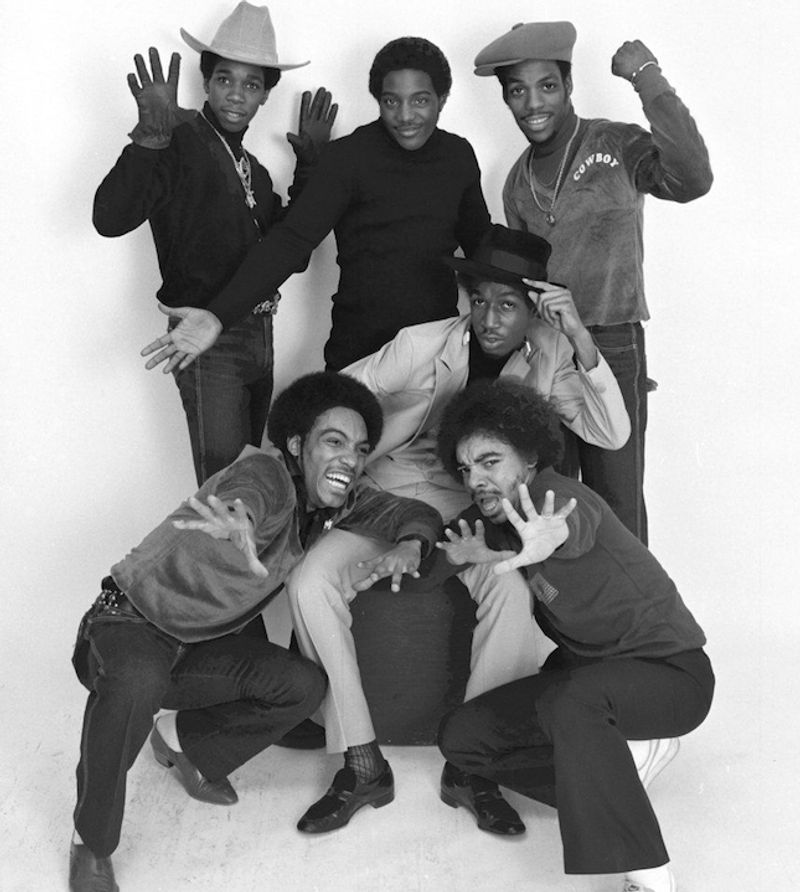
“The Message” arrived in 1982 and proved that hip-hop could carry the weight of social commentary without losing its audience. Grandmaster Flash and the Furious Five painted a detailed picture of poverty, stress, and urban despair in New York City.
The refrain “Don’t push me ’cause I’m close to the edge” became one of the most quoted lines in rap history.
Melle Mel wrote the majority of the lyrics, and the production by Duke Bootee and Sylvia Robinson created a stark, minimal backdrop that made every word land harder. Flash himself was initially reluctant to record it, unsure audiences wanted that kind of darkness from a rap record.
He was wrong about the resistance.
The song reached number four on the R&B charts and is widely recognized as the recording that established rap as a vehicle for serious storytelling. Rolling Stone ranked it among the 500 greatest songs of all time.
It changed the conversation about what hip-hop was capable of saying and who it was speaking for.
Billie Jean, Michael Jackson
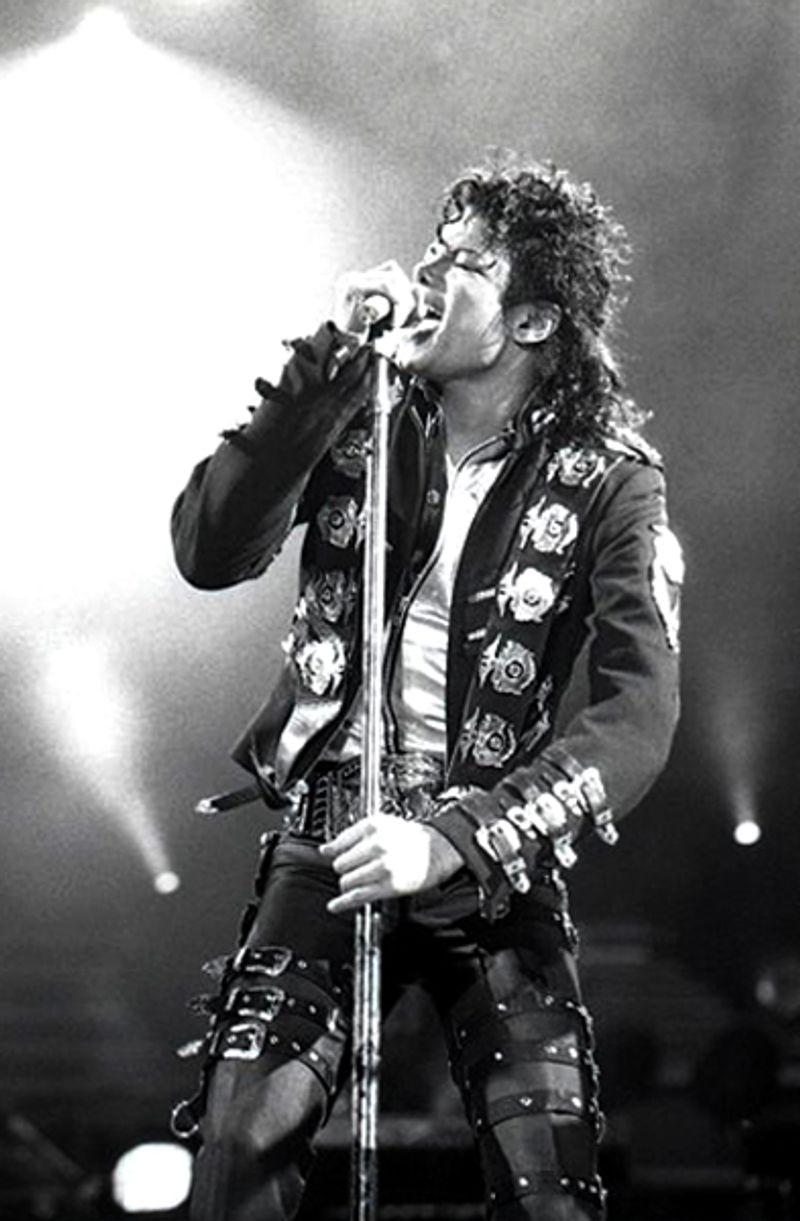
Michael Jackson debuted the moonwalk on national television during the “Motown 25: Yesterday, Today and Forever” special in May 1983, and he did it to “Billie Jean.” That moment is one of the most replayed in pop culture history. But the song itself had already been rewriting records before that broadcast.
Released as the second single from “Thriller” in January 1983, “Billie Jean” spent seven weeks at number one on the Billboard Hot 100. Jackson wrote it himself, drawing on concerns about paternity claims he had faced as a public figure.
Producer Quincy Jones initially wanted to cut it from the album. Jackson refused.
The bass line, played by session musician Louis Johnson, drives the track with a pulse that is immediately recognizable. The song helped break down MTV’s reluctance to air videos by Black artists, opening the channel to a broader range of music.
Its cultural and commercial impact on the 1980s pop landscape is difficult to overstate.
Fight the Power, Public Enemy
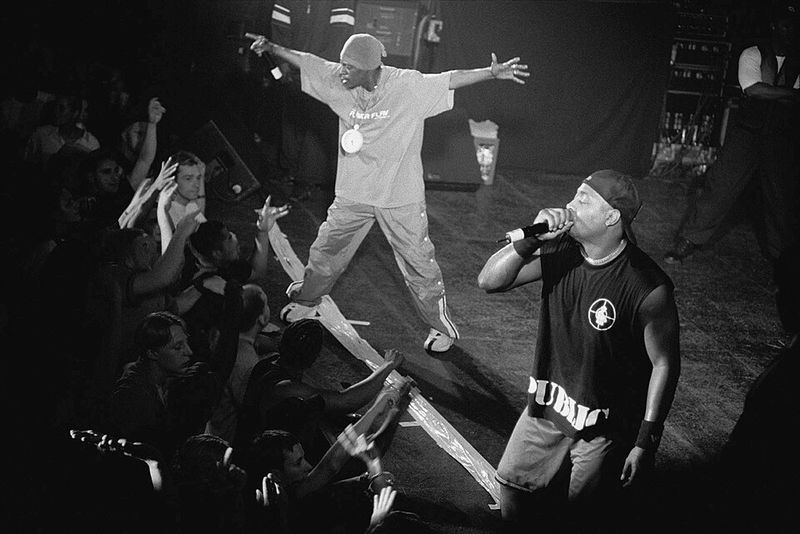
Spike Lee commissioned “Fight the Power” in 1989 for his film “Do the Right Thing,” and Public Enemy delivered something that felt less like a song and more like a confrontation. Chuck D’s lyrics challenged racial inequality and media bias with a directness that made plenty of people uncomfortable, which was entirely the point.
The production team, known as the Bomb Squad, layered samples, sirens, and noise into a dense, aggressive soundscape that matched the urgency of the message. The song called out specific figures and institutions by name, which was unusual for a pop or rap release at the time.
It reached number 64 on the Billboard Hot 100 but became far more culturally significant than that chart position suggests. Rolling Stone ranked it among the greatest songs ever recorded.
It is regularly cited as the definitive hip-hop political statement and helped define what rap could accomplish as a platform for activism. Its energy still sounds urgent today.
Blue Monday, New Order
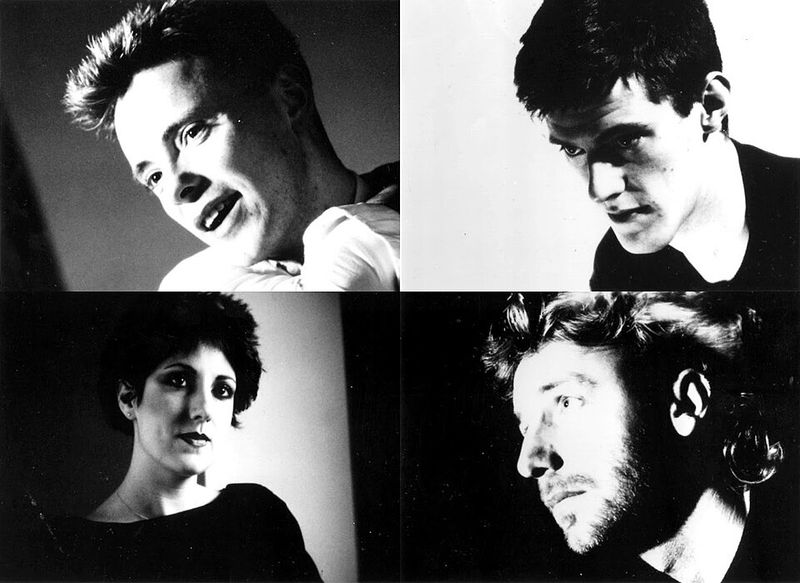
New Order released “Blue Monday” in 1983, and it became the best-selling 12-inch single of all time in the UK. That is a record it held for decades.
The band built the track almost entirely on drum machines and synthesizers, partly out of necessity since they wanted to replicate complex electronic sequences live without hiring additional musicians.
Bernard Sumner’s detached, almost emotionless vocal delivery over the driving machine rhythm created a tension that felt new. The song bridged the gap between post-punk and electronic dance music, arriving at a moment when both genres were searching for their next direction.
The iconic die-cut sleeve, designed by Peter Saville, was so expensive to produce that Factory Records reportedly lost money on every copy sold. That detail has become part of the song’s legend. “Blue Monday” influenced the development of synth-pop, house, and techno, and its distinctive opening drum pattern has been sampled and referenced across decades of electronic music production.
Believe, Cher
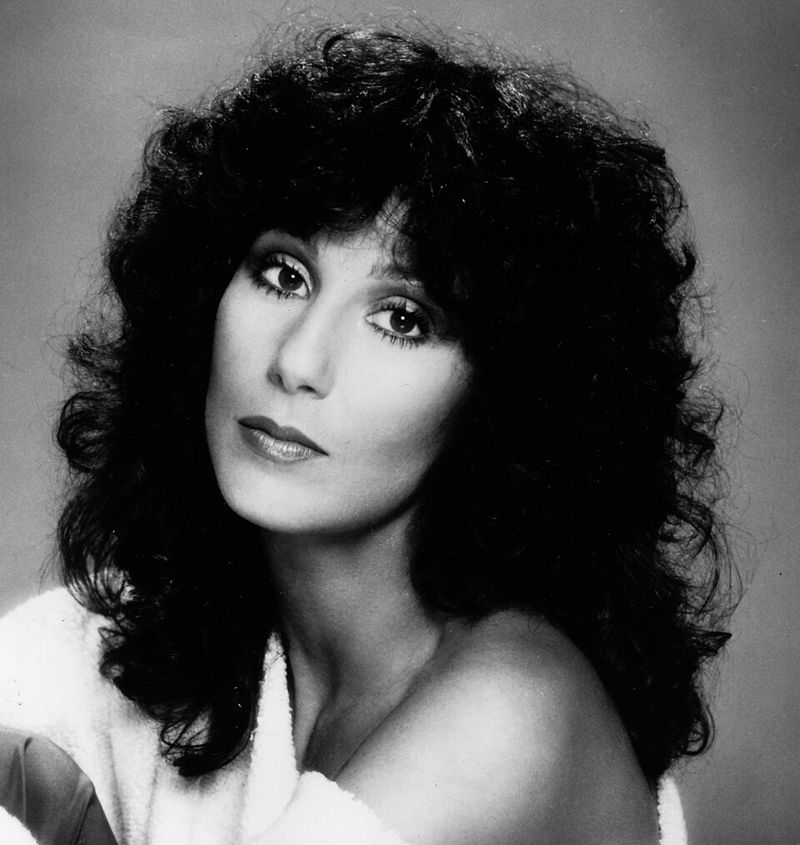
Cher released “Believe” in 1998, and it did something that changed pop production permanently. The heavy, deliberate pitch correction applied to her voice during the chorus was not a mistake or a subtle touch-up.
It was a creative choice, and it introduced what became known as the “Cher effect” or Auto-Tune used as an artistic tool rather than a corrective one.
Producers Stuart Price, Mark Taylor, and Brian Rawling applied the effect intentionally, and the result was a robotic, melodic vocal sound that the industry had not heard used so boldly on a mainstream recording. Cher was 52 years old when the song hit number one in 23 countries, making her the oldest solo artist to top the UK charts at that time.
The song spent four weeks at number one on the US Billboard Hot 100 and became one of the best-selling singles of the decade. Its influence on electronic pop, dance music, and the normalization of pitch correction as a stylistic choice is still felt in virtually every pop production released today.
Single Ladies (Put a Ring on It), Beyonce
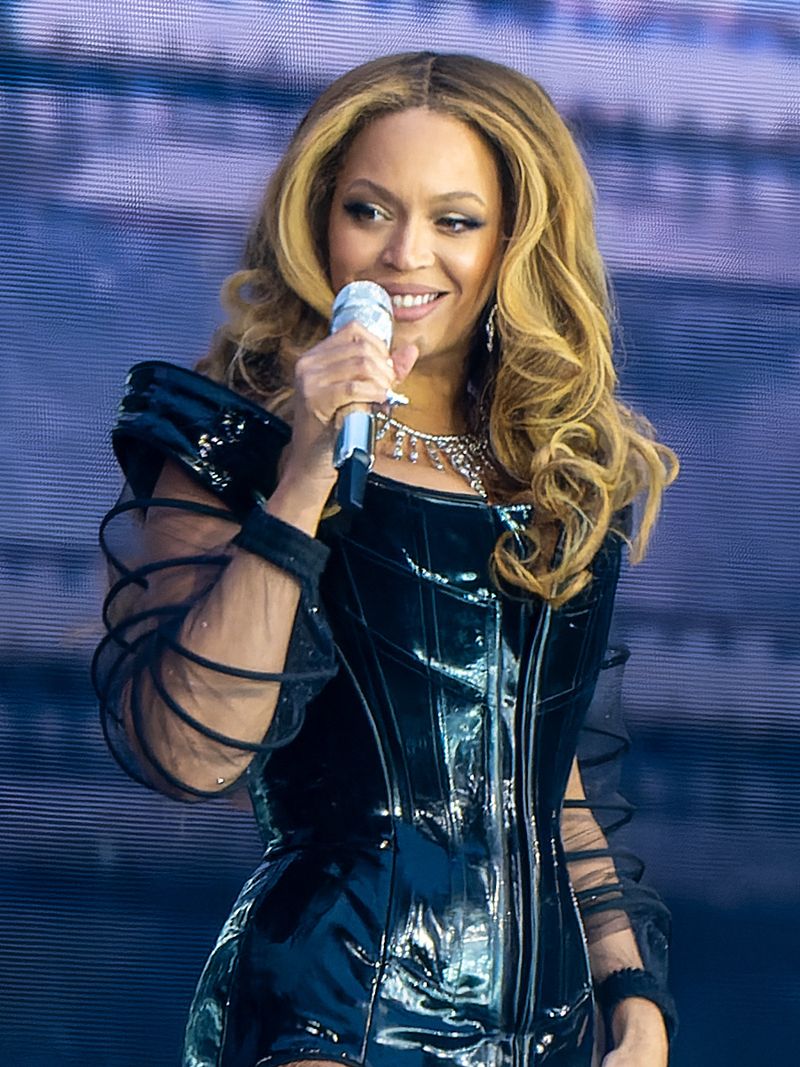
Beyonce released “Single Ladies (Put a Ring on It)” in 2008, and within days the choreography from the music video was being replicated in living rooms, gyms, and talent shows around the world. The video, shot in black and white with a deceptively simple concept, became one of the most imitated clips in YouTube history.
The song’s production, handled by The-Dream and Tricky Stewart along with Christopher “Tricky” Stewart, built an entire track on handclaps, a synthesized horn stab, and Beyonce’s vocal. The minimalism was deliberate and effective.
The lyric was direct and assertive, addressing romantic commitment with a confidence that resonated across demographics.
Kanye West’s interruption of Taylor Swift at the 2009 MTV Video Music Awards, where he declared the “Single Ladies” video should have won, became one of the most discussed moments in awards show history. The song won three Grammy Awards.
It stands as one of the defining pop recordings of the 2000s, still instantly recognizable from its first beat.
Share this story