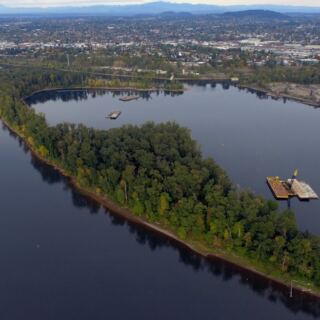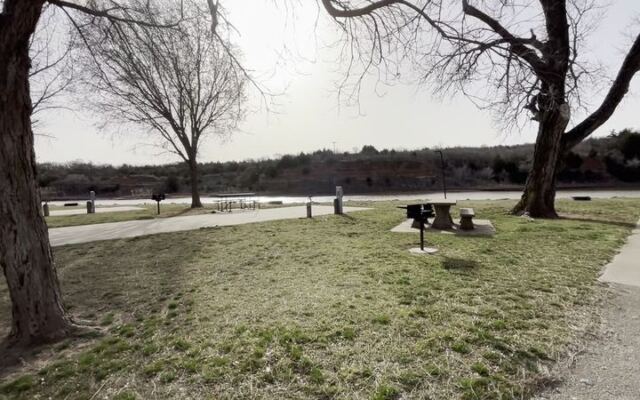
Somewhere in the wide, wind-swept plains of northwest Oklahoma sits a place that sounds almost too good to be true: a spot where you dig into the earth, pull out sparkling hourglass selenite crystals, and take every single one home for free. No mining experience required, no special gear beyond a sturdy shovel and a bucket.
Families, school groups, and curious solo adventurers have been making the trip out here for years, leaving sun-dusted and grinning. If you have ever wanted to feel like a real-life treasure hunter, this is the Oklahoma adventure you did not know you needed.
Where Salt Plains State Park Actually Sits
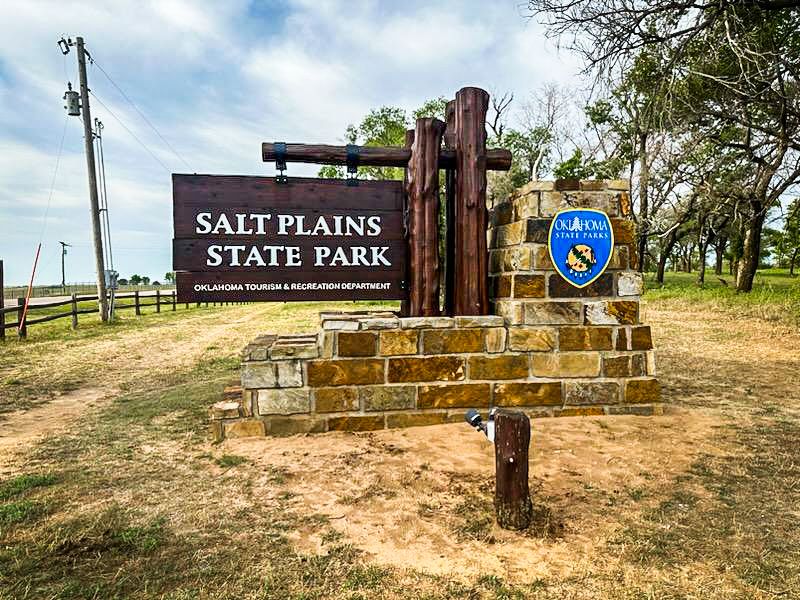
Tucked into the rolling plains of northwest Oklahoma, Salt Plains State Park sits near the small town of Jet, roughly two hours northwest of Oklahoma City. The park address is 23280 S Spillway Dr, Jet, OK 73749, and it neighbors the Salt Plains National Wildlife Refuge, which adds a whole extra layer of natural wonder to the visit.
Getting there requires a bit of a drive through open countryside, and visitors often mention that clear directions help since the area can be tricky to navigate the first time. The salt crystal dig site itself is actually located about 20 minutes away from the main park office area, so planning your route before you leave home makes the day run much smoother.
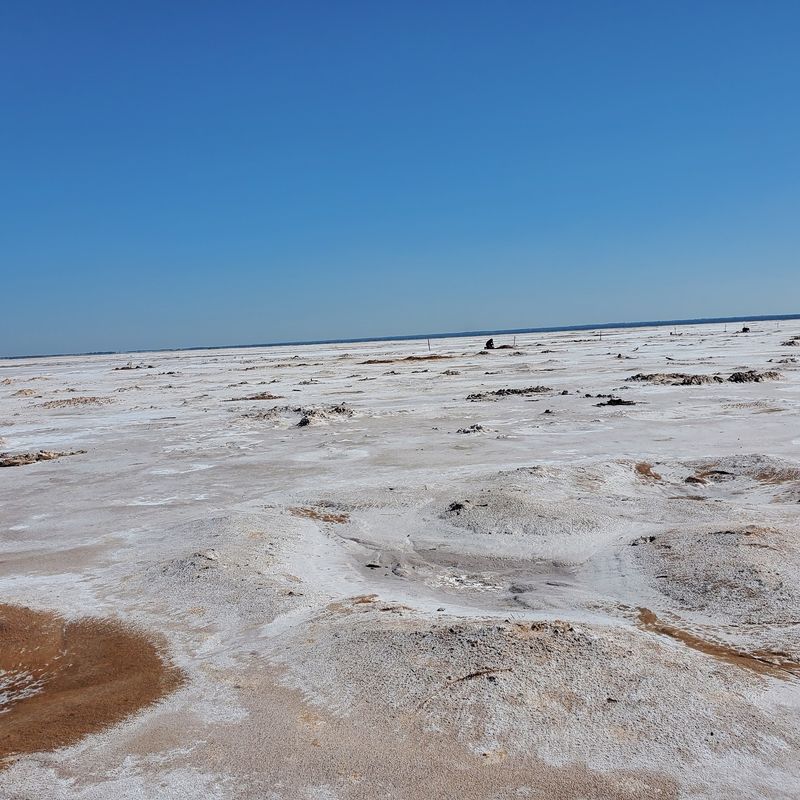
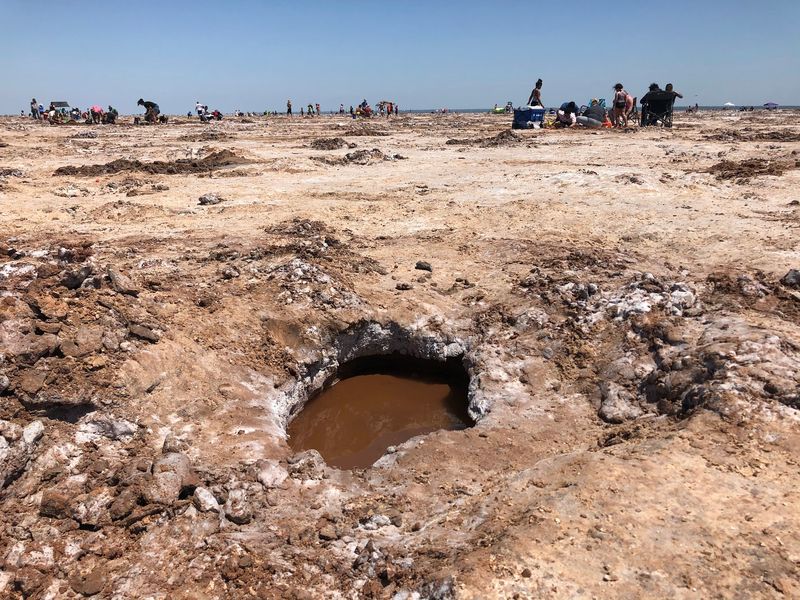
Once you arrive, the landscape announces itself immediately. Vast white salt flats stretch out across the horizon, almost glowing in the Oklahoma sun.
The sheer scale of the place catches first-timers off guard in the best possible way. Sitting at the edge of the Great Plains, this corner of the state feels genuinely remote and quietly spectacular, like a world apart from the rest of Oklahoma.
The Story Behind the Salt Flats
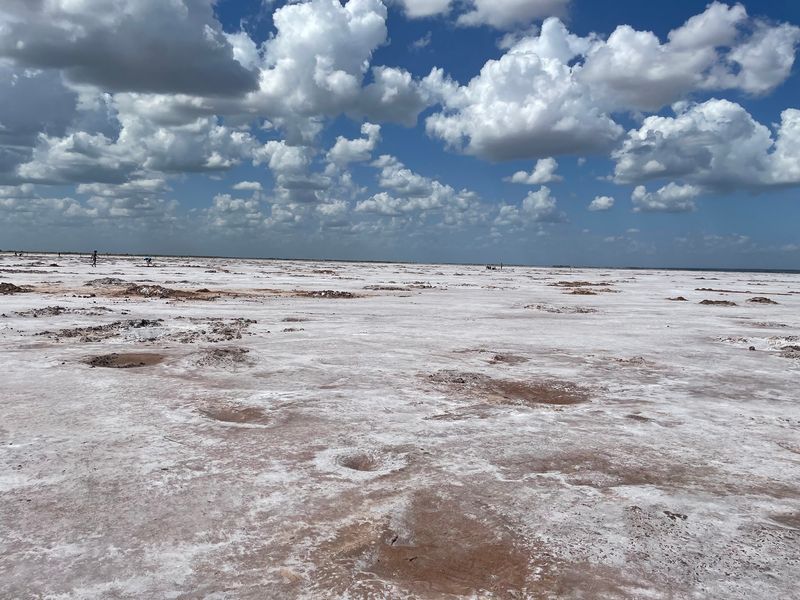
Long before visitors arrived with shovels and buckets, this stretch of northwest Oklahoma was already doing something remarkable. Ancient inland seas once covered this region, and when those waters receded millions of years ago, they left behind enormous salt deposits just beneath the surface.
Over time, wind and erosion exposed that salt, creating the stark white landscape visible today.
The result is one of the most unusual geological features in the entire state. Salt naturally rises to the surface here through a process called salt dissolution, where groundwater dissolves underground salt deposits and carries them upward.
That same process is responsible for the hourglass selenite crystals that form just a foot or two below the crust.
Selenite is a variety of gypsum, and the hourglass pattern inside each crystal forms when sand particles get trapped during crystal growth. The crystals found at this site are genuinely rare in the sense that the hourglass inclusion is specific to this location.
Geologists and curious kids alike find that detail fascinating. Oklahoma has plenty of natural wonders, but few of them let you reach in and pull one out of the ground with your bare hands.
Crystal Digging on the Salt Flats
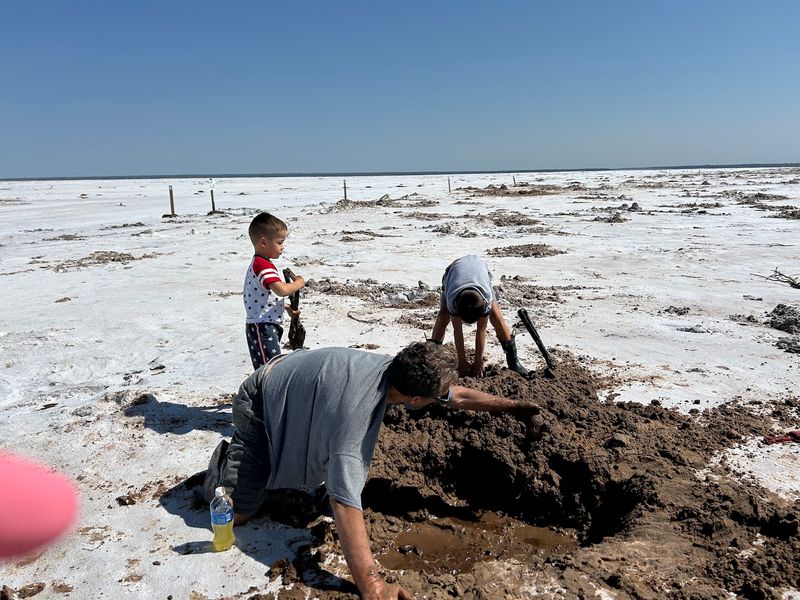
Crystal digging is the undisputed star attraction at this site, and the experience lives up to every bit of the hype. Visitors head out onto the open salt flats, pick a spot, and start digging.
The crystals form roughly 18 to 24 inches below the surface, so you need to commit to some real elbow grease before the rewards start appearing.
Regulars suggest heading farther out onto the flats rather than digging near the edges, where crystals tend to be closer to the surface and easier to find. The salt is dense and compact, so a strong, full-size shovel makes a real difference.
Families often bring smaller hand trowels for kids to use once the main hole is dug, letting younger diggers feel the thrill of pulling crystals out themselves.
Visitors consistently describe finding hundreds of crystals in a single outing, ranging from tiny thumbnail-sized pieces to impressive larger specimens. Every crystal you find belongs to you.
There is no fee to collect them, no limit on how many you can take, and no paperwork to fill out. Few activities offer that kind of straightforward, hands-in-the-dirt satisfaction for the whole family.
What to Bring for a Successful Dig
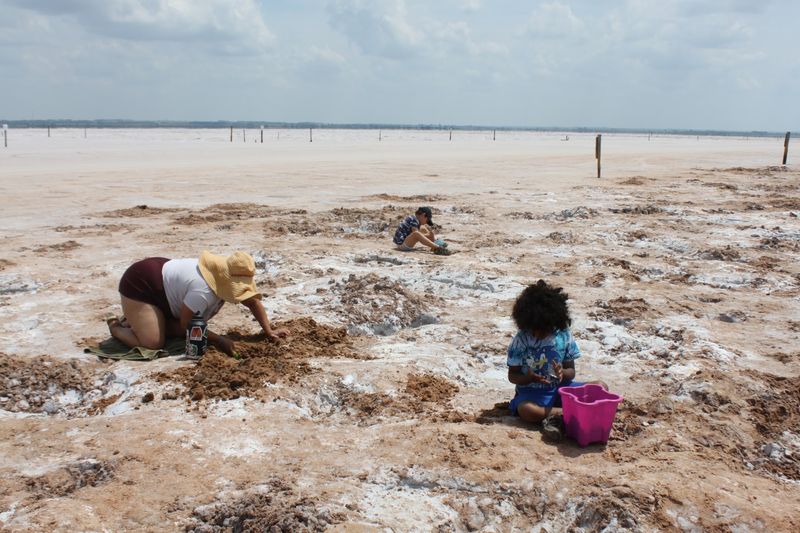
Preparation makes or breaks a crystal digging trip, and experienced visitors are generous with their advice. A full-size shovel with a sturdy metal blade tops every packing list.
The salt is not loose sand; it compacts firmly, and a flimsy garden trowel will have you struggling within minutes. Bring a second smaller shovel or hand spade so multiple people can dig at once.
A bucket or container for your crystal haul is essential, and a wagon or wheeled cart is genuinely useful for hauling supplies across the wide, flat terrain. Kneeling pads or old towels help when you are crouching down to sift through the loose dirt at the bottom of the hole.
Gloves protect your hands from the rough salt crust, and a change of clothes is almost mandatory since the dig gets messy fast.
Sun protection deserves serious attention here. The salt flats offer zero shade, and the reflective white surface intensifies the sun considerably.
Sunscreen, a wide-brimmed hat, and a pop-up canopy or beach umbrella transform the experience from exhausting to genuinely enjoyable. Bring more drinking water than you think you need.
Snacks help too, since there are no food vendors or restrooms at the dig site itself.
Free Entry and No Fees at the Dig Site
One of the most refreshing things about the crystal dig site is the price tag: there is none. Entry to the Salt Plains dig area is completely free, parking is free, and every crystal you pull from the ground is yours to keep at no charge.
In a world where outdoor experiences increasingly come with admission costs and permit fees, this one stands out as a genuine gift.
Visitors regularly point out that the combination of free access and tangible take-home rewards makes this an exceptional value for families. A morning of digging costs nothing beyond the gas to get there and whatever supplies you pack.
For homeschool groups and school field trips, that accessibility is a major draw, and buses with school kids are a common sight at the site on weekday mornings.
The lack of fees does come with a trade-off: there are no restrooms, no snack stands, and no amenities at the dig site itself. The nearest facilities are back in the town of Jet, which visitors pass through on the way in.
Stopping there before heading out to the flats is a smart move. The simplicity of the setup actually adds to the charm, keeping the focus entirely on the experience itself.
The Wildlife Refuge Next Door
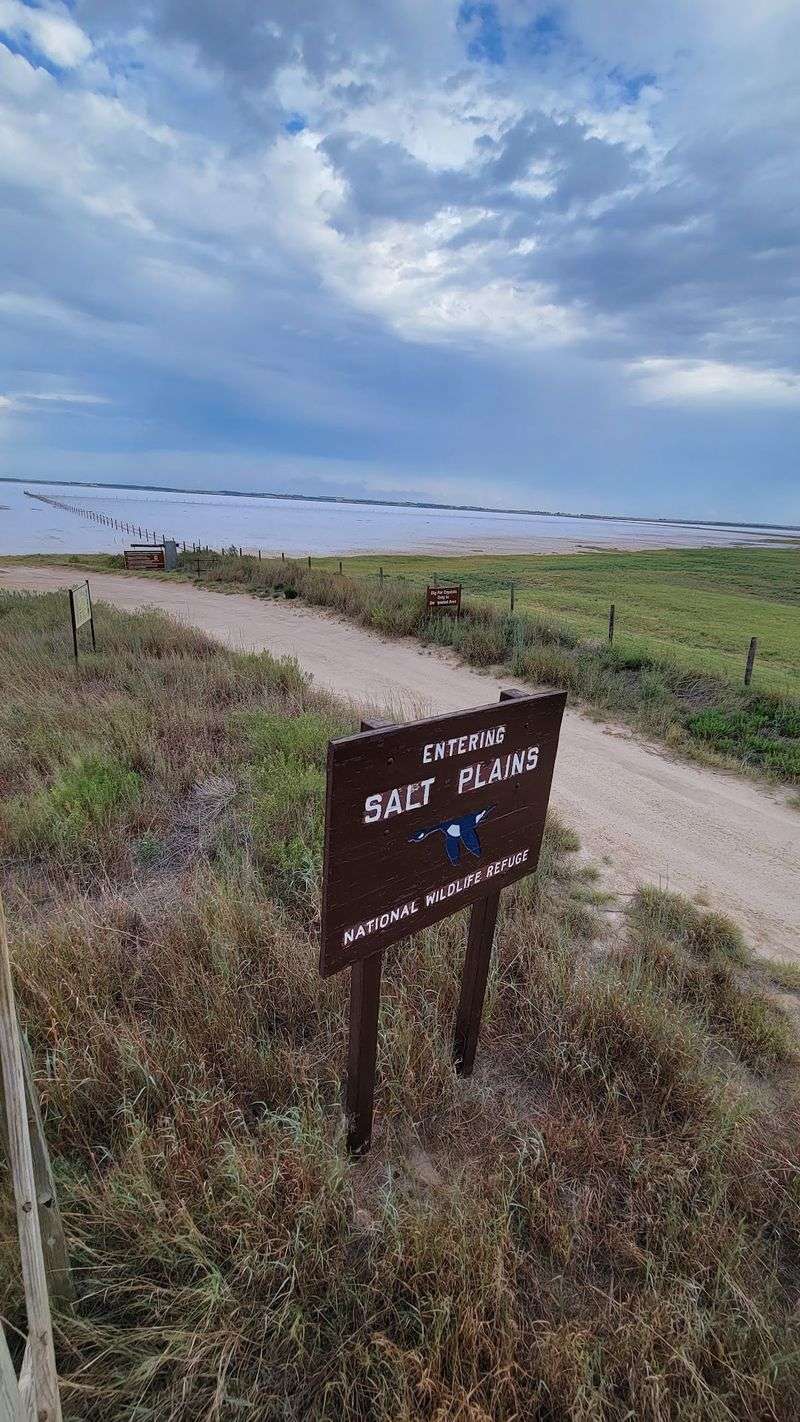
Right alongside the state park sits the Salt Plains National Wildlife Refuge, and the two destinations complement each other beautifully. The refuge sits squarely in the Central Flyway, one of North America’s major bird migration routes, which means the area hosts an astonishing variety of birds throughout the year depending on the season.
Pelicans are one of the most frequently mentioned highlights among visitors, and the sight of large flocks resting on the shallow lake is genuinely striking. Whooping cranes, one of North America’s rarest birds, have also been spotted in the area during migration season, which turns the refuge into a bucket-list destination for serious birdwatchers.
Even casual visitors tend to be surprised by how much wildlife activity they encounter.
The refuge includes a driving route through the marshlands that visitors describe as beautiful and serene, offering a calm contrast to the open expanse of the salt flats. The visitor center for the wildlife refuge is a worthwhile stop, with staff who are knowledgeable and enthusiastic about the local ecosystem.
Rescued animals in aquariums give younger visitors an up-close look at native Oklahoma wildlife, making it a natural add-on to the crystal digging adventure.
Camping, Cabins, and Overnight Stays
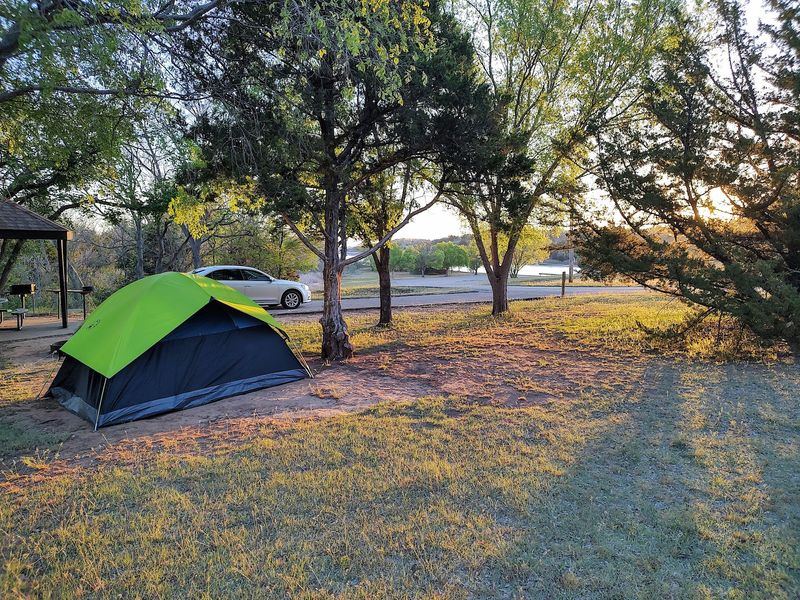
Salt Plains State Park offers a solid range of overnight options for visitors who want to make more than a day trip out of it. Cabins are available to rent and sit on the opposite side of the lake from the salt flats, giving guests a peaceful base with easy access to both the park amenities and the dig site.
Visitors who have stayed in the cabins mention the convenience and the relaxed atmosphere of the surrounding area.
Camping is available across several areas of the park, including the north and south spillway sites. The South Spillway area uses vault toilets rather than full facilities, while modern comfort stations are a short drive away.
The North Spillway sites along River Road offer a more developed setup. Tent-only sites do not have electrical hookups, which is worth knowing before you pack.
Campsite conditions vary, and some visitors have noted that the wind can be relentless at times, which is simply part of the Salt Plains experience. Bathrooms and showers are available at the main park facilities and stay operational year-round.
Staff are frequently praised for going out of their way to help campers settle in, and the overall atmosphere leans quiet and unhurried, especially during weekday stays.
Fishing, Trails, and the Spillway
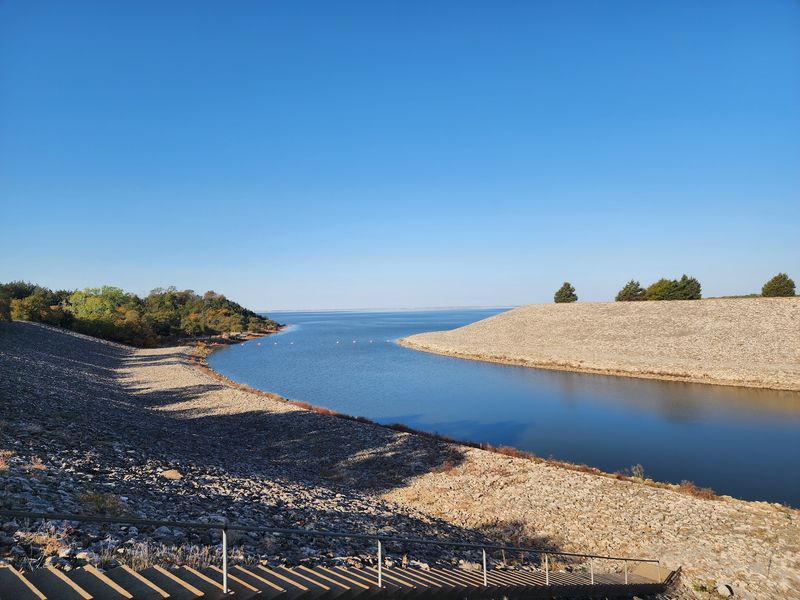
Crystal digging gets most of the attention, but the park offers a full slate of outdoor activities that keep visitors busy well beyond the salt flats. Great Salt Plains Lake provides multiple fishing spots along its shores, and anglers visit regularly to cast from the bank or set up near the spillway.
The spillway itself is one of the park’s most visually striking features, with visitors describing the energy and movement of the water as immediately attention-grabbing.
Hiking trails wind through different sections of the park, including forested areas that feel like a completely different world compared to the open salt flats. Some trail junctions are not well marked, which can make navigation a little uncertain, so downloading a map from the park website before your visit is a practical step.
The variety of terrain within a single park is genuinely impressive for a relatively compact area.
The drive through the marshlands near the wildlife refuge area is consistently mentioned as a highlight, offering peaceful views and frequent wildlife sightings along the way. Whether you prefer casting a line, walking a forest trail, or simply sitting near the water and enjoying the quiet, the park delivers enough variety to fill a full weekend without ever feeling repetitive or rushed.
The Visitor Center and Park Staff
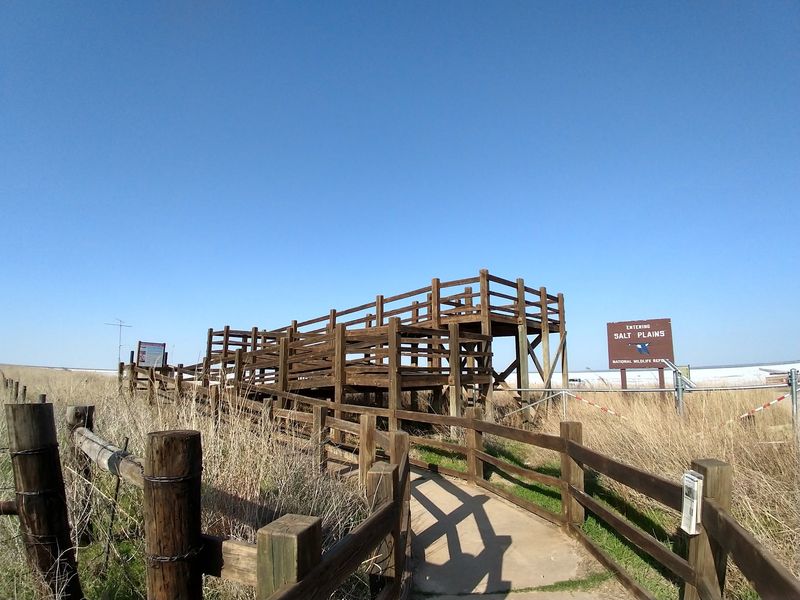
Stumbling into the visitor center here might be one of the better accidental decisions a person can make. Visitors who have stopped in describe the staff as genuinely warm and enthusiastic, the kind of people who clearly love where they work and enjoy sharing that with strangers passing through.
The center is stocked with souvenirs, maps, and information about both the park and the neighboring wildlife refuge.
Rescued animals living in aquariums inside the center are a particular hit with younger visitors. Staff members are happy to introduce guests to the resident critters and share their backstories, turning what might have been a quick map pickup into an unexpectedly memorable stop.
The office also has stuffed animals and display items that make for fun photo opportunities.
For first-time visitors trying to navigate the area, the staff are an invaluable resource. The park layout can be confusing since the crystal dig site is not physically within the main state park boundaries, and several visitors have noted that the rangers provide clear, patient directions to help everyone find what they came for.
Calling ahead at +1 580-626-4731 is a good idea if you want to confirm conditions or ask specific questions before making the drive out.
Wind, Weather, and What to Expect Outdoors
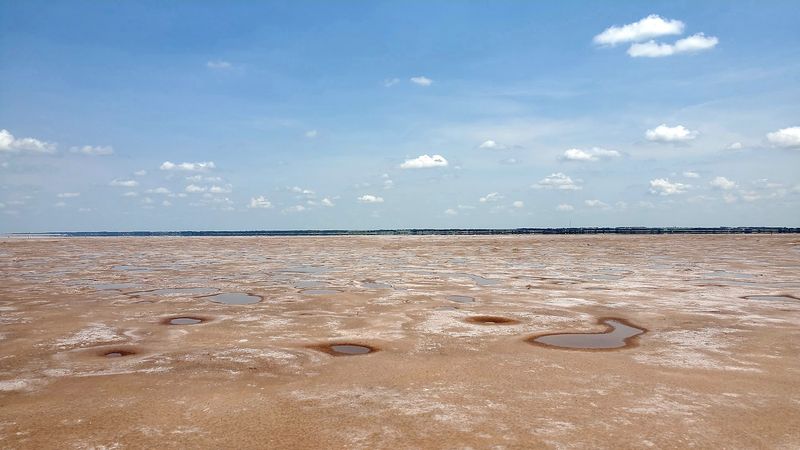
Northwest Oklahoma does not mess around when it comes to wind, and the salt flats amplify that experience considerably. Multiple visitors describe the gusts as relentless, with open terrain offering nothing to slow the breeze down.
On cooler days, that wind can make temperatures feel significantly lower than the thermometer suggests, so layering up is a practical move even when the forecast looks mild.
The flip side is that the wind keeps bugs to a minimum and makes hot days more bearable than they would otherwise be. Visiting in spring or fall tends to hit the sweet spot between extreme heat and biting cold.
Summer visits are possible but demand serious heat preparation since the reflective salt surface intensifies the sun and there is no shade anywhere on the flats.
Rain affects the dig site differently than you might expect. When the salt flats are too wet, the digging conditions change and crystal hunting becomes more difficult.
Checking conditions before you go, especially after recent rainfall, can save you a wasted trip. The park phone number and website are good resources for current conditions.
On a clear, breezy day with good visibility, the salt flats look almost otherworldly, and the experience of standing out there is unlike anything else Oklahoma offers.
Who This Place Is Perfect For
Few outdoor destinations in Oklahoma manage to appeal to such a wide range of visitors, and that broad appeal is a big part of what makes this place special. Families with kids of almost any age tend to have a fantastic time here.
Young children love the novelty of digging in the dirt and finding real crystals, while older kids and teenagers get genuinely competitive about who can find the biggest specimen.
Grandparents and grandkids making memories together is a common sight at the dig site, and the activity scales naturally to different physical abilities. You can dig as hard or as casually as you like, and even a modest effort usually turns up a satisfying haul of crystals to take home.
Homeschool families and school groups use the site as a hands-on science lesson, connecting geology and earth history to something tangible and exciting.
Solo visitors and couples also find the place rewarding, particularly those who appreciate wide-open spaces and the meditative quality of working quietly under a big sky. Birdwatchers, nature photographers, and anyone with a general curiosity about Oklahoma’s unusual landscapes will find plenty to engage with beyond the digging.
The site suits anyone willing to get a little dirty in exchange for a genuinely memorable afternoon.
Hours, Directions, and Final Thoughts
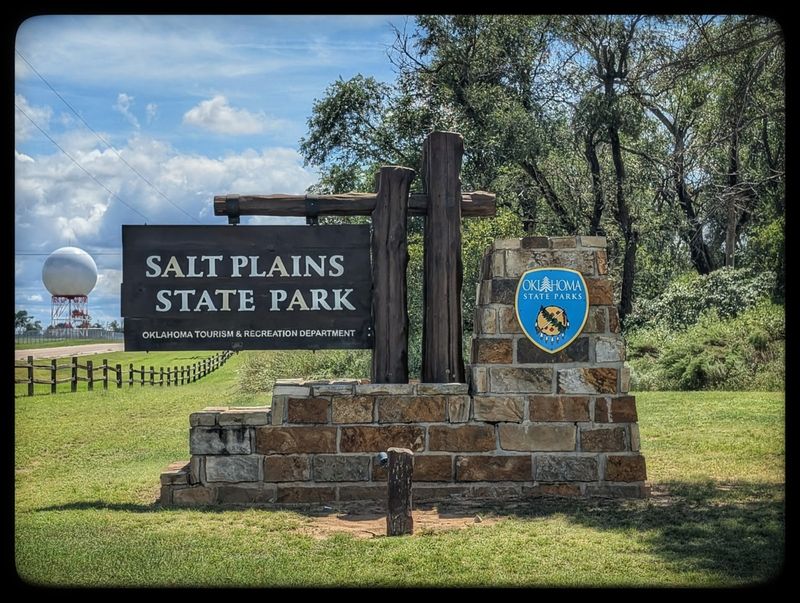
The park operates seven days a week from 8 AM to 4 PM, closing each afternoon, so arriving early gives you the most time to explore. The main park address is 23280 S Spillway Dr, Jet, OK 73749, but keep in mind that the crystal dig site requires a separate 20-minute drive from the park office.
Visitors strongly recommend looking up the specific dig site directions ahead of time to avoid adding unnecessary miles to your trip.
Pets are welcome at the dig site as long as they are kept on a leash. There are no restrooms or food vendors at the salt flats, so the town of Jet, which you pass through on the way in, is the last stop for supplies and facilities before reaching the dig area.
A cooler with drinks and snacks turns a good outing into a great one.
Reaching the park involves a scenic drive through northwest Oklahoma farmland that is pleasant in its own right. From Oklahoma City, the trip runs roughly two hours northwest, making it a comfortable day trip with an early start.
For more information, the park website at travelok.com and the phone number +1 580-626-4731 are both reliable resources. Salt Plains delivers something genuinely rare: a free, hands-on, take-home-the-treasure experience that feels like a discovery every single time.
Share this story