Long before grocery stores and fast food, the people living in the original 13 colonies ate simple, hearty foods grown or caught close to home. Their meals were shaped by the land, the seasons, and the traditions they brought from Europe mixed with knowledge they gained from Indigenous peoples.
Understanding what colonists ate gives us a fascinating window into daily life in early America. From cornmeal porridge to fresh oysters, these foods tell a story of survival, creativity, and community.
1. Cornmeal Mush
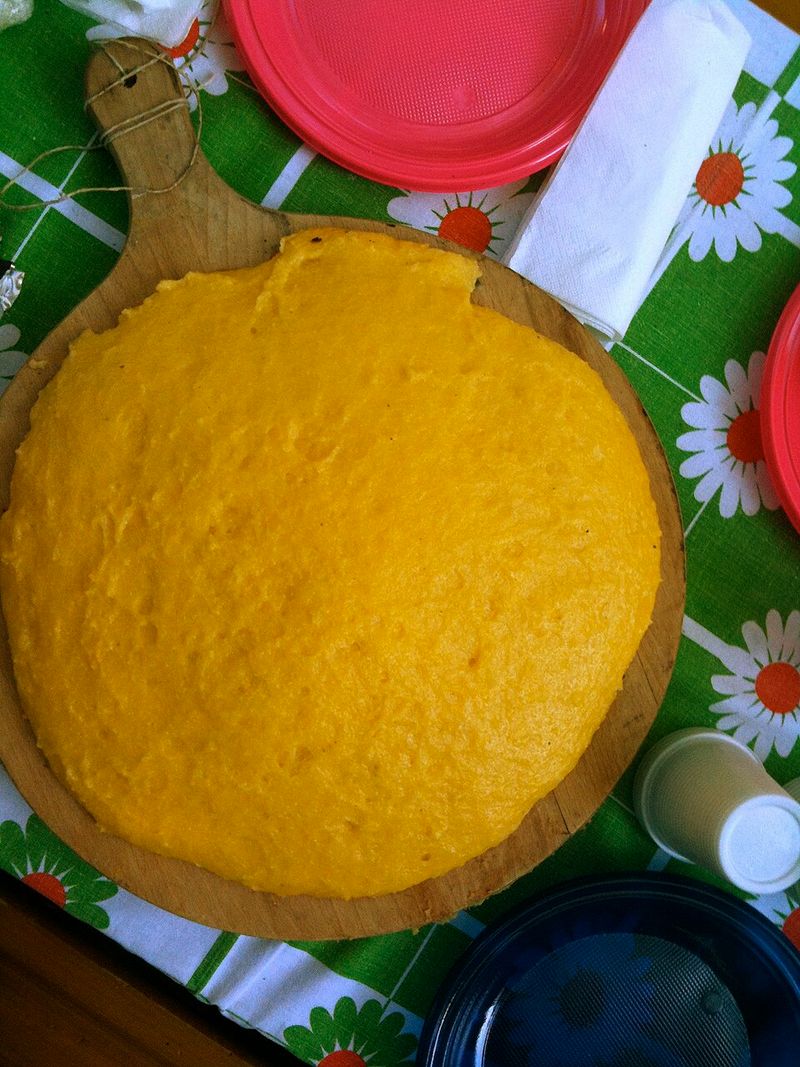
Before fancy breakfasts were even a thought, colonists were stirring pots of cornmeal mush over an open hearth fire each morning. Made from ground corn mixed with water or milk, this thick porridge was one of the most basic and reliable foods in colonial America.
It cost very little, required minimal ingredients, and kept families full through long days of hard work.
Corn was widely grown across the colonies, making cornmeal easy to come by whether you lived in Virginia or Massachusetts. Colonists learned many corn-based cooking techniques directly from Indigenous peoples who had cultivated maize for centuries.
Mush could be eaten hot for breakfast or left to cool, harden, and then fried in slices for another meal later in the day.
This simple dish was practical in every sense. It stretched food supplies, fed large families, and required almost no special tools to prepare.
2. Johnnycakes

Flat, golden, and satisfying, johnnycakes were a beloved staple across the colonies, especially in New England. Made from a simple mixture of cornmeal, water or milk, and a pinch of salt, these cornmeal cakes were cooked directly on a hot griddle or beside the hearth fire.
They required no oven, which made them incredibly practical for everyday cooking.
The name itself has an interesting history. Some historians believe “johnnycake” comes from “journey cake” because these flat cakes traveled well and could be packed for long trips without spoiling quickly.
Others connect the name to regional dialects of the time. Either way, colonists across many regions depended on them regularly.
Johnnycakes were affordable, filling, and easy to make with ingredients most households already had. Whether eaten plain, with butter, or alongside a bowl of soup, they were a reliable everyday food throughout colonial life.
3. Porridge
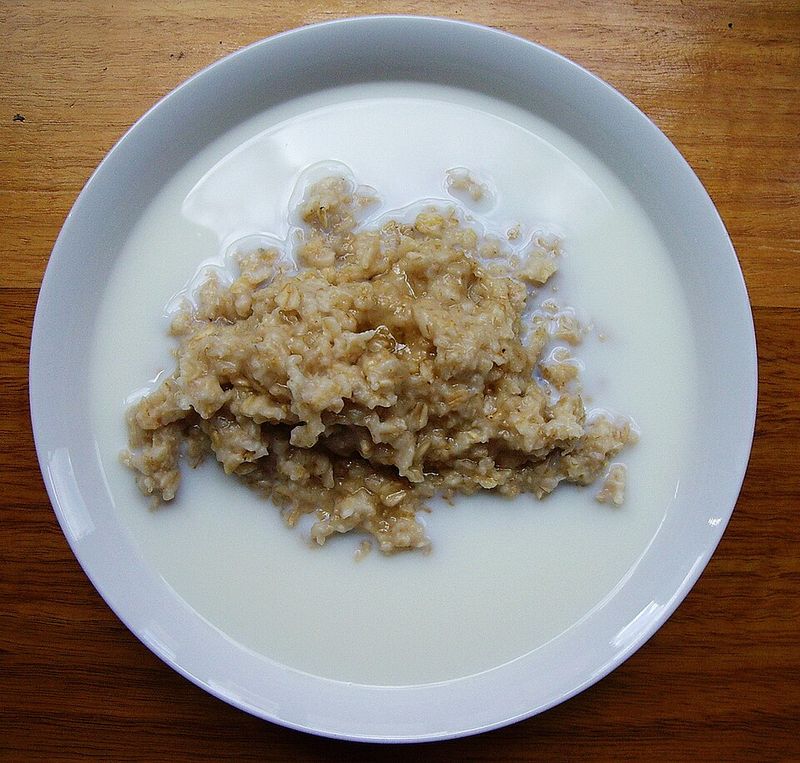
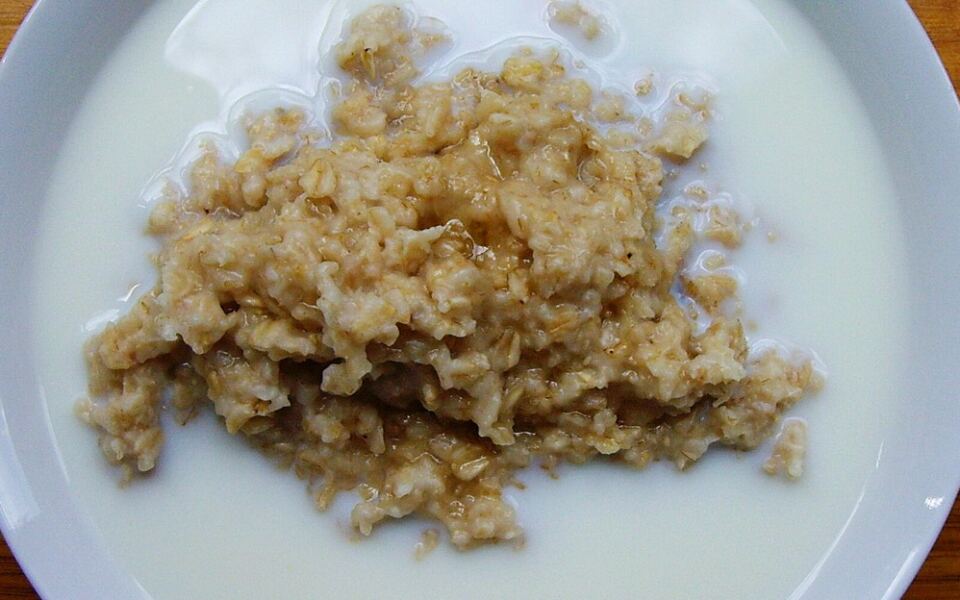
Warm, filling, and endlessly adaptable, porridge was a morning staple in colonial households from Georgia to New Hampshire. Colonists cooked oats, rye, wheat, or cornmeal with water or milk until thick and smooth.
The grain used often depended on what grew best locally or what a family could afford to buy or trade.
Porridge was not considered a fancy dish. It was everyday fuel, the kind of meal that kept farmers, craftsmen, and children going through physically demanding days.
Sweeteners like molasses or honey were sometimes stirred in when available, but many families ate it plain without complaint.
One reason porridge remained so popular was its forgiving nature as a recipe. You could adjust the thickness, change the grain, or add leftover scraps to stretch it further.
For colonial families managing limited supplies through long winters, that kind of flexibility was genuinely valuable and appreciated.
4. Bread
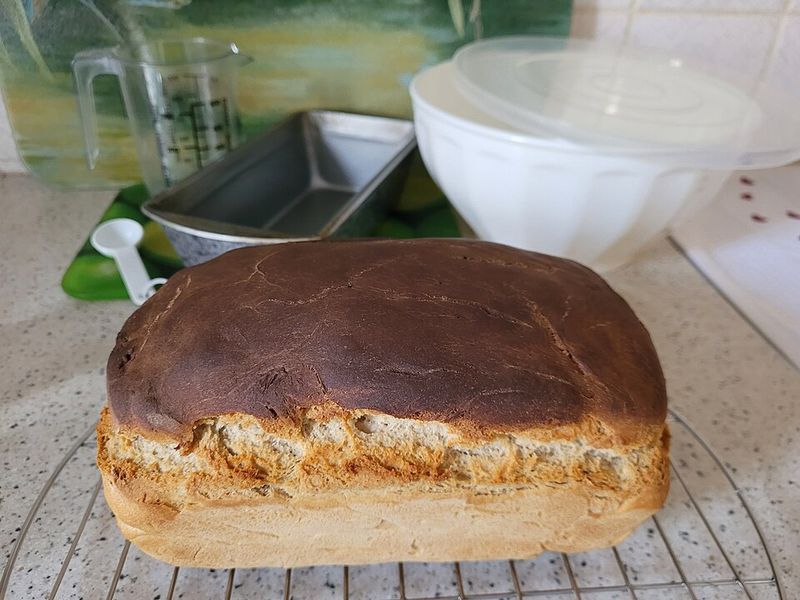
Few foods were more central to colonial life than bread. Wheat, rye, and corn were all used to bake loaves depending on what grew well in each region and what a household could afford.
Wealthier families often baked with refined wheat flour, while poorer households relied more heavily on rye or cornmeal-based breads that were denser but just as filling.
Baking bread was a major household task, usually done several times a week. Women managed large clay or brick ovens, carefully timing the heat to produce loaves that would last for days.
In colder months, bread also helped warm the home as the oven stayed hot for hours after baking.
Bread appeared at nearly every colonial meal, used to soak up stews, eaten alongside salted meat, or simply spread with butter. Its role at the table was so fundamental that a household without bread was considered genuinely struggling.
5. Salt Pork
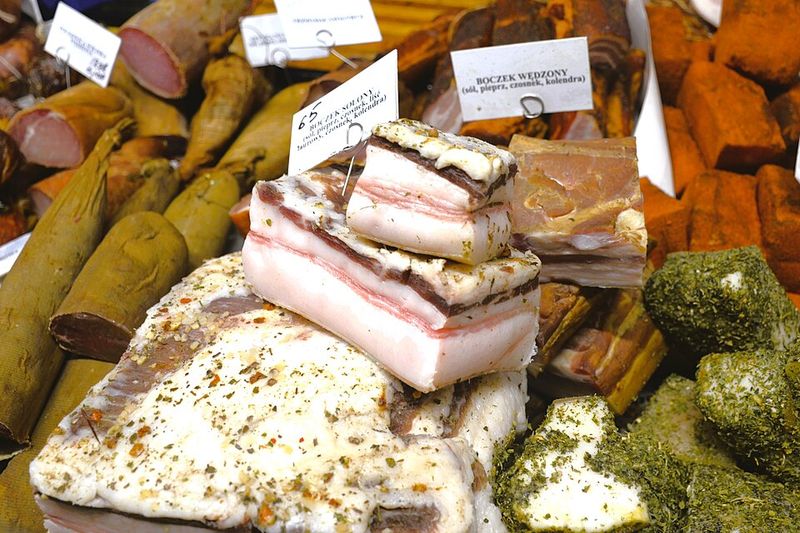
Before refrigerators existed, keeping meat from spoiling was a serious challenge, and salt pork was one of the best solutions colonists had. Pork was rubbed heavily with salt and packed into barrels or clay crocks, where it could last for months without going bad.
This made it one of the most reliable protein sources in colonial households year-round.
Almost every colonial family that could raise a pig did so. Pigs were practical animals because they could forage for their own food and required less care than cattle.
Come fall, hogs were slaughtered, and the meat was carefully preserved to carry the family through winter and into spring.
Salt pork showed up in soups, stews, and bean dishes constantly. It added fat and flavor to meals that might otherwise be bland.
Even small amounts could transform a pot of dried beans into something hearty enough to satisfy a hard-working colonial family.
6. Fish
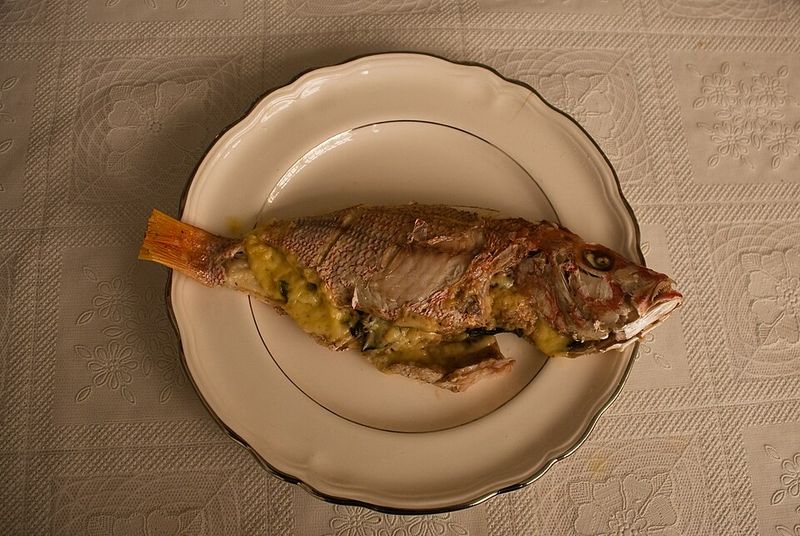
Cod was so important to New England’s colonial economy that Massachusetts actually hung a carved wooden codfish inside its State House as a symbol of the fish’s significance. Along with cod, colonists ate mackerel, shad, herring, and many other species caught in rivers, bays, and the open Atlantic Ocean.
Fish was not just food; it was trade, income, and survival.
Coastal and river communities depended on seasonal fish runs to stock up on food for the year. Shad runs up rivers each spring were particularly important events, bringing communities together to catch and preserve as much as possible.
Fish were dried, salted, or smoked to keep them edible long after the fishing season ended.
Even inland colonists had access to preserved fish through trade networks. A salted cod packed in a barrel could travel far from the coast without spoiling, making fish a broadly available food source across all 13 colonies.
7. Oysters
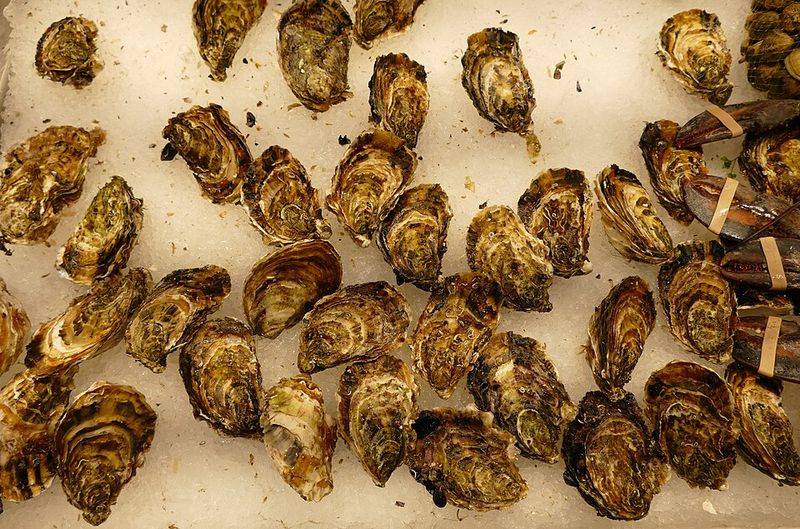
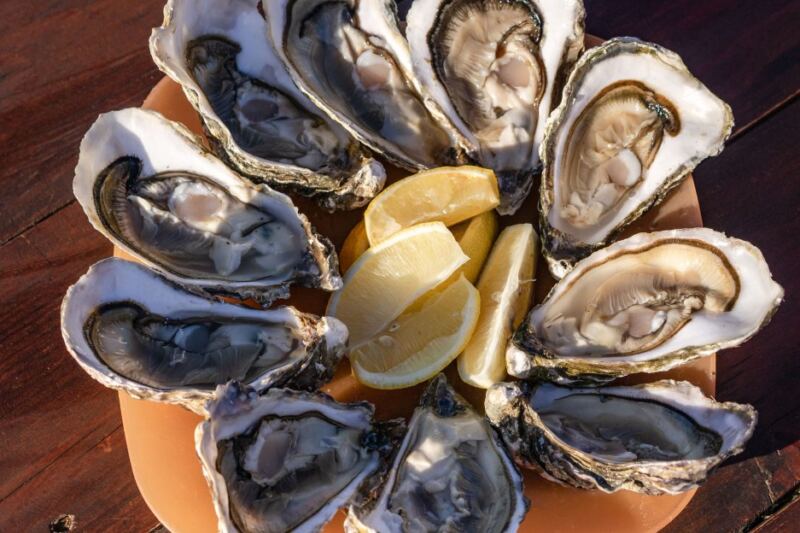
Oysters were everywhere along the colonial Atlantic coast, and people took full advantage of that abundance. Both colonists and Indigenous peoples had harvested oysters from coastal waters for generations, and the shellfish were so plentiful that they were considered a common food rather than a luxury.
Enormous oyster beds lined the shores of the Chesapeake Bay, Long Island Sound, and countless other inlets.
Colonists ate oysters roasted, stewed, pickled, and raw. Because they were easy to gather without expensive equipment, oysters fed people across economic classes.
A poor laborer and a wealthy merchant could both sit down to a plate of oysters, even if the settings were very different.
Oyster shells also served practical purposes beyond eating. Colonists burned them to make lime for mortar used in construction, meaning the shellfish contributed to building the colonies as well as feeding the people who lived in them.
8. Beans and Peas
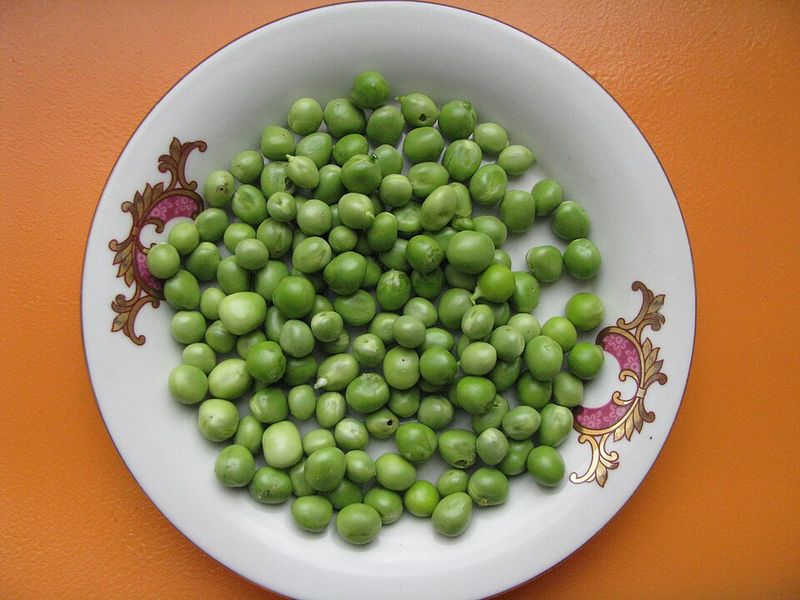
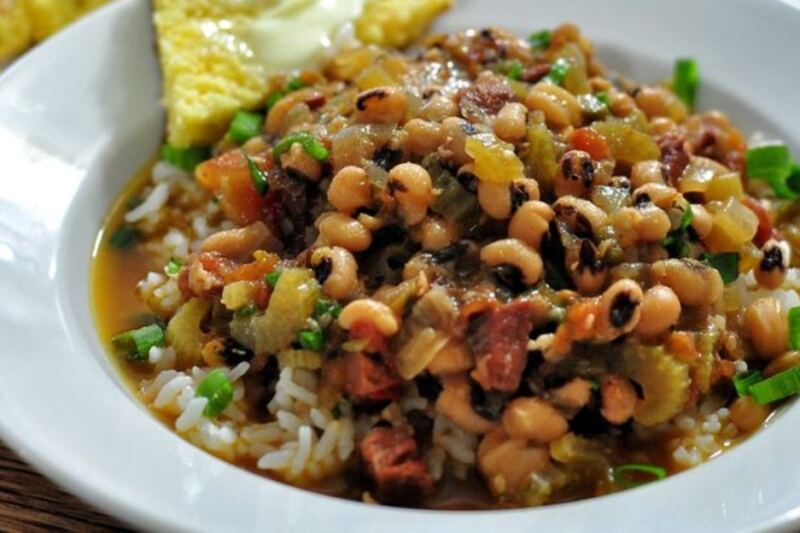
Dried beans and peas were among the most practical foods a colonial family could keep in their pantry. They stored easily through long winters without spoiling, required no special preservation, and expanded dramatically when cooked with water.
A small supply of dried legumes could stretch into many filling meals when combined with salt pork or vegetables.
Colonists grew several varieties of beans and peas in their kitchen gardens. Field peas, kidney beans, and navy beans were all common depending on the region.
They appeared in soups, stews, and thick porridge-like dishes that made up a large portion of the everyday colonial diet.
Legumes also mattered from a nutrition standpoint, even if colonists did not think about it in those scientific terms. Beans provided protein and kept people feeling full, which was essential for families doing heavy physical labor every single day of the growing season.
9. Succotash
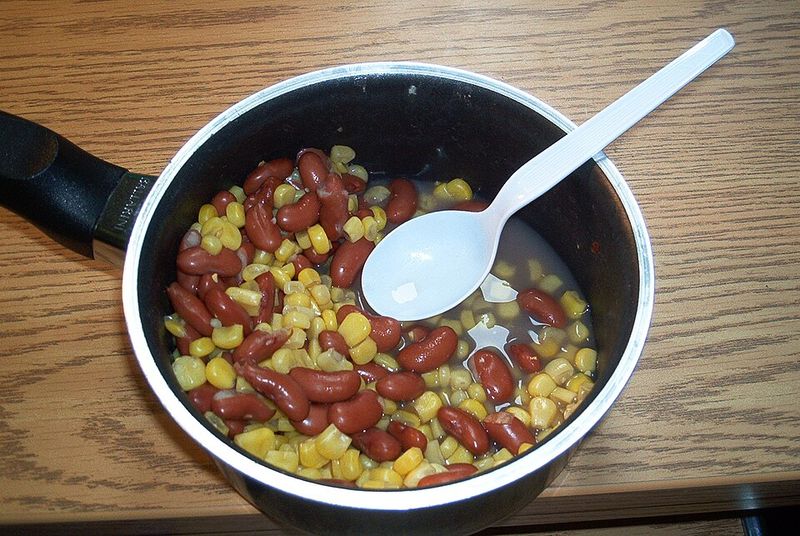
Succotash is a dish with deep Indigenous roots that colonists adopted and made their own. The word itself comes from the Narragansett language, from a term meaning broken corn kernels.
At its core, the dish combines corn and beans cooked together, two crops that Native peoples had grown and eaten together for centuries before European settlers arrived.
The combination was not random. Corn and beans actually complement each other nutritionally, providing a more complete protein together than either does alone.
Indigenous agricultural traditions understood this balance long before modern nutrition science confirmed it. Colonists who learned this dish from Native neighbors benefited from that centuries-old knowledge.
Colonial versions of succotash often included salt pork or other available ingredients. The dish was filling, inexpensive, and could be made with stored dried corn and beans during winter months when fresh vegetables were not available.
It remained a common meal throughout the colonial period.
10. Stews and Soups
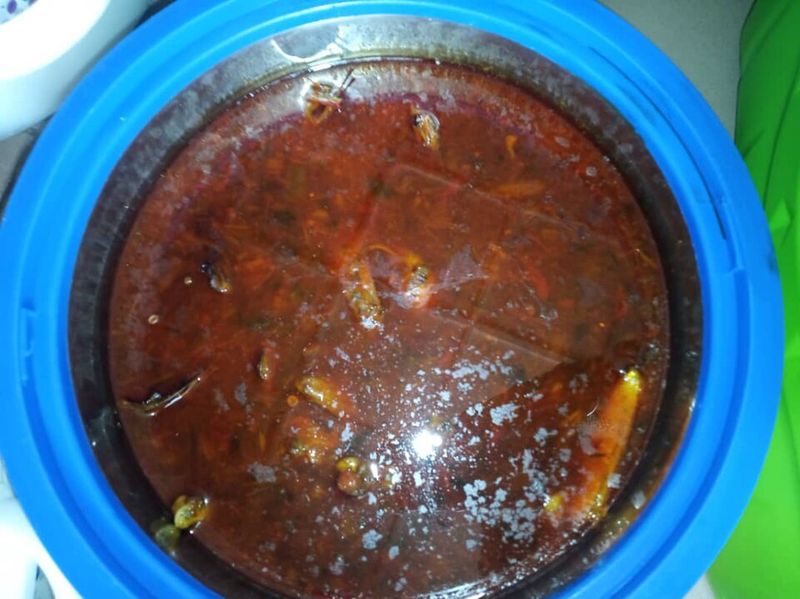
A heavy iron pot hanging over the hearth was the centerpiece of colonial meal preparation. One-pot stews and soups were the practical solution to cooking for a family when fuel, time, and ingredients were all limited.
Whatever meat, root vegetables, or dried legumes were on hand went into the pot, and the result was a filling meal that could simmer for hours unattended.
Hearth cooking required skill and constant attention to fire management. Colonists learned to regulate heat by adjusting how high the pot hung over the flames or by banking coals beneath it.
Getting the fire wrong could ruin a meal that a family had spent hours preparing with hard-won ingredients.
Stews were also a smart way to use tougher, cheaper cuts of meat that became tender with long, slow cooking. Leftover stew could be reheated the next day, making it one of the most economical and efficient ways to feed a colonial household throughout the week.
11. Pumpkin
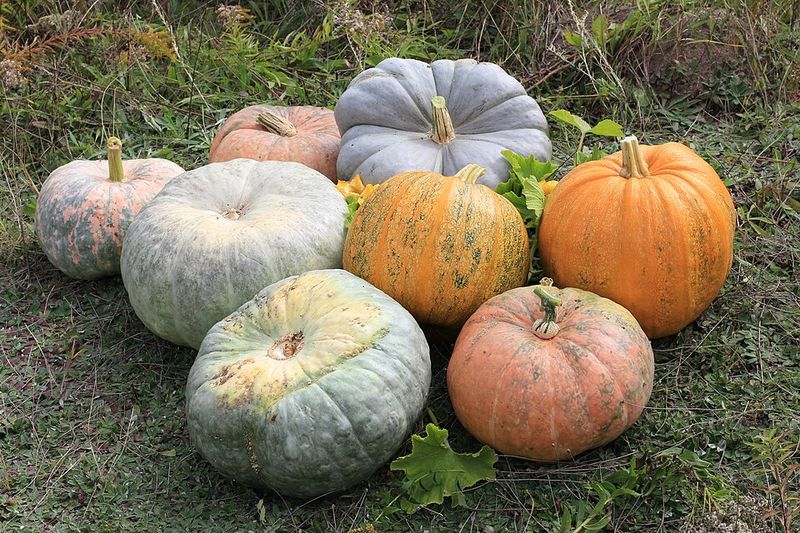
Pumpkins were one of the most versatile crops colonists grew, and they showed up in colonial kitchens in a remarkable number of ways. They were baked whole in the coals, stewed into thick porridges, added to soups, and dried in slices to preserve for winter use.
Early colonists even experimented with fermenting pumpkin to make a kind of beer when other grains were scarce.
Indigenous peoples had grown and used pumpkins for centuries before Europeans arrived, and colonists quickly recognized how well the crop performed in American soil. Pumpkins stored well through cold months, which made them especially valuable for surviving long winters when fresh food was hard to come by.
Unlike the pumpkin pies we recognize today, early colonial pumpkin dishes were often savory rather than sweet. Sugar was expensive and not always available, so pumpkin was commonly seasoned with salt and spices rather than sweetened into dessert form.
12. Game Meat
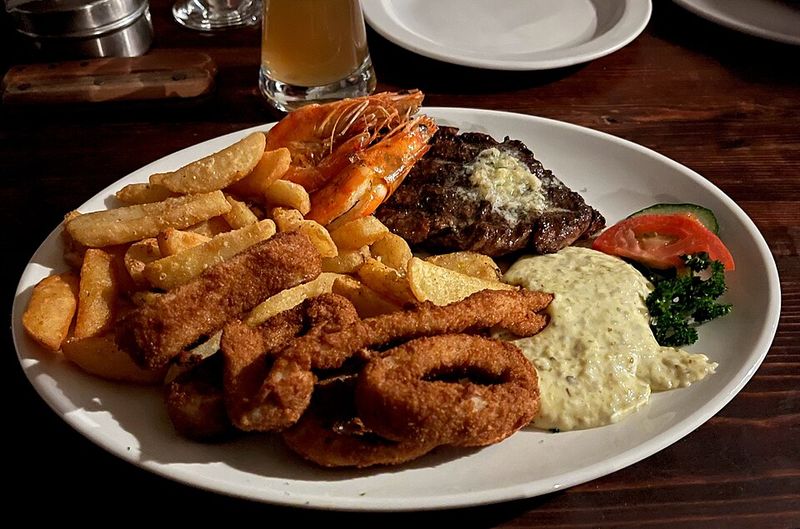
Wild game filled an important gap in the colonial meat supply, especially for families living on the frontier or in rural areas far from established markets. Deer, rabbit, wild turkey, squirrel, and waterfowl were all hunted regularly and brought back to supplement whatever livestock a family kept.
In lean times, a successful hunt could mean the difference between eating well and going hungry.
Venison was probably the most prized game meat in colonial America. Deer were plentiful across much of the eastern woodlands, and a single deer provided a substantial amount of meat that could be roasted fresh or preserved through smoking and salting.
Wild turkey was also common and appeared on colonial tables far more often than its modern association with Thanksgiving might suggest.
Hunting was both a survival skill and a social activity. Men and older boys hunted together, and the knowledge of local terrain and animal behavior was passed down carefully from generation to generation.
13. Apple Dishes
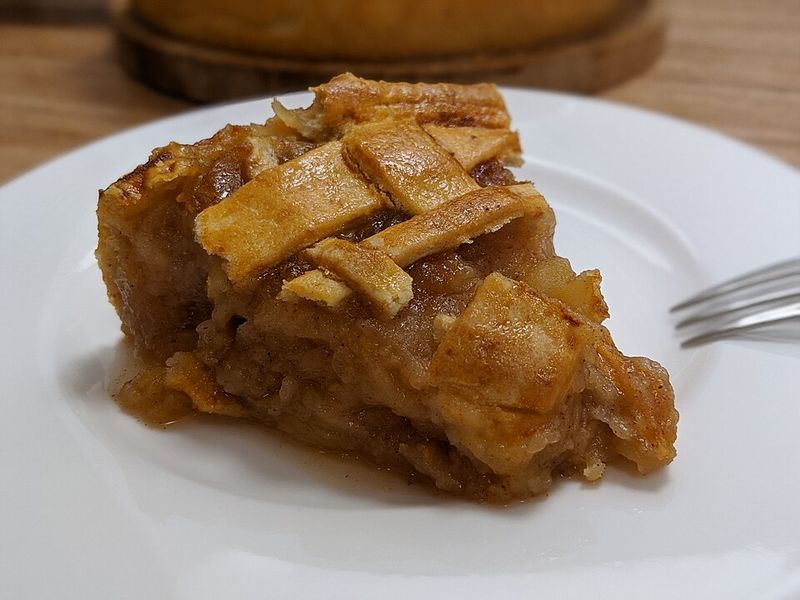
Apples became one of the most important fruit crops in colonial America, and colonists found creative ways to use them in every form imaginable. Orchards spread quickly across the colonies after European settlers brought apple seeds and grafts from England.
Within a few generations, apples were being eaten fresh, baked into pies, stewed into sauce, dried for winter storage, and pressed into cider.
Hard cider was actually one of the most commonly consumed beverages in colonial America. Water sources were often unsafe to drink, and cider provided a safer alternative that could be made in large quantities from orchard harvests.
Even children sometimes drank a weaker version of cider regularly throughout the day.
Apple pies, often made with simple spiced fillings in a lard-based crust, appeared at colonial tables as both everyday food and celebratory fare. The phrase “as American as apple pie” has genuine historical roots stretching all the way back to these early colonial orchards.
14. Cheese
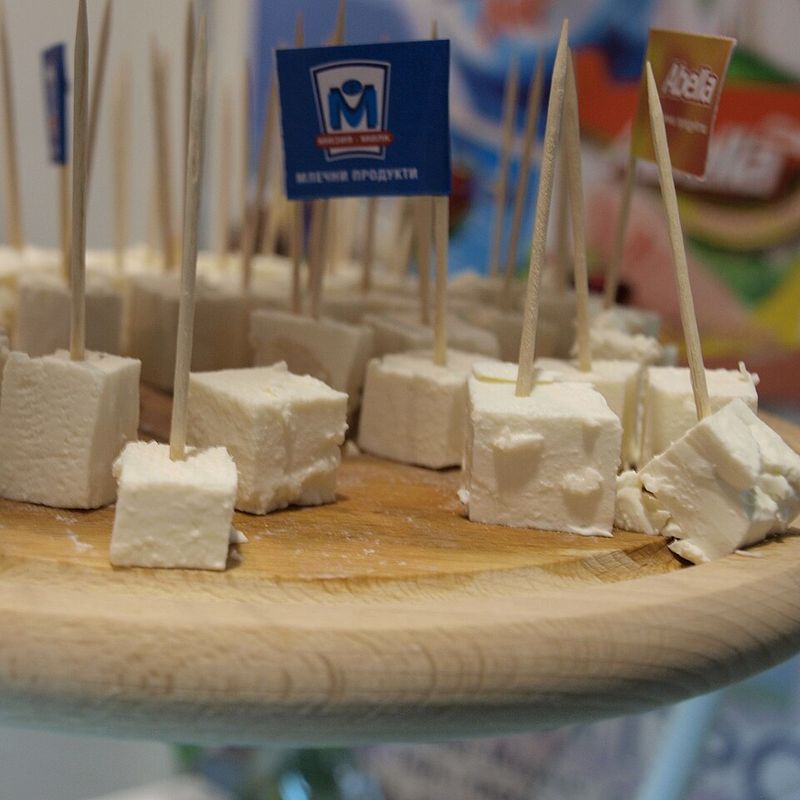
Making cheese was a smart and necessary part of colonial food preservation. Fresh milk spoiled quickly without refrigeration, but turning it into cheese extended its usefulness for weeks or even months.
Most farm households with a cow or goats made cheese regularly, and it became a familiar part of meals across all 13 colonies, reflecting the strong British dairy traditions colonists brought with them.
The cheesemaking process was time-consuming and required skill. Milk was curdled, drained, pressed, and then aged in cool cellars or dairy rooms.
Different households produced different styles depending on local customs and available equipment, but most colonial cheeses were firm and mild, suited to eating alongside bread, meat, or dried fruit.
Cheese also served as a tradeable commodity. A family that produced more than they needed could exchange it for other goods at local markets or with neighbors, making it both a food source and a practical economic resource within colonial communities.
Share this story