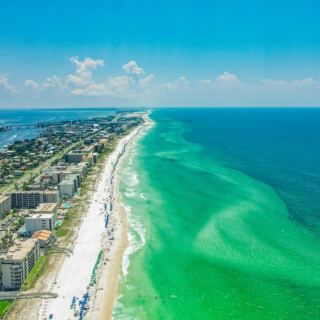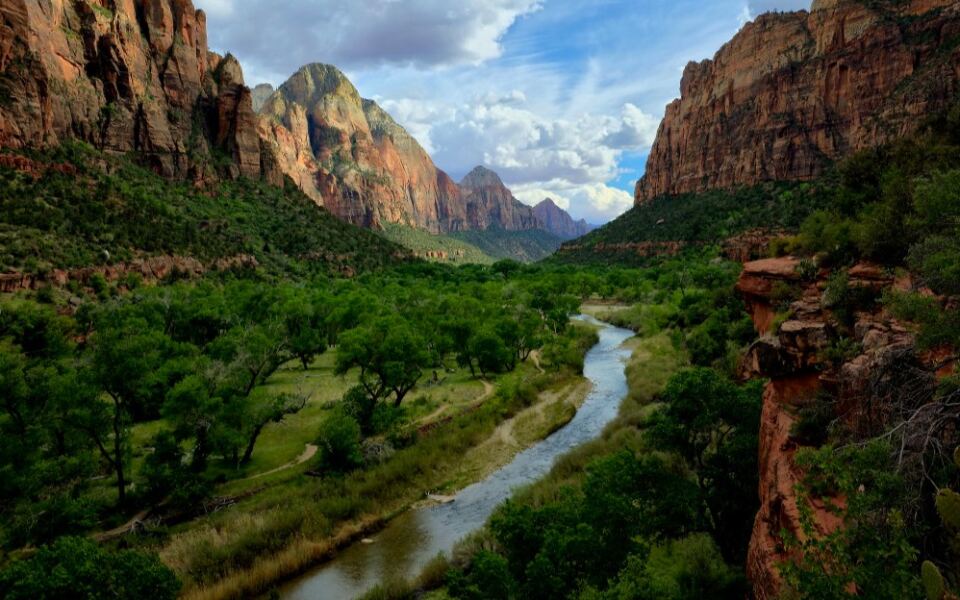
Summer 2026 was a big one for America’s national parks. From the misty ridges of the Appalachians to the red rock canyons of Utah, travelers packed up their cars and headed for some of the most spectacular landscapes in the country.
Whether they were chasing waterfalls, watching wildlife, or simply standing at a viewpoint that made the world feel a little bigger, millions of visitors showed up and showed out across the national park system. Here are the 15 parks that drew the biggest crowds and the most passionate travelers this past summer, and a few of them might surprise you.
Great Smoky Mountains National Park, Tennessee and North Carolina
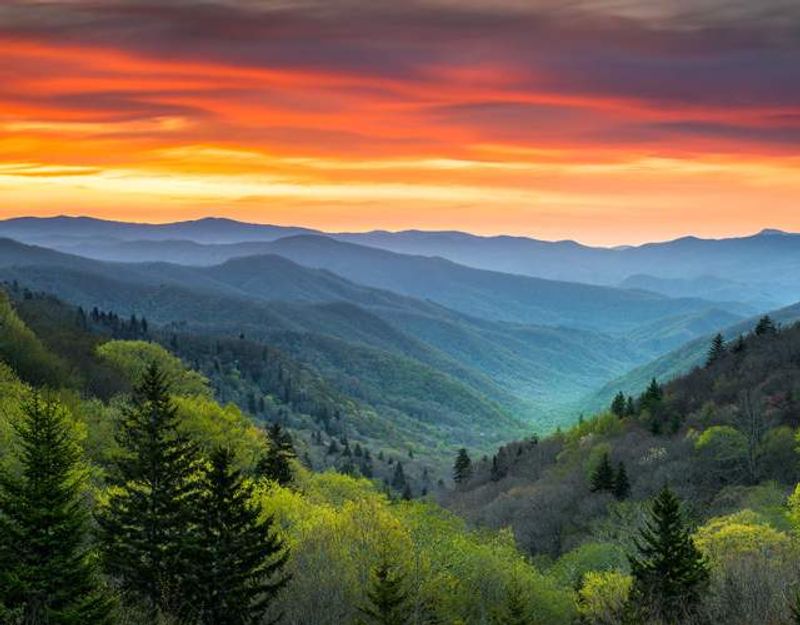
No timed-entry system, no problem. Great Smoky Mountains National Park pulled in roughly 1.36 million recreation visits in June 2026 and nearly 1.40 million in July, continuing its long run as the most visited national park in the country.
What keeps the numbers this high, year after year, is simple: the park is within a day’s drive of a massive chunk of the eastern United States.
Hundreds of miles of hiking trails give visitors plenty of room to spread out. Waterfalls like Laurel Falls and Ramsey Cascades attract steady foot traffic, while Cades Cove pulls in families and wildlife watchers hoping to spot white-tailed deer, black bears, and wild turkey.
Historic grist mills and old homesteads add a layer of Appalachian history that most mountain parks simply cannot match.
High-elevation viewpoints like Clingmans Dome offer views stretching across multiple states on a clear day. Visitor centers remain open throughout the summer, though individual roads and facilities can carry seasonal restrictions worth checking before you go.
Yellowstone National Park, Wyoming, Montana and Idaho
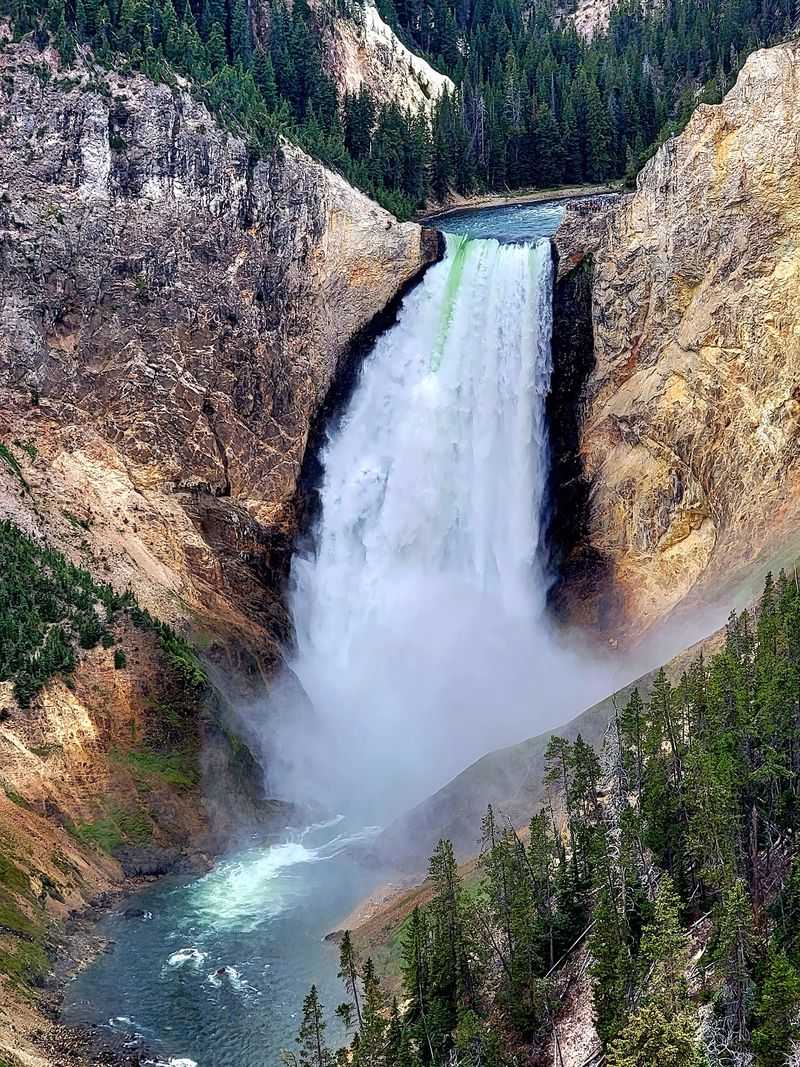
Yellowstone recorded 903,025 recreation visits in June 2026, followed by 958,706 in July and 856,467 in August. That adds up to well over 2.7 million visits across just three summer months, a number that puts it in a category shared by very few parks anywhere in the world.
Old Faithful still draws the largest single-attraction crowds, but Grand Prismatic Spring, Yellowstone Lake, and the Grand Canyon of the Yellowstone each pull serious numbers on their own. Wildlife-rich valleys like Lamar and Hayden give photographers and wildlife watchers long, productive mornings.
Bison jams on park roads remain a reliable summer experience.
Interestingly, visitation ran slightly below 2025 figures during each of the three main summer months, yet Yellowstone remained one of the unquestioned giants of American summer travel. Many interior roads and visitor services follow seasonal schedules, so checking current NPS conditions before arrival is always a practical first step for anyone planning a trip.
Acadia National Park, Maine
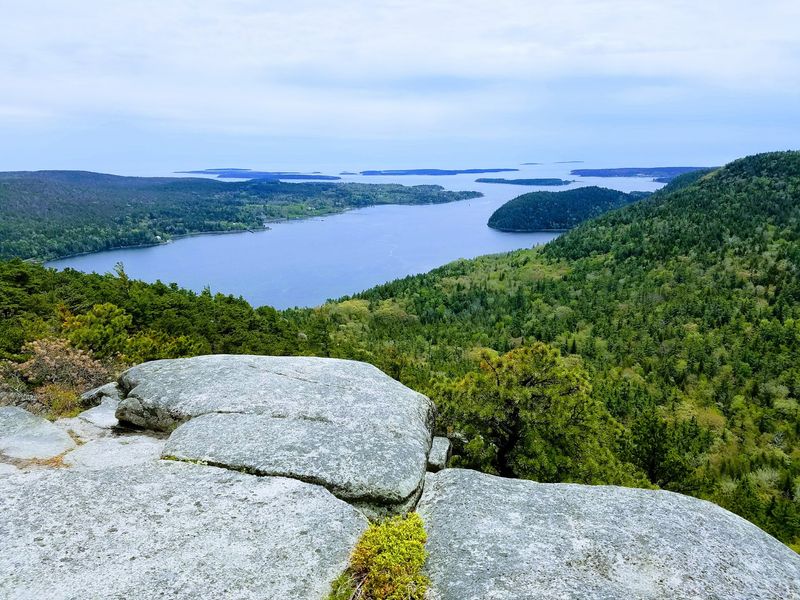
Acadia’s summer transformation is one of the more dramatic seasonal shifts in the entire national park system. Winter visitation drops sharply on Mount Desert Island, but July and August bring crowds back for rocky coastline, forest trails, carriage roads, and some of the most photographed sunrise scenery on the East Coast.
NPS statistics show 796,941 recreation visits in July 2026 and 815,338 in August, making Acadia one of the strongest summer performers in the country.
Cadillac Mountain remains the park’s signature destination, famous for being among the first places in the continental United States where the sun rises during certain months of the year. Ocean Drive, Jordan Pond, Sand Beach, and the historic carriage road network help spread visitors across the landscape rather than funneling everyone to a single overlook.
The park had accumulated more than 2.68 million recreation visits through August 2026. Some roads and facilities transition to seasonal schedules later in the year, so timing matters when planning a fall visit after the summer peak.
Grand Teton National Park, Wyoming
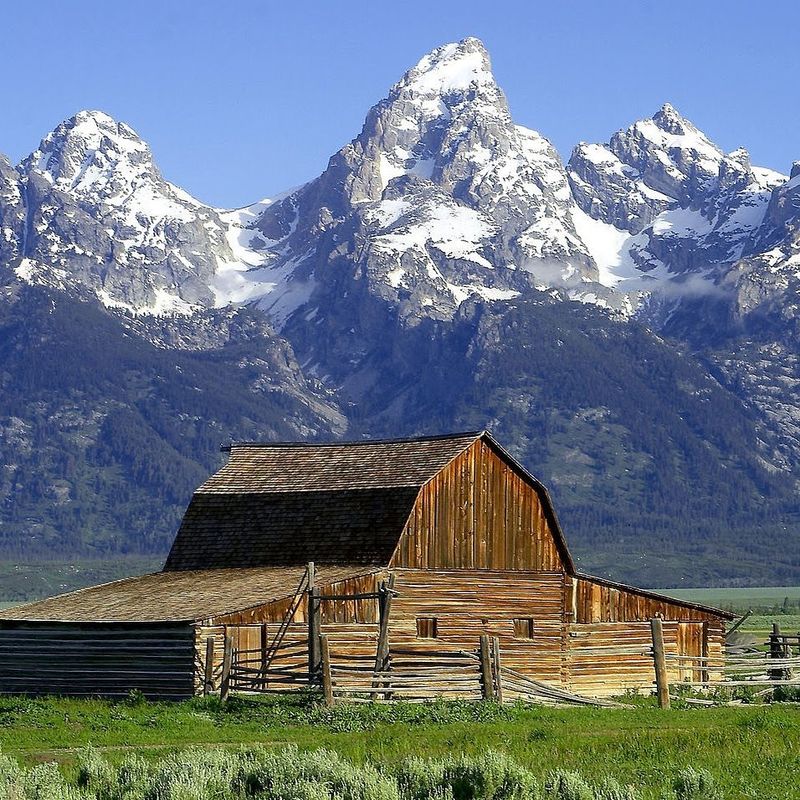
Grand Teton sits right next to Yellowstone, but its summer numbers prove it is far more than a convenient add-on stop. The park recorded 717,349 recreation visits in August 2026 alone, its second-busiest August on record.
Through August, Grand Teton had welcomed approximately 2.79 million recreation visits for the year, a figure that reflects genuine demand rather than geographic overflow.
Summer is when the park reaches its widest range of accessibility. Hiking around Jenny Lake, boating on Jackson Lake, wildlife watching in the valley flats, and scenic driving along Teton Park Road give travelers a full slate of options without needing to pick just one.
Signal Mountain offers elevated views of the entire range that reward the short drive to the summit.
The park itself is open 24 hours a day year-round, but the broadest selection of roads, facilities, and ranger programs generally runs from May through September. Families, photographers, and serious hikers all tend to find exactly what they came for here.
Yosemite National Park, California
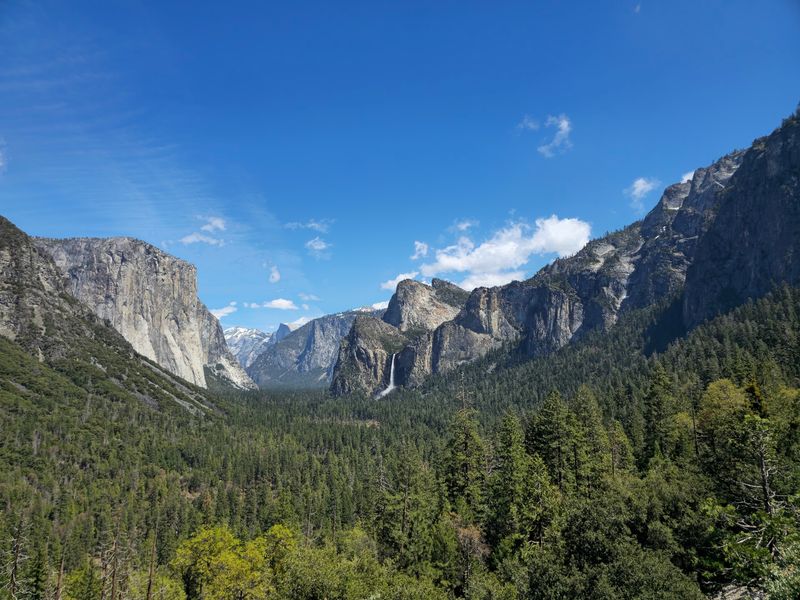
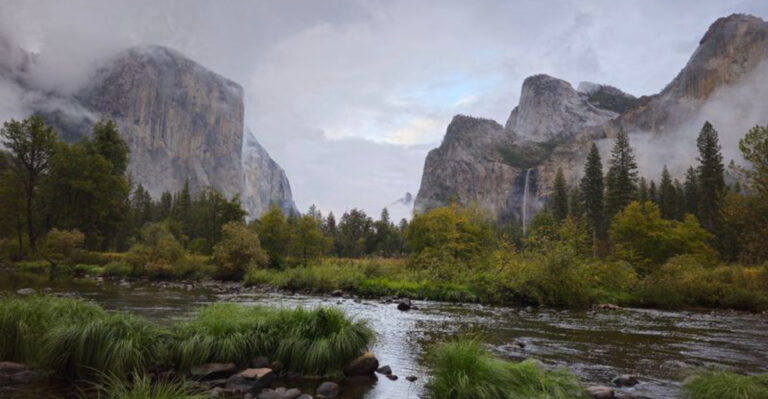
Yosemite Valley’s combination of granite walls, waterfalls, and open meadows creates a landscape that photographs cannot fully prepare you for. Preliminary NPS statistics counted 665,877 recreation visits in July 2026, an increase over July 2025, confirming that demand for one of America’s most iconic parks remains strong and growing.
El Capitan, Half Dome, Yosemite Falls, Bridalveil Fall, and Glacier Point together form a concentration of dramatic scenery that few places on Earth can match. Summer also opens access to higher elevations.
Tioga Road, when conditions allow, brings travelers into Tuolumne Meadows and the wider Sierra Nevada high country, offering a quieter experience than the valley floor.
For summer 2026, the National Park Service adjusted access policies while continuing traffic and congestion management measures designed for periods of intense visitor demand. Checking current reservation requirements, road conditions, and shuttle schedules before arrival is essential for getting the most out of a Yosemite summer trip without unnecessary delays.
Zion National Park, Utah
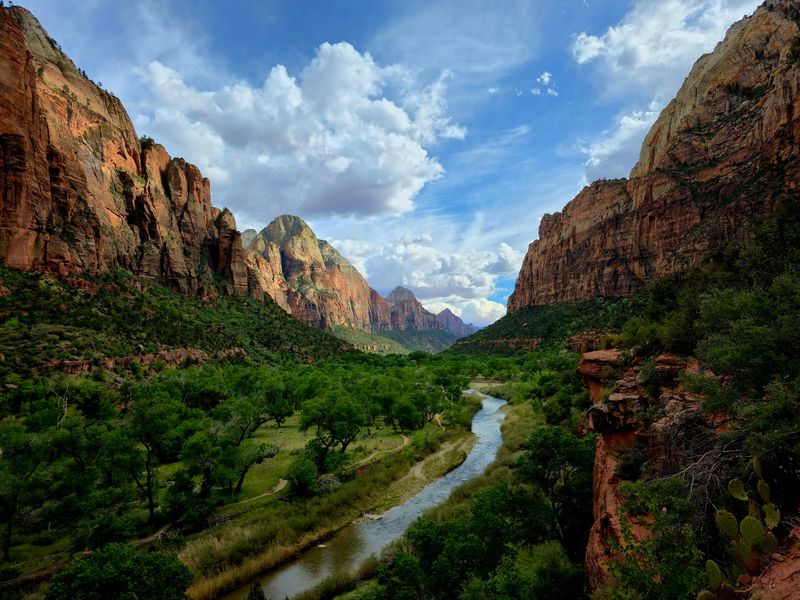
Zion pulls extraordinary numbers for a park that is relatively compact compared to Yellowstone or Grand Canyon. Its towering sandstone cliffs, slot canyons, and desert river scenery have made it one of the consistently busiest parks in the entire NPS system.
The park recorded nearly five million recreation visits in 2025, setting a strong baseline heading into summer 2026.
Zion Canyon concentrates most of the action. The Narrows, where hikers wade through the Virgin River between walls hundreds of feet tall, remains one of the most talked-about hikes in the American West.
Emerald Pools offers a more accessible alternative, while the Angels Landing trail system continues drawing visitors willing to tackle its exposed ridgeline sections with permit in hand.
Shuttle buses operate through the canyon during peak season, which affects how visitors move between trailheads. Heat, flash-flood risk, and permit requirements can all affect individual plans, so checking current NPS conditions before each day out is a practical habit worth building before your visit.
Rocky Mountain National Park, Colorado
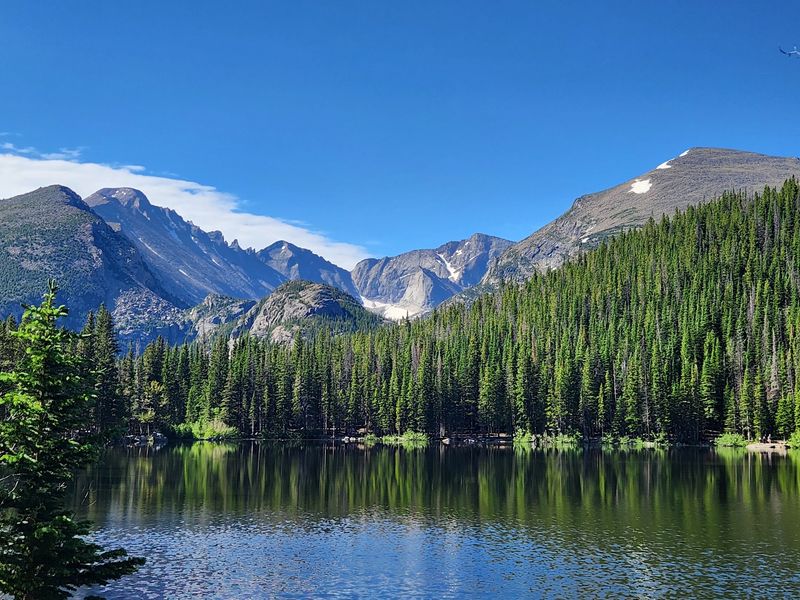
Rocky Mountain National Park is practically engineered for summer travel. Snowmelt opens higher-elevation trails and roads, alpine wildflowers blanket the tundra, and destinations like Bear Lake and Trail Ridge Road become accessible to enormous numbers of visitors arriving from across the country.
Demand in 2026 remained strong enough that the park again used timed-entry reservations during its busiest season.
Reservations covered dates from late May into October, with a separate option controlling access to the heavily visited Bear Lake Road corridor specifically. By late August, NPS reported that most trails were generally clear and dry, though localized mud and wet conditions remained possible at higher elevations after afternoon thunderstorms.
Estes Park sits just outside the main entrance and gives visitors a full range of lodging, dining, and supply options without needing to camp inside the park. Wildlife, lakes, and accessible alpine scenery at elevations few other parks can match keep Rocky Mountain firmly in the conversation for America’s best summer park experiences.
Grand Canyon National Park, Arizona
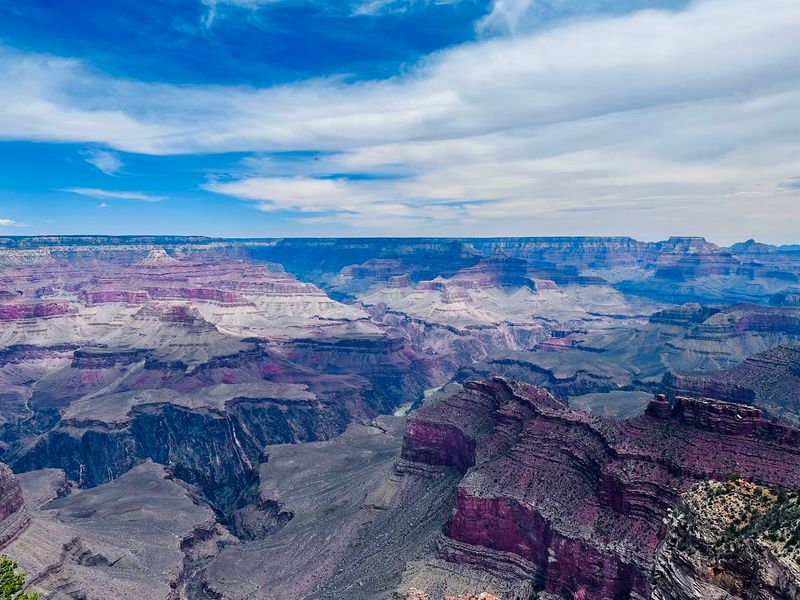
Extreme summer temperatures do surprisingly little to keep travelers away from Grand Canyon. The South Rim remains the primary destination year-round, offering overlooks, museums, historic buildings, and one of the most recognizable landscapes in the country.
Historically, July ranks among the park’s busiest months, with hundreds of thousands of recreation visits recorded each summer month.
Elevation makes a significant difference here. Rim temperatures are considerably cooler than those deep inside the canyon, where heat can become genuinely dangerous for hikers who underestimate the climb back out.
The NPS consistently advises visitors to carry water, start early, and turn back before conditions become difficult, particularly on inner-canyon trails like Bright Angel and South Kaibab.
The South Rim operates year-round, while North Rim access is seasonal and typically closes in late fall. Despite the heat, the canyon’s scale and reputation keep it firmly within the group of major summer destinations that travelers plan around, not just stumble upon.
Glacier National Park, Montana
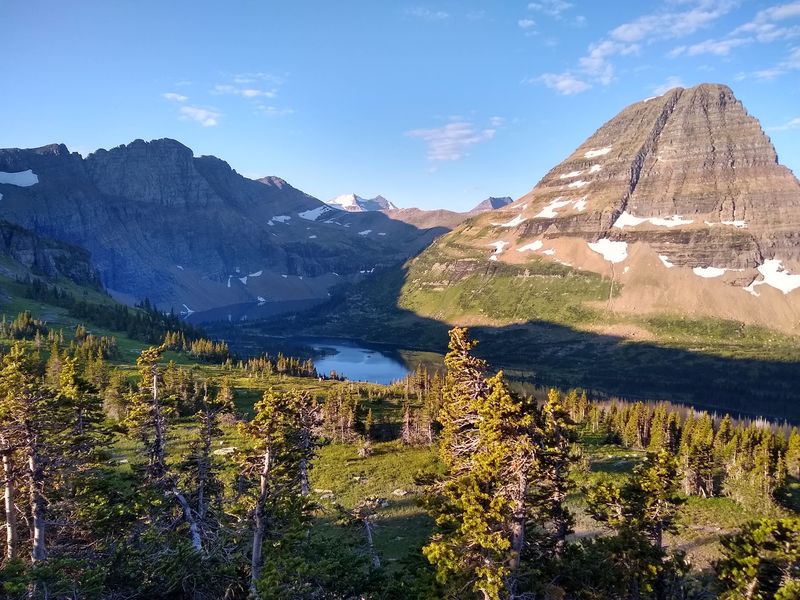
Glacier’s high-country season is short, which makes summer visits feel genuinely time-sensitive in a way that parks with longer seasons simply do not. Going-to-the-Sun Road, Logan Pass, alpine trails, glacial lakes, and wildflower-filled valleys draw visitors who often start planning months in advance just to secure the logistics.
Summer 2026 came with a notable shift in access strategy. NPS announced that Glacier would not use a park-wide vehicle reservation system, instead relying on targeted congestion management in the most heavily traveled areas, including Going-to-the-Sun Road and Logan Pass.
That gave visitors more flexibility while allowing park staff to temporarily restrict traffic when parking or road capacity became strained.
With most of Glacier’s highest terrain completely inaccessible during winter, July and August carry enormous weight for anyone hoping to experience the park’s classic alpine scenery. Trails like Highline and Hidden Lake Overlook reward the effort with views that justify every step of the planning process.
Olympic National Park, Washington
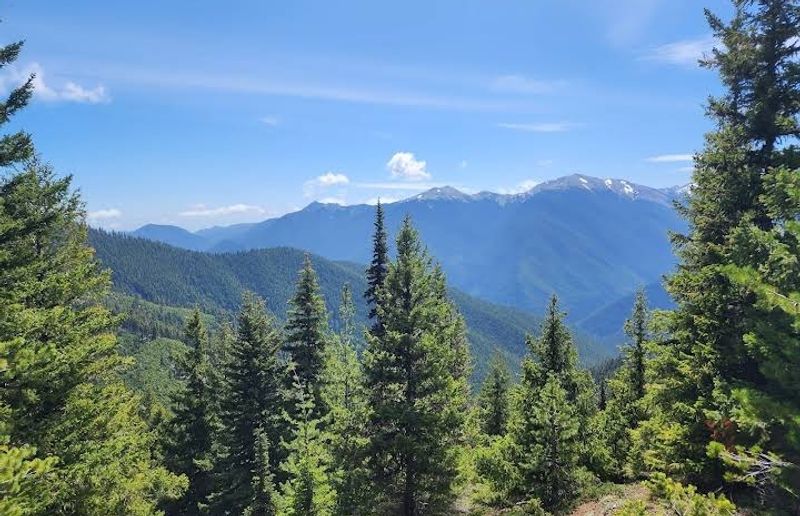
Olympic National Park essentially bundles three very different vacations into one. Visitors can walk through old-growth temperate rainforest in the morning, explore an alpine ridge in the afternoon, and end the day standing beside the Pacific Ocean.
That variety becomes especially appealing during Washington’s relatively dry summer season, when each of those environments is at its most accessible and rewarding.
Hurricane Ridge, the Hoh Rain Forest, Lake Crescent, Rialto Beach, and Ruby Beach each attract their own dedicated visitors rather than competing for the same crowd. Sol Duc Falls and the surrounding old-growth forest offer another strong option for travelers who want something quieter than the main visitor corridors.
Olympic has long ranked among the more heavily visited national parks, and its combination of coastline, mountains, lakes, and rainforest kept it a major Pacific Northwest road-trip destination in summer 2026. Summer is also when many higher trails and seasonal facilities are easiest to access, making it the most practical window for first-time visitors.
Mount Rainier National Park, Washington
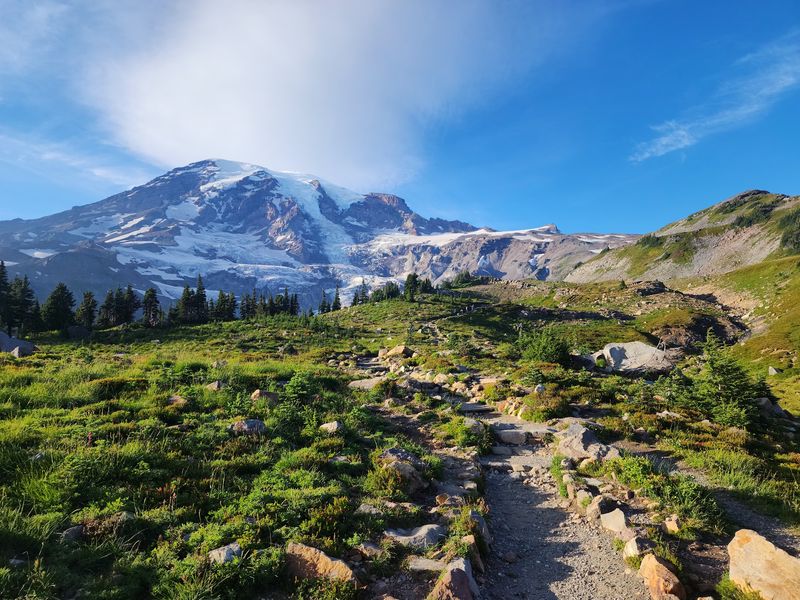
Once the high-country snow begins retreating, Mount Rainier becomes a completely different destination. Summer brings wildflowers to Paradise in quantities that genuinely stop people in their tracks, opens more hiking options around Sunrise, and makes the park’s waterfalls, forests, and glacier viewpoints considerably easier to reach than during any other season.
Its proximity to Seattle gives it a large base of potential day-trippers alongside travelers building longer Pacific Northwest itineraries. July and August traditionally account for some of the park’s heaviest visitation because the window for snow-free hiking at higher elevations is relatively short, and most visitors want to take full advantage of it.
The mountain itself remains the centerpiece, but trails like the Skyline Loop at Paradise give hikers a structured route through the wildflower meadows with consistent views of the summit above. The Grove of the Patriarchs area, when accessible, offers an old-growth forest experience that feels entirely separate from the mountain scenery surrounding it.
Indiana Dunes National Park, Indiana
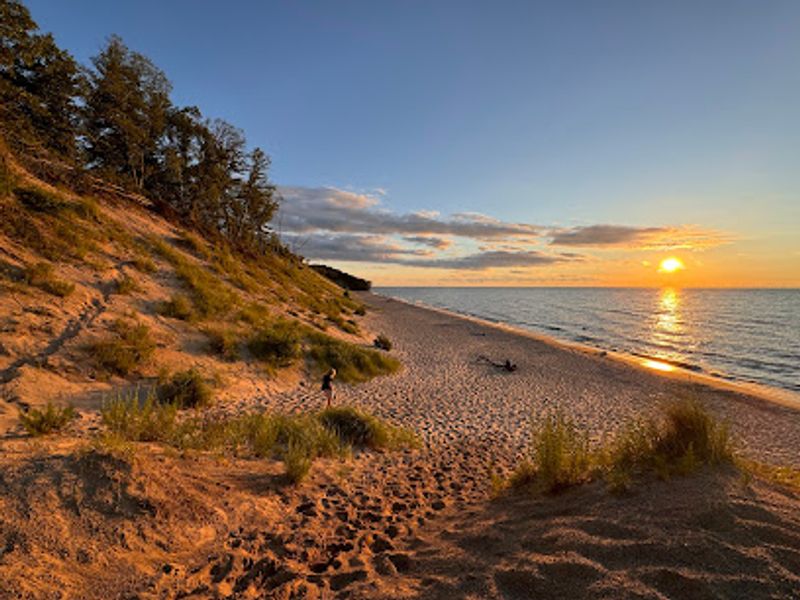
Indiana Dunes is easy to underestimate until summer arrives and the Lake Michigan shoreline fills up with beachgoers, families, and hikers who drove in from Chicago and beyond. The park’s location along the southern shore of Lake Michigan makes it one of the most accessible national parks in the country for a large urban population, and that accessibility drives substantial summer visitation without requiring any advance reservation.
The shoreline is the main summer draw, but the park offers considerably more than a beach day. Dune trails, wetlands, prairies, and forests provide alternatives for visitors who want to move beyond the water.
Birdwatching is particularly strong here, with the park sitting along a major migration corridor that attracts a wide range of species.
The national park designation may feel relatively recent compared to Yellowstone or Yosemite, but Indiana Dunes has quietly built one of the Midwest’s most consistent summer audiences. Its combination of freshwater beaches and major-city proximity makes it a practical first national park visit for many families.
Bryce Canyon National Park, Utah
Bryce Canyon’s elevation sits high enough that summer temperatures stay considerably more comfortable than the lower-elevation desert parks nearby. That cooler climate is part of what makes it a popular choice for southern Utah itineraries that might otherwise feel relentlessly hot from June through August.
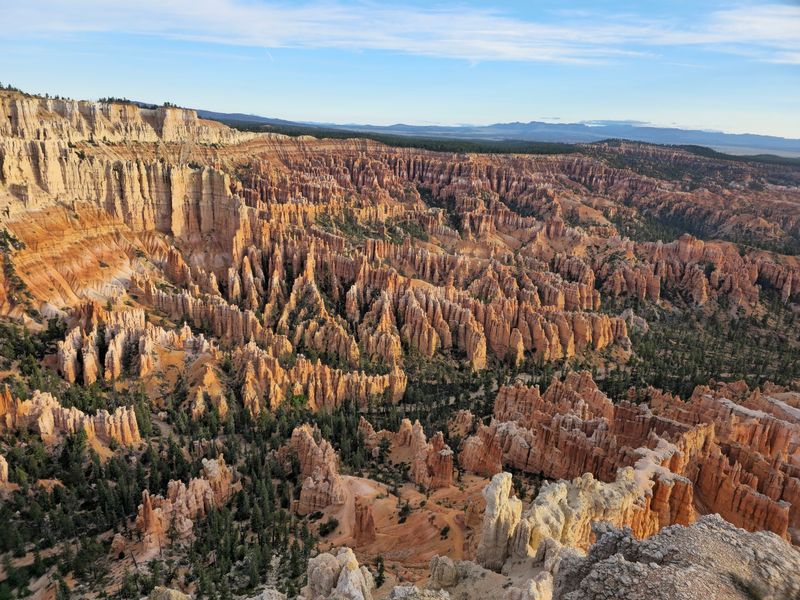
The famous amphitheater filled with hoodoos remains the centerpiece, with Sunrise Point, Sunset Point, Inspiration Point, and Bryce Point each offering a distinct angle on the same extraordinary landscape.
Preliminary NPS statistics counted 237,074 recreation visits in June 2026 and 196,101 in July, showing strong seasonal concentration even if numbers ran slightly below some recent summers. Hiking routes like the Navajo Loop and Queen’s Garden trail bring visitors below the rim and into the hoodoo formations at eye level, which is a very different experience than viewing them from above.
Summer thunderstorms can develop quickly at elevation, so weather awareness remains important even during otherwise ideal sightseeing conditions. The scenic drive south of the main amphitheater opens access to viewpoints that see far fewer visitors than the main overlooks.
Cuyahoga Valley National Park, Ohio
Cuyahoga Valley quietly demonstrates that a national park does not need dramatic mountains or desert scenery to attract substantial visitation. Situated between Cleveland and Akron, it sits within easy reach of millions of Midwestern travelers who want a natural escape without committing to a long road trip or advance reservation system.
That geographic reality gives it a consistent visitor base that shows up for day trips as reliably as for planned vacations.
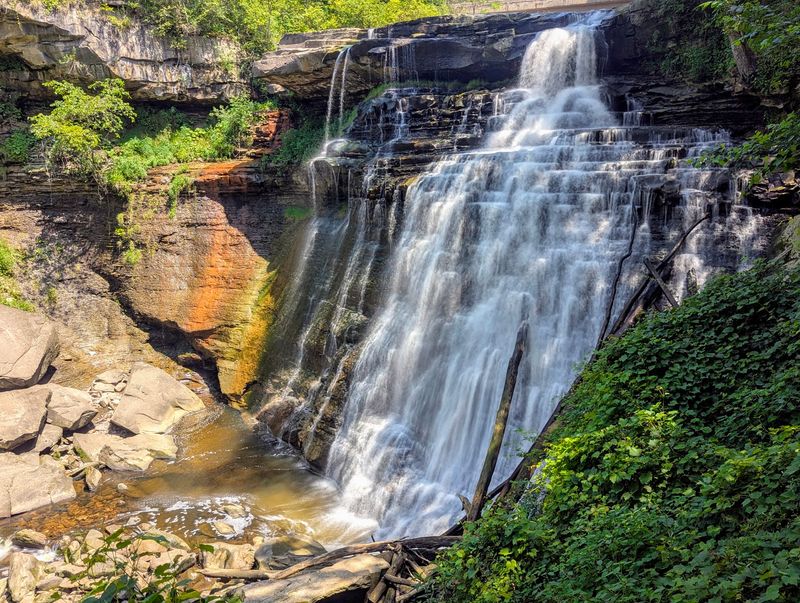
The Towpath Trail follows the historic Ohio and Erie Canal corridor and gives hikers and cyclists a flat, accessible route through the valley. Brandywine Falls, one of the park’s most visited spots, drops 65 feet over layered shale and sandstone and is reachable via a short walk from the parking area.
Historic sites, forest paths, and the Cuyahoga River add additional layers to what could otherwise seem like a straightforward green space.
The park’s dispersed structure, with trailheads and attractions spread across the valley rather than concentrated at one entrance, helps explain why its popularity can feel understated despite consistently strong annual visitor totals.
Arches National Park, Utah
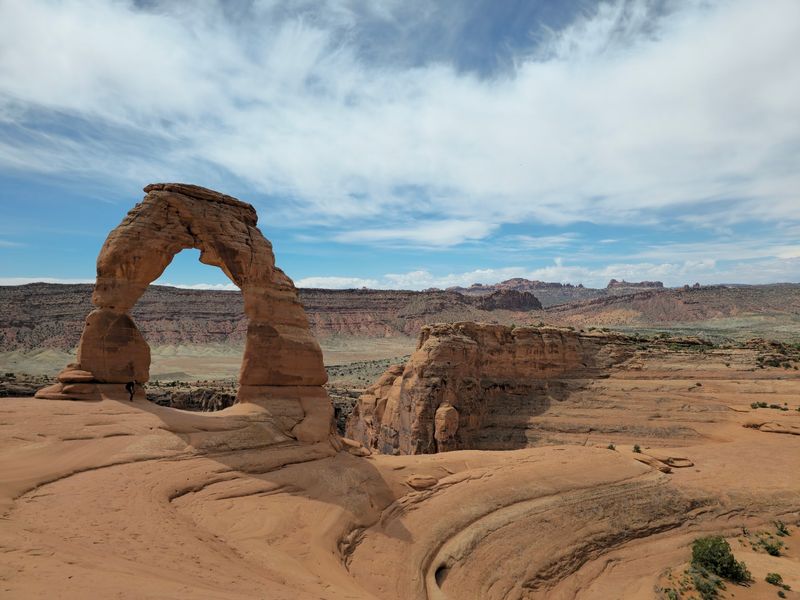
Arches faced scorching summer temperatures in 2026, yet visitors kept arriving for Delicate Arch, Balanced Rock, Landscape Arch, Windows, and the more than 2,000 documented natural stone arches spread across the park’s red rock landscape. Preliminary NPS statistics recorded 139,038 recreation visits in July and 128,145 in August, showing sustained demand even during the hottest months.
One notable change for summer 2026: NPS eliminated the timed-entry reservation system previously associated with the park, allowing visitors to enter without booking an arrival slot in advance. Officials still warned that temporary traffic management could occur when parking areas and roads reached capacity during peak hours, so flexibility in arrival timing remained a practical consideration.
Many summer visitors shift their activities toward mornings, evenings, and nighttime to avoid the most intense midday heat. The park’s International Dark Sky designation gives those evening visits an additional purpose, with star and Milky Way viewing becoming a genuine attraction after sunset.
Carrying water and planning around heat remains essential throughout the summer season.
Share this story