Oklahoma has a knack for hiding genuinely remarkable experiences behind modest exteriors, and this one is no different. Tucked away in Oklahoma City, a museum dedicated to railroad history lets you wander freely through a collection of restored locomotives and vintage rail cars before boarding an actual train for just twelve dollars.
The ride itself lasts about 45 minutes and packs in more storytelling, mechanical wonder, and old-fashioned charm than most paid attractions three times the price. Whether you grew up fascinated by trains or simply love stumbling onto something unexpectedly memorable, this place earns a spot on your Oklahoma itinerary.
Where the Oklahoma Railway Museum Sits
Planted along NE Grand Boulevard in Oklahoma City, the Oklahoma Railway Museum occupies a stretch of real estate that feels frozen somewhere between the industrial past and a living history classroom. The address, 3400 NE Grand Blvd, places it within reach of the city center, making it an easy addition to any weekend itinerary without requiring a long drive.
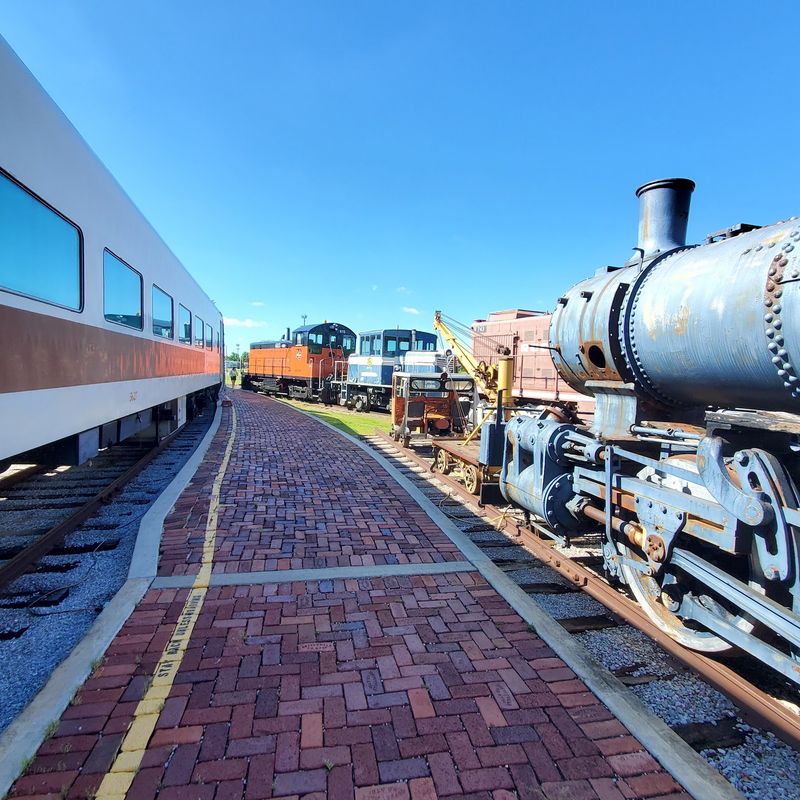
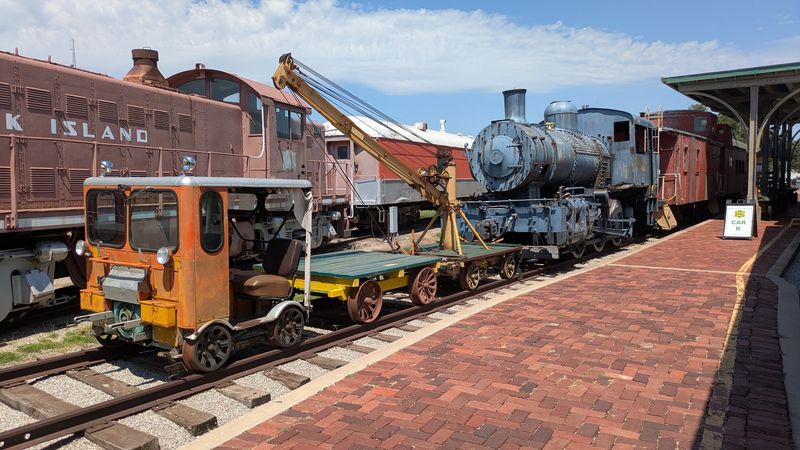
The property itself is primarily an outdoor campus. Locomotives, freight cars, passenger coaches, and cabooses line the tracks in the open air, giving the whole place a sprawling, unhurried atmosphere that indoor museums rarely achieve.
A small indoor exhibit space anchors the grounds, but the real draw is what surrounds it. Visitors often describe the sensation of stepping onto the property as unexpectedly cinematic, with the scale of the machinery creating an immediate sense of awe that photos simply cannot prepare you for.
The museum is run entirely on sales revenue and donations, receiving no state or federal funding. That independence gives it a scrappy, passion-driven energy that feels rare and worth supporting the moment you arrive.
A Museum Born from Railroad Passion
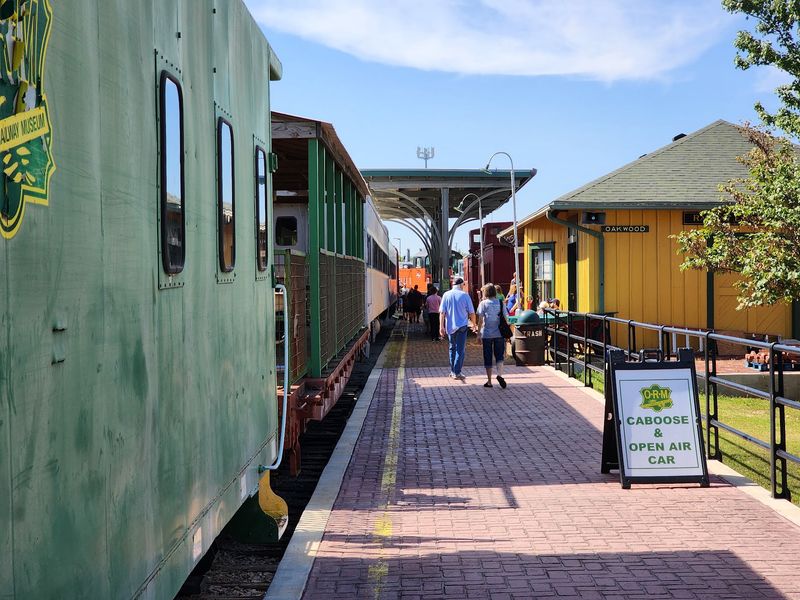
Railroad history runs deep in Oklahoma, and the Oklahoma Railway Museum exists because a dedicated group of volunteers refused to let that heritage disappear. The museum is entirely volunteer-powered, staffed by people who genuinely love trains and bring that enthusiasm into every interaction with visitors.
Volunteers here are not just ticket-takers. Many of them carry encyclopedic knowledge about specific locomotives, maintenance techniques, and the broader story of how rail travel shaped American commerce and daily life.
Visitors frequently mention being pulled into unexpectedly rich conversations with staff members who once worked on the very trains now on display.
One particularly memorable account involves a visitor meeting an elderly gentleman who personally maintained one of the engines on the grounds, turning a casual stroll into a firsthand history lesson. That kind of human connection is something no exhibit placard can replicate.
The museum continues to grow its collection, though restoration takes time and resources. Each piece added to the grounds must be brought up to a standard worthy of display, which is part of why donations, even small ones, carry real weight for the museum’s long-term future.
Free Admission and What It Gets You
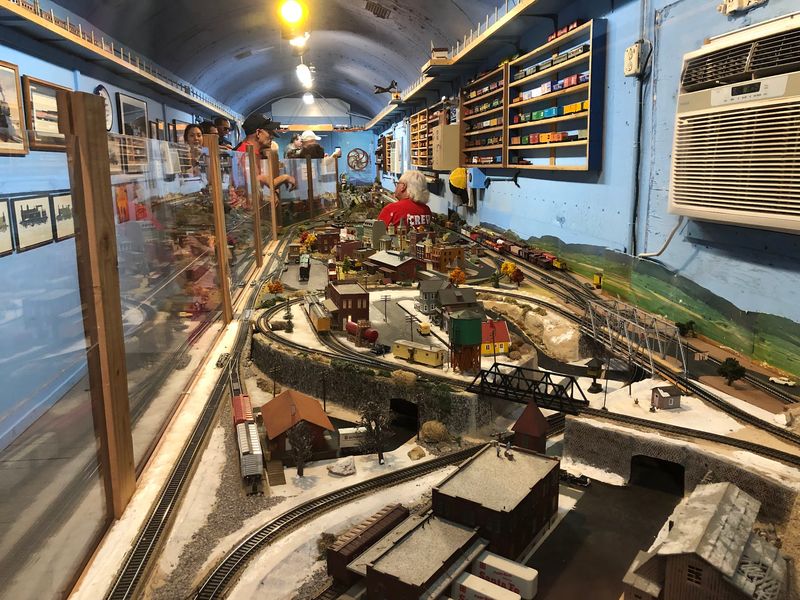
Walking through the Oklahoma Railway Museum grounds costs absolutely nothing. General admission is free, and that generosity extends to the full outdoor collection, the indoor exhibit space, and even the model train display tucked inside one of the restored coaches.
Visitors can wander at their own pace without feeling rushed or herded through a predetermined route. The open layout encourages exploration, letting curious visitors circle locomotives, peer into restored interiors, and soak up the mechanical details at whatever speed suits them.
Donations are welcomed but never pressured. A card-enabled tip jar sits in the gift shop, accepting contributions in five-dollar increments for those who want to give something back after enjoying the free access.
The gift shop itself is worth a browse, stocking railroad-themed items that make for genuinely useful souvenirs rather than the forgettable trinkets found at many attractions.
Dogs are welcome on the grounds, which makes the museum a surprisingly pleasant outing for pet owners looking for an activity that includes the whole family. The open air setting and relaxed atmosphere mean four-legged visitors blend right in with the rest of the crowd.
The Twelve-Dollar Train Ride Experience
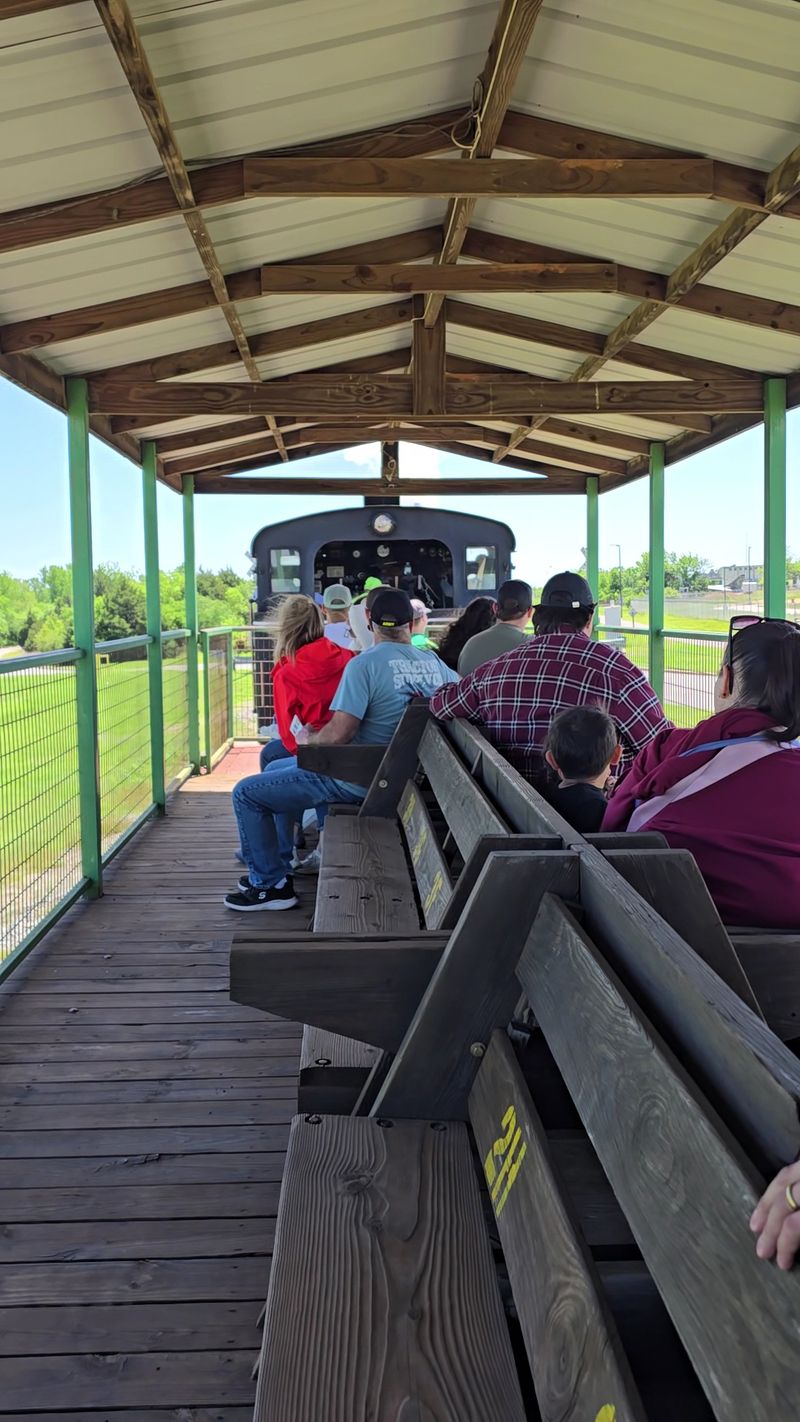
Twelve dollars buys you a 45-minute excursion aboard an actual operating train, and the value packed into that ticket is hard to argue with. The ride is the centerpiece of a visit for most people, and it consistently earns glowing praise from families, couples, and solo visitors alike.
Guests choose from multiple car options when booking. The open-air car tends to be the most popular, offering unobstructed views and a breezy, nostalgic feel that closed coaches cannot quite match.
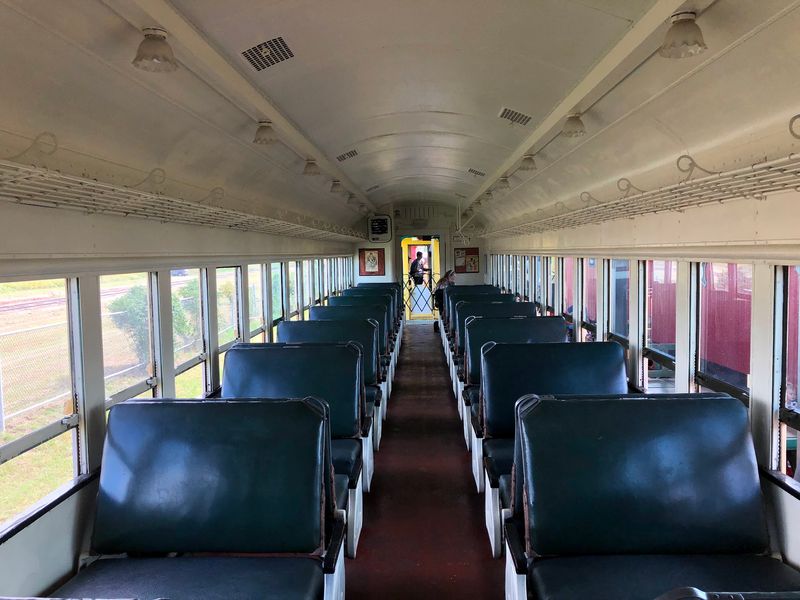
Those who want a more classic rail experience can opt for coach seating, which visitors describe as roomy and comfortable.
Seats 5A and 5B in the caboose cupola come with a particularly enthusiastic recommendation from regulars who appreciate the elevated vantage point and the panoramic sightlines that come with it. The caboose ride adds a layer of authenticity that train enthusiasts especially appreciate.
The train moves forward and then reverses back along the track rather than completing a loop, so the journey is more of a scenic back-and-forth than a circular route. Knowing that ahead of time helps set expectations, and most visitors find the storytelling and atmosphere more than compensate for the linear path.
Conductors and Guides Who Make the Ride
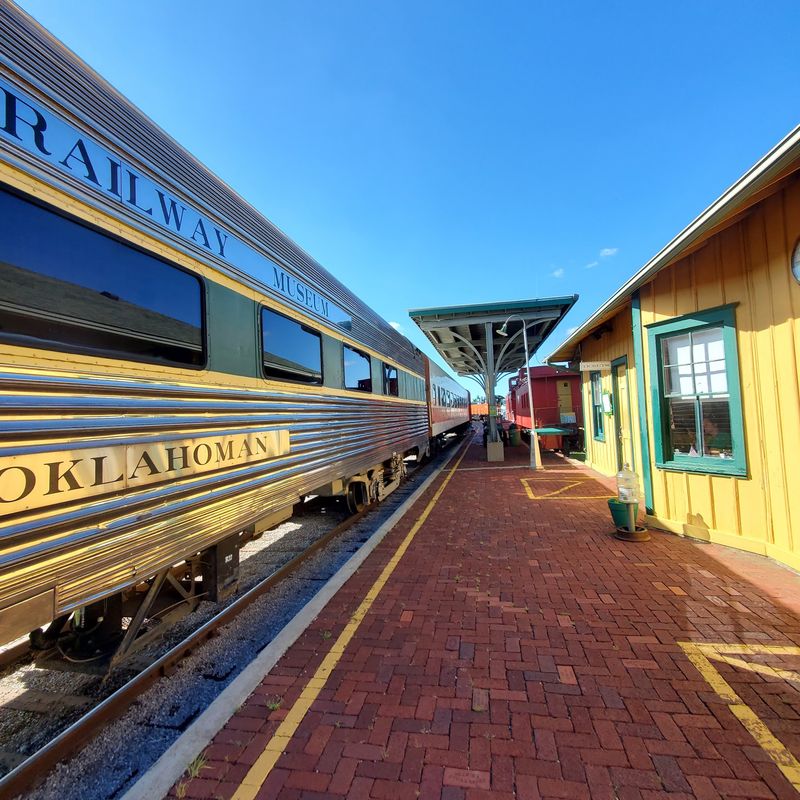
A train ride is only as good as the person narrating it, and the Oklahoma Railway Museum has built a reputation around guides who genuinely elevate the experience. Visitors consistently single out specific staff members for making the journey feel personal, educational, and entertaining all at once.
One guide in particular became a recurring highlight in visitor accounts, known for punching tickets with warmth and then keeping the entire car laughing with anecdotes about the locomotives and the history behind them. His ability to balance humor with genuine historical insight turned a short excursion into something people talked about long after returning home.
Another volunteer conductor impressed visitors with his depth of knowledge about railroad mechanics, answering every question without hesitation and adding context that made the machinery feel alive rather than like a static relic. Passengers traveling with first-time train riders especially appreciated how the guides tailored their commentary to the group on board.
The museum passes along visitor compliments to its volunteer team, which speaks to an organizational culture that values the human element of the experience. When the people running an attraction clearly love what they do, that enthusiasm becomes contagious in the best possible way.
Restored Rail Cars as Walk-Through Exhibits
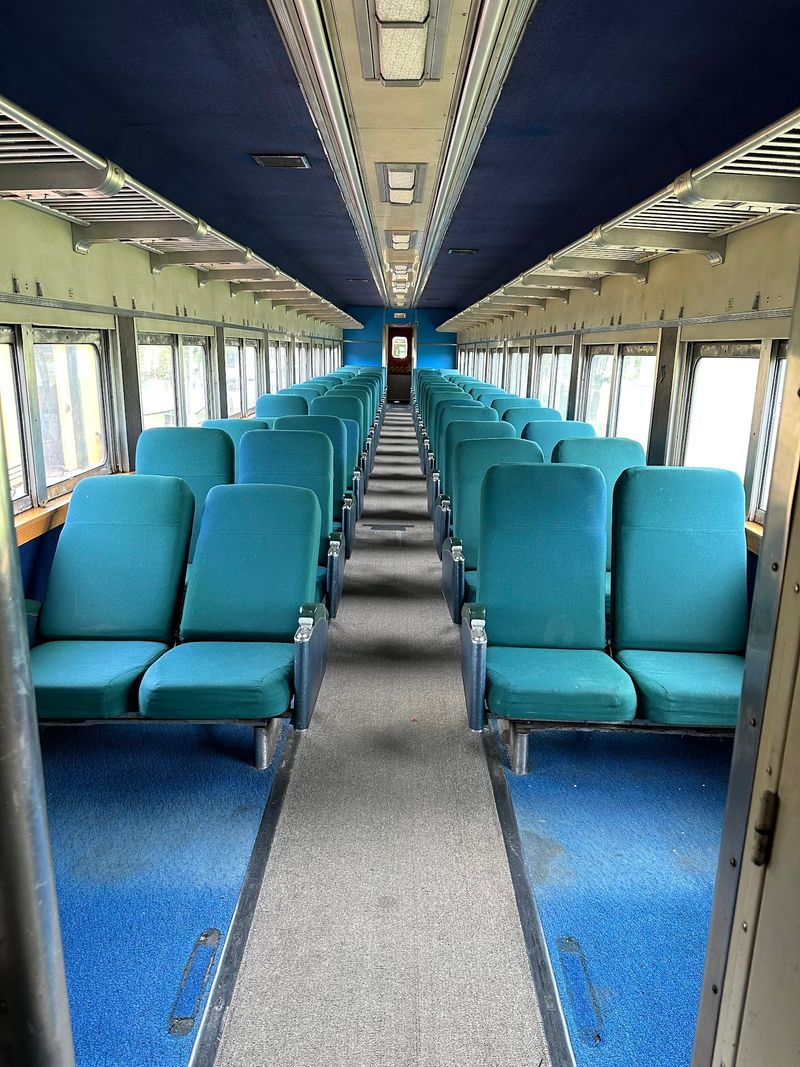
Several of the vintage cars on the grounds have been transformed into walk-through exhibit spaces, giving visitors a hands-on sense of what rail travel once looked like from the inside. Rather than viewing history through a glass barrier, guests step directly into the cars and move through them at their own pace.
One of the more beloved stops along the outdoor collection is an old coach that now houses an HO-scale model train layout. The miniature railroad is operational, well-designed for the space, and air-conditioned, making it a welcome refuge on warm Oklahoma afternoons.
Visitors who might not consider themselves train enthusiasts often find themselves lingering here longer than expected.
The caboose is another highlight, offering access to the cupola section where conductors and brakemen once kept watch over the length of the train. Climbing into that elevated compartment and looking out across the yard gives a visceral, physical sense of what life on the rails actually involved.
Each restored car carries a distinct personality shaped by its original function and the care put into its preservation. Walking through them in sequence builds a surprisingly coherent picture of how rail travel evolved across different eras of American transportation history.
Locomotives Up Close and the Smell of History
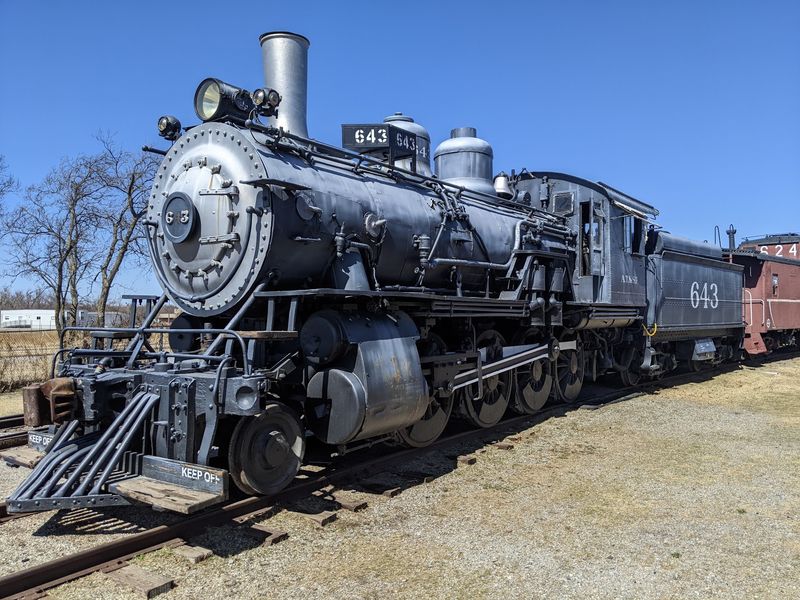
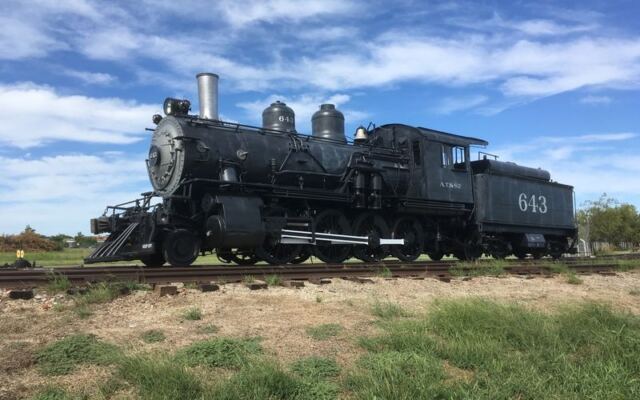
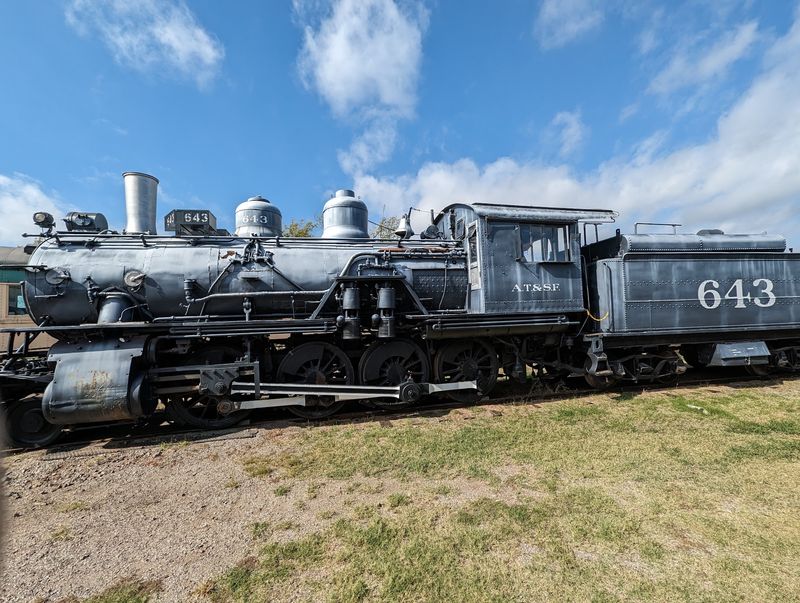
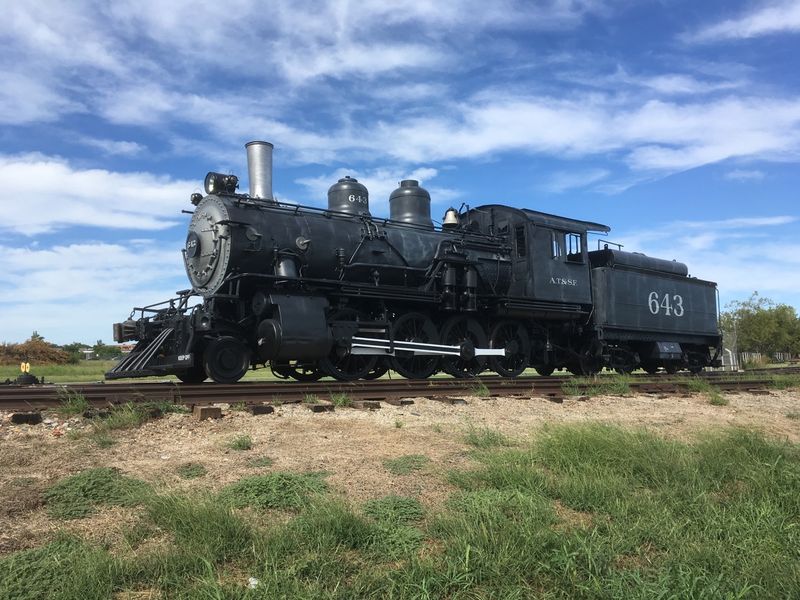
Standing next to a full-sized locomotive is a different experience from seeing one in a photograph. The sheer mass of the machines, their towering wheels, the smell of old grease and oil still clinging to the metal, creates an almost sensory-overload moment that visitors across all age groups describe as unexpectedly powerful.
One visitor put it simply: you can literally smell the history here. The scent of lubricants and aged steel that still clings to several of the engines is not a museum trick or an added effect.
It is the genuine residue of machines that worked hard for decades before being preserved on these grounds.
Getting close to the equipment requires a bit of physical engagement. Climbing the steps onto some of the cars takes real effort, which visitors note actually adds to the experience rather than detracting from it.
The sense of scale becomes personal when you are hauling yourself up to a platform that once stood above a moving train.
The collection includes both steam and diesel locomotives, offering a compressed timeline of how propulsion technology changed across the railroad era. Even visitors with no prior interest in trains tend to find themselves genuinely curious once they are standing in front of these machines.
Seasonal Events That Transform the Museum
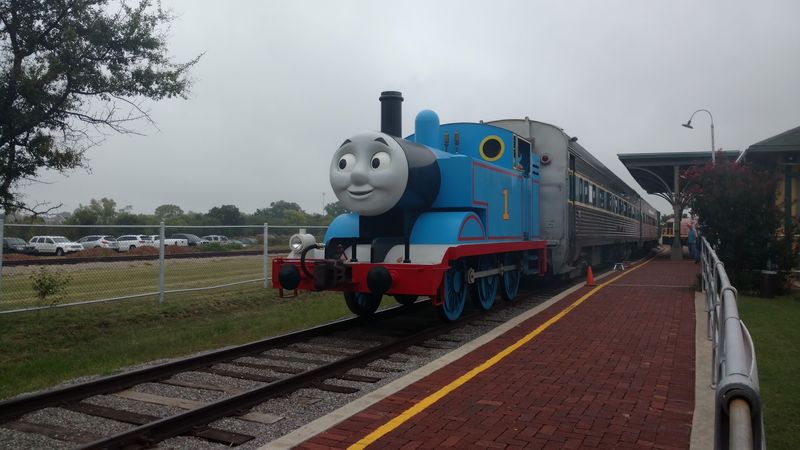
Beyond its regular operating days, the Oklahoma Railway Museum hosts a calendar of seasonal events that attract visitors who might not otherwise think to seek out a railroad attraction. These events layer theatrical storytelling and themed experiences on top of the museum’s existing collection, creating something closer to an immersive event than a simple museum visit.
The Polar Express ride is the most talked-about of these events. Families arrive in pajamas, children receive hot chocolate during the ride, and a cast of performers keeps the magic alive throughout the journey.
The production earns consistent praise for its interactive energy and the genuine delight it produces in young riders.
A Halloween train and a Steam Train event round out the fall calendar, giving the museum multiple seasonal touchpoints throughout the year. Each event tends to book up quickly, particularly the holiday rides, so purchasing tickets in advance is strongly recommended by the museum and echoed by visitors who have experienced long waits when arriving without reservations.
Looking ahead, the museum has announced plans for significant upgrades over the next several years as a historical society prepares to join the campus. Visitors who have already been once are already planning return trips to see how the experience evolves.
Who Enjoys This Place Most
Railroad museums can feel niche, but the Oklahoma Railway Museum draws a surprisingly wide range of visitors. Families with young children make up a significant portion of the crowd, drawn by the combination of free entry, outdoor space to roam, and the visual spectacle of machines that are simply too big to ignore.
Teenagers, often the hardest audience to impress on a family outing, tend to engage more readily here than their parents expect. Something about the scale and the industrial authenticity of the collection catches their attention in a way that polished, heavily curated exhibits sometimes do not.
The hands-on access to the cars helps considerably.
Train enthusiasts of all ages find the museum particularly rewarding. Railfans appreciate the breadth of rolling stock and the quality of the restoration work, while casual visitors enjoy the approachable way the guides explain what they are looking at without talking down to anyone.
Couples looking for an offbeat afternoon out, grandparents bringing grandchildren to something genuinely memorable, and solo visitors chasing Oklahoma’s quirky side all seem to leave satisfied. The museum does not require any particular background knowledge to enjoy, which is part of what makes it such an accessible addition to an Oklahoma City visit.
The 19th-Century Depot and Indoor Memorabilia
Anchoring the museum grounds is a 19th-century depot building that serves as both an entry point and an exhibit space in its own right. The structure carries the architectural character of a working railroad station from a much earlier era, and stepping inside immediately sets the tone for everything that follows outdoors.
Inside, railroad memorabilia fills the displays with artifacts that span the full arc of rail history in Oklahoma and beyond. Lanterns, signs, timetables, and mechanical components are arranged in a way that rewards slow, attentive browsing rather than a quick pass-through.
Each item connects to a broader story about how the railroad shaped the region’s development.
The indoor space also provides a temperature-controlled break from the Oklahoma heat, which becomes a genuine practical benefit during summer visits. The museum’s outdoor-heavy layout means most of the experience happens under the sun, making the depot a welcome midpoint rest stop during a longer visit.
Staff stationed near the depot are typically well-prepared to answer questions about the exhibits and the broader history of the museum. The combination of physical artifacts and knowledgeable people creates an educational layer that complements the more visceral experience of standing beside the full-sized locomotives outside.
Hours, Prices, and Getting There
Planning a visit requires a bit of calendar awareness. The Oklahoma Railway Museum is open Thursday through Saturday from 9 AM to 5 PM, and closed Sunday through Wednesday.
That Thursday-to-Saturday window is worth bookmarking, since showing up on a Sunday or Monday will mean a locked gate and a wasted trip across town.
General admission to the grounds and exhibits is completely free. The 45-minute train ride carries a ticket price of twelve dollars per adult, which covers the excursion and the onboard narration from the museum’s volunteer guides.
Seasonal events like the Polar Express are priced separately and tend to require advance ticket purchases given how quickly they sell out.
Train rides do not run every operating day. Through the summer months, excursions typically run on the first and third Saturdays of each month.
Checking the museum’s schedule at oklahomarailwaymuseum.org before arriving is the most reliable way to confirm ride availability. The museum can also be reached by phone at 405-424-8222 for questions about scheduling group tours.
The museum is located at 3400 NE Grand Blvd, Oklahoma City, OK 73111. Parking on site is available, and the outdoor layout means arriving with comfortable walking shoes and weather-appropriate clothing makes a real difference in the overall experience.
A Soft Verdict on a Surprisingly Rewarding Stop
Not every attraction needs to be a sprawling, all-day destination to leave a lasting impression. The Oklahoma Railway Museum earns its reputation through a combination of free access, genuine historical depth, and the kind of warm, knowledgeable human presence that makes a place feel worth returning to.
The twelve-dollar train ride is the easy recommendation here. For the price of a fast-food lunch, visitors get 45 minutes of rolling through Oklahoma railroad history aboard a real vintage train, guided by volunteers who clearly find meaning in what they do.
That combination of affordability and authenticity is genuinely rare.
A few things are worth setting realistic expectations around. The grounds are primarily outdoors, so weather matters.
The train travels forward and back rather than completing a loop, and the overall scale of the museum is modest rather than overwhelming. Visitors who arrive knowing those details tend to leave far more satisfied than those expecting something larger.
For anyone road-tripping through Oklahoma, curious about the state’s transportation heritage, or simply looking for a genuinely different afternoon in Oklahoma City, this museum delivers something that sticks. Come for the free entry, stay for the ride, and leave with a new appreciation for the machines that built the American interior.
Share this story