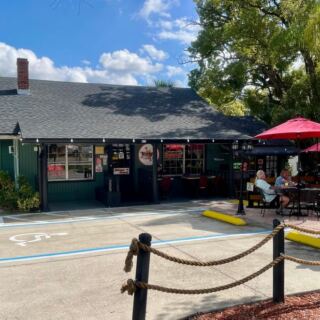
Oklahoma has a habit of hiding its most remarkable places behind ordinary-looking exteriors, and this one is no exception. Somewhere in the Oklahoma City area sits a museum that stops first-time visitors cold the moment they step inside.
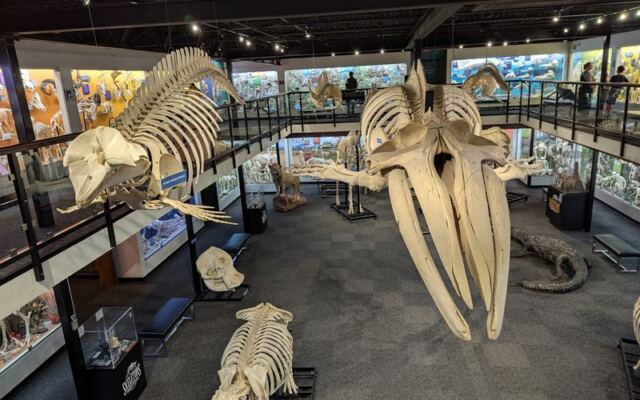
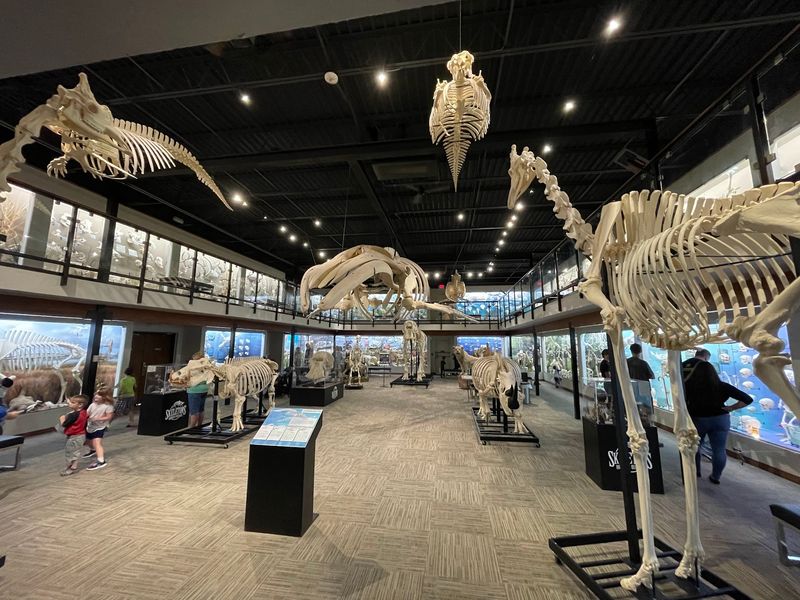
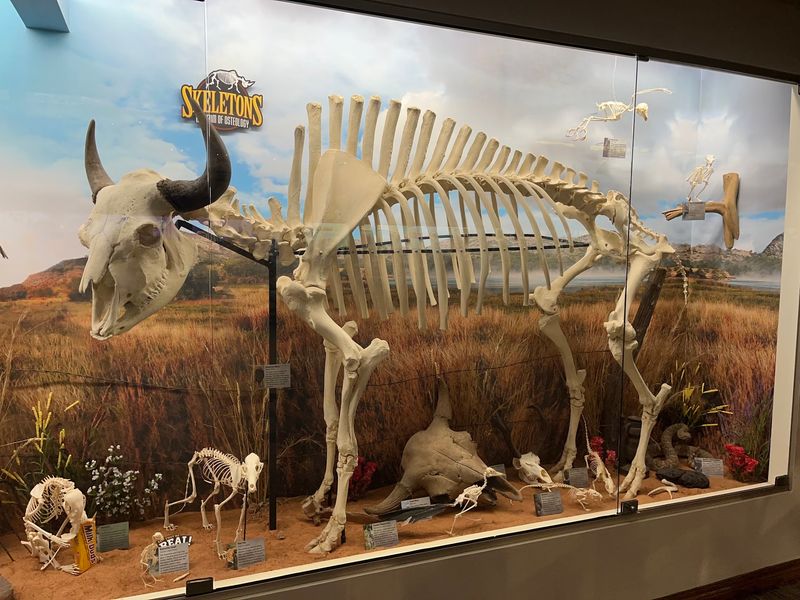
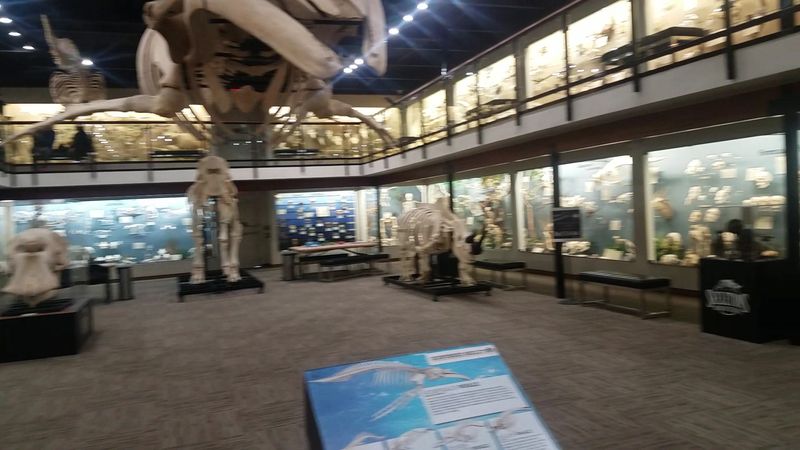
Floor to ceiling, wall to wall, more than 300 real animal skeletons stare back at you in carefully arranged displays that are equal parts science class and wonder cabinet. Whether you are eight years old or eighty, the experience tends to stick with you long after you leave.
What SKELETONS: Museum of Osteology Actually Is
Most museums ask you to keep your hands to yourself. This one practically hands you a bone and says go ahead.
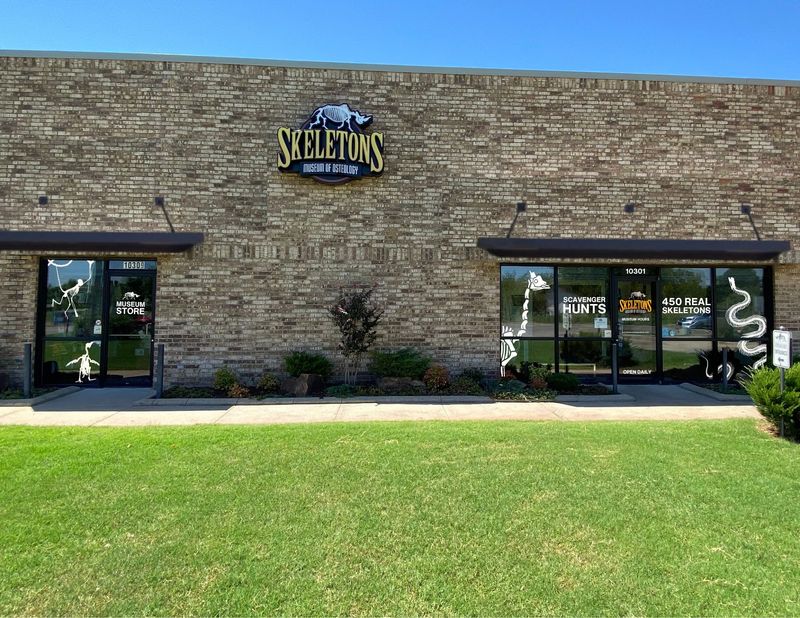
SKELETONS: Museum of Osteology, located at 10301 S Sunnylane Rd in Oklahoma City, Oklahoma, is a one-of-a-kind educational institution built around a collection of more than 300 real animal skeletons, skulls, and osteological specimens arranged across a series of engaging gallery spaces.
The museum is operated by the team behind Skulls Unlimited, a world-renowned osteological supply company, which means the collection carries serious scientific credibility. Every specimen on display has been donated, giving the whole place an ethically grounded foundation that visitors frequently notice and appreciate.
Far from a gimmick attraction, the museum blends rigorous natural history education with an atmosphere that genuinely welcomes curiosity. School groups, families, solo explorers, and even professional students in fields like massage therapy have all found something meaningful here.
The sheer variety of species represented, from tiny insects to towering giraffes, makes each visit feel like a new discovery waiting around every corner.
The Story Behind the Collection
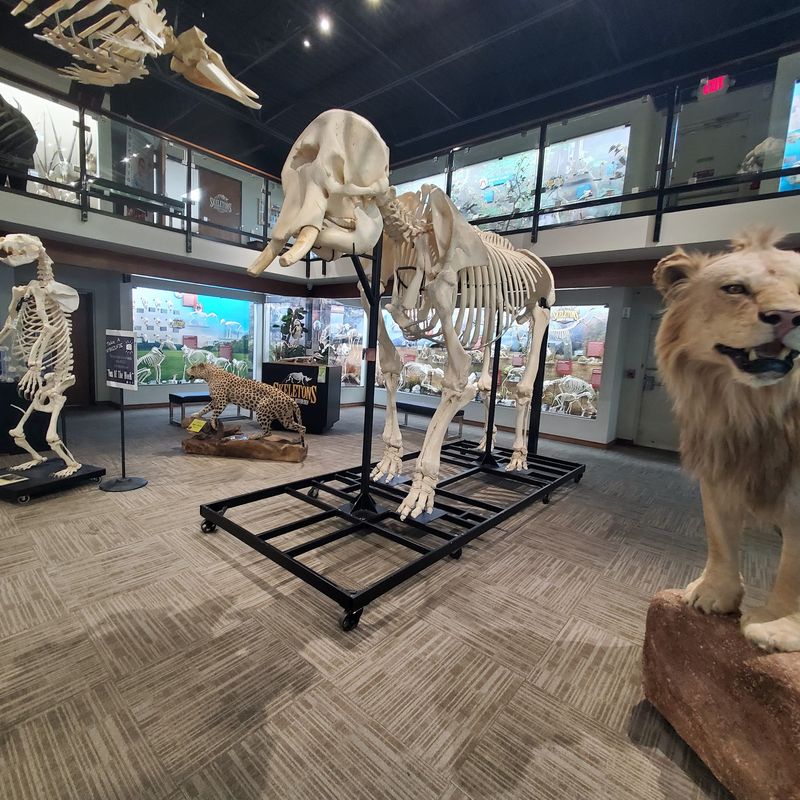
Behind every skeleton in this museum is a story worth knowing. The collection grew out of Skulls Unlimited, a company that has spent decades preparing and supplying osteological specimens to scientists, researchers, and educators around the world.
When the founders decided to open a public-facing museum, they already had access to one of the most comprehensive private collections of animal skeletons on the planet.
Crucially, every specimen in the museum has been donated rather than sourced through practices that would raise ethical concerns. The staff takes genuine pride in this distinction, and visitors who ask about origins tend to walk away impressed by the transparency.
That ethical foundation shapes the entire atmosphere of the place, giving the displays a sense of respect and purpose that elevates them above simple novelty.
The museum appeared on the television program Dirty Jobs, which introduced it to a national audience and brought in fans who had been waiting years for a chance to visit in person. Many of those visitors report that the real experience surpassed even their highest expectations.
The collection continues to grow, with staff regularly adding new specimens from the comparative collection behind the scenes.
Standout Specimens That Stop Visitors Cold
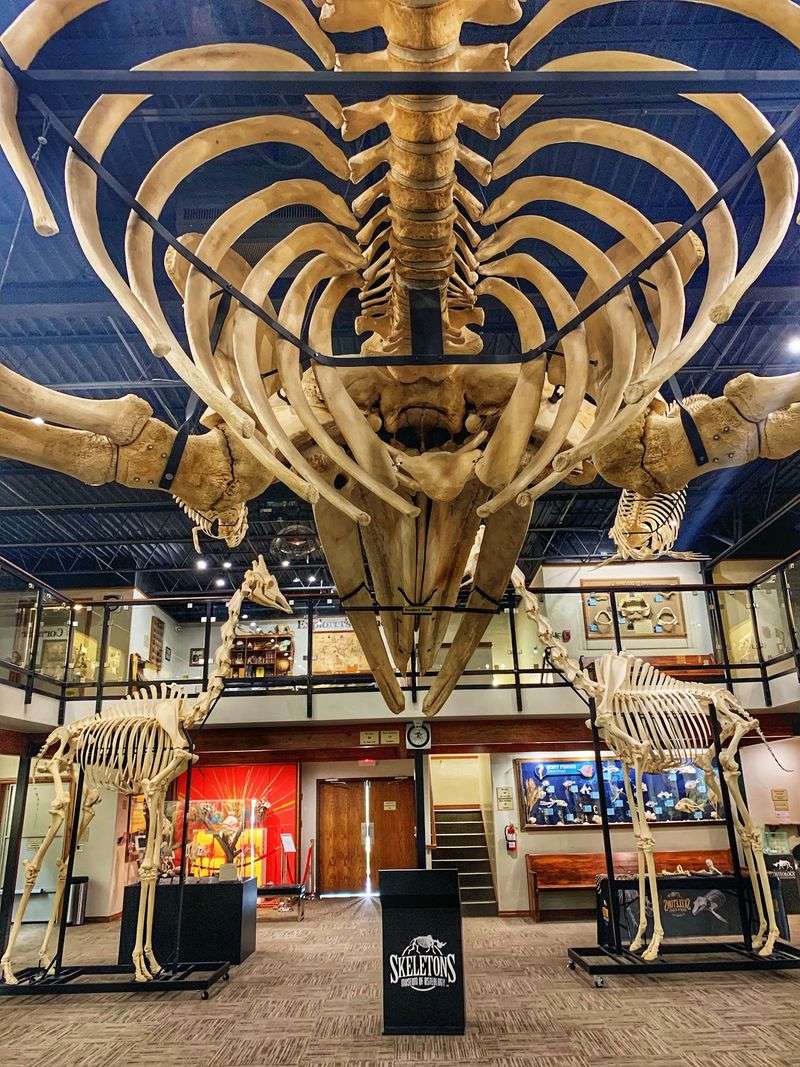
Somewhere between the entrance and the far wall, most visitors stop walking and just stare. The anaconda skeleton alone tends to produce that reaction, its enormous length coiled and mounted in a way that makes the animal’s scale genuinely startling.
Right alongside it, the giraffe skeleton towers over the surrounding displays, a reminder of just how extraordinary vertebrate anatomy can be when you strip away everything except the bones.
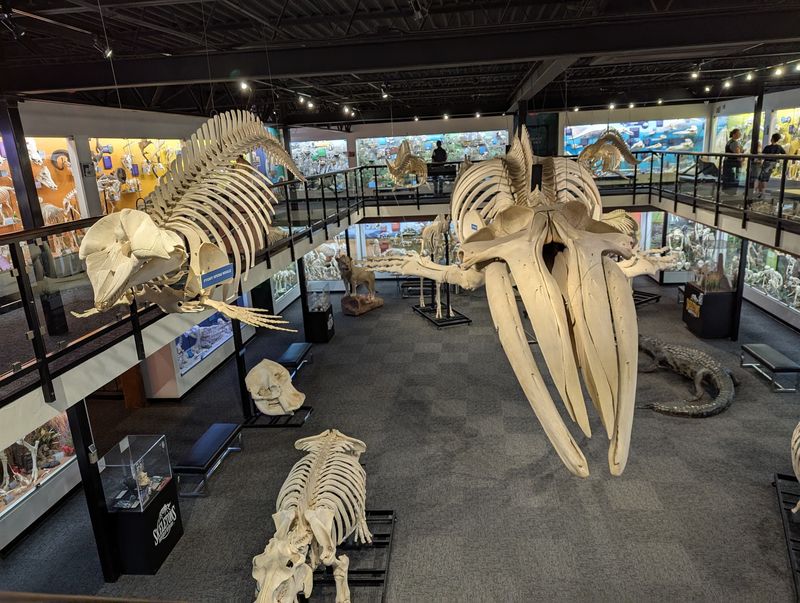
Beyond those showstoppers, the museum is packed with specimens that reward slower, closer attention. Scrimshaw and ivory artifacts tucked into smaller displays catch visitors off guard, as do the comparative skull arrangements that let you place a human cranium visually next to those of dozens of other species.
The breadth of the collection is what keeps people moving through the space long after they expected to be done.
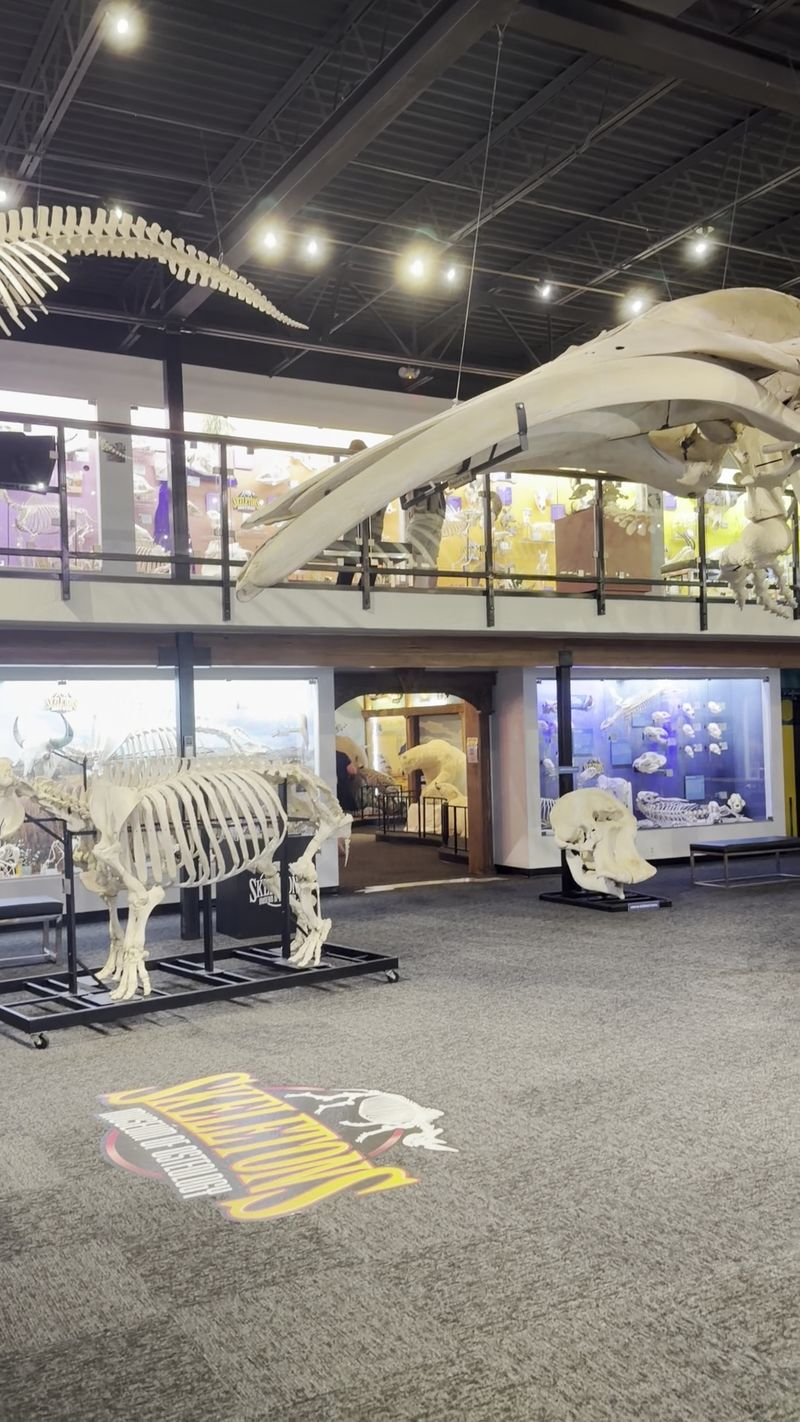
According to the museum itself, what visitors see on the floor represents less than ten percent of the full collection. That fact alone tends to reframe the entire visit.
Knowing that hundreds more specimens exist behind the scenes transforms the displayed collection from something impressive into something that feels genuinely monumental in scope and ambition.
Hands-On Exhibits and the Scavenger Hunt
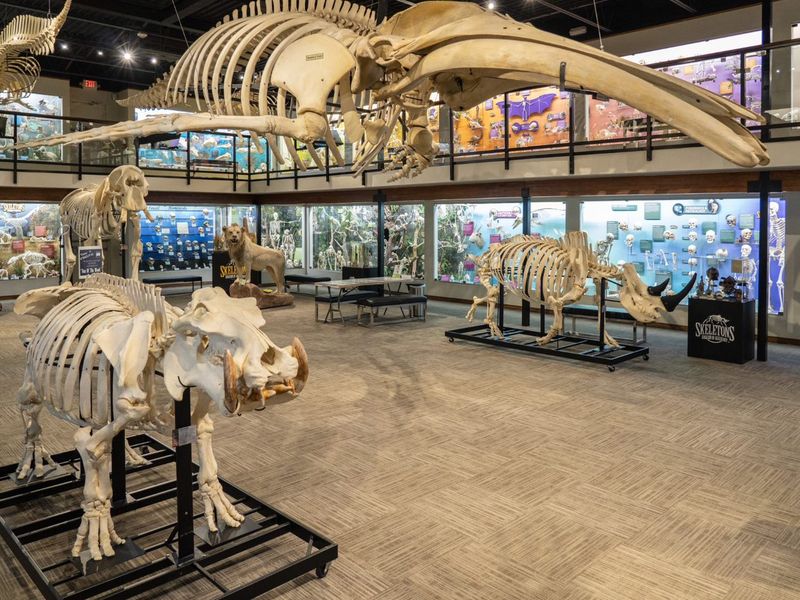
Plenty of museums display remarkable things behind glass and ask you to admire them from a respectful distance. Here, the philosophy runs in the opposite direction entirely.
If a specimen is not enclosed in a case, visitors are actively encouraged to touch it, feel the texture of real bone, and engage with the material in a way that no photograph or textbook ever quite replicates.
The hands-on policy makes a measurable difference for younger visitors in particular. Kids who might fidget through a conventional exhibit tend to slow down and focus when they are allowed to pick up a real skull or run their fingers along a vertebra.
Parents and teachers consistently mention this as one of the highlights of the experience, and repeat visitors say it never loses its appeal no matter how many times they return.
The scavenger hunt, mentioned by more than 130 visitors in their feedback, adds a structured layer of discovery to the visit. Families can grab a hunt sheet and work through the museum as a team, finding specific specimens and answering questions along the way.
New versions of the scavenger hunt get added periodically, giving returning visitors a fresh reason to look at familiar displays with new eyes.
Sir Indiana Bones and the Museum’s Personality
Not every museum has a mascot, but then again, not every museum is quite like this one. Sir Indiana Bones is the resident canine ambassador of SKELETONS: Museum of Osteology, and he has developed something of a fan following among visitors who make a point of seeking him out during their trips.
His name alone tells you something about the sense of humor woven into the fabric of this place.
That playful spirit extends well beyond one charming dog. The staff, consistently described by visitors as friendly, knowledgeable, and genuinely enthusiastic, bring a warmth to the experience that keeps the museum from feeling clinical or intimidating.
Whether someone is a first-timer trying to figure out where to start or a repeat visitor looking for newly added specimens, the team seems happy to help and clearly loves what they do.
The museum refers to its staff collectively as the Skeleton Crew, a nickname that perfectly captures the blend of professionalism and personality that defines the place. That kind of institutional character is rare, and it contributes significantly to why visitors leave feeling like they have experienced something genuinely special rather than just another roadside stop on an Oklahoma City itinerary.
Special Events Including Forensic Nights
Regular visiting hours are just the beginning of what this museum offers. SKELETONS: Museum of Osteology runs a calendar of special events that push the educational experience into genuinely thrilling territory, and the most talked-about of these are the Forensic Nights.
These after-hours events bring visitors into direct contact with the science of osteology in ways that go well beyond what a standard daytime visit covers.
Forensic Nights tend to sell out, which is worth keeping in mind when planning a trip. The museum’s own staff recommends booking well in advance, especially for groups.
Owl Pellet Dissection workshops are another popular offering, giving participants a chance to work through the process of identifying small animal remains in a guided, hands-on setting that appeals to curious minds of all ages.
Classes and workshops round out the events calendar, making the museum a destination not just for casual visitors but for people who want a deeper engagement with natural history and biological science. Field trips from schools and professional programs have both found the educational offerings genuinely valuable.
For anyone who wants to experience the museum at its most immersive, checking the events schedule before visiting is a smart move that can transform a good trip into an unforgettable one.
Who the Museum Suits Best
Broad age appeal is something a lot of attractions claim and few actually deliver. Here, the claim holds up.
Families with children as young as toddlers and as old as teenagers all report finding something to connect with, and adults visiting without kids are equally enthusiastic about the experience. The mix of visual spectacle, tactile engagement, and genuine scientific content creates something that works across a wide range of interests and attention spans.
Groups with low mobility or accessibility needs will find the layout manageable, though visitors note that the elevator requires a staff member to activate, so asking at the front desk is a good first step. The overall footprint of the museum is compact enough that it does not exhaust visitors, while still containing enough material to fill an hour to an hour and a half of focused exploration.
Educational professionals have brought the museum into their teaching in creative ways. A massage therapy instructor brought her students and reported that the osteological displays offered directly applicable learning that complemented their coursework.
Science teachers, homeschooling families, and curious adults with no formal connection to biology all seem to find the museum equally rewarding, which is a rare and genuinely impressive quality for any single venue to achieve.
The Gift Shop and Coin Stamp Station
Tucked into the museum experience is a gift shop that visitors consistently describe as unlike anything they have encountered elsewhere. The inventory leans heavily into the osteological theme, with skull replicas, bone-related novelties, and educational items that extend the learning beyond the museum walls.
For anyone hunting for a genuinely unusual souvenir, this is a promising place to browse.
Opinions on pricing vary. Some visitors feel the selection justifies the cost, while others find certain items on the higher end of what they expected to spend.
The museum’s parent company, Skulls Unlimited, maintains an online store with a broader range of products available for free local pickup, which gives budget-conscious shoppers an alternative route to the merchandise they want.
For collectors of pressed pennies and elongated coins, the museum also operates a coin stamp station, a small but appreciated detail that adds a layer of charm to the exit experience. It is the kind of thoughtful touch that signals genuine attention to visitor enjoyment across every part of the visit, not just the main gallery.
Families with kids who collect these coins tend to make a beeline for it on the way out, turning a simple departure into one more small memory from the trip.
Hours, Tickets, and Getting There
Planning a visit is straightforward once you know the basics. SKELETONS: Museum of Osteology is open Tuesday through Friday from 9 AM to 5 PM, Saturday from 10 AM to 5 PM, and Sunday from 11 AM to 5 PM.
Monday hours also run 9 AM to 5 PM, making the museum accessible across most of the week for travelers with flexible schedules.
Tickets are consistently described by visitors as very affordable, and the museum offers a small discount for purchasing online in advance. Given how much is packed into the experience, the value proposition is something that comes up repeatedly in visitor feedback, with many people noting they expected to pay more for what they received.
Groups and field trip organizers can reach the museum directly at 405-814-0006 to discuss arrangements.
The museum sits at 10301 S Sunnylane Rd, Oklahoma City, OK 73160, in a location that is accessible by car and easy enough to find with standard navigation. More information, including the events calendar and online ticketing, is available at skeletonmuseum.com.
For anyone passing through Oklahoma City or planning a dedicated day trip, this museum earns its place near the top of the itinerary without any need for qualification or caveat.
Share this story