Somewhere in southwestern Oklahoma, ancient granite peaks rise from the plains like the land itself is showing off. Roaming among those rocky ridges are bison, longhorns, elk, and prairie dogs living exactly as they have for centuries.
Few places in the entire state pack this kind of wild wonder into a single road trip, and the best part is that most of it costs absolutely nothing to enjoy. Pull up a map, top off the tank, and get ready for one of Oklahoma’s most unforgettable outdoor adventures.
The Refuge and Its Place on the Oklahoma Map
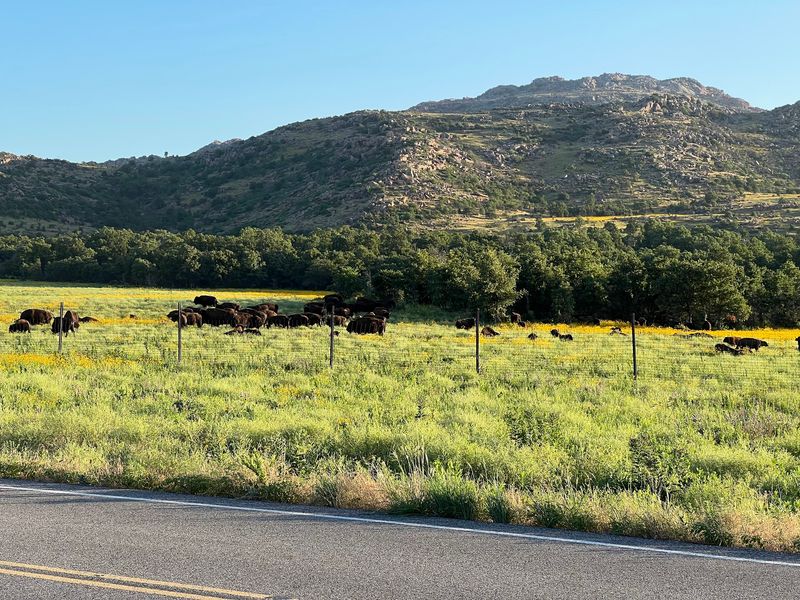
Tucked into the rolling plains of southwestern Oklahoma near Lawton, the Wichita Mountains Wildlife Refuge is one of the oldest managed wildlife areas in the United States. Established in the early 1900s, the refuge sprawls across more than 59,000 acres of mixed-grass prairie, granite outcroppings, and clear-water lakes that look almost too picturesque to be real.
Getting there is straightforward. The refuge sits along Oklahoma State Highway 49, making it accessible from Lawton in under 30 minutes and reachable from Oklahoma City in roughly two hours.
Road-trippers passing through the region often find themselves pulling off the highway after spotting a bison grazing just a few feet from the roadside.
What sets this place apart from a standard park visit is the sheer scale of wildness on display. There are no fences separating visitors from the animals, no manicured trails forcing a particular route, and no admission gates slowing you down.
The refuge simply opens itself up and lets you explore at your own pace, which is exactly the kind of Oklahoma adventure worth planning a weekend around.
Ancient Granite Peaks and the Landscape That Defines the Refuge
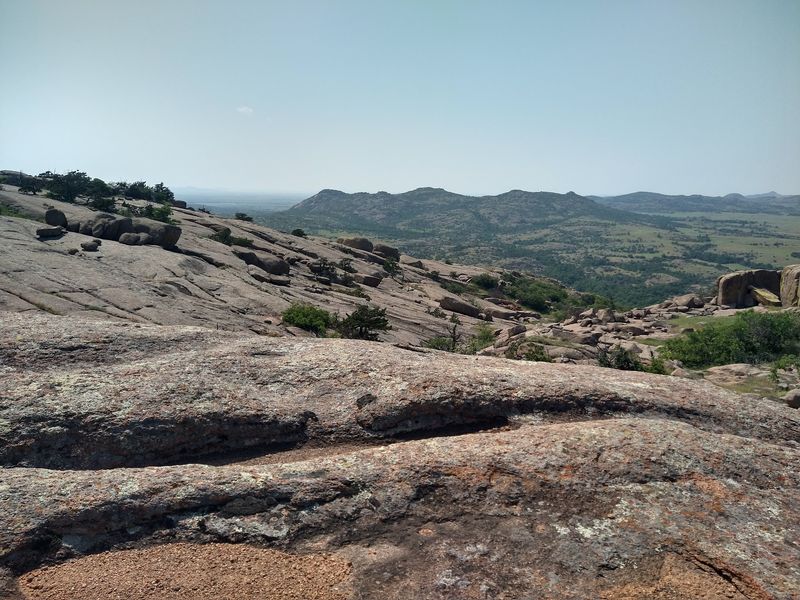
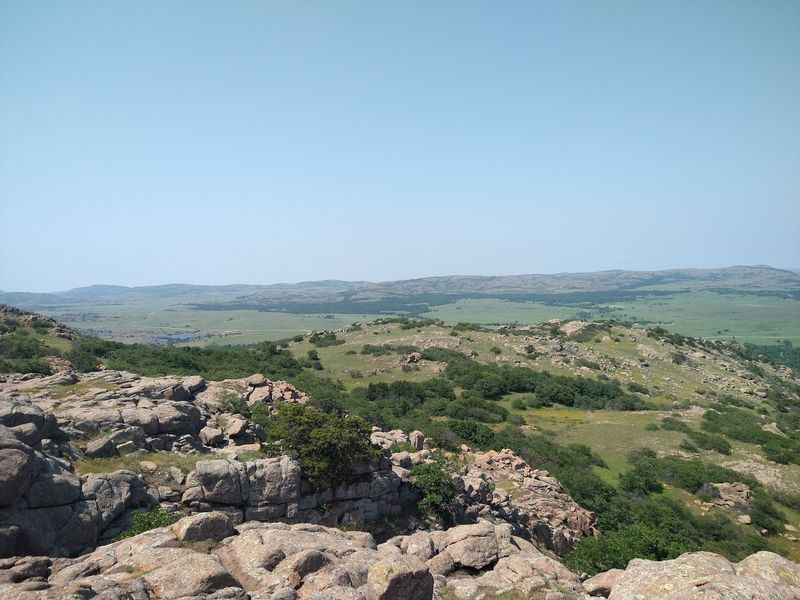
Long before the bison arrived, the geology did the heavy lifting. The granite formations scattered across the Wichita Mountains are among the oldest exposed rocks in North America, some dating back more than 500 million years.
Rounded by time and weather into smooth, stacked boulders, they give the landscape a look that feels more like a fantasy novel than central Oklahoma.
Mount Scott is the crown jewel of the range, rising to about 2,464 feet and offering a paved road that winds all the way to the summit. On a clear day, the views stretch across the plains in every direction, and visitors say the experience of standing at the top feels genuinely humbling.
Fog rolling across the peaks adds its own kind of mystery, making even a cloudy visit memorable.
Beyond Mount Scott, the rocky terrain shapes every hike, every photo, and every quiet moment in the refuge. Boulders the size of houses frame meadows where elk graze at dusk.
Wildflowers push up through granite cracks in spring. The landscape is not dramatic in a showy way but pulls you in slowly, the way a great story does, until you realize you have been standing still for much longer than you planned.
Bison: The Living Symbol of the Southern Plains
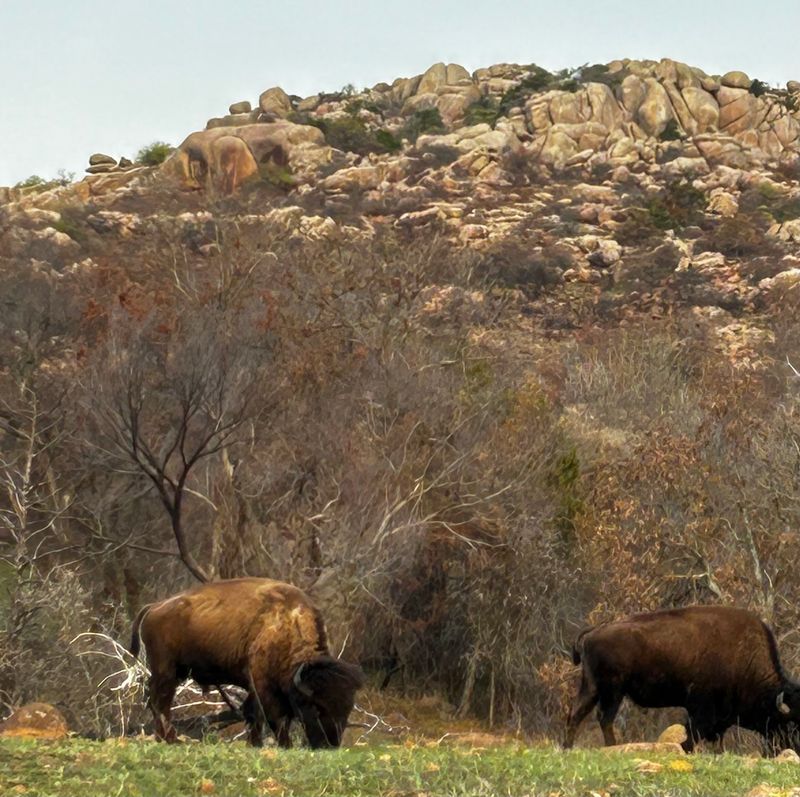
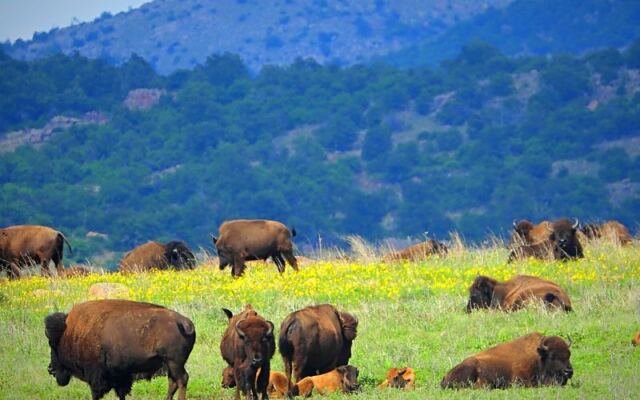
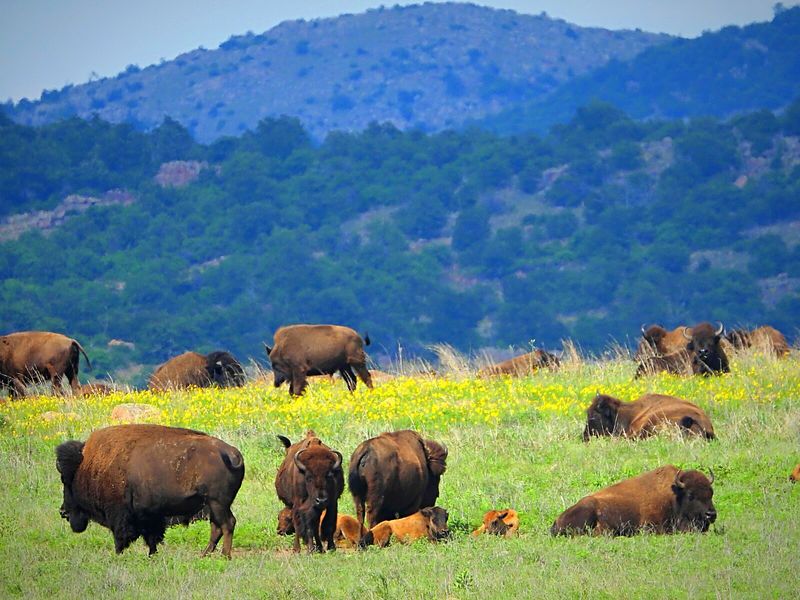
Nothing prepares you for the first time a bison wanders across the road in front of your car. These animals are enormous, calm, and completely unbothered by human presence, which makes encounters feel both thrilling and strangely peaceful.
The refuge herd numbers in the hundreds, descendants of animals brought here over a century ago to help save the species from near disappearance.
Spotting bison is rarely difficult. Visitors report seeing dozens at a time, often right after entering the refuge along the main road.
On rainy or overcast days, the herd tends to spread out across open meadows in large clusters, making for some of the most dramatic wildlife photography in the entire state. Patience is rarely required when the herd is active.
The historical weight of seeing these animals roam freely across Oklahoma grasslands is hard to overstate. At one point, tens of millions of bison covered the Great Plains, and their near-total loss in the 19th century reshaped both the land and the cultures that depended on them.
Watching a massive bull graze quietly against a backdrop of ancient granite peaks is not just a wildlife sighting. It is a glimpse at something that was almost lost forever, now slowly, stubbornly coming back.
Texas Longhorns Roaming Free Across Oklahoma Grasslands
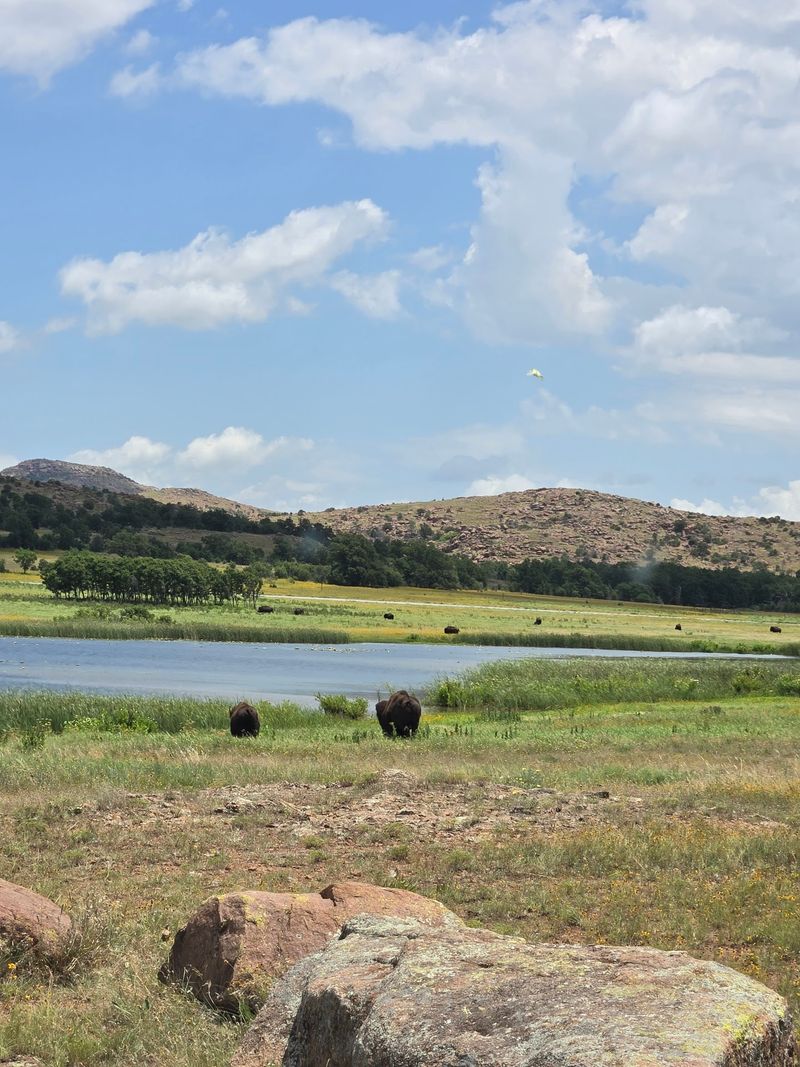
Sharing the range with the bison is a herd of Texas Longhorns, and their presence adds a distinctly Oklahoma flavor to the whole experience. With horn spans that can stretch past five feet, these cattle are every bit as photogenic as the bison and arguably more surprising to encounter up close.
Most visitors do not expect to find free-roaming longhorns in a federal wildlife refuge.
The longhorn herd at the Wichita Mountains has a conservation story of its own. By the late 1800s, the Texas Longhorn breed had nearly vanished, replaced by more commercially efficient cattle.
The refuge helped preserve a purebred population, and today those animals graze alongside bison across the same open landscape. Seeing both species share the same meadow is a genuine Oklahoma wildlife moment worth stopping the car for.
Longhorns tend to wander closer to the road edges and tree lines, making roadside sightings common for anyone driving slowly and paying attention. Their temperament is calm, though rangers always recommend keeping a respectful distance.
Up close, the sheer width of their horns against the granite skyline creates a photograph that looks almost too cinematic to be candid. Few road trips in Oklahoma deliver this kind of unexpected visual payoff.
Prairie Dog Towns and the Charm of the Small and Overlooked
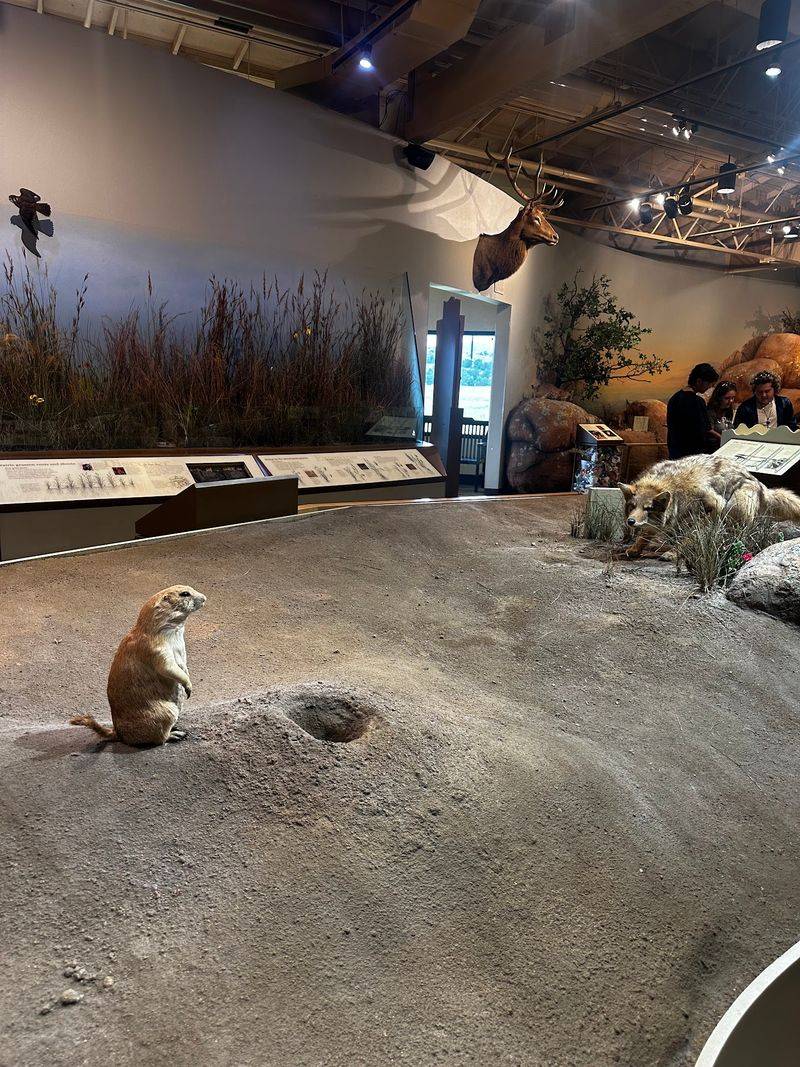
Among all the wildlife at the refuge, prairie dogs might be the most entertaining to watch. These small, social rodents live in sprawling underground colonies called towns, and their constant popping in and out of burrow mounds, combined with their habit of standing upright and barking at anything that moves, makes them endlessly watchable.
Kids and adults both tend to linger here far longer than expected.
Prairie dog viewings have become one of the most talked-about experiences at the refuge, and the colonies are easy to find once you know where to look. The animals are most active in the morning and late afternoon, when the light is also best for photography.
Their alarm calls ripple across the colony in waves, creating a kind of synchronized chaos that is equal parts funny and fascinating.
Ecologically, prairie dogs punch well above their weight class. Their burrows provide shelter for burrowing owls, ferrets, and other species that depend on the tunnels for survival.
Their grazing keeps grass short and promotes plant diversity across the prairie. Watching a prairie dog town in action is really watching an entire micro-ecosystem operate in real time, which gives even a casual visit a satisfying layer of depth that goes beyond simple animal spotting.
Elk, Armadillos, and the Bonus Wildlife You Did Not Expect
Bison and longhorns get top billing, but the supporting cast at the Wichita Mountains is genuinely impressive. Elk roam the refuge in significant numbers, and visitors frequently report spotting herds of six or more without any particular effort.
Early morning and late afternoon are the prime windows, especially near wooded edges and open meadows where the animals feel most comfortable.
Armadillos make regular appearances near the refuge entrance and along roadside edges, often at dusk when they shuffle through leaf litter looking for insects. They are surprisingly easy to miss until one crosses right in front of your headlights.
Eastern Collared Lizards, locally nicknamed Mountain Boomers, add a flash of vivid color to rocky outcroppings throughout the warmer months, and patient hikers sometimes spot tarantulas crossing the roads in late summer and early fall.
The variety of wildlife here reflects how well-managed and ecologically intact the refuge has remained over more than a century of conservation. What looks like a casual drive through Oklahoma grasslands is actually a functioning ecosystem where predator-prey relationships, seasonal migrations, and habitat diversity are all quietly doing their jobs.
Every visit has the potential to deliver something genuinely unexpected, which is exactly the kind of unpredictability that keeps people coming back season after season.
Hiking Trails, Wildflower Routes, and Getting Off the Pavement
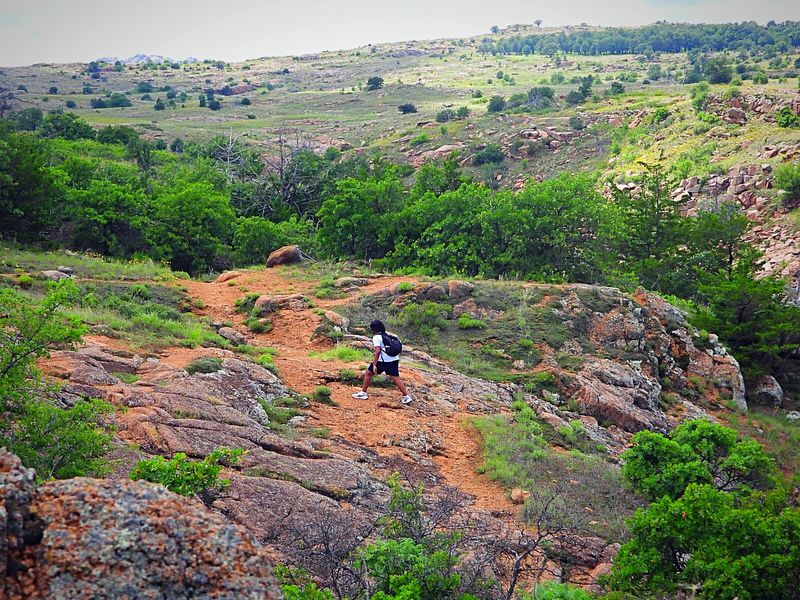
Driving the main road is a perfectly valid way to experience the refuge, but stepping off the pavement reveals a completely different side of the landscape. Trails wind through boulder fields, across creek crossings, and up rocky ridgelines where the views open up in ways that no car window can replicate.
The Wildflower Hike is a particular favorite, drawing visitors who want to see the prairie in full bloom during spring and early summer.
Trail difficulty ranges from easy, flat walks suitable for families with young children to more rugged routes that require solid footing and plenty of water. Rangers recommend starting hikes early, especially in warmer months, since the granite amplifies heat and shade is limited across much of the terrain.
Carrying more water than you think you need is standard advice for any trail in the refuge.
Waterfalls appear at certain times of year when seasonal rains push water over the granite ledges, creating short-lived but beautiful cascades that reward visitors who time their trips right. The combination of rock, water, wildflowers, and wildlife makes the hiking experience at the Wichita Mountains genuinely multidimensional.
Each trail feels like its own small adventure, and even a 30-minute walk can produce encounters that stick with you long after you have driven home.
The Visitor Center as the Essential First Stop
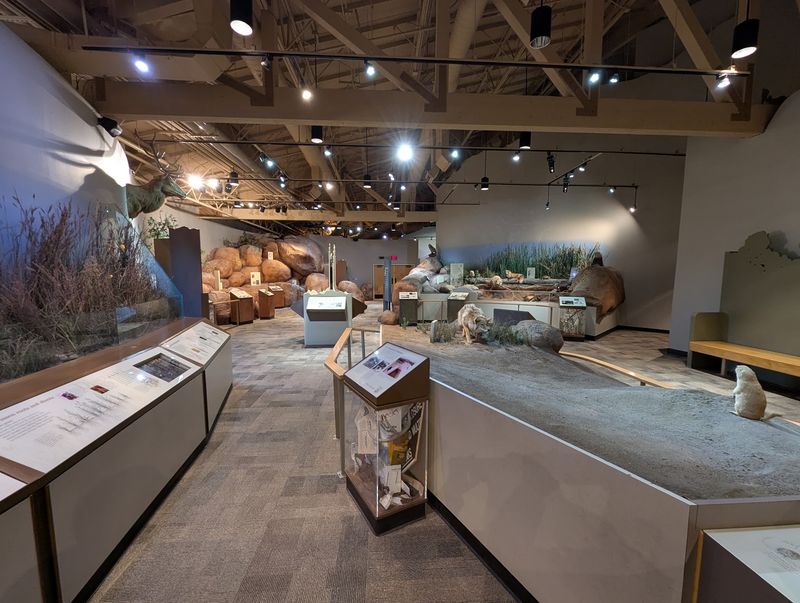
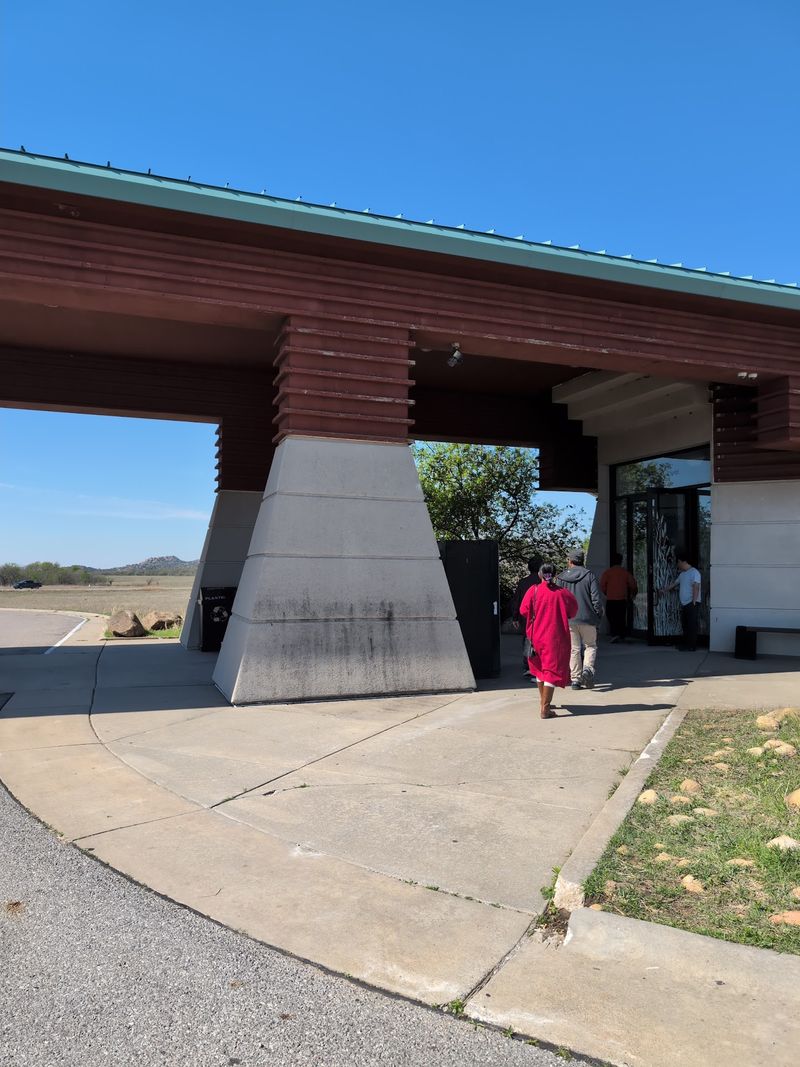
Before heading out into the refuge, the Visitor Center on OK-49 deserves a proper stop. Staff members are consistently praised for being knowledgeable, warm, and genuinely enthusiastic about helping visitors make the most of their time.
Rangers and volunteers at the front desk will draw on refuge maps to mark the best wildlife-spotting locations, active trail conditions, and any areas where prescribed burns or other activities might affect the day’s plans.
Inside the building, a free museum covers the natural and cultural history of the refuge through exhibits, educational films, stuffed animal displays, artwork, and interactive learning stations. The content is well-organized and genuinely engaging for visitors of all ages, including younger kids who might otherwise lose interest quickly.
Clean restrooms, a water fountain, and vending machines for cold drinks are all available inside, making it a practical stop as much as an informative one.
The building is wheelchair accessible, air-conditioned, and equipped with ample parking. There is no admission fee for the Visitor Center or for entering the refuge itself.
A gift shop offers souvenirs, and staff there have been noted for helping visitors find what they need without any pressure. Arriving right at opening time, 9 AM, tends to give you the best chance of a relaxed conversation with staff before the crowds arrive.
The Holy City of the Wichitas and the Spiritual Landscape Nearby
A short distance from the main refuge roads sits one of Oklahoma’s more quietly remarkable landmarks: the Holy City of the Wichitas. Built into the rocky landscape beginning in the 1920s, this outdoor amphitheater and collection of stone structures was designed to host an annual Easter pageant and has drawn visitors for nearly a century.
The setting, ringed by granite peaks and open sky, gives the place an atmosphere that is hard to describe but easy to feel.
Visitors who make the short detour consistently say the Holy City adds a meaningful layer to the overall refuge experience. Whether you are drawn by the history, the architecture, or simply the striking backdrop of boulder-strewn hills behind the stone buildings, the stop takes only 20 to 30 minutes but tends to linger in memory.
The scale of the outdoor space and the quietness of the surrounding landscape make it feel genuinely removed from everyday life.
The site complements the natural beauty of the refuge by adding a human story to the landscape, one that stretches back generations and connects the granite peaks to something beyond geology. Combined with a drive up Mount Scott and a stop at the Visitor Center, the Holy City rounds out a full day in the Wichitas with something that feels unexpected, reflective, and worth the short drive off the main road.
Practical Details for Planning Your Visit
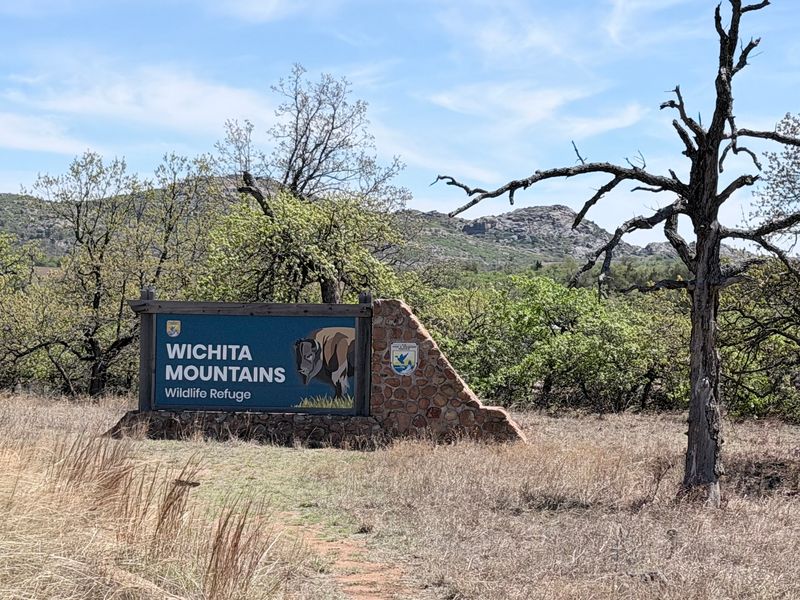
Planning a trip to the Wichita Mountains Wildlife Refuge is refreshingly uncomplicated. The refuge is open year-round, and the Visitor Center operates daily from 9 AM to 5 PM.
There is no admission fee to enter the refuge, no parking charges, and no reservation system required for general exploration. The entire experience, from wildlife spotting to hiking to visiting the Visitor Center, can be enjoyed for free, making it one of the best value outdoor destinations in Oklahoma.
Weekends tend to draw larger crowds, and parking near popular trailheads can fill up by mid-morning during peak seasons. Arriving early on Saturday or Sunday gives you the best chance of securing a good spot and hitting the trails before the heat builds.
For summer visits, carrying a full water bottle is not optional. The granite terrain and open prairie offer very little shade, and temperatures can climb quickly after 10 AM.
The Visitor Center phone number is 580-429-3222 for anyone needing current trail conditions or event information before arriving. The refuge website at fws.gov provides updated maps, trail guides, and details on any seasonal closures.
Nearby Fort Sill and the town of Medicine Park offer additional stops worth building into a full-day itinerary, turning a simple refuge visit into a complete southwestern Oklahoma road trip experience.
Who Belongs Here and Why the Refuge Rewards Every Type of Visitor
Few outdoor destinations in Oklahoma manage to appeal equally to nature photographers, casual road-trippers, families with young children, and serious hikers, but the Wichita Mountains Wildlife Refuge pulls it off without much effort. The variety of experiences available, from a 15-minute drive-through wildlife loop to a full-day hiking and kayaking adventure, means different visitors can each find something that fits their pace and interest level.
Families with kids respond especially well to the prairie dog towns and the close-range bison encounters, both of which deliver the kind of genuine excitement that no zoo exhibit can replicate. Photographers find the granite backdrops, golden-hour light, and unpredictable wildlife movements endlessly rewarding.
History enthusiasts can layer in visits to Fort Sill, the Holy City of the Wichitas, and the Visitor Center exhibits to build a trip that covers both natural and cultural Oklahoma history.
First-time visitors often arrive expecting a modest nature drive and leave genuinely surprised by how much the refuge offers. Repeat visitors, and there are many, tend to develop favorite trails, preferred wildlife-watching spots, and personal rhythms for exploring the landscape across different seasons.
The Wichita Mountains have a way of earning loyalty from the people who find them, quietly and without any fanfare, which might be the most Oklahoma thing about the whole experience.
Share this story