Sometimes the most memorable meals in Illinois happen behind the most forgettable facades. You walk past a narrow storefront on a busy city street, half-convinced there is nothing worth stopping for, and then the smell of something rich and savory pulls you back.
Once you step inside and settle into a booth, you realize you have stumbled onto exactly the kind of place locals guard like a personal secret.
A Corner of Chicago That Quietly Keeps German Tradition Alive
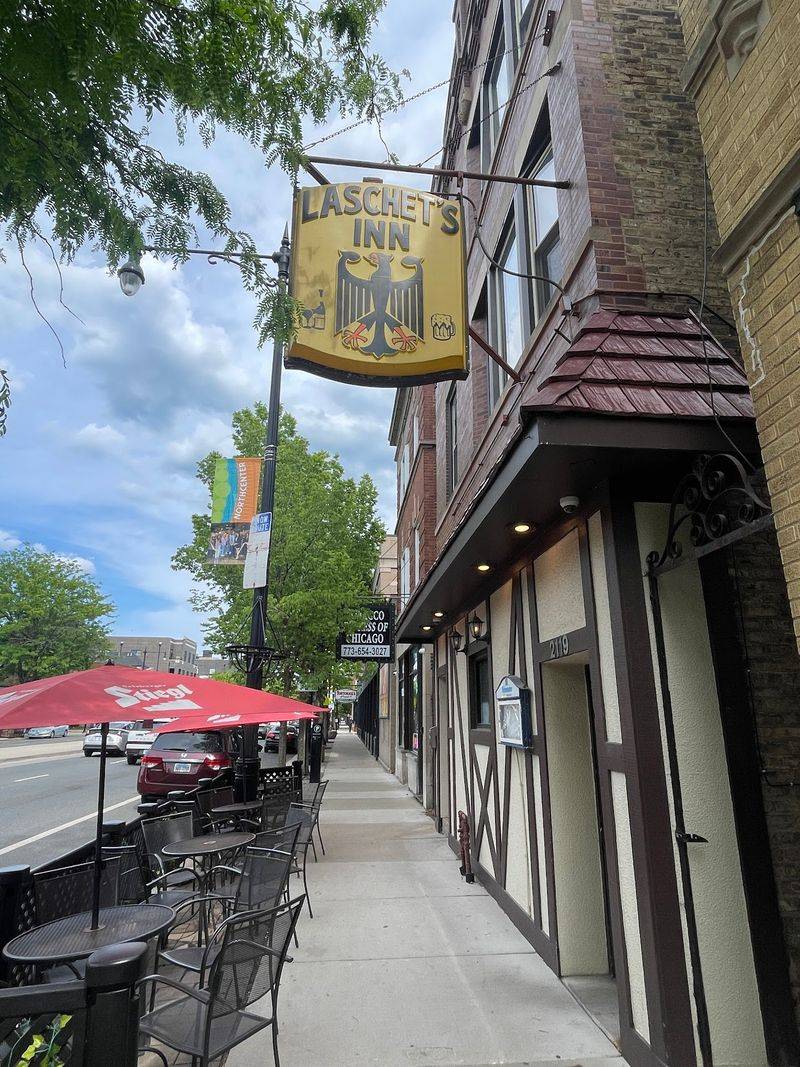
Tucked along West Irving Park Road in Chicago’s North Center neighborhood, Laschet’s Inn sits so quietly that first-timers often drive past it twice. There is no flashy marquee, no valet stand, and no velvet rope.
Just a modest entrance that gives almost nothing away about what waits on the other side.
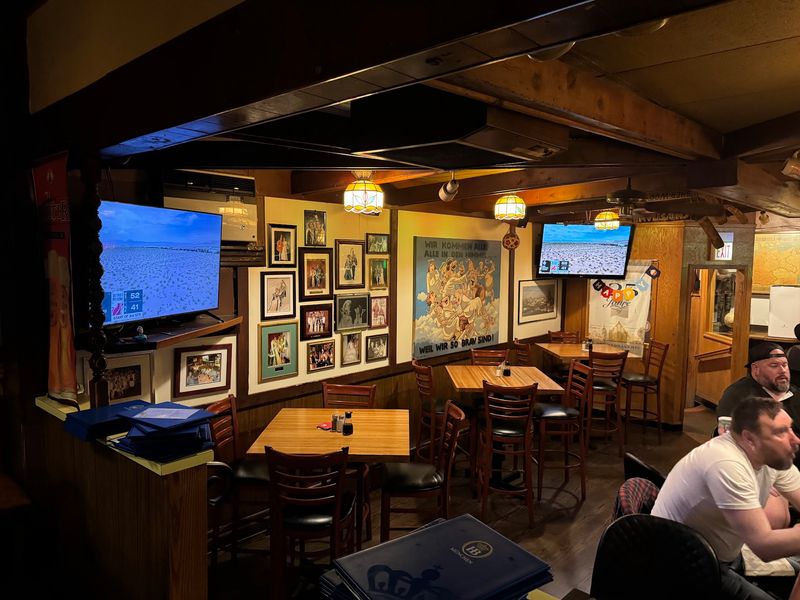
Inside, the story changes completely. Old photographs line the walls, knickknacks fill every corner, and the low hum of conversation wraps around you like a warm coat.
Regulars mention that stepping through the door feels like crossing into a different country entirely.
For a city as food-obsessed as Chicago, Laschet’s occupies a rare lane. It is not trying to reinvent German cuisine or dress it up for social media.
The focus is squarely on honest, traditional food served in a space that feels genuinely lived-in and proud of its roots.
The History Baked Into Every Wall
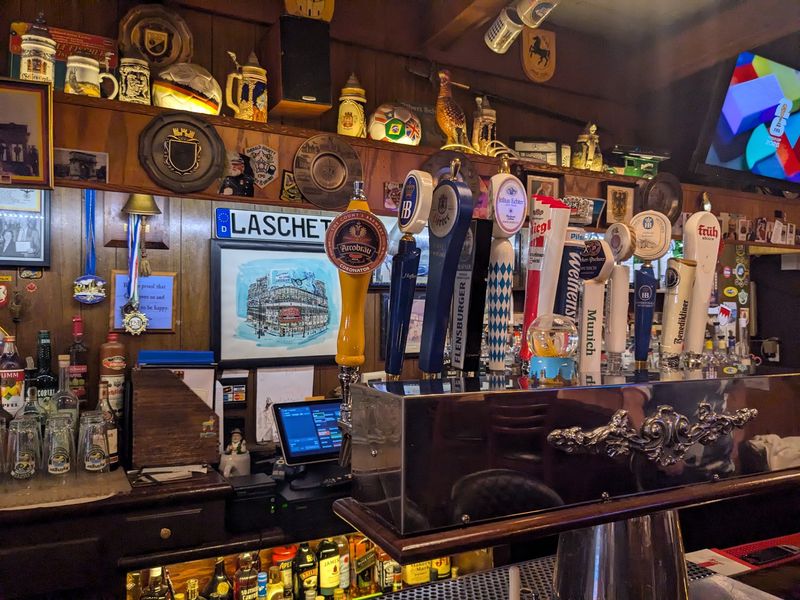
Laschet’s Inn carries the kind of character that only accumulates over decades of steady, loyal patronage. Long-time visitors recall the era when owner Franz ran a tight ship, and his wife Ursula would bring out a generous pan of food on Sunday evenings as a gift to the regulars gathered around the bar.
Those stories have soaked into the walls alongside the photographs and memorabilia that cover nearly every inch of the interior. Visitors who returned after years away have described the experience as stepping into a time capsule, finding the spirit of the place remarkably unchanged despite everything shifting in the neighborhood around it.
That continuity is not accidental. Laschet’s has held onto its identity through changing food trends and evolving Chicago tastes, which is precisely why the people who love it feel a quiet, fierce loyalty toward everything the place represents.
The Lodge-Like Atmosphere That Catches You Off Guard
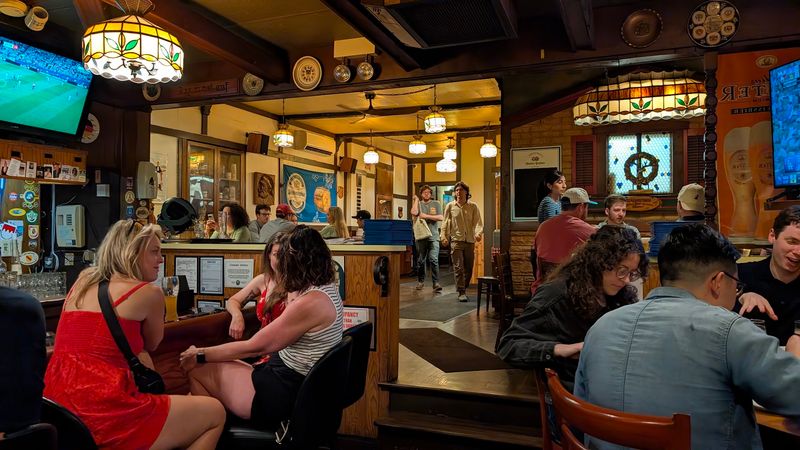
One visitor put it simply and accurately: the vibe feels like a lodge. The front of the space functions as a bar area, while the back opens into a quieter dining room where full meals are served without the noise of the street bleeding through.
The layout gives the whole place a layered, unhurried feeling.
Framed pictures, vintage signage, and carefully arranged collectibles create a visual texture that most restaurants spend a fortune trying to manufacture artificially. At Laschet’s, it all grew organically over years of real use and real stories.
Conversations carry easily without shouting, which regulars appreciate more than they might admit. Several visitors have noted that holding a normal conversation was never difficult, even on a busy Friday evening.
For a Chicago spot that also functions as a neighborhood bar, that kind of comfortable volume is genuinely rare and worth mentioning.
Schnitzel Worth Crossing the City For
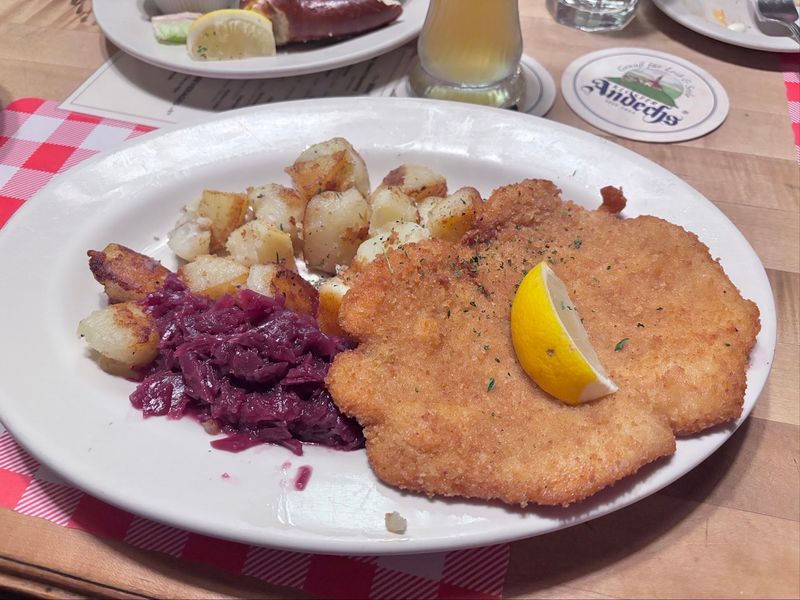
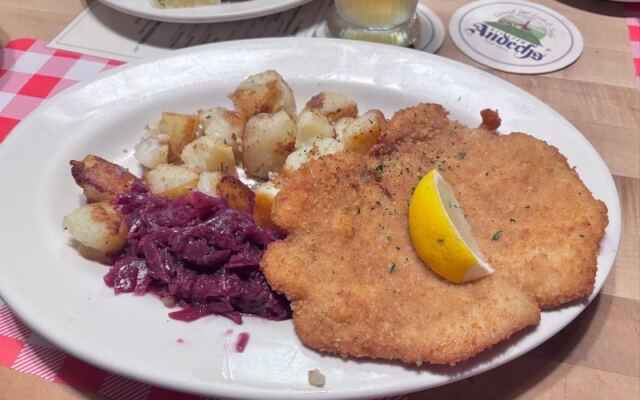
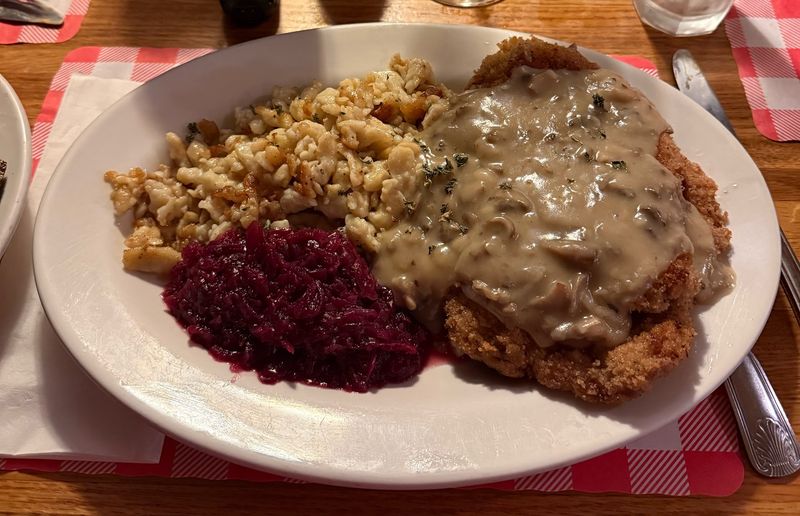
Chicken schnitzel earns its place near the top of Laschet’s most talked-about dishes, and it is easy to understand why. The cutlet arrives golden and crisp, with a satisfying crunch that gives way to tender, juicy meat underneath.
Visitors consistently point to the generous portion size as a welcome bonus on top of the flavor.
Wiener schnitzel also appears regularly in the conversation, often ordered alongside the goulash for a proper two-dish sampling of what the kitchen does best. Both versions reflect a straightforward approach to preparation that lets the quality of the ingredients carry the plate rather than leaning on elaborate sauces or garnishes.
For anyone making the trip specifically because of the schnitzel reputation, the advice from regulars is simple: come hungry, plan to linger, and do not skip the sides. The full plate experience is the point, not just the centerpiece protein sitting on top.
Goulash Soup That Deserves Its Own Conversation
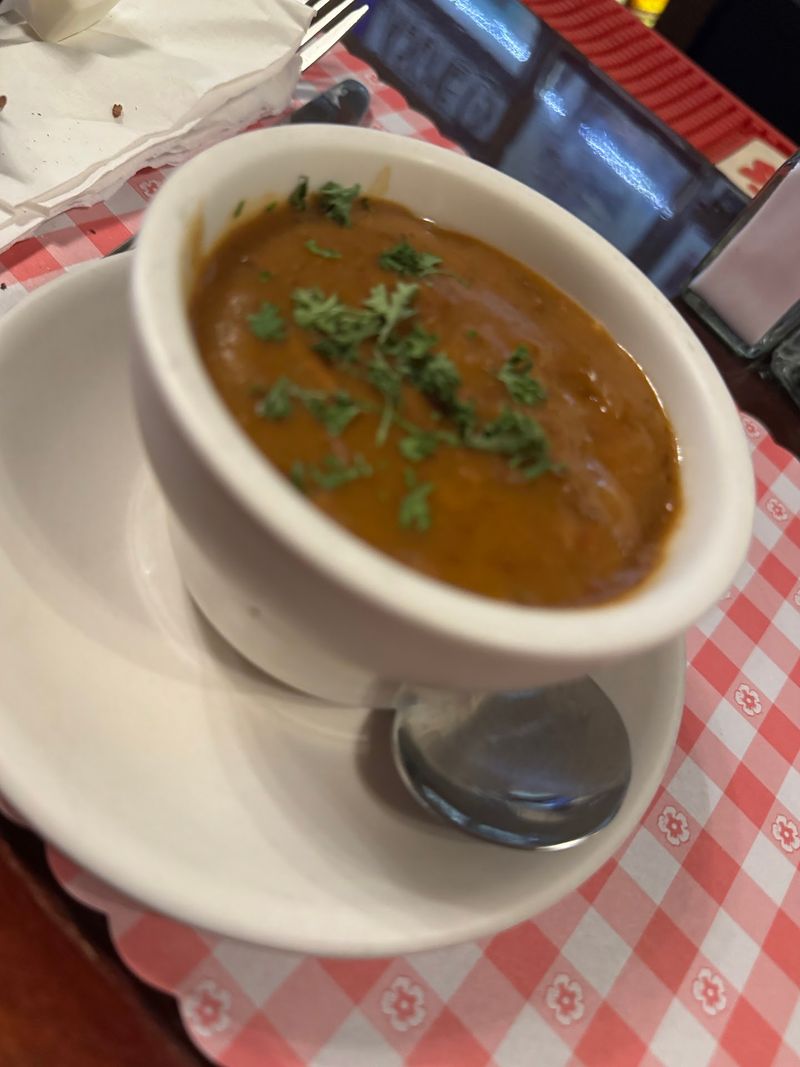
Ask enough regulars what to order first at Laschet’s and the goulash soup will come up before almost anything else. The broth carries a deep, paprika-forward warmth that builds gradually, finishing with a gentle kick of spice that keeps each spoonful interesting from start to finish.
The beef inside is tender enough to fall apart without any resistance, and the portion is sized generously enough to function as a proper starter rather than a token cup. Visitors who ordered it expecting a simple appetizer have come back specifically for it on return visits.
Beyond the soup itself, the goulash reflects a broader strength of the kitchen: Central European comfort food prepared with real attention to seasoning and technique. The Hungarian influence runs alongside the German backbone of the menu, giving Laschet’s a slightly wider range than its straightforward exterior might suggest to a first-time visitor.
Rouladen, Pork Shank, and the Heavier Plates
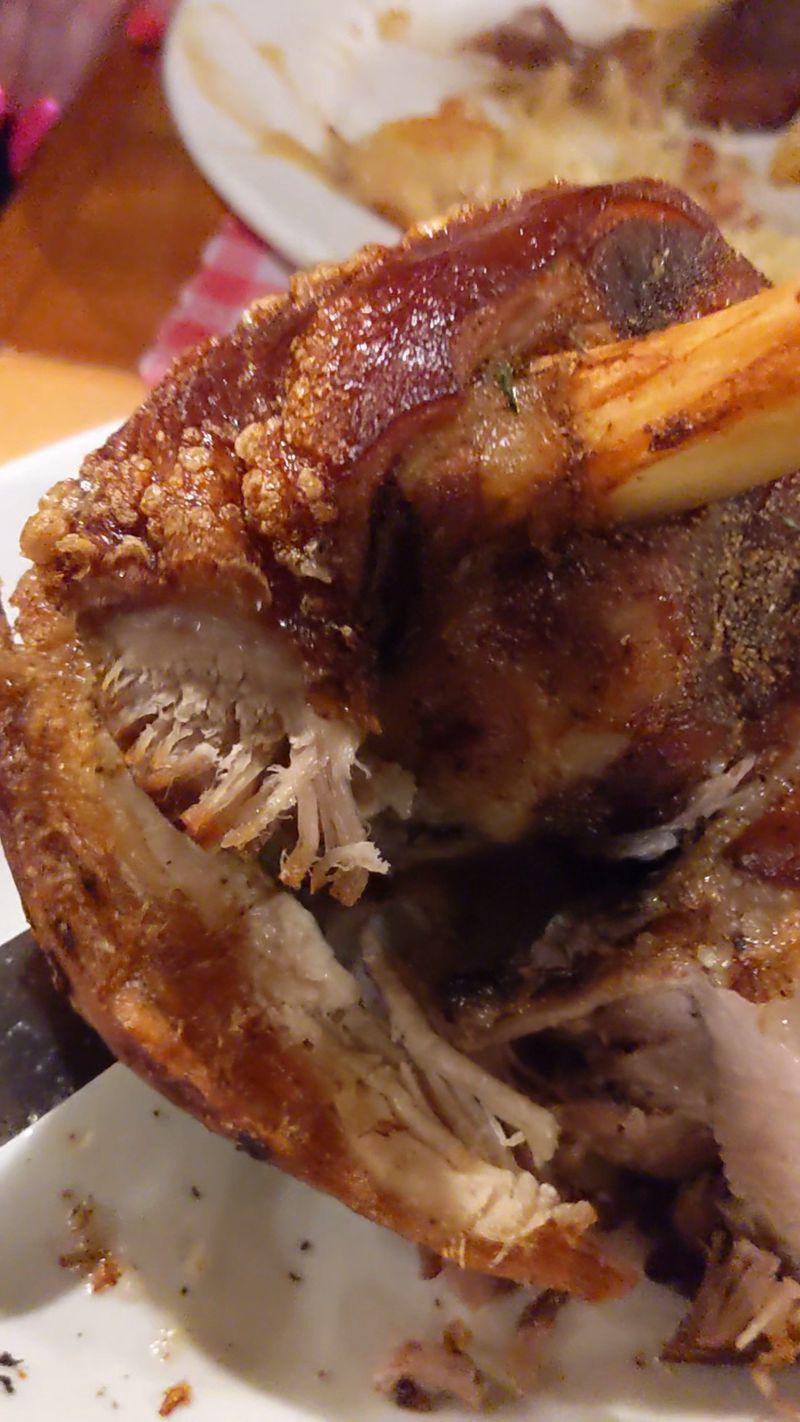
Rouladen appears on the Laschet’s menu and earns serious praise from visitors who know the dish well. Thin beef rolled around a savory filling, braised until the whole thing is deeply tender, served alongside spaetzle that soaks up every drop of the accompanying sauce.
Regulars who ordered it alongside other items have called it the single best thing they ate during the meal.
The pork shank, meanwhile, is the kind of dish that photographs beautifully and tastes even better than it looks. One long-time visitor described the meat as succulent and falling cleanly off the bone, with crispy skin that delivers concentrated flavor in every bite.
Sauerkraut and mashed potatoes complete the plate in classic fashion.
Both dishes represent the heavier, slower-cooked end of the Laschet’s menu, the kind of food that rewards patience and a properly empty stomach. Weekend visits tend to be the right time to order them.
Potato Pancakes and the Supporting Cast
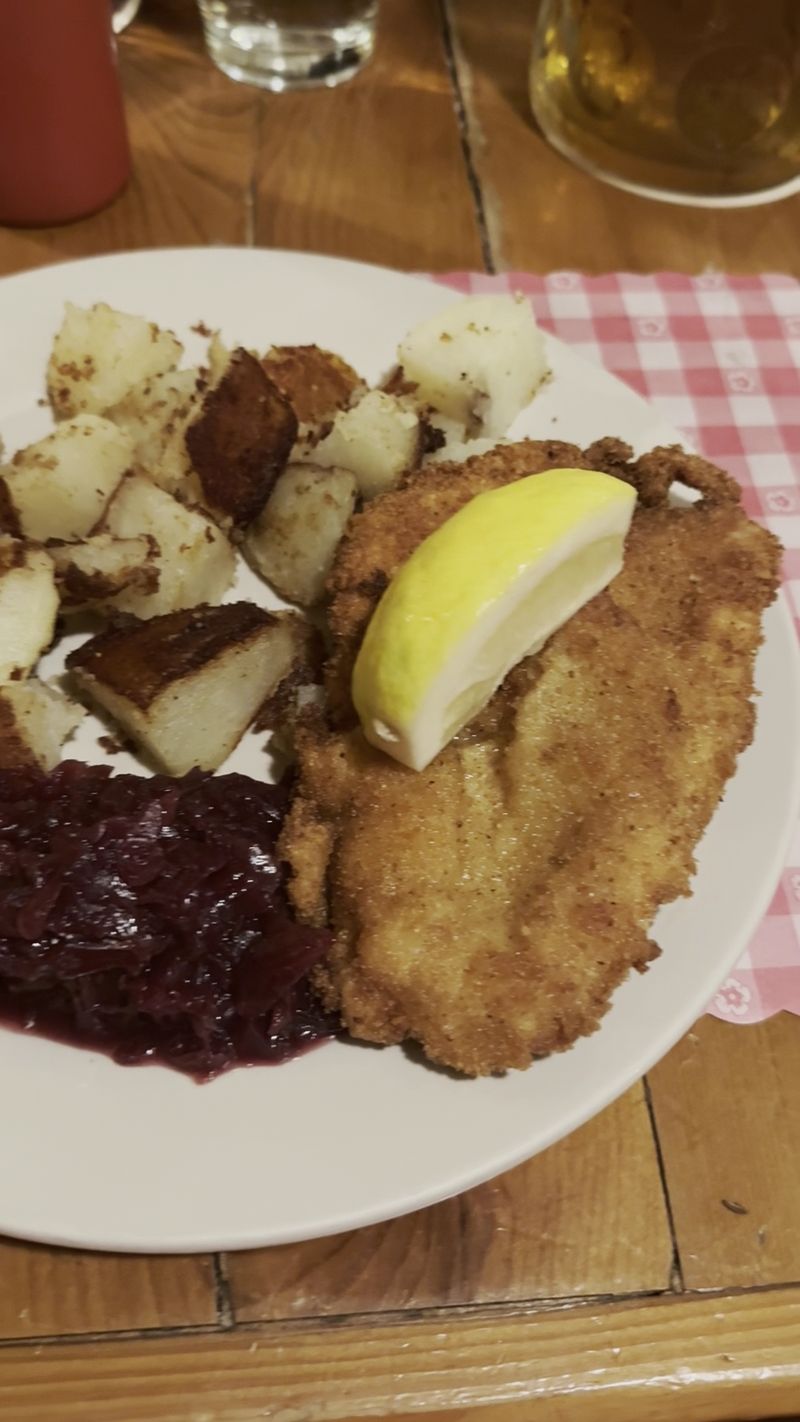
Potato pancakes hold a respected spot on the Laschet’s menu, showing up frequently enough in visitor conversations to earn their own mention. Crispy at the edges and soft at the center, they work as a side dish or as a standalone order for anyone who wants something satisfying without committing to a full entree.
The supporting cast across the menu is equally worth exploring. Chicken paprikash draws enthusiastic mentions from visitors who appreciate Hungarian-leaning dishes, while the sausage platter consistently surprises people with the quality spread across multiple varieties.
One visitor noted that even the bratwurst, which they considered the least impressive of the bunch, was still better than average by a comfortable margin.
Hackepeter, a traditional German steak tartare preparation, rounds out the more adventurous options for diners willing to step outside the familiar. Visitors who tried it described the combination of creamy meat and capers as quietly excellent, the kind of dish that rewards curiosity.
Apple Strudel and the Sweet Finish
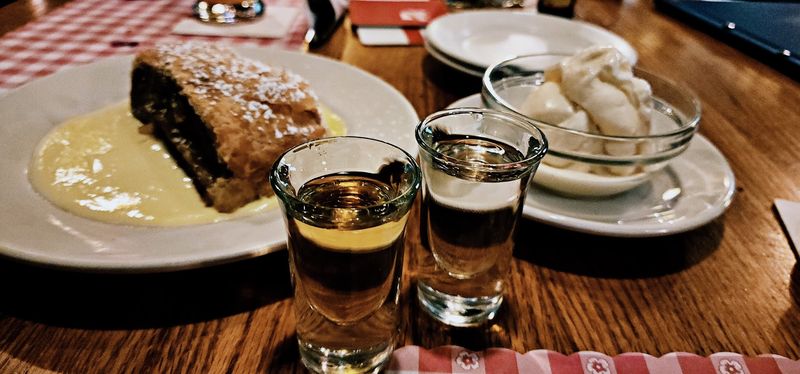
Finishing a meal at Laschet’s with apple strudel is the kind of detail that turns a good dinner into a complete experience. The dessert appears on visitor accounts often enough to suggest it is ordered frequently and rarely disappoints.
Paired with coffee, it closes out the meal in a way that feels appropriately old-school and satisfying.
Bavarian pretzels also earn attention from the snack and appetizer side of the menu. Described as soft and doughy inside with a properly baked, salty exterior, they arrive warm and are typically served with sweet mustard.
The combination is simple and effective, which is exactly the point.
Laschet’s does not chase elaborate pastry presentations or rotating seasonal dessert menus. The sweet offerings, like everything else on the menu, stay close to tradition.
For visitors who grew up with these flavors or are encountering them for the first time, that consistency is part of the charm.
Service That Feels Personal Rather Than Scripted
Across a wide range of visitor experiences, one consistent thread stands out: the staff at Laschet’s tends to make people feel looked after without being overbearing. Servers check in regularly, offer genuine recommendations, and seem to actually know the menu rather than reciting it from memory without enthusiasm.
One regular mentioned a server who brought out non-traditional soft drinks without being asked, simply because the table did not order anything from the usual list. That small, observant gesture stuck with the visitor long after the meal ended.
Another visitor praised a knowledgeable waiter who helped them navigate the menu on a first visit with clear, helpful suggestions.
The service style fits the overall character of the place: unpretentious, warm, and quietly competent. Nobody is performing hospitality here.
The staff at Laschet’s seems to genuinely enjoy the room they work in, and that attitude is something guests pick up on almost immediately.
Who Laschet’s Inn Is Made For
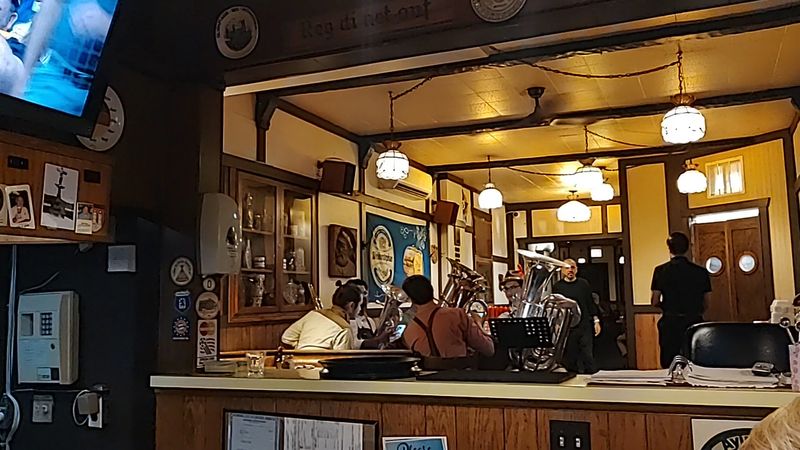
Laschet’s attracts a genuinely mixed crowd, which is part of what makes the room feel alive rather than curated. Long-time regulars share the space with first-timers on date nights, families celebrating something low-key, and visitors from out of state who made the trip specifically because someone insisted they had to go.
People with a connection to German or Hungarian heritage tend to feel an immediate comfort here, but the restaurant does not require any cultural background to enjoy. The food is approachable enough for curious newcomers while remaining traditional enough to satisfy anyone who grew up eating these dishes at home.
Solo diners at the bar, groups of four splitting a sausage platter, couples lingering over schnitzel and coffee: all of them fit naturally into the Laschet’s rhythm. The place does not push anyone toward a particular pace or experience.
You set the tempo, and the kitchen keeps up.
Hours, Pricing, and What to Expect Before You Go
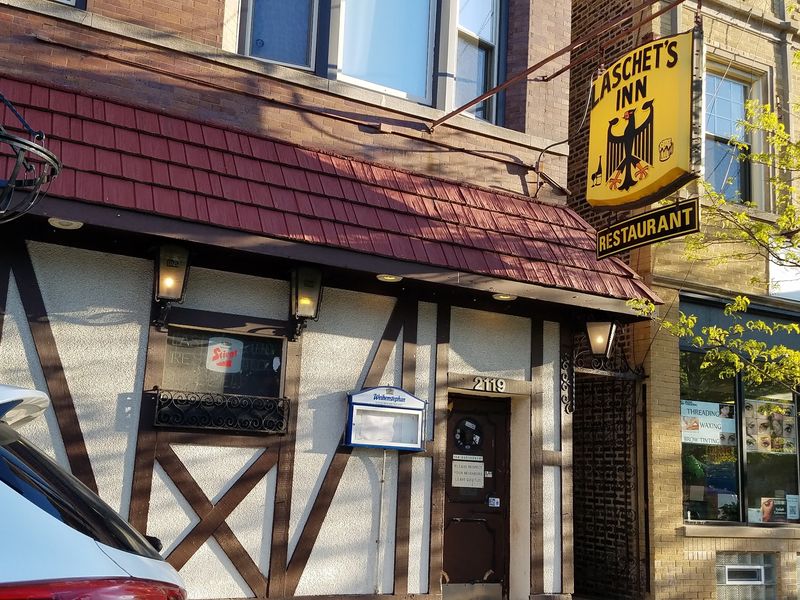
Laschet’s Inn is open Tuesday through Sunday starting at noon, with hours running until 2 a.m. on each of those days. Monday is the one day the kitchen goes dark, so plan accordingly if a Monday craving strikes.
The midday opening makes it a reasonable option for a long lunch as well as a dinner destination.
Pricing lands in a range that visitors consistently describe as fair and reasonable for the quality and portion size being delivered. One long-time visitor specifically called out the pricing as surprisingly affordable for what ends up on the plate.
Portions lean generous, which means many dishes can stretch between two people without anyone leaving hungry.
Reservations are recommended, particularly for late afternoon and evening visits when the dining room fills up steadily. Street parking along Irving Park Road is available, and side streets nearby provide additional options that visitors have found easier than expected for a busy Chicago corridor.
Getting There and Settling In
Laschet’s Inn sits at 2119 W Irving Park Rd in Chicago’s North Center neighborhood, a part of the city that carries a comfortable, residential energy without the tourist-district bustle of more central areas. For visitors coming from outside Chicago, the address drops neatly into any navigation app without complication.
Public transit options exist along Irving Park Road for those preferring not to drive, and the neighborhood is walkable enough that arriving a bit early to explore the surrounding blocks is a reasonable plan. Parking, as multiple visitors have noted, tends to be less stressful than the Chicago norm, with street spots available along Irving Park and the adjacent side streets.
Once inside, the layout encourages settling in rather than rushing through. The bar area near the front draws people who want a more casual perch, while the back dining room suits anyone planning to work through multiple courses and take their time.
Both options feel equally welcoming.
Why Laschet’s Earns a Permanent Spot on the List
Places like Laschet’s Inn survive and thrive not because of marketing campaigns or influencer visits, but because the experience delivers something real every single time. The food stays close to tradition, the atmosphere holds its character, and the staff treats the room like it matters.
That combination is harder to maintain than it looks.
Visitors who discovered the spot decades ago and then returned after long absences have found it essentially unchanged in the ways that count. That kind of staying power says something meaningful about the commitment behind the operation, even when the neighborhood and the city around it have shifted considerably over the years.
For anyone in Illinois looking for a meal that feels genuinely transported rather than themed, Laschet’s makes a compelling case for itself. The schnitzel is the hook, but the whole experience is the reason people keep coming back and keep telling others to make the trip.
Share this story