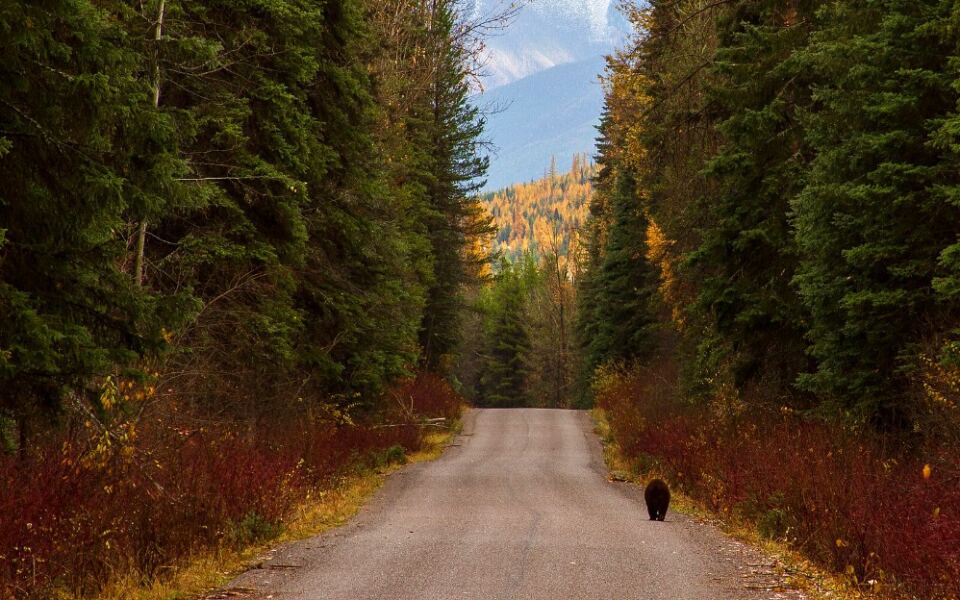
America’s national parks are celebrated for towering mountains, ancient forests, and sweeping wilderness, but in certain parks, the real show happens when a dark shape moves through a distant meadow and every visitor freezes at once. Black bears are one of the most thrilling wild animals a person can encounter, and they are far more widespread across U.S. national parks than most people realize.
Some parks host hundreds of them; others tell extraordinary comeback stories that rival anything in wildlife conservation history. This list covers 12 national parks where black bears are a genuine and well-documented part of the experience, from the dense hardwood forests of the Appalachians to the volcanic landscapes of the Pacific Northwest and the desert mountains of southwest Texas.
Sightings are never promised, and safe distances must always be respected, but simply knowing these powerful animals roam the same trails and ridgelines you are walking adds a layer of wild anticipation that no guidebook can fully prepare you for.
1. Great Smoky Mountains National Park, Gatlinburg, Tennessee
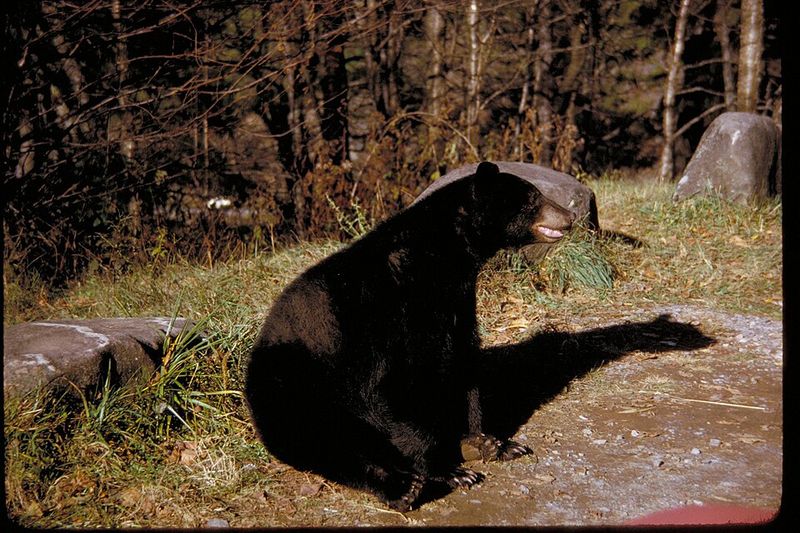
With an estimated 1,900 black bears calling it home, Great Smoky Mountains National Park holds one of the highest black bear densities of any protected area in the eastern United States, roughly two bears per square mile.
These animals occupy every elevation the park offers, from humid, low-lying wooded valleys all the way up to high mountain ridges draped in the park’s signature mist. That range means bear activity is not confined to one corner of the map.
Open areas like Cades Cove and Cataloochee Valley are particularly popular spots for bear watching, since the combination of forest edge and open ground gives visitors a clear sightline. Bears here are primarily vegetarian, relying on berries, acorns, squawroot, and insects depending on the season.
Adult males average around 250 pounds but can exceed 600 pounds in exceptional cases. Visitors must stay at least 50 yards away, and a sighting against the famous smoky ridgeline consistently ranks as a trip highlight.
2. Shenandoah National Park, Luray, Virginia
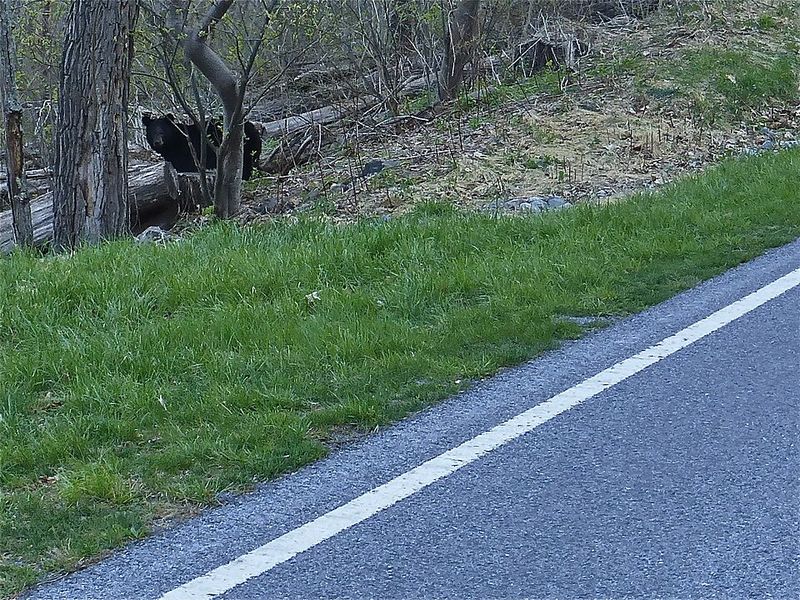
Skyline Drive is one of America’s most scenic roads, but regular drivers along its 105 miles know the real reason to slow down: several hundred black bears live within Shenandoah National Park, and the odds of spotting one during a visit are genuinely favorable.
The park’s mature hardwood forests, dominated by oaks and hickories, create excellent year-round habitat. Come autumn, the acorn crop becomes critical, drawing bears into oak zones where they consume enormous quantities to build fat reserves before winter.
Bears here show up in a surprising variety of settings. Hikers on backcountry trails, campers at established sites, and drivers on the scenic byway have all reported sightings, making Shenandoah one of the most reliably exciting parks in the East for a genuine wild encounter.
Their seasonal movements follow food availability closely, shifting from spring greens to summer berries and finally to the fall nut harvest. Keeping a steady eye on forest edges while driving pays off more often than visitors expect.
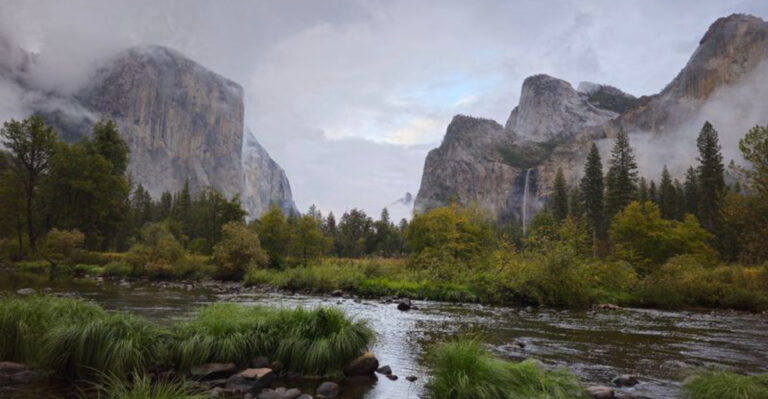
3. Yosemite National Park, Yosemite Valley, California
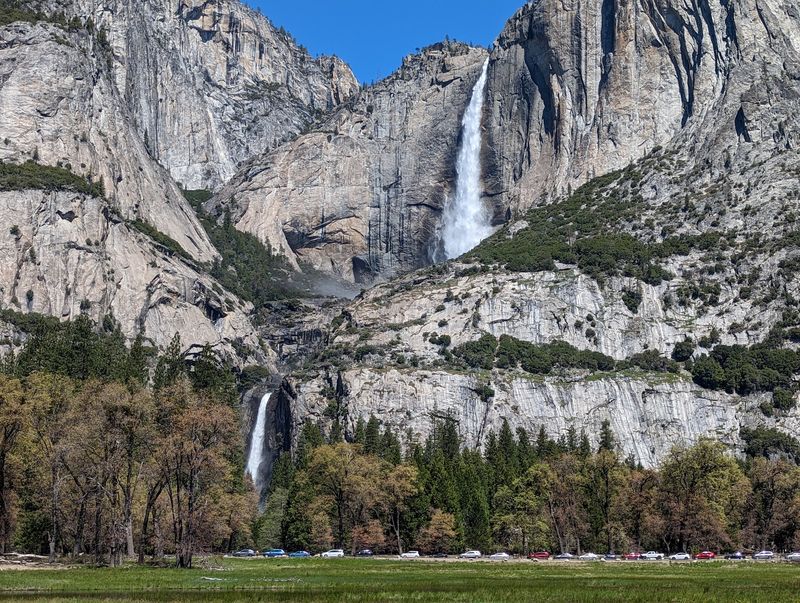
Not every bear in Yosemite is black. California’s black bear population displays a wide coat range, from deep black to cinnamon, blond, and reddish-brown, which regularly surprises visitors who assumed the name settled the matter.
The park estimates between 300 and 500 black bears across its nearly 750,000 acres, and the wildlife management team tracks their activity closely. Reports come in consistently from campgrounds, roadsides, parking areas, and backcountry zones throughout the year.
Yosemite takes food storage more seriously than almost any other national park, and the reason is well documented. In 1997, bears broke into more than 600 vehicles in a single year, a statistic that led to the widespread installation of bear-proof food lockers throughout campgrounds and developed areas.
All food and scented items must be stored in approved containers or hard-sided vehicles. Visitors who follow the rules contribute directly to keeping bears wild, which is far better for both the animals and the people sharing the landscape with them.
4. Sequoia National Park, Three Rivers, California
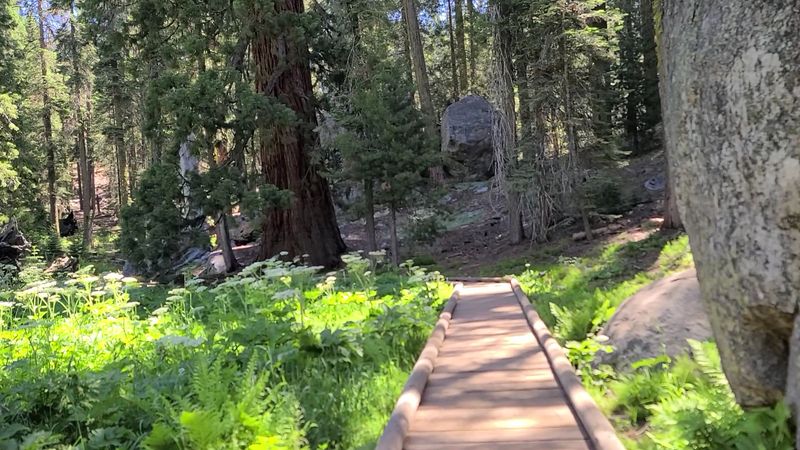
Giant sequoias get most of the attention at Sequoia National Park, and understandably so, but the park’s black bears have a quiet way of stealing the scene when they appear in a sun-lit meadow or along a forest trail.
Bears here range across a wide elevation band, moving from the oak-covered foothills into the high country depending on the season and what food is available. Spring typically brings them into open meadows where they dig for grasses and nutritious roots after months of winter dormancy.
Summer shifts their focus to berry patches scattered across the park’s varied terrain, while the arrival of fall triggers intense foraging around oak trees, where acorns provide the high-calorie fuel needed for winter. Several hundred black bears live across Sequoia and neighboring Kings Canyon combined.
Even when bears themselves stay out of sight, their signs are visible to observant visitors: overturned rocks, torn-apart logs, and fresh tracks in soft soil. Strict food storage requirements apply throughout the park and should be taken seriously.
5. Kings Canyon National Park, Hume, California
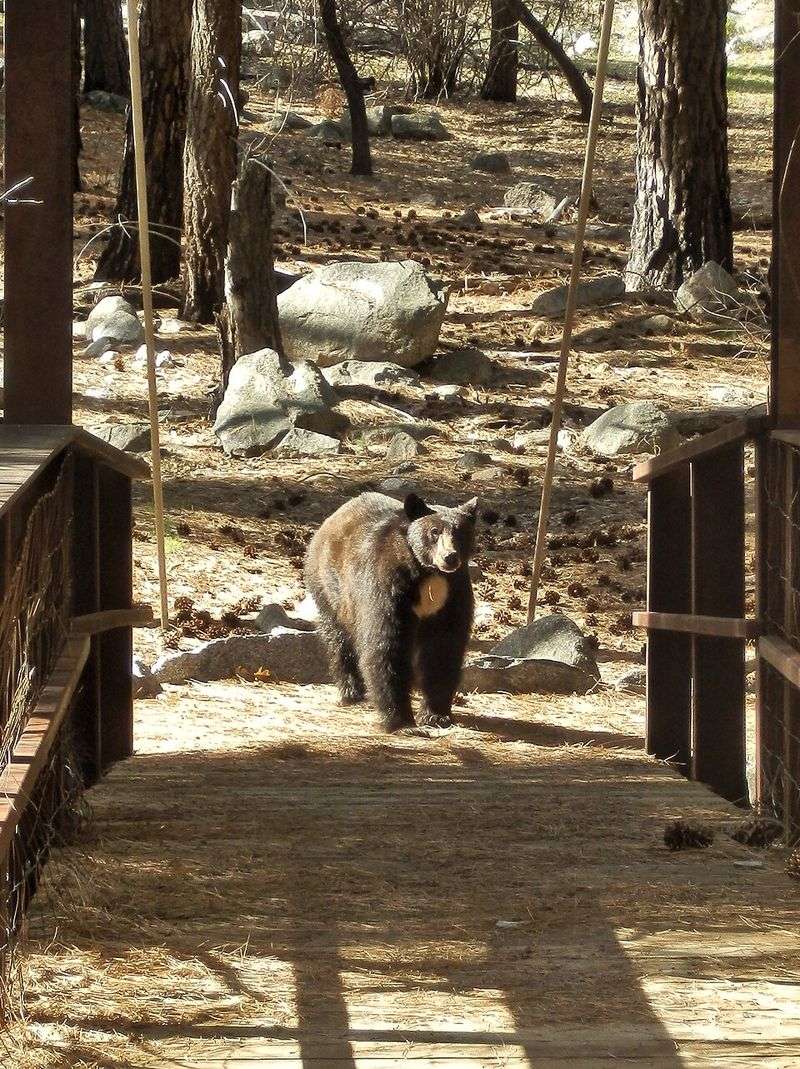
Kings Canyon runs deeper than the Grand Canyon at its lowest point, a geological fact that gives the park an almost theatrical sense of scale, and its black bears navigate that rugged terrain with impressive ease.
The park shares its bear population and management program with neighboring Sequoia, but the landscape here has its own distinct character: deep canyon walls, dense mountain forests, open meadows, and productive oak country combine to give bears a varied and shifting menu across the warmer months.
A bear in spring might be methodically flipping rotting logs in search of protein-rich insects, while the same animal in late summer could be found feeding steadily in a thicket of berry-producing shrubs at higher elevation. This seasonal rhythm makes their behavior interesting to understand, not just observe.
Because black bears range widely throughout the park and quickly learn to associate developed areas with food, the park enforces strict food storage requirements. Compliance protects both visitor property and the long-term wildness of the bears themselves.
6. Big Bend National Park, Terlingua, Texas
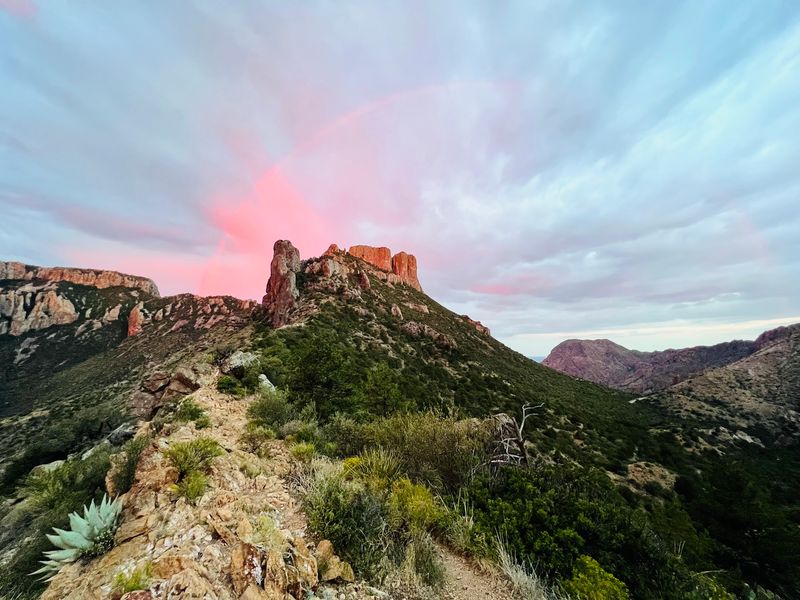
Big Bend holds one of the most remarkable wildlife comeback stories in the entire National Park System, and it happened without a single human reintroduction effort. Black bears had essentially vanished from the region by the time the park was established in 1944, lost to historical hunting, trapping, and habitat pressure.
Then, beginning in the late 1980s, female bears from the Sierra del Carmen mountains in northern Mexico began crossing the Rio Grande and moving into the Chisos Mountains on their own. By the year 2000, the population had reached at least 30 animals, and sightings in the Chisos Basin became a regular part of the park experience.
Seeing a bear move through oaks and junipers against a backdrop of desert peaks carries a particular weight, knowing the animals chose to return entirely on their own terms. The park recorded 108 bear sightings in November 2016 alone, a number that reflects how well the population has settled in.
Aggressive encounters are rare, with most incidents linked to improperly stored food rather than unprovoked bear behavior. Proper food storage remains the most important safety practice for any visitor camping or hiking in Big Bend.
7. Voyageurs National Park, International Falls, Minnesota
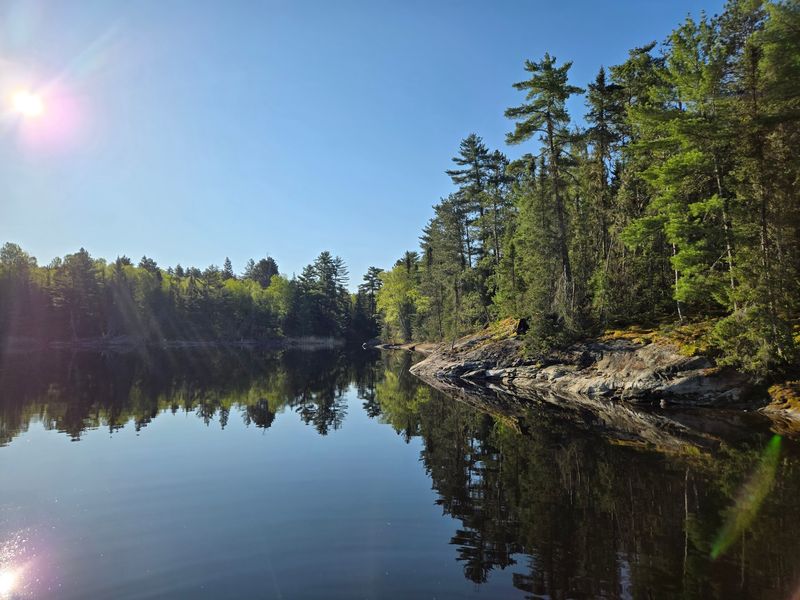
Most people picture forests and mountains when they think about black bear habitat, but Voyageurs National Park turns that expectation sideways with a landscape dominated by interconnected lakes, rocky islands, and boreal shoreline.
Roughly 150 black bears inhabit this watery wilderness, and they are genuinely at home in it. Bears here swim between islands and lake shores with a confidence that catches many boat-based visitors completely off guard, making a water crossing one of the more unusual bear sightings in the national park system.
The short northern growing season shapes how these bears spend their time. With a smaller window of warmth available, they forage intensively on seasonal berries, vegetation, and insects to accumulate enough fat before Minnesota’s long winter sets in.
That urgency gives their behavior a focused, purposeful quality that is interesting to observe from a safe distance.
Voyageurs is best explored by boat, canoe, or kayak, and the combination of open water, forest edges, and rocky outcrops creates natural vantage points for spotting bears along the shoreline during morning and evening hours.
8. Olympic National Park, Port Angeles, Washington
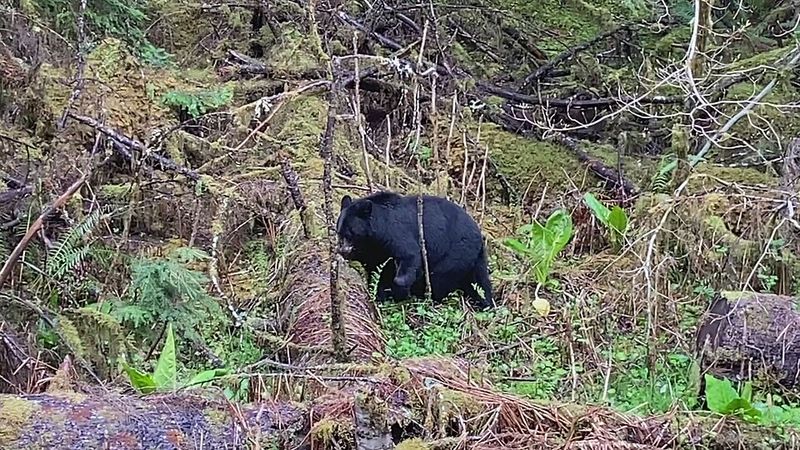
Olympic National Park is the only place in Washington state where you can move from a temperate rainforest to an alpine ridge to a wild Pacific coastline all within the same park boundary, and black bears use that full range of habitats without hesitation.
As the only bear species present in the park, black bears here occupy river corridors, old-growth forest interiors, coastal bluffs, and subalpine meadows, shifting their location based on seasonal food availability. Their diet changes accordingly, from roots and early greens in spring to berries and salmon in late summer and fall.
These bears tend to avoid heavily trafficked visitor areas, which means most sightings happen to hikers and backpackers who have traveled deeper into the park’s vast backcountry. Spotting a bear crossing a remote alpine meadow or disappearing into old-growth timber is a reward that backcountry travelers talk about for years afterward.
Olympic’s sheer size, nearly one million acres, means the park can support a healthy bear population with room to roam well away from developed zones. Bear canisters are required in certain backcountry areas.
9. North Cascades National Park, Marblemount, Washington
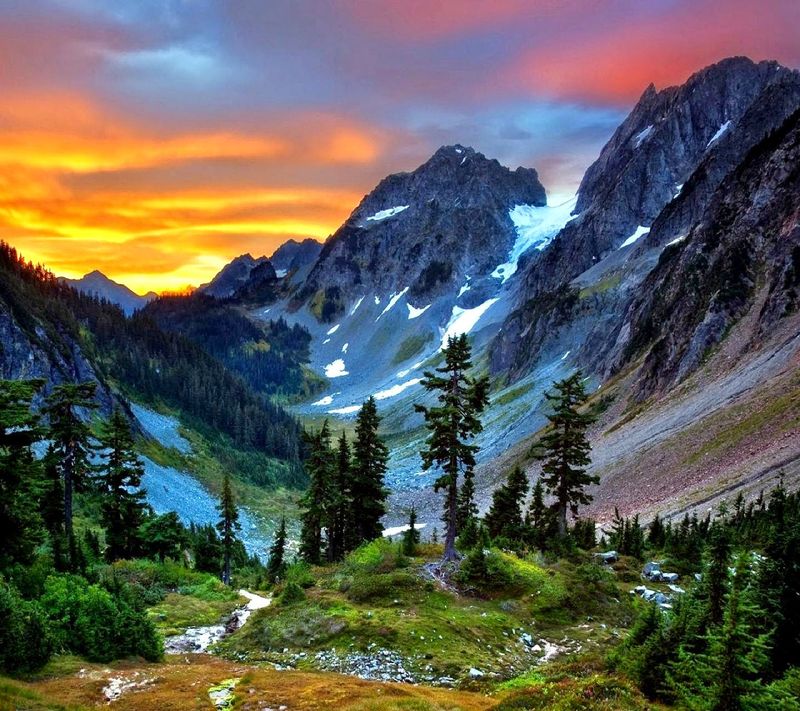
North Cascades is one of the least visited national parks in the continental United States, but the black bears that live there are not complaining about the relative quiet. Dense forests, steep ridgelines, berry-covered slopes, and miles of unbroken wilderness give these animals exactly the kind of territory they thrive in.
Bear coat color adds an unexpected layer of interest here. Black bears in the North Cascades can present in black, brown, cinnamon, or blond, which means confirming a species identification from a distance requires more attention than simply noting the color of the fur.
Their diet follows the mountain calendar closely: tender shoots and roots in early spring, berries across the summer months, and nuts and insects as fall approaches. This constant foraging takes them through some of Washington’s most remote and dramatic terrain, from valley bottoms to high subalpine zones.
Because visitor numbers in North Cascades are comparatively low, a bear sighting here carries a particular sense of genuine wilderness. The park’s rugged character tends to filter out casual visitors, leaving the backcountry to those who came specifically for experiences like this.
10. Glacier National Park, West Glacier, Montana
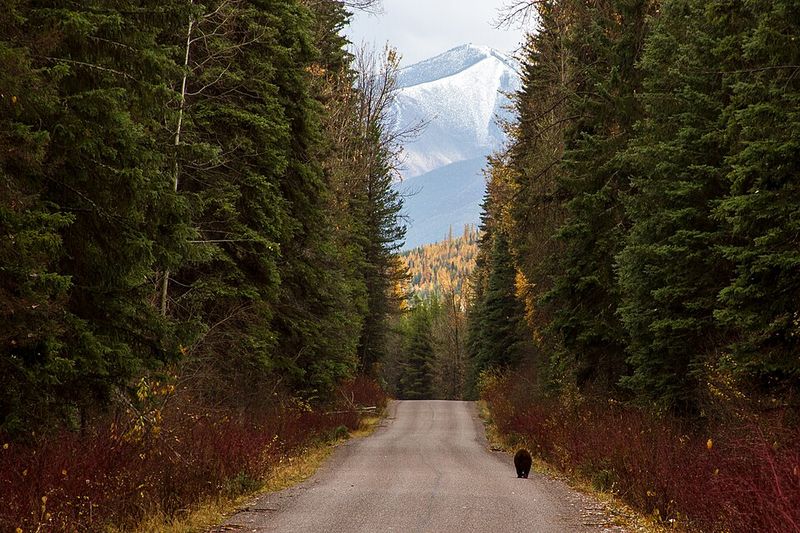
Grizzlies dominate the wildlife conversation at Glacier National Park, but a closer look at the numbers reveals that black bears actually outnumber their more famous neighbors. National Park Service estimates suggest around 600 black bears in the broader park landscape, compared to roughly 300 grizzlies, though both populations range beyond park boundaries.
Black bears in Glacier favor forested valleys and lower-elevation slopes where berry-producing shrubs are abundant. Their coats span a wide range of colors, including black, brown, cinnamon, and blond, which creates a real identification challenge when both species are present in the same park.
Learning to distinguish between the two species is an important part of visiting Glacier safely. Black bears typically lack the pronounced shoulder hump of a grizzly, have a straighter facial profile, more pointed ears, and shorter, more curved claws suited for climbing.
These physical details are far more reliable than coat color for making a correct call.
The park requires visitors to stay at least 100 yards from any bear. Carrying bear spray and knowing how to use it is strongly recommended for anyone venturing onto Glacier’s trails.
11. Grand Teton National Park, Moose, Wyoming
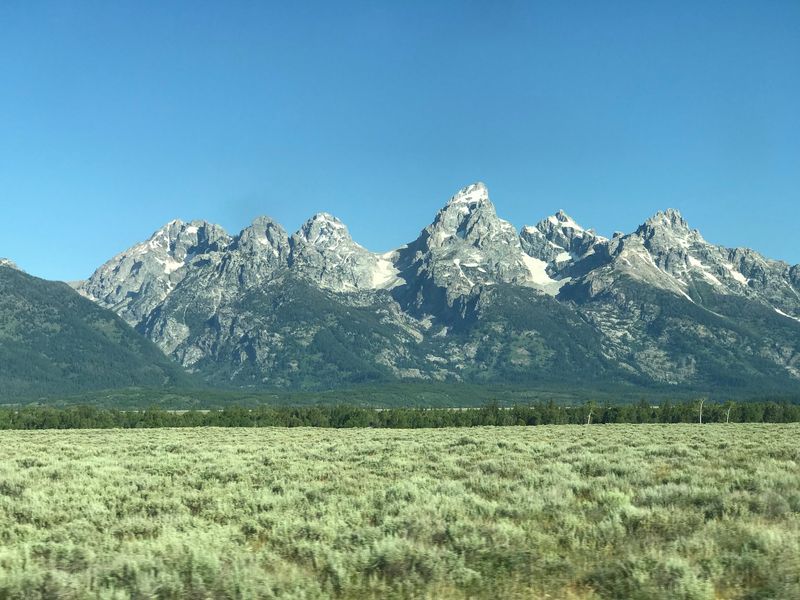
Grand Teton is already one of the most wildlife-rich parks in North America, home to elk, moose, bison, wolves, and pronghorn, but the presence of both black bears and grizzly bears adds a layer of complexity that keeps wildlife watchers especially alert.
Both species thrive across the park’s varied terrain, from the flat valley floor to forested mountain slopes, and both can appear in a range of coat colors from blond to nearly black. Relying on fur color alone to tell them apart is a mistake that even experienced observers make.
The more reliable approach involves checking body shape: black bears lack the grizzly’s prominent shoulder hump, have a straighter muzzle, taller pointed ears, and shorter curved claws that make them capable tree climbers. These distinctions matter practically, since the recommended response to an encounter differs between species.
Roadside bear sightings in Grand Teton regularly create what locals call bear jams, long lines of parked vehicles with binoculars pointed at a hillside. The park requires a minimum of 100 yards distance from any bear, and that rule applies regardless of which species is in view.
12. Yellowstone National Park, Yellowstone National Park, Wyoming
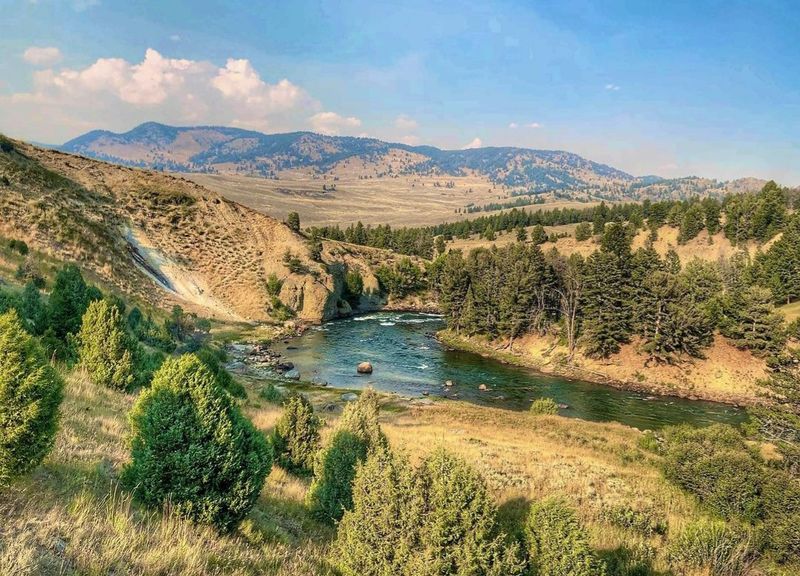
Yellowstone is globally famous for its grizzlies, but American black bears have been part of the park’s wildlife story for just as long, and they deserve equal attention from anyone serious about wildlife watching in the greater Yellowstone ecosystem.
Their coat colors range from pure black to brown, cinnamon, and blond, which means a light-colored individual spotted from a roadside pullout can generate genuine debate among viewers about which species they are actually looking at. Body shape is the reliable tiebreaker.
Black bears in Yellowstone typically prefer forested areas and forest edges, while grizzlies more readily use open meadows and exposed slopes. That habitat preference gives observers a useful starting clue before confirming with physical characteristics like shoulder profile, ear shape, and facial structure.
Most black bear encounters in Yellowstone follow a predictable pattern: the bear notices people, briefly assesses the situation, and moves away without drama. Their primary diet is vegetarian, supplemented by insects and occasional carrion, and they pose a manageable rather than alarming presence for prepared and respectful visitors.
Staying 100 yards away remains the non-negotiable baseline.
Share this story