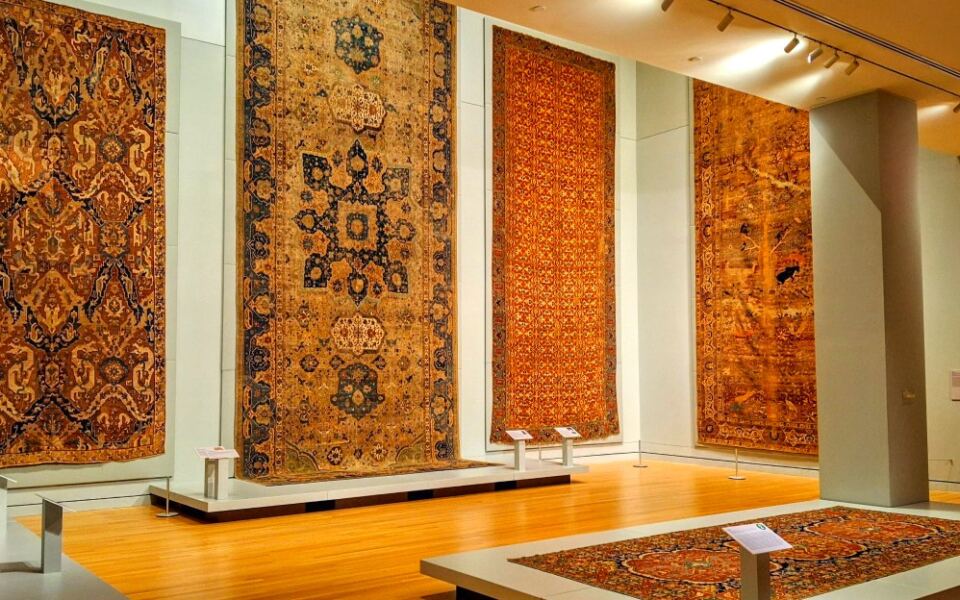
Cloth has a way of making history feel personal in a way that paintings simply cannot. A quilt stitched together from scraps of old clothing, a tapestry woven for a royal hall, or a length of fabric that survived centuries of storage all carry a kind of quiet power.
These objects were made to be used, worn, displayed, and passed down, which makes them far more intimate than most things you will find behind museum glass. Around the world, dedicated museums and major art institutions have gathered these remarkable pieces into collections that range from cozy American quilt galleries to monumental European tapestry halls and ancient fabric fragments from cultures that existed thousands of years ago.
Whether you are a serious collector, a casual history lover, or simply someone who appreciates extraordinary craftsmanship, the 15 destinations ahead offer some of the most rewarding textile experiences on the planet.
1. International Quilt Museum, Lincoln, Nebraska
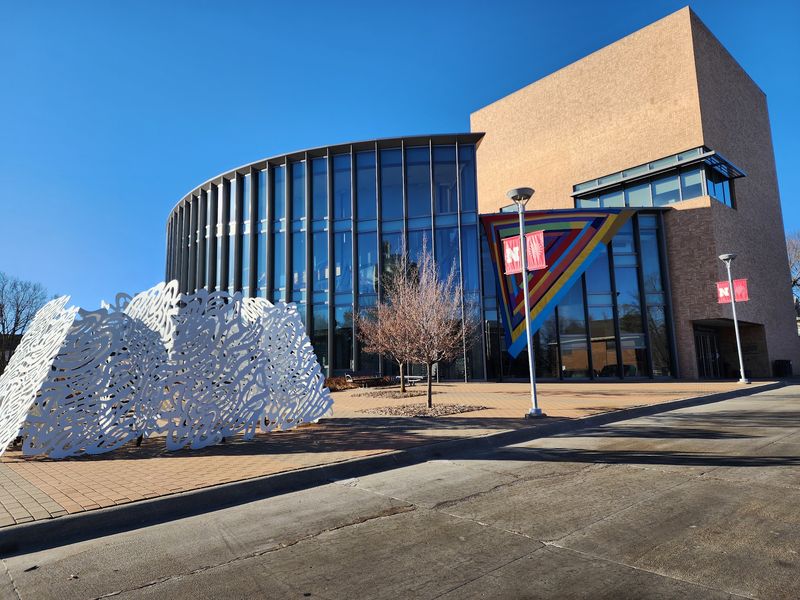
Holding the world’s largest publicly held quilt collection, this University of Nebraska-Lincoln institution has turned a beloved craft into a subject of serious global scholarship. More than 6,000 quilts representing over 65 countries fill its holdings, covering five centuries of quiltmaking traditions.
Rather than treating quilts as simple bedcoverings, the museum frames them as art objects, cultural records, and historical documents. Rotating exhibitions keep the experience fresh, moving between intricate antique patterns and bold contemporary fiber art.
The building itself is a clever tribute to its contents, with its design referencing a quilt’s three layers: front, batting, and back. Weekly Textile Talks and virtual programs extend its reach well beyond Nebraska, making it a genuine global hub for anyone fascinated by what skilled hands can do with fabric and thread.
2. National Quilt Museum, Paducah, Kentucky
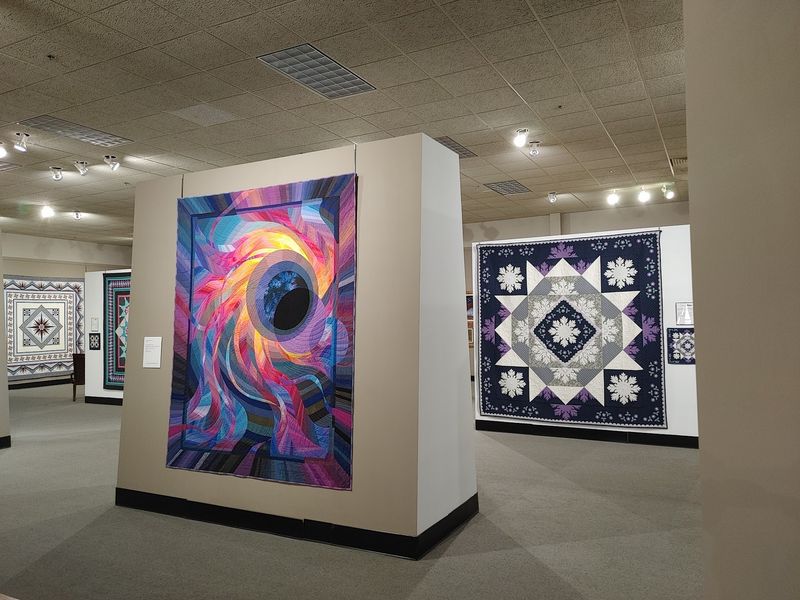
Paducah earned the nickname Quilt City for good reason, and the National Quilt Museum is the crown jewel of that reputation. Its collection of nearly 700 works focuses entirely on contemporary quilts made since 1980, spotlighting artists from the United States and around the world.
Many pieces here defy easy categorization. Some depict realistic woodland scenes with stitching so detailed they rival photography, while others embrace bold geometry, abstract forms, or unexpected materials like beads and microfilm.
USA Today recognized it as one of the world’s top quilt displays, and over 95 percent of the collection features works by women artists. Since opening in 1991, the museum has welcomed nearly a million visitors, proving that contemporary quiltmaking is very much a living, thriving art form worth a dedicated road trip.
3. Shelburne Museum, Shelburne, Vermont
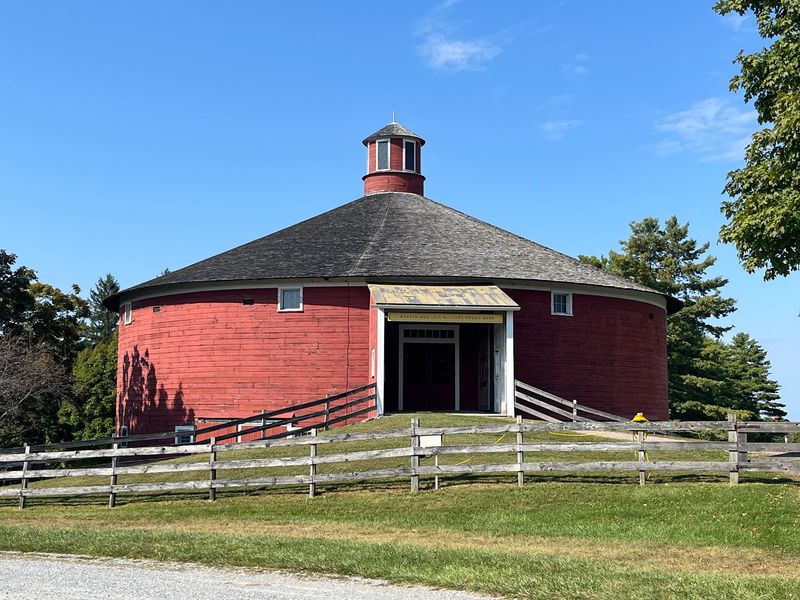
Electra Havemeyer Webb had a bold idea in the 1950s: quilts deserved to hang in galleries just like paintings. She backed that idea by collecting more than 400 historic bedcoverings and displaying them in a repurposed 1800s distillery, helping establish Shelburne Museum as a pioneer in taking textile arts seriously.
Today the museum holds over 700 quilts alongside woven coverlets, hooked rugs, needlework, and printed fabrics, with particularly strong 19th-century New England holdings. Styles range from elaborate applique and chintz pieces to Amish, crazy, whitework, and pieced examples.
Many of these objects were made for special occasions rather than everyday use, stitched as dowry pieces or friendship tokens. The Hat and Fragrance Textile Gallery adds another layer of curiosity, housing historic hatboxes alongside textiles once preserved with herbal sachets.
4. The George Washington University Museum and The Textile Museum, Washington, D.C.
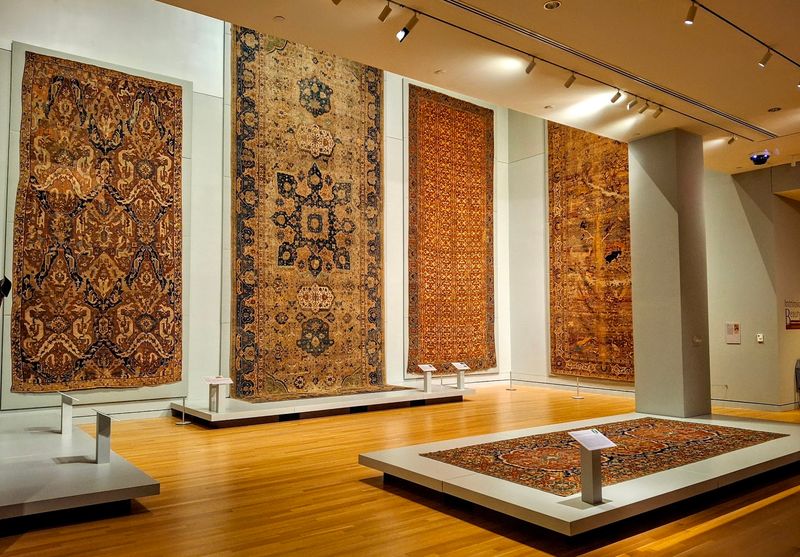
A single gallery here can feel like a trip across five continents and five thousand years. The Textile Museum Collection contains over 21,000 handmade textile works, making it one of the most geographically and historically comprehensive fabric collections in the world.
Its strongest holdings include rugs and textiles from the Islamic world, Asian silks, African fabrics, Indigenous American works, and contemporary fiber art. Each category represents a distinct tradition, yet together they build a compelling global conversation about how humans use cloth to express identity and belief.
Because many pieces are exceptionally fragile, rotating displays ensure both preservation and fresh discoveries for returning visitors. Embroidered garments, ancient carpets, and elaborate woven robes cycle through the galleries regularly, giving each visit a different character depending on what has been brought out of careful storage.
5. Textile Museum of Canada, Toronto, Ontario
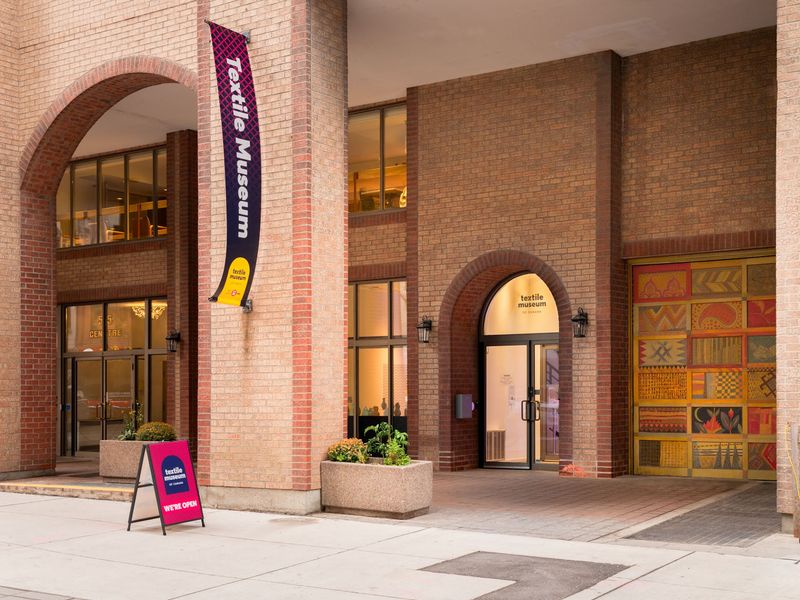
Canada’s only museum dedicated exclusively to textile art packs an enormous geographic range into a relatively intimate downtown Toronto space. Its collection exceeds 15,000 objects from over 200 regions worldwide, spanning roughly 2,000 years of textile history across six continents.
The holdings go well beyond conventional woven cloth. Ceremonial garments, ancient fragments, embroidered bags, traditional carpets from Central Asia, Indigenous and Inuit textiles, and silk pieces from China and Southeast Asia all share space within its carefully curated galleries.
Because textiles are sensitive to light, temperature, and humidity, only a fraction of the collection appears on the floor at any time. A fully digitized online collection extends access to researchers and curious visitors worldwide, ensuring that the museum’s remarkable breadth remains available even to those who cannot make the trip to Toronto in person.
6. Museum of International Folk Art, Santa Fe, New Mexico
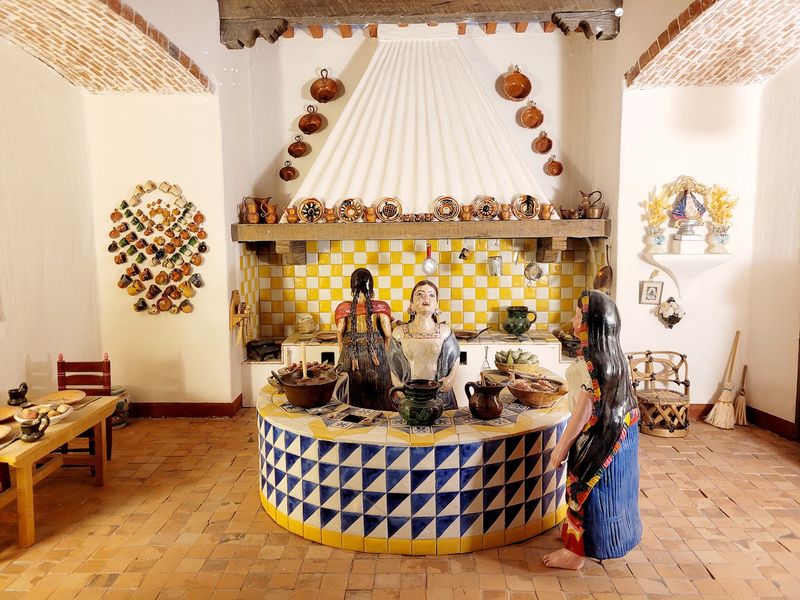
More than 100 countries contribute to the visual conversation happening inside this Santa Fe institution, where textiles appear alongside ceramics, carvings, costumes, toys, and other handmade objects in a celebration of everyday human creativity. The result feels less like a conventional museum and more like an organized explosion of global ingenuity.
Textile lovers can encounter vibrant Peruvian weavings, Mexican embroidery, African patterned fabrics, and fiber traditions from dozens of other cultures, all presented as part of a larger folk-art story rather than in isolation.
The signature Multiple Visions: A Common Thread gallery features over 10,000 objects in an immersive installation format that invites cross-cultural comparison. Situated on Santa Fe’s Museum Hill, this year-round attraction makes a strong case that some of the most inventive art in human history has always lived in practical, wearable, everyday forms.
7. de Young Museum, San Francisco, California
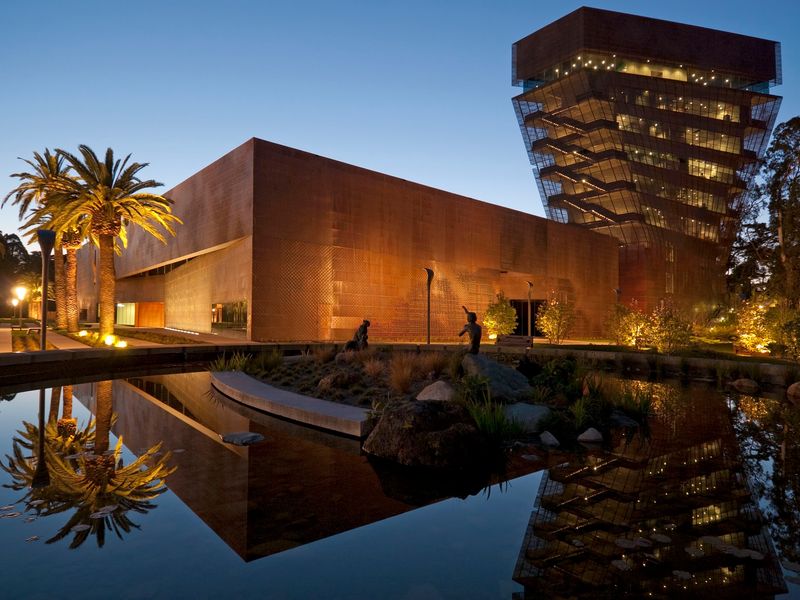
Most visitors come to the copper-clad de Young in Golden Gate Park for the Impressionist paintings, but the costume and textile holdings offer an equally compelling reason to linger far longer than planned. The collection spans nearly 3,000 years and draws from 125 different countries, covering everything from ancient bark cloth and felt to intricate loom-woven silks.
Highlights include Turkmen carpets, Central Asian silks, European tapestries, ecclesiastical textiles, and an outstanding 20th-century couture collection featuring designs from Balenciaga, Chanel, Dior, and Yves Saint Laurent.
That combination of ancient craft and high fashion creates a genuinely unusual viewing experience, where a medieval ecclesiastical weaving might hang near a mid-century couture gown with surprising visual logic connecting both. The museum’s striking contemporary architecture provides an interesting backdrop that emphasizes rather than competes with the centuries of craftsmanship on display.
8. Philadelphia Museum of Art, Philadelphia, Pennsylvania

Behind those famous steps is a textile collection that stretches back roughly 2,000 years and contains more than 30,000 objects, a depth that surprises many first-time visitors expecting primarily paintings and sculpture. American quilts, woven coverlets, and embroidered kanthas from South Asia form particularly notable sections of the holdings.
The broader collection sweeps across an impressive range: delicate lace, intricate samplers, printed fabrics, opulent Ottoman velvets, ceremonial pieces, and historic clothing from multiple continents and periods. Contemporary fiber art punctuates these historical holdings, connecting old traditions to present-day practice.
Because many items are too fragile for permanent display, rotating exhibitions ensure that each visit surfaces different objects from storage. Quilt enthusiasts, fashion historians, and anyone curious about global textile traditions will find enough material here to justify multiple return trips over the course of years.
9. Museum of Fine Arts, Boston, Boston, Massachusetts
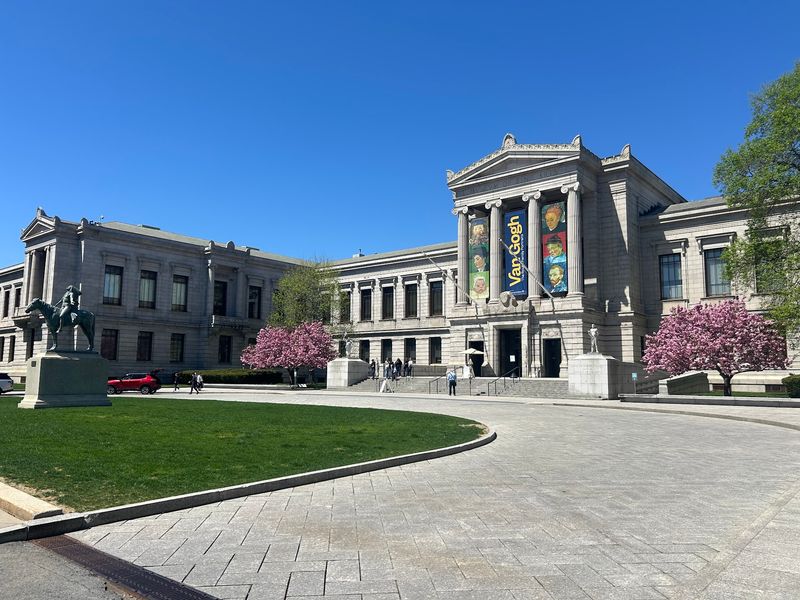
In 1930, the Museum of Fine Arts Boston established the first curatorial department in any American museum dedicated solely to textile arts, a milestone that reflects just how seriously this institution takes fabric as a subject of study. That department now stewards over 30,000 objects spanning an extraordinary chronological range.
Ancient Egyptian pleated dresses, Paracas culture weavings from Peru, Persian carpets, Italian Renaissance velvets, and Japanese No theater costumes all belong to a collection regarded as one of the finest of its kind. The Japanese costume holdings are considered the most important outside Japan itself.
Placing textiles within a broader encyclopedic art museum allows visitors to move naturally between fabric, painting, decorative arts, and antiquities during a single visit. Planning extra time is genuinely worthwhile, as the museum maintains public hours throughout most of the week.
10. Art Institute of Chicago, Chicago, Illinois
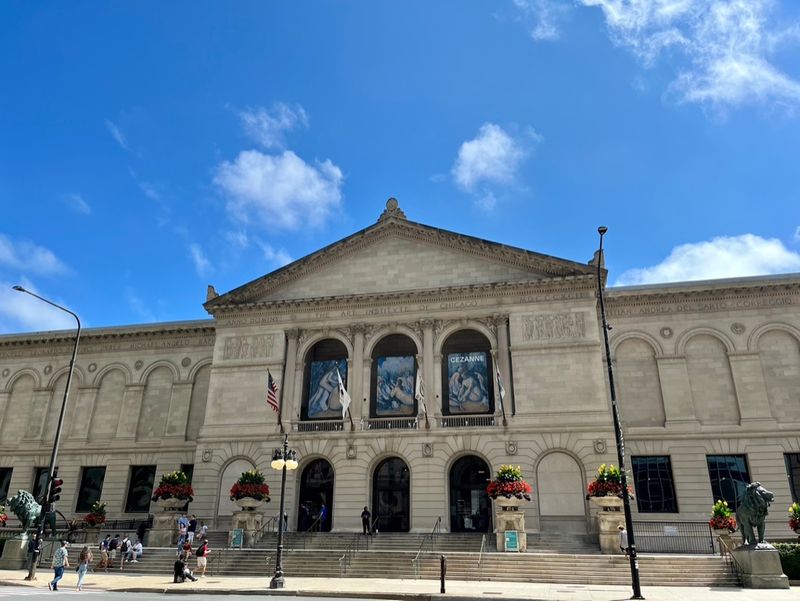
Visitors who know the Art Institute primarily for its Impressionist paintings may not realize that its textile department was established back in 1890, making it one of the oldest dedicated fabric collections in any American museum. That long head start shows in the remarkable breadth of what has been assembled over more than a century.
Ancient Egyptian textiles, European tapestries, Japanese silks, American quilts, and modern fiber art all have a home here, sitting within an encyclopedic collection that spans hundreds of thousands of objects from cultures across the globe.
The real reward for textile enthusiasts is the context. A patterned fabric from Renaissance Italy can be compared directly to contemporaneous paintings and decorative objects in neighboring galleries, revealing shared motifs and design logic that would be invisible in a purely textile-focused institution.
Its Michigan Avenue location makes it a natural anchor for any Chicago itinerary.
11. Victoria and Albert Museum, London, England
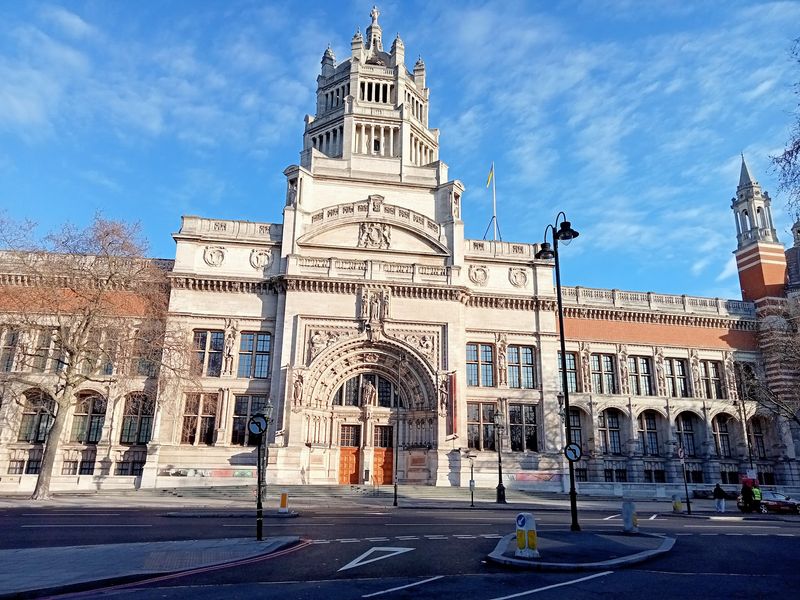
London’s Victoria and Albert Museum holds one of the most comprehensive textile and fashion collections anywhere on Earth, placing historic fabric in direct conversation with furniture, jewelry, sculpture, and decorative objects from countless periods and cultures. The scale alone demands a deliberate, unhurried approach.
Coptic fragments, medieval tapestries, Renaissance velvets, embroidered silks, royal garments, ceremonial hangings, and delicate lace all appear within its sprawling galleries. The Dress collection traces fashion trends from the 17th century to the present, displaying iconic garments that function as textile art in their own right.
The museum actively collects contemporary textiles and fashion alongside historical pieces, ensuring its narrative stays current. Located in South Kensington and free to enter for its permanent collection, the V&A remains one of the most accessible and rewarding fabric destinations in the world for visitors of any background.
12. Fashion and Textile Museum, London, England
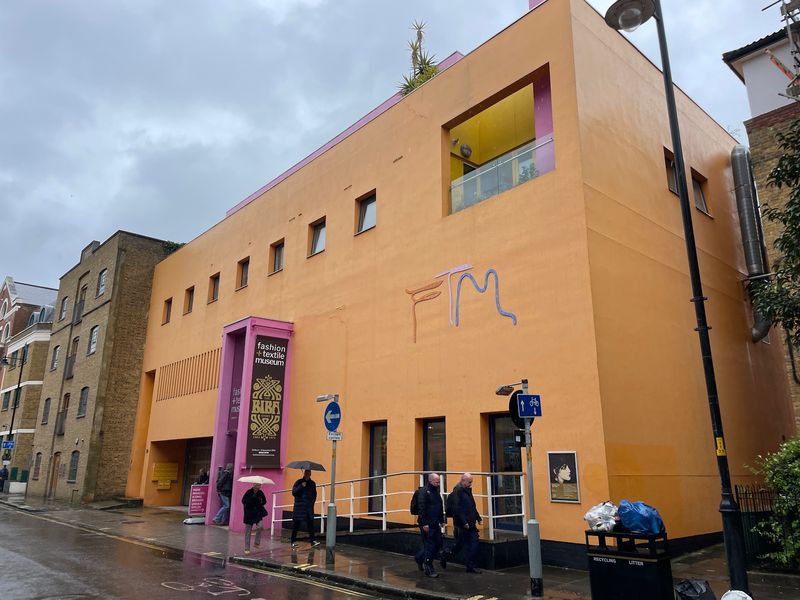
South of the Thames on Bermondsey Street, a building painted in burnt orange, yellow, bright blue, and hot pink announces itself before you even read the sign. Founded by British designer Dame Zandra Rhodes, the Fashion and Textile Museum operates on a program of temporary exhibitions rather than a fixed permanent collection, which keeps its content consistently fresh.
Past shows have explored the work of Mary Quant, Giorgio Armani, and Thea Porter, alongside themed exhibitions on Swedish fashion, post-war British textiles, the history of underwear, and vintage handkerchiefs. No two visits are likely to feel identical.
Its compact scale makes it a pleasant contrast to London’s encyclopedic institutions, allowing for a focused, intimate look at specific themes within fashion and textile design. The museum runs Tuesday through Saturday, with occasional Sunday openings tied to exhibitions, so checking the current schedule before visiting is genuinely useful.
13. Musée des Arts Décoratifs, Paris, France

Positioned beside the Louvre on Rue de Rivoli, the Musée des Arts Décoratifs places textiles exactly where they have always belonged: surrounded by equally beautiful furniture, jewelry, fashion, and interior design. Its fashion and textile holdings span from 18th-century aristocratic elegance to contemporary designer innovation.
Rather than viewing fabric in isolation, visitors here follow the evolution of taste across centuries, watching how textiles shift alongside furniture styles, decorative motifs, and broader cultural changes. An embroidered court gown from the Ancien Régime and a daring modern haute couture piece can appear within the same thematic sweep without feeling contradictory.
That broader decorative arts context makes this one of the most intellectually satisfying textile destinations on the list. Historic fabrics, elaborate clothing, and decorative objects together build a coherent argument for textiles as central rather than peripheral to the history of European design and visual culture.
14. Cité Internationale de la Tapisserie, Aubusson, France
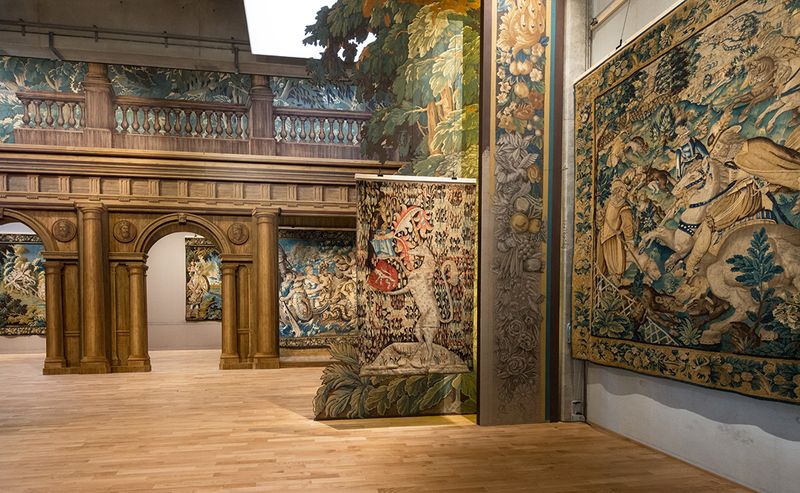
Aubusson has been weaving tapestries for nearly six centuries, and the Cité Internationale de la Tapisserie exists to honor and extend that tradition rather than simply preserve it under glass. Its collection ranges from 15th-century masterworks to 21st-century fiber art, spanning the full arc of one of France’s most distinctive craft traditions.
Beyond finished tapestries, the museum displays historic rugs, original cartoons, preparatory designs, and detailed explanations of the techniques involved in creating these monumental woven works. The level of craft knowledge on offer here goes well beyond what most textile museums attempt.
Contemporary projects keep the tradition actively alive. Upcoming 2026 exhibitions include woven interpretations connected with Hayao Miyazaki’s imaginative worlds and the return of Jean Lurcat’s landmark cycle Le Chant du Monde, confirming that Aubusson tapestry remains a living art form with new stories still to tell.
15. Museo del Tessuto, Prato, Tuscany, Italy
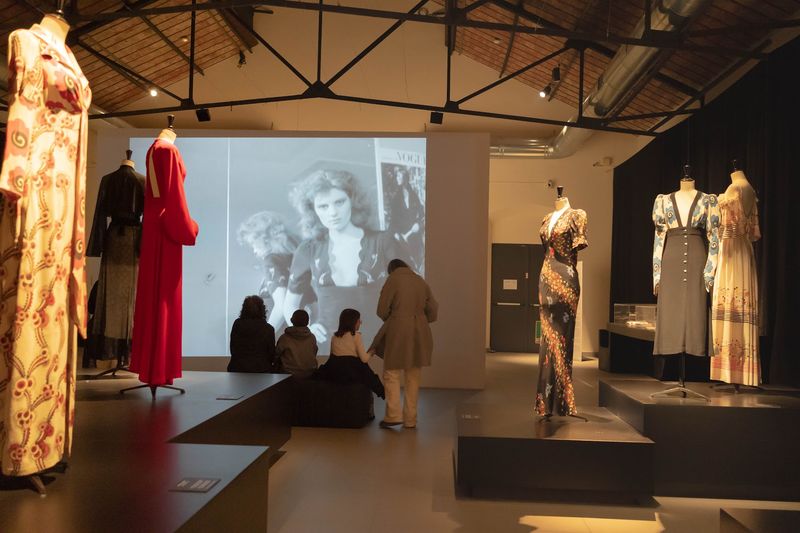
Prato has been shaping cloth since the 12th century, and its textile museum occupies the beautifully restored Campolmi mill, a building that connects the collection directly to the city’s industrial story. That setting gives the experience a grounded, honest character that purely decorative art museums rarely achieve.
The collection exceeds 9,000 objects and covers a remarkable chronological sweep from the early Christian period through the 20th century. Ancient cloths, embroidery, lace, ecclesiastical vestments, historic clothing, and industrial machinery all share space, creating a genuinely complete picture of how fabric moves from raw material to finished object.
Prato today remains one of Europe’s most significant textile and fashion districts, home to over 7,000 companies. The Museo del Tessuto connects that modern commercial energy to centuries of craft history, making it one of the most contextually rich textile destinations anywhere in Italy.
Share this story