Some gardens are so carefully planned that walking through them feels like strolling through a giant painting. Tulips, cactus, palms and clipped hedges become color, shape and pattern.
Many of these places also protect rare plants and help scientists learn more about nature. Here are 15 spots around the world where plants and design team up to wow every visitor.
Keukenhof, Lisse, Netherlands
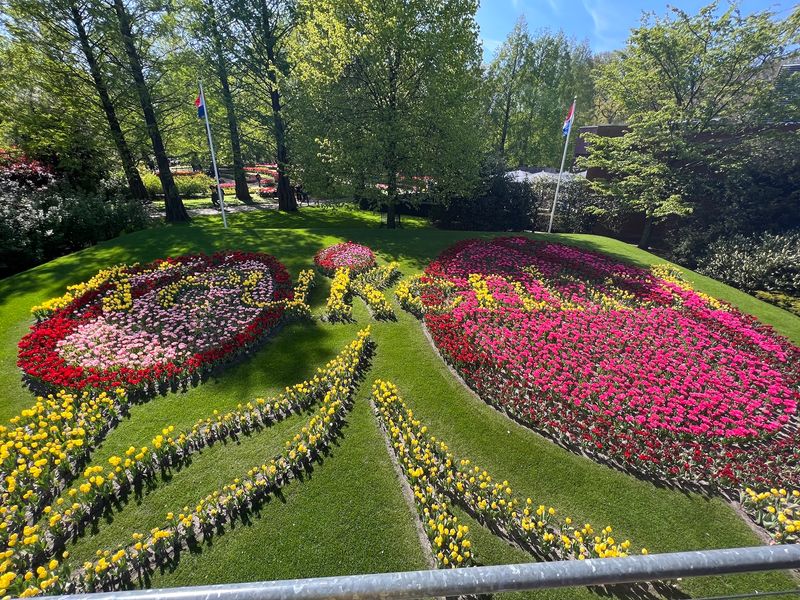
Picture seven million flower bulbs all waking up at once. That is the spring show at Keukenhof, and it is as bright as it sounds.
This garden is a seasonal event more than a year-round park. The 2027 season runs from March 18 through May 9, so the window for a visit is short.
Planning ahead pays off, because bloom timing shifts with the weather.
Designers change the layout every year. Tulips, hyacinths and daffodils get new color partners, so no two springs look the same.
Beds curve around ponds and slip under mature trees, which gives each view a tidy, composed feel.
Walk slowly and look at the color blocks from a distance first. Then step close and notice the tiny details, like stripes on a petal or the way dew clings to a leaf.
Early mornings tend to be calmer, and the light makes the reds and yellows glow.
Bring comfortable shoes, since the paths are long and the photo stops add up. At peak bloom, whole lawns look like impressionist paintings made of petals instead of paint.
Singapore Botanic Gardens, Singapore
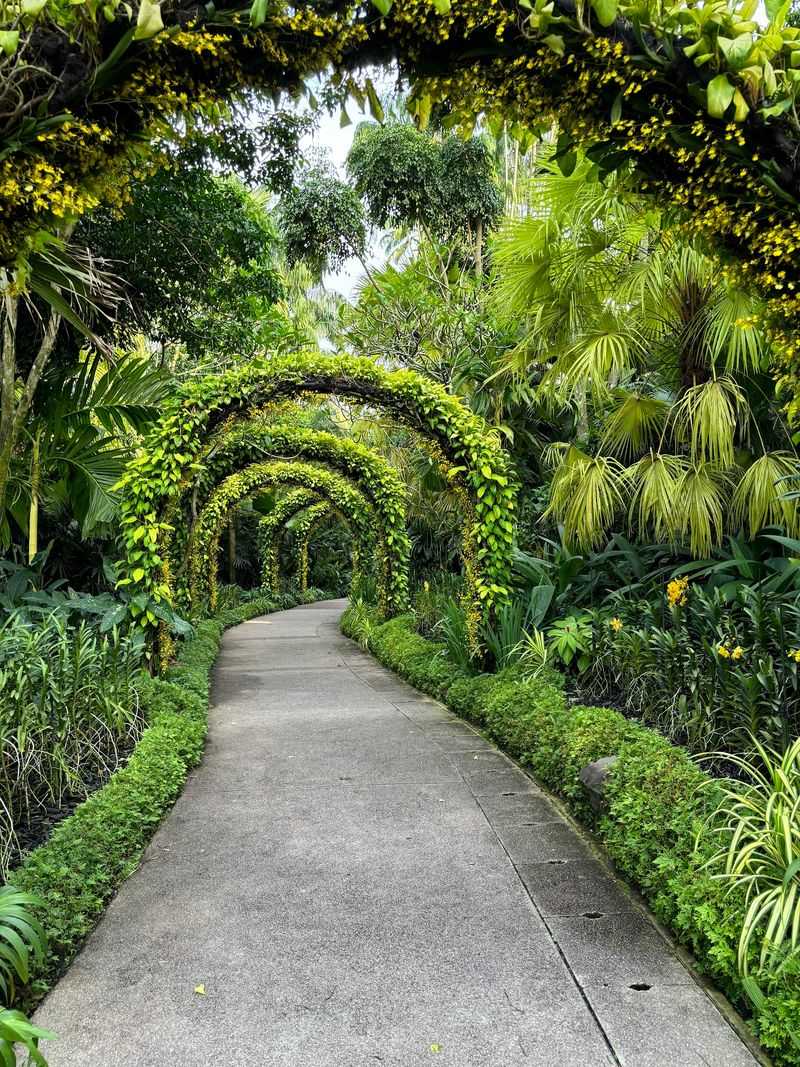
Founded in 1859, this garden has been growing for over 160 years. It began as a colonial pleasure garden and grew into a hub for plant research, conservation and learning.
UNESCO added it to the World Heritage List in 2015. The honor recognizes both its long-lasting design and its role in tropical botany.
Few gardens can claim such a mix of beauty and brainpower.
Stroll past giant old trees, calm lakes and wide lawns, and you will see why locals use it as a daily escape. Paths wind in easy loops, so wandering feels relaxed rather than rushed.
The National Orchid Garden is the showstopper. Thousands of orchids in every shade appear in arches, beds and shady corners.
Some are tiny, some are ruffled, and a few look almost too perfect to be real.
Go early to beat the heat and the crowds. Pack water, bring a hat and leave time for a lakeside rest.
The whole place feels planned yet wonderfully lush.
The Butchart Gardens, British Columbia, Canada
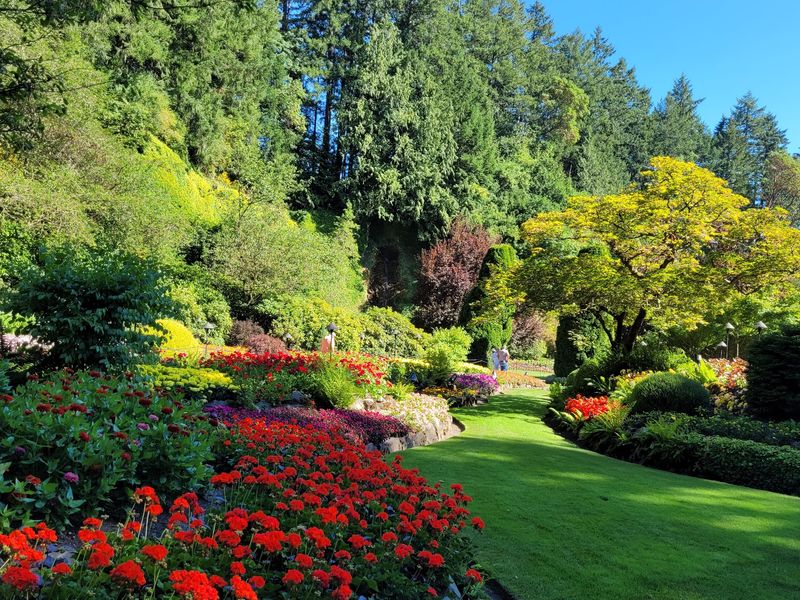
Once upon a time, this spot was a dusty limestone quarry. Today it is a theater of flowers, and the plot twist is wonderful.
The Sunken Garden is the star. Curved paths drop into the old pit, where dense beds of red, pink, yellow and purple blooms spread out below.
Trees and trimmed greenery frame the scene from every side.
Beyond the main show, there are Japanese, Italian and rose gardens, each with its own mood. Walking from one to the next feels like flipping through chapters of a very pretty book.
Turning a scarred industrial site into a lush landscape is a big part of the gardens’ charm. Every viewpoint looks carefully arranged, with water, paths and plants working together.
Visit at different times of day if you can. Morning light is soft and quiet, while evening brings warm tones across the flowers.
Bring a camera, but also save a few minutes just to look.
Royal Botanic Gardens, Kew, London, England
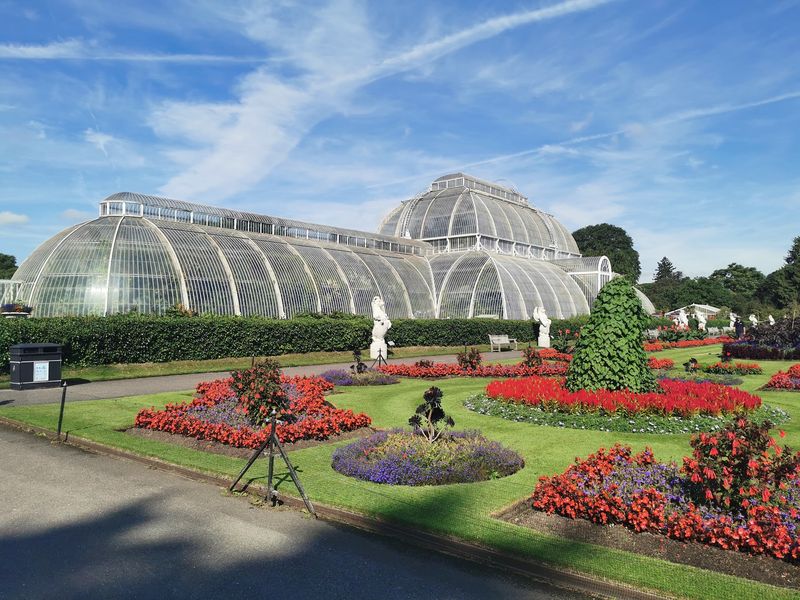
Fifty thousand living plants live inside one 320-acre London landscape. That number alone makes Kew feel like a plant world tour.
The Palm House is the famous face of the garden. Inside its giant 19th-century iron-and-glass frame, tropical leaves climb toward the curved roof.
Step in and the air turns warm and damp right away.
Next, try the Princess of Wales Conservatory. It recreates ten climate zones under one roof, so you can pass from dry to steamy in minutes.
Outside, the arboretum holds around 11,000 trees. Autumn is a great time to visit, when leaves shift to copper and gold.
Formal gardens and quiet woodland paths give you plenty of room to roam.
Kew is also a serious science center, which adds meaning to the beauty. Plan a full day, wear walking shoes and grab a map.
The grounds are bigger than they look at first glance.
Desert Botanical Garden, Phoenix, Arizona
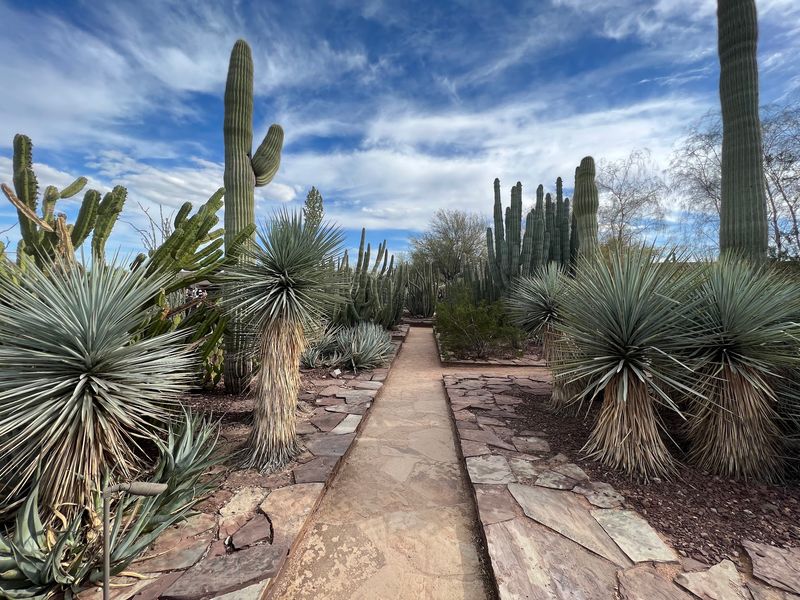
Spiky, bold and proud of it, desert plants are the stars in Phoenix. Nobody here is missing a lawn.
The garden holds about 55,000 plants from roughly 4,800 species, and many are rare or endangered. Cactus, agave and yucca stand out like sculptures against the red rocks of Papago Park.
Five trails lead through different collections. You will meet towering agave, bright desert wildflowers and giant cardon cacti that rise more than 30 feet.
Their strong, clean shapes make the whole place feel built as much as grown.
Timing matters in the desert. Visit in the morning or around sunset to avoid harsh heat, and to catch golden light that makes the spines glow.
Spring often brings the best blooms.
Remember to bring water and sun protection, and keep a respectful distance from the prickly neighbors. A slow walk here shows how much art can hide in a dry landscape.
New York Botanical Garden, New York City
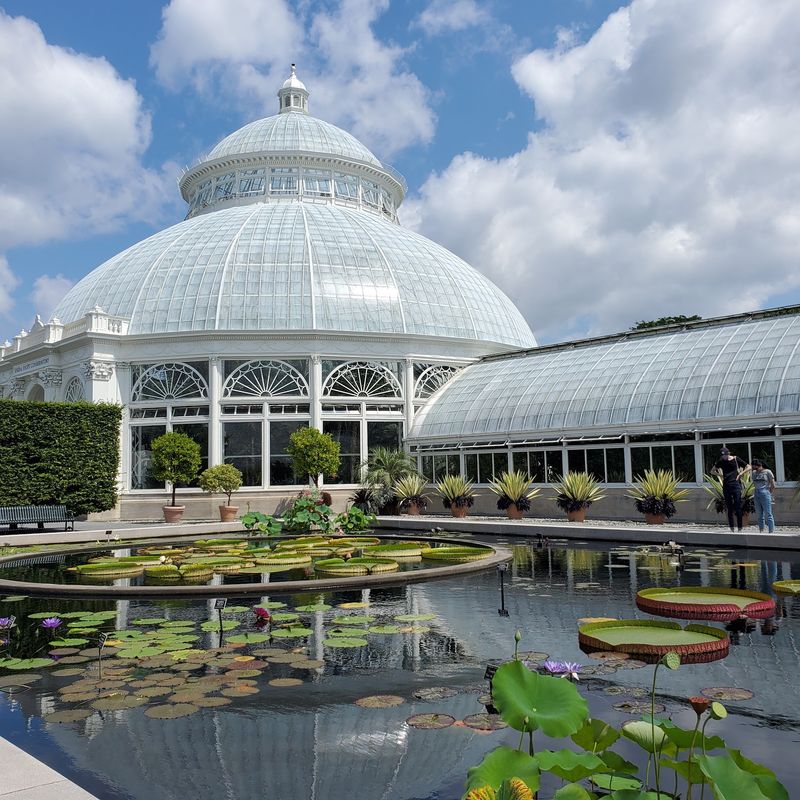
The garden itself calls its Perennial Garden a living work of art. That is a bold claim, and it holds up.
Spread across 250 acres in the Bronx, the garden blends science, design and constant change. The Enid A.
Haupt Conservatory anchors the landscape with its graceful glass domes.
Garden designer and painter Lynden B. Miller created the Perennial Garden.
It is arranged into four themed rooms built around color, texture and seasonal change. Each room has its own personality, so wandering through feels like moving between small galleries.
Special shows add even more fun. Japanese chrysanthemums are trained into cascading shapes in the fall, and winter brings elaborate displays inside the conservatory.
Check the seasonal calendar before you go. Something new is always blooming, and the right visit can match your favorite colors.
Wear good shoes, because the grounds are big and the paths invite long walks.
Kirstenbosch National Botanical Garden, Cape Town, South Africa
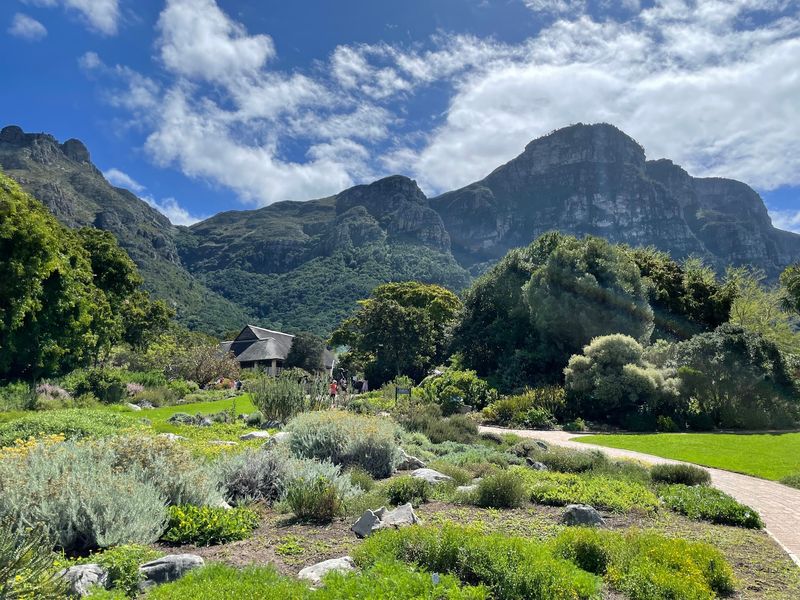
Here, a mountain is the backdrop, and it never goes out of style. Table Mountain rises right behind the lawns of Kirstenbosch.
The garden blends into native forest and mountain plants instead of fencing them off. That gives it a relaxed, natural look that is far from stiff European formality.
Collections focus on South Africa’s remarkable plants, including proteas, cycads and species from the Cape Floristic Region. Proteas are especially fun to spot, with big, spiky blooms that look almost like crowns.
The canopy walkway is a visitor favorite. It curves gently through the treetops and lets you see the garden from above.
Kids and adults both love the little sway.
Pack a picnic and spread a blanket on the lawn, as locals often do. Late afternoon light turns the mountain golden and makes everything feel extra calm.
Bring a jacket, since weather on the slopes can change quickly.
Montreal Botanical Garden, Montreal, Canada
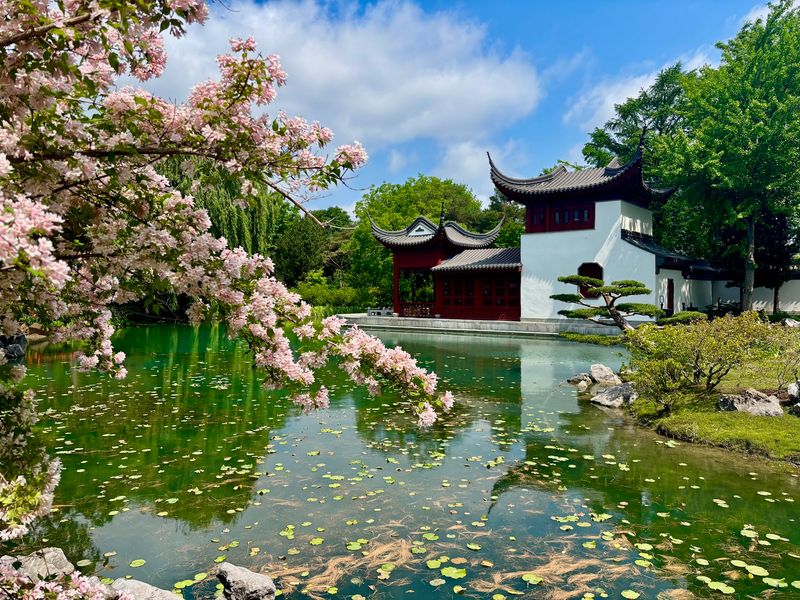
One gate, many countries’ worth of scenery. Montreal’s garden is packed with themed worlds that feel wonderfully different.
The Chinese Garden uses buildings, rocks, water and careful planting to recreate a scholar’s retreat. The Japanese Garden goes for calm simplicity, with stone, still water and seasonal leaves.
More areas celebrate alpine plants, roses, lilacs and First Nations plant traditions. Each section has its own rules, colors and moods.
The fun comes from contrast. In one moment you are in a quiet Asian landscape, and in the next you are among plant collections arranged for learning.
Autumn is a standout season. Japanese maples and other trees turn deep red and gold, and the reflections in the water double the effect.
Dress in layers, because Montreal weather can be brisk, and give yourself plenty of time to see every corner.
Royal Botanic Garden Sydney, Sydney, Australia
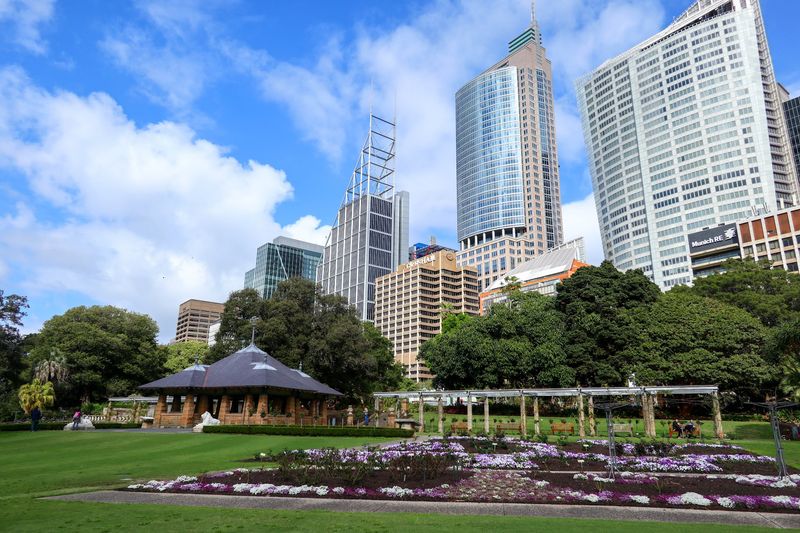
Where else can you picnic under a palm and spot the Opera House? Sydney’s garden sits right on the harbor, and the views are hard to beat.
Mature trees, subtropical plants and big open lawns soften the city skyline. Their leafy shapes make the nearby architecture look even sharper.
Formal collections share space with palm groves and native Australian plants. Paths lead from tidy garden rooms to open water views, so there is always a new angle waiting.
The setting is what people remember most. Old trees and flowers act like a frame, and the harbor landmarks become the picture inside it.
Walk along the waterside paths at golden hour, when the light is warm and the crowds thin out. Bring a blanket, grab a snack and settle on the grass.
It is a rare place where a city feels peaceful.
Jardim Botânico da Madeira, Funchal, Portugal
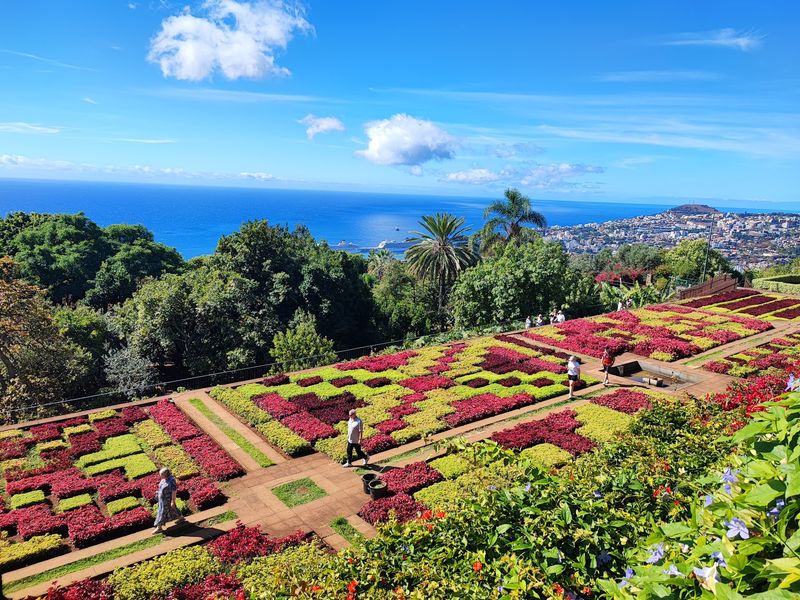
Turn a corner and the Atlantic suddenly appears. That surprise happens again and again on Madeira’s hillside garden.
The island’s mild subtropical climate lets many plants thrive. Collections include tropical species, subtropical favorites and plants that grow only on Madeira.
Geometric beds and clipped hedges make some of the most famous views. Foliage in different colors is laid out in precise patterns, almost like a woven rug seen from above.
Because the garden sits on a steep slope, paths climb and drop in fun ways. Many open onto wide views of Funchal’s rooftops and the deep blue sea.
Visit on a clear day for the best scenery. Comfortable shoes help with the hills, and a light jacket is useful if the breeze picks up.
The mix of rugged island and neat flower beds makes every photo pop.
Jardim Botânico do Rio de Janeiro, Rio de Janeiro, Brazil
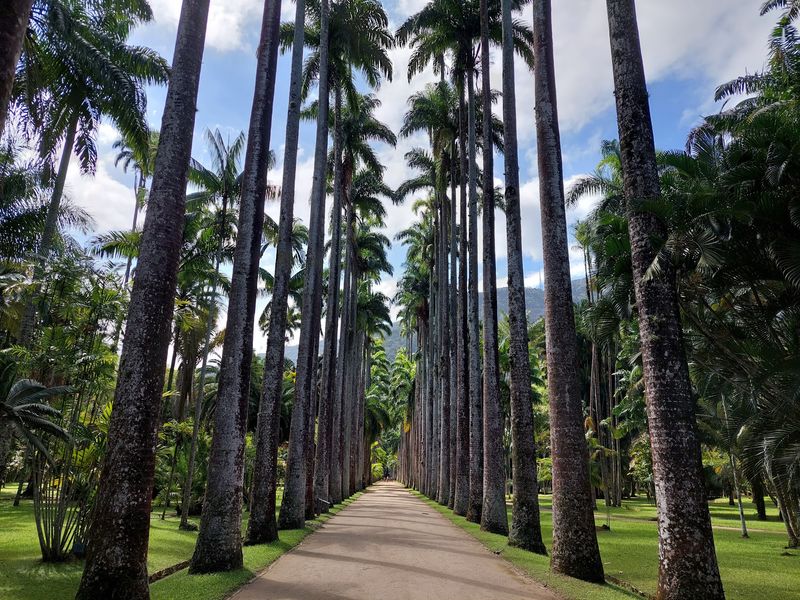
Imagine a hallway made of living columns. Rio’s avenue of imperial palms is exactly that, with tall, straight trunks lined up in perfect rows.
The garden sits beneath mountains and rainforest, which gives it a movie-set look. Beyond the palms you will find orchids, bromeliads, giant water lilies and native Atlantic Forest plants.
Part of its charm comes from the city around it. Even though it lies inside a busy metropolis, thick greenery and mountain views make the noise fade away.
Some areas are formal and symmetrical. Others feel like little pieces of wild tropical forest, with shade, birdsong and damp earth smells.
Visit in the morning for cooler air and softer light. Look up as well as ahead, because the palm tops and mountain peaks make a striking pair.
Bring bug spray and water, then wander without a strict plan.
Nong Nooch Tropical Botanical Garden, Pattaya, Thailand
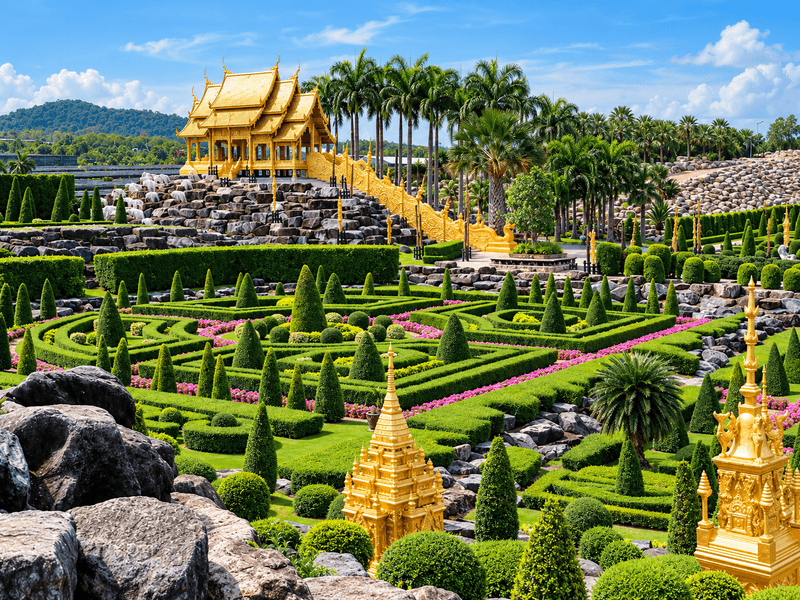
Subtle is not the goal here. Nong Nooch loves a grand show, and it delivers with huge patterns and sculpted greenery.
The garden covers a vast landscape filled with palms, tropical flowers and topiary. Many areas skip natural looks and go for dramatic symmetry, with sweeping beds and shaped plants.
Palm and cycad collections add bold, architectural shapes. Raised walkways let you look down on the patterned gardens, so the designs make full sense from above.
You can go from a French-inspired formal section to a tropical collection in just a few minutes. That quick change keeps the day lively.
It feels closer to a botanical theme park than a quiet science garden, and that is part of the fun. Wear a hat, carry water and plan for heat.
Few places look more extravagant.
Jardin Majorelle, Marrakech, Morocco
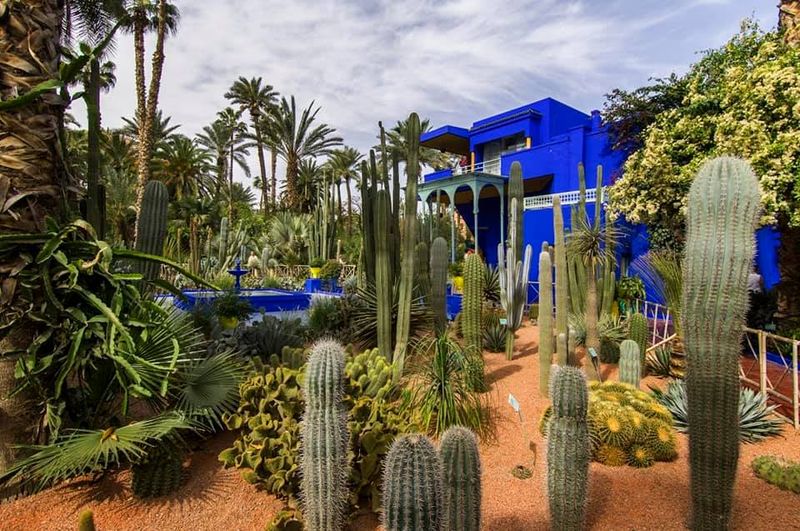
Blue so bright it almost hums. Majorelle Blue is the bold color that makes this small garden unforgettable.
The cobalt walls pop against green bamboo, palms, cactus and other exotic plants. The contrast is striking, and every angle looks planned.
French painter Jacques Majorelle began shaping the garden in the early 20th century. He treated it like a canvas, thinking about color and layout as an artist would.
Designer Yves Saint Laurent later became linked to the garden, and it grew into one of Marrakech’s best-known sights. Narrow paths pass bold walls, water features and carefully framed plants.
It is much smaller than many botanical gardens, which makes it feel personal. Arrive early, since lines and crowds build fast.
Slow down at each corner and notice how color and leaf shape work together.
Brooklyn Botanic Garden, New York City
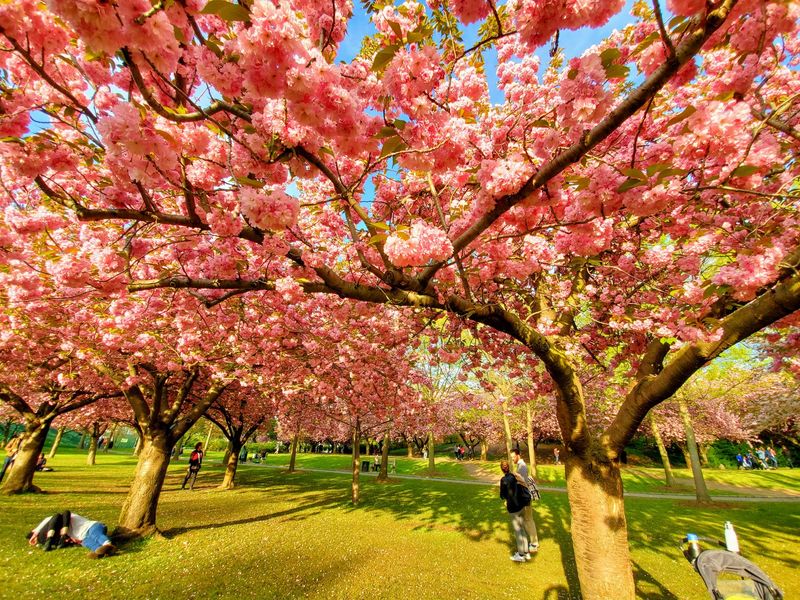
Each April, New Yorkers line up for a pink cloud. Brooklyn’s cherry trees are among the most anticipated spring sights in the city.
The Japanese Hill-and-Pond Garden adds more charm, with bridges, stone lanterns, still water and layered plants. It feels like stepping into a quiet postcard.
The Cranford Rose Garden and Native Flora Garden offer very different looks in the same compact site. One is all fragrance and petals, while the other celebrates local wild plants.
The shift from busy streets to flowering paths is dramatic. Within a few steps, traffic noise fades and birdsong takes over.
Spring bloom is the headliner, but autumn leaves and winter shapes show careful planning for all seasons. Check bloom updates before you go, and bring a light jacket for breezy days.
Adelaide Botanic Garden, Adelaide, Australia
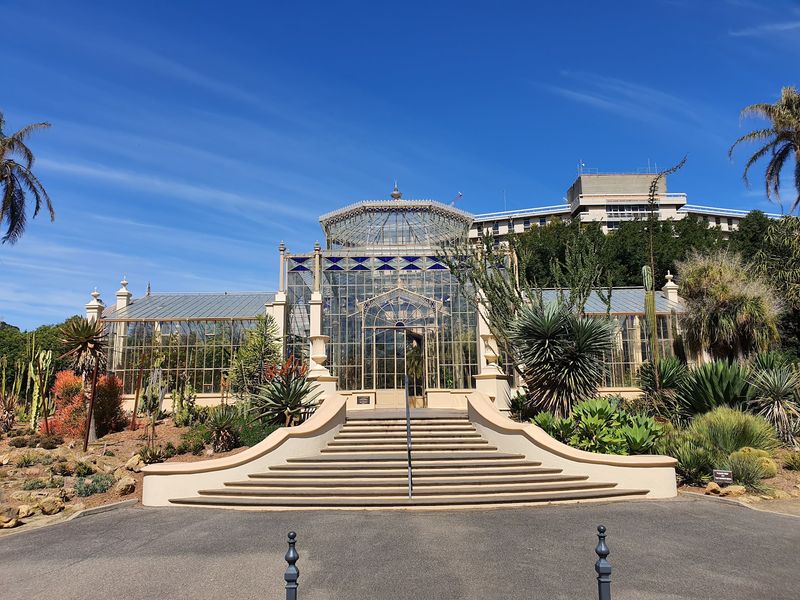
Glass, trees and open lawns share the stage in the middle of Adelaide. The garden is easy to reach and hard to leave.
Its plantings mix Mediterranean, subtropical and Australian species. Formal lawns and beds slowly give way to collections of arid and native plants.
The 19th-century Palm House is a graceful highlight, with a distinct architectural shape. Nearby, the Bicentennial Conservatory creates a lush tropical world that feels totally different from the outdoors.
There is no single flashy seasonal display here. Instead, the charm comes from variety: old glasshouses, mature trees, sculptural plants and neatly composed open space.
That makes it perfect for slow exploring. Pick a bench, watch the light move across the lawns and let the garden unfold.
Bring a book or a sketchpad, and take your time.
Share this story