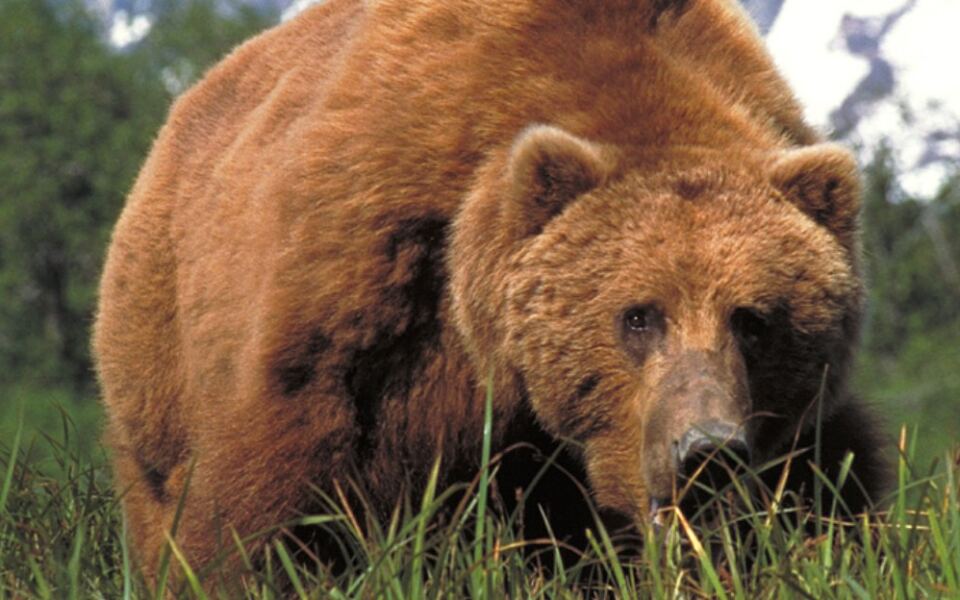
Grizzly and brown bears are among the largest land predators in North America, and they depend on wide open spaces to survive. From rocky mountains to salmon-filled rivers, certain places still give them room to roam.
Knowing where these bears live helps visitors plan safer trips and appreciate the wild lands that protect them. Here are fifteen special places where these powerful animals can be found.
1. Yellowstone National Park, Wyoming, Montana, Idaho
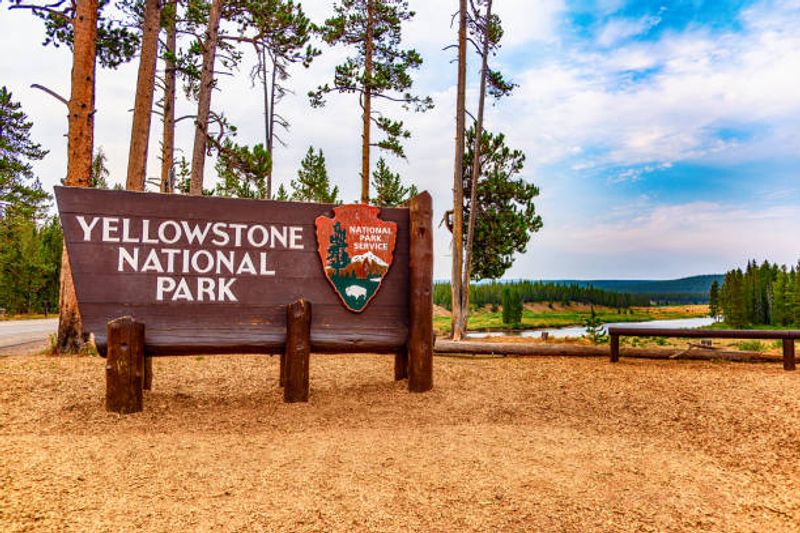
Few places make bear watching as famous as Yellowstone. Rangers estimate that hundreds of grizzlies live in the greater Yellowstone region, and visitors often spot them from the road in Hayden and Lamar Valleys.
Spring and early summer are good times to look. Bears wander open meadows searching for winter-killed elk and bison, plus fresh grass and roots.
Later in the year, they head to higher ground to eat whitebark pine nuts and moths.
Park rules require staying at least 100 yards from bears. Carry bear spray, hike in groups, and make noise on trails.
Use binoculars or a spotting scope for close views instead of walking closer. Store food in locked vehicles or approved containers, since a bear that learns to eat human food may need to be removed.
Yellowstone also offers geysers, canyons, and wolves, so a trip here delivers plenty beyond bears.
2. Glacier National Park, Montana
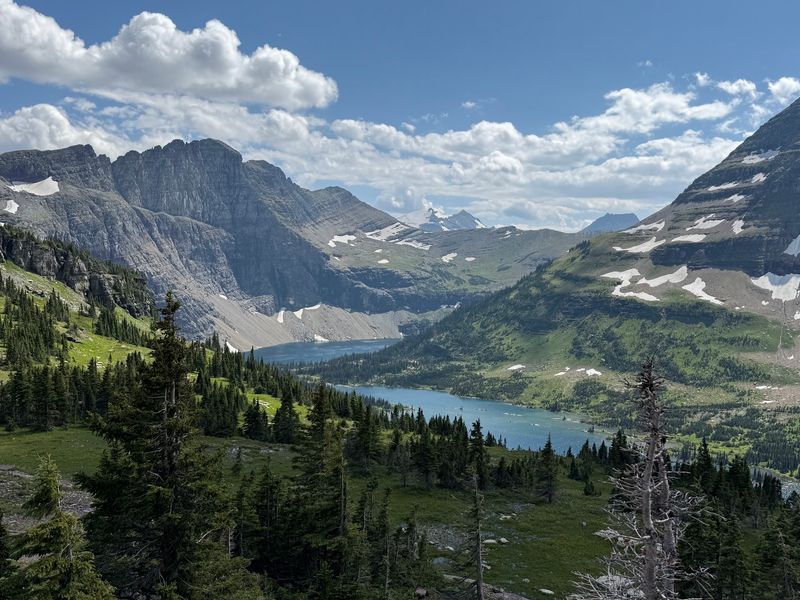
Picture a grizzly crossing a steep slope covered in bright wildflowers, with jagged peaks rising behind it. That scene plays out often in Glacier, home to one of the largest grizzly populations in the lower 48 states.
The park protects more than a million acres of forest, alpine meadow, and glacier-carved valleys. Bears move between these zones through the seasons, feeding on huckleberries, glacier lily bulbs, and ground squirrels.
Many Glacier and the Two Medicine area are popular for sightings, though hikers should always stay alert. Carry bear spray where you can reach it quickly, and keep your group together.
Calling out now and then helps avoid surprise encounters around blind corners.
Some trails close temporarily when bears are feeding nearby, so check with rangers before heading out. Following those rules keeps both people and bears safe.
3. Katmai National Park and Preserve, Alaska
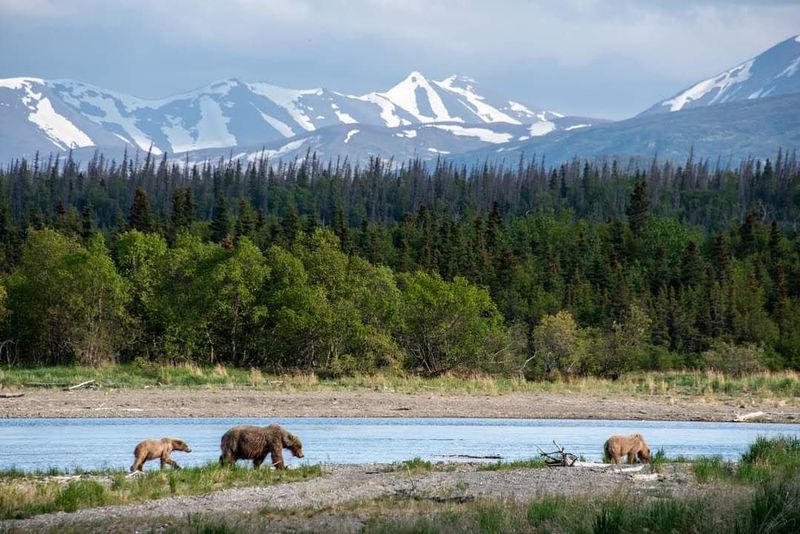
Brooks Falls in Katmai has become a legend among wildlife fans. Each July, brown bears line up at the top of the waterfall, mouths open, waiting for leaping sockeye salmon to land right in them.
Katmai holds an estimated 2,000 brown bears, which is roughly as many as the number of people living on the Alaska Peninsula. The rich salmon runs in the Brooks River help bears grow huge before winter.
Getting there takes effort. Most visitors fly by small floatplane from Anchorage or King Salmon and stay at Brooks Camp.
Rangers guide people along elevated walkways and viewing platforms so bears have the right of way.
Reservations for summer fill up months ahead, so plan early. If you cannot visit, the park’s live bear cameras let anyone watch the action online.
4. Denali National Park and Preserve, Alaska
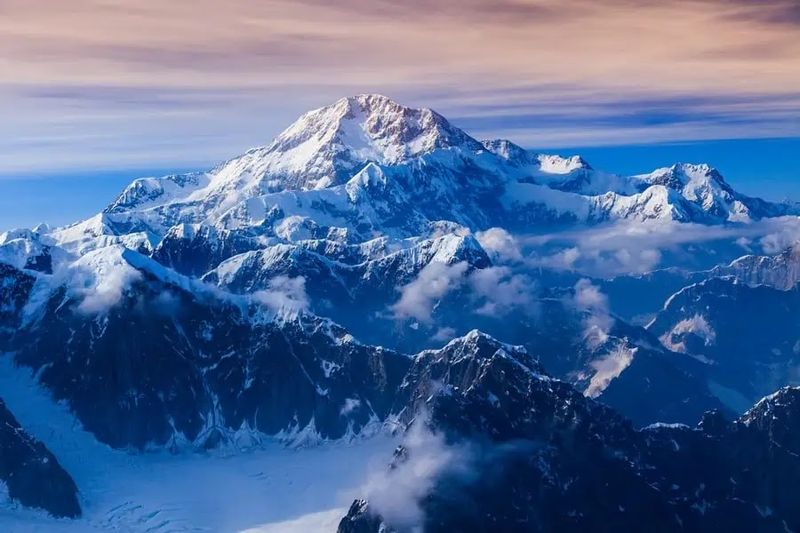
Under the shadow of North America’s tallest peak, grizzlies roam a landscape that looks almost unchanged from long ago. Denali’s wide tundra gives visitors a rare chance to watch bears from far away as they dig for roots and berries.
Most people see bears from the park bus along the single road that stretches 92 miles into the wilderness. Drivers stop when someone spots an animal, so every rider gets a look.
Bears here are often smaller than coastal brown bears because their diet has less fish. Instead, they rely on soapberries, blueberries, and the occasional caribou calf.
Denali encourages travelers to step off the bus and explore the backcountry, but bear safety training is required for overnight trips. Bring bear-resistant food canisters, which the park provides for free.
5. Lake Clark National Park and Preserve, Alaska
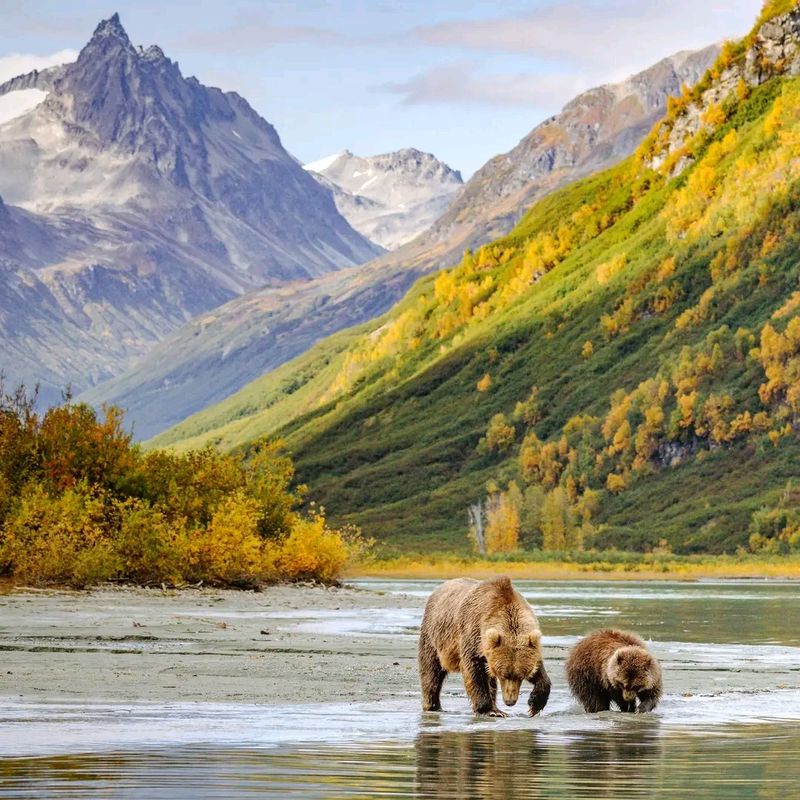
Clam digging may sound like a human pastime, but along Lake Clark’s coast, brown bears have turned it into an art. At low tide, they plod across the mud flats of Chinitna and Silver Salmon Creek, scooping up shellfish with their long claws.
The park sits just across Cook Inlet from Anchorage, yet feels a world away. Volcanoes, turquoise lakes, and glaciers fill the scenery, and there are no roads leading in.
Visitors usually arrive by small plane and join guided viewing tours. Guides know the bears well and can read their moods, which keeps everyone at a respectful distance.
Late summer brings sedge grass and salmon, and mother bears often bring cubs to the shoreline. Pack waterproof layers, since coastal weather changes fast.
6. Grand Teton National Park, Wyoming
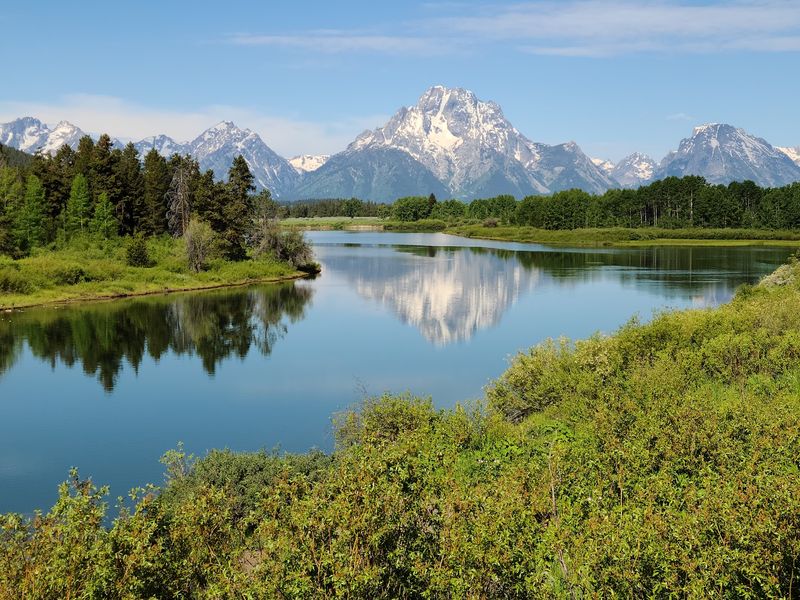
Grizzly 399 became one of the most photographed bears in the world, raising cubs in full view of the Teton Range for more than two decades. Her story made Grand Teton a top spot for bear fans.
The park’s sagebrush flats and river bottoms offer food through the year. Bears search for roots, insects, and elk calves in spring, then move toward berries and whitebark pine seeds in fall.
Roadside viewing along Pilgrim Creek and Oxbow Bend can be rewarding at dawn and dusk. Crowds sometimes gather, so park in designated areas and never block traffic.
Visitors should keep at least 100 yards from bears. A good zoom lens or spotting scope lets you enjoy the animals while giving them the space they need to feed and raise young.
7. Kodiak National Wildlife Refuge, Alaska
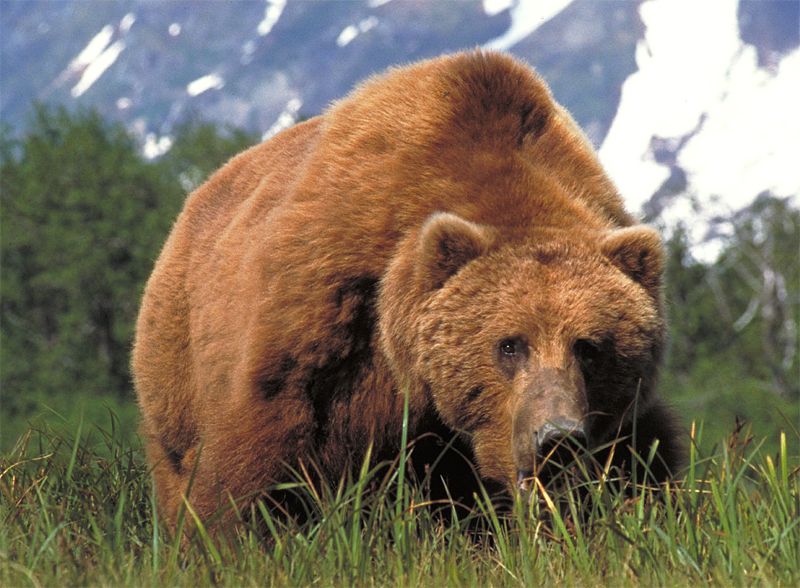
On Kodiak Island, bears have lived apart from their mainland cousins for about 12,000 years. That long isolation produced the Kodiak bear, among the largest bears on Earth, with big males weighing over 1,000 pounds.
The refuge covers about two thirds of the island and protects roughly 3,500 bears. Salmon-filled streams and lush berry patches supply plenty of food, which helps explain their size.
Access is mostly by floatplane or boat, and many travelers book guided bear viewing trips out of the town of Kodiak. Summer and early fall bring the best chances to see bears fishing.
The refuge also shelters bald eagles, sea otters, and Sitka deer. Pack rain gear and sturdy boots, because the island weather is famously wet and unpredictable.
8. Bob Marshall Wilderness, Montana
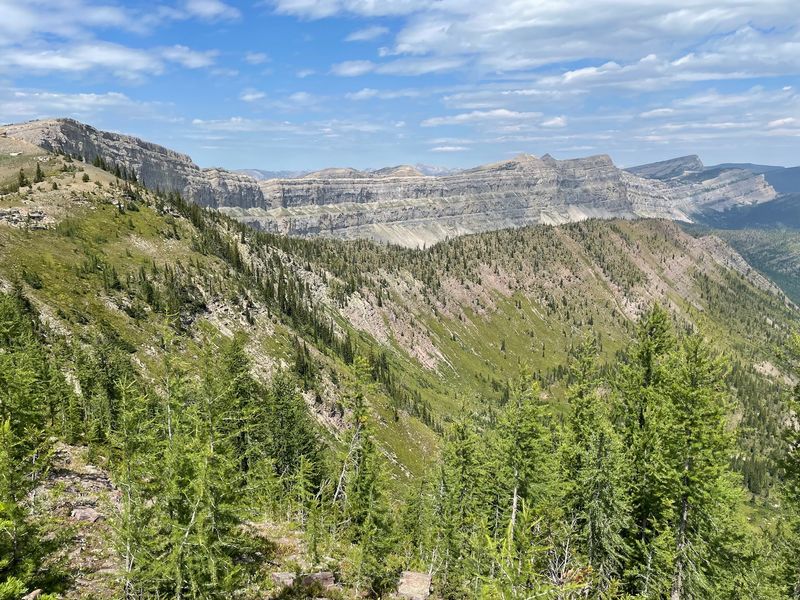
Only your own feet or a horse’s hooves can carry you into the Bob Marshall. Motorized vehicles are banned, which keeps this million-acre wilderness quiet and wild.
It forms the heart of the Northern Continental Divide Ecosystem, the largest grizzly stronghold in the lower 48. Bears wander through river valleys, avalanche chutes, and high ridges, hunting for berries, roots, and elk.
The Chinese Wall, a limestone cliff about 22 miles long, is a famous landmark on many trips. Hikers should plan for long distances and limited supplies, and tell someone their route before leaving.
Camp away from where you cook, hang food or use a bear-resistant container, and carry bear spray. Those habits matter in country where bears truly outnumber other visitors.
9. Great Bear Wilderness, Montana
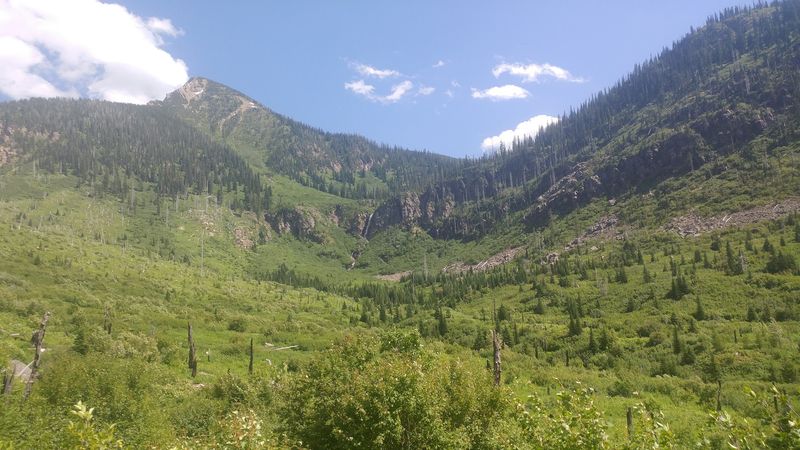
The name says it all. Great Bear Wilderness was named for the grizzly, and it forms the southern edge of a vast protected region that stretches north to Glacier National Park.
Covering about 286,000 acres, it is rugged and lightly visited. Thick forests, steep slopes, and the Middle Fork of the Flathead River create a natural corridor for bears moving between larger areas.
Because few trails cut through here, travelers need solid navigation skills. A map, compass, and backup battery for a GPS device are worth bringing.
In late summer, bears gather on slopes full of huckleberries, so noise is your best friend. Talk, clap, or sing while hiking, which gives bears time to move away before you get close.
10. Cabinet Mountains Wilderness, Montana
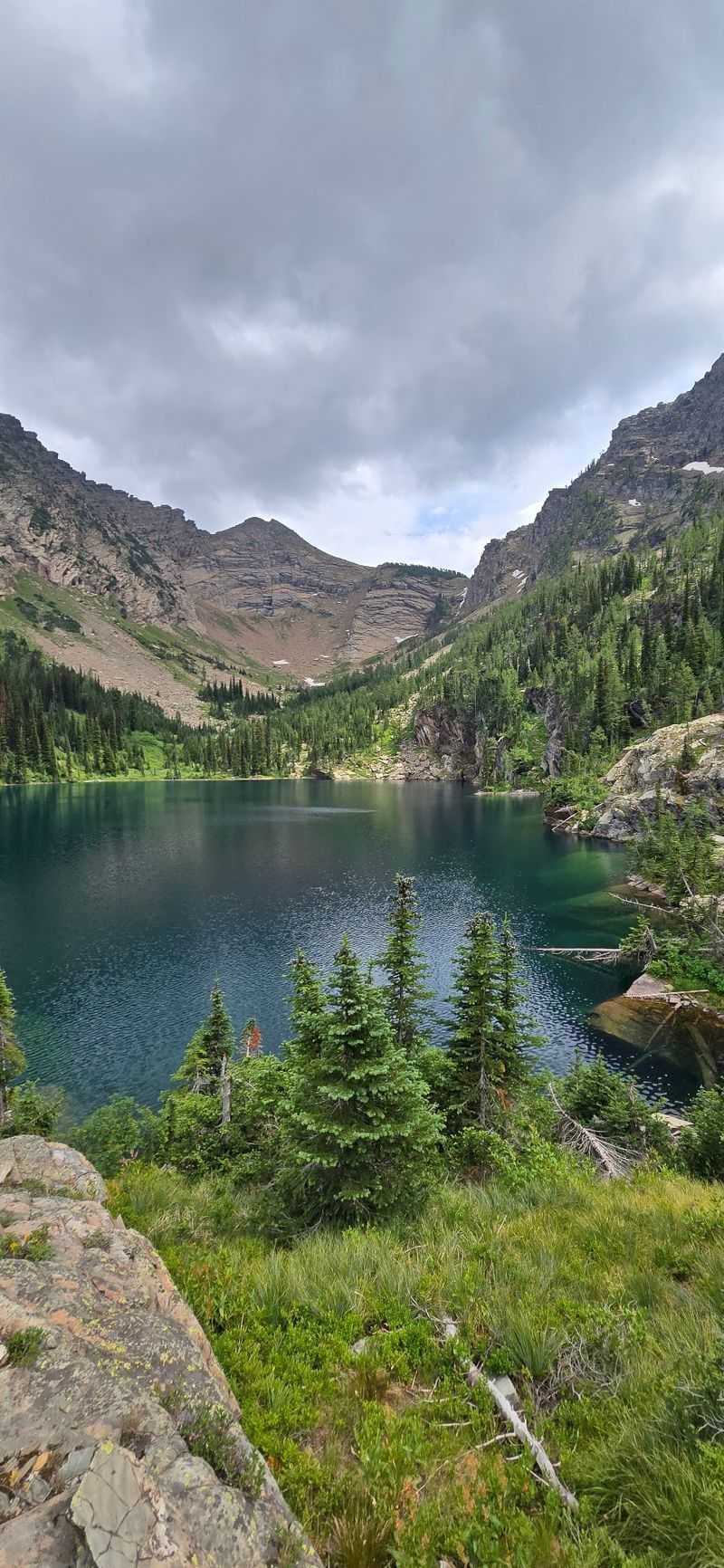
Only a few dozen grizzlies live in the Cabinet Mountains, which makes every one of them important. Wildlife managers have worked for years to help this small group grow.
The wilderness covers about 94,000 acres in northwest Montana, with steep granite peaks, deep valleys, and sparkling lakes. Dense forest and heavy snowfall create a challenging home, yet bears find berries, roots, and plants in the high basins.
Because the population is fragile, protecting each bear matters. Following food storage rules and staying on trails helps prevent conflicts that could harm the animals.
Hikers can enjoy trails like those leading to Cedar Lake or Rock Lake. Go with a partner, carry bear spray, and keep dogs leashed.
A quiet, careful visit supports the slow recovery of this special population.
11. McNeil River State Game Sanctuary, Alaska
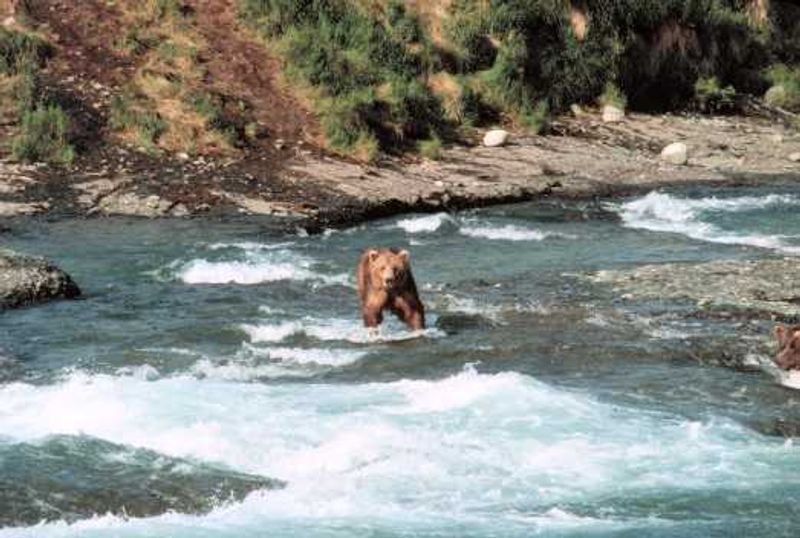
Winning a permit to visit McNeil River is a bit like winning a lottery. Only a small number of people are chosen each summer to watch the largest gathering of wild brown bears in the world.
As many as 70 bears have been seen here at one time, feeding on chum salmon at the falls. The sanctuary was created in 1967 to protect them, and rules are strict to keep human impact low.
Visitors walk to the viewing area with biologists, then spend hours watching at close range. Bears are used to the routine and mostly ignore people who stay quiet and calm.
Applications open in the spring through the Alaska Department of Fish and Game. Be ready for rain, mosquitoes, and a long day, but also for an unforgettable view.
12. Admiralty Island National Monument, Alaska
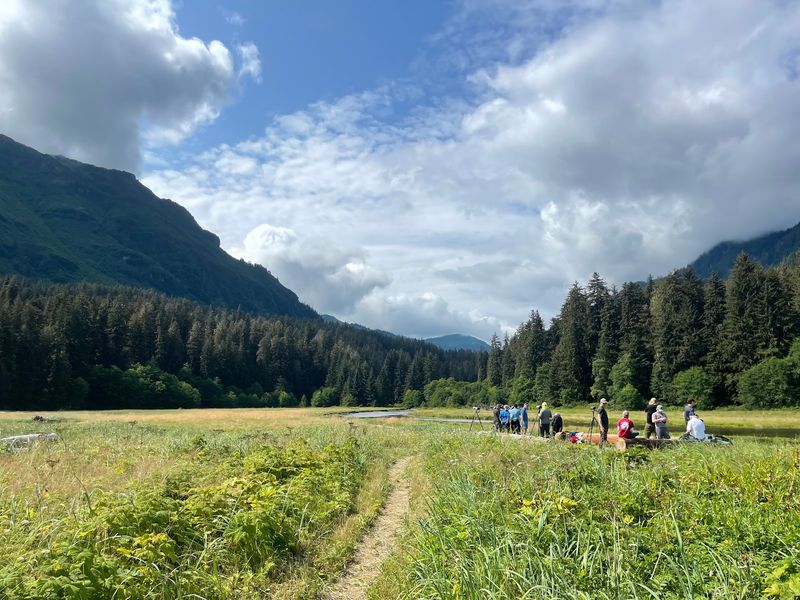
Locals call Admiralty Island Kootznoowoo, a Tlingit word often translated as fortress of the bears. The name fits, since roughly 1,600 brown bears live on an island of about 1,000 square miles.
That adds up to about one bear per square mile, one of the densest populations anywhere. Old-growth rainforest, muddy tidal flats, and salmon streams give them plenty to eat.
Pack Creek is the best-known viewing area. The Forest Service and Alaska Department of Fish and Game limit daily visitors, and permits are needed during peak season.
Trips leave from Juneau by boat or floatplane.
Visitors stay in a designated area and follow ranger directions. The system lets people see bears up close while keeping the animals relaxed and undisturbed.
13. Selkirk Mountains, Idaho and Washington
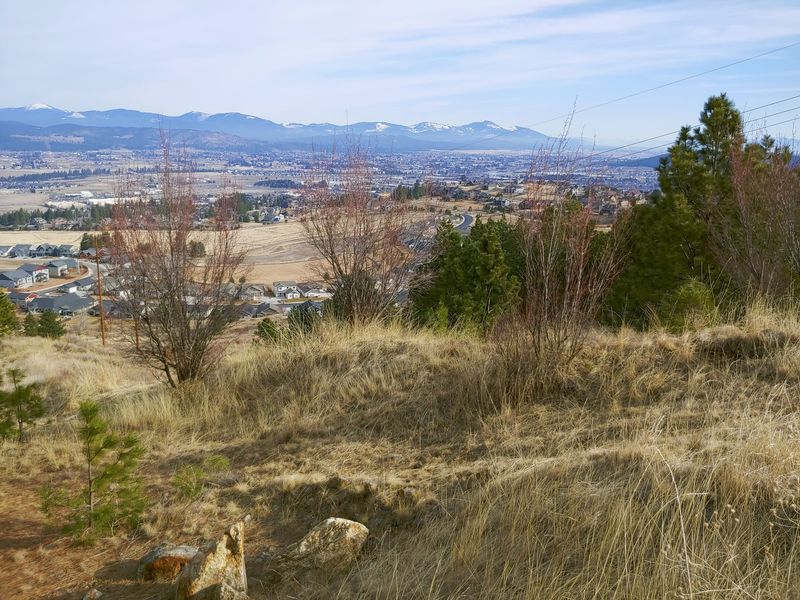
Some of the rarest grizzlies in the country live in the Selkirks, a rugged range in the corners of Idaho, Washington, and British Columbia. Biologists believe only a few dozen bears roam this area.
The mountains are covered with cedar, hemlock, and fir forests, along with open slopes full of huckleberries. Grizzlies here move across borders, using wild corridors that connect the United States and Canada.
Recovery efforts have focused on protecting habitat and teaching residents how to live near bears. Securing garbage, chicken coops, and bird feeders helps prevent conflicts.
Hunters and hikers are asked to learn the difference between black bears and grizzlies. Telling them apart protects the threatened grizzly population.
Look for a shoulder hump, dished face, and long claws on grizzlies.
14. Gates of the Arctic National Park and Preserve, Alaska
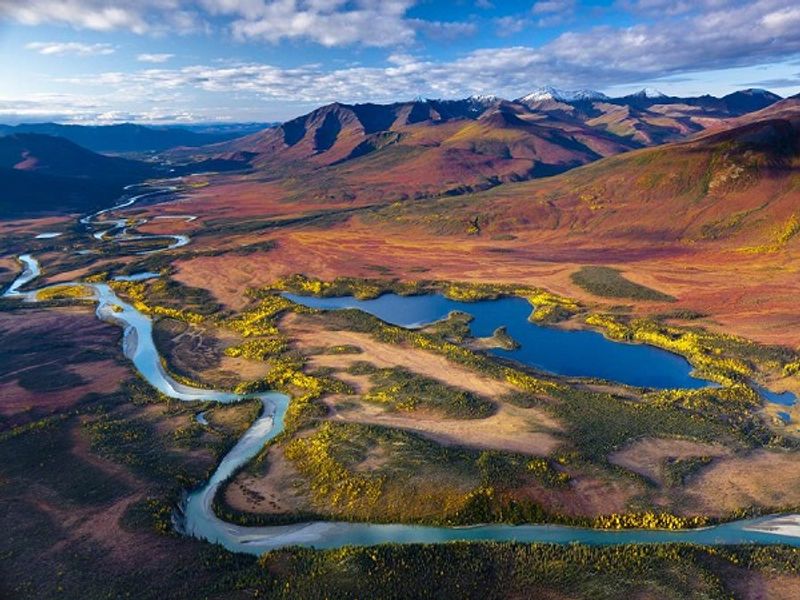
There are no roads, no trails, and no visitor centers inside Gates of the Arctic. Reaching it takes a bush plane, and once you land, you are on your own in a landscape the size of Switzerland.
North of the Arctic Circle, grizzlies roam the Brooks Range, where summer light lasts nearly around the clock. Food is harder to find than on the coast, so bears here are typically leaner and travel long distances.
They eat berries, roots, ground squirrels, and sometimes caribou. In winter, they den high in the hills and sleep for months.
Visitors need strong wilderness skills, including river crossing, navigation, and food storage. Many travelers join guided trips.
The reward is true solitude and a view of bears living as they always have.
15. Wrangell-St. Elias National Park and Preserve, Alaska
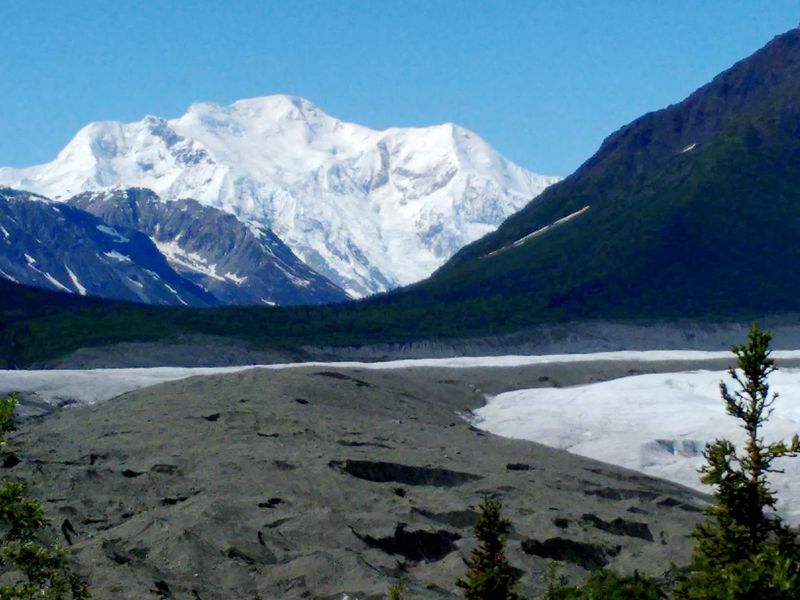
Bigger than Switzerland and Yellowstone combined, Wrangell-St. Elias is the largest national park in the United States at over 13 million acres. Brown bears and grizzlies wander across it in numbers few people ever see.
Nine of the 16 highest peaks in the country rise here, along with glaciers, rivers, and old mining towns. Bears move from river valleys to alpine slopes, feeding on salmon, berries, and ground squirrels.
Visitors can drive the McCarthy Road or the Nabesna Road, both gravel, to reach trailheads. Flightseeing tours offer another way to scan the valleys for wildlife.
Because the park is so large, help is far away. Bring a satellite communicator, extra food, and bear spray.
Careful planning makes a trip here both safe and memorable.
Share this story